• Link to X
  • Link to Facebook
  • Link to Instagram
  • Link to TikTok
  • Link to Youtube
  • About
    • About Us
      • President
      • Board of Directors
      • Board of Advisors
      • Financials
      • Our Methodology
      • Success Tracker
      • Contact
  • Act Now
    • 30 Ways to Help
      • Email Congress
      • Call Congress
      • Volunteer
      • Courses & Certificates
      • Be a Donor
    • Internships
      • In-Office Internships
      • Remote Internships
    • Legislation
      • Politics 101
  • The Blog
  • The Podcast
  • Magazine
  • Donate
  • Click to open the search input field Click to open the search input field Search
  • Menu Menu

Archive for category: Water

Global Poverty, Water

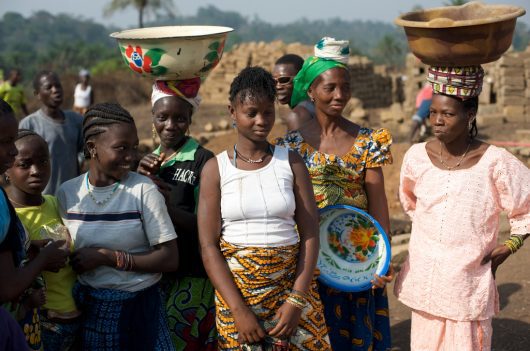
Water Quality in Madagascar

Quality in Madagascar
Many who hear the word ‘Madagascar‘, think of the family-friendly animated movie with dancing lions, lemurs, and other wild animals. This association overlooks the 22.9 million people who lack access to safe water in the country ranked fourth-worst in water quality in Africa.

Water is a basic necessity for survival, and 88 percent of people in Madagascar do not have access to improved sanitation. Over 2,100 children a year die from diarrhea because of unsafe and poor water quality in Madagascar.

Child mortality rates are 10 times higher in Madagascar than in the U.K. Sixty-six percent of people who live in urban areas have access to safe drinking water, but less than 15 percent of people in the rural area have access to such a luxury, only intensifying poverty in Madagascar.

Families who live in isolated villages do not have access to clean drinking water. Wells are contaminated with bacteria and viruses, and those who drink that water are exposing themselves to diseases. Most have no alternative to drinking the contaminated water.

Malalatiana Rasoanisina, a young Madagascar resident, explains that, “Twice a day I have to [collect water], it gave me a stomach ache as that water was yellow. I couldn’t go to school and had to go to the doctor.”

Organizations Working to Improve Water Quality

Madagascar receives about 449 billion m3 of water per year. So why is the water quality in Madagascar so unsanitary?

Madagascar’s government was not formally set up until a few years ago, which means that the nation was lacking the political or economic basis to provide solutions to the water problems. The nation has been relying on help from international organizations such as the International Development Association (IDA) and the Water & Sanitation for the Urban Poor (WSUP).

Even with the recent establishment of a formal government, people still face poor water quality in Madagascar. The public water and electricity company in the nation, JIRAMA (Jiro Sy Rano Malagasy), only covers a few areas of the nation, and JIRAMA faces an estimated debt of $27 million due to low water tariffs.

All people in Madagascar deserve clean water. Organizations such as the WSUP have been doing great work to help keep supply clean. They’ve helped improve water quality for over 700,000 people, improve sanitation services for over 180,000 people, and helped to improve hygiene practices for over 2.7 million.

Although many productive advancements have occurred in Madagascar, there remains a great deal of work ahead for the nation’s people. Many still need help and support, both inside and outside of the nation. Developed countries with safe, established water sanitation systems need to help Madagascar provide sanitary water to its people.

– Mary Waller

Photo: Flickr
April 7, 2017
https://borgenproject.org/wp-content/uploads/borgen-project-logo.svg 0 0 Borgen Project https://borgenproject.org/wp-content/uploads/borgen-project-logo.svg Borgen Project2017-04-07 01:30:032024-05-27 23:59:47Water Quality in Madagascar
Global Poverty, Water

MLB Aims to Improve Water Quality in the Dominican Republic


The Dominican Republic is full of rich history, widely recognized for its tourism, beautiful beaches and elegant resorts. Most importantly, the Dominican Republic is known for baseball. Among a population exceeding 10 million, baseball has continued to flourish, responsible for the growth and development of many former and current professional baseball players, including David Ortiz, Robinson Cano and Sammy Sosa. Apart from this distinction, the Dominican Republic has experienced extreme poverty, and half of the population has no access to clean water.

In an effort to improve water quality in the Dominican Republic, the Major League Baseball Players Trust has taken the initiative to give back and make a difference in the lives of many families. As a charitable foundation allowing the opportunity for players to support important causes, it helps in alleviating global issues and encourages others to join the fight in making a difference around the world.

In partnership with the Players Trust, Esperanza International aims to free families from poverty through efforts of generating income, education and health, and restoring self-worth and dignity to those who have become hopeless. This nonprofit was founded by former MLB player Dave Valle, who witnessed first-hand the poverty-stricken regions of the country while playing winter ball in the Dominican Republic.

From September through December 2016, 76 loans were distributed to first-time borrowers through the grants provided by the Players Trust. Esperanza estimates that these loans will impact at least 380 lives in several neglected areas, including North Santo Domingo, West Santo Domingo and San Pedro de Macoris.

In addition, Esperanza operates two water purification projects with funding from the Players Trust: 7 Veces de Vida and Agua Life. Together, these two projects will provide area residents with close to 25,000 gallons of clean and affordable drinking water every month.

Many other organizations have made efforts to enhance water quality in the Dominican Republic. The Nature Conservancy is introducing water funds, which provide a way for the cities, industries and individuals to invest in sustainable fresh water sources.

In 2013, two important funds were established in the Dominican Republic. The first fund supports the watersheds, which include rivers, streams and lakes that supply fresh water. The other fund focuses on the largest river system in the country, the Yacque del Norte. According to The Nature Conservancy, both funds provide water to more than 60 percent of people living in the Dominican Republic.

Through these philanthropic efforts, the future looks promising for further improving water quality in the Dominican Republic. Alongside these endeavors, Major League Baseball continues to innovate new ways to enhance the living conditions for many families across this hopeful country.

– Brandon Johnson

Photo: Flickr

April 5, 2017
https://borgenproject.org/wp-content/uploads/borgen-project-logo.svg 0 0 Borgen Project https://borgenproject.org/wp-content/uploads/borgen-project-logo.svg Borgen Project2017-04-05 01:30:112024-05-27 23:59:36MLB Aims to Improve Water Quality in the Dominican Republic
Global Poverty, Water

The Impact of Poor Water Quality in Cote D’Ivoire

Quality in Cote D'Ivoire

According to UNICEF, more than four million people still do not have access to safe drinking water in Cote D’Ivoire. This lack of adequate water quality in Cote D’Ivoire results in the deaths of children every single day from disease, and more are suffering through illness.

The water crisis is controlling everything. Children are being denied the right to education, in lieu of spending their days water-fetching. Almost 86 percent of women in Cote D’Ivoire are responsible for supplying water to their families, and those farmers that are able to work are not managing to perform at very productive levels due to the commonplace of diseases and illnesses.

Moving Forward with Solutions

In 2007, 1,170 village water pumps were either fully constructed or rehabilitated, which directly affected 700,000 people’s lives. In additon, 734 latrines (outhouses) were built in 150 villages, which is vital for sanitation improvements.

UNICEF has laid out three main focus areas to further aid for water quality in Cote D’Ivoire:

  • The supply of water in community, school and health centers and peri-urban environments.
  • The promotion of hygiene and sanitation.
  • The epidemiological surveillance to prevent water-related diseases.

More than 20 percent of the population of Cote D’Ivoire does not have access to clean drinking water. Partners throughout the world are coming together to assist countries like Cote D’Ivoire, which has made an undeniable and significant impact for the better. However, more must be done for the water quality in Cote D’Ivoire to ensure that millions of people are not suffering from preventable disease and premature death just because of the drinking water quality.

– Dustin Jayroe

Photo: Flickr

March 26, 2017
https://borgenproject.org/wp-content/uploads/borgen-project-logo.svg 0 0 Borgen Project https://borgenproject.org/wp-content/uploads/borgen-project-logo.svg Borgen Project2017-03-26 01:30:232024-05-27 23:59:45The Impact of Poor Water Quality in Cote D’Ivoire
Global Poverty, Water

Water Quality in Ukraine

Water Quality in Ukraine
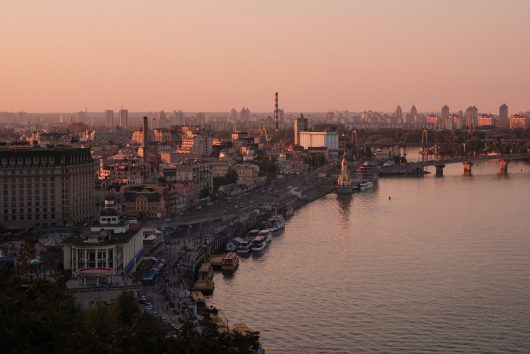
Water in Ukraine is scarce and highly contaminated. The country’s water system is degradable and the tap water should not be consumed by anyone in the southern region of the country.

Overall, water quality in Ukraine has drastically deteriorated in the last decade. Water resources in the country are unevenly distributed and have resulted in high costs for water security. Ukraine’s availability of water has decreased while water contamination has increased due to trace metals and emerging pollutants.

Despite Efforts, Treatment Systems are Imperfect

The water treatment methods for drinking water can only provide partially safe drinking water. The country is concerned that large amounts of chlorine in water treatment processes cause the formation of mutagenic and carcinogenic chlorine organics. These organics have a negative impact on drinking water security and neurogenic health effects. The Ukraine government has recently developed and implemented a national and regulatory framework for strict sanitary measures. Such measures include a law on drinking water standards and increased public awareness on the changing culture of water use in the country.

Water quality in Ukraine is affected by the lack of pipe systems in the southern region of Ukraine and the Crimea. The poor state of water pipelines are a major concern for the country and has led to wasted drinking water and a reduced quality of tap water.

The pressures on water resources in Ukraine are extensive. Eight out of ten southern oblasts, as well as the entire Crimean Republic, do not receive enough water. Poorly treated wastewater is discharged in 136 cities and towns in over 50 urban villages each day. More than 1,000 communities have had to be supplied with delivered water.

Water quality in Ukraine can improve by minimizing contamination of surface and underground water sources. Through improving water treatment, renewing water and sewage pipelines, and funding to implement the country’s draft program that was proposed in 1995,  improvements to water quality in the Ukraine look hopeful.

– Rochelle R. Dean

Photo: Flickr

March 24, 2017
https://borgenproject.org/wp-content/uploads/borgen-project-logo.svg 0 0 Borgen Project https://borgenproject.org/wp-content/uploads/borgen-project-logo.svg Borgen Project2017-03-24 01:30:572024-12-13 17:57:39Water Quality in Ukraine
Health, Water

Water Quality in Canada


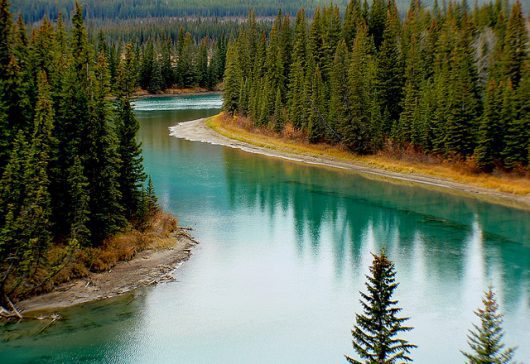
The drinking water in Canada is generally of excellent quality. The risks to the drinking water supply are minimal. However, the minerals, silt, vegetation, fertilizers and agricultural run-off in the water may pose some health risks.

Canada has a multi-barrier approach to safe drinking water which serves as a guideline for every drinking water system and is used to maintain water quality.

The federal government plays the most important role in scientific research monitoring and leadership on the development of guidelines for water quality in Canada. Seventy-five percent of Canadians are serviced by municipal sewer systems and the remaining 25 percent by septic disposal systems. Despite the best efforts of suppliers, municipal water supplies can sometimes become contaminated and in these cases, precautionary measures such as boiling water before consumption is advised.

Municipal water waste discharges were one of the largest sources of pollution to the water quality in Canada in 2006 and generated 84 percent of the water effluents reported to the National Pollutant Release Inventory.

The water quality in Canada earns an ‘A’ grade for water quality and ranks 4th out of 17 peer OECD countries. Water quality in Canada is mostly affected by industrial effluent, agricultural runoff and municipal sewage pollution.

Sewage treatment continues to improve as more municipalities upgrade their treatment facilities and there has been an increase in the frequency and extent to which drinking water guidelines for nitrate have been exceeded in groundwater across the country.

Data collected from the Canadian Council of Ministers of the Environment’s water quality index reports that from 2007 to 2009, the freshwater quality was rated marginally fair at 41 percent of the water stations, good at 33 percent of the stations and excellent at 10 percent of the stations, with only 16 percent rated poor.

The quality of water in Canada is the best it has ever been and is much better today than it was 30 years ago.

– Rochelle R. Dean

Photo: Flickr

March 19, 2017
https://borgenproject.org/wp-content/uploads/borgen-project-logo.svg 0 0 Borgen Project https://borgenproject.org/wp-content/uploads/borgen-project-logo.svg Borgen Project2017-03-19 01:30:202024-05-27 23:59:34Water Quality in Canada
Water

The Water Quality in Spain

The Water Quality in Spain
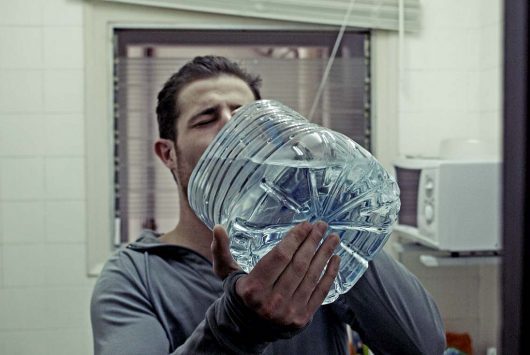
Spain’s tap water is fairly safe to drink, as it is in most of western Europe. Even if the water quality in Spain is fairly safe to handle, there still might be issues Spain needs to work on.

Because of the reduction in rainfall and increasing temperatures caused by climate change, Spain is losing its freshwater quantity. In the last 20 years, Spain lost 20 percent of its freshwater. Experts have said that the figure will rise to 25 percent by 2021 if human practices cannot stop the process of global warming and climate change.

Even though Spain uses 80 percent of its water to irrigate crops, consumer demand is up by 10 percent. Water volume is decreasing while the demand for water is increasing. To solve the problem, Spain would have to reduce the amount of irrigated areas from four million hectares to three million hectares.

Some cities have safer tap water to drink than others. While the major cities Madrid and Barcelona have fairly safe drinking water, there are still cities that might have some problems.

The cities of Burgos and San Sebastian have the best water quality in Spain. Burgos has had the highest scores in water quality in Spanish studies with having low qualities of minerals. Two cities with very poor tap water are Caceres and Huelva. Caceres’ water has been described as no longer being odorless, colorless and tasteless. Huelva’s tap water has been reported to have high levels of aerobes.

Even though cities like Madrid have fairly safe drinking water, reports last updated in 2016 about fluoride levels in the tap water raise warning signs. Though Madrid only has about .3 ppms of fluoride, Vitoria and San Sebastian have the highest amount of artificial fluoride permitted.

Spain has relatively safe drinking water, though it might be losing some of it because of climate change. However, clear regulations and big fixes to agriculture can keep the water quality in Spain in good shape.

– Emma Majewski

Photo: Flickr

March 13, 2017
https://borgenproject.org/wp-content/uploads/borgen-project-logo.svg 0 0 Borgen Project https://borgenproject.org/wp-content/uploads/borgen-project-logo.svg Borgen Project2017-03-13 01:30:362020-05-14 14:13:27The Water Quality in Spain
Global Poverty, Water

Global Water Crisis: Fight for Clean Water Helps Businesses

Global Water Crisi
The global water crisis not only hurts women around the world but also hurts economies. Water scarcity affects 2.8 billion people around the world for at least one month each year, and more than 1.2 billion people cannot access clean drinking water.

Matt Damon, who co-founded the charity Water.org, told CNN that he has hope that President Trump could help support the fight against the global water crisis. “For every dollar you invest in this sector, you get back four,” Damon said.

Gary White, Damon’s partner in Water.org, said that many women and girls around the world are unable to obtain an education because they must prioritize carrying water for the survival of their families. The U.S. Global Leadership Coalition pointed out that women who focus on education find stable jobs and build economies and markets, which not only benefits them but lifts the world economy as a whole. According to the U.N., women spend about six hours a day in Africa carrying water. Women also do 90% of the work of carrying water in Africa.

Water.org gives microloans called WaterCredit to people in developing countries allowing them to invest in water solutions. Water.org in partnership with Stella Artois, a Belgian beer company, started a campaign called “Buy a Lady a Drink.” The campaign focuses on women who have to carry the water instead of going to school. For this campaign, Stella Artois sells chalices and $6.25 from each one sold goes to Water.org.

White said that the global water crisis is worth the attention because the solution is within reach, easy to understand, and could have widespread benefits that will not only lift millions out of poverty, but create opportunities for businesses all over the developed world as well.

Solving the global water crisis not only improves the health of people in developing nations, but it also improves the global economy.

– Jennifer Taggart

Photo: Flickr

March 8, 2017
https://borgenproject.org/wp-content/uploads/borgen-project-logo.svg 0 0 Borgen Project https://borgenproject.org/wp-content/uploads/borgen-project-logo.svg Borgen Project2017-03-08 01:30:432020-05-21 11:49:24Global Water Crisis: Fight for Clean Water Helps Businesses
Global Poverty, Water

Waterseer Project: Clean Drinking Water Access for Millions

Water Access to Millions
Access to clean drinking water is a growing problem. There are 2.3 billion people around the world facing water availability issues every day. Problems come from rising global drought patterns, lack of access to groundwater, water contamination, and waterborne illness. Almost a third of the global population does not have access to clean drinking water. A possible solution, called the Waterseer Project, may be hitting the market in late spring 2017. The Waterseer Project aims to increase access to water, as well as to treat the water through a distillation process.

So how does this Waterseer device actually work? There is no use of power or chemicals involved in the extraction of water from the air. A compact wind turbine directs air into a condensation chamber that is planted six feet below the earth, where temperatures are constant and cooler than above-ground temperatures. This temperature exchange condenses the water molecules into liquid form, and also serves as a distillation process to remove some contaminants.

The Waterseer Project was founded by Ikhlaq Sidhu in 2015. Preliminary research was conducted at the Sutardja Center for Entrepreneurship and Technology in Berkeley, California. They joined forces with the National Peace Corps Association (NPCA), who has been involved in the initial field trials at UC Berkeley and has agreed to additional trial runs in targeted countries where they operate. The project then joined forces with the Jacobs Institute for Design at UC Berkeley, where current developments on the second round of product prototypes are taking place thanks to their successful crowdfunding campaign. After the design phase and lab trial period in the late spring 2017, the prototype will be trialed in different outdoor field locations with the help of the NPCA.

The possible implications of this device are vast and far-reaching, but as with every potential development project, technology is only a part of the solution; policy, politics and management must all be aligned to ensure success.

– Joshua Ward

Photo: Flickr

March 6, 2017
https://borgenproject.org/wp-content/uploads/borgen-project-logo.svg 0 0 Borgen Project https://borgenproject.org/wp-content/uploads/borgen-project-logo.svg Borgen Project2017-03-06 01:30:332020-05-21 14:04:08Waterseer Project: Clean Drinking Water Access for Millions
Global Poverty, Water

Improving the Water Quality in Kenya for All People

Improving Water Quality in Kenya
The water quality in Kenya is affected by factors like climate change, extended periods of drought and catchment degradation. Clean water in Kenya is not only scarce, but it is also not distributed fairly. Those who can pay for clean water in Kenya can much more quickly get access to it than Kenya’s poor. According to the World Health Organization and the United Nations International Children’s Emergency Fund (UNICEF), only 63% of the population has access to clean water and a mere 30% has access to sanitation facilities.

Effects and Improvement of Poor Water Quality in Kenya

Many people get their water from the nearest water hole and their toilet is a hole in the back of their home. These water holes are contaminated with raw sewage, as well as industrial wastes, parasites, bacteria and diseases. Without access to clean water and sanitation, more than 20,000 people die annually from preventable diarrheal diseases and water-borne illnesses such as cholera, typhoid and dysentery.

Organizations like Water & Sanitation for the Urban Poor (WSUP) are working with local water and sewage companies to improve the water quality and sanitation for Kenya’s poor. In Dandora, a poor community in Nairobi, Kenya, WSUP has laid 23 kilometers of new pipeline to improve water quality in Kenya. Their efforts are providing access to clean water to more than 52,000 people. Prior to this project, as much as 90% of the water intended for the community was illegally diverted or lost because of leaks. People had to buy water from privately-owned boreholes that were often several kilometers away.

Legal and metered water sources have reduced water costs, making it affordable for people in low-income communities. More importantly, access to clean water and toilets has improved. John Chege, a field sociologist with Nairobi City Water and Sewage Company (NCWSC), reports a dramatic reduction in the number of people requesting medicine and treatment for illnesses. Chege states, “From my observations, I think people’s health is improving.”

There is hope that the new pipeline will extend to other low-income communities, improving water quality in Kenya for all people.

– Mary Barringer

Photo: Flickr

March 6, 2017
https://borgenproject.org/wp-content/uploads/borgen-project-logo.svg 0 0 Borgen Project https://borgenproject.org/wp-content/uploads/borgen-project-logo.svg Borgen Project2017-03-06 01:30:182024-12-13 17:56:44Improving the Water Quality in Kenya for All People
Global Poverty, Water

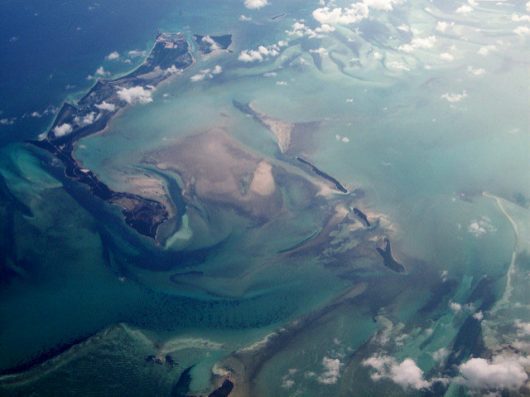
Water Quality in the Bahamas

Water Quality
New Providence, the most populated island in the Bahamas, uses about 11 million gallons of groundwater a day.

The Bahamas has been unable to meet the demands of the 11 million gallons of groundwater since the mid-1970s. This led to the emergence of barging water from North Andros due to strict rationing.

Rising sea levels are expected over the next several decades. This may create wetlands, which are freshwater resources that would provide the country’s means of water quality and survival. The method of desalting sea water by means of reverse osmosis is used to maintain a level of water quality in the Bahamas today. This suggests that water does not currently come from a supply of clean, fresh water sources.

The country is vulnerable to compromised freshwater from storm surges, which cause saltwater inundation in aquifers in many cases and threatens the country’s water quality.

A major concern of the water quality in the Bahamas is the proliferation of private shallow water wells, including domestic and hotel wells. Dangerous elements such as nitrates, pathogens and other substances compromise the groundwater quality when these wells are developed due to on-site sanitation. As a result, Bahamians are at great risk to contamination.

Water quality in the Bahamas is not up to standard, due to critical sanitary problems in the country. The main sources of the water contamination are from septic tanks, soakaways and pit latrines. These issues are all major risks to water quality in the Bahamas and the overall health of its citizens.

Due to over-abstraction, physical disturbance, point source pollution, solid waste disposal, disposal wells and septic tanks, the water quality in the Bahamas is threatened. The majority of Bahamians are encouraged to use bottled water, even though the Water & Sewerage Corporation practices desalination by reverse osmosis and the water satisfies both the World Health Organization and U.K. guidelines for chemical, physical and biological parameters.

– Rochelle R. Dean

Photo: Flickr

February 28, 2017
https://borgenproject.org/wp-content/uploads/borgen-project-logo.svg 0 0 Borgen Project https://borgenproject.org/wp-content/uploads/borgen-project-logo.svg Borgen Project2017-02-28 01:30:312024-05-27 23:59:26Water Quality in the Bahamas
Page 39 of 57«‹3738394041›»

Get Smarter

  • Global Poverty 101
  • Global Poverty… The Good News
  • Global Poverty & U.S. Jobs
  • Global Poverty and National Security
  • Innovative Solutions to Poverty
  • Global Poverty & Aid FAQ’s
Search Search

Take Action

  • Call Congress
  • Email Congress
  • Donate
  • 30 Ways to Help
  • Volunteer Ops
  • Internships
  • Courses & Certificates
  • The Podcast
Borgen Project

“The Borgen Project is an incredible nonprofit organization that is addressing poverty and hunger and working towards ending them.”

-The Huffington Post

Inside The Borgen Project

  • Contact
  • About
  • Financials
  • President
  • Board of Directors
  • Board of Advisors

International Links

  • UK Email Parliament
  • UK Donate
  • Canada Email Parliament

Get Smarter

  • Global Poverty 101
  • Global Poverty… The Good News
  • Global Poverty & U.S. Jobs
  • Global Poverty and National Security
  • Innovative Solutions to Poverty
  • Global Poverty & Aid FAQ’s

Ways to Help

  • Call Congress
  • Email Congress
  • Donate
  • 30 Ways to Help
  • Volunteer Ops
  • Internships
  • Courses & Certificates
  • The Podcast
Scroll to top Scroll to top Scroll to top