• Link to X
  • Link to Facebook
  • Link to Instagram
  • Link to TikTok
  • Link to Youtube
  • About
    • About Us
      • President
      • Board of Directors
      • Board of Advisors
      • Financials
      • Our Methodology
      • Success Tracker
      • Contact
  • Act Now
    • 30 Ways to Help
      • Email Congress
      • Call Congress
      • Volunteer
      • Courses & Certificates
      • Be a Donor
    • Internships
      • In-Office Internships
      • Remote Internships
    • Legislation
      • Politics 101
  • The Blog
  • The Podcast
  • Magazine
  • Donate
  • Click to open the search input field Click to open the search input field Search
  • Menu Menu

Archive for category: Water Sanitation

Global Poverty, Water, Water Sanitation

10 Facts About Poverty in Central America

10 Facts About Poverty in Central America
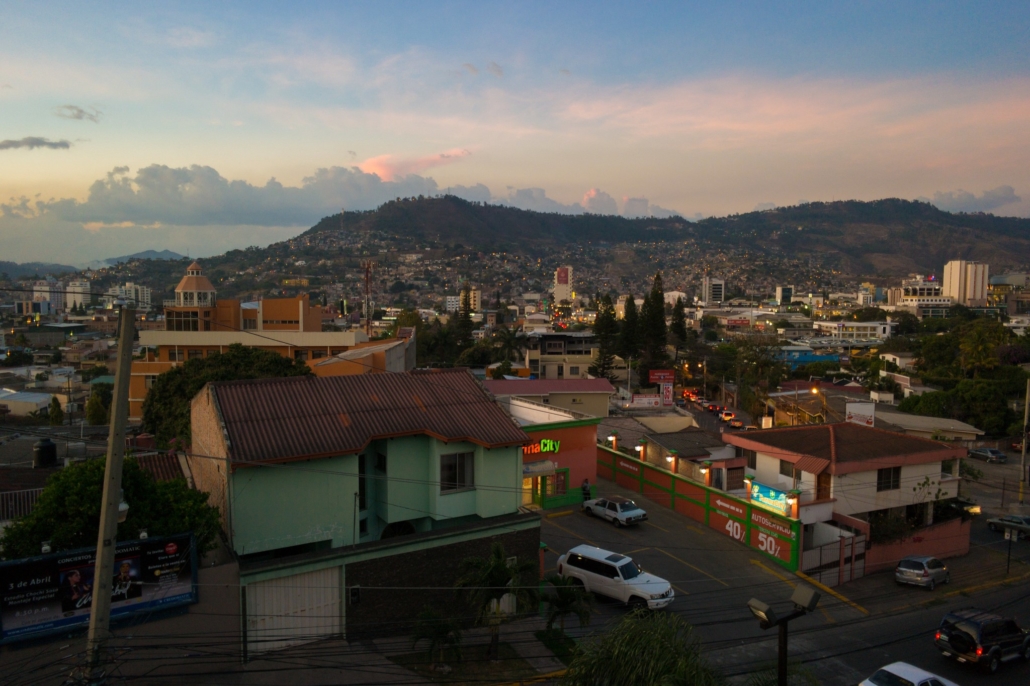
Recent news has increasingly mentioned the Northern Triangle, which includes Honduras, El Salvador and Guatemala, and its migration crisis. Each of these countries have economic systems that have similar financial agreements with outside countries. These 10 facts about poverty in Central America will identify issues, solutions and trends that lead back to Central America’s poverty crisis.

10 Facts About Poverty in Central America

  1. The Economy: The political economy of Central America has parallelled that of the world for the past five decades. A combination of factors such as a vulnerable bureaucratic system, a shifting population and aggressive globalization are causing Central America to experience gentrification on a national level, creating more significant gaps between economic classes.
  2. Climate Change: Changes in nature such as unusually warm temperatures, nutrient-poor water and the comeback of the southern pine beetle are occurring throughout the region of Central America. This insect is a result of a change in climate where the ocean temperature rises significantly, placing additional demand on presently strained water reserves.
  3. Population: In the past five decades, Central America’s population has continued to increase with the most considerable change occurring up to the mid-1970s, after which the difference in community numbers became highly sporadic. As the population continues to increase, resources like infrastructure and the economy struggle to match demand. As a result, the levels of poverty and extreme poverty have increased by approximately one percent between 2014 and 2017 and extreme poverty increased two percent between 2014 and 2016. Congresswoman Alicia Barcena mentioned the need for public services such as social security and labor inclusion, and how pairing these resources with increased wages could lessen the amount of poverty.
  4. Legislation: Central American countries are making efforts through previous legislation to alleviate their economic hardships. Since 2004, the Dominican Republic-Central America Free Trade Agreement has promoted stronger trade and stability throughout these regions. FTA reduces the barriers that countries previously had to access U.S. exports. As a result, traded goods all originate between Mexico and Canada with the exceptions of agricultural commodities. These areas give considerable attention to the conditions and the rights of workers in their countries. Countries are currently updating NAFTA to address additional concerns such as how to verify labor standards and eliminate the time restraint on labor violations.
  5. Clean Water Accessibility: Nicaragua is the only country in the region that has substantial access to waterways but the surrounding countries, like Honduras, Guatemala and Peru, do not due to the steep terrain that can make up significant portions of their countries. These collections of water are rarely safe for consumption even if they are accessible. For many households, accessing water is a timely chore that can take hours traveling back and forth between sources of water and homes, and limit people’s ability to attend work or school. For example, around 63 percent of Honduras’ population is living below poverty and those who live in rural areas work as farmers; as a result, their earnings rarely go to education, but rather daily tasks like water collection. To help with water accessibility, Doc Hendley started Wine to Water. Wine to Water is a nonprofit organization that works to bring clean water to underserved communities. It has served over half a million people in over 300 communities, across five continents. To date, it has worked in Honduras within eight communities and aided over 11,000 people.
  6. Literacy: Many regions have limited water supplies that are safe or close in the distance, meaning that in a single day, a trip for a container of water takes several hours. As a region, Central America has lower literacy rates with an average of 79.4, compared to the global average of 83.7. The countries in Central America with the highest literacy rates are Costa Rica and Panama, while the country with the lowest is Guatemala.
  7. The Northern Triangle: The Northern Triangle is a subregion in Central America between El Salvador, Honduras and Guatemala. These countries have a secure connection with each other economically due to legislation that passed during the 1980s and 1990s. The majority of those changes, however, have had macroeconomic effects on the region leaving large portions of the population enduring unequal access to resources and encouraging many to migrate elsewhere, working against stimulating its economy. The House Committee of Foreign Affairs introduced legislation to address the causes of migration and authorized $577 million in foreign assistance for the years 2020.
  8. Women in Central America: Central American women are facing challenges to raise their economic status while being met with social obstacles. For example, some women in El Salvador meet with sexism, fragile protection and few rights. These challenges, along with limited assets, the possibility of extortion and insufficient education about business management and finances make some businesswomen wary of growing or succeeding with their activities.
  9. Migration: Many people have made efforts to migrate to other countries due to the rising concern of survival. Droughts, economic instability, increased violence between gang members and civilians, corrupt legal systems and a weak government have made daily life challenging.
  10. Violence: The violence in Central America has been on the rise for decades, causing hundreds of thousands of migrants out of the region. Of those who remain in the area, the violence, extortion and corruption are frequent. Legislation such as the Global Fragility Act of 2019 prevents and addresses the primary causes of violence in various countries.

These 10 facts about poverty in Central America emphasize the point that poverty is a broad issue with a number of solutions. While situations in Central America may seem dire, the efforts by nonprofits like Wine to Water and legislation like the Global Fragility Act of 2019 should aid in improving the area’s conditions.

– Kimberly Debnam
Photo: Flickr

August 29, 2019
https://borgenproject.org/wp-content/uploads/borgen-project-logo.svg 0 0 Jennifer Philipp https://borgenproject.org/wp-content/uploads/borgen-project-logo.svg Jennifer Philipp2019-08-29 01:30:452024-06-06 00:26:2410 Facts About Poverty in Central America
Global Poverty, Water, Water Sanitation

10 Facts About Life Expectancy in Lesotho

10 Facts About Life Expectancy in Lesotho
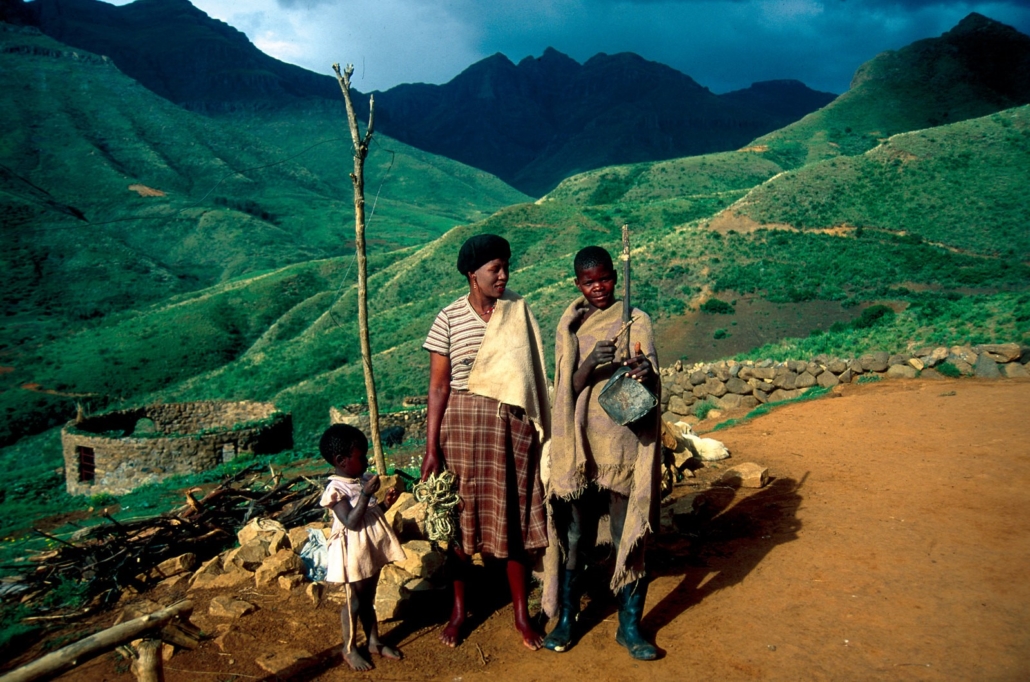
For those living in the landlocked country of Lesotho, life is far shorter than it is in most of the world. Here are 10 facts about life expectancy in Lesotho that help reveal the reasons for its low life expectancy, as well as what the country has done and needs to do to improve the lives of those in Lesotho.

10 Facts About Life Expectancy in Lesotho

  1. HIV/AIDS: By far the most important of the 10 facts about life expectancy in Lesotho is that it has the second-highest rate of HIV/AIDS in the world. Health services are difficult to access and poor quality once received, contributing to an increase in the disease. Sentebale, a nonprofit created by Prince Harry, works in Lesotho to provide holistic care for children with HIV and those who have been orphaned as a result.
  2. Unemployment: Landlocked in Southern Africa, Lesotho has always depended on neighbors for employment. A majority of the working population traveled to South African mines for work, but recent retrenchment has left 24 to 28 percent of people jobless and without income. There have been few domestic opportunities to offset this deficit and improvement in Lesotho’s private sector will be crucial to creating much needed local jobs.
  3. Low Agricultural Output: Only a small portion of Lesotho’s land is arable enough for steady crop growth. This combined with recent droughts has created intense food scarcity. Some progress is happening as the Elizabeth Glaser Pediatric Aids Foundation has created several Nutrition Corners that help parents find nutritious food for their children’s development, despite limited quantities. The World Food Programme has also planned to distribute food to 103,000 beneficiaries and additional food to nearly 5,000 children by 2024. This should greatly improve life expectancy by providing for the most basic of needs.
  4. Natural Disasters: The effects of climate change are evident in the 10 facts about life expectancy in Lesotho as the country continues to experience floods, droughts and other intense weather. This jeopardizes Lesotho’s material security, further disrupting the Basotho people’s lives. In response, the United Nations Development Programme has designed several projects to restore degraded landscapes and enhance climate resilience.
  5. Gender Roles: The HIV/AIDS crisis disproportionately affects women in Lesotho because they often must take in sick relatives or community members on top of performing existing domestic responsibilities. This amount of pressure forces women to pursue risky work such as prostitution or human trafficking. These jobs often damage women’s wellbeing and make it hard for them to live long and healthy lives.
  6. Few Social Services: One of the most interesting 10 facts about life expectancy in Lesotho is that Lesotho has a relatively large population of elderly citizens despite the HIV/AIDS crisis. The country created its Old Age Pension to provide each citizen over 70 years old with roughly $40 per month. While the social service has had a tremendous impact by making elderly people stable caregivers for their families, including orphaned grandchildren, it is one of the only social services in Lesotho. More programs of this caliber would drastically improve the total health of the population and thus increase Lesotho’s life expectancy as well.
  7. Improving Education: Education has been a consistent priority for Lesotho, and one that has yielded substantial results. After implementing free primary education, enrollment among children increased from 65 percent to 85 percent in three years. The next goal for Lesotho is to decrease the price of secondary school, as many children cannot currently afford to enroll. The best chance for the Basotho people to raise their life expectancy is to become educated, empowered and informed people.
  8. Water and Sanitation: Several people in Lesotho (18.2 percent) do not have access to dependably clean water despite several dams present. The water is instead transported to South Africa for profit which leaves local people thirsty. Organizations such as The Water Project are building wells, water catchments and other water solutions for the people of Lesotho.
  9. Few Accessible Doctors: Lesotho has one doctor per 20,000 people, compared to the one per 400 in the United States. This makes health care inaccessible and costly for most of Lesotho. Lesotho recently added a residency program in family medicine, which will hopefully increase the retention rate of doctors and create a reasonable ratio of doctors to patients.
  10. Infant, Child and Mother Mortality Rates: An important cause of the reduced life expectancy in Lesotho is an infant mortality rate of 44.6 deaths per 1,000 births and a maternal mortality rate of 487 deaths per 100,000 births. This is largely due to preterm birth complications that come from the frequently poor living conditions of mothers. Both infant and maternal health outcomes are looking much better after Lesotho’s hospitals introduced free deliveries, providing a safe place for mothers to deliver cost-free.

Lesotho is attempting to make the lives of the Basotho people better. Free primary education, enhanced feeding programs and efforts at improving the health sector bring new hope and promise for the country. Though Lesotho needs to do more to fully help its people, its people’s lives are slowly growing longer and their quality of life should continuously improve.

– Hannah Stewart
Photo: Flickr

August 27, 2019
https://borgenproject.org/wp-content/uploads/borgen-project-logo.svg 0 0 Kim Thelwell https://borgenproject.org/wp-content/uploads/borgen-project-logo.svg Kim Thelwell2019-08-27 01:30:562024-05-29 23:11:0110 Facts About Life Expectancy in Lesotho
Developing Countries, Global Poverty, Water, Water Quality, Water Sanitation

8 Facts About Ghana’s Water Crisis

Ghana’s Water Crisis
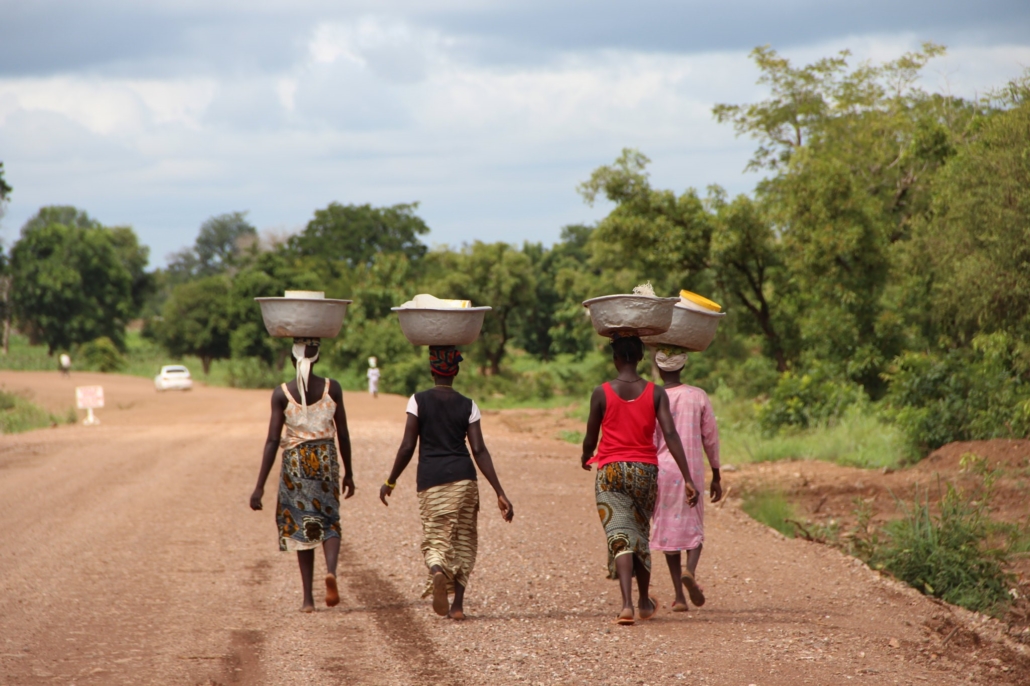
Much like many other countries in Africa, Ghana’s water crisis is straining the nation. The local government has taken steps to try and minimize the damage, but a growing population, faulty equipment and rapid urbanization are outpacing most improvements. Here are eight facts about Ghana’s water crisis.

8 Facts About Ghana’s Water Crisis

  1. While some African countries suffer from a lack of water, Ghana suffers from too much polluted water. The problem lies in a lack of functioning water filters. The government plans to replace these defective filters, but the costs can run to an estimated $35 million. Despite this, the government is going ahead with the project with the support of outside companies, such as Native Energy and NGOs.
  2. The rapid urbanization in Ghana causes water pollution. Unsafe housing with poor housing facilities like sinks and toilets pour polluted water into waterways. This causes families to resort to water vendors, which are often not sanitary. This leads to a vicious cycle of water pollution, where more people get sick as a result.
  3. One of the leading diseases affecting the people of Ghana is cholera. It spreads primarily through the use of faulty toilets and plumbing. A flash flood further exacerbated the situation in 2014 when copious amounts of polluted water mixed with water supplies, affecting 30,000 people.
  4. The government has taken steps to improve the state of affairs with the Ghana Clean Water Project. This project seeks to improve the water situation by hiring skilled individuals to administer water quality testing as well as teaching communities how to maintain sanitation practices. The cleanliness is especially important since as mentioned before poor sanitation contributes heavily to Ghana’s water issues.
  5. Dry winter winds, called harmattan, also cause water shortages in Ghana. This leads to water rationing, which of course leads to protests and public discontent. Deforestation and illegal gold mining further exacerbate the problem by further polluting the limited water supply.
  6. Seventy-three percent of the population, or about 23 million people, use water that may not follow sanitary standards. This would mean that only 3.9 million people in Ghana can access water that is safe. Everyone else has to sift through contaminated water.
  7. Population growth, alongside rapid urbanization, also causes water pollution. Between 2016 and 2050, projections estimate that the population of Africa will double. For Ghana, this means that while new economic activities could crop up, the strain on water resources will also increase. Ghana’s situation can only get worse as time goes on if it leaves these issues unchecked.
  8. The African Development Bank calculated that granting universal access to water across Africa would cost $66 billion. This does not even include the $170 billion necessary to create a sustainable infrastructure to keep water supplies high. Officials in the government say that Ghana will need a better allocation of resources to see through possible improvements.

Unless the government receives outside help, however, it may be some time before it acquires any substantial gain in sanitation or water production. This is why these eight facts about Ghana’s water crisis are so important.

– Collin Williams
Photo: Flickr

August 22, 2019
https://borgenproject.org/wp-content/uploads/borgen-project-logo.svg 0 0 Kim Thelwell https://borgenproject.org/wp-content/uploads/borgen-project-logo.svg Kim Thelwell2019-08-22 15:00:202024-05-29 23:00:338 Facts About Ghana’s Water Crisis
Disease, Global Poverty, Water Sanitation, Women's Empowerment

The BARKA Foundation is Bringing Clean Water to Burkina Faso

BARKA Foundation

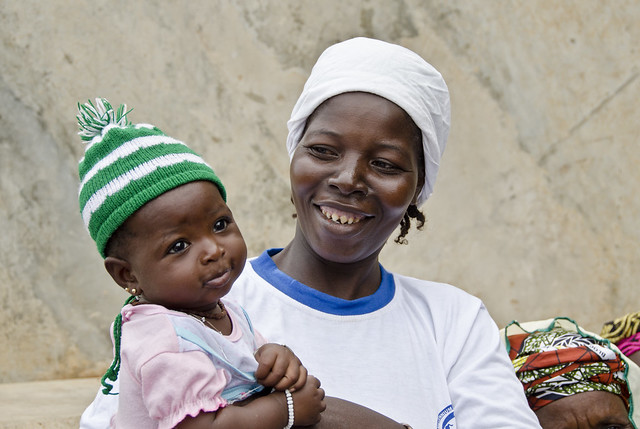
Burkina Faso is a small, land-locked country located in western Africa. Due to recurring droughts and the lack of efficient infrastructure, access to clean water remains an issue in Burkina Faso, especially during the dry winter months when two of the country’s three rivers dry up. In addition to water scarcity, many areas still do not have the sanitation facilities necessary to ensure drinking water is clean and safe. An organization called the BARKA Foundation is working to change that.

Barka is an African word meaning gratitude, blessing and reciprocity. These three words embody the mission of the BARKA Foundation, an American non-profit that strives to bring clean water to all parts of Burkina Faso. In 2015, 93.3 percent of the rural population and 80.3 percent of the total population did not have improved sanitation facility access. Nearly half the country still lives without clean water. Dirty water can spread diarrheal diseases and other infections to the public. Below are descriptions of the BARKA Foundation’s current clean water projects, and the positive effects these projects have had on communities in Burkina Faso.

WASH

Water, Sanitation and Hygiene Education (WASH) is a long-term initiative that not only supplies rural villages with clean water but also educates the villagers on important sanitation and water purification practices. The goal here is sustainability. By giving village members lifelong sanitation skills, BARKA can be confident that their positive impact will continue after they have left. WASH objectives include digging wells, building latrines and educating members of the community.

Part of what makes the BARKA Foundation special is its culturally sensitive and community-based approach to clean water. Before any project starts, BARKA makes sure it is in accordance with the Declaration of Rights of Indigenous Peoples’ Principle of Free, Prior and Informed Consent (FPIC). This principle ensures that all beneficiary communities agree to the non-profit’s presence and initiatives, have the right to negotiate the terms of the agreement and can withdraw consent at any time.

BARKA also makes a point of developing sustained personal relationships with each village, so the two groups can develop trust and collaborate effectively. The foundation establishes water and sanitation committees in each town, which are run by the villagers and must be made up of equal parts men and women. These principles are central to WASH’s desire to create a sustainable system of clean water and sanitation. So far, more than 25,000 rural villages have been improved by WASH. The organization has drilled 6 wells and built 14 bathrooms in 5 primary schools in rural areas.

Social Art

BARKA recognizes the cultural importance of song, dance and performance in Burkina Faso. Therefore, to engage village members, the BARKA Foundation uses theater to relay information to the public. These performances involve a portable stage along with light and sound equipment. The plays often contain themes such as female empowerment and sustainable agriculture. After a performance, the audience and the actors on stage have a lively debate where questions may be asked or points challenged. The goal is to create an immersive and interactive learning experience in which everyone can participate.

The adult literacy rate in Burkina Faso is only 34.6 percent. For this reason, engaging and participatory education is extremely important in rural areas. BARKA wants to get the necessary information out there in an effective way that does not exclude illiterate members of society. BARKA has involved 10,023 people in villages and public performances to date, benefiting more than 16,000 people. The average audience size per performance is 432 people.

Walk for Water

A great way for people in their home countries to get involved with the BARKA Foundation is to do a Walk for Water. When there are no wells close by, villagers must travel to a water source to fill up heavy jugs of water and lug them home. The chore typically falls on the shoulders of women and girls in the village, so they usually have to attend to small children while making the journey. Often, those going to get water are barefoot or equipped with poor footwear. This practice is physically tiring and time-consuming and takes time away from girls’ education.

Walks for Water are an imitation of this daily burden. Classrooms, schools and clubs raise money and awareness by carrying water jugs and walking for a set distance (usually 6 kilometers). The fundraiser engages the entire community and is a great way to get everyone involved in an important cause.

Ceramic Filters

Ceramic water filters are a cheap, environmentally sustainable and generally effective way to purify household water. The CDC found that people who used ceramic filters were 60 to 70 percent less likely to contract diarrheal diseases from their drinking water. While these filters are useful for removing most protozoa and bacterial pathogens, they are typically not as effective at removing viruses. For this reason, filters should not be considered a long-term solution but rather an important step.

The BARKA Foundation uses a “cross-subsidization” model to distribute filters to impoverished areas. Essentially, BARKA sells the filters to NGOs and the Burkinabe middle class that can afford them. They then use those profits to distribute ceramic filters to poor areas, often visiting rural villages with little to no sanitation facility access. These filters represent a simple and effective way to ensure every household has at least some method of water purification.

The Future of Clean Water in Burkina Faso

Although the federal government recognized the importance of clean water distribution with the Water Act in 2001, Burkina Faso’s local governments largely do not have the money or resources to maintain filtered water and sanitation practices. The BARKA Foundation seeks to fill these gaps, and its efforts have no doubt resulted in success on the ground.

While it can be difficult to quantify exactly how much improvement BARKA has brought about, they are headed in the right direction. In 2005, a year before BARKA was founded, the life expectancy in Burkina Faso was 53.3 years. Today, the country’s life expectancy is about 61 years. BARKA’s various projects will continue to fight poverty by bringing clean, safe and sustainable water to Burkina Faso.

– Morgan Johnson
Photo: Flickr

August 19, 2019
https://borgenproject.org/wp-content/uploads/borgen-project-logo.svg 0 0 Kim Thelwell https://borgenproject.org/wp-content/uploads/borgen-project-logo.svg Kim Thelwell2019-08-19 01:30:402024-05-29 23:10:50The BARKA Foundation is Bringing Clean Water to Burkina Faso
Global Poverty, Sanitation, Water Sanitation

Improving Water and Sanitation in Nepal

Water and Sanitation in Nepal

The Federal Democratic Republic of Nepal, or Nepal, is a landlocked South Asian country located mainly in the Himalayas and between China and India. Nepal is the third poorest country in Asia with a GDP per capita of $2,690. Around 21 percent of Nepal’s 29.3 million residents live below the poverty line which is the equivalent of 50 cents per day. Poverty has been a contributing factor to the nation’s long-standing issues securing clean drinking water and proper sanitation. However, Nepal has made tremendous progress increasing its population’s access to improved water sources to 91.6 percent in 2015 compared to 65.9 percent in 1990.

Background

Still, while more people have access to improved drinking water, the quality of the water remains alarming. In 2014, 81.2 percent of household drinking water from improved water sources and 89.6 percent from unimproved water sources tested positive for fecal contamination.

Thirty-seven percent of Nepal’s rural areas practice open defecation. This is a huge decline from 93 percent in 1990. Open defecation perpetuates a cycle of disease, poor sanitation and poverty. Exposure to human waste through open defecation and fecal contamination in drinking water leads to waterborne diseases such as diarrhea, cholera, typhoid and trachoma. Children under 5 are especially susceptible to increased health issues, stunting and even death due to these diseases. Since the end of 2017, 47 of Nepal’s 75 districts have eliminated open defecation which is great progress. Nepal aims to soon be entirely free of open defecation with universal sanitation and improved hygiene.

Sixty-two percent of households in Nepal use an improved sanitation facility compared to only six percent in 1990. This is substantial progress, but there is still more to do to secure improved sanitation in Nepal. Twenty percent of Nepal’s public schools lack improved water and sanitation facilities and 19 percent lack separate toilets for girls and menstrual hygiene management facilities.

Uncontrolled industry discharge, domestic waste and untreated sewage flowing into Nepal’s bodies of water have worsened the water and sanitation crises in Nepal. The 2015 earthquakes also destroyed many of Nepal’s clean water systems and networks.

Nepal’s National Water and Sanitation Goals

The Government of Nepal set the national goal of providing 100 percent of the population with basic water and sanitation services by 2017. Nepal created around 40,000 water schemes to achieve these goals. Its first priority project is the Melamchi Water Supply Project that transfers water from the Indrawati River Basin to the Bagmati River Basin to provide clean drinking water for the people of Kathmandu. The Bagmati Area Physical Infrastructure Project is another big project that aims to clean and save the Bagmati River and its Kathmandu tributaries to become a source of clean water.

Efforts to Improve Water and Sanitation in Nepal

USAID’s Safaa Paani (WASH Recovery) project helps improve sustainable drinking water in the two districts where the 2015 earthquakes disrupted water systems the most—the Sindhupalchowk and Dolakha Districts. From 2015 to 2019, the Safaa Paani project is collaborating with Nepal’s Department of Water Supply and Sewage and other stakeholders to lead the reconstruction of water and sanitation infrastructure in Nepal. Its key outcomes are to renovate or construct water supply systems for 200 communities, map water sources, conduct microbial water quality tests, create water safety plans and create 10 public latrines in public areas.

UNICEF’s WASH intervention programs for Nepal are also multifaceted. These programs work to improve access to safe water at schools and health care facilities, strengthen water safety with regulations and plans, develop strategies to ensure clean water and sanitation to unreached areas and support the government to develop new WASH legislation. They emphasize gender equality by gender-friendly sanitation facilities and by promoting proper menstrual hygiene. UNICEF credits its programs successes to intersectoral collaboration.

The nonprofit Splash supports 101,149 kids daily to receive clean drinking water, sanitation and hygiene programs in Nepal through sites in the city of Kathmandu’s 500 public schools. It focuses on water filtration purification, improving sanitation with safe and secure toilets, hygiene education and behavioral change. Splash helps improve water and sanitation in urban areas of Nepal by leveraging existing markets.

Overall, Nepal and various nonprofits have made rapid strides to improve water and sanitation in Nepal. The country has made progress in increasing the access to clean water and sanitation facilities as well as eliminating open defecation in many areas. This momentum of progress must continue to address Nepal’s remaining water and sanitation issues. The intersectoral collaboration of NGOs, the Nepalis, the Government of Nepal and businesses will continue to address these issues and reach towards improvements in water and sanitation in Nepal.

– Camryn Lemke
Photo: Flickr

August 2, 2019
https://borgenproject.org/wp-content/uploads/borgen-project-logo.svg 0 0 Kim Thelwell https://borgenproject.org/wp-content/uploads/borgen-project-logo.svg Kim Thelwell2019-08-02 17:58:042024-05-29 23:10:33Improving Water and Sanitation in Nepal
Global Poverty, Sanitation, Water Sanitation

5 Facts About Immigrant Detention Camps

Immigrant Detention CampsImmigrant detention camps are run by governments all over the world to hold immigrants, refugees and any asylum seekers. Many of these immigrants are fleeing to other countries to escape from violent and inhumane conditions in their home countries. Most governments have their own regulations on how to treat immigrants and what they have access to. More recently, the conditions in which immigrants are treated in detention camps in the United States raises questions about whether or not the U.S. detention camps should be considered concentration camps. Here are five facts about the conditions of immigrant detention camps.

5 Facts About the Conditions of Immigrant Detention Camps

  1. Overcrowding is a major problem with detention camps and is one of the main reasons illnesses are easily spread. Detention camps recently have been seen to hold over 40 detainees in cells built for eight people. Others report that detainees are standing on top of toilets to make room for people shoved into one cell. Overcrowding in detention camps is a health risk not just because of the ease of illness spreading, but also because of the lack of space for detainees to sit or rest apart from one another in the cells.
  2. There are multiple detention camps throughout the U.S. that do not have access to medical care for detainees. Without access to medical care, many immigrants, especially children, fall ill. With overcrowding, these illnesses are spreading and are hard to contain. Many times workers do not take sick detainees to hospitals for medical care. This increases the likeliness of illnesses spreading and increases the risk of death. According to a recent report, approximately seven children have died in the last year in detention camps.
  3. Many detention camps lack access to clean water or any water at all. Reports say that accessible water for detainees has foul odors and is discolored. Additionally, trying to get water to drink or shower is nearly impossible as a result of overcrowding. Other reports say children claim they do not have water to brush their teeth or shower in their cells. One reporter even stated that as soon as he walked into one detention camp, the smell as a result of those who could not shower was immediately apparent.
  4. Because of the lack of access to clean water, access to other basic sanitation in detention camps is limited. Some women report not having access to menstrual sanitation products. Plus, some mothers report not having access to a place where they can clean baby bottles. Because some detainees are standing on toilets due to overcrowding, access to bathrooms is limited, causing sanitary conditions in the cells to grow even worse.
  5. Many children in immigrant detention camps are separated from their families. Some children are in foster families. Others are held in detention camps until they are placed with adult relatives who are not in detention camps or until they turn 18. The separation of families is scarring, especially for young children who may not understand why they are being separated.

The Dignity for Detained Immigrants Act of 2019 is sponsored by New Jersey Sen. Cory A. Booker and is currently in rotation with the Senate. This act sets stricter standards for immigrant detention camps. These standards include periodic inspections, notifications and investigations of deaths in custody, annual reports to Congress, an online detainee location system, a Department of Homeland Security (DHS) locator and an online public facilities matrix. The online public facilities matrix goes on to include the name and address of the detention center, whether the facility houses adults, children or both, the average number of detainees and whether or not the facility is in compliance with the regulated standards set by Congress.

These five facts about the conditions of immigrant detention camps are the main talking points circulating around the political scene. Other horrendous conditions of detention camps include cold temperatures, lights being on at all times, lack of proper food rations or having expired foods and mental trauma caused by the terrible conditions. The conditions in which immigrants are living in detention camps need to be bettered with stricter regulations that must be enforced by the government. Recent public knowledge of the conditions of immigrant detention camps will help to force the government to provide aid for current detainees.

– Chelsea Wolfe
Photo: Flickr

July 19, 2019
https://borgenproject.org/wp-content/uploads/borgen-project-logo.svg 0 0 Lynsey Alexander https://borgenproject.org/wp-content/uploads/borgen-project-logo.svg Lynsey Alexander2019-07-19 01:31:232020-07-22 18:33:135 Facts About Immigrant Detention Camps
Global Poverty, Water, Water Sanitation

How the Zimba Chlorinator Reduces Waterborne Diseases

Zimba ChlorinatorNearly 780 million people lack access to clean drinking water. People living in third-world countries have no choice but to drink unclean water, which can lead to diseases such as cholera, Guinea worm disease, typhoid, and dysentery. Upward of 3.5 million people, most of whom are children, pass away annually as a result of these waterborne illnesses.
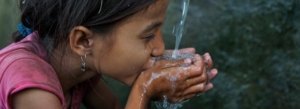
As Zimba’s website reports, “Most developing countries do not have the infrastructure required for the supply of treated piped water to each and every household.” The lack of proper plumbing drives consumers to use alternate methods of water purification. Adding chlorine to unsafe water can make it drinkable, but a lot of guesswork may be involved in deciding just how much chlorine is needed to make the water safe to drink. Zimba, a point-of-use water chlorinator, eliminates the need for guessing.

Suprio Das and the Zimba Chlorinator

Prior to his invention of the Zimba chlorinator, Suprio Das had been working as an electrical engineer in Kolkata, where he witnessed the devastation caused by drinking contaminated water. In India, about 1,600 children die daily from drinking contaminated water. He decided to create something that could help people gain access to clean drinking water.

He knew he needed to design a chlorinator that is easy to use as well as durable. The final product weighs 12 kilograms (approximately 26 pounds). The exterior is composed of fiberglass, which helps it withstand years of use and weathering, while the interior is made of virgin polypropylene plastic. Another impressive trait about the chlorinator is that it can be placed on preexisting water sources like hand pumps, taps or faucets, with installation time being less than thirty minutes. Rather than relying on electricity, the chlorinator is gravity-powered, and it can purify thousands of liters of water a day.

How the Chlorinator Works

The purification process begins when water is filled in the top of the device. The pressure triggers the release of a premeasured dose of liquid chlorine (sodium hypochlorite) into the water being held in a storage tank. There, the water is exposed to the chlorine for about thirty minutes, which is the amount of time the World Health Organization recommends. The clean water then flows into the main tank and awaits retrieval from the tap.

Impact of the Chlorinator

As of 2018, Zimba chlorinators are being used in India, Bangladesh, Kenya and the Dominican Republic. And Zimba experts believe that the use of the chlorinator can help save the lives of 1.5 million children between 2015 and 2030. It has even been included in PATH’s Innovation Countdown 2030 report as a product that promises to contribute to health improvements in the next fifteen years.

In a country that has unlimited access to clean drinking water by way of public water fountains, water filtration systems and proper plumbing, it is hard to imagine the difficulties people face just to get a sip of water that is safe to consume. With the help of the Zimba chlorinator, people living in underdeveloped nations have easier access to purified water.

— Sareen Mekhitarian
Photo: Flickr

July 11, 2019
https://borgenproject.org/wp-content/uploads/borgen-project-logo.svg 0 0 Kim Thelwell https://borgenproject.org/wp-content/uploads/borgen-project-logo.svg Kim Thelwell2019-07-11 07:30:272019-07-08 13:53:08How the Zimba Chlorinator Reduces Waterborne Diseases
Global Poverty, Water, Water Quality, Water Sanitation

Access to Safe Drinking Water in South America

Safe, Quality Drinking Water

On May 24, 2019, thousands of residents from poor neighborhoods in Lima, Peru protested business litigation that has been obstructing their access to drinking water. The demand for safe drinking water, a necessity for any lifeform to thrive, is, unfortunately, a common obstacle in South America. Several countries struggle in providing this vital resource to its citizens, especially in rural areas with poorer communities. However, other countries are successfully paving a path to ensuring access to drinking water and sanitation facilities. Here are a few facts about safe drinking water throughout South America.

Access to Safe Drinking Water in South America

  • Peru: Thirty-one million people live in Peru, but 3 million don’t have access to safe drinking water, and 5 million people don’t have access to improved sanitation. While more than 90 percent of Peruvian residents have access to improved drinking water, in rural areas, access drops to below 70 percent. Likewise, urban areas offer sanitation facility access to 82.5 percent of the population, but barely over 50 percent of people in rural communities, highlighting the drastic disparity between socioeconomic and regional populations.
  • Brazil: Similarly, shortcomings in providing safe, quality drinking water exist in South America’s largest country, Brazil. With a population of 208 million, 5 million Brazilians lack access to safe drinking water, and 25 million people, more than 8 percent of the population, don’t have access to sanitation facilities. While 100 percent of the urban population has access to drinking water, in rural areas the percentage drops to 87. The numbers take another hit when it comes to access to sanitation facilities. Eighty-eight percent of the urban population has this access, but almost half of the people in rural populations lack proper sanitation facilities.
  • Argentina: A similar narrative occurs in Argentina, where urban populations might have decent access to safe, quality drinking water and sanitation facilities, but the numbers drop off concerning rural and lower socioeconomic communities which struggle in having their needs and demands addressed by the government. Typical causes for low-quality drinking water include pollution, urbanization and unsustainable forms of agriculture.
  • Uruguay: In stark contrast, Uruguay has available safe drinking water for 100 percent of urban populations, almost 94 percent in rural populations, over 96 percent for improved access to sanitation facilities for urban populations and almost 94 percent for rural populations. The World Bank participated in the success of transforming Uruguay’s access to drinking water, which suffered in the 1980s, by offering loans to the main utility provider. The World Bank and other developers financially assisted Obras Sanitarias del Estado (OSE), the public utility that now provides drinking water to more than 98 percent of Uruguayans, in addition to providing more than half of the sanitation utilities in Uruguay. In addition to finances, these partners aid in ensuring quality operation standards such as upholding accountability, preventing unnecessary water loss, implementing new wastewater treatment plants in rural areas and protecting natural water sources such as the Santa Lucia river basin.
  • Bolivia: Like Uruguay, Bolivia made recent strides in improving access to safe, quality drinking water. They began by meeting the Millenium Development goal of cutting in half the number of people without access to improved drinking water by 2015. President Evo Morales, “a champion of access to water and sanitation as a human right,” leads to a path for the next step which is to achieve universal access to drinking water by 2020 and sanitation by 2025. Bolivia also recently invested $2.9 billion for drinking water access, irrigation systems and sanitation. In 2013, Morales addressed the United Nations calling for access to water and sanitation as a human right. Dedicated to his cause, he leads Bolivia in surpassing most other countries on the continent in ensuring these essential amenities to his constituents.

Unfortunately, the progress of Bolivia and Uruguay doesn’t transcend all borders within South America, as millions still feel neglected by their governments due to not having regular, affordable, safe, quality access to clean drinking water.

– Keeley Griego
Photo: Flickr

June 26, 2019
https://borgenproject.org/wp-content/uploads/borgen-project-logo.svg 0 0 Kim Thelwell https://borgenproject.org/wp-content/uploads/borgen-project-logo.svg Kim Thelwell2019-06-26 11:20:282024-05-29 23:00:44Access to Safe Drinking Water in South America
Global Poverty, USAID, Water, Water Sanitation

Sanitizing Wastewater in India

Wastewater in India
India is not only one of the most populated countries in the world, but it is also one of the poorest. In addition to poverty, India is grappling with a lack of access to clean water and increasing pollution. This not only takes a toll on households but also affects industrial and agricultural demands. Urban runoff is an issue when domestic waste and untreated water go into storm drains, polluting lakes and rivers. Approximately only 30 percent of the wastewater in India is cleaned and filtered.

The U.S. Agency for International Development teamed up with a nongovernmental organization, Agra Municipal Corporation, to formulate a treatment plan to clean the wastewater in India.

What is Being Done?

North of the Taj Mahal runs the Yamuna River, one of the most polluted waterways in India. Agra, the city through which the river runs, is a slum community. As of 2009, this community has had no access to sanitation facilities, disposal systems or waste collection. At least 85 percent of the residents in Agra have resorted to open defecation that ultimately pollutes the Yamuna River, where residents collect drinking water. This lack of sanitation has left the community vulnerable to diseases such as cholera, dysentery, typhoid and polio.

USAID-supported NGO Center for Urban and Regional Excellence decided to reverse the state of Agra and come up with a treatment plan. In 2011, they built a wastewater treatment plant to clean the water, leading to healthier community members. Instead of chemicals, the treatment plant uses natural methods to sanitize the water. Moreover, they designed the plant to be low-maintenance, thus keeping it cost-efficient. After filtering and sanitizing the water, it flows back into the community for residents to collect.

As of 2017, the Agra Municipal Corporation, who initially teamed up with USAID, took over operating the plant. And they made it their mission to continue working to improve the lives of the residents.

The Progress

The Center for Urban and Regional Excellence’s transformation of Agra influenced the government to also act. As a result, the government planned to cleanse the entire country by the end of 2019. On Oct. 2, 2014, the Prime Minister of India declared the Swachh Bharat Mission. At the time, only 38.7 percent of the country was clean—less than half. As of 2019, India’s government reported 98.9 percent of the country is now clean. Since the mission began, they built 9,023,034,753 household toilets and established

  • 5,054,745 open defecation-free villages,
  • 4,468 open defecation-free villages in Namami Gange,
  • 613 open defecation-free districts, and
  • 29 open defecation-free states.

Less than 2 percent away from meeting their goal, India has made big improvements to better the lives of its citizens by providing clean water for domestic and industrial purposes.

– Lari’onna Green
Photo: Flickr

June 24, 2019
https://borgenproject.org/wp-content/uploads/borgen-project-logo.svg 0 0 Kim Thelwell https://borgenproject.org/wp-content/uploads/borgen-project-logo.svg Kim Thelwell2019-06-24 09:35:232019-06-25 12:19:18Sanitizing Wastewater in India
Global Poverty, Water, Water Sanitation

Causes and Ramifications of India’s Current Drought

India's current droughtRecent efforts to stem corruption and promote economic growth have caused many to proclaim that India has a bright future ahead. However, India’s current drought poses a grave threat to their future. From 2001 to 2011, India’s annual per capita water availability decreased by 15 percent and most estimates have projected it to fall by almost 30 percent by 2050. In addition, India’s ever-growing population is expected to grow to 1.8 billion by 2050, making the already difficult task of providing clean water throughout the country that much harder. Needless to say, India has a major challenge on its hands that could define the future of the country.

What Has Caused These Issues?

While there are many reasons for India’s current drought, most experts point to a few main culprits. One of the biggest is India’s changing climate. As India has experienced progressively warmer summers, it has seen reduced snow cover throughout the Himalayan mountain region. This has resulted in decreased water runoff and increased water shortages over time.

Secondly, India has seen its water supply decrease as a result of poor agricultural practices by farmers. Considering that agriculture accounts for 90 percent of India’s water consumption, these practices, including improper use of pesticides and indiscriminate use of groundwater, have resulted in substandard water availability for the millions of Indians across the country.

Lastly, the country has been plagued by water pollution due to improper sewage systems and the dumping of waste in lakes and wetlands. This waste often finds its way into groundwater and contaminates it, resulting in drinking water that is unsafe to drink.

Improvements in Sanitation

While water scarcity in India is by no means a simple issue, there are many promising solutions to the problem, some of which are already being implemented throughout the country. One of the biggest areas of focus for many NGO’s working in India is on improving sanitation practices. Nonprofits such as Water.org and WaterIsLife have both done great work in recent years with to improve sanitation. Water.org has focused its work on providing people with the opportunity to use clean bathroom facilities, which has reduced open defecation. WaterisLife has helped install many wastewater treatment plants, which have helped treat dirty water and make it drinkable.

Rainwater Catchment Systems

India can also continue the good work that has been done by installing water catchment systems around the country. These systems can help recycle water and are a sustainable solution to the water scarcity issues that currently plague the country. Charity: Water, a non-profit based in New York City, has already played a major role in the installation of such systems around the country, which has helped make water more accessible for thousands of Indian citizens.

Looking into the Future

India is not the only country currently facing a drought. Many countries around the world, especially those located in warm or desert climates, are going through similar issues. However, swift action must be taken lessen the effects of the drought. Such action will require heavy contribution from both Indian citizens and the Indian government, along with NGO’s from around the world.

– Kiran Matthias
Photo: Pixabay

June 12, 2019
https://borgenproject.org/wp-content/uploads/borgen-project-logo.svg 0 0 Kim Thelwell https://borgenproject.org/wp-content/uploads/borgen-project-logo.svg Kim Thelwell2019-06-12 09:21:202024-05-29 23:10:44Causes and Ramifications of India’s Current Drought
Page 13 of 16«‹1112131415›»

Get Smarter

  • Global Poverty 101
  • Global Poverty… The Good News
  • Global Poverty & U.S. Jobs
  • Global Poverty and National Security
  • Innovative Solutions to Poverty
  • Global Poverty & Aid FAQ’s
Search Search

Take Action

  • Call Congress
  • Email Congress
  • Donate
  • 30 Ways to Help
  • Volunteer Ops
  • Internships
  • Courses & Certificates
  • The Podcast
Borgen Project

“The Borgen Project is an incredible nonprofit organization that is addressing poverty and hunger and working towards ending them.”

-The Huffington Post

Inside The Borgen Project

  • Contact
  • About
  • Financials
  • President
  • Board of Directors
  • Board of Advisors

International Links

  • UK Email Parliament
  • UK Donate
  • Canada Email Parliament

Get Smarter

  • Global Poverty 101
  • Global Poverty… The Good News
  • Global Poverty & U.S. Jobs
  • Global Poverty and National Security
  • Innovative Solutions to Poverty
  • Global Poverty & Aid FAQ’s

Ways to Help

  • Call Congress
  • Email Congress
  • Donate
  • 30 Ways to Help
  • Volunteer Ops
  • Internships
  • Courses & Certificates
  • The Podcast
Scroll to top Scroll to top Scroll to top