• Link to X
  • Link to Facebook
  • Link to Instagram
  • Link to TikTok
  • Link to Youtube
  • About
    • About Us
      • President
      • Board of Directors
      • Board of Advisors
      • Financials
      • Our Methodology
      • Success Tracker
      • Contact
  • Act Now
    • 30 Ways to Help
      • Email Congress
      • Call Congress
      • Volunteer
      • Courses & Certificates
      • Be a Donor
    • Internships
      • In-Office Internships
      • Remote Internships
    • Legislation
      • Politics 101
  • The Blog
  • The Podcast
  • Magazine
  • Donate
  • Click to open the search input field Click to open the search input field Search
  • Menu Menu

Archive for category: Water Sanitation

Development, Global Poverty, Water Quality, Water Sanitation

HYDRO Industries Has Found a New Way to Provide Water

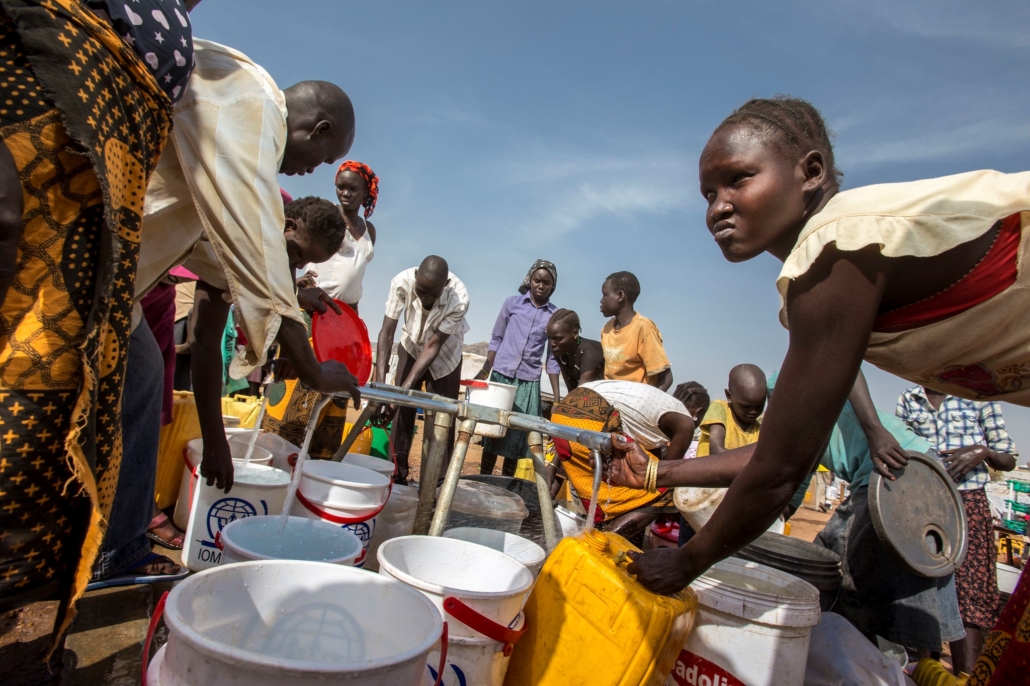
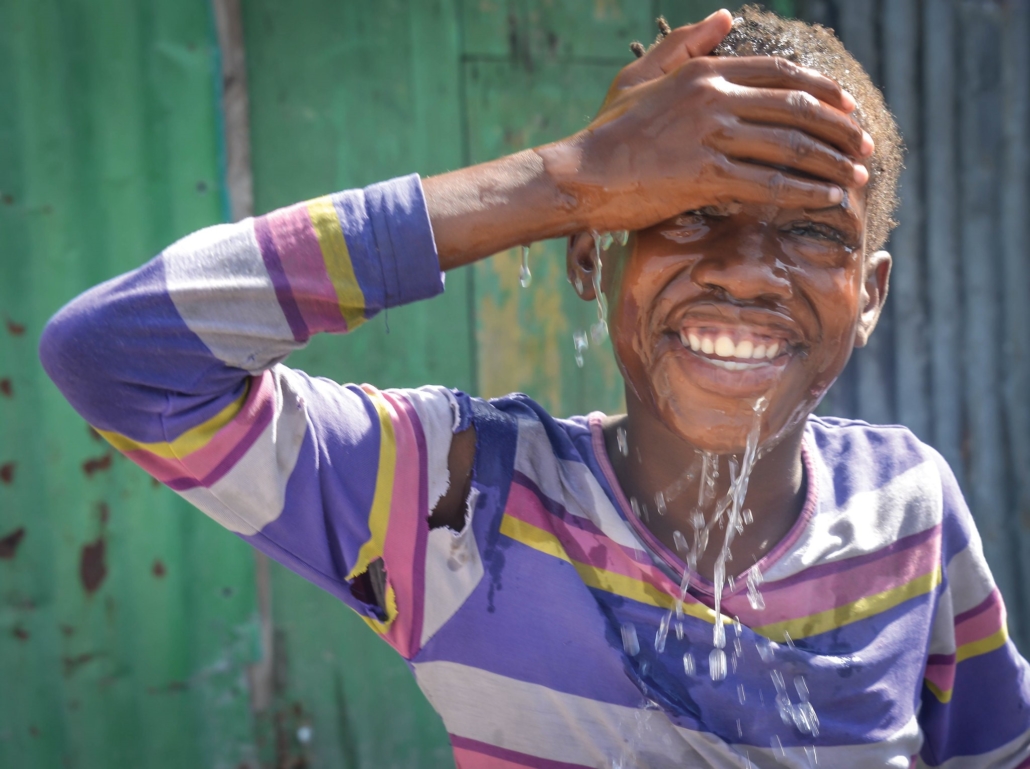
HYDRO IndustriesWater is essential to life, but unfortunately, there are people all over the world who do not have access to clean water. Pollution, poverty and weak infrastructure are often the causes of a lack of clean water. The world’s poor population has often been obligated to travel great distances in order to get clean water. Dirty water often leads to unsanitary conditions and the spread of disease. Thousands die each year from diseases due to a lack of clean water. Fortunately, a company called HYDRO Industries has a new way to provide water to those in need all over the world.
HYDRO Industries

HYDRO Industries is partnering with BRAC, one of the biggest non-governmental organizations in the world, to bring clean water to Bangladesh. BRAC was founded in Bangladesh, so this is their way of giving back to the community. In Bangladesh, five million people lack access to safe water, and 85 million people do not have access to proper sanitation. The current setup is not working well enough, so a new way to provide water is needed. The two organizations plan to begin their operation in Bangladesh in the spring of 2020.

HYDRO Industries will provide its products and BRAC will use its connections with local communities to establish the water treatment plants. The project aims to help around 25,000 people in the first phase and then continue to improve their product and increase the number of people they are serving. HYDRO hopes to expand all over Bangladesh and neighboring Nepal and India.

How Important is Clean Water?

  • Almost 800 million people do not have access to safe water
  • Two billion people don’t have a good toilet to use
  • A child under five dies every two minutes because of dirty water and poor toilets
  • Every minute a newborn dies because of infections from an unsanitary environment and unsafe water
  • For every $1 invested in clean water, there is a $4 increase in productivity
  • Every day, women around the world spend 200 million hours collecting water
  • Almost 300,000 children under age five die annually from diarrheal diseases

The world’s poor population sometimes has to spend hours looking for clean water. If the water is no longer a worry, they will have more time to be productive and focus on their economy. Clean water also reduces the likelihood of disease. Better health and productivity can result in a better community in the world’s poorest places.

What Does HYDRO Do?

HYDRO is a Welsh tech company that creates innovative water treatment plants that can treat water and raise it to drinking standards. The company also uniquely treats the water. Instead of using chemicals to purify water, they use electric power, which makes the entire process more sustainable and effective than chemical-based purification.

Bangladesh is not the first place that HYDRO is planning on helping. In fact, the organization has already provided clean water to multiple poverty-stricken areas around the world. In 2016, HYDRO provided clean water for 82 East African villages. There the water treatment plants provided locals with 8.5 million liters of water every day.

Finding a new way to provide water to those in need is important to work. HYDRO Industries has an innovative method that could potentially help millions of people around the world. Using electric power, HYDRO’s water treatment units can provide water at levels above western standards. Clean water is such an immense benefit to people all over the world. Clean water helps people fight disease and death. Providing a consistent and clean source of water close to people’s homes makes communities more productive and provides a better chance of reducing poverty.

– Gaurav Shetty
Photo: Flickr

January 17, 2020
https://borgenproject.org/wp-content/uploads/borgen-project-logo.svg 0 0 Jennifer Philipp https://borgenproject.org/wp-content/uploads/borgen-project-logo.svg Jennifer Philipp2020-01-17 01:30:102024-05-29 23:13:56HYDRO Industries Has Found a New Way to Provide Water
Global Poverty, Technology, Water, Water Quality, Water Sanitation

Top 4 Technologies Solving Water Scarcity

Top Four Technologies Solving Water Scarcity
Access to healthy drinking water is a basic human right and billions of people are suffering from water scarcity. The world has more salt water than fresh water, which makes it hard to find drinking water. Some have created technologies for this reason. Here are the top four technologies solving water scarcity all over the world.

Top 4 Technologies Solving Water Scarcity

  1. The WaterSeer: Among these top four technologies to solve water scarcity is a machine that VICI Labs developed called the WaterSeer. It can pull moisture from the air and produce up to 11 gallons of clean drinking water. It blows wind into an underground chamber that condenses and forms water. There have not been many field tests yet which has caused critics to raise an eyebrow. Hopefully, the machine does its job and can help produce clean drinking water for countries that have limited access to it.
  2. The Desolenator: Creating safe drinking water is very important but a machine needs to be sustainable enough to continue to give that resource. This is why this next technology ranks as one of the top five technologies solving water scarcity. The Desolenator is a solar desalination tool that removes 99 percent of contaminants from water. It is portable and can produce about 15 liters of fresh water a day. The company says that it has a 20-year life span making it an efficient and sustainable device for solving water scarcity. The reason for this device lies behind the Desolenator company’s philosophy on the importance of clean drinking water. The company’s philosophy is based on, “A desire to provide assured access to clean water in the toughest situations, whilst protecting the planet we depend on.” The Desolenator company aims to design a better water future for people and the planet.
  3. Janicki Omni Processor: The Janicki Omni Processor is another of the top four technologies trying to solve water scarcity. It was originally going to be a machine to clean waste in cities but it can produce clean drinking water from human feces as well. The way it works is a three-step process to create accessible drinking water. These steps include solid fuel combustion, steam power generation and water treatment. At the end of all these steps, water is then ready for human consumption.
  4. Desalination: Converting salt water into fresh water, is another way people can solve water scarcity. The process is called desalination, and it is a huge step towards ending water scarcity. The process may take a lot of energy to conduct but there are affordable ways to do so. Graphene filters are a way to waste less energy in the process of desalination. These filters could reduce the cost of the energy that desalination requires. The Lockheed Martin company has developed a filter that will take into account the amount of energy this process uses in the hopes of providing clean drinking water while also saving energy.

While these four technologies are working to solve water scarcity, there was also the Urban Drinking Water Challenge of 2018 working to eliminate water scarcity through innovations. This was a global innovation competition to identify and deploy drinking water solutions. The challenge provided $250,000 in awards to promising water technology startups. Those who participated in the challenge had to follow three themes that included alternative supply, distributed access and delivery and ecosystem health. This challenge presented opportunities for solutions that encompass the benefits of economies in urban settings to ensure affordability, reach and sustainability of drinking water services.

Water scarcity is a huge crisis, but with advanced technologies paving the way for change, there may be a solution.

– Jessica Jones
Photo: Flickr

January 14, 2020
https://borgenproject.org/wp-content/uploads/borgen-project-logo.svg 0 0 Kim Thelwell https://borgenproject.org/wp-content/uploads/borgen-project-logo.svg Kim Thelwell2020-01-14 01:30:412024-06-04 01:08:35Top 4 Technologies Solving Water Scarcity
Global Poverty, Water, Water Sanitation

Access To Clean Water in Haiti

Access To Clean Water In Haiti
People know Haiti for its unfair labor practices, poor road conditions and deforestation. It is the third-largest country in the Caribbean, just east of Cuba and west of the Dominican Republic. The country has a rich history but has seemingly been unable to regain its footing. Access to clean water in Haiti has been an ongoing and seemingly never-ending issue.

Poverty in Haiti

Haiti’s economic growth has met some serious deterrents due to poverty, corruption and vulnerability to natural disasters including hurricanes, floods and earthquakes. The country currently remains the poorest in the Western Hemisphere and one of the poorest in the world. Poverty in Haiti is at a high. More than six million Haitians are living under the national poverty line of $2.41 per day with more than 2.5 million living under the national extreme poverty line of $1.23 per day. Most of Haiti’s population either do not have employment or are underemployed and the economic activity continues to slow down due to the negative impact of both Hurricane Harvey and Irma.

According to the World Bank, Haiti was in such high debt that it required debt forgiveness. Despite receiving more than $8.4 billion in aid since 1980, Haiti remains poorer today than it was 30 years ago. Aid has helped keep Haiti poor and it has sustained poor government policies that have led to debt, not development.

Access to Clean Water in Haiti

Though more Haitians have gained access to improved drinking water over the last decade, water still presents difficulties for the population in Haiti. Currently, only the houses of the wealthy in Port-au-Prince, the country’s capital and the major regional towns have running water. The mass majority of Haiti’s population does not have access to potable water and the death and disease related to water is critical. In fact, 80 percent of all diseases in Haiti are waterborne.

Roughly three-fourths of Haitian households lack running water and unsafe water, along with inadequate housing and unsanitary living conditions. Pollution from human waste and other waste is prevalent in most of the Haitian rivers. Haitian people residing in the countryside receive water through piped water systems with standpipes or water points with hand pumps. However, many of the water systems there are not operational due to the lack of funds for operation and maintenance. Today, 42.3 percent of Haiti’s total population struggles with access to clean drinking water, while at least 72.4 percent of its population struggles with access to improved sanitation facilities such as toilets, indoor plumbing and sewage systems.

The World Bank

The World Bank is putting forth efforts to aid in the country’s access to clean water and poverty. The main goal is to support the country’s efforts to provide economic opportunities for all of its people and to combat poverty. With the World Bank’s support, Haiti has been able to obtain significantly unmeasurable results. The World Bank has assisted in Haiti’s increased access to drinking water for more than 314,000 people through the construction, rehabilitation and extension of drinking water supply systems. It has made it possible for emergency response in six municipalities to prevent the resurgence of waterborne diseases.

The World Bank has also launched a new program that will allow more than 300,000 Haitians to gain access to improved water sources through household connections and water kiosks. Additionally, it will give 50,000 improved sanitation and 100,000 small repairs and expansions of existing water systems.

MDGs Help Haiti Move Forward

The political instability, natural disasters and social unrest have prevented Haiti from reaching its potential and it also keeps the country in standing as one of the poorest and least equal countries in the world. However, Haiti has made significant progress in stabilizing and eventually lowering the poverty rates. According to the Millennium Development Goals Report, the national poverty rate is 58.6 percent and the extreme poverty rate is 24.7 percent. The implementation of MDGs should cut the poverty rate in Haiti in half.

According to Sophie de Caen, the UNDP Haiti Senior Country Director, “Poverty reduction is the number one priority to the Haitian Government and its people, and the MDGs call for a concrete and coordinated action by the United Nations system and bilateral and multilateral donors to build the State’s capacity to achieve these development goals.” With the help of the World Bank Group, the Haitian government and community involvement, Haiti should be well on its way to regaining its rich history and improving its access to clean water in Haiti while reducing poverty.

– Na’Keevia Brown
Photo: Flickr

January 9, 2020
https://borgenproject.org/wp-content/uploads/borgen-project-logo.svg 0 0 Jennifer Philipp https://borgenproject.org/wp-content/uploads/borgen-project-logo.svg Jennifer Philipp2020-01-09 11:30:382024-05-29 23:14:35Access To Clean Water in Haiti
Global Poverty, Water, Water Quality, Water Sanitation

10 Facts About Water Quality in Asia

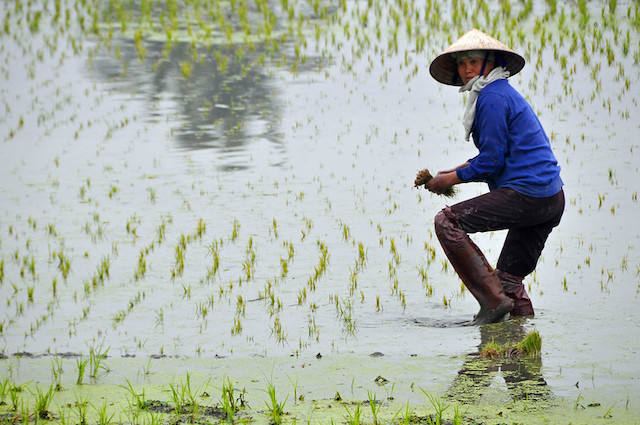
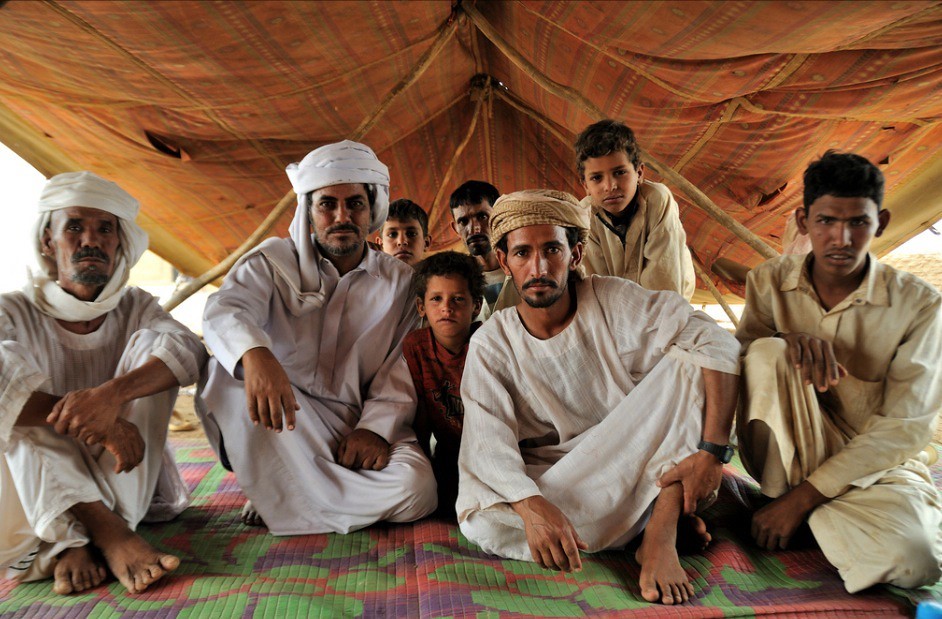
10 Facts About Water Quality in AsiaAsia is a large continent with vastly different cultures and societies, but they seem to suffer from a lot of the same issues. Some common issues are rapid urbanization and lack of infrastructure in rural areas. The most common may be that the water quality in Asia is severely lacking. In fact, Asia’s rivers are three times more contaminated by bacteria from human waste. Here are 10 facts about water quality in Asia.
12 Facts about Water Quality in Asia

  1. The United Nations estimates more than 40 percent of the population in India could be living in megacities by 2030. The stunningly fast urbanization of India is taking a toll on the quality of its water. At least 40 million liters of wastewater enters the waters of India every day. This has made 70 percent of surface water in India unfit for consumption. A World Bank report suggests that this will severely stunt the growth of some areas, cutting its GDP growth by as much as one-third.
  2.  China is going through a water shortage. At least 28,000 Chinese rivers and waterways have dried up over the last 25 years. This issue exacerbates the growing issue of water pollution from industrialization. Government surveys found that 70 percent of China’s water table unfit for human consumption due to the overuse of pesticides and fertilizers.
  3. Only 10 percent of Bangladesh homes have consumable water piped to their households. In order to aid Bangladesh in this crisis, The World Bank approved $100 million to be appropriated towards increasing access to improved water supplies. This project will help 600,000 people get water through piped systems.
  4. Groundwater is the Primary Source of Water in South East Asia. A study conducted in 2019 found that 79 percent of people in Southeast Asia use groundwater as their primary source of water. This amounts to a total of 346 million people who rely on that water to be fresh and clean.
  5. Only 30 percent of the population of Mongolia has access to clean piped water. Most Mongolians in the Gobi desert have to use underground water sources. However, rapid urbanization and mining have changed the water supply. Underground water is no longer a reliable source of healthy water.
  6. In Vietnam, 90 percent of urban wastewater is released back into the environment untreated. The Việt Nam Union of Science and Technology Organisations reported that environmental laws in Vietnam have too many loopholes and flaws to be adequate. There are only 29 water treatment stations in big cities, which is reportedly not enough.
  7. At least 80 percent of the Indonesian population lacks access to piped water. The people must rely on river water to meet their needs. Although the river water is not of adequate quality for any kind of healthy use due to many corporations do not comply with government pollution laws.
  8. The abysmal quality of water in Afganistan is due to years of war. The infrastructure of the country has been destroyed with little funds or time to rebuild. This has left only 27 percent of the population of Afganistan with access to high-quality water.
  9. There were at least 118,000 hospitalizations in Iraq’s 2018 crisis due to water contamination. It was reported that at least 40 percent of the sewage from the river Baswa was being dumped into the Shatt al-Arab. The government started posting weekly reports on the water quality online in February 2019.
  10. Nearly all of South Korea has drinkable tap water, but not many drink it. South Korea has impeccable water quality because the government requires yearly reports from all utility providers. However, a survey done in 2013 of 12,000 individuals showed that only about 10 percent drink water straight from the tap.

There is a global effort to improve the water quality of Asia. The South Asia Water Initiative (SAWI) is improving the management of the many river basins of Asia. SAWI has addressed issues such as riverbank flooding and the economic opportunities of hydroelectric power on the Brahmaputra Basin in India. It has also supported disaster management on the Sundarbans wetlands shared by Bangladesh and India.

These 10 facts about water quality in Asia demonstrate the many water crises that are happening all across the continent. While there are reforms in place, it will be many years until each country will have equal access to clean, safe water.

– Nicholas Pirhalla
Photo: Flickr

January 4, 2020
https://borgenproject.org/wp-content/uploads/borgen-project-logo.svg 0 0 Kim Thelwell https://borgenproject.org/wp-content/uploads/borgen-project-logo.svg Kim Thelwell2020-01-04 01:30:472024-06-06 00:32:5010 Facts About Water Quality in Asia
Global Poverty, Sanitation, Water, Water Sanitation

10 Facts About Freshwater and Sanitation in Bahrain

Facts About Freshwater and Sanitation in Bahrain
Bahrain’s name comes from the Arabic al-bahrayn, which means two seas. Two kinds of water surround the country, sweet water and salty water. Meanwhile, Bahrain is located in the Arabian Gulf – one of the largest oil-producing regions of the world.

Despite the surrounding countries’ high oil supply levels, Bahrain has small stores of oil. Instead of oil drilling, the country imports crude oil from its surrounding countries. The country processes crude oil and exports the refined product.

Bahrain has gained increasing wealth from its refined oil exports. This wealth attracts migrants to come and settle in Bahrain as well as other Gulf Cooperation Council states including Saudi Arabia, Kuwait, the United Arab Emirates, Qatar and Oman. The level of migration resulted in a 48 percent migrant population and the growing population is increasing strains on the country’s freshwater and other sanitation resources.

Despite the struggle to keep pace with migration, Bahrain’s government says it is making strides toward improving, upgrading and expanding sanitation facilities for its growing population. Below are 10 facts about freshwater and sanitation in Bahrain.

10 Facts About Freshwater and Sanitation in Bahrain

  1. Improving Sanitation: Ninety-five percent of Bahrain’s populace connects to a central sewage network. This is because the country adopted sanitation facilities before many of the other countries in the region. Bahrain’s sewage system structure is old with sanitation facilities dating to the 1970s and making the facilities for wastewater treatment inadequate. To combat this inadequacy, Bahrain added new treatment plants and expanded existing ones. Bahrain plans to construct a deep gravity sewer project to cover large areas of the country. Gulf Construction online stated that the country is making progress with its sewage treatment plant in Muharraq and that it was in the commissioning phase as of 2014.
  2. Oil Pollution: Bahrain developed its oil industry without concern for its fertile land. This lack of concern resulted in the oil pollution of natural groundwater reservoirs. Pollution from this oil development increased during the Persian Gulf War, which resulted in damage to oil facilities in the Gulf Region.
  3. Freshwater: Bahrain contains the lowest endowments of freshwater resources in the world, which affects its freshwater availability. Bahrain’s average annual rainfall hovers around 80 mm and its evapotranspiration hovers around 1850 mm. There are no rivers, continuously flowing streams or lakes. The country obtains groundwater from the lateral underflow of the Dammam aquifer. Freshwater share among Bahrain’s populace is in decline. The share went from 525 m3 per year in 1970 to 100 m3 per year in 2001, placing the country’s freshwater share less than the 500 m3 per year capita water poverty line. These levels are likely to further decline and even halve due to the country’s continual population increase.
  4. Water Salination: Bahrain’s groundwater suffers from degradation in quantity and quality from over-extraction, seawater invasion, oil spills and other industrial discharges. The over-utilization of the Dammam aquifer by Bahrain’s agricultural and domestic sectors causes water salination. As a result, desalination provides at least 60 percent of Bahrain’s freshwater.
  5. Desalination: Desalination plants pose a threat to the environment. The seawater used contains high quantities of boron and bromide. The process used to desalinate removes calcium and other essential minerals. The salt leftover from desalination goes into the ocean increasing the salinity of the water. The increased salinity causes harm to the environment and is among the costliest ways to produce water because of the high amount of energy required. Therefore, higher water and energy costs can also pose a challenge to the people who need it.
  6. Basic and Improved Sanitation Availability: Ninety-nine percent of Bahrain’s population uses basic sanitation resources. Bahrain’s government claims 100 percent of its population is using improved and safe drinking water sources, 100 percent of the population benefit from improved sanitation services and 100 percent of the wastewater receives safe treatment. The CIA said Bahrain improved sanitation access for 99 percent of its population. Index Mundi claimed that the country’s freshwater access improved from 94 percent of the country having access in 1990 to 100 percent having access in 2015.
  7. Unequal Freshwater Access: The Bahraini people’s access to freshwater is unequal. The cleanliness of the water is dependent upon how close or far away the water sources are from the Alkalifa family, the ruling family of Bahrain. East Riffe, the location of the Alkalifa family palace, contains cleaner water than Sitra, Ma’ameer, Duraz and Bani Jamra. These are areas where the Baharna community, a community that has faced a long history of discrimination in the region, live. When the people of these areas drink the water there is a high chance of contracting long-term diseases and other health-related problems.
  8. Water Scarcity and The Green Climate Fund: Since Bahrain is located in an arid environment, estimates determine that water scarcity will increase as the temperature of the planet increases due to sea-level rise. Sea-level rise causes surrounding seawater to intermix with the ground freshwater, which decreases freshwater availability. Bahrain applied to the Green Climate Fund – a fund within the United Nations Framework Convention on Climate Change to assist developing countries to take steps to prevent climate change – to address the problems that climate change poses.
  9. Rising Population: Bahrain contains one of the highest population densities in the world and its population is increasing. Eighty-nine percent of Bahrain’s population lives in urban areas. The population level and the continual population increase created a demand for freshwater that exceeds the country’s natural resources.
  10. Waste Generation and Government Initiatives: Bahrain generates above 1.2 million tons of solid waste per year making the country one of the world’s leading per capita solid waste generators. Estimates determine that daily garbage production exceeds 4,500 tons. Waste accumulation increases at a rapid pace. The waste is likely to affect the quality of air, soil and groundwater in Bahrain. Bahrain’s government launched recycling initiatives, a waste-to-energy project and a public awareness campaign in response to combat waste accumulation.

While the rising population and aging sewage system strain the availability of resources, Bahrain’s government is making efforts to address a number of the 10 facts about freshwater and sanitation in Bahrain. Bahrain’s works ministry invited companies to bid for a contract to build new sewage treatment plants in the country in 2014. U.S. companies could also help build effective waste management facilities by bringing ideas on how to improve each of the 10 facts about freshwater and sanitation of Bahrain.

– Robert Forsyth
Photo: Flickr

December 26, 2019
https://borgenproject.org/wp-content/uploads/borgen-project-logo.svg 0 0 Jennifer Philipp https://borgenproject.org/wp-content/uploads/borgen-project-logo.svg Jennifer Philipp2019-12-26 01:30:522024-06-07 05:08:0210 Facts About Freshwater and Sanitation in Bahrain
Global Poverty, Sanitation, Water, Water Sanitation

10 Facts About Sanitation in Afghanistan

Sanitation in Afghanistan
Following decades of civil war and negligence, Afghanistan has been experiencing a crisis regarding clean water and sanitation. The lack of an internal plan and a water infrastructure deficit had elicited urgent consequences such as various waterborne diseases and diarrhoeal diseases. Many organizations such as UNICEF took notice and decided to address this issue at its core. By providing funding and necessary resources, there has been evident progress within Afghanistan towards clean water and better sanitation. Here are 10 facts about sanitation in Afghanistan.

 10 Facts About Sanitation in Afghanistan

  1. Limited Sanitation: According to the State of the World’s Toilets 2007 report, about 92 percent of Afghanistan’s estimated 26.6 million population did not have access to proper sanitation. Meanwhile, the number reduced to 61 percent by 2017. With this being said, poor sanitation exposes people, mainly children and elders, to life-threatening diseases. This issue also affects women and girls, putting them at risk for both physical and psychological damage. It affects menstrual, pregnancy and postnatal periods and creates an unsafe environment when in these periods.

  2. Turmoil: One can see the increasing number of cases surrounding poor sanitation as a direct consequence of the damage inflicted by years of war. Beginning in 1992, constant fighting between different mujahidin groups left cities such as Kabul in ruins, further damaging the water infrastructure. Following in 1996, the Taliban took over but did little to nothing to improve the already damaged water infrastructure, including necessary water pumps. Afghanistan, to this day, is still in turmoil, leaving no priority for local governments to improve sanitation and increase access to clean water.

  3. Lack of Reservoirs, Canals and Infrastructure: One major aspect as to why Afghanistan has a difficult time accessing clean water is the evident lack of water infrastructure. Geographically, Afghanistan is a landlocked nation that automatically creates a difficult landscape to receive clean water; therefore, Afghanistan depends on the natural flow of the snow runoff coming from the mountains. There are reservoirs to collect this water, but it is just not enough. Because of the lack of proper water infrastructure, only 30 percent of the water derived from the runoff stays in Afghanistan. Investment towards improving infrastructure is also scarce as the government does not see it as a prominent issue.

  4. Open Defecation: Open defecation is an issue that many countries face on a daily basis; however, it has been an astonishingly prevalent issue in Afganistan. It places many of the individuals and families leaving near waterways in much danger as human waste spreads disease quickly. To combat this issue, UNICEF alongside the Ministries of Rural Rehabilitation and Development, Public Health and Education have partnered to end open defecation by 2025. They are pushing for the Community-Led Total Sanitation approach which advocates for people to build and use their own latrines.

  5. Increase Water Supply: In addition to implementing a plan against open defecation, UNICEF and the Ministries of Rural Rehabilitation and Development, Public Health, and Education have been working to increase water supply to impoverished communities. They aim to steer the public to get clean water through the reliance of rivers, streams, wells, etc. Also, UNICEF aims to increase the government’s capacity to construct local water supply systems. Because of this new agenda, more than 300,000 new people living in Afghanistan received clean water in 2017.

  6. Water Systems: UNICEF is prioritizing gravity-fed piped drinking water systems or systems with solar pumps instead of regular boreholes with handpumps. These methods should provide more water, easy maintenance and close proximity even though they are slightly more expensive. Right now, most of the water comes from the five major rivers in Afghanistan, but this system brings water in an efficient and sustainable way.

  7. Action Within Schools: An important place to advocate for proper sanitation would be in the school environment, and UNICEF has done just that. Working with the Ministry of Education, UNICEF has aimed to create clean school environments and provide proper hygiene information in Afghanistan. This plan includes providing clean water, separate bathrooms and new handwashing stations in schools. This program is growing and is starting to enter more schools.

  8. Sanitation Efforts Aimed at Women: Some have also taken action towards improving sanitation conditions within schools and workplace settings for women and girls. By installing separate bathrooms for males and females, it provides women the opportunity to manage menstruation in a clean environment. Also, the ongoing introduction of curricula surrounding menstrual hygiene promotes rehabilitation and helps girls all around Afghanistan.

  9. Proper Sanitation in Emergencies: Launched in 2005, UNICEF created the WASH emergency center in Afghanistan. This group of various organizations respond during emergencies and help provide clean water, hygiene education and sanitation facilities to the people. For example, they gave hygiene kits to displaced families in the village of Kamalpoor. The kits included soap, detergent, towels, sanitary pads and a plastic bucket to collect water.

  10. Health Centres: Most importantly, UNICEF has aimed to make sure that hospitals and health centers are in proper condition to treat patients. The WASH program implemented focused on improving infection programs and patient safety. It is important to pay attention to the health of patients and to decrease as many cases of disease and death as possible, especially in the case of women and children.

Although Afghanistan still has some way to go, it has made tremendous improvements to its sanitation systems. With continued aid from organizations like UNICEF, it should only continue its progression towards clean water and sanitation for all.

–  Srihita Adabala
Photo: Flickr

December 22, 2019
https://borgenproject.org/wp-content/uploads/borgen-project-logo.svg 0 0 Jennifer Philipp https://borgenproject.org/wp-content/uploads/borgen-project-logo.svg Jennifer Philipp2019-12-22 01:30:062019-12-16 12:03:3210 Facts About Sanitation in Afghanistan
Global Poverty, Sanitation, Water, Water Sanitation

10 Facts About Sanitation in Southeast Asia

10 Facts About Sanitation in Southeast Asia
In many developing Southeast Asian countries, governments seldom prioritize sanitation when there is a limited spending budget. However, over the past decade or so, many countries in the area have experienced steady economic growth which has led to gradual improvements in sanitary conditions for the people. Here are 10 facts about sanitation in Southeast Asia.

10 Facts About Sanitation in Southeast Asia

  1. Increased Coverage for Improved Sanitation: As of 2018, 95.5 percent of Southeast Asia’s urban population and 85.6 percent of its rural population had access to improved drinking water. This marked a 2.4 percent increase in access for urban locations and an 8.9 percent increase for rural areas since 2005. Approximately 80.8 percent of people living in urban areas and 64.3 percent living in rural areas had access to improved sanitation such as flush toilets and piped sewer systems in 2018. Access to improved sanitation is also increasing at greater rates than improved water in most countries.
  2. Improved Health Due to Better Conditions: Around 0.71 percent of all deaths in Southeast Asia in 2017 was the result of unsafe sanitation conditions. This percentage has dropped 2.3 percent since 1990 and is lower than the world average of 1.38 percent. Cases of infectious diseases, diarrhea, malnutrition and other negative health effects that open defecation caused have also gone down as the share of the population practicing such actions decreased. As for countries where substantial toilet infrastructure is still lacking, such as Cambodia, Timor, Laos and Indonesia, scientists are working to design and install new flush toilets. One team at the Asian Institute of Technology in Bangkok has received a $5 million grant from the Bill & Melinda Gates Foundation to fund such a project.
  3. Creating Comprehensive National Policies: Certain developing Southeast Asian countries lack comprehensive regulations regarding the design and construction of sewers and other sanitation systems. Existing regulations often fail to take variations in local conditions into consideration and people do not always strictly enforce these regulations. Some also neglect to assign the responsibility of management to an institution.
  4. Establishing Institutional Management: Limited ability to implement sanitary systems and unclear institutional division of responsibility has caused gaps in service provision, resulting in low-quality infrastructure, delayed constructions and miscommunications. Multiple international committees have called for government officials to receive training in all essential aspects of sanitation management.
  5. Raising Awareness Among Policymakers: Internationally, the U.S. Agency for International Development recommended that local policymakers become aware of the benefits improved sanitation systems have regarding health, environment and economy through regional research collaborations and water operator partnerships. The intergovernmental Association of Southeast Asian Nations has also come together to discuss Indonesia’s progress in delivering improved water and sanitation to its people. Locally, increasing media coverage and discussions about sanitation are also helping the subject gain focus.
  6. Raising Awareness Among Local Community: Many locals are unaware of the dangers that lie in unsanitary defecation and do not understand the purposes of an improved sewer system. In Indonesia, Water.org has held media sessions to encourage dialogue and awareness regarding sanitation. Similarly, many community health centers and international organizations are working to educate locals on the benefits of improved sanitation, as well as to inform them of the services and financial support available.
  7. Community-led Sanitation Installations: Community-led total sanitation efforts have drastically improved conditions in many Southeast Asian countries as self-respect became the driving force behind the movement. With help and guidance from local authorities, community households can get the financial and institutional support necessary to connect to the more improved sanitation systems.
  8. Financing On-Site Sanitation Installations: Government sanitation funding often focuses on the large-scale municipal infrastructure like waste treatment plants, tending to overlook the construction of supporting connection infrastructure necessary for on-site household sanitation systems. As a result, people have turned to local banks and other financial institutions for loans that would enable them to build the necessary infrastructure necessary to access improved water on a daily basis.
  9. Local Programs Improve Water Sanitation: There are several local efforts that are working to preserve Southeast Asia’s largest freshwater lake, Tonle Sap, so as to improve the lives of approximately 100,000 locals living in the surrounding area. The Cambodian enterprise Wetlands Work is selling innovative technologies, such as water purifying system HandyPod that uses bacteria to turn raw sewage into grey water. Meanwhile, the NGO Live & Learn Cambodia is in the process of testing new toilet innovations.
  10. Water Privatization Limits Accessibility: The privatization of water is a common phenomenon in Southeast Asia. In Indonesia, for example, European companies Thames Water and Suez have 25-year contracts with the local government in 1997 to provide water for the country’s capital, Jakarta. With the goal of ensuring piped water coverage for 97 percent of the popular by 2017, the actual number came up to only 59.4 percent. However, in Surabaya, another Indonesian city, the government provided water publicly through the government and coverage reached 95.5 percent in 2016. Calculations determine that average water prices in the city are one-third of that in Jakarta.

These 10 facts about sanitation in Southeast Asia show how these countries are making consistent progress in procuring improved sanitation for their population. With the assistance of intergovernmental organizations and nonprofits, more people are now living under safe and sanitary conditions.

– Kiera Yu
Photo: Flickr

December 21, 2019
https://borgenproject.org/wp-content/uploads/borgen-project-logo.svg 0 0 Jennifer Philipp https://borgenproject.org/wp-content/uploads/borgen-project-logo.svg Jennifer Philipp2019-12-21 01:30:312024-05-29 23:13:5810 Facts About Sanitation in Southeast Asia
Global Poverty, Sanitation, Water, Water Sanitation

10 facts about sanitation in Brazil

Sanitation in Brazil
With a population of over 200 million people, Brazil stands as one of the most densely populated countries in the world. Its large population begs a simple question; does Brazil have an adequate amount of resources, including clean water, to support its people? Unfortunately, sanitation in Brazil is far from ideal, but the good news is that the country’s access to clean water has been steadily improving since 2010. Below are 10 facts about sanitation in Brazil.

10 Facts About Sanitation in Brazil

  1. Sewage Treatment: According to a Forbes article from early 2015, only around 47 percent of people in Brazil had access to sewage services and only 63 percent of the sewage was treated. This means that Brazil collected and treated less than 30 percent of the sewage that its residents produced.
  2. Urban Sewage Collection: In terms of the urban population in Brazil, around 55 percent had access to sewage collection. Meanwhile, less than 35 percent actually received sewage treatment.
  3. Unequal Water and Sanitation Access: Though it has about a fifth of the world’s water supply, there is unequal access to water and sanitation in Brazil. Only 43 percent of the poorest 40 percent of the population had access to toilets that connect to the country’s sanitation networks in 2013.
  4. Industrial Effluents: According to the World Bank in 2016, Brazil found industrial effluents, such as heavy metals, in bodies of water. As a result, surrounding rivers are unsafe sources for water and this has forced cities around the region to find water from distant basins and wells. The World Bank also stated that the expected growth of industrial complexes would likely worsen this problem in the near future.
  5. Wealth Inequality: In 2014, the top 20 cities for sanitation in Brazil reportedly spent twice as much as the 10 worst cities, meaning that a key source of the sanitation problems plaguing Brazil is wealth inequality. In 2017, Brazil was also reportedly behind poorer countries like Peru and Bolivia in terms of how sanitary it is.
  6. National Public Sanitation Plan: Brazil established a National Public Sanitation Plan over a decade ago in order to provide 93 percent of Brazilian houses with a proper sewage system and a safe water supply. According to The Brazilian Report, however, it may take until 2050 for it achieve its goal.
  7. Deforestation: In 2017, reports showed that Sao Paulo is in danger of devastating water shortages as a result of deforestation in the Amazon forest. As a result of this, the mayor of Sao Paulo issued a statement about the importance of preserving the rainforest and promoting recycling.
  8. Water Shortages: In 2014-2015, Sao Paulo faced a severe drought that led to the declaration of a state of calamity. In cities like Itu, the water shortage became so bad that people fought over and looted emergency water trucks and some communities resorted to using buckets from swimming pools in order to flush their toilets.
  9. Safe Water and Sanitation: According to Water.org, there are currently around 4 million people in Brazil who do not have access to safe water. Meanwhile, there are around 24 million people who do not have proper sanitation.
  10. The WaterCredit Solution: In 2014, Brazil became an important country for the expansion of Water.org’s WaterCredit solution. This solution aims to offer improvements regarding water and sanitation in Brazil through a collaboration with local partners and financial institutions. According to the Water.org website, this program has reached 9,000 people, and its partners dispursed $2.2 million in loans.

In general, the key takeaway is that despite its fairly large economy, sanitation in Brazil has a long way to go. Due to its large population, organizations like Water.org and the National Public Sanitation Plan will need to do significant work in order to ensure that Brazil will evenly distribute water and sanitation among its citizens.

– Adam Abuelheiga
Photo: Flickr

December 17, 2019
https://borgenproject.org/wp-content/uploads/borgen-project-logo.svg 0 0 Kim Thelwell https://borgenproject.org/wp-content/uploads/borgen-project-logo.svg Kim Thelwell2019-12-17 07:57:042020-02-03 11:59:4010 facts about sanitation in Brazil
Global Poverty, Water, Water Sanitation

6 Facts About Urbanization in Nepal

Urbanization in Nepal
Nepal is located in South Asia with a population of roughly 29 million people. It is currently one of the 10 least urbanized countries in the world with approximately less than 20 percent of the nation being urbanized. However, at the same time, it is also one of the 10 fastest urbanizing countries not only in the Asia Pacific region but in the world. Here are six quick facts about urbanization in Nepal over recent years.

6 Facts About Urbanization in Nepal

  1. A natural population increase is one of the primary reasons for the gradual transition from rural to urbanization. Natural population increase occurs when the infant mortality rate decreases and when people bear more healthy children. It can also occur as more people move from small villages to bigger cities.

  2. People in predominantly rural countries, such as Nepal, are choosing to move to more urban areas for many different reasons. For example, wars may force many to move to places with better access to food, water and shelter for the safety of themselves and their families.

  3. Towns and rural areas in Nepal are seeing urbanization increase between 5 and 7 percent each year. This is even more than the country’s capital, Kathmandu, with a 4 percent increase every year, and Pokhara, with a growing urbanization rate of 5 percent per year.

  4. The most populated urban region of the country is Kathmandu Valley, consisting of 24 percent of Nepal’s urban population. In addition, Kathmandu Metropolitan City consists of 9.7 percent of the urban population.

  5. There are three classifications of ecological regions in Nepal. Of them, the hill region has the highest percentage of urbanization at 21.7 percent, followed by the Terai region at 15.1 percent and the mountain region at 2.8 percent.

  6. While the push for urbanization comes with benefits in efforts to create a higher standard of living for people, it is not without challenges. For example, slums populate many urban cities, which have very low-quality living conditions. Overcrowding, limited sanitation and limited access to clean water cause these poor conditions. This results in people having to use open sewers to use the bathroom, leading to other issues.

With urbanization becoming a more common trend worldwide, it can be easy to understand why the concept is appealing to many people who are from traditionally urban nations such as Nepal. The push to urbanize developing nations has positive intentions to not only help the individual citizens but to build countries’ economies so they can be a world power. However, it is also imperative that the country makes efforts to ensure that its citizens in more urbanized regions have access to adequate living conditions, as the act of urbanization alone does not guarantee this.

As demonstrated, many cities, such as the ones that have been recently urbanized in Nepal, lack clean sewage, acceptable air quality and proper shelter. In order to create a prosperous metropolis where Nepalese people can enjoy a high quality of life, people must take all these factors into account.

– A. O’Shea
Photo: Pixabay

November 25, 2019
https://borgenproject.org/wp-content/uploads/borgen-project-logo.svg 0 0 Kim Thelwell https://borgenproject.org/wp-content/uploads/borgen-project-logo.svg Kim Thelwell2019-11-25 07:30:002024-06-06 00:32:496 Facts About Urbanization in Nepal
Developing Countries, Development, Global Poverty, Health, Water, Water Quality, Water Sanitation

10 Facts About Sanitation in Africa

Sanitation in Africa

According to rehydrate.org, “One flush of your toilet uses as much water as the average person in the developing world uses for a whole day’s washing, cleaning, cooking and drinking.” This is the case in the second largest continent on Earth: Africa. It is home to bountiful wildlife, hot sun, and cultural life; but unfortunately, clean water and sanitation are not as boundless of a commodity. Here are 10 facts about sanitation in Africa to explain the depth of the issue.

10 Facts About Sanitation in Africa

  1. One of the starkest of the 10 facts about sanitation in Africa is just how widespread the problem is. Of the 54 countries in Africa, 16 have less than 25 percent sanitation coverage. While statistics vary depending on the country, the bottom line is that it isn’t an isolated issue. Nearly 45 percent of all people in Africa will face unclean sanitation conditions in their life.
  2. Not only is this an uncomfortable way of life, poor sanitation is a key cause in many of the prevalent diseases in Africa. Diarrhea, cholera, dysentery and typhoid are all transmitted by unclean water and account for a large majority of infant deaths. More than 315,000 children in Africa die annually from diarrheal diseases that result from a lack of sanitation. Providing clean water and proper sanitation could reduce diarrhea by 15 to 20 percent.
  3. A lack of clean drinking water causes more than disease. Multiple problems like swelling of the brain, seizures, kidney failure, and comas are extreme results of continuous dehydration. Additionally, daily life becomes much harder to live when basic needs like hydration are not first fulfilled. It’s hard to think and perform at your best when you are constantly thirsty.
  4. When water is available in most rural African villages, it is often in far away locations. This leaves children and women forced to walk many miles a day in order to access water. The United Nations estimates that Africa loses nearly 40 billion hours per year due to collecting water- roughly equivalent to a whole year of labor from France’s entire workforce. This is time that could be dedicated to education or pursuing careers if enough clean water was easily accessible for all.
  5. Most of Africa has yet to see a strong private sector develop for water and sanitation. Having a sturdy and ethical private sector would lead to a growth in affordable sanitation services for many people.
  6. Many issues with poor sanitation lie in the age-old cultural practices common in rural regions of Africa. Open defecation is one of the biggest of these. Though this is largely because of a lack of toilets and waste management systems, even when these systems are put into place, people’s beliefs must change with the infrastructure. Proper education and awareness is necessary to overcome sanitation habits ingrained in many people’s daily routine.
  7. Ultimately, governments of each individual African country must prioritize providing clean water and sanitation to their population for largescale progress to be made. It is encouraging to note that South Africa has made this a high priority goal and has already seen an improvement of 62 percent to 82 percent of households gaining access to improved sanitation.
  8. Having a lack of clean water makes life physically unbearable. Finding clean water takes precious time of out people’s lives. Drinking unclean water causes diseases and more physical discomfort. As a result, poverty in areas of poor sanitation remains stubborn. People cannot escape the vicious cycle of poverty without first having their basic needs met. Only when clean water becomes freely available can people in these places of Africa have enough time, energy and health to pursue a poverty-free future.
  9. One of the greatest bright spots in 10 facts about sanitation in Africa is the Reinvent the Toilet Challenge. Created by Bill and Melinda Gates, the Reinvent the Toilet Challenge asks innovators to create affordable solutions to poor sanitation in developing countries. As a result, 20 different engineering companies created low-cost and sanitary toilets. These projects still need work being implemented on a large scale, but nevertheless they offer hugely promising results for our future world.
  10. Along with this hopeful initiative, other improvements to sanitation in Africa have been made. Open defecation has dropped from 32 percent in 1990 to 25 percent in 2006. Additionally, between the years of 1990 and 2006, 146 million people in Africa gained access to sanitation. Finally, in 2006, 354 million of the 1.2 billion people in Africa used an improved sanitation facility.

– Hannah Stewart
Photo: Wikimedia

November 12, 2019
https://borgenproject.org/wp-content/uploads/borgen-project-logo.svg 0 0 Kim Thelwell https://borgenproject.org/wp-content/uploads/borgen-project-logo.svg Kim Thelwell2019-11-12 08:01:582024-05-29 23:13:0910 Facts About Sanitation in Africa
Page 11 of 16«‹910111213›»

Get Smarter

  • Global Poverty 101
  • Global Poverty… The Good News
  • Global Poverty & U.S. Jobs
  • Global Poverty and National Security
  • Innovative Solutions to Poverty
  • Global Poverty & Aid FAQ’s
Search Search

Take Action

  • Call Congress
  • Email Congress
  • Donate
  • 30 Ways to Help
  • Volunteer Ops
  • Internships
  • Courses & Certificates
  • The Podcast
Borgen Project

“The Borgen Project is an incredible nonprofit organization that is addressing poverty and hunger and working towards ending them.”

-The Huffington Post

Inside The Borgen Project

  • Contact
  • About
  • Financials
  • President
  • Board of Directors
  • Board of Advisors

International Links

  • UK Email Parliament
  • UK Donate
  • Canada Email Parliament

Get Smarter

  • Global Poverty 101
  • Global Poverty… The Good News
  • Global Poverty & U.S. Jobs
  • Global Poverty and National Security
  • Innovative Solutions to Poverty
  • Global Poverty & Aid FAQ’s

Ways to Help

  • Call Congress
  • Email Congress
  • Donate
  • 30 Ways to Help
  • Volunteer Ops
  • Internships
  • Courses & Certificates
  • The Podcast
Scroll to top Scroll to top Scroll to top