• Link to X
  • Link to Facebook
  • Link to Instagram
  • Link to TikTok
  • Link to Youtube
  • About
    • About Us
      • President
      • Board of Directors
      • Board of Advisors
      • Financials
      • Our Methodology
      • Success Tracker
      • Contact
  • Act Now
    • 30 Ways to Help
      • Email Congress
      • Call Congress
      • Volunteer
      • Courses & Certificates
      • Be a Donor
    • Internships
      • In-Office Internships
      • Remote Internships
    • Legislation
      • Politics 101
  • The Blog
  • The Podcast
  • Magazine
  • Donate
  • Click to open the search input field Click to open the search input field Search
  • Menu Menu

Archive for category: Water Quality

Activism, Developing Countries, Development, Global Poverty, Health, Water, Water Quality

Rotary Club’s Water Relief in Haiti

Water Relief in Haiti

Political corruption and unstable governments can be a huge problem for organizations trying to bring aid to a developing country. On top of the already difficult logistics, corrupt governments can heap on restrictions, red tape and, at times, cause violence. The 2008 Transparency International’s Corruption Perception Index ranked Haiti at number four of the most corrupt nations in the world. This same Index also ranked Haiti as the most corrupt country in the Caribbean region in a 2013 study. This political corruption was the main difficulty faced by Brian Merriam and his Rotary Club Chapter when they tried to aid efforts for water relief in Haiti in 2014.

The Rotary Club’s Contribution

For more than 110 years, Rotary Club International and its 1.2 million members have prided themselves in bringing aid to impoverished countries around the globe. With more than 35,000 chapters, Rotary Club is able to make a lasting worldwide change. Brian Merriam, a third-generation member of Rotary Club International, discussed his initial motivation and the challenges involved in helping Haiti.

Merriam took to heart something that his father always said, “find the greatest problems in your community and find a way to solve them.” It was this motto that led him to first visit Haiti in 1999 with the Episcopalian organization, Food For The Poor. What Merriam saw shocked him, “I traveled the world when I was fifteen,” said Merriam “I’ve seen poverty but never the amount of Haiti.” With 59 percent of the country surviving on less than $2 a day, Haiti it the poorest country in the Western Hemisphere.

A Lack of Clean Drinking Water

After a few more visits to the country, Merriam knew something had to be done. Getting everyone from his Rotary Chapter to help was the easy part. Having been to Haiti several times Merriam knew the problems facing the nation and how to help. “Haiti isn’t lacking water,” said Merriam, “it’s lacking clean drinking water.” More than 90 percent of the country has been deforested, leading to poor soil quality. This combined with the country’s predominantly porous limestone bedrock makes the water that comes up from the earth unfiltered and unhealthy to drink.

The condition of the water supply is made only worse by the nation’s poverty. People wash themselves and their clothes in Haiti’s waterways, further contaminating the water. With more than two-thirds of the population unemployed, many families can’t afford bottled water. They are forced to drink from these polluted bodies of water instead. With this in mind, the Rotary Club Schenectady Chapter brought filtration systems to the community of Matogou in 2014 in order to boost water relief in Haiti.

Political Instability

Along with the many natural factors, an increase in political protests and the proceeding violence have further crippled the country’s ability to distribute aid. This has made it more difficult for organizations to facilitate water relief in Haiti. Large mobs, vandalism and blocked roads make it harder to get basic goods out to Haiti’s most needy.

The tumultuous protests are a reaction by the Haitian people to both the corruption of President Jovenel Moise’s and the ineptitude of the Haitian parliament. According to Haiti’s senate, President Moise and his predecessor, Michel Martelly, embezzled as much as $2 billion. That money was supposed to go to Haiti’s poor to improve their infrastructure, health and education systems. Adding to the instability, the Haitian parliament failed to ratify a government or appoint a new Prime Minister after the ousting of their last one, Jean-Henry Ceant.

Merriam knows firsthand the difficulties this kind of political instability can cause. The largest problem for the Rotary Club was not financial, nor was it logistical. Getting the water filtration systems to the intended people intact was the real difficulty. Merriam recalls having to sneak the filtration systems past customs, “We have to smuggle them into the country. Not cause they’re illegal but because I’ll get extorted at the airport if they know I have them.” After getting the filtration systems past customs, Rotary Club was ready to bring them into the communities that desperately needed water relief in Haiti.

One Success Story

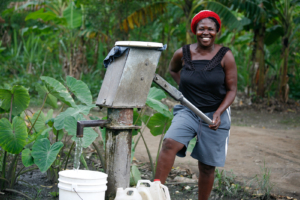
The Rotary Club Schenectady Chapter has changed lives for the better by increasing water relief in Haiti. The water filtration systems Rotary installed have a shelf life of 10 years and can filter out 99.99 percent of bacteria from 1,000,000 gallons of water. Each system can provide clean water to 40 people per day. The organization shows communities how to maintain and clean the filtration systems. Rotary club exceeded its goal in providing 24-hour clean water to Matogou.

It is Merriam’s belief that people born into good fortune have to social obligation to help those less fortunate than themselves. “We are on this one globe and if we don’t make it better, we’ve squandered it,” said Merriam. It is this attitude that has led him to fight for the people of Haiti for 20 years. His actions through the Rotary Club have provided much-needed water relief in Haiti.

– Henry Burkert
Photo: Wikimedia
October 27, 2019
https://borgenproject.org/wp-content/uploads/borgen-project-logo.svg 0 0 Jennifer Philipp https://borgenproject.org/wp-content/uploads/borgen-project-logo.svg Jennifer Philipp2019-10-27 07:30:432020-01-18 14:37:37Rotary Club’s Water Relief in Haiti
Global Poverty, Health, Water, Water Quality, Water Sanitation

Improving Water Quality in Nigeria

Water Quality in Nigeria
Nigeria is in a water crisis and water quality in Nigeria is suffering. The country has access to surface water and also water that comes from underground. Nigeria seemingly has enough access to water supplies, but in reality, only 19 percent of the Nigerian population has access to adequate drinking water. This is due to the fact that Nigeria is in a state of economic water scarcity. Economic water scarcity is the inability to protect and/or use water sources for socioeconomic development and environmental sustainability.

Water Disparities

This economic disparity is distorting the access to basic water supply for those living in impoverished areas in Nigeria. According to stats that The Conversation collected in 2017, about 80 percent of wealthy Nigerians have access to a basic water supply and healthy drinking water, while only 49 percent of poor Nigerians have this access.

Journalist Dele Sobowale researched the increases in the Nigerian population and found that the population is increasing by 6 million a year. Additionally, out of the 6 million, 80 percent lack access to safe drinking water. This means that the water they currently have access to does not meet Nigeria’s standards for safe drinking water. Nigeria determines if water passes its standards by testing for taste, smell, bacteria and E. coli.

The results of the tests concluded that 64 percent of Nigerian households have access to clean water sources, such as piped water, boreholes and collected rainwater. However, the results also showed that about 90 percent of Nigerian households consumed E. coli contaminated water at some point, either from the clean water sources or non-clean water sources.

Although all of this has been occurring, many are making efforts to counteract this crisis. Many organizations have been working to improve water quality in Nigeria.

Organizations and Efforts on the Ground

USAID has been trying to improve access to clean water and sanitation in Nigeria by partnering with local governments and private sectors. It understands that lack of access is contributing to the “high prevalence of waterborne diseases, threatens the livelihoods of smallholder farmers and contributes to low levels of school enrollment.”

The Corporate Accountability Global Campaign is another invite that is helping improve Nigeria’s water system. It partnered with the Environmental Rights Action/Friends of the Earth, Nigeria (ERA) to create a campaign that would captivate people and urge local officials to not turn the water system to private sectors. It has especially been working in Lagos, Nigeria to fight for water justice. Its goal is to stop private water corporations from interfering with the public water system all around the globe. It started with Lagos but it is part of a movement for global water justice.

UNICEF is also fighting for access to clean water sources in Nigeria, specifically for young children. Young children in Nigeria are suffering the worst from the water crisis because it is increasing mortality rates for children under 5. According to UNICEF’s data, “The use of contaminated drinking water and poor sanitary conditions result in increased vulnerability to water-borne diseases, including diarrhea which leads to deaths of more than 70,000 children under 5 annually.” Children are dying and access to clean water sources is disproportionate among poorer children in this country.

In order to fix this injustice, UNICEF came up with a few solutions that will help reduce the amount of harm contaminated water is causing in Nigeria. These solutions include preparation for equal access to water, sanitation and hygiene services (WASH), strengthening the government’s efforts to stop the practice of open defecation, expanding the capacity of national and subnational bodies to create equal gender-sensitive WASH policies and ensuring the rural communities have sustainable water sources.

Conclusion

Water is a basic need for human existence and there are some countries that do not have access to clean and healthy water. The help of organizations like the ones above can help fix the water quality in Nigeria. With one step at a time, people could eradicate insufficient water quality across the world.

– Jessica Jones
Photo: Flickr

October 21, 2019
https://borgenproject.org/wp-content/uploads/borgen-project-logo.svg 0 0 Jennifer Philipp https://borgenproject.org/wp-content/uploads/borgen-project-logo.svg Jennifer Philipp2019-10-21 11:35:382020-01-07 06:19:16Improving Water Quality in Nigeria
Developing Countries, Development, Global Poverty, Health, Water Quality, Water Sanitation

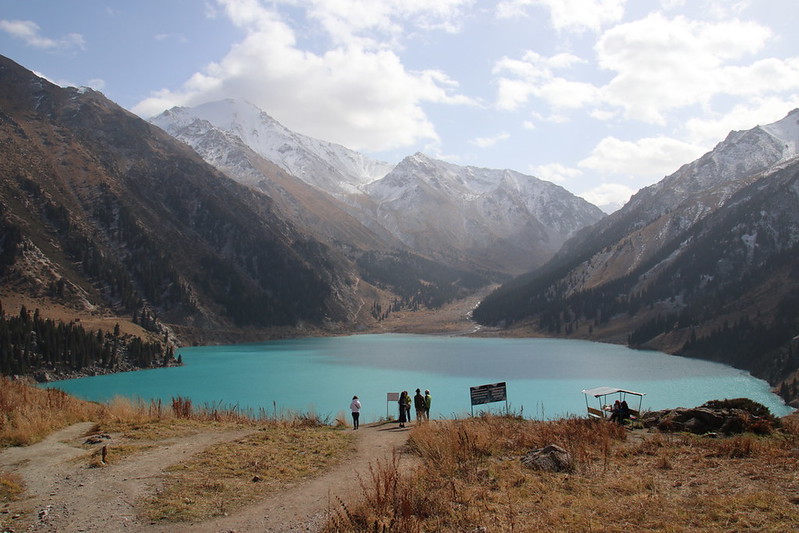
Water Competition and Efficiency in Kazakhstan

Water Competition and Efficiency in Kazakhstan
Former Soviet-controlled Kazakhstan has come a long way since the end of the Cold War. Despite becoming a more stable nation in the Middle East compared to its neighbors, it still struggles with water distribution and quality to this day. This article shall discuss these chief problems through water competition and efficiency in Kazakhstan.

Competition with China

As far as competition goes, Kazakhstan has a major problem in the form of China. Kazakhstan relies heavily on the Ili River for a good portion of its water supply and both countries connect to this valuable river. At the end of the day, China receives a larger share of the river than Kazakhstan. This is partly because the Ili River begins in China, and that China has 15.7 billion cubic meters of water flow into its borders every year. On the flip side, Kazakhstan only gets around half of that with 8.4 billion cubic meters. China states that it should have a larger share due to it being larger than Kazakhstan and the fact that Kazakhstan exploited the water profusely in the 1960s. In fact, Kazakhstan still does today at a rate of 42.7 percent which is over the 40 percent limit range.

Efficiency in Water Distribution

Kazakhstan has noted that it needs to exploit these waters due to its inability to give its population enough water or water that meets sanitary standards. This is partly due to the lack of efficient water distribution to people in certain parts of Kazakhstan. Meanwhile, Central Kazakhstan only receives 3 percent of the country’s water.

Another problem is that the government has been treating its water as an unlimited resource while it is becoming clear that it is very scarce. This lead to poor management of this water while leading the citizens into believing that the problem is not as dire as it seems.

Sanitation in Kazakhstan

Another issue that Kazakhstan has is that most of its drinking water is unsafe to ingest. Due to the aforementioned poor distribution and supply of the water within the country, the amount of clean water sits at only 30 percent. A key cause of poor distribution is that the water often stops in pipes, which allows it to collect bacteria and disease. These interruptions in water flow can occur 14 days a month and last as long as 12 hours. The fact that the pipes that flow this drinking water are also in the same trenches as sewer pipes, causing cross-contamination and a possible epidemic does not help matters. This only further highlights why water competition and efficiency in Kazakhstan is so important.

Course of Action

Kazakhstan is looking to revamp its water system by not just fixing its own, but also by importing water from outside sources, namely other neighboring countries. The government is also receiving support from the E.U.; it is helping to create policies that can help Kazakhstan better preserve its water for drinking and agricultural needs. The E.U. is also going so far as to provide new technology to better equip the country in preserving this water. This is not surprising since the E.U. also provided $1.5 billion to help with water management from 2010 to 2013. With all of this support, the government of Kazakhstan is hoping to increase its people’s access to clean, sustainable drinking water by 2030.

In this article about water competition and efficiency in Kazakhstan, it is clear that the country is in a rough patch to competition outside of its borders, as well as its poor management of the water it possesses. With the proper restructuring of its water system and outside help, the country should be able to improve this issue. With the E.U.’s continued help and allocated funds and resources to fix the contamination and distribution problems, Kazakhstan should be able to see a great increase in clean water.

– Collin Williams
Photo: Flickr

October 20, 2019
https://borgenproject.org/wp-content/uploads/borgen-project-logo.svg 0 0 Kim Thelwell https://borgenproject.org/wp-content/uploads/borgen-project-logo.svg Kim Thelwell2019-10-20 13:04:472020-04-23 20:59:19Water Competition and Efficiency in Kazakhstan
Education, Global Poverty, Water Quality

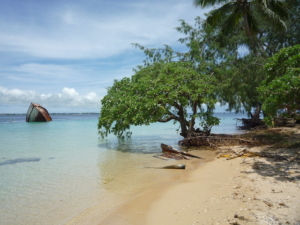
Top 10 Facts About Living Conditions in Tonga

Tonga is a tropical group of islands located in the South Pacific. Tonga is rich with a vibrant culture and population and the islands are known for their tropical beauty. While the lives of Tongans have vastly improved in recent years, there is still much that can be done. These 10 facts about living conditions in Tonga showcase both the struggles that Tongans face on a daily basis as well as the positive aspects of life in the country.

Top 10 Facts About Living Conditions in Tonga

  1. Water quality is an issue – The majority of Tonga’s freshwater supply is in the form of groundwater, collected either through rainwater harvesting or limestone extraction. Because Tonga has no coordinated, centralized system for caring for waste, individuals and communities manage wastewater on-site. This presents difficulties in monitoring water quality and sanitation, making Tongans susceptible to parasites and waterborne diseases.
  2. Noncommunicable diseases are quite common among residents – Tonga used to face challenges with deaths caused by infectious diseases, but now the country is facing a new primary cause of death: non-communicable diseases. According to a 2008 report, non-communicable diseases accounted for more than 70 percent of deaths in Tonga during that year. These diseases include respiratory and cardiovascular conditions, as well as cancer and diabetes. However, the Tongan Government has begun to take action against this growing problem and recently launched the Tongan National Non-Communicable Disease Strategy, which sets out to reduce the number of individuals in Tonga with non-communicable diseases.
  3. Tongans have excellent access to healthcare and medicine – According to the World Health Organization (WHO), 100 percent of the population has access to health care and medicine. However, the quality and supply of these hospitals and medicines can be an issue in some of the more remote areas of the country, such as in the outer islands.
  4. Tonga has a small, but open, island economy – The country largely exports agricultural goods and fish. These items make up close to 80 percent of Tonga’s total exports. Tonga’s economy is also based around tourism, although this industry has faltered in recent years following the global economic crisis of 2008.
  5. Early education in Tonga is a priority – Almost 95 percent of the resident population with children between the ages of 6 and 14 are enrolled in school. Once children reach the age of 15, however, school attendance decreases. Overall, almost 30 percent of those between the ages of 15 and 19 do not attend school. Along with this, female school attendance is generally higher than males. This gap only increases in secondary school, where female enrollment is 67.4 percent and male enrollment is only 54 percent. It has often been reported that, as they grow older, many boys who fail their exams have chosen to quit school altogether and help their families by working.
  6. Housing can be a problem – This can be largely attributed to the wet, tropical climate and severe weather found in the South Pacific region. A recent study found that one of the most prevalent types of structural damage to homes in urban parts of Tonga was water damage, which was characterized by mold growing predominantly in the sleeping and cooking areas of the homes. Furthermore, many homes are often destroyed because of the harsh weather. For example, in 2018, Tropical Cyclone Gita hit various parts of Tonga, affecting roughly 70 percent of the population and completely destroying over 1,000 homes.
  7. Child marriage is common – Between 2015 and 2017, more than 100 child marriages took place in Tonga. These marriages were able to take place because of specific sections from Tonga’s Births, Deaths and Marriage Registration Act of 1926 that allow children between the ages of 15 and 17 to be married if there is parental approval. However, in many of these situations, young girls are pressured into marriage due to parental desires or teen pregnancy. To help combat this, a campaign was launched in 2017 called “Let Girls be Girls!” The campaign, which is supported by the Tongan Ministry of Justice, hopes to repeal the law that currently allows child marriage in Tonga.
  8. Close to 60 percent of Tongans are dependent solely on agriculture for food – Though acreage for agricultural goods is increasing, production and quality is decreasing due to unsustainable agricultural practices, pests, diseases and increasing urbanization. Attempts have been made in the past to try and stabilize food security, but only recently have any methods proven effective. In 2015 the Tonga Framework for Action on Food Security (TFAFS) was developed to ensure food security as a top priority. TFAFS focuses on combining a variety of methods to address food security, focusing on both immediate and long-term solutions.
  9. About 25 percent of households in Tonga have incomes that are below the poverty line – 88 percent of Tonga’s population live in rural areas of the country, which experience the highest rates of poverty and harshest living conditions. The population in these rural areas has been slowly declining, however, and is expected to drop another 7 percent in the next 30 years. However, this decline may present some problems for the Tongan agricultural industry, which may face labor shortages.
  10. Tonga has a relatively young population – The median age in Tonga is only 23 years old, and more than one-third of the population is 14 or younger. Additionally, just over 6 percent of the population is over the age of 65. However, life expectancy is slowly increasing in Tonga, and as of 2017, the average life expectancy had risen to 73 years old.

These 10 facts about living conditions in Tonga demonstrate the progress that the country has made in improving the lives of its people. Though there is still much work to be done, Tonga is working hard to become a strong, self-reliant nation.

– Melissa Quist
Photo: Flickr

September 29, 2019
https://borgenproject.org/wp-content/uploads/borgen-project-logo.svg 0 0 Kim Thelwell https://borgenproject.org/wp-content/uploads/borgen-project-logo.svg Kim Thelwell2019-09-29 03:16:202024-05-29 23:11:03Top 10 Facts About Living Conditions in Tonga
Global Poverty, Water, Water Quality, Water Sanitation

How AquaSafi Can Provide Access to Clean Water

Provide Access to Clean Water
Back in 2011, the creator of AquaSafi, Kevin Cluff, wanted to provide a solution to those 800 million people in the world who do not have access to clean water. He then created water purification systems to place in developing countries to provide people with access to clean water. Cluff and AquaSafi partnered with NGOs in India to bring the systems to the country due to how expensive the systems are. AquaSafi has already provided over 100,000 people with access to clean water and helped communities in other ways too.

Water Purification Systems

Having access to clean water is arguably the biggest necessity in developing countries. Clean water access is crucial because, without it, people can contract waterborne diseases such as polio, malaria, cholera and diarrhea. Diarrhea alone causes 2.2 of the 3.4 million deaths from waterborne diseases a year because developing countries often do not have access to modern medicine. Unfortunately, having access to clean water is becoming harder when people are polluting more and more of the water supply.

Luckily, AquaSafi has provided a potential solution to this widespread problem. The water purification systems that AquaSafi has created utilize reverse osmosis systems, which is a process that uses pressure to eliminate contaminants from water. Because the systems use only pressure, they require little electricity, water and space to operate.

Clean Water at an Affordable Price

To bring its systems to developing countries, AquaSafi partners with NGOs in those areas. By gaining the investments from organizations like H2O for Humanity, AquaSafi opened up stores in India where people can buy 20 liters of water for 3 cents. This affordable pricing is essential in making this an effective solution, as those living in extreme poverty are frequently living under $1.90 a day.

Other Benefits of AquaSafi

Through opening these stores, communities have benefited in ways that one might not think. Before, up to 4,000 children died every day due to waterborne illnesses. Now, in the communities with AquaSafi, the child death rate has dropped so much that school attendance is up. Additionally, the removal of fluoride from water sources has made cramps and joint pains go away for many people. Lastly, by opening up stores in the communities that most need them, AquaSafi has provided employment opportunities for locals. The organization trains those people on how to operate the system and perform maintenance when necessary.

By providing the solution of its water purification systems, Aquasafi has helped provide access to clean water to hundreds of communities. To lower the price per 20 liters, AquaSafi partnered with NGOs like H2O for Humanity so that those living in extreme poverty can afford it. The stores placed in these communities have also allowed those living in extreme poverty to gain employment opportunities which allow for the money spent on the water to go back into the communities. Overall, these water purification systems can save thousands of lives at an affordable cost as well as benefit the communities financially, which could potentially start to uproot people out of extreme poverty.

– Ian Scott
Photo: Wikipedia Commons

September 8, 2019
https://borgenproject.org/wp-content/uploads/borgen-project-logo.svg 0 0 Kim Thelwell https://borgenproject.org/wp-content/uploads/borgen-project-logo.svg Kim Thelwell2019-09-08 14:47:082024-05-29 23:11:08How AquaSafi Can Provide Access to Clean Water
Global Poverty, Poverty, Water Quality

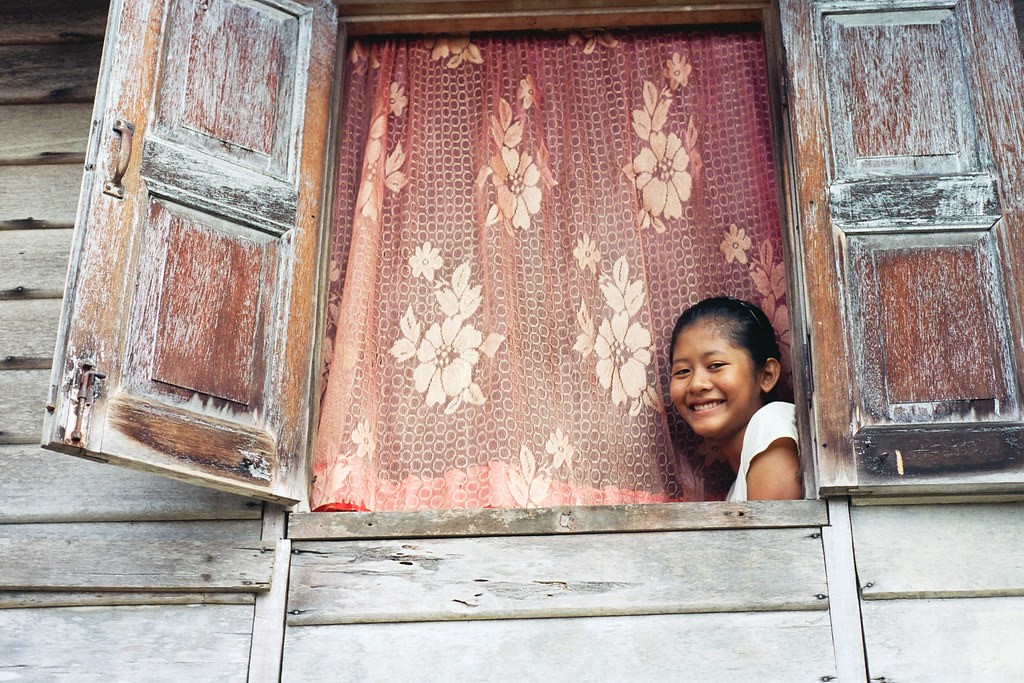
10 Facts About Poverty in Malaysia

10 Facts About Poverty in Malaysia
Malaysia is a South Asian country that consists of two noncontiguous regions; Peninsular Malaysia which West Malaysia and Thailand share, and East Malaysia which Malaysia shares with the island of Borneo. While this nation has been able to rapidly tackle its poverty situation, millions of Malaysians still struggle every day. Here are 10 facts about poverty in Malaysia.

10 Facts About Poverty in Malaysia

  1. Malaysia’s Poverty Definition – Malaysia’s government defines poverty as families earning between the Poverty Line Income (PLI) of MYR800 and those families living below the national median household earnings by 50%. As of 2015, only 0.4% of the population was living below the national poverty line.
  2. How Malaysia Measures Poverty – Malaysia calculates poverty with the PLI and Consumer Price Index. The Department of Statistics (DOSM) uses micro-data to calculate poverty. It conducts household surveys and the micro-data refers to those responses. The lack of transparency between the government and its citizens lies in the fact that the government hides these results from the public. This leaves many unanswered questions about the poverty situation in Malaysia.
  3. Unemployment – As of September 2018, Malaysia had a 3.3% unemployment rate and youth unemployment of just above 10%. The total number of unemployed people is 516,400. Limited English language proficiency, unpolished skills and a lack of digital literacy are common reasons for unemployment.
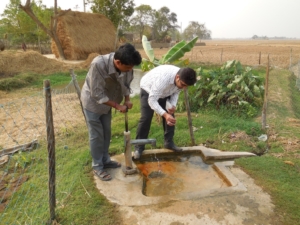
  4. Access to Clean Water – The Orang Asli, or the first peoples of Malaysia, are significantly unhealthier compared to others due to their inability to access clean water. This caused the Global Peace Foundation to initiate the Communities Unite for Pure Water (CUP) initiative by installing water pumps in a village to filter water into each household. This helped the entire village gain access to clean running water.
  5. Access to Health Care – Malaysia has a two-tier health system, public and private. Both are easily accessible, yet the public sector suffers from severe overcrowding and wait times are very long. This resulted in many people changing from public to private health care, which is very expensive, leaving families one accident away from becoming poor.
  6. High Living Costs – The government implemented the Goods and Services Tax (GST) on April 1, 2015, in order to replace sales and services tax. This added tax of 6% caused people to look for new jobs in order to better situate themselves for the new tax. Only 19% of responders said that the tax had done nothing to their routine.
  7. Corruption – People know corruption to be Malaysia’s “public enemy number one.” Bribery and corrupt activities went from 19% in 2014 to 30% in 2016. The 1 Malaysia Development Berhad (1MDB) case is an example of corruption in the government. Prime Minister Najib Razak looted $4.5 billion from a state fund focused on financing infrastructure and “other economy-linked deals.” This scandal affected a wide spread of people “including financial institutions” from Malaysia to Singapore.
  8. Minimum Wage – Malaysia’s minimum wage was RM1,000 per month before the National Wage Council’s September 2018 meeting announced its new minimum wage of RM1,050. The government wanted to keep costs of production and wages low so Malaysians did not lose competitiveness with foreign investors. After many protests, Malaysia raised its minimum wage to RM1,100.
  9. Common Diseases – Poor diet and nutrition cause killer diseases in Malaysia. Coronary heart disease, cancer and strokes affect Malaysians the most. The Malaysian Rare Disorders Society, founded in 2004, is a voluntary organization that looks out for the welfare of families and represents them as rare disorders affect them. The organization helped Aminisha, a girl with the congenital disorder of glycosylation (CDG) Type1b, in May 2004. It provided her tube feeding, plasma transfusion and extraction of excess fluids.
  10. Social Programs – Under Malaysia’s 2017 Budget, the Malaysian government allocated about RM10 billion for government aid and subsidies. The government helped the Ministry of Women, Family, and Community Development, which financially helps single mothers for a year by providing a minimum of RM100 per month per child and a maximum of RM450 per month if there are more than four children.

Another way Malaysia combats poverty is through EPIC Homes. This NGO has been providing “safe and sustainable housing” for poor families, mainly the Orang Asli, since 2010. About 82% of Orang Asli are in need of housing. More than  5,000 builders have constructed over 100+ houses in over 10+ villages. With the continued work from Malaysia’s government to increase the country’s minimum wage and aid from different initiatives, Malaysia’s poverty status should improve.

–  Isabella Gonzalez
Photo: Flickr

August 29, 2019
https://borgenproject.org/wp-content/uploads/borgen-project-logo.svg 0 0 Jennifer Philipp https://borgenproject.org/wp-content/uploads/borgen-project-logo.svg Jennifer Philipp2019-08-29 09:00:482024-06-07 05:07:5710 Facts About Poverty in Malaysia
Developing Countries, Global Poverty, Water, Water Quality, Water Sanitation

8 Facts About Ghana’s Water Crisis

Ghana’s Water Crisis
Much like many other countries in Africa, Ghana’s water crisis is straining the nation. The local government has taken steps to try and minimize the damage, but a growing population, faulty equipment and rapid urbanization are outpacing most improvements. Here are eight facts about Ghana’s water crisis.

8 Facts About Ghana’s Water Crisis

  1. While some African countries suffer from a lack of water, Ghana suffers from too much polluted water. The problem lies in a lack of functioning water filters. The government plans to replace these defective filters, but the costs can run to an estimated $35 million. Despite this, the government is going ahead with the project with the support of outside companies, such as Native Energy and NGOs.
  2. The rapid urbanization in Ghana causes water pollution. Unsafe housing with poor housing facilities like sinks and toilets pour polluted water into waterways. This causes families to resort to water vendors, which are often not sanitary. This leads to a vicious cycle of water pollution, where more people get sick as a result.
  3. One of the leading diseases affecting the people of Ghana is cholera. It spreads primarily through the use of faulty toilets and plumbing. A flash flood further exacerbated the situation in 2014 when copious amounts of polluted water mixed with water supplies, affecting 30,000 people.
  4. The government has taken steps to improve the state of affairs with the Ghana Clean Water Project. This project seeks to improve the water situation by hiring skilled individuals to administer water quality testing as well as teaching communities how to maintain sanitation practices. The cleanliness is especially important since as mentioned before poor sanitation contributes heavily to Ghana’s water issues.
  5. Dry winter winds, called harmattan, also cause water shortages in Ghana. This leads to water rationing, which of course leads to protests and public discontent. Deforestation and illegal gold mining further exacerbate the problem by further polluting the limited water supply.
  6. Seventy-three percent of the population, or about 23 million people, use water that may not follow sanitary standards. This would mean that only 3.9 million people in Ghana can access water that is safe. Everyone else has to sift through contaminated water.
  7. Population growth, alongside rapid urbanization, also causes water pollution. Between 2016 and 2050, projections estimate that the population of Africa will double. For Ghana, this means that while new economic activities could crop up, the strain on water resources will also increase. Ghana’s situation can only get worse as time goes on if it leaves these issues unchecked.
  8. The African Development Bank calculated that granting universal access to water across Africa would cost $66 billion. This does not even include the $170 billion necessary to create a sustainable infrastructure to keep water supplies high. Officials in the government say that Ghana will need a better allocation of resources to see through possible improvements.

Unless the government receives outside help, however, it may be some time before it acquires any substantial gain in sanitation or water production. This is why these eight facts about Ghana’s water crisis are so important.

– Collin Williams
Photo: Flickr

August 22, 2019
https://borgenproject.org/wp-content/uploads/borgen-project-logo.svg 0 0 Kim Thelwell https://borgenproject.org/wp-content/uploads/borgen-project-logo.svg Kim Thelwell2019-08-22 15:00:202024-05-29 23:00:338 Facts About Ghana’s Water Crisis
Global Poverty, Water, Water Quality

John Ochieng and Africa Water Solutions’ Impact in Uganda

Africa Water Solutions
John Ochieng knew his people deserved better. After all, access to water, the world’s most basic need, should not be this difficult. Now, Ochieng has been with Africa Water Solutions (AWS) for eight years working as the Operations Director. The nonprofit organization focuses on helping communities have access to safe water in their homes. This year alone they have their sights set on nearly 200 villages.

John Ochieng

A native of eastern Uganda, Ochieng’s parents passed away when he was young resulting in the loss of their property. Through the experience with the legal system, Ochieng found “justice was not for the poor” which inspired him to pursue a law degree. Ochieng graduated from Makerere University with a law degree in 2007 and practiced as a judge for six months before resigning. Ochieng noted the justice system in Uganda is not as effective as it is in the United States. After returning to his hometown, Ochieng found a hole being utilized as a latrine behind several homes. This discovery is what led to his involvement with Africa Water Solutions, and how he ultimately found himself doing what he is doing today.

Uganda’s Struggles with Water

Despite recent steady economic growth, more than 23 million Ugandans still do not have clean water. Even though the small country is home to the world’s largest lake and longest river, the open water is undrinkable. The high demand for clean water and poor management of sanitation systems has led to these shortages. Uganda suffers from erratic rains, deforestation, environmental degradation and pollution. This water crisis affects education, health and poverty, as well as women and children.

A 2016 World Bank Poverty Assessment shows Uganda has reduced monetary poverty faster than any other sub-Saharan African country, decreasing from 31.1 percent in 2003 to 19.7 percent in 2013. However, Uganda lags behind on non-monetary areas like sanitation and education.

The United Nations found Ugandans lose nearly 40 billion hours a year fetching clean drinking water, leaving little time for other things throughout the day. Further, Oeching stated Ugandans walk between three to four hours a day for clean drinking water, “wasting time to fetch 20 liters of water.” Women and children carry the heaviest burden as they are responsible for retrieving water for the family. This responsibility then places them at increased risk for assault and injury.

Children often miss school because they are collecting water or are sick from a water-borne illness. Females are kept home when menstruating because there is no private place to attend to their hygiene needs. Because children are unable to attend school and get an education, the entire nation is affected as it becomes more difficult to emerge from the cycle of poverty.

In Uganda, 20 percent of the population lives in urban centers while the remaining 80 percent reside in rural areas. The 80 percent often lack clean water, washrooms and electricity. Africa Water Solutions helps these communities have those amenities by encouraging self-sustaining practices.

Africa Water Solution’s Impact

Africa Water Solutions aims to “trigger people’s minds to think they can solve their own problems.” Each village has between 100-150 homes. Ochieng said the process begins by mobilizing the leaders to mobilize their people. To do so, they first identify key brokers, government and kingships, and meet with local leaders who then call for a village meeting. At the village meeting, conversations are started as pictures of houses in that village are displayed. Africa Water Solutions is then able to share what they have done with other villages. Once the villagers begin to realize “they have been drinking feces,” people begin to ask, “how can we do this?” Ochieng commented they transform homes to show them they can have something different and do not have to wait for aid.

Africa Water Solutions provides a range of solutions. For areas with rainfall but few sources of water, they construct 6,000-liter tanks to reduce the time spent fetching water, which also decreases the risks faced by women and children. Africa Water Solutions also teaches communities how to build simple household infrastructure and how to clean up waste in and around their homes. Additionally, the nonprofit organization teaches Ugandans Solar Water Disinfection, a simple water purification technique using a water bottle and the sun’s UV rays.

The Results

In response to their efforts, Africa Water Solutions has seen a 23 percent increase in school attendance because children are not sick from waterborne illness or retrieving water. Through menstrual hygiene management training at schools, teachers are better equipped to help female students who are menstruating, so they do not have to miss out on their education.

Outside media presents the need of the nation, not the opportunity Ochieng mentioned. “As a country, we are blessed with so many resources,” said Ochieng. “There is life, happiness, and people doing great things, but the struggles are what is represented.” The country is on track to transformation and Africa Water Solutions is helping them get there.

– Gwen Schemm
Photo: Flickr

August 12, 2019
https://borgenproject.org/wp-content/uploads/borgen-project-logo.svg 0 0 Kim Thelwell https://borgenproject.org/wp-content/uploads/borgen-project-logo.svg Kim Thelwell2019-08-12 01:30:022019-12-16 14:37:48John Ochieng and Africa Water Solutions’ Impact in Uganda
Water Quality

Solving The Water Crisis in Iraq

Water Crisis in Iraq
Historically, Iraq has been a particularly fertile region, containing both the Tigris and the Euphrates rivers. However, wars, economic sanctions, damming, pollution and decreased rainfall have together created a water crisis in Iraq.

Current Status

River levels in Iraq have dropped by 40 percent in the past two decades, according to the Ministry of Water Resources of Iraq. The drop has been partially caused by dams and reservoirs built by Turkey, Iraq’s northern neighbor, and decreased rain levels.

Canals branching out of the Tigris which are used to water rice, wheat and barley fields have run dry, leaving the fields barren. In a country where an estimated fifth of the population participates in agriculture, this has been particularly devastating. Some farmers have been reduced from cultivating 60 hectares of land to just five.

Basra, a governorate of approximately 4 million people, has been hit especially hard by the water crisis in Iraq. The region has suffered from a lack of reliable clean drinking water for the past 30 years. Basra relies mostly on the Shatt al-Arab river and its smaller canals for water. However, upstream damming has diverted river water for use on sugar plantations and other agricultural projects. This combined with decades of decreasing rainfall levels, predicted to only get worse with climate change, has created a severe lack of clean water in Basra.

Not only have water levels decreased, but the water available is also often contaminated. Iraqi water management plants suffer from a shortage of chlorine to treat contaminated water due to government regulation aimed at preventing armed groups from acquiring chlorine for use in weapons. However, even sufficient levels of chlorine would be unable to get rid of certain contaminates. The water of the Shatt al-Arab has been affected by seawater due to reduced river flow and by fecally contaminated groundwater which seeps in through cracks in pipes.

Contaminated water carries the risk of waterborne illnesses. In the summer of last year, 118,000 people in Basra were hospitalized to treat afflictions related to contaminated water. Additionally, highly salinized water damages soil and kills crops, a significant issue in Basra where agriculture is the primary method of sustenance. In the face of water shortages and contamination of the existing water sources, residents have been forced to purchase water at high prices. Those who cannot afford this are forced to rely on tap water which may carry diseases.

Efforts to Address the Water Crisis in Iraq

Although the water crisis in Iraq seems dire, steps are already being taken to rectify it. UNESCO is partnering with the Iraqi government to reform the water management sector and improve irrigation systems.

The agency is assisting the Ministry of Water Resources’ efforts to expand the capabilities of water management experts, strengthen the institutions which impact water resource management and create a national policy for water sustainability. Additionally, UNESCO works to facilitate agreements on water management between Iraq and its neighbors. Iraq depends on water from the Tigris and Euphrates rivers, water sources also shared by Turkey, Syria and Iran. Water security for all of these countries, therefore, depends on cooperation. UNESCO promotes dialogue between these countries in order to ensure the water is managed in a way that provides for all.

Additionally, UNESCO addressed the water crisis in Iraq through improvements to irrigation systems, often utilizing ancient methods that have existed in the region for millennia. In the northern Kurdish governorates, for instance, UNESCO has worked to restore the Kahrez system, an ancient method of providing drinking water and agricultural irrigation. Through this system, water is collected at the base of hills and transported to fields by a network of wells. Although the Kahrez systems have fallen into disrepair in past years, UNESCO is currently engaged in cleaning and restoring the wells in order to provide drinking water and irrigation for the surrounding communities.

The agency is also collaborating with officials in the Kurdistan Regional Government to train workers in the water management field and has provided hydrological testing equipment.

Through these efforts, the water crisis in Iraq may be alleviated. It’s yet another example of what can happen when nations work together and help each other out.

– Clarissa Cooney
Photo: Wikimedia Commons

August 8, 2019
https://borgenproject.org/wp-content/uploads/borgen-project-logo.svg 0 0 Kim Thelwell https://borgenproject.org/wp-content/uploads/borgen-project-logo.svg Kim Thelwell2019-08-08 14:30:552024-06-12 07:49:35Solving The Water Crisis in Iraq
Global Poverty, Water, Water Quality, Water Sanitation

Access to Safe Drinking Water in South America

Safe, Quality Drinking Water

On May 24, 2019, thousands of residents from poor neighborhoods in Lima, Peru protested business litigation that has been obstructing their access to drinking water. The demand for safe drinking water, a necessity for any lifeform to thrive, is, unfortunately, a common obstacle in South America. Several countries struggle in providing this vital resource to its citizens, especially in rural areas with poorer communities. However, other countries are successfully paving a path to ensuring access to drinking water and sanitation facilities. Here are a few facts about safe drinking water throughout South America.

Access to Safe Drinking Water in South America

  • Peru: Thirty-one million people live in Peru, but 3 million don’t have access to safe drinking water, and 5 million people don’t have access to improved sanitation. While more than 90 percent of Peruvian residents have access to improved drinking water, in rural areas, access drops to below 70 percent. Likewise, urban areas offer sanitation facility access to 82.5 percent of the population, but barely over 50 percent of people in rural communities, highlighting the drastic disparity between socioeconomic and regional populations.
  • Brazil: Similarly, shortcomings in providing safe, quality drinking water exist in South America’s largest country, Brazil. With a population of 208 million, 5 million Brazilians lack access to safe drinking water, and 25 million people, more than 8 percent of the population, don’t have access to sanitation facilities. While 100 percent of the urban population has access to drinking water, in rural areas the percentage drops to 87. The numbers take another hit when it comes to access to sanitation facilities. Eighty-eight percent of the urban population has this access, but almost half of the people in rural populations lack proper sanitation facilities.
  • Argentina: A similar narrative occurs in Argentina, where urban populations might have decent access to safe, quality drinking water and sanitation facilities, but the numbers drop off concerning rural and lower socioeconomic communities which struggle in having their needs and demands addressed by the government. Typical causes for low-quality drinking water include pollution, urbanization and unsustainable forms of agriculture.
  • Uruguay: In stark contrast, Uruguay has available safe drinking water for 100 percent of urban populations, almost 94 percent in rural populations, over 96 percent for improved access to sanitation facilities for urban populations and almost 94 percent for rural populations. The World Bank participated in the success of transforming Uruguay’s access to drinking water, which suffered in the 1980s, by offering loans to the main utility provider. The World Bank and other developers financially assisted Obras Sanitarias del Estado (OSE), the public utility that now provides drinking water to more than 98 percent of Uruguayans, in addition to providing more than half of the sanitation utilities in Uruguay. In addition to finances, these partners aid in ensuring quality operation standards such as upholding accountability, preventing unnecessary water loss, implementing new wastewater treatment plants in rural areas and protecting natural water sources such as the Santa Lucia river basin.
  • Bolivia: Like Uruguay, Bolivia made recent strides in improving access to safe, quality drinking water. They began by meeting the Millenium Development goal of cutting in half the number of people without access to improved drinking water by 2015. President Evo Morales, “a champion of access to water and sanitation as a human right,” leads to a path for the next step which is to achieve universal access to drinking water by 2020 and sanitation by 2025. Bolivia also recently invested $2.9 billion for drinking water access, irrigation systems and sanitation. In 2013, Morales addressed the United Nations calling for access to water and sanitation as a human right. Dedicated to his cause, he leads Bolivia in surpassing most other countries on the continent in ensuring these essential amenities to his constituents.

Unfortunately, the progress of Bolivia and Uruguay doesn’t transcend all borders within South America, as millions still feel neglected by their governments due to not having regular, affordable, safe, quality access to clean drinking water.

– Keeley Griego
Photo: Flickr

June 26, 2019
https://borgenproject.org/wp-content/uploads/borgen-project-logo.svg 0 0 Kim Thelwell https://borgenproject.org/wp-content/uploads/borgen-project-logo.svg Kim Thelwell2019-06-26 11:20:282024-05-29 23:00:44Access to Safe Drinking Water in South America
Page 7 of 16«‹56789›»

Get Smarter

  • Global Poverty 101
  • Global Poverty… The Good News
  • Global Poverty & U.S. Jobs
  • Global Poverty and National Security
  • Innovative Solutions to Poverty
  • Global Poverty & Aid FAQ’s
Search Search

Take Action

  • Call Congress
  • Email Congress
  • Donate
  • 30 Ways to Help
  • Volunteer Ops
  • Internships
  • Courses & Certificates
  • The Podcast
Borgen Project

“The Borgen Project is an incredible nonprofit organization that is addressing poverty and hunger and working towards ending them.”

-The Huffington Post

Inside The Borgen Project

  • Contact
  • About
  • Financials
  • President
  • Board of Directors
  • Board of Advisors

International Links

  • UK Email Parliament
  • UK Donate
  • Canada Email Parliament

Get Smarter

  • Global Poverty 101
  • Global Poverty… The Good News
  • Global Poverty & U.S. Jobs
  • Global Poverty and National Security
  • Innovative Solutions to Poverty
  • Global Poverty & Aid FAQ’s

Ways to Help

  • Call Congress
  • Email Congress
  • Donate
  • 30 Ways to Help
  • Volunteer Ops
  • Internships
  • Courses & Certificates
  • The Podcast
Scroll to top Scroll to top Scroll to top