• Link to X
  • Link to Facebook
  • Link to Instagram
  • Link to TikTok
  • Link to Youtube
  • About
    • About Us
      • President
      • Board of Directors
      • Board of Advisors
      • Financials
      • Our Methodology
      • Success Tracker
      • Contact
  • Act Now
    • 30 Ways to Help
      • Email Congress
      • Call Congress
      • Volunteer
      • Courses & Certificates
      • Be a Donor
    • Internships
      • In-Office Internships
      • Remote Internships
    • Legislation
      • Politics 101
  • The Blog
  • The Podcast
  • Magazine
  • Donate
  • Click to open the search input field Click to open the search input field Search
  • Menu Menu

Archive for category: Water Quality

Global Poverty, Health, Sanitation, Water Quality, Water Sanitation

Seahawks’ K J Wright Supports Clean Water in Kenya

Clean Water in Kenya
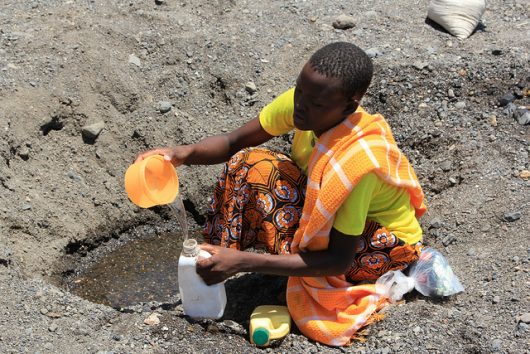
Seahawks linebacker K.J. Wright is addressing the issue of clean water in Kenya. Currently, 41 percent of Kenyans (19 million people) still lack reliable, safe water sources for drinking water. While on vacation in the Maasai Mara region, Wright witnessed the challenges faced by locals, especially females, when it came to collecting drinking water and decided to start a fundraising campaign with the goal of building two wells in the village he stayed in.

The Global Issue of Clean Water

The availability of clean water has been a major issue across the globe. In July 2010, the United Nations deemed access to clean water and proper sanitation a human right. Yet in 2017, 2.1 billion people still lacked safe drinking water and 4.5 billion did not have sufficient sanitation services. Without safe management of sanitation services and wastewater from cities, businesses and farms, waterways are likely to be polluted. When these water sources are used by community members as drinking water, many health risks arise.

Contaminated water and poor sanitation remain the most common reason for child mortality and are associated with diseases including cholera, dysentery, hepatitis, typhoid and polio. By creating the infrastructure for water services, an impoverished community can significantly reduce the number of preventable health issues.

K.J. Wright’s Fundraiser for Wells in Kenya

Clean water infrastructure, however, can be expensive. To build a single well in the village K.J. Wright visited will cost $20,000. In order to adequately cover the expense of two wells, Wright has set a goal of $50,000 for his fundraising campaign. He will personally be donating $300 for every tackle he makes during the football season, which has added up to $1,500 as of November 2018. He has also created an online donation page through Healing Hands International for individuals wishing to support clean water in Kenya.

Women and girls are particularly affected by this problem because water sources are often miles away, and females are usually the ones expected to collect water for the family. Aside from the health impacts of walking great distances daily, the time invested in this chore also prevents many girls from attending school.

Seeing this had a profound effect on Wright. Commenting on his trip to Kenya, Wright said, “I noticed this young girl had dirty brown water. So, I just wanted to help this community. The young ladies have to walk many miles twice a day just to bring back water, and when they do get the water, it’s not even clean. […] I just want to bless this community that blessed me.” By building these two wells, Wright will be helping these young women not only by reducing the time it will take to collect water but also by giving them access to a clean water source.

Changing Lives

Local access to safe drinking water will drastically alter the lives of residents and improve the overall health of the village. Clean water in Kenya is just one example, but celebrity efforts, such as the steps taken by Wright, can have significant positive impacts on impoverished communities.

Fundraising campaigns and advocacy from public figures affect change quickly and can reach diverse audiences that otherwise would not be educated on issues of poverty, clean water, women’s rights and more. Wright plans on returning to Kenya next year and hopefully will continue supporting the world’s poor and inspiring others to take action as well.

– Georgia Orenstein
Photo: Flickr
January 18, 2019
https://borgenproject.org/wp-content/uploads/borgen-project-logo.svg 0 0 Kim Thelwell https://borgenproject.org/wp-content/uploads/borgen-project-logo.svg Kim Thelwell2019-01-18 01:30:402024-05-29 22:57:42Seahawks’ K J Wright Supports Clean Water in Kenya
Advocacy, Global Poverty, Government, Water Quality

Solutions For Nigeria’s Water Quality Challenges

 Nigeria
Access to safe water, sanitation and hygiene is a core necessity for human survival that a large portion of the world, especially developing countries, still struggle to meet.

In Nigeria, UNICEF reported that close to 70 million people, out of the total population of 171 million, lacked access to clean water, while 110 million lacked access to sanitation in 2013. The impact of this shortage is dire as 124,000 children under the age of five die because of diarrhea that is mainly caused by unsafe water, bad sanitation and bad hygiene. Moreover, it decreases school enrollment and disproportionately affects girls who bare the responsibility of carrying water. Finding the solution for Nigeria’s water quality is, therefore, a pressing issue that requires all responsible parties to participate.

Obstacles In Meeting Water Quality Standards

Gbenga Ashiru, the producer of Question Time, a Nigerian news program that profiles the activities and accountability portfolio of office holders, discussed the reasons behind Africa’s largest economy reaching a peak in a shortage of potable water. He dissected what he states is the “mystery” behind the Nigerian government’s, led by the Minister of Water Resources, inability to meet water demands. Ashiru highlighted the extreme water shortage and listed the shocking statistics of potable water and sanitation coverage at 7 percent and 29 percent, respectively. 

Four months ago, the Nigerian government launched the Nigerian Standard for Drinking Water Quality to revitalize the access to safe drinking water throughout the nation to achieve goal number six of the Sustainable Development Goals. At the launching ceremony, Suleiman Adamu, the Minister of Water Resources, asserted that finding the solution for Nigeria’s water quality issue is the current focus of President Muhammadu Buhari’s administration. 

Nigeria’s Water Act

According to UNICEF, Nigeria has indeed taken the steps to improve this pertinent issue through the development of various policies and strategies. However, a deterioration in water quality and access portrayed by a 25 percent drop of pipe borne water supply since 1990, reveals the difficulty of translating the solution to Nigeria’s water quality issues into action. 

Nigeria’s Water Act states that the Federal government of Nigeria funds 30 percent, local government funds 10 percent, while state government covers 60 percent of the funding of water projects along with the full responsibility of operation. Suleiman Adamu, in his interview with Ashiru, argues that the Water Act is neither feasible nor effective policy in meeting water and sanitation demands and calls for an amendment of this legislation as well as the gradual privatization of this sector. 

Fostering Synergy and Collaboration

Suleiman Adamu holds the state government responsible for not meeting their end of the bargain. He explains that even in cases where the federal government went beyond the 30 percent of the funding and invested in water treatment facilities, the states failed to carry out the operations. He argues that this happens due to state government officials neglecting pressing water demands that require long periods of gestation and focus on short-term projects to show results during re-election. Therefore, the solution for Nigeria’s water quality issues lies in finding the amendment of this policy that has created obstacles for the synergy in the federal, regional and local governments. 

Since water projects are a primary responsibility of state government, bringing progress at a national scale requires synergy in state and federal government. The Minister explains that the federal government will work on achieving this collaboration through advocacy and offering supervision rather than simply giving funding without aligned priorities. 

–Bilen Kassie 

Photo: Flickr

November 2, 2018
https://borgenproject.org/wp-content/uploads/borgen-project-logo.svg 0 0 Kim Thelwell https://borgenproject.org/wp-content/uploads/borgen-project-logo.svg Kim Thelwell2018-11-02 01:30:592024-12-13 17:58:55Solutions For Nigeria’s Water Quality Challenges
Water, Water Quality

Innovation in Safe Drinking Water

polyglu
Over the course of the last 25 years, Somalia has suffered a series of devastating droughts. In the most recent one, spanning through 2016 and 2017 there was an absence of rain for three seasons in a row. This drought was particularly devastating in its effects: food scarcity, malnutrition, and the spread of cholera and other diseases.

In 2017 alone, approximately 1.2 million people were acutely malnourished, 80,000 children could no longer attend school and 120,000 children were at risk of dropping out. The crisis in Somalia highlights how the effects of drought and inaccessibility to safe drinking water affects all facets of society.

Access to Safe Drinking Water

Lack of access to safe water is a striking feature in almost all parts of Somalia. Only 45% of Somalis have access to improved water sources and this fact increases the risk of outbreaks of waterborne diseases. Cholera is endemic and claims hundreds of lives annually, particularly in densely populated areas. Increasing access to safe water must be accompanied by efforts to ensure the quality of drinking water. Water quality monitoring and house-water treatment, as well as safe storage, are critical in reducing the risk of contamination of water supplies.

Addressing the Problem

Fortunately, a solution is in sight. The International Organization for Migration (IOM) in Somalia is using a coagulant called Polyglu to treat drinking water in Somalia and to assist those affected by the recent drought. IOM helps to protect migrants, refugees and those displaced within their country.

From November 2016 to March 2017, over 600,000 people were displaced within Somalia. Many were forced to leave their homes and livelihoods behind in search of food and water. A startling 8,000 people are being displaced every day. Since safe drinking water is at the center of their displacement, Polyglu offers an effective and innovative solution that could help hundreds of thousands of people, in Somalia but in other countries as well.

About Polyglu

Polyglu is a powder, primarily composed of a coagulant made from fermented soybeans, which serves to quicken the clotting of impurities found in water. Polyglu is unique in that is a safe and environmentally friendly purifying agent that has been successfully applied in the food and industrial equipment industries.

One gram of the Polyglu powder is capable of treating up to five liters of polluted water, which makes this powder very effective. It has been successfully deployed in India, Bangladesh, Somalia and Tanzania. In collaboration with IOM and the Internally Displaced Person camps in Mogadishu Somalia has used Polyglu to address water-borne diseases and water scarcity. According to locals in Mogadishu, Polyglu has contributed to lowering the rate of diarrhea and other illnesses among Somali children plagued by all kinds of shortages and war.

Moving Forward

While Polyglu has made significant strides in combating water scarcity and water-borne disease in developing countries, much can still be done to ensure safe drinking water in these regions. Although Polyglu can remove many of the pollutants found in water, it cannot completely purify waste water. Thus, it is imperative to allocate more resources to affordable and accessible means of purifying water.

As droughts continue to plague developing countries, Polyglu is just one tool that can be used to ensure access to safe drinking water.

– McAfee Sheehan
Photo: Flickr

August 10, 2018
https://borgenproject.org/wp-content/uploads/borgen-project-logo.svg 0 0 Borgen Project https://borgenproject.org/wp-content/uploads/borgen-project-logo.svg Borgen Project2018-08-10 22:21:142024-05-29 22:53:07Innovation in Safe Drinking Water
Nonprofit Organizations and NGOs, Water, Water Quality

Safe Water Network & Innovative Clean Water Solutions

Safe Water Network
At the intersection of an assortment of key poverty-related issues lies the struggle for clean water. Roughly 80 percent of illnesses in developing nations are linked to limited access to clean water and proper sanitation. This spread of illnesses impacts child mortality rates, and reduces the competency of a nation’s workforce.

Children, particularly girls, are impacted disproportionately by reduced access to clean water. Girls under the age of 15 are twice as likely as boys to be responsible for fetching water in rural environments. This halves a population’s access to education, as the girls are too busy trekking for water to participate in school. Thus without clean water access, developing nations are hindered in multiple ways and pushed back to square one.  

The United Nations’ Aid Efforts

In 2015, the U.N. convened to reestablish a series of Sustainable Development Goals (SDGs). By design, these goals were created to be met by 2030. In response to the global clean water crisis, global access to clean water was established as a primary goal for this initiative.

The U.N.’s commitment to channeling resources and attention towards the global clean water crisis serves as a reminder that this issue remains at the forefront of humanitarian work. Clearly, the challenge of clean water access is not commitment, awareness or resources; rather, it is the effective implementation of filtration systems and stations.

How to Establish Clean Water Access

The mainstay approach to establishing clean water access, the deployment of filtration stations or wells, is rife with challenges. These stations are typically deployed in low-income areas, and are not supported by an effective contingency plan that extends past their build date. They are oftentimes left in unforgiving environments without technicians or significant financial support. Due to this, 30 percent to 60 percent of clean water stations fail within the first three years of existence.

Safe Water Network, a clean water focused NGO founded in 2006 by philanthropist Paul Newman, employs a unique model that responds to these challenges. Much like any clean water NGO, Safe Water Network deploys water stations across both India and Ghana with the aid of philanthropic capital. Rather than leaving these stations alone, though, the organization diverts funding into the community to train local technicians and operators. With the help of these technicians and operators, the station remains in good condition.

Station By Station

The station then produces affordably priced clean water that is typically much cheaper than the bottled water in the area. The majority of the stations penetrate 80 percent of the local populace, meaning that the revenue funnels back into the clean water station to ensure long-term, high-quality maintenance. By tapping into the local economic ecosystem, these stations become sewn into the community fabric of the respective regions.

In fact, Poonam Sewak, the Vice President of India programs for Safe Water Network, stated: “I would like to say whoever comes to work in clean water should come with a vision that it has to be sustainable. If you are not creating and leaving behind two things: technicians with access to spare parts, and second, training to the people to own and manage their own product then you have done a disservice to the money which you had.” 

Sewak also emphasized the program’s goal to instill autonomy, entrepreneurship and confidence in the communities in addition to providing essential & sustainable clean water access. 

Clean Water Toolkit

Global long-term cooperative efforts are another component of the organization’s strategy. Safe Water Network aims to build a database platform of their collective clean water knowledge derived from each of their stations. This database draws on digital monitoring systems installed at a majority of the sites. By monitoring water outputs and other technical details, Safe Water Network is better able to understand which approaches are most effective in conjunction with their market-based methodology.

In India, Safe Water Network has already provided this collective knowledge to the Ministry of Clean Water and the Ministry of Urban Planning so that they are better able to respond to the challenge of managing sanitation in urban environments. In the future, the organization hopes to expand this database so that it can be accessed by other initiatives and NGOs who aim to create their own sustainable safe water stations. Essentially, Safe Water Network is building a new clean water toolkit for the future.

Global Goals

While the challenge of creating global clean water access by 2030 per the U.N.’s SDGs still looms ahead, Safe Water Network serves as an example of the effectiveness of innovation in the face of adversity.

Safe Water Network has already reached 300 communities, providing long-term clean water access to about one million people. As their network of governments, charities and NGOs expands with the aid of the clean water toolkit, their positive impact will surely be multiplied.    

– Ian Greenwood
Photo: Flickr

July 30, 2018
https://borgenproject.org/wp-content/uploads/borgen-project-logo.svg 0 0 Borgen Project https://borgenproject.org/wp-content/uploads/borgen-project-logo.svg Borgen Project2018-07-30 01:30:342024-05-29 22:52:34Safe Water Network & Innovative Clean Water Solutions
Technology, Water, Water Quality

Puralytics: The Eco-Friendly Water Solution

Puralytics
Water is necessary for life, and the poor quality of just one water reserve can undermine the health of farmers’ crops and the people in a whole community. To counteract the spread of harmful chemicals and preventable diseases, Puralytics has brought water purifying innovation to developing countries. Through LilyPads that float on pond surfaces to get rid of farm waste, and SolarBags that bring clean drinking water to households, the company’s impact will go global as they expand production.

Puralytics’ Global Impact

Puralytics’ products are known for harnessing the power of natural light to rid water of pollutants and pathogens. It’s all done by the mesh covering that disinfects water so bacteria and viruses cannot transfer to the people drinking it. Other water treatments concentrate farm run-off and pesticides, but with Puralytics, these contaminants are destroyed. Heavy metals combined with molecules of these broken-down chemicals adhere to the mesh material, and thus clean water in a way that’s kind to the environment.

This company’s products are sustainable and, unlike other water treatment technology, do not use Mercury lamps that can break and put out more hazardous waste. The company doesn’t use chemicals in the purification process either; all they need is an occasional cartridge replacement. In particular, the LilyPad reduces water usage by providing farmers with more efficient watering methods.

SolarBags and LilyPads

SolarBags brought clean water to 114 people in the Southern Moshi region of Tanzania for a case study. After interviewing some of the community members, 79 percent of respondents said they enjoyed the water’s taste while the rest were neutral. Some community members even reported less sickness caused by waterborne diseases.

SolarBags were also highly effective in Tesoco, Mexico where desire for them grew beyond the case study group. Soda, also a contributor to obesity, commonly replaced water due to lack of sanitation. After introducing the bags, participants drank between 50 to 100 percent more water and cut back on the sugary beverages.

The LilyPads have also already begun to show promise for a better future. In fact, there has been an 80 percent reduction of chemicals and pathogens in water reserves using this product — a LilyPad that’s one square meter can treat one cubic meter of pond water in a day. Plus, their sleek design is non-intrusive and only takes up one percent of the space on a farm.

LilyPads affect more people than just agricultural communities. Some farmers sell their produce through international markets, extending the positive effects of clean water to other countries. During the 2015 Global Forum in Agriculture, Mark Owen, founder and CEO of Puralytics, discussed his company’s partnership with Aneberries. This distributor based in Mexico has then used LilyPads on their farm plots and help provide half the berries shipped to the United States.

Treat Water, Treat the World

Puralytics’ LilyPad was named one of USAID’s 17 award-winning innovations through the Securing Water for Food Grand Challenge for Development program. As a result, the company will receive a grant to help fund their efforts of expanding production and finding more partnerships across Latin America.

So many factors depend on clean water: crops, livestock, community members, people in other countries, the environment and more. Owen told forum participants that when people treat one water source, it’s also treating the entire world, and no truer words could be said.

– Sabrina Dubbert
Photo: Flickr

July 21, 2018
https://borgenproject.org/wp-content/uploads/borgen-project-logo.svg 0 0 Borgen Project https://borgenproject.org/wp-content/uploads/borgen-project-logo.svg Borgen Project2018-07-21 01:30:122024-12-13 17:58:52Puralytics: The Eco-Friendly Water Solution
Technology, Water, Water Quality

A New Solar Power: UV Water Filtration System

UV Water Filtration System
Today, nearly 850 million people live without access to clean water. Clean water, while a basic necessity and right, has become nearly unobtainable for those living in poverty around the world. In places where unsafe water is the only water available and used for washing clothes and dishes, bathing, drinking and in food preparation, it’s negative effects permeate nearly every aspect of life.

Unsafe Drinking Water In Developing Countries

Approximately 75 percent of diseases in developing countries occur from polluted drinking water. In developing countries, waterborne diseases such as diarrhea account for over 800,000 deaths per year for children under the age of 5. They also create ripple effects throughout the community, placing additional economic stresses on people already living in extreme poverty.

The need for clean water has been the target of governmental aid in many developing countries for years. However, more could be done for individual communities, particularly in rural areas, as they are often without access to the clean water systems available to more populated and typically wealthy areas.

UV Waterworks

In 1996, physicist Dr. Ashok Gagdil created a UV water filtration system known as the UV Waterworks (UVW) to supply small communities in developing countries with safe drinking water. Funded by the United States Agency for International Development (USAID), and private foundations, Gagdil was able to design a device capable of delivering clean water to a village of 2000 for a year for under $2 per person.

This UV water filtration system is as small as a microwave oven, weighs just 15 pounds and can treat approximately 15 liters of contaminated water per minute. The contraption works simply by exposing the water to UV light, which eliminates bacterial and viral DNA and other organic particles that make the water unsafe for human consumption.

While UV water filtration systems had been in use prior to Gagdil’s UVW, the innovations involved in his creation made for a more affordable, reliable and efficient UV water filtration system for developing countries. The system was licensed in 2010 to WaterHealth International, a company focused on providing affordable, safe water to communities in need. The UVW is now used in WaterHealth International’s standard filtration system.

How It Works

In Gagdil’s UV water filtration system, the UV lamp is positioned above the tanks of water, reducing residue in the water supply, and the water flows evenly without a need for a pump system — an expensive and temperamental part of many UV water filtration systems. This process then exposes the water to more UV rays for maximum decontamination.

The UVW system addresses the needs of rural communities disconnected to grid power by using a 12 V car battery or a photovoltaic solar panel as system’s power source. These two power sources were tested with support from the US Department of Energy in locations without access to grid power with great success.

Other UV Water Filtration Systems

At an even smaller scale, there are UV water filtration systems that operate without power sources all together and are tailored for personal or family use. The SteriPen is a UV water filtration wand capable of cleaning up to 32 ounces of water in 90 seconds. This wand is popular among those traveling in areas where clean water is scarce, as is it light, portable and lasts for 100 treatments before requiring new batteries.

Similar to the SteriPen, the Pure Water Bottle filters a small amount of water for the individual. Relying on a dual process of mesh filtration and UV water filtration for cleaning water, the entire process of the Pure Water Bottle takes 2 minutes and removes 99.9 percent of contaminants. Water is collected and filtered to remove particles larger that 4 microns before being sterilized by a hand-crank-powered UV bulb.   

A Filtered Future

While the SteriPen and Pure Water Bottle are more expensive UV water filtration systems suited for smaller scale family or individual use rather than village scale, they can help address the needs of families in urban areas, or with somewhat better economic means. This group, while not suffering the most extreme poverty, is still a large and growing number in developing countries such as China, India, Brazil and others.

By providing a number of options with a range of costs and applications, innovations in small scale UV water filtration systems are helping to address one of the most pressing needs of the world’s poor.

– Anna Lally

Photo: Flickr

July 12, 2018
https://borgenproject.org/wp-content/uploads/borgen-project-logo.svg 0 0 Borgen Project https://borgenproject.org/wp-content/uploads/borgen-project-logo.svg Borgen Project2018-07-12 01:30:032024-05-23 23:15:44A New Solar Power: UV Water Filtration System
Water, Water Quality, Water Sanitation

Right to Water: The Impact of Water Quality Around the World

Right to Water
In July 2010, the United Nations recognized and made a stance that clean water and access to sufficient water is a right for every human being. It has been eight years since the stance was made, and many since have asked: how far has the world come in regards to ensuring better water quality to every human being?

Right to Water

In 2010, there were 2.5 billion people worldwide who didn’t have access to proper sanitation and clean drinking water; eight years later, the figure stands at 2.1 billion people. By no means small, this improvement serves as a positive omen and beginning for a future of continued progress.

But complete improvement in water quality, unfortunately, doesn’t just happen overnight. There are currently at least 2 million people around the world whose water source is contaminated with feces. Although there are many organizations who have stepped up to help those in developing countries regain their right to water, here are three programs and initiatives that have made significant impacts on the current water crisis.

WASH

WASH is a program run by the World Health Organization (WHO) that stands for WHO’s focus on different aspects of water, sanitation and hygiene. The mission of WASH is to provide leadership in water, sanitation and hygiene by making statements, influencing policy and coordinating and collaborating with others.

The services from WASH can reduce healthcare-related infections, increase trust in provided services and increase efficiency in aid provided in healthcare institutions. Today, many facilities lack WASH services — 38 percent don’t have an improved water source, 19 percent don’t have improved sanitation and 35 percent lack water and soap for hand-washing.

The most recent campaign by WASH and WHO — “It’s in your hands. Prevent sepsis in healthcare” — educated others on how quickly sepsis can spread through poor hand hygiene. This education is extremely needed as roughly 30 million people deal with this organ disfunction around the world.

Water.org

Water.org is a non-profit that provides local water projects with local water partners in various countries. One of the key ideas of water.org is to have the communities responsible feel like owners of the specific project. Water.org strives to have the community involved in every aspect of their projects.

Water.org has reached 13 countries, including Honduras. In this nation, water.org reached 14,000 people who are in need of either safe water or improved sanitation. This non-profit is currently working on the construction of a community water system, and health and hygiene education in Honduras. By focusing on these goals, more than 3,600 people in two different Honduras communities will gain access to clean water.

charity: water

Using 100 percent of all public donations to fund water projects, charity: water has funded 28,389 water projects for 8.2 million people around the world. Charity: water’s  efforts have given these people their right to water, and have also funded water programs in 26 countries around the world.

The organization also has a variety of solutions they offer to communities who don’t have access to clean water, including rainwater catchments, water purification systems, hand-dug wells and bio-sand filters.

No matter where or who, good or bad, each person around the world is making some sort of impact on the current water crisis. From littering to pouring cooking oil down the drain, daily actions can have substantial impacts on rivers and waterways in local communities. While there are many organizations that provide funds and support to those without clean water, there are many ways an individual can help with the current water crisis. Here are five ways that water quality can be improved in local communities.

Five Ways to Improve Water Quality

  1. Don’t put anything in storm drains, this includes grass and tree clippings.
  2. Don’t pour grease down drains.
  3. Properly dispose of pet waste.
  4. Appropriately dispose of fluorescent light bulbs and automotive fluids.
  5. Never litter.

It is important for each and every person, no matter where they are, to do their part to maintain safe and clean water, and to always remember that the right to water applies to everyone.

– Victoria Fowler
Photo: Flickr

July 10, 2018
https://borgenproject.org/wp-content/uploads/borgen-project-logo.svg 0 0 Borgen Project https://borgenproject.org/wp-content/uploads/borgen-project-logo.svg Borgen Project2018-07-10 01:30:132019-09-25 12:08:47Right to Water: The Impact of Water Quality Around the World
Sanitation, Water Quality

Improving Access to Clean Water and Sanitation Facilities in Bhutan

Sanitation Facilities in Bhutan
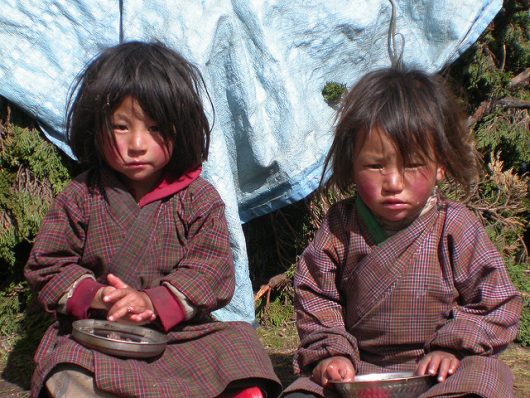
Bhutan has made tremendous strides over the last few decades toward ensuring all people have access to clean and safe drinking water. In 1990, only 72 percent of the population of Bhutan had access to an improved water source and only 67 percent in rural areas. Just over 20 years later, The World Health Organization (WHO), in its 2012 Global Analysis and Assessment of Sanitation and Drinking Water (GLAAS) for Bhutan, reported that now 98 percent of the population of Bhutan has access to an improved source of drinking water.

Room for Improvement

Despite these tremendous improvements, 13 percent of childhood deaths in Bhutan are attributed to diarrhea. The Center for Disease Control and Prevention (CDC) estimates 88 percent of diarrhea cases are caused by unclean water or improper sanitation facilities. Likewise, an estimated 30 percent of all health problems reported in rural areas of Bhutan stem at least partially from unsafe drinking water or improper sanitation methods.

Bhutan’s Ministry of Health and the Bhutanese Public Health Engineering Division recognize that a lack of access to clean water and sanitation facilities is still a major cause of death and disease. It also recognizes that rural areas are especially in need of better sanitation facilities. In response, improving access to clean water and to high-quality sanitation services has become a priority.

Accessing Sanitation Facilities in Bhutan

Having access to clean water and having access to proper sanitation facilities are intrinsically linked. Sanitation facilities that are not properly containing waste can pollute what otherwise would be a clean source of water. However, data from the WHO indicates a lack of access to sanitation facilities in Bhutan is by far the larger of the two issues. In 2012, when 98 percent of Bhutanese had access to an improved water source, only 47 percent had access to an improved sanitation facility. The problem is especially acute in rural areas, which contain 80 percent of those who lack access to sanitation facilities.

To continue improving access to clean water and sanitation facilities in Bhutan, the government teamed up with UNICEF’s WASH (water, sanitation and hygiene) program and formed the Rural Sanitation and Hygiene Program (RSAHP). RSAHP works in rural communities across Bhutan to promote proper hygiene and sanitation practices and to help communities develop improved sanitation facilities.

RSAHP was initially brought to three of Bhutan’s most rural districts. By 2017, all three had improved sanitation coverage by more than 95 percent. Since its inception, the program has now spread to more than 800 rural communities. RSAHP strives to empower these communities by educating people about the importance of proper hygiene and sanitation and helping communities mobilize existing resources and manpower to construct new, effective sanitation facilities.

Importance of Clean Water & Proper Sanitation

Access to clean water prevents numerous diseases, including cholera, typhoid, diarrhea, dysentery and dracunculiasis. It is also associated with rates of school attendance for girls and rates of women in the workforce. Without easy access to clean water, many girls and women are forced to spend their time accessing and transporting water and, as such, stop attending school or are unable to work. The progress Bhutan has made toward ensuring access to clean water and modern sanitation facilities will help ensure a better future for all.

– Abigail Dunn
Photo: Flickr

June 23, 2018
https://borgenproject.org/wp-content/uploads/borgen-project-logo.svg 0 0 Borgen Project https://borgenproject.org/wp-content/uploads/borgen-project-logo.svg Borgen Project2018-06-23 07:30:222024-12-13 17:58:48Improving Access to Clean Water and Sanitation Facilities in Bhutan
Global Health, Global Poverty, Water Quality

The Cholera Crisis of 2018

Cholera Crisis of 2018Cholera is a disease that is both preventable and treatable, though it can be fatal under the worst of circumstances. It typically affects the most destitute areas of the globe where sanitation practices are weakest. Random outbreaks can and do occur across all continents, however. The greatest challenge to diminishing the effects of a cholera crisis is that it can spread quickly among populations with a lack of adequate hygiene measures, proper vaccination or isolated and contained care centers.

Disease Basics

According to the Center for Disease Control (CDC), cholera is caused by toxigenic Vibrio Cholerae, which leads to the acute bacterial intestinal infection. Symptoms include vomiting, diarrhea and, in severe cases, collapse and shock. Fatalities occur in approximately 25 to 50 percent of all cases. While cholera is uncommon in the U.S. and other developed nations, cases have been increasing around the world since 2005. The CDC classifies the magnitude of cholera outbreaks as a pandemic that has persisted for over four decades in Asia, Africa and Latin America.

Saltwater is the natural source where Vibrio Cholerae originates and may be passed on to humans by ingesting anything from infected water, like shellfish, crab and shrimp. The risk is heightened when any of these foods are undercooked or consumed raw. Cholera can be passed through the drinking water supply as well, which is a common form of transmission.

The Cholera Crisis

A cholera crisis occurred in February 2018 in Uganda, resulting in 700 reported cases and 27 deaths. In Malawi, an outbreak in April affected 893 individuals and caused 30 deaths. A recent outbreak has occurred in Yemen as well. The total number of cholera cases in Yemen over the past year is estimated to be 1,090,280 with 2,275 deaths. This means one out of every five people infected with cholera died last year in Yemen. In addition, Haiti has reported 432 cases of cholera this past year, with four deaths resulting from the disease.

Progressive Efforts

While contemplating the statistics shared in regard to the cholera crisis, it is important to think about what solutions are available to prevent this destructive disease from spreading and to know what actions are being taken to assist those who are suffering. The most obvious solution to a cholera crisis is to offer aid in the form of clean water solutions so potable water can be readily available to all.

The U.N. has made remarkable progress in its efforts to make clean water available to everyone around the world. More specifically, its efforts are known as the Water for Life International Decade for Action and took place during 2005-2015. As a result of this initiative, 1.3 billion people were provided with clean drinking water. It is estimated that there are still 2.5 billion people who drink contaminated water.

Improved sanitation practices and adequate facilities is also a dire need. The U.N. reports that there are currently 2.3 billion people worldwide who are without access to basic sanitation facilities, such as toilets. The two concurrent issues of lack of sanitation facilities and a lack of clean water interplay to cause illness amongst many in the form of communicable diseases passed through to the residents of poverty-stricken areas.  As a result, approximately 1.5 million children die from related illnesses.

Efforts to help can generate a return on investment for those in developed nations. Research has shown that every U.S. dollar spent on improved sanitation generates a return of $9. World Water Day on March 22 and World Toilet Day on Nov. 19 are international observance days set aside to raise awareness of these issues.

– Bridget Rice

Photo: Flickr

May 20, 2018
https://borgenproject.org/wp-content/uploads/borgen-project-logo.svg 0 0 Borgen Project https://borgenproject.org/wp-content/uploads/borgen-project-logo.svg Borgen Project2018-05-20 01:30:552019-08-01 09:40:27The Cholera Crisis of 2018
Water Quality

Vast Improvements in Nigeria’s Water Quality

Improvements in Nigeria’s Water Quality
In Nigeria, more than 70 million people do not have access to safe drinking water, more than 110 million do not have access to proper sanitation, and 124,000 children under the age of five die every year from waterborne diseases such as diarrhea. Despite the circumstances, there have been steps towards improvements in Nigeria’s water quality.

Effects of Unsafe Water Are Far-Reaching

Unsafe drinking water can cause many health problems, from cognitive deficits and malnutrition to respiratory disease. These consequences do not stop here; children miss school and adults miss work, creating further social problems for the population. According to UNICEF, women and girls in Nigeria are affected more often than men due to the fact that in Nigeria, women are the main carriers of water. The distances that women need to travel to collect and carry the water is vast, and this can have large effects on health and quality of life for these individuals.

Rural areas struggle to access safe drinking water even more than urban areas. Nigeria’s population is rapidly increasing. Within one decade, Nigeria saw a population increase of approximately 60 million people. Water infrastructure is overloaded, rural populations are being cut off, and without funding, water infrastructure in Nigeria is unable to support the population without substantial and prompt upgrades.

Government Unveils New Water Quality Standards

But not all is bleak. Vast improvements in Nigeria’s water quality have been made. Africa’s biggest economy released a plan in March 2018 that outlined standards for water quality in the nation. In conjunction with foreign aid, steps have been taken to improve its water quality. The Nigerian government has established a Nigerian Standard for Drinking Water Quality that is based on a collaborative multi-agency approach in order to get the perspective of many different stakeholders. Some of the standards in this plan include limits on hazardous water contaminants and national guidelines for mandatory limits that designate safe water.

The Water and Sanitation Program, a subset of the World Bank Group’s Water Global Practice, identified that the main challenge to financing a proper safe water supply is a lack of funding. This is where foreign aid comes in. Organizations such as UNICEF are bringing in foreign aid to support water goals and implementing educational programs to help the Nigerian population identify and cultivate safe drinking water.

Past Decade Has Seen Improvements in Nigeria’s Water Quality

Are these campaigns and goals working? From 2010 until 2015, the WHO estimates that consistent access to safely managed drinking water has risen from 17 percent to 19 percent. In the same timeframe, data shows that the percentage of Nigerians with access to at least basic safe drinking water has risen from 46 percent to 67 percent. Growth is occurring and hopefully will continue due to the efforts of both the Nigerian government and foreign aid collaborators.

These improvements in Nigeria’s water quality could have further widespread effects on the Nigerian population. The Nigerian minister of water resources, Suleiman Adamu, said that waterborne diseases are a huge burden on national health care delivery. These improvements in Nigerian water quality could influence improvements in other areas, such as healthcare in the region.

There is hope on the horizon, and while there is still a problem, there is also an opportunity for growth and improvement. Nigeria is moving towards a better tomorrow.

 – Katherine Kirker
Photo: Flickr

May 19, 2018
https://borgenproject.org/wp-content/uploads/borgen-project-logo.svg 0 0 Borgen Project https://borgenproject.org/wp-content/uploads/borgen-project-logo.svg Borgen Project2018-05-19 07:30:352024-05-29 22:42:29Vast Improvements in Nigeria’s Water Quality
Page 9 of 16«‹7891011›»

Get Smarter

  • Global Poverty 101
  • Global Poverty… The Good News
  • Global Poverty & U.S. Jobs
  • Global Poverty and National Security
  • Innovative Solutions to Poverty
  • Global Poverty & Aid FAQ’s
Search Search

Take Action

  • Call Congress
  • Email Congress
  • Donate
  • 30 Ways to Help
  • Volunteer Ops
  • Internships
  • Courses & Certificates
  • The Podcast
Borgen Project

“The Borgen Project is an incredible nonprofit organization that is addressing poverty and hunger and working towards ending them.”

-The Huffington Post

Inside The Borgen Project

  • Contact
  • About
  • Financials
  • President
  • Board of Directors
  • Board of Advisors

International Links

  • UK Email Parliament
  • UK Donate
  • Canada Email Parliament

Get Smarter

  • Global Poverty 101
  • Global Poverty… The Good News
  • Global Poverty & U.S. Jobs
  • Global Poverty and National Security
  • Innovative Solutions to Poverty
  • Global Poverty & Aid FAQ’s

Ways to Help

  • Call Congress
  • Email Congress
  • Donate
  • 30 Ways to Help
  • Volunteer Ops
  • Internships
  • Courses & Certificates
  • The Podcast
Scroll to top Scroll to top Scroll to top