• Link to X
  • Link to Facebook
  • Link to Instagram
  • Link to TikTok
  • Link to Youtube
  • About
    • About Us
      • President
      • Board of Directors
      • Board of Advisors
      • Financials
      • Our Methodology
      • Success Tracker
      • Contact
  • Act Now
    • 30 Ways to Help
      • Email Congress
      • Call Congress
      • Volunteer
      • Courses & Certificates
      • Be a Donor
    • Internships
      • In-Office Internships
      • Remote Internships
    • Legislation
      • Politics 101
  • The Blog
  • The Podcast
  • Magazine
  • Donate
  • Click to open the search input field Click to open the search input field Search
  • Menu Menu

Archive for category: Water Quality

Global Poverty, Sanitation, Water Quality, Water Sanitation

10 Facts About Sanitation in Kenya

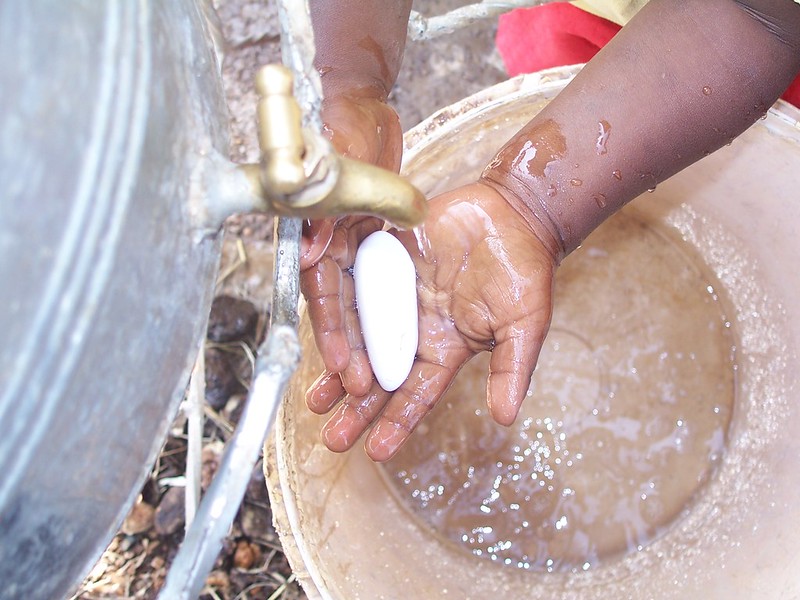
Sanitation in KenyaLike many regions of Africa, Kenya is a country that has a history of problems regarding sanitation and access to clean water. As of 2019, the levels of clean water and sanitation in Kenya are still critically low but efforts are being made to change the status quo. Water.org and other organizations are responsible for many of these improvements. Below are 10 facts about the sanitation and water crisis in Kenya.

10 Facts About Sanitation in Kenya

  1. According to Water.org, 41 percent of people in Kenya rely on water sources such as ponds, rivers and wells. However, 71 percent use unimproved sanitation solutions. Water.org has also reported that only nine out of 55 public water services in Kenya have provided continuous access to water.
  2. In 2010, Water.org introduced a large-scale initiative known as “WaterCredit,” which provides small loans to enable greater access to clean water and sanitation services. Through this initiative, the organization partnered with microfinance and commercial financial institutions, managing to provide more than 425,00 Kenyans and Ugandans with access to clean water.
  3. The United Nations has classified Kenya as a water-scarce nation. This means the country has one of the lowest national water replenishment rates. Furthermore, only 56 percent of the nation’s citizens have access to clean water.
  4. In Kenya, 50 percent of people who check into a hospital due to preventable diseases suffer from illnesses related to sanitation and water.
  5. Approximately 50 percent of rural households in Kenya do not have toilet facilities. In addition, the ones that do have access are often known to be unhygienic.
  6. One program attempting to solve the issue of water and sanitation in Kenya is the Water and Environmental Sanitation program (WES). Their main goal is to increase the utilization of safe drinking water. They also aim to improve sanitation and hygiene practices in houses, schools and health facilities. The program has led to the adoption of the Hygiene and Sanitation policy.
  7. As of 2019, estimates show that less than 60 percent of people in Kenya have access to safe and basic drinking water. In addition, only 29 percent of Kenyans have access to safe and basic service sanitation.
  8. U.S. government agencies such as USAID have made various investments in Kenya to help solve the water and sanitation crisis. They utilize market-based models that aim to close financing gaps through sustainable business models, increased public funding and expanded market finance for infrastructure investments. These efforts will allow for universal access to water and sanitation in Kenya. By 2020, it is estimated that the USAID’s work will provide more than one million people in Kenya with access to basic water and sanitation supplies.
  9. Throughout 2018 and 2019, Kenya suffered from two seasons of poor rainfall. This resulted in deteriorating rates of water, hygiene and sanitation in Kenya’s arid and semi-arid areas. As a result, the Kenyan government reported worsening drought conditions in 20 ASAL counties. This also includes 15 counties in the Alert phase and 5 counties in the Alarm phase.
  10. Thanks to the organization, World Vision, it is estimated that around 15,000 people in Kenya have benefitted from clean water as a result of various boreholes, rainwater tanks and pipelines. Among these benefits includes the ability to shower and wash clothes.

A lack of access to clean water and sanitation in Kenya continues to affect much of the country. Thankfully, the efforts from organizations such as Water.org, USAID and World Vision are alleviating these problems. Like much of Africa, Kenya has a long way to go before reaching sanitation goals; however, hope remains a part of these organizations’ driving factors.

– Adam Abuelheiga
Photo: Flickr
January 29, 2020
https://borgenproject.org/wp-content/uploads/borgen-project-logo.svg 0 0 Kim Thelwell https://borgenproject.org/wp-content/uploads/borgen-project-logo.svg Kim Thelwell2020-01-29 15:00:092024-05-29 23:13:5410 Facts About Sanitation in Kenya
Global Poverty, Sanitation, Water Quality

10 Facts About Sanitation in Albania

10 Facts About Sanitation in Albania
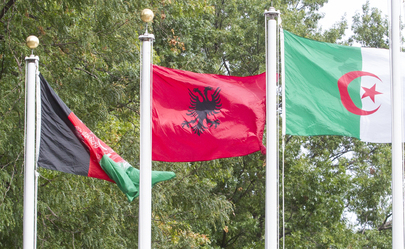
Albania is one of the poorest countries in Europe. Today, 40 percent of its households lack basic education, heat and sanitation, and only 50 percent in both rural and urban areas have access to safe drinking water. Albania is located in southeastern Europe with neighboring countries Montenegro, Kosovo and Greece. The population estimates just over 3 million people. Albania became free from communist rule and later established a multiparty democracy holding its first multiparty election in 1991. Albania joined NATO in 2009 and became a candidate to join the European Union in 2014. In 2017, Albania received a European Commission recommendation to open EU accession negotiations. The unemployment rate has steadily decreased from 13.6 percent in 2017 to 11.4 in 2019. To learn more about its sanitation issues, here are 10 facts about sanitation in Albania.

10 Facts About Sanitation in Albania

  1. Basic sanitation services are increasing. People living in the rural section of Albania are using basic sanitation services, which is nearly a 15 percent increase from its lowest value of 82.19 percent in 2000. That means these people are using basic services that other households do not share.
  2. Sanitation conditions have grabbed the EU’s Attention. Since achieving the candidacy of the EU in 2014, Albania has made a commitment to bring its water and sanitation sector up to EU standards. The Albanian government has implemented numerous reforms, already reducing municipalities and local authorities from 300 to 61. The government is also progressively decentralizing public services, which means more decision-making responsibilities have gone to local governments and public authorities.
  3. National service providers are improving commercial and technical expertise. Albania’s water sector institutions are in cooperation with the National Ministry of Infrastructure and Energy. This partnership gives the project an outreach that extends to all cities to help communication flow between water users and the public with the institution using an online customer portal for service providers.
  4. Albania has resources for fresh water. Albania is a small country with over 150 rivers, including streams and lakes. Ninety-five percent discharge into the Adriatic Sea and only 5 percent of rivers go into the Ionian Sea. There are two periods of water flow during a calendar year. The shorter dry period runs from June through September. The wet period spans from October through May.
  5. The European Union supports clean water supply in Albania. In 2018, the EU contributed a 24 million euro grant to Albania. In the last 10 years, the grant support to its water supply exceeded 110 million euros. A large percentage of the grant goes to wastewater collections and treatment in Albania coastal regions.
  6. Albanian schools are promoting personal hygiene. A health fair occurred as part of the Vechan School Water Project and it included local nurses, students, the Red Cross and the local State Health Department. The project resulted in renovating and reconstructing bathrooms and plumbing to improve the conditions of the school due to damages from clogged toilets and sinks without running water or sinks running dirty water. The health fair gave lessons in personal hygiene to young students. It also tested students for diabetes and gave blood pressure checks. Following the fair, local experts, students and school staff took on the assistance in reconstructing the school.
  7. Worcester Polytechnic Institute (WPI) students provide data to remedy water issues in Albania. Each year, 24 WPI students go to Albania to work in four-person groups on six projects to address topics that include the water issues and how to solve them. These projects include documenting environmental conditions along major rivers, developing a water education program for Albanian high schools and promoting community-based tourism in villages that have previously inaccessible caves.
  8. The Albanian Water Regulatory Authority and Consumer Protection Commission developed a partnership to alleviate water and sanitation issues. The Water Regulatory Authority and Consumer Protection Commission have created a model contract between providers of water and sewerage services and their customers. The intent of the contract is to protect consumers’ interests with provisions for consumer protection and Albania’s water and environmental resources. This addresses issues concerning the access and quality of water and sanitation. This also educates both parties on ways to improve the quality of water and sanitation services.
  9. The Western Balkan Investment Framework (WBIF) supports water supply and sanitation services among other needs for Albania. The WBIF has supported 30 projects that value up to 2 billion euros which provide better schools, energy sources, modern sanitation services and supply water for its sectors eligible for rebuilding and renovation. The achieved results include wastewater systems for over 260,000 people with expectations to exceed another 100,000, in addition to improved waste services to 180,000.
  10. Water Charity contributes to rebuilding sanitation efforts in Albania. Water Charity has started a program to work on 100 water projects in Albania, including 10 school bathroom projects. The program falls under the Let Girls Learn Initiative. It is a collaborative effort from former First Lady Michelle Obama and the Peace Corps, which expands access to education for girls around the world.

Efforts from organizations in these 10 facts about sanitation in Albania have been exemplary for aiding Albania’s sanitation efforts overall. Thanks to multiple team efforts, Albania is optimistic about its conditions and overall health concerns. With more work ahead, this country is on its way to reaching EU potential.

– Thomas Cintula
Photo: UN Multimedia

January 24, 2020
https://borgenproject.org/wp-content/uploads/borgen-project-logo.svg 0 0 Jennifer Philipp https://borgenproject.org/wp-content/uploads/borgen-project-logo.svg Jennifer Philipp2020-01-24 07:30:492024-05-29 23:14:3410 Facts About Sanitation in Albania
Development, Global Poverty, Water Quality, Water Sanitation

HYDRO Industries Has Found a New Way to Provide Water

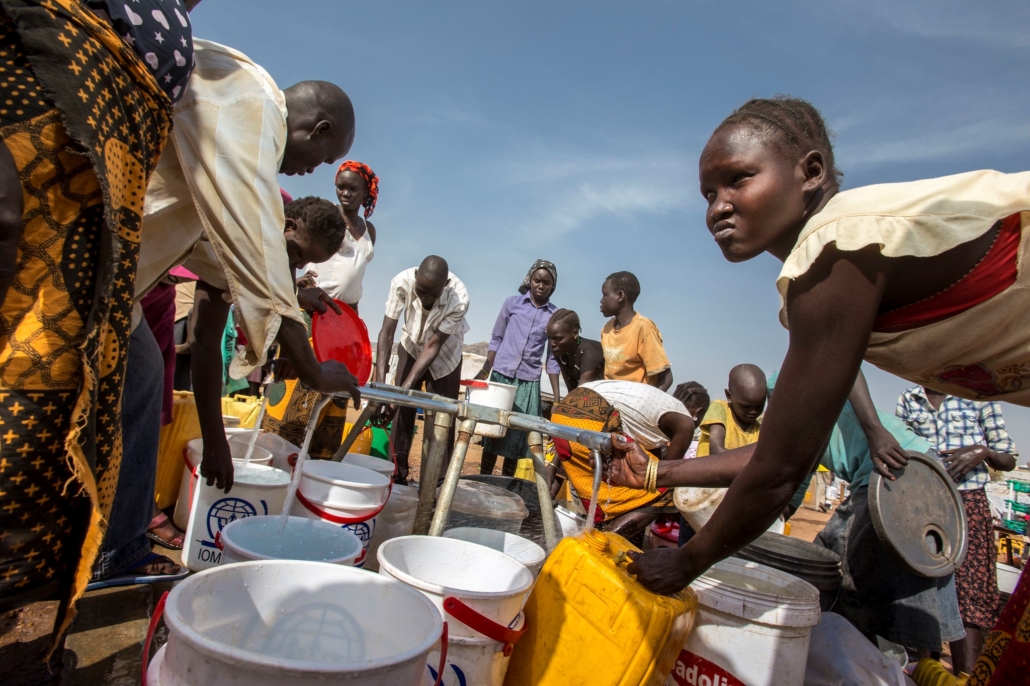
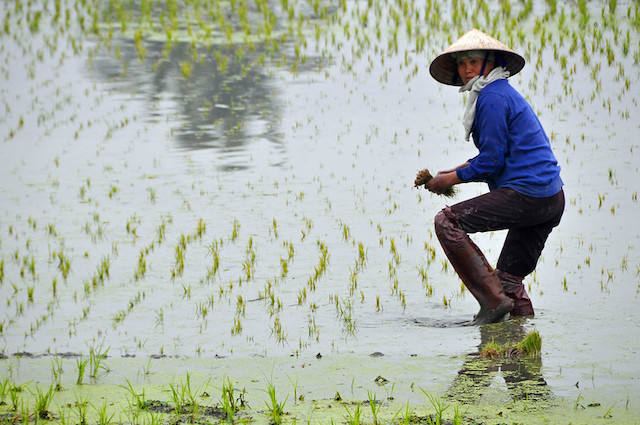
HYDRO IndustriesWater is essential to life, but unfortunately, there are people all over the world who do not have access to clean water. Pollution, poverty and weak infrastructure are often the causes of a lack of clean water. The world’s poor population has often been obligated to travel great distances in order to get clean water. Dirty water often leads to unsanitary conditions and the spread of disease. Thousands die each year from diseases due to a lack of clean water. Fortunately, a company called HYDRO Industries has a new way to provide water to those in need all over the world.
HYDRO Industries

HYDRO Industries is partnering with BRAC, one of the biggest non-governmental organizations in the world, to bring clean water to Bangladesh. BRAC was founded in Bangladesh, so this is their way of giving back to the community. In Bangladesh, five million people lack access to safe water, and 85 million people do not have access to proper sanitation. The current setup is not working well enough, so a new way to provide water is needed. The two organizations plan to begin their operation in Bangladesh in the spring of 2020.

HYDRO Industries will provide its products and BRAC will use its connections with local communities to establish the water treatment plants. The project aims to help around 25,000 people in the first phase and then continue to improve their product and increase the number of people they are serving. HYDRO hopes to expand all over Bangladesh and neighboring Nepal and India.

How Important is Clean Water?

  • Almost 800 million people do not have access to safe water
  • Two billion people don’t have a good toilet to use
  • A child under five dies every two minutes because of dirty water and poor toilets
  • Every minute a newborn dies because of infections from an unsanitary environment and unsafe water
  • For every $1 invested in clean water, there is a $4 increase in productivity
  • Every day, women around the world spend 200 million hours collecting water
  • Almost 300,000 children under age five die annually from diarrheal diseases

The world’s poor population sometimes has to spend hours looking for clean water. If the water is no longer a worry, they will have more time to be productive and focus on their economy. Clean water also reduces the likelihood of disease. Better health and productivity can result in a better community in the world’s poorest places.

What Does HYDRO Do?

HYDRO is a Welsh tech company that creates innovative water treatment plants that can treat water and raise it to drinking standards. The company also uniquely treats the water. Instead of using chemicals to purify water, they use electric power, which makes the entire process more sustainable and effective than chemical-based purification.

Bangladesh is not the first place that HYDRO is planning on helping. In fact, the organization has already provided clean water to multiple poverty-stricken areas around the world. In 2016, HYDRO provided clean water for 82 East African villages. There the water treatment plants provided locals with 8.5 million liters of water every day.

Finding a new way to provide water to those in need is important to work. HYDRO Industries has an innovative method that could potentially help millions of people around the world. Using electric power, HYDRO’s water treatment units can provide water at levels above western standards. Clean water is such an immense benefit to people all over the world. Clean water helps people fight disease and death. Providing a consistent and clean source of water close to people’s homes makes communities more productive and provides a better chance of reducing poverty.

– Gaurav Shetty
Photo: Flickr

January 17, 2020
https://borgenproject.org/wp-content/uploads/borgen-project-logo.svg 0 0 Jennifer Philipp https://borgenproject.org/wp-content/uploads/borgen-project-logo.svg Jennifer Philipp2020-01-17 01:30:102024-05-29 23:13:56HYDRO Industries Has Found a New Way to Provide Water
Global Poverty, Technology, Water, Water Quality, Water Sanitation

Top 4 Technologies Solving Water Scarcity

Top Four Technologies Solving Water Scarcity
Access to healthy drinking water is a basic human right and billions of people are suffering from water scarcity. The world has more salt water than fresh water, which makes it hard to find drinking water. Some have created technologies for this reason. Here are the top four technologies solving water scarcity all over the world.

Top 4 Technologies Solving Water Scarcity

  1. The WaterSeer: Among these top four technologies to solve water scarcity is a machine that VICI Labs developed called the WaterSeer. It can pull moisture from the air and produce up to 11 gallons of clean drinking water. It blows wind into an underground chamber that condenses and forms water. There have not been many field tests yet which has caused critics to raise an eyebrow. Hopefully, the machine does its job and can help produce clean drinking water for countries that have limited access to it.
  2. The Desolenator: Creating safe drinking water is very important but a machine needs to be sustainable enough to continue to give that resource. This is why this next technology ranks as one of the top five technologies solving water scarcity. The Desolenator is a solar desalination tool that removes 99 percent of contaminants from water. It is portable and can produce about 15 liters of fresh water a day. The company says that it has a 20-year life span making it an efficient and sustainable device for solving water scarcity. The reason for this device lies behind the Desolenator company’s philosophy on the importance of clean drinking water. The company’s philosophy is based on, “A desire to provide assured access to clean water in the toughest situations, whilst protecting the planet we depend on.” The Desolenator company aims to design a better water future for people and the planet.
  3. Janicki Omni Processor: The Janicki Omni Processor is another of the top four technologies trying to solve water scarcity. It was originally going to be a machine to clean waste in cities but it can produce clean drinking water from human feces as well. The way it works is a three-step process to create accessible drinking water. These steps include solid fuel combustion, steam power generation and water treatment. At the end of all these steps, water is then ready for human consumption.
  4. Desalination: Converting salt water into fresh water, is another way people can solve water scarcity. The process is called desalination, and it is a huge step towards ending water scarcity. The process may take a lot of energy to conduct but there are affordable ways to do so. Graphene filters are a way to waste less energy in the process of desalination. These filters could reduce the cost of the energy that desalination requires. The Lockheed Martin company has developed a filter that will take into account the amount of energy this process uses in the hopes of providing clean drinking water while also saving energy.

While these four technologies are working to solve water scarcity, there was also the Urban Drinking Water Challenge of 2018 working to eliminate water scarcity through innovations. This was a global innovation competition to identify and deploy drinking water solutions. The challenge provided $250,000 in awards to promising water technology startups. Those who participated in the challenge had to follow three themes that included alternative supply, distributed access and delivery and ecosystem health. This challenge presented opportunities for solutions that encompass the benefits of economies in urban settings to ensure affordability, reach and sustainability of drinking water services.

Water scarcity is a huge crisis, but with advanced technologies paving the way for change, there may be a solution.

– Jessica Jones
Photo: Flickr

January 14, 2020
https://borgenproject.org/wp-content/uploads/borgen-project-logo.svg 0 0 Kim Thelwell https://borgenproject.org/wp-content/uploads/borgen-project-logo.svg Kim Thelwell2020-01-14 01:30:412024-06-04 01:08:35Top 4 Technologies Solving Water Scarcity
Global Poverty, Water, Water Quality, Water Sanitation

10 Facts About Water Quality in Asia

10 Facts About Water Quality in AsiaAsia is a large continent with vastly different cultures and societies, but they seem to suffer from a lot of the same issues. Some common issues are rapid urbanization and lack of infrastructure in rural areas. The most common may be that the water quality in Asia is severely lacking. In fact, Asia’s rivers are three times more contaminated by bacteria from human waste. Here are 10 facts about water quality in Asia.
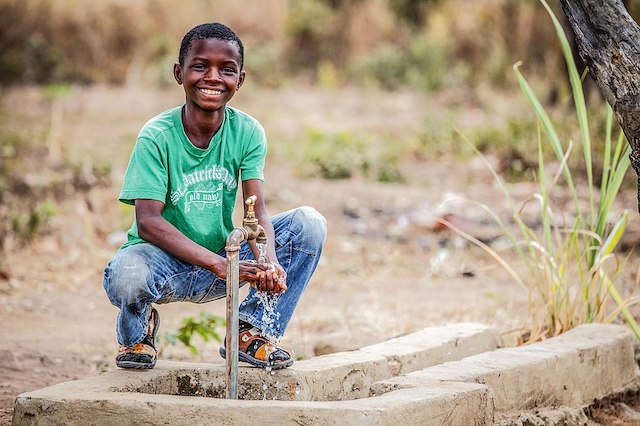
12 Facts about Water Quality in Asia

  1. The United Nations estimates more than 40 percent of the population in India could be living in megacities by 2030. The stunningly fast urbanization of India is taking a toll on the quality of its water. At least 40 million liters of wastewater enters the waters of India every day. This has made 70 percent of surface water in India unfit for consumption. A World Bank report suggests that this will severely stunt the growth of some areas, cutting its GDP growth by as much as one-third.
  2.  China is going through a water shortage. At least 28,000 Chinese rivers and waterways have dried up over the last 25 years. This issue exacerbates the growing issue of water pollution from industrialization. Government surveys found that 70 percent of China’s water table unfit for human consumption due to the overuse of pesticides and fertilizers.
  3. Only 10 percent of Bangladesh homes have consumable water piped to their households. In order to aid Bangladesh in this crisis, The World Bank approved $100 million to be appropriated towards increasing access to improved water supplies. This project will help 600,000 people get water through piped systems.
  4. Groundwater is the Primary Source of Water in South East Asia. A study conducted in 2019 found that 79 percent of people in Southeast Asia use groundwater as their primary source of water. This amounts to a total of 346 million people who rely on that water to be fresh and clean.
  5. Only 30 percent of the population of Mongolia has access to clean piped water. Most Mongolians in the Gobi desert have to use underground water sources. However, rapid urbanization and mining have changed the water supply. Underground water is no longer a reliable source of healthy water.
  6. In Vietnam, 90 percent of urban wastewater is released back into the environment untreated. The Việt Nam Union of Science and Technology Organisations reported that environmental laws in Vietnam have too many loopholes and flaws to be adequate. There are only 29 water treatment stations in big cities, which is reportedly not enough.
  7. At least 80 percent of the Indonesian population lacks access to piped water. The people must rely on river water to meet their needs. Although the river water is not of adequate quality for any kind of healthy use due to many corporations do not comply with government pollution laws.
  8. The abysmal quality of water in Afganistan is due to years of war. The infrastructure of the country has been destroyed with little funds or time to rebuild. This has left only 27 percent of the population of Afganistan with access to high-quality water.
  9. There were at least 118,000 hospitalizations in Iraq’s 2018 crisis due to water contamination. It was reported that at least 40 percent of the sewage from the river Baswa was being dumped into the Shatt al-Arab. The government started posting weekly reports on the water quality online in February 2019.
  10. Nearly all of South Korea has drinkable tap water, but not many drink it. South Korea has impeccable water quality because the government requires yearly reports from all utility providers. However, a survey done in 2013 of 12,000 individuals showed that only about 10 percent drink water straight from the tap.

There is a global effort to improve the water quality of Asia. The South Asia Water Initiative (SAWI) is improving the management of the many river basins of Asia. SAWI has addressed issues such as riverbank flooding and the economic opportunities of hydroelectric power on the Brahmaputra Basin in India. It has also supported disaster management on the Sundarbans wetlands shared by Bangladesh and India.

These 10 facts about water quality in Asia demonstrate the many water crises that are happening all across the continent. While there are reforms in place, it will be many years until each country will have equal access to clean, safe water.

– Nicholas Pirhalla
Photo: Flickr

January 4, 2020
https://borgenproject.org/wp-content/uploads/borgen-project-logo.svg 0 0 Kim Thelwell https://borgenproject.org/wp-content/uploads/borgen-project-logo.svg Kim Thelwell2020-01-04 01:30:472024-06-06 00:32:5010 Facts About Water Quality in Asia
Disease, Global Poverty, Health, Sanitation, Water, Water Quality

6 Facts About Water Quality in Sub-Saharan Africa

6 Facts About Water Quality in Sub-Saharan AfricaThe top concerns with water quality in Africa include lack of access to water for drinking, sanitation and agriculture, the cleanliness of the water and the burden of water retrieval. The United Nations’ Millennium Development Goals have tracked the improvement of access to water in Africa. Sub-Saharan Africa is the most challenged and inequitable region. Sub-Saharan Africa’s water system is the most chronically overburdened and stressed area in Africa. This is due to a lack of economic investment, social challenges and environmental factors. Here are six facts about water quality in sub-Saharan Africa.
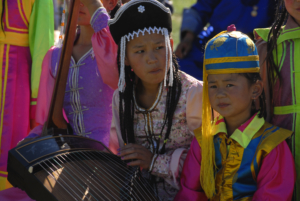
6 Facts About Water Quality in Sub-Saharan Africa

  1. Many areas in Africa have partially achieved the U.N.’s Millennium Development Goals on Water. Before 2015, North Africa had achieved a 92 percent improved source of drinking water for its people. Sub-Saharan Africa, on the other hand, had only achieved 61 percent and was not on track to meet its 75 percent goal. Investment in infrastructure systems such as dams would improve public health and increase economic stability while achieving water access targets.
  2. In sub-Saharan Africa water access is inequitable. In urban areas, 90 percent of the wealthy households have access to improved water sources with piped water in more than 60 percent of the homes. In rural settings, fewer than 50 percent of people access improved water sources with the poorest 40 percent of homes having no in-home water access. Only 16 percent of Sub-Saharan residents have access to a water tap in their home or yard.
  3. The burden of water retrieval falls on girls and women. The time and labor-intensive chore of carrying water home from a distance prevents girls and women from pursuing income-generating work and education. It also puts them at risk of violence on long journeys for water. Approximately 13.5 million women in sub-Saharan Africa travel more than 30 minutes each day to collect water. They carry repurposed cans that hold five gallons of water and weigh 40 pounds when full. The women may have to take several trips in a day depending on the size of their family.
  4. Water scarcity and lack of sanitation threaten public health. Poor sanitation and limited water lead to outbreaks of cholera, typhoid fever and dysentery, which can contaminate the limited stores of fresh water. When people store water in their homes, this creates a breeding ground for mosquitos, which leads to an increase in malaria and dengue fever. Other diseases connected to water scarcity include trachoma, plague and typhus. Prioritizing water quantity over quality can lead to bacterial diseases causing diarrhea, dehydration and death, especially in children.
  5. In sub-Saharan Africa, 95 percent of crops are dependent on rainfall. Increased water storage capacity will increase resiliency to water shortages resulting from droughts. Dependency on rainfall for crops is limiting. Small-scale but efficient usage of ponds, tanks, and wells can improve agricultural output. The implementation of various methods of watering crops can reduce water stress and improve food security. Farmers could use drip irrigation, pumps and shallow wells to reduce reliance on rainwater.
  6. Sustainable agricultural development will lead to sustainable water sources and reduced stress. An example of a sustainable agricultural method may be aquaponics, which requires no soil and little water.

Continued innovation, education and infrastructure development are necessary for Africa to improve access to safe and clean drinking water. While much progress is underway, these 6 facts about water quality in sub-Saharan Africa show that the continent will continue to face climate, political and economic barriers in meeting these goals.

– Susan Niz
Photo: Wikimedia

January 3, 2020
https://borgenproject.org/wp-content/uploads/borgen-project-logo.svg 0 0 Kim Thelwell https://borgenproject.org/wp-content/uploads/borgen-project-logo.svg Kim Thelwell2020-01-03 01:30:582020-01-18 12:15:276 Facts About Water Quality in Sub-Saharan Africa
Global Poverty, Water, Water Quality

Providing Aid for the Water Crisis in Mongolia

Water crisis in Mongolia
Despite its vast expanse of land and natural resources, Mongolia has been facing a severe shortage of water since 2014. Hundreds of Mongolian lakes have dried up in recent years, and much of the southern land has experienced desertification. The remaining water sources are concentrated in northern Mongolia, leaving people in central and southern Mongolia unable to easily access water. Citizens of these areas must rely on groundwater to combat the issue of water scarcity.

Water quality is also a concern: many northern Mongolians live in rural settings without access to basic water supply infrastructure. In a 2013 survey, the Asia Foundation found that most rural Mongolians acquire half of their water from unprotected sources, such as lakes and rivers that lack modern water purification methods. The survey also found that most unprotected sources of water are susceptible to high levels of contamination from human waste, livestock and seasonal flooding. In the midst of this water crisis, two organizations have shown interest in aiding those without access to clean drinking water.

Aid from The Millennium Challenge Corp

One organization that has provided aid during the water crisis in Mongolia is the Millennium Challenge Corporation (MCC). The MCC provided a $350 million investment as part of the Mongolia Water Compact, signed in 2018, to supply the country with more water and improve water infrastructure throughout the capital city, Ulaanbaatar. The Mongolian government matched this investment with a $111.8 million investment to improve water purification, increase wastewater recycling and implement policies within the Mongolian government to sustain this new infrastructure. The MCC predicts that this investment will increase water supply in Mongolia’s capital city by more than 80 percent.

Tetra Tech’s Initiative

Another company working to solve the water crisis in Mongolia is Tetra Tech, an engineering services firm that specializes in water and infrastructure.  The most recent contract between Tetra Tech and Mongolia, drafted by the aforementioned Millennium Challenge Corp, grants Tetra Tech 30 million dollars for a water supply project that hopes to increase bulk water supply throughout the country and meet the growing demand in Ulaanbaatar. With this new budget, Tetra Tech hopes to install new groundwater wells, oversee a new wastewater recycling plant and manage a new water purification plant in Ulaanbaatar.

Ending the Water Crisis in Mongolia

The MCC’s generous investment combined with Tetra Tech’s experience with water supply and purification will help combat the water crisis in Mongolia. With an extended budget, Tetra Tech will have ample money to provide structurally sound purification and wastewater recycling plants for 80 percent of Mongolian citizens. As these organizations continue to make progress in this ambitious initiative, Mongolia works toward resolving the water crisis.

– Charles Nettles
Photo: Flickr

December 7, 2019
https://borgenproject.org/wp-content/uploads/borgen-project-logo.svg 0 0 Jennifer Philipp https://borgenproject.org/wp-content/uploads/borgen-project-logo.svg Jennifer Philipp2019-12-07 01:30:262019-12-16 12:04:32Providing Aid for the Water Crisis in Mongolia
Developing Countries, Development, Global Poverty, Health, Water Quality

The Environment Affects Impoverished Communities

environmental factors affecting impoverished communities
The environment can have profound effects on impoverished communities by being a huge force in either aiding or hindering developing countries. Those facing extremely impoverished conditions often rely almost solely on the health of their environment in order to sustain a clean, resourceful and plentiful living environment. An abundance of varying environmental factors like temperature, average rainfall, wildlife, water sources, soil nutrients and pollution levels can contribute to the general well-being of citizens in impoverished communities. Meanwhile, a lack of resources that could improve significant environmental factors in comparison to the more advantaged higher-class community can put impoverished communities at an automatic disadvantage. The quality of water, the availability of natural resources and the vulnerability to natural disasters are all aspects of how the environment affects impoverished communities.

Quality of Water

Water sources available to a community can come in many forms and are critical to the everyday life of communities in poverty; the quality of local water sources and the resources available to maintain good quality water are examples of how the environment can have an effect on poor communities. Citizens of impoverished communities often cook, clean, drink, fish, irrigate their crops and bathe in shared water sources. This shows just how critical the quality of this water can be to an entire community.

Low-infrastructure regarding water filtration and purification can cause an increase in health problems. One of these health problems can be cholera, a potentially life-threatening disease common in impoverished communities due to water contamination. The accumulation of trash, dumping of hazardous materials and daily reliance on a source of water can cause contamination.

Availability of Natural Resources

Natural resources also assist in a community’s prosperity and serve as an example of how the environment affects impoverished communities. A rural community often relies on natural resources like agriculture and soil quality, livestock and genetic diversity and forests and fisheries for multiple reasons. A study by the Food and Agriculture Organization of the United Nations (FAO) revealed the positive effects of maintaining natural resources in impoverished communities. The study successfully expanded access to land in South Africa, increased access and management of forests in Bolivia, supported the sustainable management of watersheds in India, improved access and management of fisheries in Samoa and enabled the poor to be a part of the carbon market in Mexico. The FAO study also exhibits that an increase in natural resources can increase job opportunities for local citizens. More consideration and funding for natural resources, as well as education, can increase the well-being of an impoverished community.

Vulnerability to Natural Disasters

An impoverished community often faces increased vulnerability due to the devastating effects of natural disasters. Some natural disasters are hurricanes, tornados or tsunamis. The World Bank study reports that the effects of natural disasters cost the global economy $520 billion a year. This estimate is 60 percent higher than any previous estimate once it properly considered impoverished communities. Impoverished communities are especially vulnerable because there are few prevention and action emergency plans due to improper resources. Stronger government support and improved technology to better prepare for upcoming disasters could decrease the risk of detrimental effects.

A significant disadvantage low-class communities face compared to higher-class communities occurs because of an extreme lack of infrastructure, funding towards protecting natural resources and governmental prevention and action plans in the event of a natural disaster. Studies by the FAO and The World Bank demonstrate the importance of even one factor of the environment that affects impoverished communities. Once impoverished communities can put more focus into taking care of the environment, they can start building themselves from the ground up.

– Kat Fries
Photo Credits: Google
November 21, 2019
https://borgenproject.org/wp-content/uploads/borgen-project-logo.svg 0 0 Lynsey Alexander https://borgenproject.org/wp-content/uploads/borgen-project-logo.svg Lynsey Alexander2019-11-21 07:30:002024-06-04 01:08:37The Environment Affects Impoverished Communities
Developing Countries, Development, Global Poverty, Health, Water, Water Quality, Water Sanitation

10 Facts About Sanitation in Africa

Sanitation in Africa

According to rehydrate.org, “One flush of your toilet uses as much water as the average person in the developing world uses for a whole day’s washing, cleaning, cooking and drinking.” This is the case in the second largest continent on Earth: Africa. It is home to bountiful wildlife, hot sun, and cultural life; but unfortunately, clean water and sanitation are not as boundless of a commodity. Here are 10 facts about sanitation in Africa to explain the depth of the issue.

10 Facts About Sanitation in Africa

  1. One of the starkest of the 10 facts about sanitation in Africa is just how widespread the problem is. Of the 54 countries in Africa, 16 have less than 25 percent sanitation coverage. While statistics vary depending on the country, the bottom line is that it isn’t an isolated issue. Nearly 45 percent of all people in Africa will face unclean sanitation conditions in their life.
  2. Not only is this an uncomfortable way of life, poor sanitation is a key cause in many of the prevalent diseases in Africa. Diarrhea, cholera, dysentery and typhoid are all transmitted by unclean water and account for a large majority of infant deaths. More than 315,000 children in Africa die annually from diarrheal diseases that result from a lack of sanitation. Providing clean water and proper sanitation could reduce diarrhea by 15 to 20 percent.
  3. A lack of clean drinking water causes more than disease. Multiple problems like swelling of the brain, seizures, kidney failure, and comas are extreme results of continuous dehydration. Additionally, daily life becomes much harder to live when basic needs like hydration are not first fulfilled. It’s hard to think and perform at your best when you are constantly thirsty.
  4. When water is available in most rural African villages, it is often in far away locations. This leaves children and women forced to walk many miles a day in order to access water. The United Nations estimates that Africa loses nearly 40 billion hours per year due to collecting water- roughly equivalent to a whole year of labor from France’s entire workforce. This is time that could be dedicated to education or pursuing careers if enough clean water was easily accessible for all.
  5. Most of Africa has yet to see a strong private sector develop for water and sanitation. Having a sturdy and ethical private sector would lead to a growth in affordable sanitation services for many people.
  6. Many issues with poor sanitation lie in the age-old cultural practices common in rural regions of Africa. Open defecation is one of the biggest of these. Though this is largely because of a lack of toilets and waste management systems, even when these systems are put into place, people’s beliefs must change with the infrastructure. Proper education and awareness is necessary to overcome sanitation habits ingrained in many people’s daily routine.
  7. Ultimately, governments of each individual African country must prioritize providing clean water and sanitation to their population for largescale progress to be made. It is encouraging to note that South Africa has made this a high priority goal and has already seen an improvement of 62 percent to 82 percent of households gaining access to improved sanitation.
  8. Having a lack of clean water makes life physically unbearable. Finding clean water takes precious time of out people’s lives. Drinking unclean water causes diseases and more physical discomfort. As a result, poverty in areas of poor sanitation remains stubborn. People cannot escape the vicious cycle of poverty without first having their basic needs met. Only when clean water becomes freely available can people in these places of Africa have enough time, energy and health to pursue a poverty-free future.
  9. One of the greatest bright spots in 10 facts about sanitation in Africa is the Reinvent the Toilet Challenge. Created by Bill and Melinda Gates, the Reinvent the Toilet Challenge asks innovators to create affordable solutions to poor sanitation in developing countries. As a result, 20 different engineering companies created low-cost and sanitary toilets. These projects still need work being implemented on a large scale, but nevertheless they offer hugely promising results for our future world.
  10. Along with this hopeful initiative, other improvements to sanitation in Africa have been made. Open defecation has dropped from 32 percent in 1990 to 25 percent in 2006. Additionally, between the years of 1990 and 2006, 146 million people in Africa gained access to sanitation. Finally, in 2006, 354 million of the 1.2 billion people in Africa used an improved sanitation facility.

– Hannah Stewart
Photo: Wikimedia

November 12, 2019
https://borgenproject.org/wp-content/uploads/borgen-project-logo.svg 0 0 Kim Thelwell https://borgenproject.org/wp-content/uploads/borgen-project-logo.svg Kim Thelwell2019-11-12 08:01:582024-05-29 23:13:0910 Facts About Sanitation in Africa
Activism, Developing Countries, Development, Global Poverty, Health, Water, Water Quality

8 Companies Working to End the Global Water Crisis

Global Water CrisisWater is a fundamental resource for the sustainment of human life. The accessibility of clean water throughout many underdeveloped countries is rapidly becoming a detrimental humanitarian problem, a direct result of exponential population growth. And with such swift consumption, usable water sources are quickly drying up and diminishing. Over the past couple of years, daily conservation of water has become a global plea to help preserve water sources for future generations. This may seem like a bleak issue, but there is hope. Many corporations and nonprofit organizations around the world are invested in ending to the global water crisis. Here are eight companies working to end the global water crisis.

8 Companies Invested in Putting an End to the Global Water Crisis

  1. charity: water – Founded in 2006, this nonprofit organization is working to end the global water crisis by providing clean drinking water to citizens in 24 developing countries. charity: water focuses on three methodologies for providing clean water to communities in need: hand-dug wells, drilled wells and rainwater catch equipment that collects the water and sanitizes it. In addition, by collaborating with a number of local partners, the organization has funded more than 24,000 successful water projects as of 2018. Instead of just accepting donations, charity: water inspires people to start their own campaigns to raise money for clean water. Overall, the organization’s efforts have benefitted approximately 8.2 million people and counting.
  2. Global Water Challenge – The Global Water Challenge, also known as the GWC, is part of a leading team of organizations heavily invested in bringing clean water, for both consumption and hygiene purposes (WASH Sustainability Program), to each corner of the globe. While the GWC’s programs benefit entire communities, women’s empowerment is an important area of focus. After all, women are typically responsible for spending a huge portion of their days gathering water to sustain their families. Thanks to its public-private partnerships, the organization has reached more than 1 million individuals to date.
  3. water.org – The organization’s WaterCredit Initiative works with local businesses to provide loans to people who lack adequate water and sanitation resources. The organization mainly works with people through financing safe access to water in efforts to diminish the global water crisis, more sustainable methods and have effectively enabled more than 25 million people to obtain access to clean water and sanitation services.
  4. Drop in the Bucket – Similar to the previous organization, Drop in the Bucket also operates on a community loan basis to fund wells.  The organization has built 300 wells in schools in East Africa since its founding in 2006, recognizing this area as one in need when seeking to address the global water crisis.
  5. PepsiCo – Through partnerships with NGOs such as WaterAid and 2030 Water Resources Group of the World Bank, Pepsi has made it a priority to invest in ending the global water crisis. The company is focused on helping developing communities in the United States, Latin America, India and China by offering strategic grants that teach various methods for effectively conserving water. As of the middle of 2018, the company has donated $40 million to these organizations.
  6. The Nature Conservancy – One of the biggest charitable environmental organizations in North America, the Nature Conservancy concentrates its efforts on the preservation of land and water sources. The organization works in three continents — specifically focusing on Europe, as well as in Latin America and India. With more than one million members actively working to conserve natural landscapes through science and technological means, this group instills hope for future generations.
  7. UN Water – An arm of the United Nations, this agency works in more than 30 countries to provide clean water and sanitary techniques to assist the underprivileged. UN Water uses a data-driven approach to effect change in the countries where it operates.
  8. World Resources Institute – The World Resources Institute (WRI) is focused on the “mapping, measuring and mitigating global water challenges.” One of the organization’s current projects utilizes aqueduct systems as a method for preserving and sustaining water sources. The group is also working to rehabilitate ecosystems, to lessen the burden on diminishing water sources. The WRI is active in more than 50 countries and has global offices in Brazil, China, Europe, India, Indonesia, Mexico and the United States.

– Joanna Buoniconti
Photo: Flickr

November 11, 2019
https://borgenproject.org/wp-content/uploads/borgen-project-logo.svg 0 0 Kim Thelwell https://borgenproject.org/wp-content/uploads/borgen-project-logo.svg Kim Thelwell2019-11-11 12:39:192024-05-29 23:13:108 Companies Working to End the Global Water Crisis
Page 6 of 16«‹45678›»

Get Smarter

  • Global Poverty 101
  • Global Poverty… The Good News
  • Global Poverty & U.S. Jobs
  • Global Poverty and National Security
  • Innovative Solutions to Poverty
  • Global Poverty & Aid FAQ’s
Search Search

Take Action

  • Call Congress
  • Email Congress
  • Donate
  • 30 Ways to Help
  • Volunteer Ops
  • Internships
  • Courses & Certificates
  • The Podcast
Borgen Project

“The Borgen Project is an incredible nonprofit organization that is addressing poverty and hunger and working towards ending them.”

-The Huffington Post

Inside The Borgen Project

  • Contact
  • About
  • Financials
  • President
  • Board of Directors
  • Board of Advisors

International Links

  • UK Email Parliament
  • UK Donate
  • Canada Email Parliament

Get Smarter

  • Global Poverty 101
  • Global Poverty… The Good News
  • Global Poverty & U.S. Jobs
  • Global Poverty and National Security
  • Innovative Solutions to Poverty
  • Global Poverty & Aid FAQ’s

Ways to Help

  • Call Congress
  • Email Congress
  • Donate
  • 30 Ways to Help
  • Volunteer Ops
  • Internships
  • Courses & Certificates
  • The Podcast
Scroll to top Scroll to top Scroll to top