 Due to the use and ingestion of contaminated water, cholera has become one of the most common waterborne diseases in the world. Cholera is a bacterial disease that causes such symptoms as diarrhea, dehydration, and, if not treated quickly, even death. Lack of availability to drinking water and sanitation facilities in Africa allows cholera to spread easily and quickly. However, many organizations have come up with different ways over time to help reduce the spread of cholera. Here are five things being done to prevent cholera outbreaks in Africa.
5 Things Being Done to Prevent Cholera Outbreaks in Africa
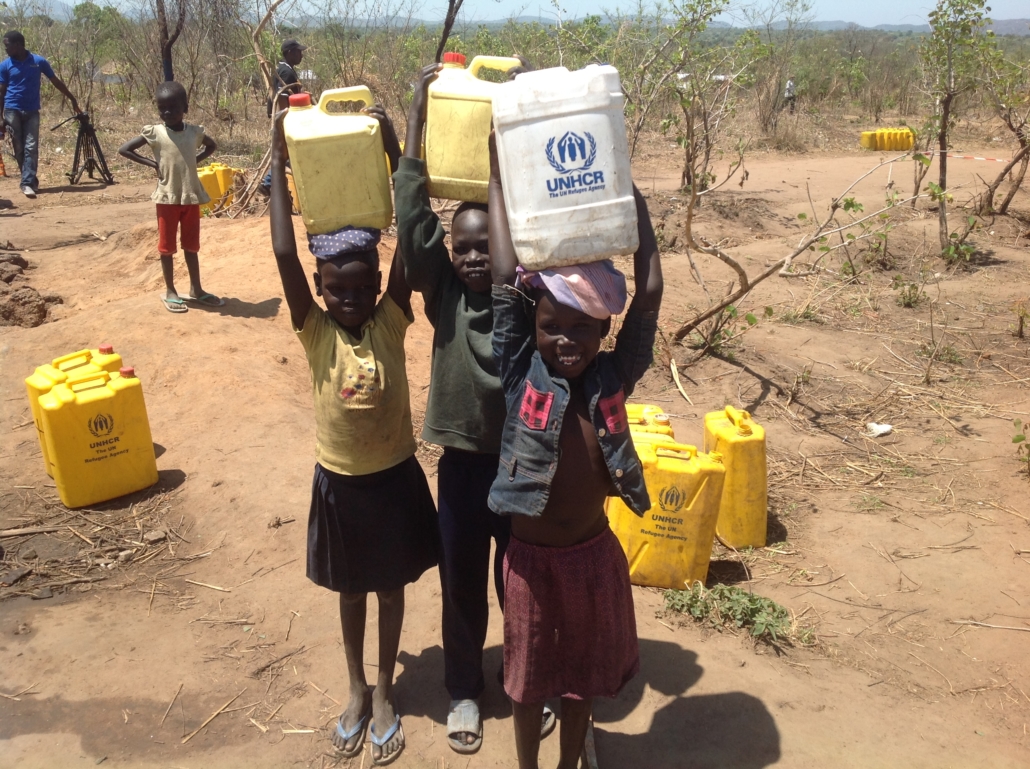
- Access to Clean Water: Being a waterborne disease, cholera can be prevented most effectively with access to clean drinking water. CDC has created a program called The Safe Water System Project, which brings usable water to areas with contaminated water. The Project also treats water with a diluted chlorine solution, making it safe to drink. CDC was able to use this program to bring safe water to more than 40 schools in Kenya, providing clean water to the students, staff and their families.
- Oral Vaccination: The FDA approved an oral cholera vaccine called Vaxchora. Due to the spread of cholera cases in Africa, in 2017 and 2018, the World Health Organization (WHO) distributed Vaxchora to five different countries in Africa to prevent further cholera outbreaks. By distributing this vaccine, WHO is giving relief and medical treatment to millions of individuals who previously may not have had access to any medical care.
- Proper Sanitation Facilities: Cholera can spread very easily if proper sewage and sanitation facilities are not in place or contain defecation. An organization called Amref Health Africa has made it their goal to supply communities in Ethiopia with clean toilets, sinks and other sanitation facilities. Amref Health Africa also sends teams to help train the community on how to maintain the facilities and educate them on other hygiene practices.
- Establishing Treatment Centers: According to the United Nations Office for the Coordination of Humanitarian Affairs, 11 treatment centers have been established in Africa with the specific purpose to prevent cholera outbreaks. In addition, an organization called Medecins Sans Frontieres (MSF) has created mobile clinics to meet the needs of those in more rural areas who may have contracted cholera. MSF has also established the Cholera Treatment Centre (CTC), which is a facility where individuals can visit and be treated for cholera.
- Hygiene Practices: UNICEF has launched a campaign to help spread hygiene awareness. The campaign is called My School Without cholera and is brought to more than 3,000 schools in Cameroon. Along with this campaign, UNICEF is urging Cameroon’s government to act and address the impact cholera has had on its community.
While as of 2018, cholera hotspots around the world have seen a decline of 60% since 2013, thousands of individuals are still susceptible to cholera in Africa. The WHO has estimated that Cameroon, Kenya, Somalia, Sudan and the Democratic Republic of the Congo have had more thna 45,000 confirmed cases and close to 700 deaths just in the time span of 2017 to 2020. The call to educate others on and how to prevent cholera outbreaks is imperative to the health of those who face cholera as an everyday battle.
– Olivia Eaker
Photo: Flickr
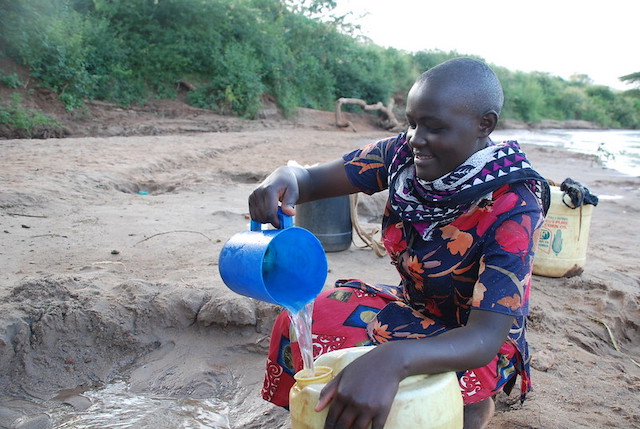 Kenya, among many other areas,
 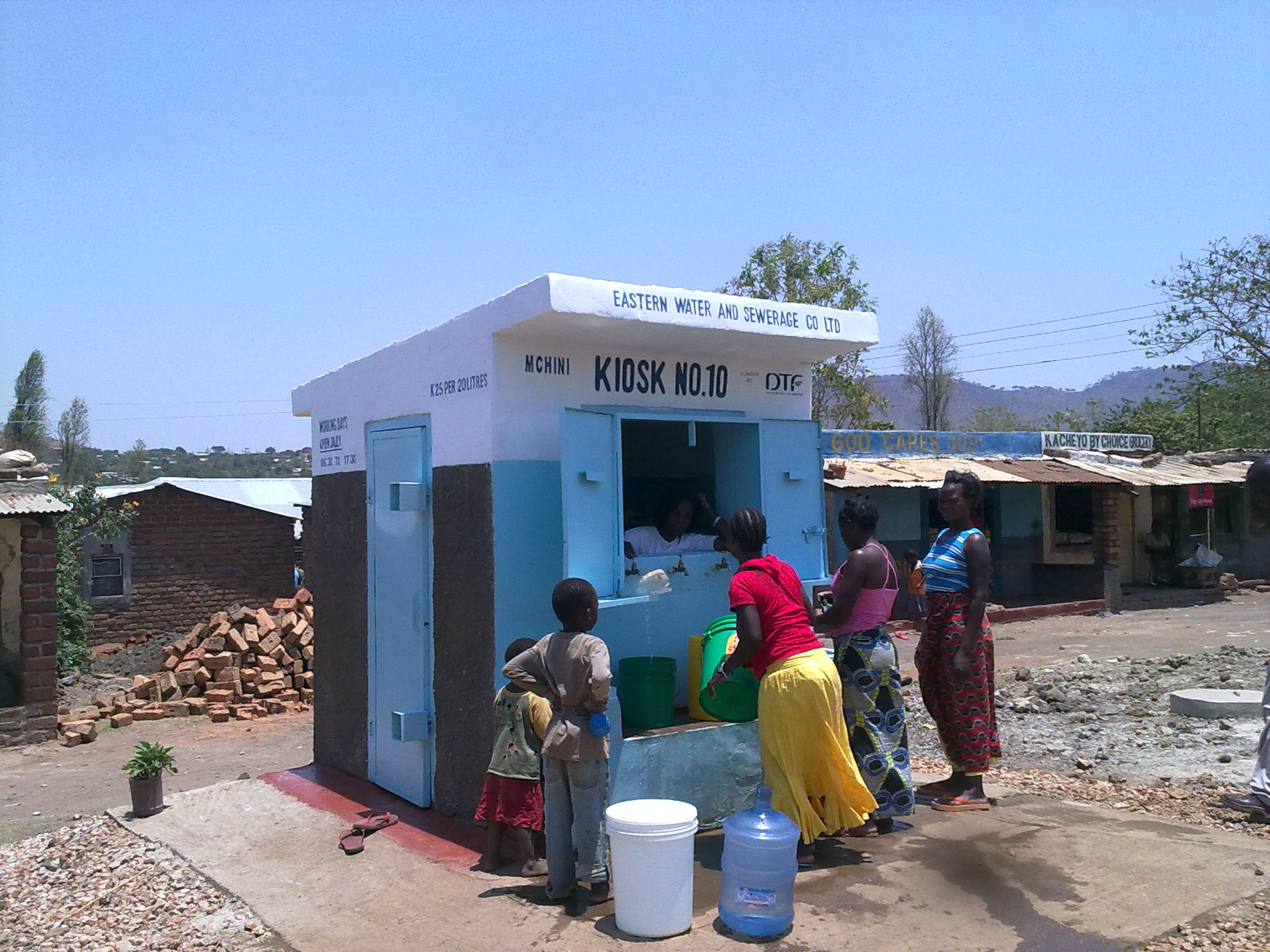 Zambia is a country with a population of more than 16.5 million. It neighbors Zimbabwe, Tanzania, the Democratic Republic of the Congo, Angola, Botswana, Mozambique and Malawi in the Southern-Central region of Africa. In 2011, Zambia achieved middle-income country status, reflecting the country’s substantial economic growth of

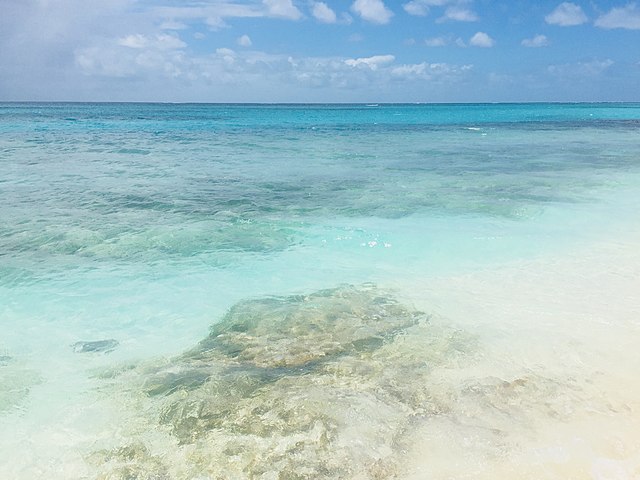 Anguilla is a Caribbean island about half the size of Washington D.C., nestled between the Caribbean Sea and the Atlantic Ocean. Its tropical climate and terrain of low-lying coral and limestone have all contributed to this beautiful island’s dramatic water crisis. With a population of only 18,090, islanders have survived the island’s dry environment for more than 300 years. With careful husbandry, water conservation and the use of cisterns, Anguillans have found ways to make their erratic rainfall schedule work for them even during unpredictable drought periods, which can last up to three or four months. As access to improved sanitation facilities increases and tourism flourishes, the islands underground aquifer has been pushed to capacity. Here are 10 facts about sanitation in Anguilla and how they contribute to the depletion of the island’s supply of drinking water.
 American Samoa refers to the
 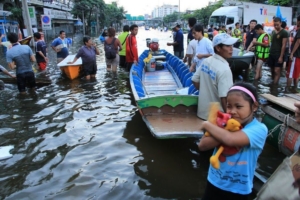 Sanitation and hygiene have improved in the past 20 years for the nearly 70 million people that live in the Kingdom of Thailand. Prior to the year 2000, many people lived without access to basic hygiene necessities or clean drinking water. Left untreated the domestic water could pose the risk of infectious disease. In some areas, this