• Link to X
  • Link to Facebook
  • Link to Instagram
  • Link to TikTok
  • Link to Youtube
  • About
    • About Us
      • President
      • Board of Directors
      • Board of Advisors
      • Financials
      • Our Methodology
      • Success Tracker
      • Contact
  • Act Now
    • 30 Ways to Help
      • Email Congress
      • Call Congress
      • Volunteer
      • Courses & Certificates
      • Be a Donor
    • Internships
      • In-Office Internships
      • Remote Internships
    • Legislation
      • Politics 101
  • The Blog
  • The Podcast
  • Magazine
  • Donate
  • Click to open the search input field Click to open the search input field Search
  • Menu Menu

Archive for category: USAID

Topics covering about USAID

Aid, Development, Foreign Aid, Global Poverty, Government, USAID

Understanding US Foreign Aid Spending


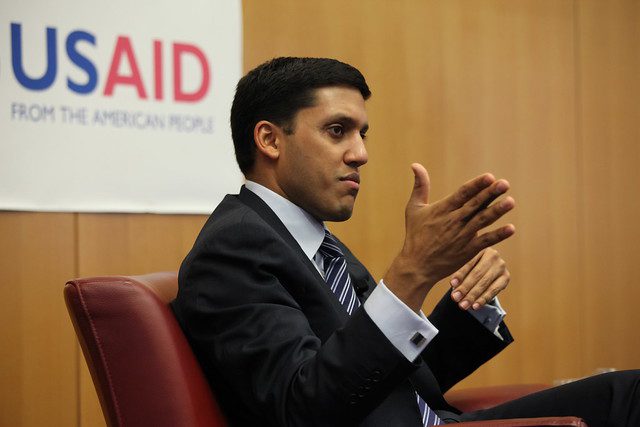
Every year Congress must approve the fiscal budget, which includes a request for foreign aid spending from the current Secretary of State. By examining the proposals for foreign aid spending through the United States Agency for International Development (USAID) from 2008 to 2020, it highlights the United States’ international goals and concerns. A common thread amongst all three budgets is a concern of national security and instability within foreign nations.

The 2008 Congressional Budget Justification – Secretary Condoleezza Rice

In the 2008 Congressional Budget Justification, Secretary of State Condoleezza Rice outlined the international concerns of the Bush Administration. As a whole, Secretary Rice requested $36.2 billion in funding from Congress for the 2008 fiscal year, as well as $6 billion in supplemental funding in 2007 for, as she details, additional expenses from the wars in Afghanistan and Iraq.

Secretary Rice stated that the overarching goal of this budget for foreign aid spending is to “mobilize our [the U.S.] democratic principles, our diplomacy, our development assistance and our compassion to win what will be a generational struggle.” As a result of this priority, much of the outlined spending in the report focused on the allocation of funds to programs that support democracy-building programs, peacekeeping, diplomacy and child-health programs. The United States, Secretary Rice details, ought to shift from a historically paternalistic relationship towards other nations in the world and, rather, act in partnership with foreign countries in the hope that it can establish positive and lasting change.

The 2016 Congressional Budget Justification – Secretary John Kerry

In the 2016 Congressional Budget Justification, Secretary of State John Kerry expressed concerns that were similar to those of Secretary Rice under the Bush Administration. In 2016, the international sphere continued to face uncertainty. He places emphasis on this by asking that Congress “begin by understanding what is at stake – by realizing that our overseas actions, the alliances and partnerships that we form, the cooperation we engender, and the investments we make have a direct bearing on the safety of our citizens and the quality of life enjoyed by our people.” The budget that Secretary Kerry requested $50.3 billion from Congress, a marked increase from the proposal of Secretary Rice in 2008.

Despite a change in the party — from Republican to Democrat — the concerns of each administration are the same. In the 2016 proposed budget for foreign aid spending, Secretary Kerry expresses concern on behalf of the Obama Administration for the stability of Afghanistan, Iraq and Pakistan, as well as for the health, education and safety of families around the world. Secretary Kerry asked for the allocation of $7 billion to Overseas Contingency Operations (OCO), which works to establish stable political environments in volatile regions in which the U.S. involves itself. Also included in this budget is $5.6 billion in humanitarian aid for Migration and Refugee Assistance, International Disaster Assistance and food assistance. On a similar note to the 2008 proposal, Secretary Kerry states that “the United States will continue to do its part to ease suffering and prepare the groundwork for recovery.”

The 2020 Congressional Budget Justification – Secretary Michael Pompeo

The 2020 Congressional Budget Justification from Secretary of State Michael Pompeo strikes a different note from the previous two administrations. While a concern towards international security remains, Secretary Pompeo focuses on foreign aid spending with a more exclusionary approach to international relations.

At the start of his proposal, Secretary Pompeo outlines the concerns for international security that lie in the denuclearization of North Korea as well as the “great-power competition against China and Russia.” Secretary Pompeo currently has requested $40 billion in foreign aid spending, a decrease from the amount requested in 2016. He states that the funds will be “to protect our diplomats and our borders, recruit and develop our workforce, and continue to modernize our IT infrastructure.” The funding for democracy strengthening programs as well as health and education in poor nations continues, but a tone of gradual withdrawal from direct involvement in global affairs persists in the language used by Secretary Pompeo throughout the proposal.

Funding to international organizations has faced cuts with a decrease of $141.46 billion to approximately $2.15 billion. Overseas programs have also faced cuts with a decrease of $69.33 billion to approximately $1.52 billion and requested funding for border security is $3.75 billion. To conclude his budget request, Secretary Pompeo states that “we must continue to put U.S. interests first and be a beacon of freedom to the world.”

Throughout all three administrations, a concern for the changing and uncertain status of the international sphere is present. Foreign aid spending peaked under the Obama administration, but both the Bush and Obama administrations focused on direct U.S. involvement in world affairs as a means of spreading peace and democracy, while the Trump administration appears to have turned its focus on protecting the U.S. from threats abroad.

– Anne Pietrow
Photo: Media Defense

August 2, 2019
https://borgenproject.org/wp-content/uploads/borgen-project-logo.svg 0 0 Kim Thelwell https://borgenproject.org/wp-content/uploads/borgen-project-logo.svg Kim Thelwell2019-08-02 15:20:562024-05-29 23:10:49Understanding US Foreign Aid Spending
USAID, Women

Women’s Empowerment in Agriculture in Egypt

Women’s empowerment in agriculture

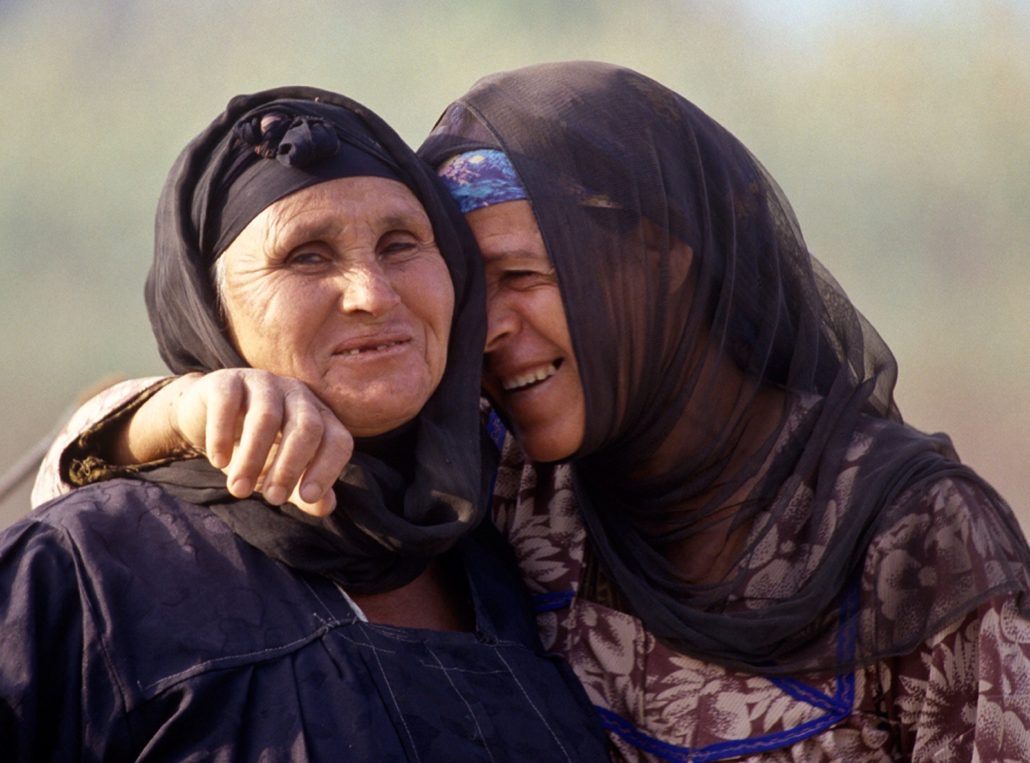
Agriculture in Egypt accounts for about 14.5 percent of GDP and women make up most of the workforce. World Bank data shows that between 2011 and 2014, 43 percent of women were employed in agriculture versus only 24 percent of men. These women often work long hours and in labor-intensive sectors including harvesting and fertilizing land. According to a paper by Korang Ismail Abdel-Gawad, a survey of Upper and Lower Egypt shows that women participation in harvesting was 67 percent in lower-Egypt and 94.3 percent in upper-Egypt.

Despite women’s contribution to the economy through agriculture, they are frequently overlooked in both data and investment. The Principal Bank of Development and Agriculture, a major financial institution responsible for providing agricultural credit in Egypt, neglects to grant many long-term loans to women. Only one in twenty-six long-term borrowers and one-third of short-term borrowers are women. Furthermore, women make up only 5 percent of agricultural landowners.

Women’s empowerment in agriculture is crucial in order to increase growth in agriculture-related GDP. According to the International Monetary Fund, if the female labor force participation rate in Egypt is raised to the male level, coupled with access to employment opportunities, the GDP would increase by approximately 34 percent. This includes gaining access to land, educational or instructional opportunities and gender-based equity programs. Here are a few main projects in Egypt related to women’s empowerment in agriculture:

USAID’s Strengthening Entrepreneurship and Enterprise Development (SEED):

This project was created to strengthen micro, small and medium business owners (MSMEs) to ensure that they have access to the appropriate business development tools. In particular, the project focuses on businesses owned by women and youth with special attention to disadvantaged communities.
Related to this project is the Workforce Improvement and Skills Enhancement (WISE) program that provides employment training and technical-skills training to women and youth.

Food and Agriculture Organization (FAO):

The FAO improves agricultural productivity and food security through sanitary measures and regulations. This organization also supports female empowerment by encouraging of small enterprises and agricultural investment programs.

Women’s Employment Promotion Program:

This program helps to promote workplace safety and increase employment contracts that benefit women through pay equity, benefits and steady hours. In addition, the program provides educational seminars that help increase labor-force participation and prepare youth for employment

These three projects help to promote women in the workforce in order to increase economic returns and foster a safe and productive work environment. A prime focus is women’s empowerment in agriculture since it is such a large source of employment in Egypt. With access to credit, training opportunities and overall support in the agricultural sector, women can continue to have a growing impact on Egypt’s GDP and provide reliable income for their families. Strengthening the agricultural sector by supporting women in the workforce means an overall increase in food exports, and thus a larger contribution to the global economy.

– Tera Hofmann
Photo: Flickr

August 1, 2019
https://borgenproject.org/wp-content/uploads/borgen-project-logo.svg 0 0 Kim Thelwell https://borgenproject.org/wp-content/uploads/borgen-project-logo.svg Kim Thelwell2019-08-01 11:20:362024-06-07 05:07:56Women’s Empowerment in Agriculture in Egypt
Global Poverty, USAID

Improving Mental Health in Ukraine

Mental Health in Ukraine
The embattled eastern European country of Ukraine faces increasing levels of poverty as the majority of the population is unable to afford required expenses, 28 years after the country earned its independence. Compared to countries in the European Union, Ukraine’s poverty indicator is 1.6 times higher. Rising rates of unemployment, disconnections, lack of education and conflict impact the state of mental health in Ukraine. At the start of the war in 2014, Ukraine ranked second on the list of the top 10 most depressed countries in the world.

The Current State of Mental Health in Ukraine

Due to the armed conflict plaguing the nation, 32 percent of Ukrainians suffer from post-traumatic stress disorder, 22 percent suffer from depression and 17 percent suffer from anxiety. According to data from the World Health Organization (WHO), there is an average of 9,024 deaths due to suicide per year, ranking Ukraine at 21 for the countries with the highest rates of suicide. Data from the World Bank suggests that nearly one-third of the Ukrainian population experiences at least one mental health disorder during their life, which is higher than the global average. The 1.6 million Ukrainians that the conflict displaced and those still residing in areas of conflict are amongst the most vulnerable populations for mental health disorders.

Seventy-four percent of the population reported they were unable to receive necessary psychiatric care because of the high costs of care and medicine. Stigma, prejudice and fear of societal rejection further complicate the lack of mental health care in Ukraine.

Moving Toward the Future

The Ukrainian health care system currently models the Soviet’s, and despite 28 years of independence, it has seen little change and lags behind the developed world. There has been a call to integrate mental health care with the ongoing health care reform in Ukraine. Currently, the country devotes only 2.5 percent of the budget within the health care sector to mental health. Eighty-nine percent of the allocation goes to psychiatric hospitals. Decentralization of care would protect patient confidentiality, shrinking the widespread stigma. Inappropriate treatment aggravates the problem of mental health, with the inability to diagnose or the offering of a misdiagnosis. In moving forward, financing needs to increase, referral pathways should strengthen and mental health services must integrate into the existing health care platforms.

USAID in Ukraine

The U.S. Agency for International Development (USAID) assists Ukraine in developing its health system with the overall aim of assuring the Ukrainian population receives modern care from knowledgeable, trained medical professionals. USAID and Ukraine’s partnership is to ensure those the conflict impacted in the eastern part of the country benefit from the appropriate psychosocial support and treatment that demonstrates effectiveness.

With help from the USAID and a focus on mental health moving forward, Ukraine looks to improve its care for those suffering from mental health disorders. Despite high levels of poverty and conflict plaguing the nation, there is a promising future for the care of mental health in Ukraine.

– Gwen Schemm
Photo: Flickr

July 18, 2019
https://borgenproject.org/wp-content/uploads/borgen-project-logo.svg 0 0 Kim Thelwell https://borgenproject.org/wp-content/uploads/borgen-project-logo.svg Kim Thelwell2019-07-18 09:11:192024-05-29 23:10:57Improving Mental Health in Ukraine
Global Poverty, USAID

Humanitarian Assistance in Afghanistan

Humanitarian Assistance in Afghanistan
Hardship and struggles have been reoccurring for Afghanistan and its residents for several years. Afghanistan’s civil war broke the country, but it has been attempting to rebuild. Afghans have been working to begin their lives again and be able to provide for their families. Luckily, there is some humanitarian assistance in Afghanistan helping the country get back on its feet.

Issues and Conflicts

At the close of March, the United States announced an additional $61 million in humanitarian assistance in Afghanistan. This assistance will work to provide for communities that have been affected the most, such as displaced persons, returning refugees and Afghan refugees located in the region. Afghans initially fled their country because of the ongoing conflict and the very frequent natural disasters. Natural disasters include landslides, flash-floods and avalanches. Afghanistan has been dealing with these humanitarian issues and natural disasters for at least 17 years. The $61 million in humanitarian aid assistance will fund emergency food assistance, nutrition services, hygiene kits, safe drinking water, access to latrines and protection.

In 2001, the United States Agency for International Development (USAID) began working on the stability operations project, which others know as the nation-building project. No matter the name, the goals were the same. USAID was to bring peace and stability to conflicted areas of the country, repair institutions and infrastructure, establish functioning government services and build the country to endure long-term success. For the first year of the nation-building project, the lack of security, fragility of government institutions and lack of agreement caused progress to be slow and complex. In 2002, progress took a turn for the better. USAID’s humanitarian assistance in Afghanistan included work towards the country’s poor infrastructure, lost generations, refugees, Afghanistan’s limited government and its low literacy rates.

The Progress

USAID’s progress in Afghanistan is what follows:

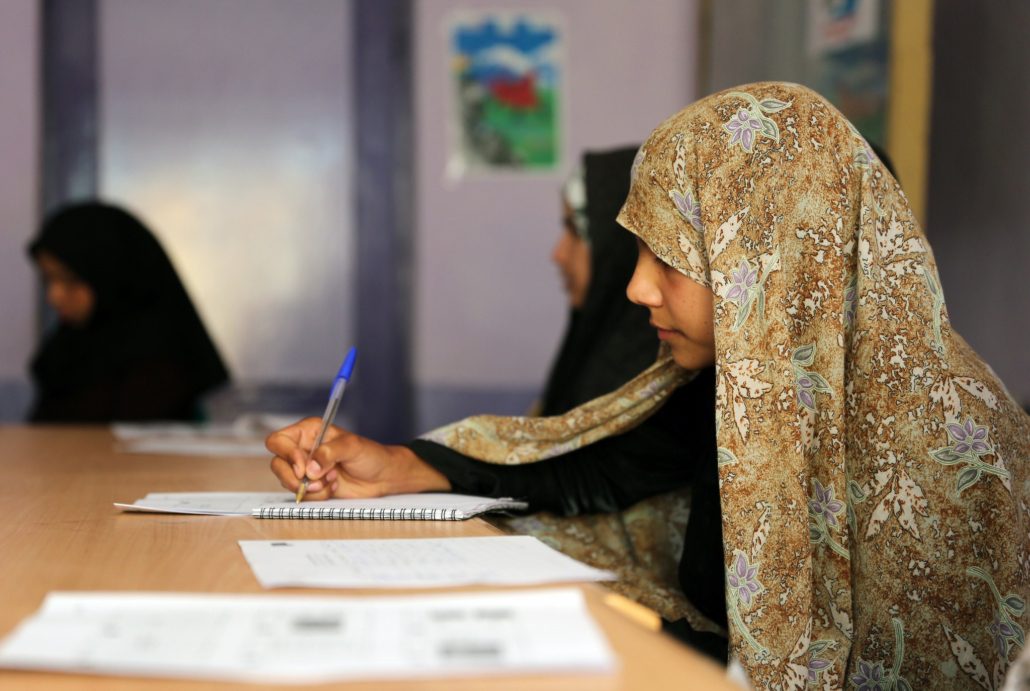
  1. Afghanistan children are in school today. Millions of children are receiving an education, including girls.
  2. The country has expanded primary health care. This has resulted in reduced maternal and under-five infant mortality rates.
  3. Life expectancy has improved. Life expectancy has risen from 41 years of age to 61 years of age.
  4. USAID is helping the country build new infrastructure including highways, secondary roads, irrigation systems, schools and clinics.
  5. USAID is also helping provide the country with electricity. Initially, only five percent of the country had electricity. Now, 33 percent of the country has electricity.
  6. The country now has a functioning government. Amidst all of the progress USAID and Afghans are making in Afghanistan, USAID launched the first stabilization program in 2002. The point of this program was to “support the U.S. military’s “clear, hold and build” approach to counterinsurgency in areas designated key terrain districts.” What was initially supposed to be long-term programming to aid Afghans and Afghanistan turned into quick-response, quick-impacted programs.

The Programs

USAID’s four implemented programs are as follows:

  1. Stabilization in Key Areas: USAID designed this program to promote good governance and service delivery. The projected outcomes of this program include the construction of infrastructure projects and making sub-national governments more efficient.
  2. Afghanistan Vouchers to Increase Production: This program includes a focus on agriculture in Afghanistan. USAID created the program in order to increase the incomes of Afghan farmers and expand their opportunities. As of 2018, USAID facilitated over $201.4 million in domestic and international sales of agricultural goods, supported over 190,000 households with agricultural interventions, supported more than 2,200 agricultural enterprises, created 3,365 full-time jobs and rehabilitated irrigation canals.
  3. Afghanistan Social Outreach: The country’s social outreach programs work to develop community councils. These councils will consist of 30 to 50 people and be a platform for local needs.
  4. Strategic Provincial Roads: This program focuses on infrastructure, electricity and potable water. As of 2018, USAID partnered with the U.S. Army Corps of Engineers which will provide engineering services for the North East Power Systems and South East Power Systems. Also, 380 kilometers of a 220 kilowatts transmission line is being constructed so electricity can reach southern Afghanistan.

With the additional humanitarian assistance for Afghanistan from USAID, these programs and initiatives will have more support, which will lead to the opportunity to make changes and implementations when, and where, needed.

– Lari’onna Green
Photo: Flickr

July 18, 2019
https://borgenproject.org/wp-content/uploads/borgen-project-logo.svg 0 0 Kim Thelwell https://borgenproject.org/wp-content/uploads/borgen-project-logo.svg Kim Thelwell2019-07-18 09:03:142024-05-29 22:59:57Humanitarian Assistance in Afghanistan
Global Poverty, USAID

U.S. Aid in Honduras, El Salvador, and Guatemala

In March 2019, President Trump announced wanting to cut U.S. aid in Honduras, El Salvador, and Guatemala. These three countries are known as the Northern Triangle of the U.S. government’s Plan of the Alliance for Prosperity (A4P) Initiative.

This is a U.S. strategy to address the security, governance and economic prosperity of these regions. The effectiveness of the A4P initiative and the numerous benefits it presents to both the Central American region and the United States has led to bipartisan support in the U.S., and to cease the aid to the northern triangle would be counterproductive to both the interests of the United States and Central America as a whole.

Since the 1980s, Central America has seen a decline in armed conflict and has become politically stable. Additionally, in the past decade has become a strong economic partner to the United States. While all of this implies significant progress in the region, the region remains stagnant with high crime rates and nearly half of the population currently lives in poverty.

Honduras: History, Plans, and Benefits

Honduras has received over $3 billion from USAID since 1961. The bulk of this aid impacts sustaining economic growth and establishing economic stability. Some efforts to obtaining these goals are increasing access to health services, expanding exports, improving education infrastructure and strengthening the nation’s democratic systems. In sum, these initiatives address threats to Hondura’s stability.

That being said, included are high crime and violence rates and widespread poverty and food insecurity.  Additionally, there is a presence of government corruption and ineffectiveness. According to the U.S. Department of State, Honduras reliance on foreign assistance, provided by the U.S. is crucial to there development and safety.

El Salvador: History, Plans, and Benefits

Over the past 50 years, USAID assistance in El Salvador has provided economic opportunity. It aids in improving educational and health care systems and supporting disaster relief and economic development.

Specifically, the bulk of assistance in health care is targeting infant and maternal mortality. With the assistance of USAID, the mortality rate in El Salvador has dropped from 191/1000 to 16/1000 between 1960 and  2008. Access to education and literacy rates have steadily increased over the years as well.

Again, with the assistance of USAID, two key organizations for analyzing the major problems facing El Salvador have been developed. These are the Salvadoran Foundation for Economic and Social Development (FUSADES) and the Business Foundation for Educational Development (FEPADE).

Guatemala: History, Plans, and Benefits

Guatemala is experiencing population growth and has become the most populated country in Central America. The Guatemalan government and USAID have been working together to strengthen security for citizens and stimulate economic growth. The efforts of USAID have had a significantly positive impact on addressing some of Guatemala’s security concerns.

For example, there has been an 18 percent decline in robberies, 50 percent decline in the illicit drug trade and a 50 percent decline in blackmail in communities. In order to stimulate economic growth, USAID has focused on agriculture, education, and health. This development has created 8,734 jobs and the country has seen an increase in coffee sales and implemented widespread reading programs.

Importance of Continued Support

The Northern Triangle’s future development and prosperity are heavily reliant on the continued support of the United States. Eliminating U.S. aid in Honduras, El Salvador, and Guatemala would be counterproductive to both the goals of the U.S. and the Northern Triangle. U.S. aid to El Salvador, Honduras and Guatemala will be able to improve the overall quality of life of Central Americans.

– Randall Costa
Photo: Flickr

July 16, 2019
https://borgenproject.org/wp-content/uploads/borgen-project-logo.svg 0 0 Kim Thelwell https://borgenproject.org/wp-content/uploads/borgen-project-logo.svg Kim Thelwell2019-07-16 08:49:582024-05-29 23:00:04U.S. Aid in Honduras, El Salvador, and Guatemala
Global Poverty, USAID

The History of the US Involvement in Latin America

The U.S. Involvement in Latin AmericaFor decades, the U.S. government has been in charge of many anti-poverty and development programs in Latin America. One of the United States’ longest-running international aid programs has been the United States Agency for International Development or USAID. The Foreign Assistance Act of 1961 created this agency, which reorganized the U.S. government’s foreign aid money and mandated the creation of an independent federal agency tasked with administering economic aid to foreign countries. USAID has been a significant part of U.S. involvement in Latin America.
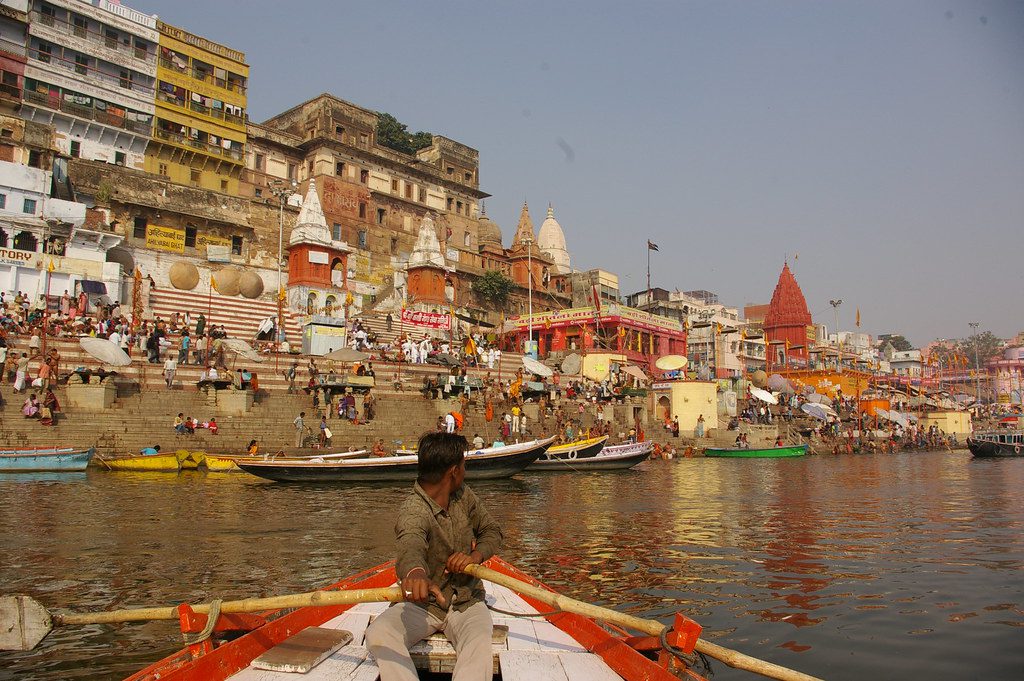
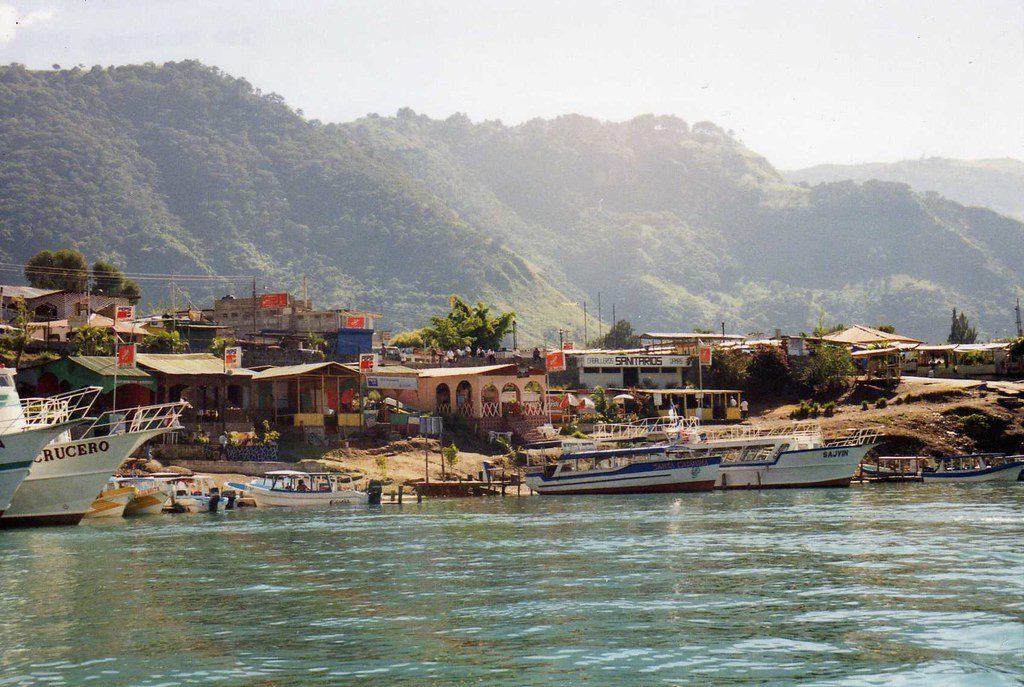
The U.S. started working in Latin America in 1962 when USAID began operating in the region. USAID has been one of the U.S. government’s primary methods of providing development assistance to the region. The agency currently works to help countries in Latin America develop by supporting small businesses, working to end government corruption, supporting democracy and helping the region protect its natural resources. This article will explain the history of the U.S. involvement in Latin America by focusing on three countries in particular: Brazil, Mexico and Nicaragua.

USAID in Brazil

A year after its creation, USAID partnered with Brazil’s government to solve a wide range of issues in public health, education, the rights of children, human trafficking and food insecurity.

  • Throughout the 1960s and 70s, USAID helped Brazil strengthen its institutions and provided financial support for higher education within the country.
  • During this time, USAID helped solve Brazil’s food crisis by funding the Brazilian Agricultural Research Corporation (Embrapa) in 1972. Embrapa transformed Brazil from a struggling food producer to becoming the third largest agricultural producers in the world. Embrapa helped increase Brazil’s beef and pork supply by four times between 1975 and 2009. At the same time, the production of milk increased up to 7.03 billion gallons per year from 2.1 billion gallons per year.
  • In the 1980s, USAID shifted its focus toward public health issues, such as child trafficking, forest conservation and biodiversity research.
  • In 2014, USAID Brazil became the agency’s first strategic partnership mission. USAID recognized that Brazil was not merely a struggling country reliant on U.S. aid money, it was also a major partner in development efforts in the region and around the world. This partnership led to the creation of the Partnership for the Conservation of Amazon Biodiversity (PCAB) that same year.

USAID in Mexico

U.S. development efforts in Mexico began 10 years before the creation of USAID with the passing of the Mutual Security Act of 1951. The United States’ efforts during this time primarily focused on housing guarantees, health programs, food security and academic exchanges between the United States and Mexican universities. USAID expanded upon these goals and added new priorities such as economic and technological development to Mexico’s development strategy with support for democratic governance.

  • USAID took a hiatus from supporting development programs in Mexico in 1965, but they resumed in 1977.
  • USAID disaster relief became crucial for rebuilding parts of the country after a devastating earthquake in 1985.
  • The U.S. and Mexico have forged successful bilateral cooperation on many issues as a result of USAID. Because the establishment of the Mexican Conservation Fund was a success, it gathered environmental experts to seek policy solutions to Mexico’s environmental problems.
  • In recent years, USAID has increased efforts to decrease gang and drug-related violent crime throughout the country. USAID’s programs have reduced the tendencies for Mexican youths in jail or on probation to repeat their criminal behavior. The national rate is 60 percent, whereas in Mexico, it is only 1.25 percent.
  • USAID has also made efforts to institutionalize the rule of the law in Mexico by reforming the country’s judicial system. Thanks to USAID-sponsored reforms, four Mexican states saw a 450 percent increase in resolutions to robbery disputes. The Justice for You platform provided information about the legal system to 32,389 people in 32 states.

USAID in Nicaragua

As was the case with Brazil, USAID began assisting Nicaragua in 1962, primarily helping Nicaragua’s government develop its infrastructure, healthcare and education.

  • USAID played a major role in helping disaster relief efforts in the aftermath of a massive earthquake in 1972 and Hurricane Mitch in 1998. Following the earthquake in 1972, USAID installed 4,560 connections for clean water to houses that lost access.
  • In the aftermath of a brutal civil war lasting from 1978 to 1989, USAID was instrumental in efforts to reinstate democracy in war-torn Nicaragua in 1990 by backing Violeta Chamorro of the National Opposition Union. With the help of USAID, the government of Nicaragua transitioned into democracy by providing training to civil society organizations that encouraged broader participation in government.
  • USAID helped Nicaragua embrace a market economy through its implementation of the Balance of Payment Support Program in 1990. This allowed Nicaragua to import capital goods, raw materials, agricultural inputs and oil. In 2005, USAID also helped bring Nicaragua into compliance with the Dominican Republic-Central American Free Trade Agreement (CAFTA-DR). USAID helped train more than 2,000 small to medium-sized Nicaraguan enterprises to be compliant with CAFTA.

The U.S. involvement in Latin America has had an encouraging amount of success. USAID, in particular, has facilitated political, economic and social development in Latin America on a massive scale since 1962. While Latin America still faces challenges with drug crimes, gang violence, political corruption, food security and poverty, USAID has undoubtedly played a role in fostering lasting development in the region.

– Andrew Bryant
Photo: Flickr

July 15, 2019
https://borgenproject.org/wp-content/uploads/borgen-project-logo.svg 0 0 Jennifer Philipp https://borgenproject.org/wp-content/uploads/borgen-project-logo.svg Jennifer Philipp2019-07-15 01:30:012024-05-29 23:00:42The History of the US Involvement in Latin America
Global Poverty, USAID, Water, Water Sanitation

Sanitizing Wastewater in India

Wastewater in India
India is not only one of the most populated countries in the world, but it is also one of the poorest. In addition to poverty, India is grappling with a lack of access to clean water and increasing pollution. This not only takes a toll on households but also affects industrial and agricultural demands. Urban runoff is an issue when domestic waste and untreated water go into storm drains, polluting lakes and rivers. Approximately only 30 percent of the wastewater in India is cleaned and filtered.

The U.S. Agency for International Development teamed up with a nongovernmental organization, Agra Municipal Corporation, to formulate a treatment plan to clean the wastewater in India.

What is Being Done?

North of the Taj Mahal runs the Yamuna River, one of the most polluted waterways in India. Agra, the city through which the river runs, is a slum community. As of 2009, this community has had no access to sanitation facilities, disposal systems or waste collection. At least 85 percent of the residents in Agra have resorted to open defecation that ultimately pollutes the Yamuna River, where residents collect drinking water. This lack of sanitation has left the community vulnerable to diseases such as cholera, dysentery, typhoid and polio.

USAID-supported NGO Center for Urban and Regional Excellence decided to reverse the state of Agra and come up with a treatment plan. In 2011, they built a wastewater treatment plant to clean the water, leading to healthier community members. Instead of chemicals, the treatment plant uses natural methods to sanitize the water. Moreover, they designed the plant to be low-maintenance, thus keeping it cost-efficient. After filtering and sanitizing the water, it flows back into the community for residents to collect.

As of 2017, the Agra Municipal Corporation, who initially teamed up with USAID, took over operating the plant. And they made it their mission to continue working to improve the lives of the residents.

The Progress

The Center for Urban and Regional Excellence’s transformation of Agra influenced the government to also act. As a result, the government planned to cleanse the entire country by the end of 2019. On Oct. 2, 2014, the Prime Minister of India declared the Swachh Bharat Mission. At the time, only 38.7 percent of the country was clean—less than half. As of 2019, India’s government reported 98.9 percent of the country is now clean. Since the mission began, they built 9,023,034,753 household toilets and established

  • 5,054,745 open defecation-free villages,
  • 4,468 open defecation-free villages in Namami Gange,
  • 613 open defecation-free districts, and
  • 29 open defecation-free states.

Less than 2 percent away from meeting their goal, India has made big improvements to better the lives of its citizens by providing clean water for domestic and industrial purposes.

– Lari’onna Green
Photo: Flickr

June 24, 2019
https://borgenproject.org/wp-content/uploads/borgen-project-logo.svg 0 0 Kim Thelwell https://borgenproject.org/wp-content/uploads/borgen-project-logo.svg Kim Thelwell2019-06-24 09:35:232019-06-25 12:19:18Sanitizing Wastewater in India
Global Poverty, USAID

10 Facts About US Involvement in Central America

10 Facts About U.S. Involvement in Central America
Central America consists of Belize, Costa Rica, El Salvador, Guatemala, Honduras, Mexico, Nicaragua and Panama. U.S. involvement in Central America has been consistent throughout history and into the present day. The U.S. provides aid to Central American countries and supports their development projects. Recently, the U.S. has placed special emphasis on providing aid to the Northern Triangle countries of Honduras, Guatemala and El Salvador. These are the 10 facts about U.S. involvement in Central America.

10 Facts About U.S. Involvement in Central America

  1. In 2018, Guatemala received $80.6 million in U.S. aid, while Honduras received $67.8 million and El Salvador $46.3 million. These countries used the received aid to reduce crime, corruption and poverty. Some of the specific U.S. goals behind the aid included improving development in Guatemala, increasing economic growth by training workers and increasing production in El Salvador and addressing the high rates of poverty and hunger in Honduras.
  2. In the past decade, USAID has provided Guatemalan farmers with greenhouses, new irrigation systems and the machinery needed to plant new types of crops. In the past, many Guatemalans could not farm the land in their home country and migrated out of necessity. Thanks to USAID, Guatemalans can now farm their land effectively.
  3. Between 2011 and 2014, USAID worked to combat violence and crime in Guatemala, Honduras, El Salvador and Panama. USAID implemented new programs within communities and emphasized employment opportunities and criminal justice reform. In 2014, data showed that individuals living in neighborhoods with USAID initiatives felt safer and were more optimistic about their communities and police forces. There was a 51 percent decrease in individuals who felt aware of murder and extortion in their neighborhoods, a 14 percent decrease in the perception of gang violence and a nine percent increase in respect for law enforcement in areas impacted by USAID anti-crime initiatives. USAID reports that its efforts reduced murder rates significantly in El Salvador.
  4. USAID collaborates with Central American governments to fund programs designed to improve Central America’s living conditions. USAID programs provide job training for young Guatemalans. USAID also works to rehabilitate ex-convicts in El Salvador, teach entrepreneurship skills to young people in Honduras and financially assist Guatemalan farmers.
  5. Fifty-seven percent of U.S. aid provided to El Salvador in 2017 was used to improve its criminal justice system. Much of the aid funded training for police officers and public defenders. U.S. aid also funded anti-corruption initiatives in the Salvadoran attorney general’s office.
  6. U.S. aid provides funding for anti-corruption investigations of the Honduran government. It also funds monitoring of the Honduran electoral system and combats poverty in rural Honduras.
  7. In 2017, Honduras used over 50 percent of its aid funding to help the poor. The U.S.-funded programs implemented addressed child malnourishment and treated HIV. Honduras also used U.S. aid to assist with sustainable agriculture practices.
  8. In 2014, the U.S. collaborated with the governments of the three Northern Triangle countries to increase economic development. The U.S. provided $750 million for this project in 2014. By 2017, conditions in the Northern Triangle had improved enough to reduce rates of illegal migration to the lowest levels seen since 1971.
  9. By 2017, the positive results mentioned in these 10 facts about U.S. involvement in Central America were visible. There was a decrease in homicide rates in all three Northern Triangle countries and 20,000 new agricultural jobs in rural Guatemala. Meanwhile, agricultural sales in Guatemala increased by 51 percent.
  10. Since 2016, U.S. aid to Central America has decreased by about 20 percent.The State Department claims that the aid provided to Central American countries in the past did not create positive results. To protect U.S. foreign aid to the Northern Triangle and continue the positive effects discussed in these 10 facts about U.S. involvement in Central America, U.S. voters can contact Congress here.

U.S. aid has played an important role in reducing violence and poverty in Central America. These 10 facts about U.S. involvement in Central America show the positive results of U.S. foreign aid and enhance the idea that reducing the amount of aid provided would be detrimental to the people of Central America.

– Emelie Fippin
Photo: Flickr

June 19, 2019
https://borgenproject.org/wp-content/uploads/borgen-project-logo.svg 0 0 Kim Thelwell https://borgenproject.org/wp-content/uploads/borgen-project-logo.svg Kim Thelwell2019-06-19 10:13:052019-07-19 10:14:5310 Facts About US Involvement in Central America
Food & Hunger, Food Aid, Global Poverty, Refugees, United Nations, USAID

How USAID Provides Refugee Food Assistance

Refugee Food AssistanceFor more than 60 years, the U.S. Agency for International Development has upheld its commitment to end global poverty, providing desperately needed refugee food assistance today. USAID works in more than 100 countries. It primarily provides humanitarian assistance, promotes global health and supports global stability. All around the world, more than 25 million people face refugee crises. And among these 25 million people, more than half are young children.

Food Assistance

USAID assists refugees by providing emergency refugee food assistance to 25 countries. In particular, USAID’s food assistance reaches Lebanon, Jordan, Ethiopia, Chad, Uganda and Bangladesh. One of the world’s biggest refugee camps lies in the southeastern corner of Bangladesh, in Cox’s Bazar. There, an estimated 868,000 Rohingya refugees seek safe haven. In order to escape western Myanmar, refugees must travel on foot through forests and turbulent waters. Often times, refugees do not have enough food for the trip and witness the deaths of loved ones. By the end of this journey, many refugees have nowhere to live and no source of living. Fortunately, USAID’s programs offer assistance.

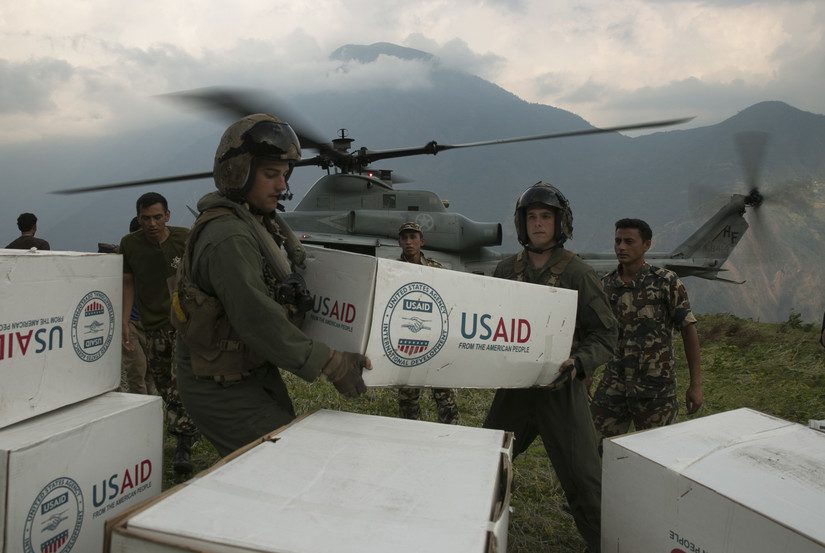
Furthermore, USAID’s Office of Food for Peace and the United Nations’ World Food Programme partnered to assist those seeking peace, who lack a home and food. USAID and WFP provide packs of high-energy biscuits as meal replacements for arriving refugees. Moreover, USAID gives WFP resources to buy rice from Bangladesh’s national rice reserve. However, it takes time to distribute food to refugee camps. USAID even supports CARE International, which provides U.S. imported food to Cox’s Bazar.

Relief Tactics

Altogether, USAID programs lay out plans for permanent and stable recoveries using four types of relief tactics. Firstly, USAID provides locally and regionally purchased food, which is more quickly accessible than imported food. Secondly, if local food is unavailable, USAID provides U.S.-grown food. Thirdly, if imported food distorts local prices, USAID offers paper or electronic food vouchers. These vouchers allow refugees to purchase local food and support local communities. Fourthly, if more flexible solutions are required, USAID supplies cash, mobile or debit card transfers.

Beyond relief tactics, USAID helps improve global stability. Every year, USAID assists more than 40 to 50 million people worldwide with emergency food assistance. In 2018 alone, USAID gave more than $690 million to help refugees around the world. Overall, numerous countries benefit from USAID. By providing refugee food assistance, USAID plays a huge role in helping millions living in extreme poverty.

– Fita Mesui
Photo: Flickr

May 31, 2019
https://borgenproject.org/wp-content/uploads/borgen-project-logo.svg 0 0 Kim Thelwell https://borgenproject.org/wp-content/uploads/borgen-project-logo.svg Kim Thelwell2019-05-31 01:30:022019-06-02 07:24:53How USAID Provides Refugee Food Assistance
Global Poverty, Health, United Nations, USAID, Water, Water Quality, Water Sanitation

5 Interesting Facts About World Water Day 2019

World Water Day 2019While water might seem like a basic necessity, more than 650 million people worldwide lack easy access to clean water. Every year, the United Nations sponsors World Water Day. World Water Day raises awareness about global water crises, demonstrating the need for water in developing nations. Take a look at these interesting facts about how the U.N. celebrated World Water Day 2019.

5 Interesting Facts About World Water Day 2019

  1. “Leaving No One Behind”
    The theme for World Water Day 2019 was “Leaving No One Behind.” Technology is providing new methods to increase access to clean water. Additionally, it mobilizes programs combating water scarcity. Above all, technology connects individuals interested in making a difference, no matter where they are. However, these advances can’t only benefit privileged populations. Improvements must be available to marginalized groups, as well. World Water Day 2019 emphasized access to clean water is a human right, as recognized by the U.N. in 2010. Everyone deserves water, regardless of sex, race, ethnicity, religion or age.
  2. USAID’s Strategy
    The U.S. government is working to implement a strategy to improve global water access through the U.S. Agency for International Development. While the fight to bring access to clean water is global, USAID renewed its commitment to providing clean drinking water this World Water Day. As such, USAID supports the core objectives outlined in the U.S. Government Global Water Strategy. These objectives include promoting better stewardship of freshwater resources and expanding the availability of sanitation services. Additionally, USAID is enacting policy and programs aimed at providing 15 million people access to clean water by 2022.
  3. “Water Action Decade”
    This World Water Day marked the first completed year of the U.N.’s “Water Action Decade.” Three years ago, the U.N. General Assembly unanimously decided to make the global water crisis a top priority for 10 years straight. The “Water Action Decade” kicked off in 2018. Therefore, efforts to increase sustainable water management and access to safe water will last through World Water Day 2028. And nations around the world execute large-scale programs, addressing water scarcity stemming from pollution, drought and urbanization.
  4. Women and Water
    Women played a key role in the message of World Water Day 2019. While many suffer due to water scarcity, women disproportionately carry the burden. According to U.N. research, women and girls make up the majority of people responsible for obtaining water in areas where clean water isn’t accessible. Collectively, women devote around 200 million hours to finding and gathering clean water. Subsequently, a major goal for World Water Day 2019 was improving women’s access to water, which can lead to awesome opportunities that promote independence for women. Therefore, the U.N. sponsors women-led projects in rural areas to include women in community decisions about water as just one part of its commitment to improving universal access to clean water worldwide.
  5. U.N. Sustainable Development Goals
    In fact, World Water Day is just one example of U.N. efforts to meet Sustainable Development Goal 6. Overall, the U.N. has agreed on 17 different goals to promote sustainable development worldwide, specifically in growing and impoverished nations. These Sustainable Development Goals must meet their goals by 2030. Particularly, the primary task of Sustainable Development Goal 6 is to make water safe, affordable and accessible universally. And World Water Day marks just one of many U.N. efforts to reach this crucial goal on target. Ultimately, the first step in achieving universal access to clean water is raising awareness.

Nevertheless, on World Water Day 2019, nations joined hands to strengthen efforts toward making clean water accessible worldwide. The celebration honored organizations that provide aid, unite communities and save lives. And they celebrate innovations that revolutionize water management, along with the people dedicated to campaigning for water access without leaving anyone behind.

– Emmitt Kussrow
Photo: Unsplash

April 29, 2019
https://borgenproject.org/wp-content/uploads/borgen-project-logo.svg 0 0 Kim Thelwell https://borgenproject.org/wp-content/uploads/borgen-project-logo.svg Kim Thelwell2019-04-29 11:37:562024-05-29 22:59:545 Interesting Facts About World Water Day 2019
Page 16 of 33«‹1415161718›»

Get Smarter

  • Global Poverty 101
  • Global Poverty… The Good News
  • Global Poverty & U.S. Jobs
  • Global Poverty and National Security
  • Innovative Solutions to Poverty
  • Global Poverty & Aid FAQ’s
Search Search

Take Action

  • Call Congress
  • Email Congress
  • Donate
  • 30 Ways to Help
  • Volunteer Ops
  • Internships
  • Courses & Certificates
  • The Podcast
Borgen Project

“The Borgen Project is an incredible nonprofit organization that is addressing poverty and hunger and working towards ending them.”

-The Huffington Post

Inside The Borgen Project

  • Contact
  • About
  • Financials
  • President
  • Board of Directors
  • Board of Advisors

International Links

  • UK Email Parliament
  • UK Donate
  • Canada Email Parliament

Get Smarter

  • Global Poverty 101
  • Global Poverty… The Good News
  • Global Poverty & U.S. Jobs
  • Global Poverty and National Security
  • Innovative Solutions to Poverty
  • Global Poverty & Aid FAQ’s

Ways to Help

  • Call Congress
  • Email Congress
  • Donate
  • 30 Ways to Help
  • Volunteer Ops
  • Internships
  • Courses & Certificates
  • The Podcast
Scroll to top Scroll to top Scroll to top