• Link to X
  • Link to Facebook
  • Link to Instagram
  • Link to TikTok
  • Link to Youtube
  • About
    • About Us
      • President
      • Board of Directors
      • Board of Advisors
      • Financials
      • Our Methodology
      • Success Tracker
      • Contact
  • Act Now
    • 30 Ways to Help
      • Email Congress
      • Call Congress
      • Volunteer
      • Courses & Certificates
      • Be a Donor
    • Internships
      • In-Office Internships
      • Remote Internships
    • Legislation
      • Politics 101
  • The Blog
  • The Podcast
  • Magazine
  • Donate
  • Click to open the search input field Click to open the search input field Search
  • Menu Menu

Archive for category: USAID

Topics covering about USAID

Gender Equality, Global Poverty, USAID

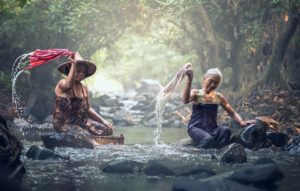
How Gender Equality in Cambodia is Improving

In the past decade, Cambodia has made progress in reducing the inequality gap between men and women. In partnership with the UN and USAID, gender barriers and negative social norms surrounding women’s place in society are being broken.
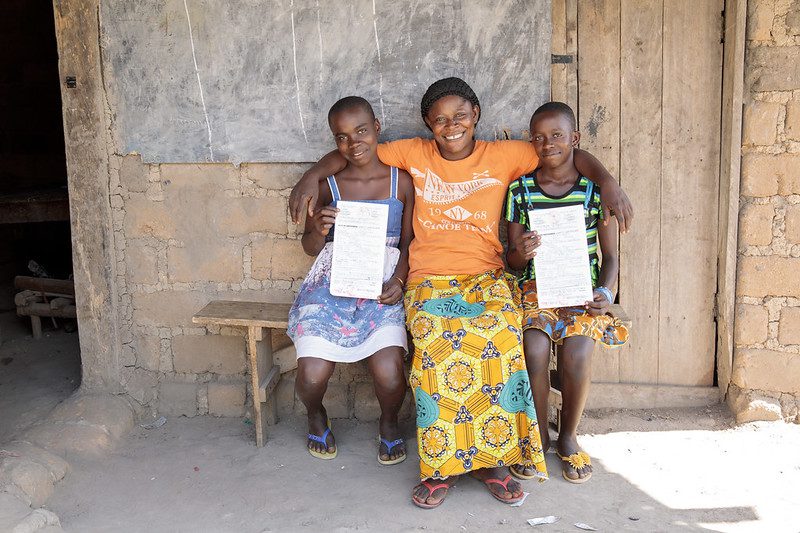
Women have taken the lead in various areas of poverty reduction, such as participating in the democratic process and spearheading efforts against water insecurity and climate disaster.

Here are some ways in which gender equality in Cambodia is improving.

Changing Societal Norms

During the Khmer Rouge in the 1970s, violence against women escalated, including rape. The UN has worked to support victims and correct assumptions and inattention surrounding violence against women in Cambodia. Through the UN Joint Global Programme on Essential Services for Women and Girls Subject to Violence that began in 2017, survivors of rape and violence are receiving help and support. They focus on various needs of victims.

Through such programs, the UN has made efforts toward openly discussing and reducing violence against women, promoting gender equality in Cambodia.

A UN survey found that 82% of men and 92% of women accept that a woman’s main role lies only in overseeing the home. By using media, the UN is educating the public about negative social norms surrounding the role of women. For example, UNDP Cambodia and the Ministry of Women’s Affairs of Cambodia (MoWA) developed an initiative that focuses on improving gender equality in Cambodia. Between 2017 and 2020, this initiative focused on three areas:

  • Refining various institutions in the health, legal, and economic sectors to implement policies that empower women.
  • Using media to educate and engage the public to break societal norms and gender barriers.
  • Advance efforts to place women in positions of leadership and decision-making.

Women Lead Efforts Toward Water Security

Not only is the conversation surrounding gender equality in Cambodia changing, but women have stepped into positions of leadership in poverty reduction. For example, women are instrumental in efforts to achieve water security. In Cambodia, women are the main members of the household to fetch and handle water.

In addition to daily water needs, women also depend on water for its use in farming. Almost two-thirds of Cambodians are farmers, many of whom are women. The USAID Sustainable Water Partnership (SWP) recognizes the leadership skills of women and trains them to aid efforts toward water security. For example, in 2018, this program trained 17 women in the Stung Chinit Watershed and placed them in positions of leadership. These women gained knowledge in various areas, including conflict resolution, teamwork, communication and overseeing finances. In future years, the SWP plans to continue to include women in the fight for water security.

Women in the Democratic Process

The USAID has also worked toward including women in the democratic process. Through grassroots organizations, women are now becoming part of various civil rights causes. The USAID has promoted the participation of women in lobbying for workers’ rights and human rights.

Cambodia’s National Assembly is still composed of 80% men, but efforts to place women in political leadership positions are being undertaken. For example, a Cambodian NGO SILAKA is focused on partnering with political parties to engage women in politics. In 2017, the Cambodian People’s Party (CPP) and the Cambodia National Rescue Party (CNRP) focused on including qualified women candidates on candidate lists during council elections.

Women and Climate Disaster

In 2019, UNDP Cambodia increased efforts to prevent climate disasters and protect communities from these disasters. The UNDP has emphasized the role of women in disaster management. They are equipping local women with leadership and decision-making skills as a part of the Charter of Demands for Disaster Risk Reduction and Climate Change Adaptation.

Looking Forward

With the aid of the UN and USAID, Cambodia has made crucial efforts toward reforming negative societal norms. This has come through media campaigns and through involving women in poverty reduction efforts. To achieve greater gender equality in Cambodia, further efforts are needed to empower women politically, economically and socially.

– Anita Durairaj
Photo: Needpix

July 21, 2020
https://borgenproject.org/wp-content/uploads/borgen-project-logo.svg 0 0 Jennifer Philipp https://borgenproject.org/wp-content/uploads/borgen-project-logo.svg Jennifer Philipp2020-07-21 15:00:232020-07-21 09:45:06How Gender Equality in Cambodia is Improving
Global Poverty, USAID

Recent Progress: Addressing Poverty in Colombia

Poverty in Colombia
Macroeconomic trends show there has been equitable growth in Colombia. While as of 2017, Colombia held the second-highest wealth inequality rate in Latin America, only slightly better than Brazil, it has been on a downward trend since 2000. Additionally, poverty in Colombia dropped by 15% between 2008 and 2017 to a low of 27%. Extreme poverty reduced by half from 2002 to 2014, with more than 6 million people moving out of poverty. This put more Colombians in the middle class than in poverty for the first time. Finally, between 2008 and 2017, the country’s gross domestic product (GDP) grew at a rate of 3.8%. This is more than twice as fast as the members of the Organization of Economic Cooperation and Development (OECD).

Problems

However, increasing exports drive much of the recent growth and reduction in poverty in Colombia. Commodity prices have risen significantly over the past several years. This growth is unsustainable, as a recent drop in prices has hindered the export industry. Colombia has also been struggling with such issues as a lack of financial inclusion, low productivity, low-skilled workers and a large informal economy.

The informal economy consists of such jobs as farm workers, taxi drivers and street vendors where “they make no direct tax contributions, have no security of employment and do not receive pensions or other social benefits.” As of May 2014, informal workers made up nearly two-thirds of the Colombian labor force. This means millions do not possess a dependable income. They do not have the opportunity to contribute to or receive a pension fund or other government benefits. For these reasons, the large informal sector is also a big contributor to inequality and poverty in Colombia.

Another major issue holding back Colombia has been its decades-long internal struggle for peace. Nearly a quarter-million Colombians have died from the conflict, with 25,000 disappearances and nearly 6 million displaced. Although a peace agreement was reached in 2016, tensions are still high in the country between the government and the rebel militia.

Solutions

Nonetheless, steps are occurring to ensure that Colombia is able to continue its recent progress. With nearly 6 million people displaced because of the internal conflict, land restitution is a key step to make. With the help of the World Bank, 1,852 land restitution legal cases occurred by the end of 2014. Additionally, the World Bank helped the Colombian government give reparations to those the conflict affected, with a focus on Afro-Colombian and indigenous groups who the conflict disproportionately affected.

Some are using digitalization and technology to help formalize businesses by simplifying the registration process and making tax collection more efficient, enabling businesses and individuals to pay taxes and contribute to the pension system and providing them access to many social benefits. Digitalization also provides greater access to financial services. This is occurring by providing micro-credits, expanding the outreach of banking services, lowering the cost of financial services and simplifying electronic payments.

USAID’s Role in Poverty Reduction in Colombia

The United States Agency for International Development (USAID) has also helped decrease poverty in Colombia by increasing the presence of democratic institutions in the country. Through this, the USAID hopes to “foster a culture of respect for human rights, promote access to justice, increase public investment and provide services to historically underserved and conflictive rural areas.” This organization fights for inclusive growth and encourages investment in rural areas. Additionally, it helps producers expand their market, provides financial services and helps restore the land to its original owners before the conflict.

All of these efforts and many more are helping reduce poverty in Colombia. The goal is to keep the country on a path toward equitable and inclusive development that leads to a reduction of inequality.

– Scott Boyce
Photo: Flickr

July 19, 2020
https://borgenproject.org/wp-content/uploads/borgen-project-logo.svg 0 0 Lynsey Alexander https://borgenproject.org/wp-content/uploads/borgen-project-logo.svg Lynsey Alexander2020-07-19 01:31:242022-02-28 14:48:31Recent Progress: Addressing Poverty in Colombia
Global Poverty, USAID

5 Organizations That Have Improved Healthcare in Cameroon

Healthcare in Cameroon
In 2010, the World Health Organization reported that for every 10,000 Cameroonians, there were 7.8 nurses and midwives and 1.1 physicians. In contrast, neighboring Nigeria had 16.1 nurses and midwives and four physicians. Rural areas in Cameroon had the fewest healthcare workers. A 2015 study further showed that money was an indicator of whether university students sought out healthcare treatment. The study also reported that the treatment and prevention of malaria, a disease that’s been linked to poverty, requires spending about 40% of family incomes. While access to treatment is limited, several organizations are working to improve access to healthcare in Cameroon. Here are five organizations that have improved the healthcare system.

The World Bank

From 2008 to 2017, The World Bank worked to improve healthcare in Cameroon through the Health Sector Support Investment Project. The World Bank provided additional funding to strengthen and scale-up healthcare institutions and improve the monitoring of vulnerable individuals. When the project concluded, it had helped about 3 million women in Cameroon.

The World Bank reported that the project also positively impacted immunizations, childbirth and healthcare access. Around 380,000 children were immunized. Skilled medical professionals helped with about 306,395 births. The number of people in Cameroon with access to “health, nutrition, or reproductive health services” reached 6.8 million. Overall, the project benefitted at least 7.4 million Cameroonians.

USAID and ECOBANK

USAID partnered with Ecobank in order to provide additional funding for healthcare in Cameroon, specifically to support local small and medium enterprises that offer health services. In 2016, USAID and Ecobank gave $3.7 million in funding in the form of loans to impactful organizations, specifically those focused on the health of women and children.

Management Sciences for Health

In 2012, Management Sciences for Health (MSH) partnered with the local Ministry of Health in order to improve healthcare in Cameroon. The organizations still have a partnership today. MSH has worked on improving family planning and reproductive healthcare, as well as improving healthcare practices when it comes to treating and preventing malaria, TB and HIV.

As a result of MSH’s efforts, 3,431 Cameroonians received contraception, and 10,497 women received education on family planning between October 2015 and September 2016. Information and referrals were provided to 13,000 women for reproductive health and family planning. Pre-birth counseling increased by 49% with the help of MSH’s Leadership Development Program. The program also increased postpartum counseling by 59%.

During 2016, healthcare facilities reported that antiretroviral medicines, which can be used to treat HIV, were out of stock only 9% of the time — down from 100% in 2014. Of 129 HIV treatment and prevention sites, 87% had “complete patient information” at the end of 2015, which helped keep track of HIV patient data. MHS also created the West Africa HIV & AIDS Commodity Tracking Tool and began using it to gather data to help HIV program managers make informed decisions.

MHS also helped with a national program to control malaria, increased the capacity of healthcare institutions to help with “torture rehabilitation” and improved management of tuberculosis through an internet tool called “e-TB Manager.”

International Medical Corps

The International Medical Corps works in Cameroon to train medical professionals and help with the provision of medical supplies. The organization extends to rural areas, as well as any areas that lack access to healthcare in Cameroon. The Medical Corps provides “preventive and curative services, mental health and psychosocial support services (MHPSS) and reproductive health services including ante- and post-natal care to both refugee and vulnerable host populations.” In 2018, The International Medical Corps reported providing 81,266 healthcare consultations to Cameroonians during a three-month time frame.

The Global Citizens Initiative

In 2013, the Global Citizens Initiative launched the Cameroon Healthcare Access Program. It was created to address the corruption present in Cameroon’s healthcare system. The World Justice Project reported that some citizens were forced to pay when seeking medical attention that should have been “free under the law.”

The goals of this project include addressing corruption through a National Healthcare Access Coalition, raising awareness about governmental healthcare policies, ensuring consumers are aware of their “basic right to healthcare” and tracking changes as the program progresses. When interviewed about the project in 2013, Tarh Frambo, Country Director of the Global Citizens Initiative in Cameroon, said that “the fund is going to help us implement our project on the Cameroon healthcare access, which aims at stemming the practice of corruption as it manifests itself in the public healthcare system of the country.” According to the World Justice Project, the program is still active and will decrease corruption and help give communities more access to healthcare in Cameroon.

In 2014, an update on the project showed that a “national coalition of multidisciplinary stakeholders” had been formed to address corruption. The coalition held workshops on the pros of being corruption-free and on healthcare law overall. Public service announcements were also being used to inform citizens about their healthcare rights.

Conclusion

The numbers show that access to healthcare in Cameroon is an ongoing problem. Since the WHO’s 2010 fact sheet on healthcare in Cameroon, however, The World Bank, USAID and ECOBANK, MSH, the International Medical Corps, and the Global Citizens Initiative have created programs that improved the healthcare system for the people of this country, leading to greater coverage and treatment for Cameroonians in need.

– Melody Kazel
Photo: Flickr

July 17, 2020
https://borgenproject.org/wp-content/uploads/borgen-project-logo.svg 0 0 Kim Thelwell https://borgenproject.org/wp-content/uploads/borgen-project-logo.svg Kim Thelwell2020-07-17 10:28:212024-05-29 23:18:425 Organizations That Have Improved Healthcare in Cameroon
Global Poverty, Technology, USAID

Satellite Technology Can Combat Poverty in Africa

Satellite Technology Can Help Combat Poverty
Over the last two decades, there has been an observed decrease in poverty levels in the eastern and southeastern regions of Asia. Unfortunately, 42% of people in sub-Saharan Africa are still living in absolute poverty conditions. To aid developmental efforts on the continent, scientists and engineers are exploring how satellite technology can combat poverty across the entire continent.

Identifying Poverty 

It is well-known in the academic community that research relating to poverty in comparatively poor regions is hard to come by. Surveys and censuses are not frequent enough to provide an accurate understanding of poverty in Africa. This lack of data makes strategizing and taking action to alleviate poverty in some areas particularly difficult. Luckily, some are conducting new research to explore the possibility of using satellite imagery to identify poverty-stricken areas. In fact, Stanford researchers Marshall Burke, David Lobell and Stefano Ermon spent the last 5 years studying the use of available images to assess poverty conditions in Africa over time.

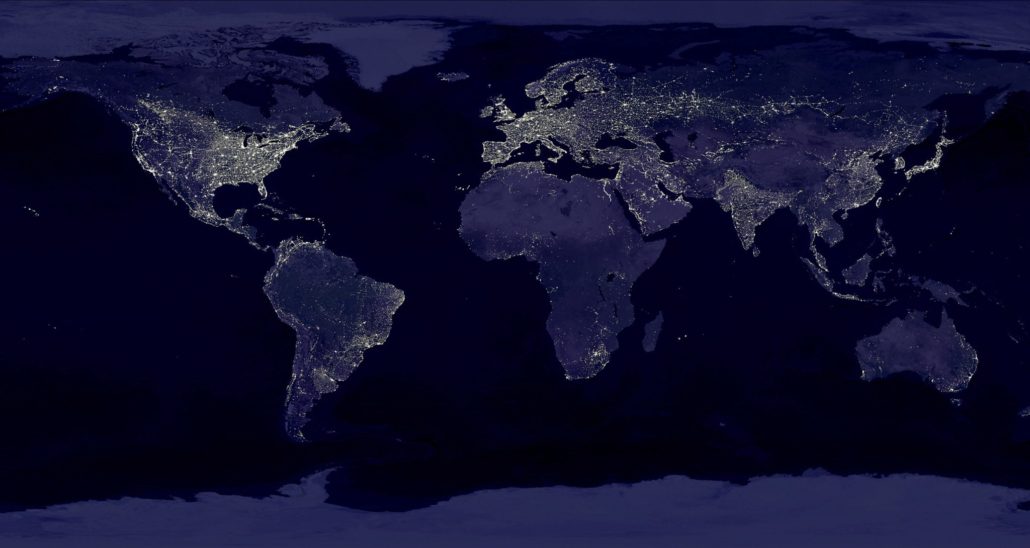
Satellite imagery and machine learning can work together to identify poverty and development hot-spots. Images that satellites take during the night could expose the absence of lights in an area that may lack electricity. Images from the day may also show the status of general infrastructures like housing, waterways, agricultural techniques and roads. These features are components of development and identifying their status should be able to help efforts to provide communities with the resources they lack. Neural networks, which are a component of machine learning, use these satellite images to find patterns in communities. The Stanford researchers tested this technology on 20,000 different African villages and created models for the conditions they observed. While machine learning is a new tool for the fight against poverty, it is a promising source of information and understanding that can enhance our response. 

Famine and Natural Disasters

In its response to conditions in Africa, USAID has long known that satellite technology can help combat poverty. In 1986, NASA began working with the U.S. Geological Survey (USGS) to detect and prevent famine through the famine early warning system (FEWS). Using remote sensing and existing satellite data that NASA collected, USAID has been able to predict famine conditions in sub-Saharan Africa. 

In 2000, NASA and USGS also collaborated to establish more effective response-planning mechanisms through an updated FEWS Network. They have used this network to predict floods, landslides, fires and other natural threats to development. In 2017, the network was able to make a credible appeal for food aid in a war-torn Somalia, which reduced deaths from starvation. Researchers have also concluded that the early warning system lowered mortality rates in Kenya, where the number of “severely hungry” Kenyans was 1.75 million in 2017, versus 2.8 million in 2011. Good disaster response can better inform developmental projects in poorer countries, which makes the network a crucial component of a greater effort to alleviate poverty. 

The Long-term

Many are now looking at how satellite technology can combat poverty. The technology can no doubt open more doors to understanding economic development. Experts suggest that satellite intel on land usage could aid non-governmental organizations in crafting policies for better resource allocation in the region and the possibilities do not stop there. Although there is still work to do to alleviate poverty in Africa, viewing this advancing technology as an enabler for further research and action is incredibly exciting.

– Arshita Sandhiparthi
Photo: Flickr

July 12, 2020
https://borgenproject.org/wp-content/uploads/borgen-project-logo.svg 0 0 Kim Thelwell https://borgenproject.org/wp-content/uploads/borgen-project-logo.svg Kim Thelwell2020-07-12 07:30:572024-05-29 23:18:28Satellite Technology Can Combat Poverty in Africa
Education, Global Poverty, USAID

Protecting Quality Education in the Philippines

Education in the Philippines
Officials in the Philippines confirmed in early June 2020 that schools would not reopen until a vaccine against COVID-19 became available. This decision leaves approximately 27 million children to continue their education via the internet. Education officials worry that two months is
too short a period to extend a successful distance-learning model, especially when many children lack access to computers or the internet. For younger children, this adjustment in education style arrives at a crucial period in their schooling where they start developing social skills, literacy and numeracy.

Nonetheless, aid organizations are mobilizing in response to the decision that the government of the Philippines made to not reopen schools. These organizations hope to bridge the potential gap in quality and access to quality education in the Philippines during the pandemic.

USAID

The U.S. Agency for International Development (USAID) gave $2.5 million to the government of the Philippines to help support its Basic Education-Learning Continuity Plan. USAID announced on June 18, 2020, that it would be putting forward funding to secure quality education for children in the Philippines until the restoration of face-to-face classroom learning.

In partnership with the Philippines Department of Education (DepEd), USAID will equip educators with effective distance-learning materials and teaching techniques. Additionally, USAID will also direct attention to families and citizens, providing parents with home-learning activities. Media platforms in the Philippines will be working with USAID to publicize advice on the effective continuation of education during the pandemic. USAID will also help DepEd in the development of assessment tools for students so that instructors can monitor and evaluate student literacy levels before the eventual return to school.

Save the Children Philippines

Government-sanctioned aid programs are not the only organizations targeting issues associated with education. International NGOs are also rolling out plans to maintain access to education via their local chapters in the Philippines. Save the Children Philippines recently initiated Project ARAL (Access to Resources for Alternative Learning), which seeks to support families at a high risk of losing learning opportunities with the transition to online-based schooling.

Project ARAL provides materials for at-home educational programs that it caters to students by age group. The plan also uses these programs to offer “psychosocial” support and disseminate information regarding nutrition and health. The project incorporates three stages for the planning and provision of educational aid, assuring support to all beneficiaries throughout transitions in learning. This includes a relief stage (when quarantine and school closures remain in place), a transition stage (when schools stay closed, but quarantine restrictions begin to lift) and a recovery stage (when returning to normal operations).

ChildFund Philippines

ChildFund Philippines, a regional sector of ChildFund International, introduced a CoVLOG-19 for young adults between the ages of 15 and 24. CoVLOG-19 is a video-blog platform for young adults to express themselves and communicate with peers while maintaining distance-learning. The platform focuses specifically on engaging young adults with information regarding COVID-19: slowing the infection rate and avoiding online exploitation and abuse in this large flux of computer use. ChildFund Philippines also hopes to support education in the Philippines by supplying “home-based family activities kits,” or HFAK, which provide activities to support the continued learning of life-skills, social skills and academics in the absence of traditional schooling. 

The indefinite closure of schools due to COVID-19 will inevitably continue to pose an enormous hurdle in the provision of quality education in the Philippines. However, projections determine that the materials, programs and plans that these aid organizations implemented will chip away at the challenge to further improve the status of remote learning.

– Alexandra Black
Photo: Flickr

July 11, 2020
https://borgenproject.org/wp-content/uploads/borgen-project-logo.svg 0 0 Lynsey Alexander https://borgenproject.org/wp-content/uploads/borgen-project-logo.svg Lynsey Alexander2020-07-11 07:30:032024-05-29 23:18:16Protecting Quality Education in the Philippines
Clean Water Access, Global Poverty, Sanitation, USAID

10 Facts About Sanitation in Venezuela 

Sanitation in Venezuela
Venezuela was one of the wealthiest countries in the world, with its main exporter being oil. However, the country has suffered a water and sanitation crisis, as only 18% of the population had access to clean drinking water in 2018. Around 30% of the population that has unimproved sanitation live in rural areas, while 2.5% are in urban areas. While climate change has significantly impacted Latin America’s resources, Venezuela’s water/sanitation status has affected the lives of Venezuelan citizens. Here are 10 facts about sanitation in Venezuela.

10 Facts About Sanitation in Venezuela

  1. Blackouts and the lack of electricity pose a threat to Venezuela’s access to water. The electricity generates throughout the country’s water plants and sewage pipes. These outdated infrastructures have dealt with terrible maintenance. As a result, when these blackouts happen, the electricity and water from pipes or faucets stop, disrupting the flow of the water. Venezuelan President Nicolas Maduro has promised to put back-up water tanks on rooftops to relieve the problem.
  2. Venezuela’s water supply is sparse throughout the country. Around 80% of the population lives in the northern region of the country; however, not even 10% of water resources are available in that region. The inconsistency of the access to water provides frustration for many citizens, as they have to travel to other areas outside of their homes to find a decent supply of water. Urban areas are near the northern region, while rural areas are near the southern region. In the country’s first-year rehabilitation plan, it stresses that efforts will focus on the northern region, to identify who needs urgent assistance.
  3. UNICEF provided access to drinking water for over 2.8 million people in 2019. The organization has worked on supplying safe drinking water through sources like water trucking and system repairs. Using these methods will be beneficial in fixing the main spots for water distribution like schools and hospitals, and cleaning main water sources to improve safe use. In 2019, UNICEF provided water and hygiene services to at least 18,300 people in the health centers and learning spaces.
  4. Multiple laws are in place for better water access. Laws like the Organic Law on the Environment protect river basins, preserving their natural soils and guarding the availability of water to sustain the water cycle. While these laws establish some framework into the conservation of water and sanitation, they have not been fully effective because they do not address the lack of maintenance in infrastructures that affects the distribution of water.
  5. The Venezuelan government is finding new means to upgrade water treatment facilities. Over the years, Venezuela’s infrastructure to transport and contain water has been aging and lacking any type of improvement. In 2013, the government asked for Electrotécnica SAQUI’s help to rebuild and restructure the water plants, removing harmful material that seeps into the water. Adding fiberglass blades to the water plants to remove large amounts of sludge helps keep the plants cleaner, which improves the water quality.
  6. The Guaire River in Caracas is Venezuela’s biggest water source. Many citizens make long travels to the Guaire River, as it is the main body of water they have access to. However, wastewater has contaminated the river. The Guaire River is near the city of Caracus, which has three water plants: La Mariposa, Caujarito and La Guaira. The plants sanitize the water, removing sludge so that it does not settle in the tanks.
  7. The average cost for a bottle of water matches the country’s minimum wage. In a Caracus supermarket, 5 liters of water is $2. Unfortunately, that makes up almost half of Venezuela’s minimum wage or approximately $6 a month.
  8. The lack of access to water and sanitation has impacted education. Because of the lack of decent water service for drinking and sanitation, multiple educational institutions have had to shut down. Around 28% of students could not attend school because of the shortage of water. Venezuela’s emergency plan’s response in its first 6 months involved an effort to provide clean water and sanitation, especially in schools, to eliminate the rate of diseases like malaria.
  9. The water supply has had a significant impact on food security. Production of Venezuela’s main crops — like rice and coffee — has fallen to 60% within the last 20 years. This dramatic decrease has caused a surge in weight loss and malnourishment for many citizens and children. To better help Venezuela’s agriculture production, USAID is using its funding to provide hot meals to food kitchens and schools and increase access to livestock and tools.
  10. Venezuela needs approximately $400 million to initiate a first-year rehabilitation plan. Damage to the water supply has been detrimental to the point that this amount of funding is necessary for effective rehabilitation and restoration of water and sanitation resources. USAID has provided more than $56 million of humanitarian aid to Venezuela for assistance in sanitation, hygiene, medicine and health care.

Venezuela still has a long way to go in improving its water and sanitation services. Still, looking at these 10 facts about sanitation in Venezuela, the country is steadily working on the necessary progress it needs to increase clean water accessibility. By reevaluating infrastructure and establishing several laws surrounding water and sanitation access, sanitation in Venezuala should continue to improve.

– Loreal Nix
Photo: Flickr

May 29, 2020
https://borgenproject.org/wp-content/uploads/borgen-project-logo.svg 0 0 Jennifer Philipp https://borgenproject.org/wp-content/uploads/borgen-project-logo.svg Jennifer Philipp2020-05-29 01:30:062024-05-29 23:17:2910 Facts About Sanitation in Venezuela 
Global Poverty, Humanitarian Aid, USAID

USAID’s Work In Uganda

Uganda has been noted as an African country that is on the rise out of poverty. This is partly due to foreign assistance coming from countries like the United States. The United States Agency for International Development (USAID) has carried out work in Uganda excelling improvements in economy, health care, education, and the state of democracy.

Economic Growth

USAID has been engaged in Uganda’s efforts to reduce poverty and hunger. Among many other goals, Uganda and USAID are working with public and private sectors to promote investment, agriculture production, food security and efficient energy usage. US based programs like Development Credit Authority, Feed the Future Youth Leadership for Agriculture and Global Development Alliances, have assisted in Uganda’s success of lowering the poverty rate. By connecting Ugandans with businesses to market their products, USAID is helping to improve household incomes as well as stabilize the country’s gross domestic product. Investments in the future are also being made by training youths for the job market and connecting farmers, refugees, and workers with agricultural resources and trade opportunities.

State of Democracy

USAID works with the Ugandan government to bring up issues regarding transparency, human rights, and justice for citizens. USAID’s democracy program in Uganda particularly focuses on women and youths as a voice to be heard. The USAID’s overall objective of promoting civil society encompasses the opportunity for citizens to part-take in the governing process while leaders are working for the people. Improving the democracy of Uganda will help build a strong and independent country, which in turn will partake in flourishing the entire region.

Education and Training

With a high number of vulnerable children, USAID is working with the Ugandan government to implement plans providing education for young children, while focusing on teaching languages and educating on health, HIV/AIDS and violence. USAID is also striving to develop the future workforce with the Better Outcomes for Children and Youth activities, which helps youths cultivate the skills needed for success, both in work and in life. There is also new training available for teachers, with improved computer technology.

Health and HIV

USAID’s effort in addressing health care issues in Uganda includes eliminating HIV/AIDS through the U.S. President’s Emergency Plan for AIDS Relief (PEPFAR), reducing tuberculosis infection rates, and eradicating malaria under the U.S. President’s Malaria Initiative (PMI). Other health care programs include child and maternal health, family health, and disease prevention, as well as educating young women on sexual violence and HIV/AID protection. Since many diseases are spread through poor sanitation, USAID’s work in Uganda also focuses on improving water sanitation and hygiene practices.

Humanitarian Transitions

Through USAID, the U.S. is helping Uganda with emergency food supplies, health care assistance, and conflict resolution in democracy to improve the country’s status and enhance people’s quality of life. The continuing basis of humanitarian aid effort has made the U.S. the “largest single honor of humanitarian assistance in Uganda,” according to Anne Ackermann, a photojournalist with USAID.

USAID’s continuing work in Uganda, along with the positive outcomes seen by the country so far, underscores the effectiveness of overseas involvement and the power of foreign aid in general. Foreign aid will always have an important role in country development and growth.

– Hung Le

Photo: Flickr

May 23, 2020
https://borgenproject.org/wp-content/uploads/borgen-project-logo.svg 0 0 Jennifer Philipp https://borgenproject.org/wp-content/uploads/borgen-project-logo.svg Jennifer Philipp2020-05-23 01:30:332020-05-19 13:43:58USAID’s Work In Uganda
Global Poverty, USAID

The Rise of the DRC’s Energy Sector

DRC'S Energy Sector
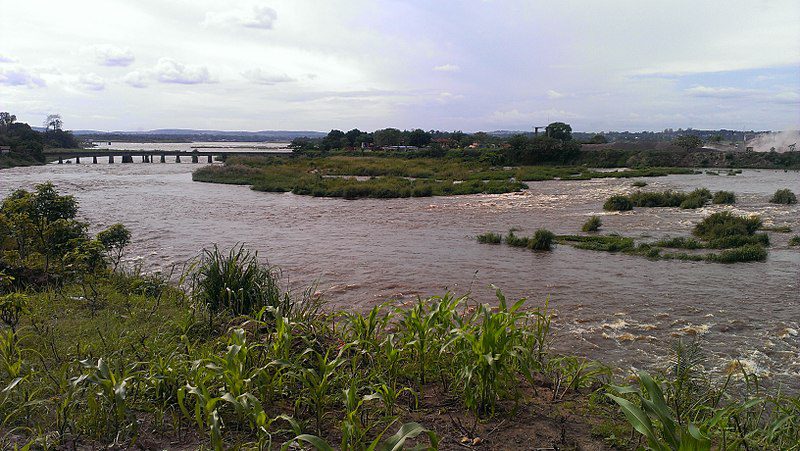
The Democratic Republic of the Congo (DRC) has a population of 85 million. Of this number, only 9 percent have access to electricity. Decades of corruption and war are two reasons for poor electricity access and economic development in the Central African country. More than 95 percent of the total electricity comes from 2,542 MW (megawatts) of hydroelectric power. However, a potential capacity of up to 100,000 MW of hydroelectric power is in reach thanks to the Congo River. Investors were once disinterested in updating the Inga Dams located on the river. However, some are finally attempting to make use of the DRC’s massive hydroelectric potential. British firm Bboxx and Power Africa, an initiative that USAID launched, are working to expand the DRC’s energy sector to reach millions of Congolese.

The Massive Hydroelectric Power Potential of the Congo River

The rapids and many waterfalls provide the potential for expanding the Congo River’s hydroelectric power. About two million cubic feet of water flows from the river into the Atlantic Ocean every second during rainy seasons. This makes the river’s hydroelectric power a viable option to expand the lagging energy sector. Construction on the Inga I and Inga II dams on the Congo River finished in 1972 and 1982, respectively.

Construction on Inga III, however, has halted. Inga III’s establishment could help power 40 percent of Africa. Its hydroelectric power would equate to at least 40,000 MW, with some estimating more than 100,000 MW. The Grand Inga is the name of this $14 billion project. It has had a long history of delays due to foreign investors dropping out of the project for various reasons such as a lack of transparency from former DRC President Laurent-Désiré Kabila. If the development of the Grand Inga completed, the DRC could export power as well. The country could then become a major energy exporter in Sub-Saharan Africa.

Completed Projects in the DRC

Zongo 2 is a hydroelectric plant on the Insiki River that feeds into the Congo River. Chinese company Sinohydro completed the dam in 2018 with the help of assistance through the Howard G. Buffet Foundation. It has a capacity of generating 150 MW and will generate $47 million of income annually. Currently, the DRC’s energy sector uses only about 2,500 MW of hydropower. However, projects such as Zongo 2 have proved that hydropower could benefit the country and surrounding countries in need of power. Zongo 2 might seem to be a small-scale project compared to the Inga III project. However, 150 MW could power more than 100,000 households.

Power Africa is an initiative to provide more than 30,000 MW of clean energy to 60 million homes and businesses. As part of its goal, Power Africa teamed with power company Virunga Sarl to expand hydropower facilities in the DRC. The Virunga region has eight potential hydropower sites. Two of these, the 13.8 MW Matebe and the .38 MW Mtwanga, are operational and located in North Kivu. The Mtwanga plant supports more than 400 jobs in the region. As of 2017, more than 4,000 customers were under Virunga Sarl’s grid. This included small- and medium-sized businesses, homes and social infrastructure. Virunga Sarl is also expanding to the Nyirigonga district of Goma, which has about 20,000 households without power.

The Potential of Congo’s Power Sector

In January 2020, British firm Bboxx signed a memorandum of understanding to bring clean energy to more than 10 million Congolese by 2024. Bboxx has already provided power to more than 200,000 households in the country. Power has transformed lives, granting access to services that were previously unreachable, such as health care and schooling. President Félix Tshisekedi said that his goal is to use “decentralized and renewable energy solutions as a foundation to improve the country’s electrification rate from 9 percent to 30 percent during my presidency.” For perspective, the length of the presidency in the DRC is five years, and Tshisekedi first took office in January 2019. The DRC’s energy sector is growing slowly, but the president’s massive goal could increase growth in the near future.

– Lucas Schmidt
Photo: Wikimedia Commons

May 15, 2020
https://borgenproject.org/wp-content/uploads/borgen-project-logo.svg 0 0 Jennifer Philipp https://borgenproject.org/wp-content/uploads/borgen-project-logo.svg Jennifer Philipp2020-05-15 01:31:022020-05-11 15:13:35The Rise of the DRC’s Energy Sector
Global Poverty, Humanitarian Aid, USAID

USAID’s Humanitarian Work in Haiti

USAID’s Humanitarian Work For Haiti
Haiti has been through many economic and political turmoils. Haiti has also faced many natural disasters including hurricanes and earthquakes. The U.S. Agency for International Development (USAID) has been at the forefront of providing aid to help the country continue its development. Here is some information about USAID’s humanitarian work in Haiti.

Economic Development

Haiti has been experiencing many economic challenges, including big and small businesses not getting the tools that they need to flourish, such as training and development guidance. Meanwhile, around 40 percent of Haitians do not have employment. Additionally, farmers are not producing at their fullest potential or selling their products well. Haitians are often living on less than $1.25 a day with the majority of the population relying on family farming for work. However, the growing population, droughts, flooding and lack of access to education and training have affected agriculture.

USAID’s humanitarian work in Haiti has been focusing on helping farmers. USAID’s aim has been to create better incomes by granting increased access to education and training, new and improved technology and an open segway to trade and a fair marketplace. Moreover, USAID has made three key contributions. The first contribution had to do with fostering and maintaining food security. USAID directly trained farmers on new and improved farming practices and techniques. In addition, it also trained the farmers on energy and resource conservations. The second contribution involved connecting the farmers with businesses inside and outside of Haiti to sell their products. The last contribution comprised of creating and maintaining partnerships with corporations, local businesses, government and nonprofit organizations.

The Environment

Haiti is experiencing many environmental issues including deforestation, overfishing, insufficient weather information and lack of support from the government on the issues. USAID is helping by working with communities to set up the working agenda and follow through with set working priorities. It is also providing support during a time of change. In addition, USAID is promoting novel techniques for farming and reforestation. Through its work, USAID reached an agreement to plant more trees to regenerate forests. The agreement also covered boosting cocoa production that resulted in $5.2 million in revenue.

Furthermore, USAID’s work on marine life encompasses the Caribbean Marine Biodiversity Program with a pact of Three Bays National Marine Protected Area and the National Conservation Trust Fund. The Program created an agreement with local fishermen to conserve the environment with provided training. At the same time, USAID hired staff to look over the protected areas.

Finally, USAID has implemented the Climate Smart Solutions program. USAID sets up weather stations for researchers, agriculturalists and environmentalists. This way USAID can monitor the weather and collect accurate data. Additionally, the collected data can help farmers monitor rainfalls and climate change. As a result, the farmers can customize their farming according to their current temperatures.

Health

Haiti’s health system faces many challenges, including that it has a weak health care delivery system in that more than 40 percent of the Haitian population has no access to health care. There is also a lack of qualified health care professionals. As a result, USAID has been working to secure a functional health care delivery system by implementing the U.S. President’s Emergency Program for AIDs Relief (PEPFAR) to address HIV treatment and prevention, maternal and child health and nutrition and reproductive health outside of PEPFAR.

Part of USAID’s care plan involved setting up 164 primary care centers around Haiti to carry out all the necessary care services. USAID’s WASH program collaborates with the Haitian Water and Sanitation Department. The two organizations provide clean water and sanitation to prevent transmitted diseases such as cholera. Hundreds of thousands of children and women are receiving the necessary nutrition that they need. Over 200,000 HIV patients are obtaining testing, prevention and counseling services. Moreover, USAID has allowed the staffing of over 1,400 workers at the 164 health care facilities. As a result, the number of maternal and child deaths have reduced.

Education

Haiti has low school enrollment, poor literacy rates, a lack of government support and limited qualified teachers in the education system. USAID has been involved in upgrading the Haitian education system. USAID invests in reading and teaching programs and helping students with visual impairments to learn. The early-grade reading and writing program trains young children to read and write in Haitian and French. Furthermore, the teaching program trains teachers with new and innovative materials and techniques. USAID has successfully provided thousands of teachers and children with training on children’s reading development. It has supplied teaching and learning materials, including books and other published materials. In addition, USAID enhanced services at the Ministry of Education. USAID also helped schools bounce back from Hurricane Matthew by purchasing furniture for schools and paying for cleaning services.

Other USAID Humanitarian Work

With the political unrest in Haiti, USAID committed to eradicating hunger in the country. USAID has provided the United Nations World Food Programme (WFP) with $1 million. The funding will go towards transporting emergency supplies to war-torn regions, maintaining WFP’s operations, information management and supply storage. USAID is working with WFP to give out a total of 4.4 metric tons of food to the people of Haiti. Thus far, USAID has funded a total of $20 million for food emergencies and activities to upgrade the quality of life. For example, USAID funded activities that promote healthy eating and general assistance of water, sanitation, personal hygiene and shelter.

USAID’s humanitarian work in Haiti is particularly notable since the country has suffered heavily from natural disasters and their socio-economic impact. Additionally, USAID has been trying to address the root cause of issues such as health care reforms and food security. It is encouraging to see that the U.S. has been continually helping to improve lives around the world through the work and accomplishments of USAID.

– Hung Le
Photo: Flickr

April 14, 2020
https://borgenproject.org/wp-content/uploads/borgen-project-logo.svg 0 0 Lynsey Alexander https://borgenproject.org/wp-content/uploads/borgen-project-logo.svg Lynsey Alexander2020-04-14 13:48:442024-05-29 23:15:45USAID’s Humanitarian Work in Haiti
Education, Foreign Aid, Global Poverty, USAID

5 Foreign Aid Projects in Vietnam

Foreign Aid in Vietnam
Vietnam’s economy has grown remarkably over the last two decades. However, this growth would not have been possible without foreign aid to Vietnam. USAID’s work in supporting Vietnam’s economic growth and development is an excellent example of foreign aid at work. Here are five exceptional foreign aid projects in Vietnam that foster hope for positive results around the world.

5 Foreign Aid Projects in Vietnam

  1. Economy Foreign Aid Projects: USAID collaborates with Vietnam’s legal and regulatory affairs to expand foreign investment and economic growth. It works with the nation’s government and private sectors to move Vietnam into an internationally regulated and globalized market economy. For instance, USAID works to promote transparency in the governance of trade. The USAID Trade Facilitation Program intends to facilitate trade and communication between national and local customs officials. Lastly, USAID Linkages for Small and Medium Enterprises (LinkSME) facilitates relationships and streamline trading processes between buyers (SMEs) and suppliers. LinkSME ensures the presence of key policies and regulations in place to carry out business transactions and trade.
  2. Education Foreign Aid Projects: Through USAID, the Building University-Industry Learning and Development through Innovation and Technology (BUILD-IT) Alliance and the Improving Access, Curriculum and Teaching In Medical Education and Emerging Diseases (IMPACT-MED) Alliance gather up efforts and resources from Vietnam and partner governments as well as leaders and educators in the field to enhance education on medicine, technology and engineering. The ongoing reform efforts aim for better instructional and educational experiences with modern technology and maintaining accreditation standards. Additionally, they strive for more intense faculty training, contemporary curriculum designs and positive relationships with academic partners. The outcomes from such reform efforts produce graduates with the preparation to join the workforce and maintain the high standards of the fields.
  3. Environment Foreign Aid Projects: There are many foreign aid programs and activities that USAID coordinated that help address climate change in Vietnam such as the Vietnam Low Emission Energy Program (V-LEEP), the Vietnam Forests and Deltas Program (VFD), the USAID Green Annamites Project and the Climate Resilient and Sustainable Urban Development Program. V-LEEP works to promote and sustain efficiency in renewable energy generation and usage as well as monetary investment into the work. The VFD helps to minimize deforestation in a joint effort with the Ministry of Agriculture and Rural Development. The USAID Green Annamites Project supports land use in an eco-friendly fashion, conserves biodiversity and helps struggling communities bounce back from hardships in the Quang Tri and Thua Thien Hue provinces. The Climate Resilient and Sustainable Urban Development Program work with the Asian Development Bank to support Vietnam’s urban development by participating in policy making and setting operation guidelines.
  4. Global Health Foreign Aid Projects: Public health concerns such as HIV, tuberculosis and influenza can have negative impacts on Vietnam’s economy. Through USAID, the President’s Emergency Plan for AIDS Relief (PEPFAR) organizes events and treatment for patients. USAID also funds the Vietnamese government and provides technical support to health organizations across the country to address avian and other influenzas, as well as overlooked tropical diseases and pandemics. Vietnam has made accomplishments with a nationwide methadone distribution program that reached 50,000 patients, resulting in a reduction of avian-influenza cases from 2000 to less than 50 cases in just six years (2005-2011) while containing the potential pandemic.
  5. Disabled People Foreign Aid Projects: USAID has supported more than 30,000 persons with disabilities for more than 30 years with more than $125 million in U.S. government aid. USAID works to establish disability laws and regulations at the national level as well as the local level. The International Convention on the Rights of Persons with Disabilities is one example of USAID’s contributing efforts. USAID also supports eight disability projects that focus on rehabilitation and disability awareness as well as policies and regulations. Lastly, USAID also supports local disability awareness organizations.

USAID development projects foster hope around the globe. Like in Vietnam, these projects convey the message that foreign aids are constantly working toward positive change for many.

– Hung M Le
Photo: USAID

March 21, 2020
https://borgenproject.org/wp-content/uploads/borgen-project-logo.svg 0 0 Lynsey Alexander https://borgenproject.org/wp-content/uploads/borgen-project-logo.svg Lynsey Alexander2020-03-21 15:30:202024-05-29 23:15:315 Foreign Aid Projects in Vietnam
Page 14 of 33«‹1213141516›»

Get Smarter

  • Global Poverty 101
  • Global Poverty… The Good News
  • Global Poverty & U.S. Jobs
  • Global Poverty and National Security
  • Innovative Solutions to Poverty
  • Global Poverty & Aid FAQ’s
Search Search

Take Action

  • Call Congress
  • Email Congress
  • Donate
  • 30 Ways to Help
  • Volunteer Ops
  • Internships
  • Courses & Certificates
  • The Podcast
Borgen Project

“The Borgen Project is an incredible nonprofit organization that is addressing poverty and hunger and working towards ending them.”

-The Huffington Post

Inside The Borgen Project

  • Contact
  • About
  • Financials
  • President
  • Board of Directors
  • Board of Advisors

International Links

  • UK Email Parliament
  • UK Donate
  • Canada Email Parliament

Get Smarter

  • Global Poverty 101
  • Global Poverty… The Good News
  • Global Poverty & U.S. Jobs
  • Global Poverty and National Security
  • Innovative Solutions to Poverty
  • Global Poverty & Aid FAQ’s

Ways to Help

  • Call Congress
  • Email Congress
  • Donate
  • 30 Ways to Help
  • Volunteer Ops
  • Internships
  • Courses & Certificates
  • The Podcast
Scroll to top Scroll to top Scroll to top