• Link to X
  • Link to Facebook
  • Link to Instagram
  • Link to TikTok
  • Link to Youtube
  • About
    • About Us
      • President
      • Board of Directors
      • Board of Advisors
      • Financials
      • Our Methodology
      • Success Tracker
      • Contact
  • Act Now
    • 30 Ways to Help
      • Email Congress
      • Call Congress
      • Volunteer
      • Courses & Certificates
      • Be a Donor
    • Internships
      • In-Office Internships
      • Remote Internships
    • Legislation
      • Politics 101
  • The Blog
  • The Podcast
  • Magazine
  • Donate
  • Click to open the search input field Click to open the search input field Search
  • Menu Menu

Archive for category: Sustainable Development Goals

Education, Global Poverty, Government, Sustainable Development Goals

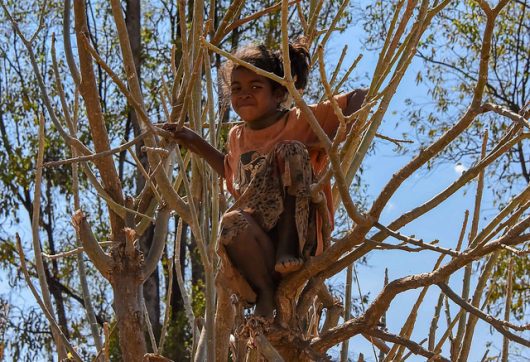
A Look at Education in Guyana

Read more
October 27, 2017
https://borgenproject.org/wp-content/uploads/borgen-project-logo.svg 0 0 Kim Thelwell https://borgenproject.org/wp-content/uploads/borgen-project-logo.svg Kim Thelwell2017-10-27 07:30:402025-11-13 16:17:48A Look at Education in Guyana
Global Poverty, Sustainable Development Goals

Taiwan’s Sustainable Development Shows Progress

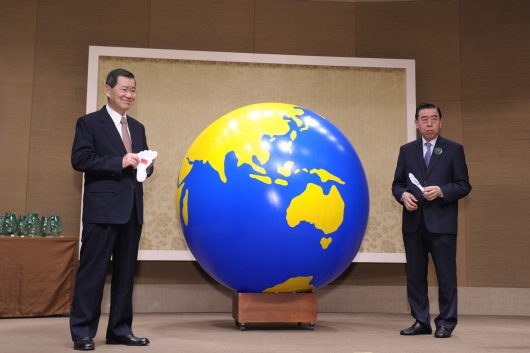
sustainable developmentOn September 15, Taiwan released its first Voluntary National Review at a forum meeting in New York. Taiwan has been working toward meeting the United Nations Sustainable Development Goals despite it not being a U.N. member.
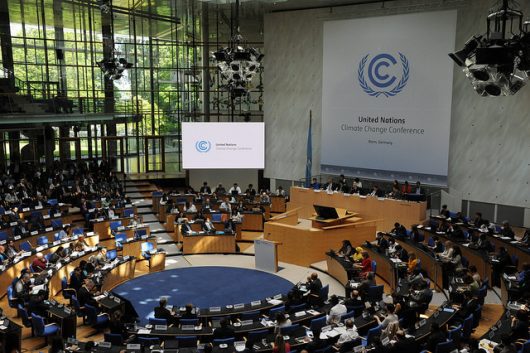
The government of Taiwan has been actively establishing partnerships in agriculture, public health, education, environmentalism and information and communications technology. These partnerships have allowed Taiwan to advance its development in the areas of poverty, education, hunger, health and gender equality.

Additionally, Taiwan has an active recycling system, which has been introduced in Romania, where it is also being implemented. This system allows for the recycling of polyethylene terephthalate water bottles, benefitting the environment and communities of Taiwan.

Taiwan’s sustainable development efforts have also been working toward eliminating other harmful toxins found in items such as cosmetics. Beginning in January 2018, the nation will be prohibiting the production of cosmetics that contain small plastic particles, and fewer stores will be allowed to offer free plastic bags to customers.

The nation has already been seeing the positive effects of its environmentalist efforts. According to the Greenhouse Gas Reduction and Management Act, Taiwan’s carbon dioxide emissions are expected to reduce by half of the 2005 volume by 2050. The efforts being made by the Taiwanese government are benefiting the nation’s most vulnerable. By tackling climate change and other environmental issues, Taiwan is protecting its citizens who live off the land.

Additionally, Taiwan is seeking improvements in its healthcare, universal education and women’s political participation, which will provide more resources for the nation’s poor and historically subjugated groups. Working alongside a number of other countries, Taiwan has been successfully fighting diseases including Zika, Ebola and Middle East Respiratory Syndrome.

If Taiwan’s sustainable development continues to improve, the nation will see an increase in health, educational and employment opportunities and a decrease in poverty and the gender gap, which will put Taiwan on par with major developed countries.

– Kassidy Tarala

Photo: Flickr

October 15, 2017
https://borgenproject.org/wp-content/uploads/borgen-project-logo.svg 0 0 Kim Thelwell https://borgenproject.org/wp-content/uploads/borgen-project-logo.svg Kim Thelwell2017-10-15 01:30:462024-05-25 00:19:07Taiwan’s Sustainable Development Shows Progress
Global Poverty, Sustainable Development Goals

Positive Effects: Sustainable Development Policy in Monaco

Sustainable Development Policy in Monaco

The principality of Monaco borders France on the Mediterranean Sea and draws tourists because of its casino and pleasant climate. It is 0.8 square miles and is the most densely populated country in the world and the second smallest after Vatican City. Immigrants comprise 55 percent of the total population. Tourism, banking, consumer products and much more are vital to the economy as it welcomes wealthy vacationers and residents. With the influx of people, Monaco wants to ensure economic sustainability and high quality of life while continuing to attract investors.

While Monaco is a well-established country, some of its current concerns include “managing industrial growth and tourism, environmental concerns and maintaining the quality of life.” To combat these issues, the government has created a sustainable development policy in Monaco. The plan includes reducing greenhouse gases and the effects of climate change, creating soft mobility in the city and providing aid to impoverished countries.

During the 2015 United Nations Climate Conference, Monaco announced its target of reducing greenhouse gases by 50 percent by 2030, which is about 20 percent more than the figure announced at the 2009 conference. This sustainable development policy in Monaco works together with the principality’s soft mobility initiative to “reduce traffic in the neighborhoods…whilst maintaining the development of business activity, in a space shared by all.” Monaco is also working to improve the service of city transportation and provide price incentives for drivers, buses and public parking.

The initiative of mobility is not the only aspect of the sustainable development policy in Monaco. They have also developed five flagship programs, some of which include fighting against sickle-cell disease, supporting vulnerable and street children and controlling pandemics such as malaria and HIV/AIDS. These programs are a part of the overall sustainable development policy in Monaco and support “more than 130 projects in 12 countries, primarily least developed countries (Madagascar, Mali, Burkina Faso, Niger, Mauritania, Senegal et Burundi).”

There have been great strides in moving forward with the sustainable development policy in Monaco, not just to improve their citizens’ quality of life, but the lives of children, women, the disabled, refugees and other vulnerable groups. This policy can be of benefit to millions in developing countries and a model for other nations.

– Jennifer Lightle

Photo: Flickr

October 13, 2017
https://borgenproject.org/wp-content/uploads/borgen-project-logo.svg 0 0 Borgen Project https://borgenproject.org/wp-content/uploads/borgen-project-logo.svg Borgen Project2017-10-13 01:30:192024-05-28 00:15:05Positive Effects: Sustainable Development Policy in Monaco
Global Poverty, Health, Sustainable Development Goals

Gates Foundation Report: Optimism in the Fight Against Poverty

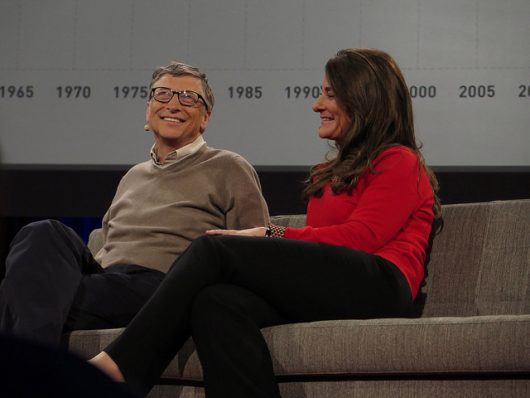
Gates Foundation ReportThe recently published Bill and Melinda Gates Foundation report entitled ‘Goalkeepers: The Story Behind the Data’ seeks to highlight the progress made by public health workers and governments around the world in the fight against poverty and infectious diseases. The Foundation plans on publishing a Goalkeepers report every year until 2030. Their main objective is to demonstrate that investments in the fight against global poverty truly do have an impact, thus fighting skepticism of foreign aid. This year’s report puts the progress in this area in perspective; contrary to what seems to be a prevailing pessimism about the state of the world, the 2017 Goalkeepers report clearly demonstrates that the “world is better now than 25 years ago”.
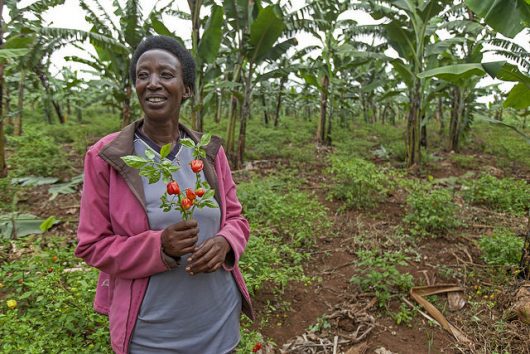
The report uses 18 data points from the U.N.’s Sustainable Development Goals, signed in 2015 by world leaders, that are particularly relevant to health and well-being, such as infant mortality and vaccination. Although improvement is stagnating, a majority of the indices show great improvement in the last two decades. Since 1990, more than 100 million lives of children five years or younger have been saved. The rate of infant mortality per 1,000 has dropped from 85 to 38. Maternal deaths have fallen from 275 per 100,000 live births to 179 in 2016.

The report shows that the world is better now than 25 years ago for a large portion of its most vulnerable members. Under the World Bank definition of poverty (living under $1.90 a day), the global poverty rate has decreased from 35 percent in 1990 to 9 percent in 2016.

In terms of health and the fight against infectious disease, the report also emphatically demonstrates how the world is better now than 25 years ago. HIV, for example, has had a remarkable decline in the past two decades, from 0.6 deaths per 1,000 people to 0.25 in 2016. Smoking rates have also significantly improved around the world. In 1990, 22 percent of people 10 years or older smoked; today, that number has dropped to 16 percent. The most impressive improvement is in widespread vaccination, which the report claims is “one of the most impressive public health stories in global health”. 89 percent of target populations have been covered by the eight major vaccines, compared to 73 percent in 1990.

The Sustainable Development Goals have a 2030 deadline, which is why the Gates Foundation report will be released every year until then. Although the numbers demonstrate that the world is better now than 25 years ago, Bill Gates has expressed some concern over a decline and stagnation in funds directed towards foreign aid and global health, especially in the fight against HIV. The remarkable feat of progress achieved so far by the international community at large should serve as an impetus for continued and increased funding, something the Gates Foundation intends to push for.

– Alan Garcia-Ramos

Photo: Flickr

October 5, 2017
https://borgenproject.org/wp-content/uploads/borgen-project-logo.svg 0 0 Kim Thelwell https://borgenproject.org/wp-content/uploads/borgen-project-logo.svg Kim Thelwell2017-10-05 01:30:102024-06-04 01:08:24Gates Foundation Report: Optimism in the Fight Against Poverty
Global Poverty, Nonprofit Organizations and NGOs, Sustainable Development Goals

Positive Planet: Lending to the Greater Good

Positive PlanetAccording to the World Bank, more than 2.5 billion people do not have a bank account and many of those people make up the world’s poor. So, it should not be surprising that just within the past decade, microfinance has become an increasingly popular form of business in many countries. Microfinance, or micro-lending, essentially refers to lending small amounts to individuals who do not have access to typical financial institutions.
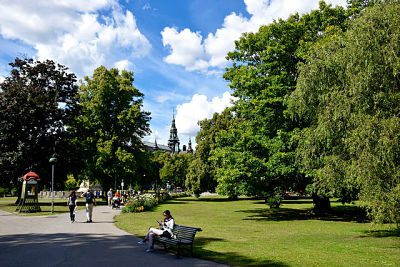
Because this service goes to low-income individuals, it is popular among many nonprofits and private businesses to help people start enterprises around the world. Many microfinance institutions lend to women, young people and others who have been historically kept out of finance.

One organization, in particular, strives to alleviate poverty by empowering marginalized populations.

Since its founding in 1988, Positive Planet has set out to provide microloans to women who want to start their own businesses. The nonprofit aims to provide the chance to start a viable, sustainable business to women without resources. The organization also follows some of the intuition behind the Sustainable Development Goals, especially the goals of gender equality, decent work and economic growth.

The organization, based in France, manages projects through different locations that provide assistance to people in different countries. Positive Planet’s reach extends all over the world to 35 countries. Its projects span from helping refugee businesses in the Middle East to inspiring young people in West Africa.

Since its beginning, the organization has touched more than 40,000 people through nearly 40 projects. Just one of these projects helps microfinance groups provide women with financial education. The project aimed to help further develop the infrastructure in place for microfinance in China and also support women’s finance training. Through a partnership with Diageo and the Huimin Microcredit Company, the project was able to directly impact more than 7,000 people.

Another project assisted low-income women in Brazil with entering the labor market and learning the basics of entrepreneurship. The program attempted to benefit vulnerable women through individual support. By partnering with Gerando Vida, a local NGO, the program was able to directly impact the women and their families.

By helping vulnerable women around the world, this organization takes a staunch position against global poverty. This organization and its results demonstrate the importance of empowering women entrepreneurs.

– Selasi Amoani

Photo: Flickr

October 4, 2017
https://borgenproject.org/wp-content/uploads/borgen-project-logo.svg 0 0 Kim Thelwell https://borgenproject.org/wp-content/uploads/borgen-project-logo.svg Kim Thelwell2017-10-04 07:30:042024-05-29 22:27:10Positive Planet: Lending to the Greater Good
Global Poverty, Politics, Sustainable Development Goals

Progress Thus Far on the Sustainable Development Goals of 2030

Sustainable Development Goals of 2030
When it comes to reaching the Sustainable Development Goals of 2030 that would eradicate extreme global poverty, rich countries are lagging behind.

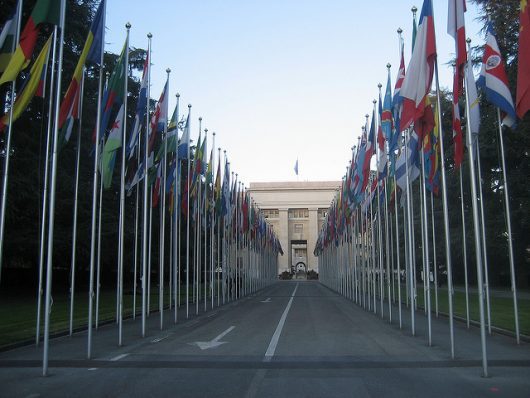
Scandinavian countries are leading the way among 157 nations ranked by the Sustainable Development Solutions Network (SDSN). The United States is ranked 42 in the list while Russia was ranked 62 and China 71. The Bertelsmann Foundation, which looks at global challenges to recommend solutions for pressing political, economic and social issues, says that the most developed countries need to speed up to complete their end on the Sustainable Development Goals of 2030.

“A rising ‘my country first’ approach by many heads of government threatens the realization of the SDGs,” according to the SDSN. As reported by Reuters, the countries that are most on track with meeting the Sustainable Development Goals of 2030 are Sweden, Denmark, Finland and Norway.

“Leaders at the G20 summit in Hamburg must strengthen the commitment towards these historic global goals,” reads the headline posted by the Bertelsmann Foundation. It released a story on countries not in line with meeting their Sustainable Development Goals right before the G20 Summit in Germany. The foundation’s goal is to have this dilemma addressed by the major world leaders at the G20 Summit.

The problem is that the Sustainable Development Goals of 2030 are just goals that aren’t mandatory. Therefore, countries may not have this as a priority, or might not even plan on fulfilling them at all. This is why it is so important to lobby policymakers and contact representatives to let them know where about important issues such as these.

– Vicente Vera

Photo: Flickr

July 24, 2017
https://borgenproject.org/wp-content/uploads/borgen-project-logo.svg 0 0 Borgen Project https://borgenproject.org/wp-content/uploads/borgen-project-logo.svg Borgen Project2017-07-24 01:30:212024-05-28 00:03:09Progress Thus Far on the Sustainable Development Goals of 2030
Aid, Global Poverty, Sustainable Development Goals, United Nations

What Is Smallholder Market Support?

Smallholder Market Support
What is smallholder market support? Through the continued and increased bolstering of small-scale producers, it may be the best way to achieve Zero Hunger.

The Zero Hunger Challenge, launched in 2012, combines all five elements of the United Nations Sustainable Development Goals (SDGs) in an effort to “end hunger, eliminate all forms of malnutrition, and build inclusive and sustainable food systems.”

One of the U.N.’s SDGs is to bring an end to rural poverty by increasing the incomes of small-scale producers and thus increasing their productivity. The success of small-scale farmers is essential to the success of the Zero Hunger Challenge and feeding the growing population. Increasing smallholders’ productivity starts with improving their livelihoods, and this is where smallholder market support comes in.

Smallholder farmers make up the majority of the world’s impoverished people, despite the fact they produce most of the world’s food. Smallholder farmers face many challenges that hinder their capacities. These challenges include a lack of post-harvest management, suitable storage and productive markets or financing. This is not to mention the challenge farmers face in producing enough to make it through the season and generating a small surplus, a goal not easily achieved.

The World Food Programme has developed innovative solutions that has aided two million smallholder farmers in 60 countries in their agricultural development. Two of the most profound solutions include Purchase for Progress (P4P) and Home-Grown School Feeding.

P4P aids in connecting smallholders to larger markets and, in turn, widening their range of crops and broadening business opportunities. Home-Grown School Feeding links domestic smallholders with national schools to supplement their meal systems. Both of these programs, among many other effective agendas implemented, utilize private-sector and government systems to support smallholders.

These efforts are not only humane and ethical–they are sustainable. The question remains for many: what is smallholder market support and why should it be encouraged and funded? Smallholder market support has the long-term ability to turn current recipients of agricultural assistance into our future global food producers. Smallholder market support can eliminate world hunger within our lifetimes.

– Catherine Fredette

Photo: Flickr

July 13, 2017
https://borgenproject.org/wp-content/uploads/borgen-project-logo.svg 0 0 Borgen Project https://borgenproject.org/wp-content/uploads/borgen-project-logo.svg Borgen Project2017-07-13 07:30:142024-05-28 00:02:54What Is Smallholder Market Support?
Developing Countries, Global Poverty, Slums, Sustainable Development Goals

Poor Living Conditions for Those Who Live in Slums

Live in Slums
Between 2000 and 2014, the percentage of the urban population in developing countries who lived in slums decreased from 39 percent to 30 percent.  While these statistics are encouraging, the bottom line is that the number of people living in slums continues to grow. Globally, 828 million people live in slums today. This fact means that one in eight people in the world suffers from poor living conditions.

A slum, as defined by United Nations Habitat, is a household that may suffer one or more of the following conditions: lack of access to water protected from outside contamination, lack of access to sanitation facilities that separate human waste from human contact and lack of adequate living area (more than three people living in one room of four square meters minimum).  These conditions also include a lack of housing durability (the structure must be on non-hazardous land and must be able to withstand extremes in climate) and a lack of security of tenure (protection by the state to ensure the unlawful eviction of inhabitants of homes).

For the first time in history, more than half of the world’s population lives in cities. However, urban areas only account for three percent of the earth’s land. Over 90 percent of urban growth is occurring in developing nations. The increase of people living in cities can predictably rise to 60 percent in 2030 and to 66 percent by 2050.

There are approximately 200,000 slums throughout the world. Mexico City is the home to the largest slum in the world. The Neza-chalco-Itza province began developing in the early 1900s and today houses roughly four million people. A younger slum in Karachi, Pakistan is only ten years old and houses 1.5 million citizens over 22 square miles.

Some other large slums include Mumbai, India, where Dharavi houses one million people in one square mile. The slum of Khayelitsha began after abolishing apartheid in South Africa and grew since the 1980s to 2.4 million people. Fifty percent of its inhabitants are under 19 years old. Kibera, the second largest slum in Africa, has the highest population of more than 200 slum dwellings located in Kenya’s capital city of Nairobi. 2.5 million people dispersed amongst these 200 slum dwellings represent only six percent of the land in the city. Kibera houses 250,000 of these people.

Urbanization is a key focus under the United Nation’s Sustainability Development Goals. The eleventh goal on this list is to make cities and human settlements more inclusive, safe, resilient and sustainable. The task of establishing anti-poverty measures and reducing global poverty can improve the urban areas where the slums reside. When the poor no longer have to live in slums, their quality of life will improve.

– Jene Cates

Photo: Flickr

July 6, 2017
https://borgenproject.org/wp-content/uploads/borgen-project-logo.svg 0 0 Borgen Project https://borgenproject.org/wp-content/uploads/borgen-project-logo.svg Borgen Project2017-07-06 07:30:182024-12-13 17:58:18Poor Living Conditions for Those Who Live in Slums
Developing Countries, Global Poverty, Sustainable Development Goals, United Nations

What Are Sustainable Development Goals?


The Sustainable Development Goals (SDGs), also known as “Transforming Our World”, are part of a U.N. initiative adopted in September 2015. The SDGs are designed to build on the Millennium Development Goals.

As former U.N. Development Program (UNDP) administrator Helen Clark explained, the goals “provide us with a common plan and agenda to tackle some of the pressing challenges facing our world such as poverty, climate change and conflict.” The 2030 Agenda for the Sustainable Development Goals includes 17 global goals, which are as follows.

17 Sustainable Development Goals

  1. No Poverty: An end to global poverty means ensuring a sustainable livelihood for all people.
  2. Zero Hunger: Work to achieve food security, improved nutrition, and the promotion of sustainable agriculture.
  3. Good Health and Wellbeing: Ensure healthy lives and promote wellbeing through universal health coverage, production of safe and affordable medicines and vaccines and funding for research and development.
  4. Quality Education: Ensure that all boys and girls get free primary and secondary education and access to affordable vocational training, without experiencing gender and wealth biases.
  5. Gender Equality: Gender equality and female empowerment is a human right, as well as a necessity for sustainable development.
  6. Clean Water and Sanitation: Universal access to safe and affordable water requires investment by the international community in infrastructure and sanitation facilities, and taking steps to protect and restore forests, mountains, wetlands, and rivers.
  7. Affordable and Clean Energy: Critical to the achievement of many other SDGs, investing in infrastructure and technology to provide clean energy will also cause economic growth in developing countries.
  8. Decent Work and Economic Growth: Promoting inclusive and sustainable economic growth and employment for all people.
  9. Industry, Innovation, and Infrastructure: Industrialization creates jobs and generates income, reducing poverty and increasing living standards for all people. Technological innovation encourages development and provides new jobs.
  10. Reduced Inequalities: Reducing income inequality, as well as inequalities based on race, sex, age, and other statuses, requires improvement in policies and regulations, promoting economic inclusion.
  11. Sustainable Cities and Communities: Most of those who are living in extreme poverty reside in cities. Achieving sustainable development in cities requires providing access to affordable housing, investing in public transportation, and improving urban planning.
  12. Responsible Consumption and Production: Countries must change the way they produce and consume goods, minimizing the toxic materials used and waste generated in the production and consumption processes.
  13. Climate Action: Climate change affects every country. The international community is working together to develop sustainable low-carbon pathways to the future, and mobilizing $100 billion annually, by 2020, to meet the needs of developing countries.
  14. Life Below Water: Marine pollution has reached critical levels – every square kilometer of the ocean has an average of 13,000 pieces of plastic litter. Sustainable management and protection of marine and coastal ecosystems from pollution and the impact of ocean acidification is extremely important.
  15. Life On Land: Forests make up 30 percent of the Earth’s surface. They provide habitats for millions of animal, insect, and plant species, and are sources for clean air and water. The goal is to conserve and restore forests, wetlands, drylands and mountains by 2020.
  16. Peace, Justice, and Strong Institutions: Promote peaceful and inclusive societies for sustainable development, provide access to justice for all, and build effective, accountable, and inclusive institutions at all levels.
  17. Partnerships for the Goals: Strengthen the means of implementation, and revitalize the global partnership for sustainable development.

These 17 SDGs are bold and will require continued strong leadership to achieve. Many countries succeeded in achieving their Millennium Development Goals, so while there is a difficult road ahead it is not an impossible task to create a more prosperous and sustainable world for all.

– Mary Barringer

Photo: Flickr

June 5, 2017
https://borgenproject.org/wp-content/uploads/borgen-project-logo.svg 0 0 Borgen Project https://borgenproject.org/wp-content/uploads/borgen-project-logo.svg Borgen Project2017-06-05 07:30:512020-04-19 17:01:22What Are Sustainable Development Goals?
Global Poverty, Sustainable Development Goals, United Nations

UN Secretary-General Calls for a System Overhaul to Achieve the SDGs


In her first official statement as U.N. Deputy Secretary-General, Amina Mohammed called for a new approach to achieving the Sustainable Development Goals (SDGs). She gave her speech to the U.N. Economic and Social Council (ECOSOC) operational activities segment, which met between February 28 and March 2, 2017.

Participants at this year’s ECOSOC meeting discussed increasing coordination, accountability and transparency in the U.N.’s approach to the SDGs. In her address, Mohammed stated that to achieve the SDGs would require all countries to “redefine traditional planning, delivery and monitoring.”

Mohammed has a track record of fighting for the environment. She has held positions as the former Minister of the Environment of Nigeria, the founder of the Center for Development Policy Solutions and a professor for the Master’s in Development Practice program at Columbia University’s Earth Institute. Mohammed’s past achievements show her commitment to the SDGs. In her address she said that, “achieving the SDGs is not an option, but an imperative for a safe and secure future of prosperity, opportunity and human rights for all.” The SDGs are an investment in preventing crises from forming out of global challenges like poverty, climate change, environment and hunger.

Mohammed believes that achieving the SDGs will require the U.N. to take more initiative. While the U.N. is actively engaged in efforts to achieve the SDGs, policy and framework has expanded immensely since the creation of the Millennium Development Goals in 2000. For example, the Addis Ababa Action Agenda laid out specific guidelines for implementing the SGDs in 2015, and the Inter-agency Task Force was created in 2016 to analyze progress. Only time will tell what developments will come in the future.

– Josh Ward

Photo: Flickr

March 29, 2017
https://borgenproject.org/wp-content/uploads/borgen-project-logo.svg 0 0 Borgen Project https://borgenproject.org/wp-content/uploads/borgen-project-logo.svg Borgen Project2017-03-29 01:30:442024-12-13 17:55:58UN Secretary-General Calls for a System Overhaul to Achieve the SDGs
Page 13 of 16«‹1112131415›»

Get Smarter

  • Global Poverty 101
  • Global Poverty… The Good News
  • Global Poverty & U.S. Jobs
  • Global Poverty and National Security
  • Innovative Solutions to Poverty
  • Global Poverty & Aid FAQ’s
Search Search

Take Action

  • Call Congress
  • Email Congress
  • Donate
  • 30 Ways to Help
  • Volunteer Ops
  • Internships
  • Courses & Certificates
  • The Podcast
Borgen Project

“The Borgen Project is an incredible nonprofit organization that is addressing poverty and hunger and working towards ending them.”

-The Huffington Post

Inside The Borgen Project

  • Contact
  • About
  • Financials
  • President
  • Board of Directors
  • Board of Advisors

International Links

  • UK Email Parliament
  • UK Donate
  • Canada Email Parliament

Get Smarter

  • Global Poverty 101
  • Global Poverty… The Good News
  • Global Poverty & U.S. Jobs
  • Global Poverty and National Security
  • Innovative Solutions to Poverty
  • Global Poverty & Aid FAQ’s

Ways to Help

  • Call Congress
  • Email Congress
  • Donate
  • 30 Ways to Help
  • Volunteer Ops
  • Internships
  • Courses & Certificates
  • The Podcast
Scroll to top Scroll to top Scroll to top