• Link to X
  • Link to Facebook
  • Link to Instagram
  • Link to TikTok
  • Link to Youtube
  • About
    • About Us
      • President
      • Board of Directors
      • Board of Advisors
      • Financials
      • Our Methodology
      • Success Tracker
      • Contact
  • Act Now
    • 30 Ways to Help
      • Email Congress
      • Call Congress
      • Volunteer
      • Courses & Certificates
      • Be a Donor
    • Internships
      • In-Office Internships
      • Remote Internships
    • Legislation
      • Politics 101
  • The Blog
  • The Podcast
  • Magazine
  • Donate
  • Click to open the search input field Click to open the search input field Search
  • Menu Menu

Archive for category: Poverty Reduction

Information and stories about poverty reduction.

Global Poverty, Poverty, Poverty Reduction

15 Facts About Poverty in Afghanistan

Poverty in Afghanistan
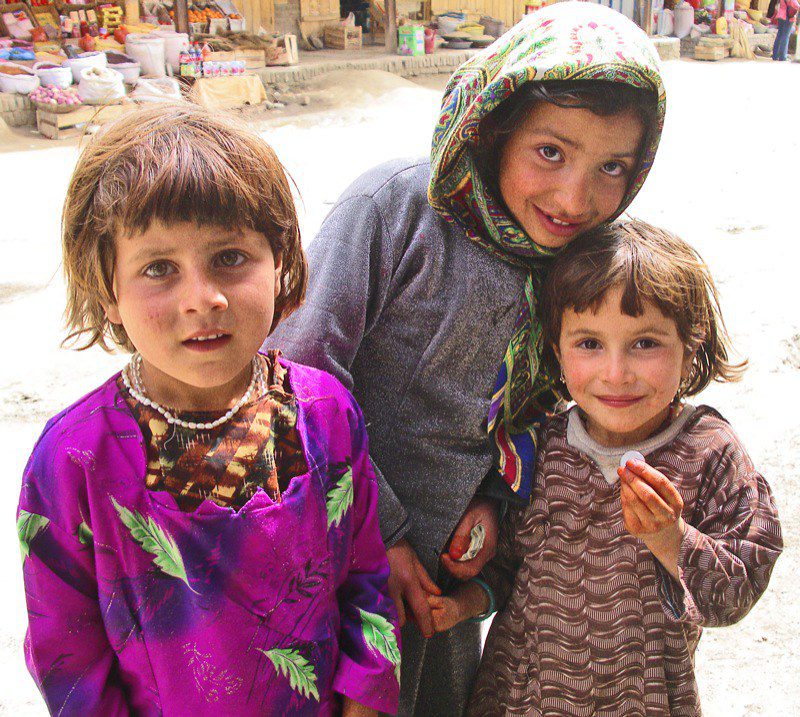
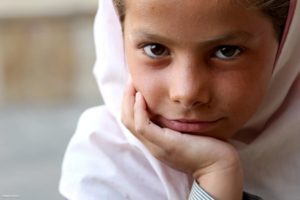
Afghanistan continues to be a major focus of U.S. foreign policy. Yet, while there are hundreds of news articles about the country’s politics, there is less information about the country’s people. Below are 15 facts about poverty in Afghanistan to provide insight into the problems Afghanistan’s poorest citizens face every day.

15 Facts About Poverty in Afghanistan

  1. About 90% of Afghans Struggle to Live on Their Current Income: Over the past decade, poverty in Afghanistan has risen to record-breaking heights. From 2008 to 2018, the number of Afghans reporting that their current income was insufficient to support their family grew from 60% to 90%. Keep this number in mind when reading the other 15 facts about poverty in Afghanistan. These facts apply to 90 percent of the country’s citizens.
  2. Well-being is at Global Record Lows: Poverty not only affects people economically or physically – there is an emotional toll as well. According to a 2018 Gallup poll, only 36% of Afghans said that they smiled or laughed the previous day. When asked to rate their lives on a scale of 0 (worst) to 10 (best), Afghan citizen responses averaged 2.7. Most recently, in 2016, Afghan citizen responses on the same question averaged 4.2.
  3. Education has Become a Luxury for Children: A 2018 U.N. report noted that more than 2 million children aged 6-14 worked to support their families. With an average of 58% of Afghan families unable to afford food, full-time work becomes a higher priority than education. In February 2019, UNICEF, the U.N. and the government of Afghanistan launched a long-term education response program projected to help half a million children in the country. The program hopes to raise an additional $35 million within the next year to help support education infrastructure and secure teachers, supplies and similar needs for schools across the entire country.
  4. Undereducated Afghan Citizens are the Most Vulnerable: Undereducated citizens suffer the most during economic downturns in Afghanistan, with an unemployment rate of 8% and underemployment (employed, but unable to cover living costs) of 41%. With the difficulty of getting an education, the cycle of poverty continues for many families.
  5. Armed Conflict is the Top Reason for Poverty: Poverty in Afghanistan has direct links to increases and decreases in Taliban control in the country. When the Taliban increased its influence in Afghanistan between 2012 and 2017, the number of citizens living in poverty increased from 38% to 55%. The World Bank believes that political settlement with the Taliban would be an important step forward to attract the return of capital and skilled workers from overseas.
  6. Youth Migration is a Problem: Since 2015, about 146,000 young Afghan workers moved to Europe per year in hopes of starting a better life. The government still struggles to keep young people in the country and implemented a 2015 initiative to help the 700,000 entrants into the Afghan workforce find jobs. However, the program was unsuccessful in generating enough funding to make an impact.
  7. Displacement: In 2018, conflict and drought displaced more than 550,000 new Afghan citizens. Between displacement and a dwindling young professional population, it is difficult for Afghanistan to keep skilled workers to further its economy.
  8. Government Corruption Fuels the Fire: The economy in Afghanistan grew only 2% in 2018. The World Bank has reported that the sluggish economy is a direct result of government corruption. This means aid to struggling areas is often delayed or never arrives and economic growth benefits only the country’s highest elite (and former warlords).
  9. Iran Affects Afghanistan’s Poverty: Approximately 2.5 to 3 million Afghans left home to pursue better economic opportunities in Iran. These migrants have been a vital part of the economy as they send their Iranian wages home to their families. Unfortunately, as the Iranian economy has crashed, so have the available wages. The rial lost approximately 70% of its value, drastically decreasing the ability of workers to support their families back home.
  10. Programs Struggle with a Lack of Information: Due to conflicts and a lack of resources, it has been 40 years since the Afghan government has been able to conduct a proper census or any similar survey of the population. This makes planning and poverty initiatives difficult, as there is no data available to support decisions on where to invest aid.
  11. Afghanistan Ran on an “Artificial” Economy: From 2011 to 2014, Afghanistan had an artificial economy, meaning that economic growth and development were wholly reliant on external foreign aid with little to no internal input. With foreign aid and troops dropping after 2014, the country has struggled to reignite its economy.
  12. Research Gives Hope: The World Bank implemented a test program in 2015 to help improve economic outcomes for poor citizens. The program provided households in the Balkh province with a temporary stipend and financial coaching. The results showed a 20% decrease in the number of households below the national poverty line, a 30% increase in consumption, a 17% decrease in depression among women and a 53% reduction in debt. The World Bank published these findings in 2019, providing the first-ever evidence of similar targeted programs for poor areas in conflict regions.
  13. Trends Predict Further Growth: Based on current trends, the World Bank believes there is hope for further economic growth in Afghanistan. The 2019 World Bank assessment of Afghanistan confirmed prospects are looking positive for Afghanistan, with a projected 2.5% growth in 2019 and up to 3.5% growth in 2021.
  14. Continued Aid is Critical: As of 2019, grants support more than 75% of Afghanistan’s public expenditures. The U.N. humanitarian workers warn that the withdrawal of aid to Afghanistan could derail the slow but steady growth the country has experienced since 2001.
  15. The 2020 Aid Package is Under Congressional Review Right Now: The Department of State and USAID have requested approximately $532.8 million in aid for the financial year 2020. At the time of writing, this request has not yet received approval.

Concluding Thoughts

There are tangible issues that fuel poverty, and these 15 facts about poverty in Afghanistan represent only a part of the complex issues the country’s economy faces. Remember that a country is more than just its politics – it comprises people. Others can help the Afghani people through various actions in order to reduce the suffering of millions of Afghan citizens.

– Melanie Rasmussen
Photo: Flickr

September 18, 2019
https://borgenproject.org/wp-content/uploads/borgen-project-logo.svg 0 0 Jennifer Philipp https://borgenproject.org/wp-content/uploads/borgen-project-logo.svg Jennifer Philipp2019-09-18 01:30:492024-05-29 23:12:5315 Facts About Poverty in Afghanistan
Charity, Developing Countries, Development, Education, Global Poverty, Poverty, Poverty Reduction

5 Ethical Fashion Brands Focused on Poverty Reduction 

Ethical FashionOperating under a set of core ethics, sustainable fashion brands eliminate harsh impacts on the environment while also providing safe workplaces and fair wages for the individuals making the products, the majority of whom are women. U.N. Women says increasing female employment “boosts productivity, increases economic diversification and income equality.” This is a major step forward to the alleviation of global poverty in developing nations. Keep reading to learn more about these five top ethical fashion brands.
5 Ethical Fashion Brands Focused on Poverty Reduction

  1. ABLE
    This brand focuses on providing ethical fashion by supporting economic opportunities for women in an effort to eradicate poverty. After seeing firsthand the effects of generational poverty in Ethiopia, Barrett Ward, ABLES’s founder, created the company to give “women an opportunity to earn a living, empowering them to end the cycle of poverty.” With 45 million women employed in the fashion industry, ABLE sees the investment in women as a necessary business strategy to bolster communities and economies worldwide. The company is proud that 98 percent of its employees are women and challenges the culture of the fashion industry by publishing wages, an act of transparency directly attributed to the protection and empowerment of the women it invests in.
  2. Parker Clay
    Parker Clay is a company that values timeless craftsmanship in order to provide quality leather goods to its consumers and economic opportunities for its artisans. But at its core, the founders saw an “opportunity to empower vulnerable women through enterprise” after learning that many women and girls are targets for prostitution and human trafficking in Ethiopia. In fact, in the country’s capital, around 150,000 work in the commercial sex industry.

    Parker Clay partners with Ellilta – Women At Risk, a nonprofit based in Ethiopia that helps women from being lured into prostitution or trafficking. Many of the women supported by this organization work at Ellilta Products where Parker Clay sources its blankets. Providing women with an opportunity to work is more than just a job, Parker Clay believes it is the start to social and economic stability.

  3. KNOWN SUPPLY
    By reimagining the process of apparel production, KNOWN SUPPLY works “with underserved populations … to show the powerful impact clothing purchases can have” by supporting the women who make the clothes in more than one way. KNOWN SUPPLY chooses to celebrate each maker by “humanizing” each product with signatures.

    The company also provides consumers with clear information about the country where each ethical fashion good is made, accompanied by a gallery of the women who make them. This feature gives consumers a look into the lives and communities being directly impacted by their purchases.

  4. Carry117
    At Carry117, providing economic empowerment to at-risk women is a necessary foundation for sustainable development. This brand, based in Korah, Ethiopia — a place where disease and poverty run rampant — believes that when women are empowered, families are strengthened. Their goal is to give these individuals “a hand up out of poverty, with a unified desire to bring change to the community.”
  5. Anchal Project
    In 2010, Colleen Clines, Co-Founder and CEO of Anchal, was inspired to start the company after a trip to India where she learned about “the extreme oppression women faced as commercial sex workers.” Today, the nonprofit not only sells fair-trade goods made of artwork and textiles significant to the artisans’ journey to empowerment but also provides holistic opportunities for the artisans to stay empowered in their communities.

– Danyella Wilder
Photo: Flickr

September 13, 2019
https://borgenproject.org/wp-content/uploads/borgen-project-logo.svg 0 0 Kim Thelwell https://borgenproject.org/wp-content/uploads/borgen-project-logo.svg Kim Thelwell2019-09-13 01:30:132024-05-29 22:57:435 Ethical Fashion Brands Focused on Poverty Reduction 
Global Poverty, Poverty Reduction

Quotes on Family by Nelson Mandela

Quotes on the Family by Nelson Mandela
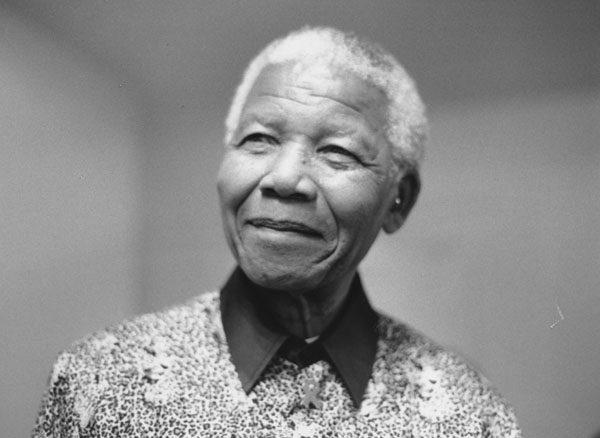
Poverty has a tremendous, and mostly negative, impact on the behavior and health of families across the globe. Spouses in impoverished families are more likely to use violence against their partners, develop addictions and engage in criminal behavior. Parents in impoverished families often face a conflict between their role as a parent and their role as a worker. Children in impoverished families tend to have lower birth rates, struggle with behavioral disorders and perform worse in school. Additionally, they find it more difficult to find employment than those in wealthier families. Because of the negative impact poverty has on the family, impoverished families do not experience the joys and comforts of family life that wealthier families experience. However, Nelson Mandela, the South African anti-apartheid revolutionary, knew how essential a happy family is for both enduring life’s hardships and participating in political activism which his quotes on family display.

Mandela was a political leader and philanthropist. Throughout his life, Mandela created a large family of six children, two wives and 17 grandchildren. As he suffered in the prison on Robben Island from 1964 to 1982, Mandela’s meditations on his family were what gave him the comfort and motivation to endure his struggles and continue his life of activism. Below is a list of five quotes on family by Nelson Mandela.

Quotes on Family by Nelson Mandela

  1. “From experience I have found that a family photo is everything in prison and you must have it right from the beginning.”
    -From a letter to Winnie Mandela, written on Robben Island on June 22, 1969.
  2. “I have often wondered whether a person is justified in neglecting his own family to fight for opportunities for others.”
    -From an unpublished autobiography manuscript, written on Robben Island, 1975.
  3. “I like relaxing at the house, reading quietly, taking in the sweet smell that comes from the pots, sitting around the table with the family and taking out my wife and children. When you can no longer enjoy these simple pleasures, something valuable is taken away from your life and you feel it in your daily work.”
    -From an unpublished autobiography manuscript, written on Robben Island, 1975.
  4. “Our families are far larger than those of whites and it’s always a pure pleasure to be fully accepted throughout a village, district or even several districts any time, completely relax, sleep at ease and freely take part in the discussion of all problems, where you can even be given livestock and land to build free of charge.”
    -From a letter to Mrs. N. Thulare, written on Robben Island, July 19, 1977.
  5. “A happy family life is an important pillar to any public man. Few people are essential or dangerous to the success or downfall of a politician than a good wife or play-girl.”
    -From a letter to Winnie Mandela, written on Robben Island, May 6, 1979.

Family and Global Poverty

These five quotes on family by Nelson Mandela reveal that healthy families are essential for a good life and a healthy society. One of the primary ways humans can make it easier for everyone to have a good life and form healthy families is by ending global poverty.

When people eradicate global poverty, spouses around the world could be less likely to use violence against their partners or develop addictions and engage in criminal behavior. Fathers and mothers should also be less likely to face any conflict between their role as a parent and their role as a worker. Also, children should have high birth rates, be less likely to have behavioral disorders, perform better in school and find it easier to find employment than those in impoverished families. As organizations around the world work tirelessly to reduce global poverty, the joys and comforts of family life that wealthier families enjoy may no longer be something the poor can only dream of, but a reality they can experience.

– Jacob Stubbs
Photo: Wikimedia

September 7, 2019
https://borgenproject.org/wp-content/uploads/borgen-project-logo.svg 0 0 Kim Thelwell https://borgenproject.org/wp-content/uploads/borgen-project-logo.svg Kim Thelwell2019-09-07 13:41:292019-11-05 13:12:04Quotes on Family by Nelson Mandela
Global Poverty, Philanthropy, Poverty Reduction

Cryptocurrency and Poverty Reduction

Cryptocurrency and Poverty Reduction
An increasing number of nonprofit organizations are looking to cryptocurrency to help reduce global poverty. The immediacy, inclusivity and stability that cryptocurrency promotes could be invaluable for those who are in crisis, lack access to a bank or struggle due to hyperinflation. Here are four examples of how cryptocurrency and poverty reduction are coming together:

GiveCrypto

GiveCrypto is a nonprofit organization that links cryptocurrency and global poverty reduction. Since founding members currently cover operating fees, 100 percent of the funds GiveCrypto accumulates goes to the recipients. While Bitcoin is the most recognized cryptocurrency GiveCrypto uses, this nonprofit also transfers money through Bitcoin Cash, Litecoin, Ethereum, XRP and Zcash. GiveCrypto emerged on June 20, 2018, and has raised $4 million so far. The founders hope that GiveCrypto will improve the well-being of individual people struggling in their communities. However, they also intend for GiveCrypto to build up the economies of these communities. For this reason, the ultimate goal of the organization is “to help spark economic growth by giving access to property rights and financial services on an open network.”

CareBit

The founders of CareBit specifically designed the CARE coin for charity purposes. Unlike GiveCrypto which is merely a platform to distribute several different types of cryptocurrency to those living in poverty or financial crisis, CareBit is its own cryptocurrency. The purpose of creating the CARE coin is to link cryptocurrency and poverty reduction more directly. Currently, CareBit is the only independent charity on blockchain, a technology that documents and decentralizes transactions. By directly implementing a charity model into blockchain, CareBit is able to trace transactions to ensure that 100 percent of each donation reaches its intended recipient. The ultimate goal for CareBit is to increase transparency and to decrease fees, corruption and fraud in any given transaction.

BitGive

BitGive emerged in 2013 and is Bitcoin’s first nonprofit charity. BitGive partners with international relief organizations and local charities such as The Water Project, Medic Mobile and Save the Children. Just like CareBit, BitGive implements its charity directly into blockchain in order to effectively track donations and increase its efficiency. Additionally, BitGive uses the blockchain technology GiveTrack to publicly track financial information and share this information in real-time. With GiveTrack, donors can track funds and ensure donations reach their final destination. The other benefit of BitGive is that processing fees are considerably less. On average, 3.61 percent of donations go towards processing fees for the average nonprofit. On the other hand, BitGive spends less than one percent of donations on fees.

Binance Charity Foundation

The Binance Charity Foundation (BCF) is the philanthropic extension of Binance Exchange. BCF uses Binance Coin to integrate cryptocurrency and poverty reduction. In contrast to the nonprofits mentioned above which focus on financial poverty reduction, BCF specifically focuses on improving the overall health of women in developing countries. For instance, BCF has recently partnered with 46 other organizations to provide a one-year supply of sanitary products to approximately one million women. Women will receive these sanitary products by using the Pink Care Token (PCAT), a redemption-only token on the Binance blockchain.

Uniting cryptocurrency and poverty reduction initiatives demonstrates the increasing demand for improved donating systems in response to a lack of trust in how charities spend their funds. Thus, the increased transparency that cryptocurrency offers through blockchain’s traceability feature could potentially reassure donors and encourage them to donate. Whether or not cryptocurrencies will become influential enough to directly strengthen the economies of the developing world, however, is still unclear.

– Ariana Howard
Photo: Unsplash

September 6, 2019
https://borgenproject.org/wp-content/uploads/borgen-project-logo.svg 0 0 Kim Thelwell https://borgenproject.org/wp-content/uploads/borgen-project-logo.svg Kim Thelwell2019-09-06 04:59:202024-05-29 23:10:14Cryptocurrency and Poverty Reduction
Child Labor, Global Poverty, Poverty, Poverty Reduction

10 Facts about Child Labor in Iran

Child Labor in Iran

Child labor is defined by the International Labor Organization as the exploitation of children through any form of work that deprives children of their childhood and interferes “with their ability to attend regular school, and is mentally, physically, socially or morally harmful.” The Human Rights Watch estimates that around 70 million children around the world are currently working in hazardous conditions across many sectors, including agriculture, mining and domestic labor. Unfortunately, in Iran, the number of child laborers continues to grow. Keep reading to learn the top 10 facts about child labor in Iran.

10 Facts About Child Labor in Iran

  1. As of 2012, around 11 percent of children in Iran were engaged in some form of illegal work. Under Iranian law, it is illegal to work under the age of 15. However, due to circumstances like poverty and organized crime, this law is not often followed. Often, criminal groups force children to sell items or beg on the street, and research shows that in some cases children as young as 3 years old have fallen victim to this kind of labor. Some children are forced to swallow packets of drugs and cross the border of Iran to excrete them. Many have died in this process. Additionally, children’s bodies have been found abandoned without certain organs in remote areas of Iran.
  2. Poverty is a major contributor to child labor in Iran, as homelessness increases a child’s vulnerability. The government reports that more than 60,000 children live on the streets in Iran. This makes it easier for perpetrators to target children who are in desperate need of food and shelter, especially if the parents are absent. In fact, About 60 percent of child laborers in Iran are the only source of income for their families.
  3. The problem is so vast that officials believe it cannot be handled by one single entity. In April 2018, Reza Jafari, the director of the Iran Welfare Organization’s office, said that “child workers are so numerous that no organization can single-handedly cope with the problem.” Government officials are working to tackle the issue from several angles, including welcoming outside help from nonprofits.
  4. Child labor has declined globally but is on the rise in Iran. Since 2000, the world has seen its child labor rate drop by a third, while Iran has experienced the opposite. Vice president of the Association for the Protection of Children’s Rights Tahereh Pazhuhesh said in June 2018 “despite the global reduction in the child labor statistics, we see child labor surge in Iran.” The worsening problem illustrates the urgent need for help in the area, as it is more and more common to see children working in sweatshops, markets, farms and more.
  5. Government officials believe that 90 percent of child laborers have been sexually assaulted. Reza Ghadimi, managing director of social services at the Organization of Tehran Municipality, released this statistic on a state-run news agency report in October 2017. He added that many of these children are also exposed to sexually transmitted diseases.
  6. The rate of HIV infection is higher for child laborers is higher than the average. The head of the AIDs Research Center of Iran, Dr. Minou Mohraz, said “the rate of HIV infection among Iran child laborers and street children is 45 times higher than the average.” Additionally, these children are often exposed to other sexually transmitted diseases such as Hepatitis B.
  7. While Iran’s government has banned child labor, state-sponsored institutions still hire child workers. Municipality contractors often recruit children aged 5 to 15 years old because they can pay them less. In fact, because children are less aware of their rights as workers, they can be paid up to 70 percent less than adults. Waste management is one industry that employs a particularly high number of children. This is especially dangerous because as Tehran City-Councilwoman Elham Eftekhari noted, “these children not only work but also live and sleep in garbage factories that are filled with vermin and odors.”
  8. The ILIA Foundation is looking to help, and the presence of NGOs in big cities like Tehran is on the rise. The organization are focusing their efforts on the root of the problem, which is extreme poverty. The ILIA Foundation is opening more outreach centers, which provide shelter and hands-on education for struggling children. The Foundation also partnered with U.N. refugee and health agencies to tackle the issue from all angles.
  9. UNICEF is working with the government to address the root of the problem. The group works with political leaders and focuses on promoting good parenting, as well as enhancing the State Welfare Organization’s capacity to monitor the problem. It also aims to improve Iran’s Child Protection in Emergency’s coordination mechanism.
  10. The Imam Ali Popular Students Relief Society is bringing a new approach to helping the street children of Iran. The group, which is recognized by the U.N., was organized in 2010 and has already gathered 12,000 volunteers to help its cause. The organization holds events for the children, like sports events, to bring them positivity and hope. Meysam Vahdei, the group’s head of sports, said “the only choice for most of these kids in their neighborhoods is violence, poverty and mis.ery. We have tried to give them self-confidence through sports to improve their lives.”

Child labor in Iran is not only a serious issue but a worsening one. These facts about child labor in Iran demonstrate the critical need for aid in the region. Poverty is at the heart of the problem and organizations are working to reduce these extreme conditions, in turn getting the children the help they need.

– Natalie Malek
Photo: Flickr

August 30, 2019
https://borgenproject.org/wp-content/uploads/borgen-project-logo.svg 0 0 Kim Thelwell https://borgenproject.org/wp-content/uploads/borgen-project-logo.svg Kim Thelwell2019-08-30 01:30:512019-12-16 10:26:5610 Facts about Child Labor in Iran
Global Poverty, Poverty Reduction

Can the African Union Passport Help Reduce Poverty?

African Union PassportEconomic development does not occur in isolation, and neither does the end of extreme poverty. Instead of working individually, African nations are uniting to find ways to improve Africa’s economy and lower poverty rates. Their latest attempt involves the deployment of the African Union Passport, which allows African citizens to travel freely throughout the continent.

Extreme Poverty Crisis

Africa is the world’s second-fastest-growing economic region. Economic growth usually leads to higher employment levels and overall standards of living. Despite recent improvements in Africa’s economy, extreme poverty levels have not decreased as expected. Instead, they have continued to rise. With an average poverty rate of 41 percent, sub-Saharan Africa is the region suffering the most from extreme poverty. The World Bank Group concluded that most of the global poor reside in sub-Saharan Africa. This region is made up of almost all the African countries except Algeria, Egypt, Libya, Morocco and Tunisia.

Despite a growing economy, many obstacles stand in the way of reducing poverty in Africa, including conflict and war and weak institutions.

Restricted Mobility

Another problem plaguing the African continent is a lack of regional mobility. African residents face stricter restrictions to travel across the continent compared to their European counterparts. In fact, the free movement of people, as well as goods, throughout the African continent, has been virtually nonexistent. For instance, a Nigerian businessman reported that he had to apply for 38 separate visas to conduct intra-regional business.

Regional mobility is a factor that generally drives economic development. The free movement of goods can boost a country’s GDP while the free movement of people can fill gaps in the labor market. Intra-regional movement accounts for a significant portion of Europe’s economy. Around 70 percent of all trade in Europe is intra-regional. In Africa, intra-regional accounts for less than 15 percent. As a result, Africa is missing various opportunities to boost its economy and reduce extreme poverty.

The Africa Visa Openness Index

In 2016, the African Development Bank had the vision to build a global market in Africa. The group believed regional mobility and intra-regional trade created more attractive markets. As a result, the African Development Bank began to track each African country’s visa entry requirements. The group also measured how freely African citizens were able to move through the continent. The Africa Visa Openness Index reports the group’s findings.

The Index ranks each of the 55 African countries in terms of visa openness. The following factors were used to determine the rankings: visa required (low openness ranking); visa on arrival (medium openness ranking) and no visa required (high openness ranking).

The Africa Visa Openness Index has influenced several African nations to make improvements to their trade and visa policies. For example, two years after ranking 28th on the Index in 2016, Benin’s President Patrice Talon announced that the country will no longer require visas for other Africans.

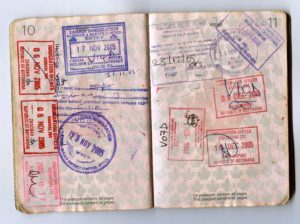
The launch of the African Passport will be the final stage in facilitating the free movement of people and goods across Africa. Africa’s entire population, approximately 1.2 billion people, will have an African Union Passport. This passport will serve as the key to freely move between African nations.

The idea for the African Union Passport is not new. The concept was proposed and approved by all 55 African nations decades ago. However, the dream of regional mobility became a reality after Rwandan President Paul Kagame and Chadian President Idriss Deby unveiled the prototype of the passport in 2016.

By 2020, all Africans will have an African Union Passport. The goal of the passport is to discourage regional isolation by increasing accessibility to intra-regional travel, tourism and trade. By working as a unit, Africa has the chance to boost economic development and end extreme poverty.

– Paola Nuñez
Photo: Wikimedia

August 29, 2019
https://borgenproject.org/wp-content/uploads/borgen-project-logo.svg 0 0 Kim Thelwell https://borgenproject.org/wp-content/uploads/borgen-project-logo.svg Kim Thelwell2019-08-29 01:30:202019-10-30 12:31:27Can the African Union Passport Help Reduce Poverty?
Global Poverty, Poverty, Poverty Reduction

Exploiting Poverty Hurts African Economies

Exploiting Poverty Hurts African Economies
A viral parody video on exploiting poverty that hurts African economies shows Norwegians slipping on the ice while African rapper Breezy V laments Norwegian children suffering from frostbite. He asks Africans to ship their radiators to Norway to help these unfortunate souls who cannot help themselves.

Radi-Aid’s Critique of So-Called Poverty Porn

Radi-Aid, an initiative by the Norwegian Students’ and Academics’ Assistance (SAIH), created this video to critique Western international aid organizations’ representation of Africa in their fundraising videos. SAIH hopes to recontextualize traditional aid campaigns.

A 2013 TED Talk by Anja Bakken, then president of SAIH, identified poverty, war and violence as standard stereotypes in these advertisements. The 1980s media coverage of the Ethiopian famine first introduced the technique, poverty porn. The 1987 Images of Africa Report found that, by the time the famine had ended, media coverage created the predominant perception that Africans were starving and primitive.

While effective at mobilization, this pity advertising can actually impair the recipient countries more than it helps. When the stereotypes that emerge from these advertisements affect higher debates, they can influence policymakers and potential investors. This is how exploiting poverty hurts African economies.

The Effect of Aid’s Poverty Porn on African Economies

The Ugandan journalist Andrew Mwenda explains in his TED Talk, “Aid for Africa? No thanks.,” that fundraising campaigns often frame the African continent as a “place of despair” without self-initiative. Exploiting poverty hurts African economies because it dramatically shifts a governments’ structure of incentives. Mwenda argues that governments do not address the root causes of poverty because international aid organizations are responding to symptoms with medicine and food relief. However, the long-term development and wellbeing of society rests on strong economies accepting foreign investment.

According to the 2018 World Investment Report, African countries were not taking advantage of foreign direct investment (FDI). These countries were not adjusting their industrial policies to stay in step with the dynamic global economy, which Mwenda would argue is due to a skewed structure of incentives.

FDI to Africa dropped 21 percent between 2016 and 2017. The 2018 World Investment report postulates that this is partly due to the sharp decline in rates of return in Africa. In his TED Talk, Mwenda explains that the government’s unwillingness to take advantage of FDI causes these low rates of return. Unfortunately, this cycle, if continued, could influence future FDI prospects in the region.

Annual Radiator Awards

From 2013 to 2017, Radi-Aid presented literal rusty radiators to organizations that produced what they considered the most egregious examples of poverty porn advertising. Concern Worldwide, Plan Norway, Band-Aid, Save the Children and Disasters Emergency Committee all won rusty radiators during its five-year stint.

The selection criteria included lack of context and nuance identified as critical for exposing underlying causes of poverty. Radi-Aid worried that oversimplified images were damaging the long-term development of these countries. SAIH argues that the staple representation of passive, starving African children without the agency or desire to better their situation strips people of their dignity.

Radi-Aid argues that there is no need to equate a donation to a saved life. Global issues are complex, so Radi-Aid resists aid organizations’ tendency to convince their audience that solutions are cheap and easy. Presenting a parallel Golden Radiator award each year, Radi-Aid shows advertising can represent individuals with agency, dignity and respect. Campaigns can inspire rather than guilt their audiences. Charity campaigns can highlight the concept of common humanity and solidarity rather than detachment.

Aid Recipients Respond to Ad Campaigns

Between July 2017 and July 2018, SAIH asked 74 people living in six countries in sub-Saharan Africa (Ethiopia, Ghana, Malawi, South Africa, Uganda and Zambia) for their reactions to the imagery used in major aid campaigns including Save the Children and War Child. The organization compiled its findings into a research report published on its website.

It found that respondents believed the existing imagery unfairly presented Africa as inferior and in need. The respondents lamented that the advertisements presented a distorted, over-dramatized, monolithic Africa in which progress was impossible.

A 22-year-old Zambian respondent explained, “it gives a very negative picture of Africa. It is like people are not trying to improve, but people are actually trying hard… We see the same picture over and over, it is like nothing is changing, although things are changing.”

More Respectful Campaigns On The Horizon

SAIH Norway discontinued The Rusty Radiator awards in 2017 when it found it increasingly difficult to discover examples of poverty porn. Separately, the 2019 World Investment Report showed a significant uptick in FDI flows to African countries in 2018, rising by 11 percent to $46 billion. These two trends, while no means causally related, indicate a change in how Western countries think about the future of Africa.

The nature of foreign aid advertising is beginning to change. A May 2019 UNICEF advertisement entitled “The Class of No Tomorrow” centers around the tragedy of schools destroyed by armed conflicts in Iraq, South Sudan and Ukraine. Rather than degrade the dignity of the causalities, the advertisement symbolically represents the victims as statues, placed so every delegate attending the 2019 Safe Schools Conference will see them. Looking forward, the ad reminds the viewer that “we need to continue the work to give these children a better tomorrow, today.”

– Daria Locher
Photo: Flickr


August 20, 2019
https://borgenproject.org/wp-content/uploads/borgen-project-logo.svg 0 0 Kim Thelwell https://borgenproject.org/wp-content/uploads/borgen-project-logo.svg Kim Thelwell2019-08-20 18:37:332024-12-13 18:01:55Exploiting Poverty Hurts African Economies
Development, Global Poverty, Poverty, Poverty Reduction

Five Facts About China’s Poverty Alleviation Program

Five Facts About China’s Poverty Alleviation ProgramChina has contributed to more than 70 percent of poverty reduced globally, making it one of the countries with most people lifted out of poverty in the past four decades. China has also recently become one of the leading nations in poverty reduction efforts by implementing a poverty alleviation program. Here are five facts about China’s poverty alleviation program.

Five Facts About China’s Poverty Alleviation Program

  1. Main Goals: China’s main goals for this program are to address issues such as food security and clothing, compulsory education, basic medical care and housing. It wants to solve these issues by 2020. Additionally, by 2020 it wants to have a zero percent poverty rate in rural areas. Furthermore, the government wants to increase the income growth rate for farmers while also solving the regional poverty problem.
  2. Implementation of the Program: In order to achieve its goals, the government has focused on developing the economy through local industries, combating corruption within the poverty alleviation efforts and making changes to the education and healthcare systems as well. The Chinese government has registered the poor population in order to target the specific regions that need help the most while also tracking the progress being made. By targeting specific regions and having the entire poor population registered, the Chinese government can provide assistance to certain households or individuals. There are five parts of the poverty alleviation program which are being implemented to raise more people out of poverty and those are industrial development, relocation, eco-compensation, education and social security.
  3. Progress being made thus far:  As of 2019, more than “700 million people have been lifted out of poverty” according to the country’s national poverty line of $1.10 a day, which is more than 70 percent of the world’s poverty reduction efforts. When using the poverty line of $1.90 a day more than 850 million people have been lifted out of poverty between the years of 1981 and 2013. In 2016, more than 775,000 officials were sent out to different rural areas within the country in order to further development and aid the poor-stricken people living in the less-developed parts of China. This has proven successful given that, after this tactic was employed, the population living in rural areas that were still affected by poverty dropped to 30.46 million people. Additionally, the poverty incidence was also reduced to 3.1 percent. Although great progress has been made far ahead of the U.N.’s 2030 Sustainable Development Goals, China must still raise an additional 10 million people out of poverty in order to reach its 2020 goals of zero percent poverty.
  4. Citizens’ living conditions: China has worked closely with the International Labor Organization (ILO) to improve its citizens’ living conditions. It has done this by providing a better social security and welfare program which covers unemployment, pension, medical care, employment injury and maternity for urban employees. Additionally, this program includes what is known as the “Dibao,” the minimum living guarantee program, which ensures that even the poorest residents in either urban or rural areas would be supported by the government.
  5. Global impact: China’s poverty alleviation program is not only a domestic policy but also an international policy. It has benefitted many developing countries around the world. The Chinese government has provided about 400 billion yuan ($59 billion) in aid, which has benefitted 166 countries and international organizations. Additionally, more than 600,000 aid workers were sent overseas to contribute to the poverty-reduction efforts. China has also pledged $2 billion to the Assistance Fund for South-South Cooperation in order to support developing countries to reach the U.N.’s 2030 Sustainable Development Goals.

As a result of China’s poverty alleviation program, people countrywide are overcoming the challenges of poverty. Not only is the percentage of poverty globally declining because of China’s efforts but people are also thriving. China is the only country worldwide to have improved its citizens’ living conditions to such an extent in such a short period of time.

– Laura Rogers
Photo: Flickr

July 26, 2019
https://borgenproject.org/wp-content/uploads/borgen-project-logo.svg 0 0 Kim Thelwell https://borgenproject.org/wp-content/uploads/borgen-project-logo.svg Kim Thelwell2019-07-26 16:51:012019-11-07 15:48:56Five Facts About China’s Poverty Alleviation Program
Global Poverty, Poverty, Poverty Reduction

Gitanas Nauseda’s Fight Against Poverty in Lithuania

Poverty in Lithuania
Current political changes in Lithuania have brought many people hope over the current concerns of increases in immigration, income inequality and poverty in the country. The newly elected President, Gitanas Nauseda, has vowed to touch on these issues and tackle poverty in Lithuania. In 2018, around 650,000 people (22.9%) of Lithuanians lived below the at-risk-of-poverty threshold. The poverty line for a family comprising two adults and children was 307 euros a month per capita or 644 euros a month.

Furthermore, 17.3% of city residents earned disposable income below the at-risk-of-poverty threshold in 2018. This percentage stood at 34.4% for rural residents. The year 2019 has shown no improvements so far. In fact, the at-risk-of-poverty threshold increased by one percentage point making it the highest among the Baltic states.

Research has shown that inequality of income is hampering the development of society and the state. Although Lithuania has made remarkable progress during the independence period and is one of the fastest-growing economies in Europe, the income inequality in the country is currently one of the largest in the European Union. In 2016, the income of the richest 20% and poorest 20% in Lithuania varied seven times and has not improved.

The Main Challenges of Poverty

  1. Barriers to the Minimum Income: In Lithuania, people in need of social support often face a lot of bureaucratic barriers which greatly complicates their receipt of assistance. Moreover, the prevalence of stereotypes and the stigmatization of beneficiaries causes them to refuse to apply for the minimum income. In 2017, about 2.7% of the country’s population received minimum income and this number is decreasing.
  2. Debts: Debts are also a primary cause of why many Lithuanians are living in poverty. According to the Ministry of Justice, in October 2017, 292,612 people had debts that passed to bailiffs. Almost 10% of the total population of Lithuania is in debt. For a long time, the country could deduct up to 50% of a person’s minimum wage and 70% of the amount exceeding the minimum wage. As a result, people experiencing poverty are less likely to seek legal employment, which helps deepen the poverty trap. Also, even if they did work, they would be unable to retain a sufficient amount of income to live on. In almost 60% of the cases, they owe debts to the state, while in 37% of cases, they owe to private companies and in three percent of the cases, they owe other individuals. As a result, Lithuanians who are in debt often fall into the social assistance system, work illegally or seek help from their relatives.
  3. Education: The report of the National Audit Office states that the results of the pupils in smaller schools, most often in rural areas, are lower in Lithuania as well as the European Union. Specifically, 30% of the audited schools had joint classes. Furthermore, around 8% of children are unschooled, and Lithuania does not guarantee children’s right to education.
  4. Energy Poverty: In Lithuania, the law does not precisely define the concept of energy poverty. However, 29% of Lithuanian residents face difficulties in paying their heating bills. In 2016, 18% reported living in housing that dampness, draughts and leaks affected. These numbers are among the worst across the EU and show that many suffer from energy poverty in Lithuania.
  5. In-Work Poverty: Finally, the in-work poverty rate in Lithuania varies every year and is similar to the EU average. In 2017, 8.5% of persons were at risk of poverty. However, it is important to note that this indicator may be low partly because the average income of the employed is low. It is fairly easy to find a job for minimum wage in Lithuania, however, a minimum wage paying job in Lithuania is not enough to live.

The New President and His Plans

On May 26, 2019, economist Gitanas Nauseda earned 65.8% of the vote in the second round of elections in Lithuania on May 26, 2019. He took office on July 12, 2019, after President Dalia Grybauskaite’s second five-year term came to an end.

Many believe that newly elected President Gitanas Nauseda, a specialist in the field of banking and economic analysis, owes his victory to his emphasis on social issues, including tackling poverty. He also announced that he would increase the protective role of the welfare state and that the president’s office would supervise the introduction of controversial reforms to education and health care.

Although Lithuanian presidents do not directly craft economic policy, Nauseda plans to seek cross-party deals to bridge the gap between the rich and poor and decrease regional differences. “We will not have a welfare state if we care only about ourselves while social inequality increases,” stated Nauseda in parliament after taking the oath of office.

The new president also aims to increase cooperation with the Baltic area. He is initiating frequent meetings with the three Baltic states’ leaders. Meanwhile, Nauseda has indicated that he will work towards stronger relationships with both the EU and the U.S., and improve defense in Lithuania.

Hope for the Future

While President Gitanas Nauseda has certainly made promising plans for the future of Lithuania, other associations, such as the European Anti-Poverty Network Lithuania (EAPN Lithuania), are also working to fight poverty in Lithuania. EAPN Lithuania emerged in 2006 and works to strengthen the institutional capacities of Lithuanian non-governmental organizations and encourage their cooperation with national and local governmental institutions to reduce poverty and social exclusion in Lithuania. The association comprises 42 anti-poverty organizations working to reduce social exclusion throughout Lithuania.

Furthermore, UNICEF’s country program in Lithuania has made progress in decreasing child poverty and increasing children’s rights. Lithuania declared 2004 the year of children’s health and since then increased attention and resources to children-focused national health services and programs. Moreover, UNICEF has helped strengthen the effectiveness of the National Public Health Service and lent technical support to the creation of a national database of young people’s health indicators.

– Grace Arnold
Photo: Flickr

July 25, 2019
https://borgenproject.org/wp-content/uploads/borgen-project-logo.svg 0 0 Kim Thelwell https://borgenproject.org/wp-content/uploads/borgen-project-logo.svg Kim Thelwell2019-07-25 18:49:052024-05-29 23:10:29Gitanas Nauseda’s Fight Against Poverty in Lithuania
Development, Global Poverty, Poverty Reduction

5 Countries that Escaped From Poverty

Countries That Escaped From PovertyEradicating poverty from a country can be a difficult and daunting task, but it is not impossible. Some countries are able to develop solutions that bring their economy and their people out of disastrous living conditions. Here is a list of five countries that escaped from poverty and created a better future for their citizens.

5 Countries that Escaped From Poverty

  1. Ghana: In 1990, this small West African nation had a GDP per capita of $1,900 with a poverty rate of 52 percent. By 2018, their GDP had reached an all-time high of $4,211.85 and their poverty rate was cut to 21 percent. Their extreme poverty rate also dropped from 35.6 percent to 18.2 percent within the same time. How were they able to do this? The country focused on educating its citizens to be a well-educated workforce. This allowed them to industrialize and put people in charge that had the knowledge and resources to succeed. Agriculture was the main area of employment back in 1990, but with a diversification of the economy, they were able to boost other sectors to create more jobs. This included the manufacturing and exportation of technological goods and mining that helped them become one of the top producers in gold in the world.
  2. Norway: Having the highest standards of living in the world is not an easy feat. The GDP per capita of Norway as of 2018 is sitting at $8,1807.20, the highest in the country’s history. But they haven’t always had this success. Norway was once one of the poorest nations in the world. During the turn of the 20th century, the Northern European nation’s economy was reliant on agriculture and fishing industries. When these began to fail, hundreds of thousands of Norwegians began to leave the country to escape from poverty for economic opportunity elsewhere. It wasn’t until after World War II that Norway’s economy began to trend upward. The United States provided aid to the country that was ravaged by the fighting and they used the aid help kick start their battered economy. Once oil was discovered off their shores in the North Sea in the 1970s, their economy flourished and they have been consistently trending upwards ever since.
  3. Singapore: The small city-state of Singapore gained its independence from Malaysia in 1965. It was a rough start for the people and their economy. The country’s GDP per capita stood at $516 and more than 70 percent of the people lived in the slums with half of the population unable to read or write. Lee Kuan Yew was prime minister at the time and he installed reforms that were very successful for the people of Singapore and their economy. He began by revamping the education system and creating a workforce that was highly skilled and well trained. To bring in foreign investment, Singapore developed an attractive tax system that is one of the lowest in Asia. This would bring in shipping and manufacturing businesses to their shores. With the influx of money and a rise in the economy, they were able to improve the infrastructure and housing of the country that gave a boost to the standard of living. The country’s escape from poverty has been a success, as Singapore’s current GDP per capita is $57,714.30 as of 2017.
  4. Bolivia: Once regarded as one of the poorest nations in South America, landlocked Bolivia is now a rapidly growing economy. The country’s poverty rate plummeted from 59 percent in 2005 to 38 percent in 2015, while at the same time extreme poverty dropped from 38 percent to 18 percent. The recent success of Bolivia can be contributed to the policies of the current leader Evo Morales installed to fight poverty. He implemented price controls over the products being sold in Bolivia such as food and gasoline so the poor could properly afford these items. While this didn’t create jobs, it did increase spending and allowed the economy to grow. Morales also created a pension of $258 to go towards those aged 60 and up to allow the elderly to escape from poverty.
  5. South Korea: After years of Japanese occupation and the end of the Korean War, South Korea’s economy was suffering in the 1950s. South Korea was not an industrialized nation and the main focus of its economy was agriculture. In 1960, South Korea’s GDP per capita was $79, which changed once General Park Chung-hee took charge of the country. Chung-hee implemented a five-year plan in 1962 that industrialized South Korea, creating jobs for the people. Companies like Hyundai, Samsung and LG would receive economic incentives, such as tax breaks, to help grow their businesses. South Korea also took advantage of U.S. economic assistance in exchange for letting the United States military keep troops in the country. Today, South Korea is a thriving economy, and as of 2017, enjoys a GDP per capita of just under $30,000. In addition, the country now accounts for $56 billion of U.S. exports, indicating a strong return on the $5.6 billion of aid invested decades ago.

Being able to rid a country from the grips of poverty involves a certain level of risk and ingenuity. Whether it’s by using the resources in their country, receiving foreign aid from other countries or changing their economic system, these countries that escaped from poverty show it is possible.

– Sam Bostwick
Photo: Flickr

July 25, 2019
https://borgenproject.org/wp-content/uploads/borgen-project-logo.svg 0 0 Kim Thelwell https://borgenproject.org/wp-content/uploads/borgen-project-logo.svg Kim Thelwell2019-07-25 12:40:562024-05-29 23:10:095 Countries that Escaped From Poverty
Page 34 of 63«‹3233343536›»

Get Smarter

  • Global Poverty 101
  • Global Poverty… The Good News
  • Global Poverty & U.S. Jobs
  • Global Poverty and National Security
  • Innovative Solutions to Poverty
  • Global Poverty & Aid FAQ’s
Search Search

Take Action

  • Call Congress
  • Email Congress
  • Donate
  • 30 Ways to Help
  • Volunteer Ops
  • Internships
  • Courses & Certificates
  • The Podcast
Borgen Project

“The Borgen Project is an incredible nonprofit organization that is addressing poverty and hunger and working towards ending them.”

-The Huffington Post

Inside The Borgen Project

  • Contact
  • About
  • Financials
  • President
  • Board of Directors
  • Board of Advisors

International Links

  • UK Email Parliament
  • UK Donate
  • Canada Email Parliament

Get Smarter

  • Global Poverty 101
  • Global Poverty… The Good News
  • Global Poverty & U.S. Jobs
  • Global Poverty and National Security
  • Innovative Solutions to Poverty
  • Global Poverty & Aid FAQ’s

Ways to Help

  • Call Congress
  • Email Congress
  • Donate
  • 30 Ways to Help
  • Volunteer Ops
  • Internships
  • Courses & Certificates
  • The Podcast
Scroll to top Scroll to top Scroll to top