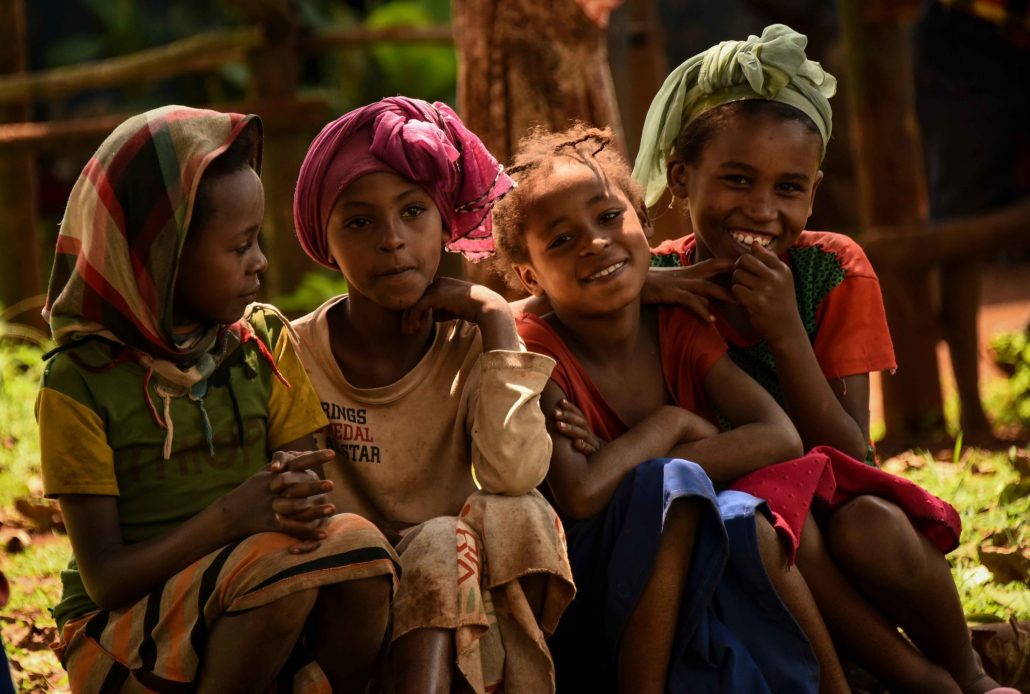
A viral parody video on exploiting poverty that hurts African economies shows Norwegians slipping on the ice while African rapper Breezy V laments Norwegian children suffering from frostbite. He asks Africans to ship their radiators to Norway to help these unfortunate souls who cannot help themselves.
Radi-Aid’s Critique of So-Called Poverty Porn
Radi-Aid, an initiative by the Norwegian Students’ and Academics’ Assistance (SAIH), created this video to critique Western international aid organizations’ representation of Africa in their fundraising videos. SAIH hopes to recontextualize traditional aid campaigns.
A 2013 TED Talk by Anja Bakken, then president of SAIH, identified poverty, war and violence as standard stereotypes in these advertisements. The 1980s media coverage of the Ethiopian famine first introduced the technique, poverty porn. The 1987 Images of Africa Report found that, by the time the famine had ended, media coverage created the predominant perception that Africans were starving and primitive.
While effective at mobilization, this pity advertising can actually impair the recipient countries more than it helps. When the stereotypes that emerge from these advertisements affect higher debates, they can influence policymakers and potential investors. This is how exploiting poverty hurts African economies.
The Effect of Aid’s Poverty Porn on African Economies
The Ugandan journalist Andrew Mwenda explains in his TED Talk, “Aid for Africa? No thanks.,” that fundraising campaigns often frame the African continent as a “place of despair” without self-initiative. Exploiting poverty hurts African economies because it dramatically shifts a governments’ structure of incentives. Mwenda argues that governments do not address the root causes of poverty because international aid organizations are responding to symptoms with medicine and food relief. However, the long-term development and wellbeing of society rests on strong economies accepting foreign investment.
According to the 2018 World Investment Report, African countries were not taking advantage of foreign direct investment (FDI). These countries were not adjusting their industrial policies to stay in step with the dynamic global economy, which Mwenda would argue is due to a skewed structure of incentives.
FDI to Africa dropped 21 percent between 2016 and 2017. The 2018 World Investment report postulates that this is partly due to the sharp decline in rates of return in Africa. In his TED Talk, Mwenda explains that the government’s unwillingness to take advantage of FDI causes these low rates of return. Unfortunately, this cycle, if continued, could influence future FDI prospects in the region.
Annual Radiator Awards
From 2013 to 2017, Radi-Aid presented literal rusty radiators to organizations that produced what they considered the most egregious examples of poverty porn advertising. Concern Worldwide, Plan Norway, Band-Aid, Save the Children and Disasters Emergency Committee all won rusty radiators during its five-year stint.
The selection criteria included lack of context and nuance identified as critical for exposing underlying causes of poverty. Radi-Aid worried that oversimplified images were damaging the long-term development of these countries. SAIH argues that the staple representation of passive, starving African children without the agency or desire to better their situation strips people of their dignity.
Radi-Aid argues that there is no need to equate a donation to a saved life. Global issues are complex, so Radi-Aid resists aid organizations’ tendency to convince their audience that solutions are cheap and easy. Presenting a parallel Golden Radiator award each year, Radi-Aid shows advertising can represent individuals with agency, dignity and respect. Campaigns can inspire rather than guilt their audiences. Charity campaigns can highlight the concept of common humanity and solidarity rather than detachment.
Aid Recipients Respond to Ad Campaigns
Between July 2017 and July 2018, SAIH asked 74 people living in six countries in sub-Saharan Africa (Ethiopia, Ghana, Malawi, South Africa, Uganda and Zambia) for their reactions to the imagery used in major aid campaigns including Save the Children and War Child. The organization compiled its findings into a research report published on its website.
It found that respondents believed the existing imagery unfairly presented Africa as inferior and in need. The respondents lamented that the advertisements presented a distorted, over-dramatized, monolithic Africa in which progress was impossible.
A 22-year-old Zambian respondent explained, “it gives a very negative picture of Africa. It is like people are not trying to improve, but people are actually trying hard… We see the same picture over and over, it is like nothing is changing, although things are changing.”
More Respectful Campaigns On The Horizon
SAIH Norway discontinued The Rusty Radiator awards in 2017 when it found it increasingly difficult to discover examples of poverty porn. Separately, the 2019 World Investment Report showed a significant uptick in FDI flows to African countries in 2018, rising by 11 percent to $46 billion. These two trends, while no means causally related, indicate a change in how Western countries think about the future of Africa.
The nature of foreign aid advertising is beginning to change. A May 2019 UNICEF advertisement entitled “The Class of No Tomorrow” centers around the tragedy of schools destroyed by armed conflicts in Iraq, South Sudan and Ukraine. Rather than degrade the dignity of the causalities, the advertisement symbolically represents the victims as statues, placed so every delegate attending the 2019 Safe Schools Conference will see them. Looking forward, the ad reminds the viewer that “we need to continue the work to give these children a better tomorrow, today.”
– Daria Locher
Photo: Flickr
 Eradicating poverty from a country can be a difficult and daunting task, but it is not impossible. Some countries are able to develop solutions that bring their economy and their people out of disastrous living conditions. Here is a list of five countries that escaped from poverty and created a better future for their citizens.
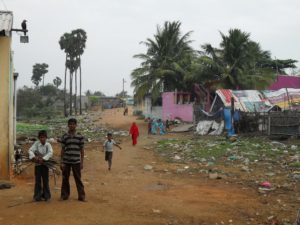 The 2019 elections in India represent the largest displays of democracy around the world. Because of the number of eligible constituents, more than seven phases of the election took place throughout the country. The same rules that apply in America apply in India; you have to be at least 18 years old and register to vote. The casting of votes ended on May 19, and the counted votes were revealed on May 23.
 Since
Since 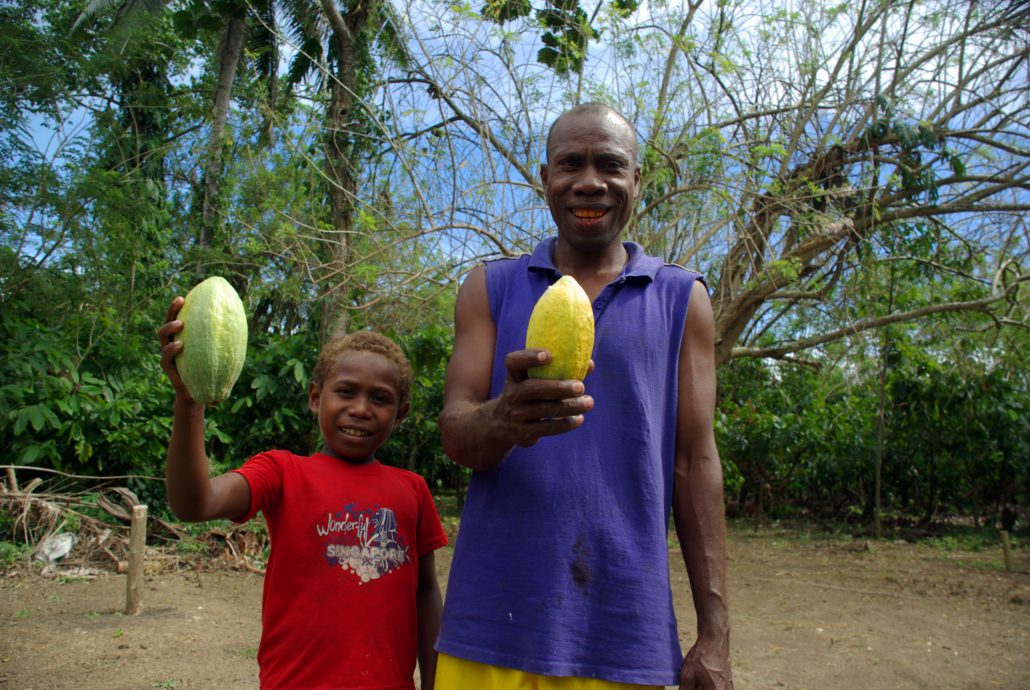 Côte d’Ivoire produces 35 percent of all cocoa, making it the
  There is no one cure for poverty and no way to guarantee that a child will have a successful future, but a good education is a solid start. Poverty is especially bad in Kenya where 42 percent of residents live below the poverty line. A new program in Kenya is testing a model that would prepare young children for school and ultimately prepare them to be successful adults. Early childhood
 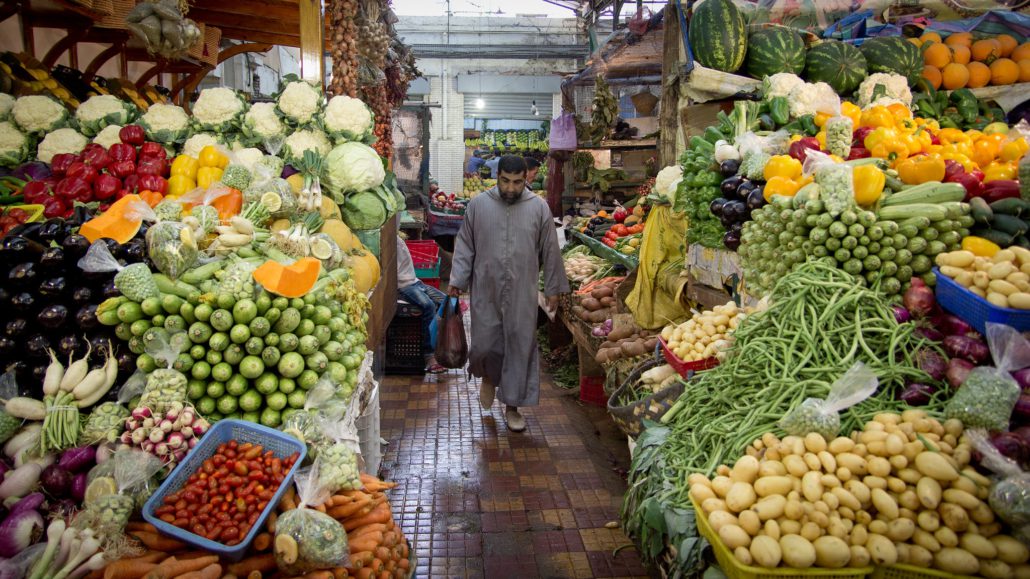 Bangladesh, a small country in South-East Asia about the size of Arkansas, has the seventh-largest population in the world. With over 1,115 citizens per square kilometer, Bangladesh is also one of the most densely populated and poorest countries. Like many overpopulated nations around the world, Bangladesh has experienced a huge spike in poverty over the last thirty years. Lack of resources and capital causes a decrease in food production and sales. However, there has been a breakthrough in Bangladesh’s food processing industry.
