• Link to X
  • Link to Facebook
  • Link to Instagram
  • Link to TikTok
  • Link to Youtube
  • About
    • About Us
      • President
      • Board of Directors
      • Board of Advisors
      • Financials
      • Our Methodology
      • Success Tracker
      • Contact
  • Act Now
    • 30 Ways to Help
      • Email Congress
      • Call Congress
      • Volunteer
      • Courses & Certificates
      • Be a Donor
    • Internships
      • In-Office Internships
      • Remote Internships
    • Legislation
      • Politics 101
  • The Blog
  • The Podcast
  • Magazine
  • Donate
  • Click to open the search input field Click to open the search input field Search
  • Menu Menu

Archive for category: Poverty Reduction

Information and stories about poverty reduction.

Aid, Children, Foreign Aid, Global Poverty, NGOs, Poverty, Poverty Reduction

QANDIL’s Humanitarian Efforts in Iraqi Kurdistan

QANDIL's Humanitarian Efforts
Sweden’s renown as a humanitarian superpower stems from its involvement in global aid initiatives. In 2018, the country devoted 1.04 percent of its gross national income (GNI) to overseas development, making Sweden the sixth-largest humanitarian aid contributor among the world’s countries and the largest one proportional to its Gross Domestic Product (GDP). From 1975 onward, Sweden’s humanitarian aid efforts have continually surpassed the U.N.’s minimum target of developed nations spending 0.7 percent of GNI on overseas development initiatives.

One of the most well-regarded Sweden-based NGOs is QANDIL. Established in Stockholm in 1991, QANDIL’s initiatives aim to foster lasting peace and development in Iraq. Beneficiaries of its aid range from refugees and returnees to internally displaced persons and local host communities. Since 2016, QANDIL has concentrated its efforts on development in the Kurdistan region, serving as the most prominent partner of UNHCR in this region. Below are seven facts about QANDIL’s humanitarian efforts.

7 Facts About QANDIL’s Humanitarian Efforts

  1. Economic Assistance — Two Cash-Based Intervention projects implemented in 2017 raised $2,695,280 for 3,829 families in need in the Kurdistan region’s Duhok governorate. In Erbil, QANDIL distributed $3,155,800 to 3,054 families in the Erbil governorate, while $648,290 went to 1,900 families in the Sulaymaniyah governorate. Ultimately, QANDIL distributed $6,499,370 to 8,783 refugees and IDP families within three of the Kurdistan region’s governorates. This provides a foundation by which these uprooted people may become economically stable and productive.
  2. Shelter — Through the Shelter Activities Project, QANDIL supported uprooted people in search of shelter, which included 7,246 families. Among QANDIL’s successes in providing shelter-based aid is the implementation of 25 major shelter rehabilitation initiatives, encompassing five camps in the Sulaymaniyah governorate. This helped resolve the long-term problem of incomplete and hazardous structures allotted to displaced persons.
  3. Legal Services — The Outreach Project, operating in the Erbil and Duhok governorates, offers legal services to IDPs and refugees. With the participation of volunteers from both the displaced and host communities, QANDIL’s efforts have granted legal assistance to 319,773 IDPs and refugees and outreach services to 19,894 persons in the Erbil governorate alone. In the Duhok governorate, beneficiaries included 69,093 refugees and IDPs. Furthermore, in 2017, QANDIL participated in an initiative to provide mobile magistrates to administer court-related matters for displaced persons.
  4. Assistance for Gender-Based Violence Victims — With the participation of UNFPA, QANDIL commits resources to finance and submitting reports to seven local NGOs that operate 21 women’s social centers. These centers function in both responsive and preventative capacities for women both within and outside camps. Services that these centers offer include listening, counseling, referrals to other institutions, distribution of hygiene kits and even recreational activities. In total, this program has assisted 67,108 women and girls in the Duhok governorate, 11,021 in the Erbil governorate and 43,797 in the Sulaymaniyah governorate.
  5. Youth Education — Starting in 2017, QANDIL devised an educational initiative targeting Syrian refugee students, funded at approximately $271,197. The soft component of this initiative provided funding and resources for recreational activities and catch-up classes, as well as teacher capacity building training and the maintenance of parent-teacher associations, in schools enrolling refugee students in the Sulaymaniyah governorate. The initiative’s hard component comprises aid for special needs students at seven refugee schools in the Sulaymaniyah governorate.
  6. Skills Training — In collaboration with the German development aid organization GIZ, QANDIL embarked on a vocational and educational initiative aiming to benefit displaced persons residing at Debanga camp. These individuals received access to skills training and qualifications certification, ranging from plumbing and electricity to language and art, in three-week courses offering free tuition. As a whole in 2017, the vocational and educational training centers that QANDIL supported with funding from GIZ have improved the employment prospects for 1,756 individuals, out of which 546 were women.
  7. Immediate Response in Crisis Situations — With an upsurge in regional conflict on Oct. 16, 2017, came an increase in IDPs in Tuz Khurmatu, a city 88 kilometers south of Kirkuk. This event tested the efficacy and efficiency of QANDIL’s humanitarian aid efforts. By Oct. 24, QANDIL’s Emergency Response Committee began dispensing out emergency kits to persons that the conflict escalation affected. Included in these packages were necessities, food and non-food items alike. By Oct. 25, QANDIL parceled out 1,237 emergency kits to aid-seekers distributed over 25 locations in the Sulaymaniyah and Garmian regions. That same day, 600 aid-seekers received aid packages in the Erbil and Koya regions, while the rest of the aid made its way to other camps in the Sulaymaniyah area.

From education to vocational training to sanitation and hygiene and shelter and legal services, QANDIL’s humanitarian efforts in the Kurdistan region of Iraq continue to make a difference for the lives of thousands of displaced and settled people alike. Thus, QANDIL serves as an ambassador for Sweden’s humanitarian aid mission. Whether in the course of sustained initiatives or responses to imminent crises, QANDIL persists in its constructive humanitarian aid role in an unstable region. It is through the tireless efforts of such NGOs as QANDIL that Sweden continues to serve as a model in humanitarian aid initiatives to the rest of the world.

– Philip Daniel Glass
Photo: Flickr

October 10, 2019
https://borgenproject.org/wp-content/uploads/borgen-project-logo.svg 0 0 Kim Thelwell https://borgenproject.org/wp-content/uploads/borgen-project-logo.svg Kim Thelwell2019-10-10 02:34:252019-12-16 10:29:06QANDIL’s Humanitarian Efforts in Iraqi Kurdistan
Advocacy, Developing Countries, Development, Global Poverty, Poverty, Poverty Reduction

Natural Disasters Shape Global Poverty

Natural Disasters Shaping Global Poverty
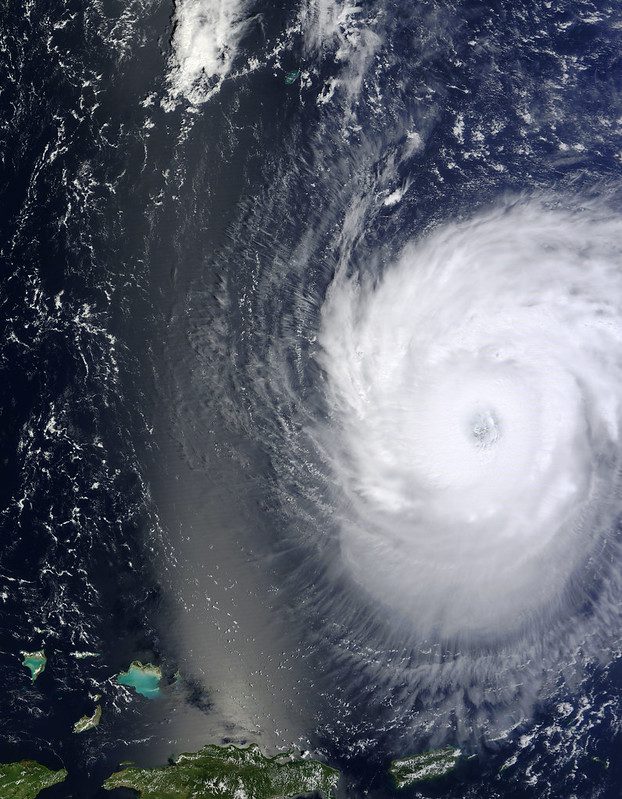
When people discuss the causes of global poverty, natural disasters do not often come up, but there is a correlation between natural disasters and global poverty. This may be due to the fact that natural disasters tend to be completely out of human control, while human choice and behavior can either cause or greatly reduce other factors that contribute to poverty. However, natural disasters shape global poverty through post-disaster destruction and economic and societal instability. Geographical location and weather patterns, as well as vulnerability to natural disasters, are immensely pertinent to a society’s poverty rate.

The Danger of Natural Disasters

According to the World Bank, natural disasters force over 26 million people across the globe into poverty annually and cost the global economy around $520 billion every year. These disasters also reinforce the cyclical nature of poverty; they ruin progress that countries have made to reduce poverty and leave impoverished people completely vulnerable due to their inability to cope and recover after the calamity. The five countries with the highest Climate Risk Index ratings from 1998 to 2017 all have national poverty rates above 20 percent. Honduras and Haiti rank two and four on this index, respectively and are great examples of how natural disasters shape global poverty.

Hurricane Mitch

According to a Penn State University report, Honduras lost $3.8 billion after Hurricane Mitch in 1998. The agricultural economic sector dropped by 7 percent as both domestic and cash crops disappeared. According to Honduras Compassion Partners, the agriculture sector has dropped by almost 33 percent over the last 20 years. Adequate sanitation and clean water were rarities and are still not too ideal levels. The health and education system took a $33 million hit. Penn State University also reported that societal instability increased after the storm. The country saw a surge in gender inequality and sexual and domestic violence after the hurricane. Extreme weather is so influential to poverty rates because its devastation is multifaceted. Like in Honduras, natural disasters simultaneously strip individual necessities like food, shelter, security and sanitation and weaken socioeconomic resilience, that is, the ability for society as a whole to recover after a catastrophe.

Haiti

Another example is Haiti. The 2010 earthquake that ravaged the island nation cost the economy around $7.8 billion. The natural disaster affected all facets of life. A Global Foundation for Disaster Reduction and Recovery report revealed just how vast the consequences of a disaster like this can be:

  • Social sectors like water, food, sanitation, health and education suffered $553.3 million in economic loss.
  • Infrastructure sectors like housing, food, energy and transportation suffered close to $1.3 billion in economic loss.
  • Production sectors like agriculture, industry, retail and finance suffered $933.3 million in economic loss.

These figures do not even include the cost of damages, which more than double the total expense. Almost a decade later, partially due to more natural disasters, Haiti is still recovering from the earthquake. These calamities bombard all of the indicators of poverty and all of the variables that have the potential to lift an individual and a society out of poverty (i.e. food security, capital, sanitation, education, health care) in one fell swoop. The post-disaster consequences underpin the cyclical complexion of poverty. This is how natural disasters shape global poverty.

Direct Relief

Direct Relief is a non-governmental organization that provides relief from natural disasters in over 80 countries in Asia, Africa, South America, Central America, North America and Europe. To date, Direct Relief has provided $747,210,716 in international aid, given 160,038,758 doses of medicine and provided 3,531,448 pounds of medical supplies to victims of natural disasters. The organization distributes products such as emergency medical packs, cholera treatment kits, oral rehydration salts and hurricane prep packs. It also employs a hurricane prep map to supply aid to the affected countries. Direct Relief has been the largest provider of aid to Haiti since the 2010 earthquake.

Natural disasters and global poverty have a close relationship. The ability for one extreme weather event to negatively influence all of the factors that decide poverty makes it much more difficult for countries prone to these storms to end the cycle of poverty. More research and development on disaster preparedness and recovery are necessary to allow countries the opportunity to break the feedback loop. These disasters are stymying poverty reduction efforts in countries like Honduras, Haiti and even now in Zimbabwe which is suffering from severe drought. Response and preparation to natural disasters and climate tendencies need to be a higher priority in the strategy of mitigating global poverty.

– Zach Brown
Photo: Flickr


October 4, 2019
https://borgenproject.org/wp-content/uploads/borgen-project-logo.svg 0 0 Kim Thelwell https://borgenproject.org/wp-content/uploads/borgen-project-logo.svg Kim Thelwell2019-10-04 09:13:172024-06-05 01:28:28Natural Disasters Shape Global Poverty
Global Poverty, Poverty Reduction

Developing Tourism in Myanmar

tourism in Myanmar

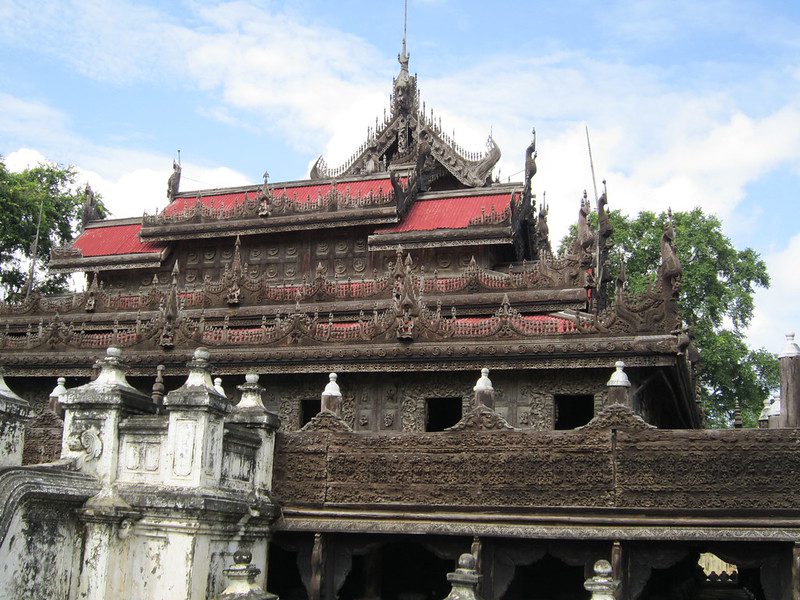
Since 2011, tourism in Myanmar grew rapidly. One million tourists visited the country in 2011 and more than three million did in 2017. The Tourism Master Plan 2013-2020 came to life to develop Myanmar’s tourism industry, create jobs and attract more international tourists. Hilton and Best Western are investors in Myanmar and foreign investment in Myanmar’s hotel and tourism industry amounted to $2.6 billion in 2017.

Tourism Master Plan

There are six strategy programs in Myanmar’s Tourism Master Plan. The strategies involve strengthening the institutional environment, building human resource capacity and promoting service quality, strengthening safeguards and procedures for destination planning and management, developing quality products and services, improving connectivity and tourism-related infrastructure and building the image, position and brand of Tourism Myanmar.

The Master Plan set a high target of attracting 3.01 million international visitors in 2015 and 7.48 million in 2020. Myanmar surpassed its goal in 2015 by attracting 4.6 million international visitors. More than 500,000 tourists arrived from Thailand and China in 2018.

An estimated 804,000 jobs in 2016 were from the travel and tourism sectors. In 2012, before the plan was enacted, there were 293,000 tourism-related jobs. Investment in the industry creates employment for those seeking to exit poverty, as unskilled workers in rural areas now have opportunities for employment in the developing tourism industry. About 40 percent of the poor reside in rural regions. Poverty reduced from 48 percent in 2015 to 25 percent in 2019. Part of this huge decrease in poverty is due to growing industries such as tourism.

Foreign Investors

Myanmar’s tourism and hotel sector received $2.6 billion in 2017 from foreign investors, which indicated increased interest relating to tourism in Myanmar. The main investor was Singapore, which is on Myanmar’s list of its top ten tourists by nationality. A $63 million venture between Myanmar’s KMA Hotel Group and Thailand’s Centara Hotels and Resorts to develop a hotel chain is one direct flow into the industry. Many other projects were created to compensate for the tourism boom.

Training in Tourism

Since tourism in Myanmar increases exponentially, it is expanding educational programs to teach skills necessary for working in the tourism and travel industry. The Ministry of Hotels and Tourism’s (MOHT) Tourism and Training School offers classes for tour guide training and tourism management. The MOHT also partnered with the Ministry of Education to offer a four-year degree in tourism at two colleges, the National Management Degree College in Yangon and Mandalar Degree College in Mandalay.

Almost 400 students earned a master’s degree in Tourism Studies and Management from Yangon University since its inception in 2015. The program accepts 60 students per year. The Hospitality Training School opened in 2016 and offers courses relating to housekeeping, front office and food and beverage.

Myanmar Tourism Bank

The Myanmar Tourism Bank opened in Yangon this year to provide long-term, long-cost loans to the tourism and hospitality sector. It is also the first bank in the country dedicated solely to the sector. It offers most services provided by commercial banks. The bank is yet another way Myanmar plans to stimulate investment in the tourism industry, particularly by smaller operators that desire to benefit from the rapid growth.

Growing Tourism Industry

Myanmar received 2.4 million visitors in the first five months of 2019, which is its strongest year since 2015. The current tourism boom shows promise for tourism in Myanmar. Job creation, increased GDP and reduced poverty are all positive effects of the growing tourism industry.

– Lucas Schmidt
Photo: Flickr

October 3, 2019
https://borgenproject.org/wp-content/uploads/borgen-project-logo.svg 0 0 Jennifer Philipp https://borgenproject.org/wp-content/uploads/borgen-project-logo.svg Jennifer Philipp2019-10-03 08:29:302024-06-04 01:17:54Developing Tourism in Myanmar
Advocacy, Developing Countries, Development, Global Poverty, Poverty, Poverty Reduction

ADB Helps Pakistan to Fight Poverty

ADB Helps Pakistan to Fight Poverty

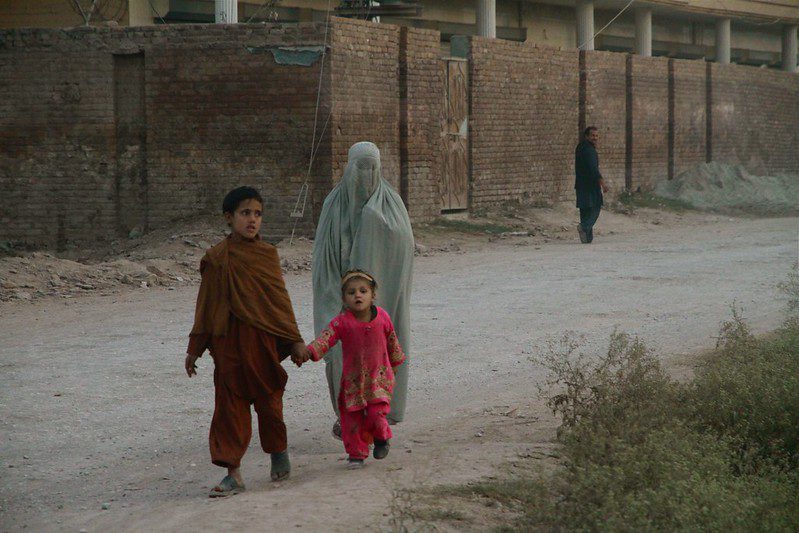
The Asian Development Bank (ADB) helps Pakistan to fight poverty by pledging  $10 billion to Pakistan over the next 5 years for the purpose of infrastructure development, with the goal of improving important economic sectors that could revitalize regional trade. Two central areas of investment for the ADB will be water resource development and transportation infrastructure. Transportation infrastructure is an especially important focus area, as it undergirds the possibility of developing trade in other sectors of Pakistan’s economy. Water resource development will be crucial in continuing to sustain the agriculture sector and in ensuring that citizens have access to water. Here are some ways ADB helps Pakistan to fight poverty by addressing some major issues.

Trade and Transportation

While trade and poverty may appear to be separate, the economic growth prospects offered by expanding trade programs often spill over to effect poverty reduction. The positive gains in GDP growth result in increased capital coming into a country, which creates more opportunities for employment and access to markets. Since 2001, consistent yearly GDP growth in Pakistan, ranging from 1.7 percent to 7.5 percent has come alongside a 24.7 percent reduction in the number of Pakistanis living in extreme (less than $1.90 a day) poverty.

However, the poor transit system could have negative effects on the future of economic growth in Pakistan. Most of the nation’s railway system is over 100 years old and was built during the British colonial period. This has severely hampered the possibility of ramping up trade and industrial production, as only 4 percent of commerce can be shipped via rail. This has had a while GDP growth has been consistent, the share of growth caused by trade has declined, as the service industry, at 58.6 percent of GDP and agriculture sector at 24 percent both outpace the contributions of industrial production, which has declined from 22 percent of GDP to 19.3 percent. Moreover, the ADB estimates that 2 percent of GDP is lost annually due to poor transportation infrastructure.

In response to this, the ADB has announced plans to invest in providing more locomotives, increasing the overall prospects for shipping capabilities by rail, and has also invested in updating railway lines, as well as improving north-south highways for travel via motor vehicles.

Water Resource Development

Water resource development is another way ADB helps Pakistan fight poverty. This is not to suggest that agriculture is unimportant, as in some cases, agricultural development is integral to the maintenance of local economic growth, offering a means of mitigating the worst impacts of poverty. This is especially true of Balochistan, a province that faces severe water scarcity, impacting both the living standards of the population and the local economy. Agricultural production requires massive levels of water to operate successfully, and with 60 percent of the population employed in agriculture, the impact of water scarcity on poverty is compounded by pressing economic concerns.

As a result of water scarcity in Quetta, the provincial headquarters of Balochistan, many tube-wells were installed in order to redirect water from rural areas to provide water to the urban areas. This program has produced a massive strain on the population of Balochistan, eliminating access for water for both drinking and for use in agricultural production, with poor water resource management producing a scenario in which one portion of the population is only able to access the water by depriving another.

However, the ADB is seeking to combat this water scarcity by protecting watersheds and building 276 kilometers of new irrigation channels, to support agricultural production. Watersheds will prevent soil erosion, and increase water storage capabilities in the region, while irrigation channels will assist in combating the scarcity brought on by tube-wells. Beyond its use for irrigation, these programs will also be important for developing methods of helping increase access to water in the region, which some estimate could have a profound impact on increasing women’s access to water.

Conclusion

Water scarcity and poor transportation infrastructure have hindered effective economic development in Pakistan, limiting the prospects for sustainable economic growth and poverty reduction. The influx of capital offered by expanding networks for regional trade promises to offer new avenues for employment and sustainable income for Pakistanis living in poverty. Water resource management will provide new avenues for managing agricultural development, ensuring stable irrigation routes and providing overall water security.

– Alexander Sherman
Photo: Flickr

October 1, 2019
https://borgenproject.org/wp-content/uploads/borgen-project-logo.svg 0 0 Kim Thelwell https://borgenproject.org/wp-content/uploads/borgen-project-logo.svg Kim Thelwell2019-10-01 12:22:432024-05-29 23:12:40ADB Helps Pakistan to Fight Poverty
Developing Countries, Development, Global Poverty, Poverty, Poverty Reduction

How Plastic Bank is Tackling Global Poverty

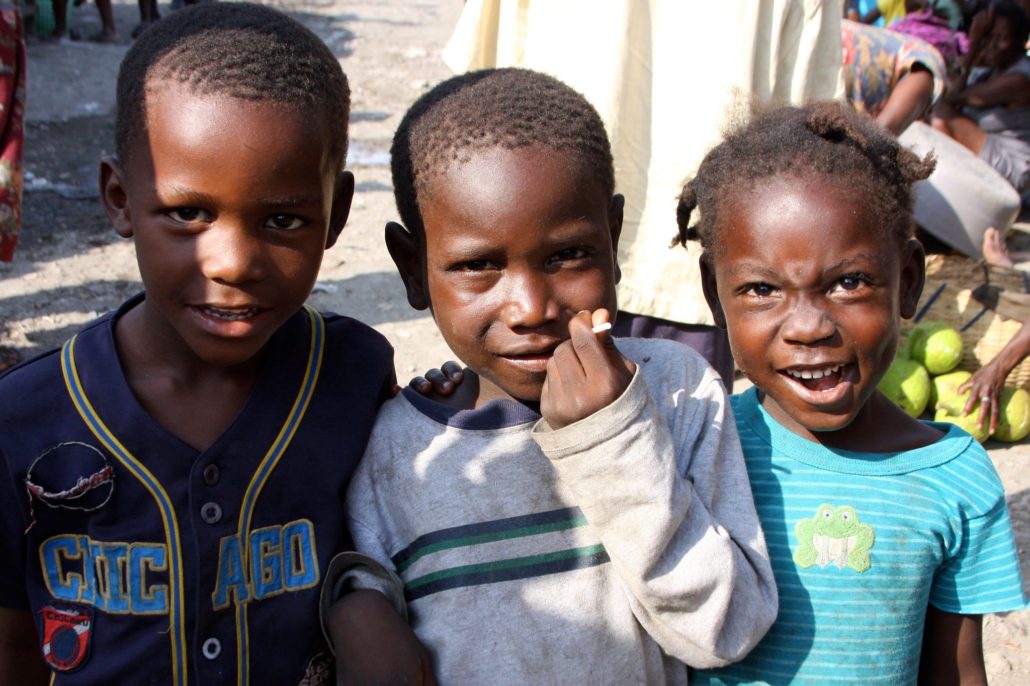
Plastic BankThere are more microplastics in the ocean than there are stars in the Milky Way galaxy and the majority of this plastic waste comes from areas of extreme poverty, where recycling is simply not an option. Because a garbage truck’s worth of plastic is dumped into the ocean every minute, David Katz and Shaun Frankson were compelled to create the organization known as Plastic Bank. During a TED talk, Katz explains that the solution to this problem is to “turn off the tap,” since ridding the oceans of plastic waste may be futile. Thus, the organization was launched with two goals in mind: stopping the flow of plastic waste into the ocean, while simultaneously alleviating global poverty.
What is the Plastic Bank?

The Vancouver-based Plastic Bank, launched in 2013, is predicated around the idea of turning plastic waste into digital currency in impoverished communities. This gives plastic too much value to be simply dumped into the ocean. The organization touts the mantra, “Plastic is a resource — not waste.”

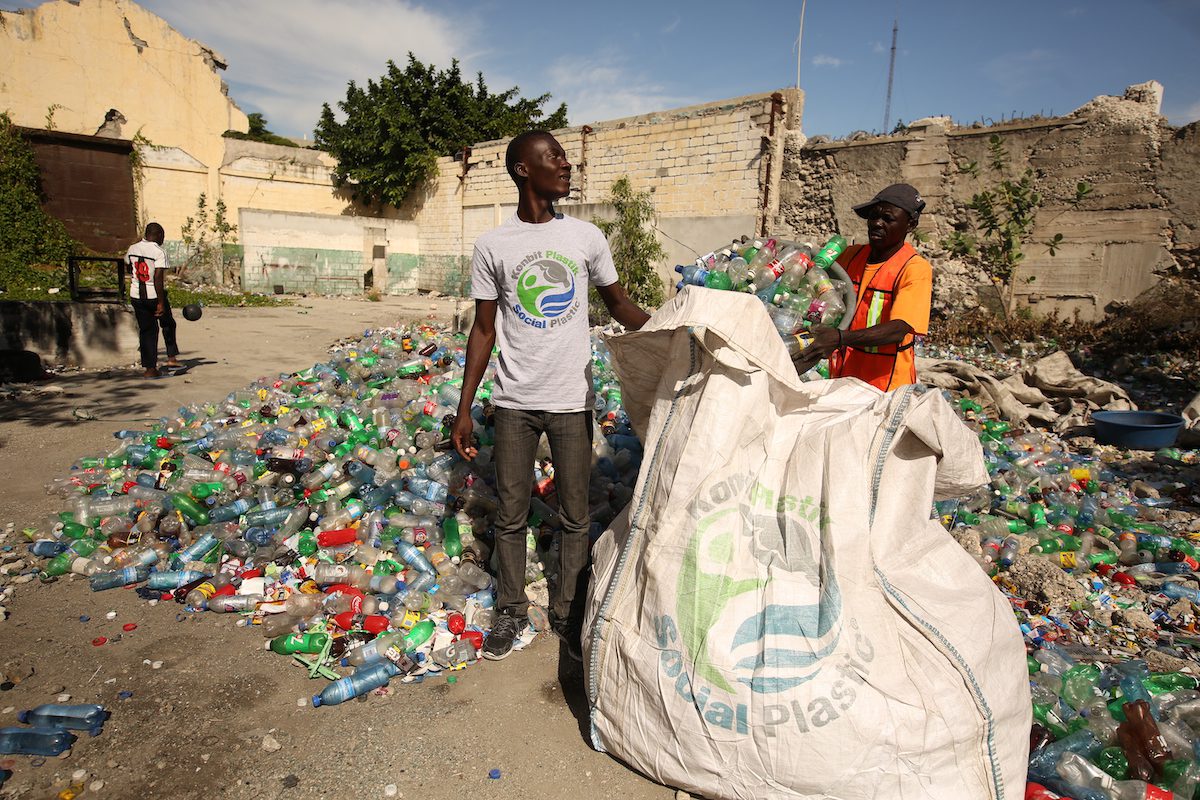
At numerous locally-run Plastic Bank locations, individuals turn in plastic they have collected from within their communities. In Haiti, more than 40 recycling centers have been established and plastic collectors earn as high as $5 per day in a country where the average citizen lives on $2 a day, according to the World Bank. Since 2015, the first Plastic Bank center opened in Haiti has collected an amount of plastic equivalent to more than 100 million plastic bottles.

The plastic is weighed and assigned a value, which is then deposited into an online account that can be accessed via a smartphone application. According to Frankson, 50 percent of people in Haiti have a smartphone that can run the app and those who do not can use plastic to buy a phone. The app uses blockchain technology on IBM’s LinuxONE servers, meaning that all transactions are tracked and free of any danger involved in a cash-based system, such as robbery or forgery. At Plastic Bank stores, individuals can use their credits to buy necessities such as water, food, sustainable cooking fuel, high-efficiency stoves and even medical insurance, school tuition, solar-powered smartphone charging and Wi-Fi access.

Another innovation is the app’s banking features. Utilizing the same blockchain technology to create a secure “hyper ledger,” users can build credit over time and eventually earn low-interest loans. Before this feature, this was a very uncommon opportunity in countries like Haiti since many citizens do not qualify for bank accounts.

The Advent of Social Plastic

Once the plastic is collected at recycling centers, it is cleaned, crushed into pellets and sold as what the organization calls Social Plastic, or a form of plastic that is more socially responsible. Social Plastic is purchased by companies and multinational corporations such as German Henkel, Shell, IBM and Marks & Spencer and is used directly in the manufacturing of their goods. According to Katz, Social Plastic is a “globally recognized currency“ that “alleviates poverty and cleans the environment at the same time.”

The Future of Plastic Bank

Currently, Plastic Bank is expanding operations to over two dozen countries and developing the app further, including IBM visual recognition technology to help users identify the value of certain plastics, like a barcode scanner in a store. Plastic Bank expects to entice major corporations such as Coca-Cola, PepsiCo and Colgate-Palmolive to join the initiative. Plastic Bank currently operates in the Philippines, Haiti and Indonesia and is projected to have 530 locations by the end of 2019.

– Adam Bentz
Photo: Flickr

October 1, 2019
https://borgenproject.org/wp-content/uploads/borgen-project-logo.svg 0 0 Jennifer Philipp https://borgenproject.org/wp-content/uploads/borgen-project-logo.svg Jennifer Philipp2019-10-01 01:30:562019-10-10 10:13:42How Plastic Bank is Tackling Global Poverty
Aid, Global Health, Global Poverty, Life Expectancy, Poverty Reduction

Poverty in Haiti: One Island, Two Worlds

Poverty in Haiti
On the Caribbean island of Hispaniola lies two countries: Haiti and the Dominican Republic (DR). Despite being on the same island, poverty in Haiti far exceeds that of its neighbor.

The Statistics

The United Nations evaluated Haiti and the DR for human development considering three factors: “a long and healthy life, access to knowledge and a decent standard of living.” The DR ranked 94th out of 182 countries, indicative of its high human development. Haiti ranks much lower at 168th. The average life expectancy in the DR is 74 years, in contrast to Haiti’s average of 63. The DR’s expected years of schooling are approximately 14 years, while Haiti’s is about nine years.

The difference in development is evident in each countries’ economy as well. In the DR, rates of poverty decreased from 21.7% to 19.9% from 2015 to 2016. Within five years, the DR’s average rate of GDP growth was 5.8% per year. This economic boost has translated into a decrease in poverty and income inequality. In contrast to the DR’s economic success, the Haitian economy is suffering, leading to the majority of its population (58.5%) being in poverty in Haiti. In Haiti, GDP has decayed at a rate of 0.2%. Rapid inflation also plagues Haiti, indicating its struggling economy.

Differing Geography

There are several reasons behind these stark contrasts in development. The geography of the island is one explanation. The mountains dividing the island are able to prevent rainfall from coming to Haiti. Northeast trade winds blow towards the DR, promoting rainfall on its side. Additionally, deforestation is a serious issue on the Haitian side of the island, creating environmental and agricultural roadblocks.

These geographical features make it troublesome for Haitians to grow crops, which takes a toll on their primarily agricultural economy. This lack of cultivation decreases opportunities for farms in Haiti. Deforestation also diminishes the scenic beauty in the country, while the DR uses its natural scenes to promote tourism and bolster its economy.

Looking to History

Deforestation in Haiti began with Spanish colonization. When the Spanish colony gave a part of Hispaniola to France in 1697, the French began to import an excessive amount of slaves into the land. Although the Spanish also used slaves, France used nearly 10 times as much. The French over-cultivated the same cash crops, coffee and sugar in the same soil, which led to the environmental devastation of the country today. Haiti was the first independent black state, which came at a large cost as well. Its extreme amount of debt to the French government deteriorated its economy, as well as disputes about how to construct its new autonomous government. Although U.S. occupation and political instability riddled both the DR and Haiti, Haiti has received continuous exploitation and its leaders have had little regard for economic development.

Although there have been many countries that have provided international aid and relief, notably the U.S., the country has not been able to solve much. This is mostly due to the country not having the necessary investment in its aid. In fact, Haiti has even pursued policies that actively diminish its economy.

Organizations in Haiti

Although many countries have not aided Haiti with its recovery from exploitation, several non-governmental organizations have pursued several projects to tackle poverty in Haiti. After Haiti’s disastrous 2010 earthquake, Global Communities implemented several initiatives to remove rubble. The organization has now removed over one million cubic meters of rubble, providing 20,000 locals with short-term jobs. Global Communities also created the Lavi Miyo Nan Katye pa’m Nan (LAMIKA) program, which translates to “a better life in the neighborhood.” It focuses on Carrefour-Feuilles, a poverty-ridden neighborhood greatly affected by the earthquake in Port-au-Prince. It is reconstructing 1,500 meters of roads, almost 2,000 meters of pedestrian footpaths and nine schools. It has also worked to improve the water and sanitation systems of the country.

The Pan American Development Foundation (PADF) has also conducted several projects to alleviate poverty in Haiti. To improve the economy, PADF implemented the LEAD program, which the United States Agency for International Development (USAID) funded. LEAD connects investors from the U.S. and Canada to Haitian businesses, helping them develop into larger enterprises. Collaborating with American Red Cross and USAID, PADF encourages “resilient urban development” in the area of Canaan under the program name, Ann Boust Canaan. The program has introduced vocational schools to better train residents for jobs. Additionally, it has created 1,500 new jobs and linked citizens to businesses to better access their finances.

To expand the limited medical treatment in Haiti, Doctors Without Borders manages three hospitals in Port-Au-Prince. There is a prevalence of burn victims that require medical care in this region, so, in 2017, the organization administered 1,300 emergency room visits and aided approximately 700 patients. Victims of sexual and gender-based abuse obtained care, with 769 patients receiving treatment in 2017. Doctors Without Borders educates hospital staff and has begun building a new hospital in Haiti as well.

What Individuals Can Do

For those who would like to be more involved in the process of reducing poverty in Haiti, they can make donations to programs through the organization Hope for Haiti. The program allows donors to choose where they would like their donation to go, such as health care, education and environmental development. Another more active approach is volunteering for Haitian organizations. The organization MedShare sends medical supplies to Haitian hospitals and clinics and requires volunteers to package the items in the U.S. before shipping.

Haiti has undergone exploitation throughout its history. The DR has experienced exploitation, but to a lesser extent, which its better economic and environmental conditions today show. Since countries have not aided Haiti sufficiently, there are several non-governmental organizations that have helped in recovery from its instability. Individuals can also help by volunteering their time or supplies to Haitians in need. Being born on different sides of the same island should not determine drastically different life outcomes.

– Diana Piper
Photo: Flickr

September 30, 2019
https://borgenproject.org/wp-content/uploads/borgen-project-logo.svg 0 0 Kim Thelwell https://borgenproject.org/wp-content/uploads/borgen-project-logo.svg Kim Thelwell2019-09-30 10:11:202024-05-29 23:11:05Poverty in Haiti: One Island, Two Worlds
Developing Countries, Global Poverty, Poverty, Poverty Reduction

What is the International Poverty Level?

Poverty Level
The word poverty is common in discussions of politics, global issues, health and education around the world. Although many organizations are working to put an end to poverty, the general public often has many questions surrounding this prevalent topic. What does it mean to be in poverty and what is the poverty level?

The most recent poverty level set in 2015 stated that an adult making less than $1.90 a day is in poverty. People could questions surrounding the poverty level from a variety of perspectives. Politicians often use it around the globe to allot aid and develop economic policy, but mathematicians can also use it to compare the rates of poverty among countries and solution-oriented NGOs can use it to understand the root causes of poverty. In today’s era, one hefty debate revolves around the impacts of globalization on poverty-ridden countries. This is just one context in which the poverty level is a useful tool in decision making and analysis.

Who Determines the Poverty Level?

The World Bank sets the international poverty line and it fluctuates over time based on how the cost of living changes around the world. To calculate a shared poverty level internationally, the World Bank takes the poverty threshold from each country and converts it into a common currency. It does this using Purchasing Power Parity (PPP), which creates equilibrium among currencies so that the same basket of goods in two different countries will receive the same pricing in each country. PPP is an economic theory that allows the World Bank to put each country’s income and consumption data in globally-comparable terms to ensure that the same quantity of goods and services receive equitable pricing across countries.

Why is it Important to Measure Poverty Levels?

Developed nations, such as the U.K., debate the costs of living and raises in income. In low-income countries, analyzing poverty levels is important for targeting development initiatives and evaluating economic progress over time. For instance, The Rural Support Programmes in Pakistan work to identify needs in rural communities and improve the delivery of basic goods and services in these areas. These programs use poverty levels to evaluate their work and support development initiatives in the area.

Who Lives in Poverty?

The U.N. estimates more than 700 million people live in extreme poverty around the world, struggling to fulfill the basic necessities of life. About 70 percent of these people live in Southern Asia and sub-Saharan Africa, however, these issues affect developed countries as well. Estimates determine that there are 30 million children growing up near or below the poverty line in the world’s richest countries.

What are the Causes of Poverty?

The causes of poverty are diverse and far-reaching, but they often include unemployment, social exclusion, conflict, natural disasters, disease and other phenomena that prevent them from accessing the resources they need to be productive and make a living.

With an estimated four million people living in extreme poverty, the Democratic Republic of the Congo currently has one of the highest poverty rates in the world. Although the country has access to many natural resources, political unrest has plagued it in recent years. The Democratic Republic of Congo has suffered through continual corruption of political officials that has stifled development so that it remains nearly impossible to easily access or extract any of the country’s natural resources. Therefore, it remains difficult to make a living, or even have access to the basic necessities of food and water.

Despite the dismal numbers, some organizations are making huge strides in overcoming global poverty. Organizations like Oxfam International have made it their objective to reduce worldwide poverty. Working in over 90 countries and directly reaching millions of people each year, Oxfam primarily tackles issues of inequality and discrimination. It also provides direct aid in times of crisis and educates the world’s poor in an effort to impact the root causes of poverty at the political level.

Groups like Oxfam often utilize the international poverty level to assess and direct their efforts. Unfortunately, there is no magic solution to such a widespread problem. In order to solve the issue, though, everyone must first understand its causes. By implementing the poverty level system, the world should be on the right track to eradicate extreme poverty.

– GiGi Hogan
Photo: Flickr

September 30, 2019
https://borgenproject.org/wp-content/uploads/borgen-project-logo.svg 0 0 Kim Thelwell https://borgenproject.org/wp-content/uploads/borgen-project-logo.svg Kim Thelwell2019-09-30 07:30:212024-05-29 23:10:40What is the International Poverty Level?
Global Poverty, Poverty Reduction

Five Facts About the Philippines’ Poverty Reduction

Philippines' Poverty Reduction

In 2015, the poverty rate in the Philippines was at 21.6 percent, which is a five percent decline from 2006. Although poverty rates have been declining, 22 million Filipinos still live in poverty as of 2015. That makes up about one fifth of the country’s population. Here are five facts about the Philippines’ poverty reduction efforts.

Five Facts about the Philippines’ Poverty Reduction

  1. Factors benefitting declining poverty rates –Among many things, robust economic growth as well as the development and improvement of social programs have greatly benefitted the government’s efforts to eradicate poverty in the Philippines. The country has improved poverty rates by creating more jobs outside of the agricultural sector, changing coverage in health insurance programs and raising the level of compulsory education. Additionally, people are experiencing better living conditions through improved access to potable water, sanitation and electricity. These efforts have been part of the change in the last decades that have aided in the decline of the poverty rate.
  2. Factors hindering declining poverty rates  – one of the main causes for poverty is the high wealth inequality rates in the Philippines. One report showed that “the richest 1 percent of Filipinos own more than 50 percent of the country’s wealth.” Wealth being concentrated among the top 1 percent of the population limits equal opportunities. This keeps the poor in poverty. As a way for the country to move forward and reduce poverty, the government has started focusing on investment and development of the regions where poverty is more prevalent. By doing so, it hopes to mitigate the negative effects of inequality and reduce the inequality rate.
  3. Birth control for the poor – besides the programs working towards changing people’s living conditions, the government has passed a law that provides birth control to 6 million women who cannot currently afford it. This will allow families to better plan how many children they have and to be better prepared to provide for their children. This has been part of the larger plan to reduce the population growth rate from 1.7 percent to 1.4 percent. Currently, the population is 104 million and continuing to rise.
  4. Key programs to help reduce poverty – the government has made great progress in reducing poverty. It intends to continue by implementing programs such as AmBisyon 2040 by the National Economic and Development Authority (NEDA). NEDA aims to improve living conditions for those living in extreme poverty through job creation, improved health and nutrition and an increase in productivity. There is also a government program known as the Pantawid Pamilyang Pilipino Program, which has already helped reduce poverty 5 percent.
  5. The government’s goals for poverty eradication – by 2022, the government hopes to reduce poverty to 13-15 percent. The Philippine Development Plan 2017-2022 has set the goals for the country’s poverty reduction efforts. As part of these programs, the country wants to increase investment in areas where poverty is more prevalent, such as in Mindanao, in order to boost development and create more job opportunities for the population.

The government is hopeful that its goals will be achieved by 2020, given all the programs and efforts it is putting into eradicating poverty. These five facts about the Philippines’ poverty reduction efforts highlight the progress that has been made in the past decades. They also show areas that still need to improve in order to fully eradicate poverty in the country.

– Laura Rogers
Photo: Flickr

September 25, 2019
https://borgenproject.org/wp-content/uploads/borgen-project-logo.svg 0 0 Kim Thelwell https://borgenproject.org/wp-content/uploads/borgen-project-logo.svg Kim Thelwell2019-09-25 07:30:532024-06-11 23:17:16Five Facts About the Philippines’ Poverty Reduction
Global Poverty, Poverty, Poverty Reduction

The Mongolia Third-Neighbor Trade Act

The Mongolia Third-Neighbor Trade Act
Representatives Ted Yoho (R-FL) and Dina Titus (D-NV) along with eight other bipartisan representatives proposed the Mongolia Third-Neighbor Trade Act. Mongolia has become a prominent ally due to its location; it lies between Russia and China, and while it is independent, it still relies on both countries for resources and support. The Third-Neighbor Trade Act is an important bill for maintaining stable trade relations with not only Mongolia but other allied nations as well.

How Trade Relations Can Strengthen Mongolia

The main purpose of this bill is to create a stronger economy within Mongolia. According to a press release from Rep. Ted Yoho (R-FL) on April 11, 2019, “The Mongolia Third-Neighbor Trade Act is not just about the imports of cashmere; it is a smart policy that supports a strong, independent Mongolia that continues to be a beacon of freedom in the region and a strategic partner of the United States.”

This shows how important U.S. trade relations with Mongolia are in protecting independent freedom. The Mongolia Third-Neighbor Trade Act comprises of four main components that will improve trade relations.

The Mongolia Third-Neighbor Trade Act’s purpose is to improve trade relations and it should make Mongolia more economically stable. The bill plans to utilize the U.S. Overseas Private Investment Corporation (OPIC) and to support small and medium enterprises (SMEs). Through the help of corporations and enterprises, the economy in Mongolia can securely expand. The increase in technology and science can create other forms of trade for Mongolia to offer to the other partnered nations.

Mongolia is constantly competing with China to become the largest producer of cashmere and textiles. With duty-free trade in place for Mongolia’s exports, there will be no other competition for these goods within the U.S. In return, the U.S. will expand on what goods and resources it will export to Mongolia.

Protecting Mongolia’s Resources

The second part of the bill seeks to improve U.S. exports to Mongolia which will help Mongolians survive harsh winters. Winters in Mongolia can be particularly deadly to the livestock that live there. It is particularly reliant on its livestock in terms of the industry employing one-third of its population.

Without any way of protecting their main source of income, these rural communities start spiraling towards poverty. During the time of dzud, which is the Mongolian word for winters so severe they kill plenty of livestock, many things can happen. Mainly, the livestock cannot create a significant enough reserve of fat to protect them from the harsh conditions. If Mongolia becomes a priority to receive imports from the U.S., farmers will be able to better prepare for this type of disaster.

Third, the bill will create more jobs in Mongolia, particularly for women. Women will be able to create cashmere goods within the country instead of exporting the cashmere to China for production. The bill will create 40,000 jobs for women to create cashmere products. Women are primarily dominating the garment industry in the country. These jobs will boost Mongolia’s economy by not only empowering the nation but by keeping it out of poverty.

Duty-Free Trade

Lastly, the bill will impose a duty-free trade on products containing 23 percent or more cashmere. This part of the bill has the support of two major trade businesses, The American Apparel and Footwear Association (AAFA) and Mongolia’s Gobi Corporation. Through the Mongolia Third Neighbor Trade Act, “Congress would forge a stronger partnership with our friends in Mongolia and provide American consumers with better access to these high-end products,” said the CEO of AAFA. The Gobi Corporation has shops within the U.S. The Corporation believes that the U.S. will become an even stronger competitor against China as a consumer of cashmere goods.

The Mongolia Third-Neighbor Trade Act seeks to improve relations with Mongolia. These relations have been changing since 2007, putting the U.S. in danger of losing the trade advantage of China and Russia. Mongolia has provided military aid to many countries in both Afghanistan and Iran. While representatives have proposed and changed this bill over the last few years, the support of 10 Congressmen may have perfected it. The five Democrats and five Republicans working on this bill show that a united front can lower the effects of poverty.

– Christina Atler
Photo: Flickr

September 24, 2019
https://borgenproject.org/wp-content/uploads/borgen-project-logo.svg 0 0 Kim Thelwell https://borgenproject.org/wp-content/uploads/borgen-project-logo.svg Kim Thelwell2019-09-24 09:38:262024-06-06 00:26:27The Mongolia Third-Neighbor Trade Act
Global Poverty, Poverty, Poverty Reduction

Pressing Freedoms: How a Free Press Reduces Poverty

Free Press Reduces Poverty
Strong governments and effective leadership offer lasting improvements for those living in poverty, as they provide social and economic structure for a nation. Efficiency and transparency of government actions and regulations are the first steps toward protecting individual rights. The promotion of transparent governments leans toward a democratic governing system, where citizens may have the right to elect their officials and representatives. The free press and its contributions to democracy in helping to eradicate poverty may not always be at the forefront of aid organizations’ initiatives. Many organizations, however, do recognize that journalists help provide transparency about the states of governments to the people and that a free press reduces poverty.

What is a Free Press and Who Has One?

A free press means that private and public newspapers, magazines or radio programs have the right to report the news without being controlled by the government. This critical freedom from the government’s powers means that the press may act as the people’s eyes and ears for the shifts and changes within the institutions of power.

Unfortunately, more than a third of the world lives under presses that are not free or media coverage that their governments highly control and censor. In the Reporters Without Borders’ 2019 World Press Freedom Index, it is unsurprising that more developed and economically stable countries find themselves at the top of the ranking. Norway comes in first, followed by Finland, Sweden, the Netherlands and Denmark. Ranking at the bottom are countries with highly restrictive governments or some of the poorest nations, such as Yemen, Syria, Sudan and Turkmenistan.

How Does a Free Press Reduce Poverty?

A free press reduces poverty by allowing for an open exchange of information and opinions among ordinary citizens; there is no need for government clearance to learn about the day to day government actions. Journalism provides transparency which helps decrease the risk of corruption in governments and holds them accountable for their actions. A free press helps provide a channel of information about government actions for public assessment and debate. Citizens can see exactly how governments spend taxes or what revenues from big industries they receive. They can even see inside houses of governments where administrators sign laws. Knowledge about the government and freedom to express opinions without fear empowers ordinary citizens.

Debate and exchanging information and ideas is a foundational component of democratic practices. Free presses allow for free debate among the people and not just the political leaders. While debates among community members may not immediately change laws, the debate itself establishes self-autonomy, because everyone participates in conversations and decisions that affect their lives.

Countries with stronger economies and less poverty require strong and stable governments to utilize their resources and to participate in foreign markets. Strong governments strive to enable the political voices of even the poorest populations. Improving governance includes maintaining fair laws, respecting human rights and combating corruption. By promoting all of these, a free press can reduce poverty.

Who is Fighting for Freedom of the Press?

The USAID is one organization that has recognized how a free press reduces poverty. By strengthening journalistic skills, building economic self-sustainability of media outlets and working to legally protect press independence, USAID promotes freedom of the press in 35 countries. The organization’s work in Afghanistan produced a national network of 50 Afghan-owned and operated radio stations.

Reporters Without Borders advocates for a free press in order to promote democracy, development and individual empowerment. It helps journalists gain access to equipment anywhere from bulletproof vests to insurance. Working in countries across five continents, the organization monitors a great number of countries’ treatment of journalists and their rankings of press freedom.

The Windhoek Declaration

Some countries, like Namibia, decided to take matters into their own hands. The 1991 Declaration of Windhoek on “Promoting an Independent and Pluralistic African Press” helped establish a foundation for a free press in Africa by joining the forces of journalists, editors and media owners across the continent. The Windhoek Declaration helped spark the establishment of the Media Institute of Southern Africa (MISA). MISA’s continental email alert system hoped to make the world aware of violations of media freedom as soon as they occurred, bringing national attention to the power and importance of journalists. Inspired by the success of the Windhoek Declaration, similar support for free press like the Declaration of Santiago in Chile, the Declaration of Sana’a in Yemen and the Declaration of Sofia in Bulgaria, soon followed.

The globe recognizes the Windhoek Declaration and leaders of the conference even consulted with the U.N. for the implementation of International Press Freedom Day every May 3rd. The Declaration has inspired and allowed journalists to start their own independent newspapers like MediaFax in Mozambique and The Monitor in Malawi.

The purpose of a free press is to empower ordinary citizens, no matter their economic status. By providing honest information, journalists help hold political leaders accountable and decrease government corruption. Through the democratic power of debate, even the poorest populations can have a political voice.

– Maya Watanabe
Photo: Flickr

September 19, 2019
https://borgenproject.org/wp-content/uploads/borgen-project-logo.svg 0 0 Kim Thelwell https://borgenproject.org/wp-content/uploads/borgen-project-logo.svg Kim Thelwell2019-09-19 07:30:502024-05-29 23:10:28Pressing Freedoms: How a Free Press Reduces Poverty
Page 33 of 63«‹3132333435›»

Get Smarter

  • Global Poverty 101
  • Global Poverty… The Good News
  • Global Poverty & U.S. Jobs
  • Global Poverty and National Security
  • Innovative Solutions to Poverty
  • Global Poverty & Aid FAQ’s
Search Search

Take Action

  • Call Congress
  • Email Congress
  • Donate
  • 30 Ways to Help
  • Volunteer Ops
  • Internships
  • Courses & Certificates
  • The Podcast
Borgen Project

“The Borgen Project is an incredible nonprofit organization that is addressing poverty and hunger and working towards ending them.”

-The Huffington Post

Inside The Borgen Project

  • Contact
  • About
  • Financials
  • President
  • Board of Directors
  • Board of Advisors

International Links

  • UK Email Parliament
  • UK Donate
  • Canada Email Parliament

Get Smarter

  • Global Poverty 101
  • Global Poverty… The Good News
  • Global Poverty & U.S. Jobs
  • Global Poverty and National Security
  • Innovative Solutions to Poverty
  • Global Poverty & Aid FAQ’s

Ways to Help

  • Call Congress
  • Email Congress
  • Donate
  • 30 Ways to Help
  • Volunteer Ops
  • Internships
  • Courses & Certificates
  • The Podcast
Scroll to top Scroll to top Scroll to top