Top 10 Facts About Living Conditions in Mongolia
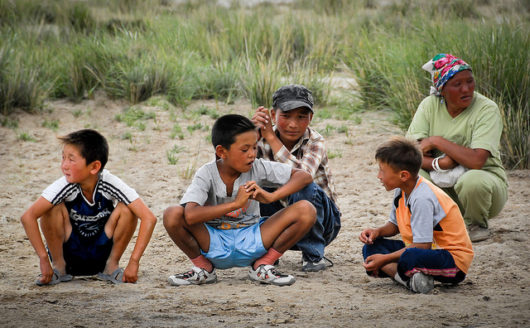
In 1990, Mongolia transitioned from a Soviet-era single-party system to a democratic system with free elections. The new government prioritized developing the nation’s fledgling economy. International investors soon turned their attention to Mongolia’s rich natural mineral deposits and helped the country take its first steps into the global market. But as the industry in Mongolia grown, harsh winters and the promise of urban jobs have created tension between Mongolia’s traditional nomadic past and its modernistic future. In the text below, the top 10 facts about living conditions in Mongolia are presented.
Top 10 Facts About Living Conditions in Mongolia
- Modern Mongolia has strong ties with its traditional nomadic herding culture. Much of the country’s rural population still follows this lifestyle. However, nearly 70 percent of the country’s three million people live in urban centers today with nearly half of all Mongolians in the capital city of Ulaanbaatar alone.
- Thanks to the newly-established mining industry, Mongolia had one of the fastest growing economies in the world in the early 2010s. This economic boom drew many rural Mongolians to major cities in search of jobs.
- Mongolia’s new prosperity did not come without complications. The country’s economy is reliant on international investments and fluctuations of global prices of metals like copper. When both of these factors faltered in 2014, Mongolia’s economic growth stumbled. As a result, the supply of good, high-paying jobs dried up.
- In 2016, nearly 30 percent of Mongolians lived in poverty. However, this news should be taken in context. Despite troubling increases in poverty that occurred in recent years, the overall poverty rate has still fallen more than 9 percent since 2010.
- The nomadic herders of rural Mongolia are vulnerable to harsh natural conditions on the steppes. Some years, their herds are decimated by a dzud, the Mongolian term for a severe winter that causes the death of livestock. These fierce winters can kill millions of animals and ruin herders’ livelihoods.
- Despite the slow economy, as many as 40,000 rural Mongolians migrate to cities each year. Many of these people are either unable or unwilling to give up their traditional dwellings– round tents called gers. These gers sprawl around major urban centers like Ulaanbaatar in what are known as ger districts. As many as 800,000 Mongolians live in these areas.
- The traditional dwellings mentioned above are adapted to provide shelter against Mongolia’s harsh winter, but they lack full access to water and sanitation. This helps explain why almost 40 percent of Mongolians do not have access to improved drinking water sources, while one-third of urban citizens and more than half of rural citizens do not have proper sanitation facilities.
- The ger districts do not have access to their cities’ heating utilities and so they must rely on stoves for warmth in the winter. These stoves are are massive collective source of pollution and have contributed to making Ulaanbaatar one of the most polluted cities in the world.
- Unemployment has fallen to manageable levels in the country but is incredibly high in the ger districts, perhaps as high as 60 percent.
- While the Mongolian government’s earliest efforts focused primarily on developing the economy, it’s now turning its attention toward infrastructure and programs to improve the lives of its poorest citizens. The Asian Development Bank has been a major partner in some of these efforts, including providing a $320 million loan for infrastructure improvements in the capital.
Moving Forward
These top 10 facts about living conditions in Mongolia show both the unique challenges the nation faces and the encouraging steps it has taken to improve the lives of the citizens of the country. While hundreds of thousands of Mongolians are currently trapped between their traditional lifestyle and a modernized one, the government is already working with partners and investors around the world to address the crisis.
– Josh Henreckson
Photo: Flickr
