• Link to X
  • Link to Facebook
  • Link to Instagram
  • Link to TikTok
  • Link to Youtube
  • About
    • About Us
      • President
      • Board of Directors
      • Board of Advisors
      • Financials
      • Our Methodology
      • Success Tracker
      • Contact
  • Act Now
    • 30 Ways to Help
      • Email Congress
      • Call Congress
      • Volunteer
      • Courses & Certificates
      • Be a Donor
    • Internships
      • In-Office Internships
      • Remote Internships
    • Legislation
      • Politics 101
  • The Blog
  • The Podcast
  • Magazine
  • Donate
  • Click to open the search input field Click to open the search input field Search
  • Menu Menu

Archive for category: Inequality

Aid Effectiveness & Reform, Global Poverty, Inequality

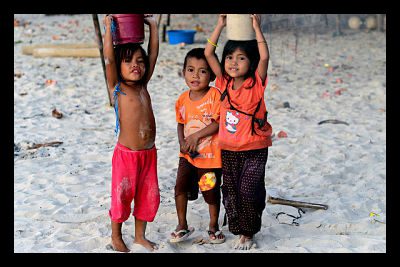
Poverty in Indonesia

Indonesia Poverty
The economy of Indonesia has been steadily growing in recent years, causing the poverty rate to decline from 17 percent in 2004 to 12.5 percent in 2011. However, due to the financial crisis of 1997, poverty still dominates regions of Indonesia and separates the city of Jakarta into upper and lower classes. As the gap between the rich and the poor widens, many find it difficult to escape the harsh reality of poverty in Indonesia.

In order to recover from the economic crisis of 1997, a variety of urban alleviation programs were implemented, including social safety net programs. These programs have been able to reduce the number of poor people in Indonesia, particularly for those in urban areas.

It is a different story for those living in rural areas. Approximately 70 percent of the population lives in rural areas, where agriculture is the main source of income. Poverty tends to be higher in these areas; 16.6 per cent of rural people are poor compared with 9.9 percent of urban populations. Millions of small farmers, farm workers and fishermen are materially and financially unable to take advantage of the opportunities offered by the economic growth. They are often geographically isolated and lack access to agricultural extension services, markets and financial services.

According to the World Bank, approximately 65 million people in Indonesia live just above the poverty line, making them vulnerable to falling into poverty. Millions lack basic human needs, such as food, clean water, shelter, sanitary environments and education. In fact, few families living in poverty have their own bathrooms. Most communities share a communal bathing facility, often located miles from villages. Many of the poorest people cannot read or write.

Indonesian women in particular are vulnerable to poverty; they have less access to education, they earn less than men, and are subject to discrimination and exclusion. Many children are forced to stay home from school to tend to household duties or work at the family business.

The Indonesian government is working hard to reduce poverty and meet the United Nations’ Millennium Development Goals, which aim to cut the proportion of people living on less than one U.S. dollar a day by half by the end of 2015.

Kecuk Suhariyanto, the Director of Analysis and Statistic Development at Indonesia’s Central Bureau of Statistics, said that Indonesia’s poverty figure last year was a “significant improvement from the 39.3 million recorded in 2006, although the country has a different definition for poverty from most international agencies.”

– Alaina Grote

Sources: World Bank, Xinhuanet, Rural Poverty Portal
Photo: Flickr

April 1, 2015
https://borgenproject.org/wp-content/uploads/borgen-project-logo.svg 0 0 Borgen Project https://borgenproject.org/wp-content/uploads/borgen-project-logo.svg Borgen Project2015-04-01 12:00:192024-05-27 09:23:31Poverty in Indonesia
Global Poverty, Inequality

Poverty in Afghanistan: 5 Facts You Might Not Know

Poverty in Afghanistan
When we talk about Afghanistan or hear about it in the news, it can be very easy to forget that the insurgents are people and that a huge portion of them are suffering through extreme poverty. For the average Afghan, life can be very difficult and stricken with economic struggle, food insecurity, and a lack of resources to improve their lives. Discussed below are facts that may come as a surprise about those living in poverty in Afghanistan.


Top 5 Facts about Poverty in Afghanistan


  1. Only 28.1% of the entire population over the age of 15 is literate, meaning that 71.9% of adults are incapable of even basic reading and writing skills. On average, those who are capable of going to school only complete about 8 years, with females generally completing 4 years less than their male counterparts.
  2. A 2008 estimate of the percentage of children aged 5-14 suggests that at least 25% were involved in child labor. UNICEF made an estimate in 2011 that the number had risen to at least 30%. In either case, around ¼ or more of all young kids in the country were being forced to work, therefore missing out on childhood and, most importantly, a proper education.
  3.  36% of the population, or about 9 million people, lives in absolute, extreme poverty and another 37% lives just above the determined poverty line even though around $35 billion was put into the country from 2002-2009. In fact, the number one killer in Afghanistan is not armed conflict, it is poverty.
  4. Half of the population still lives without access to improved water sources, this accounts for both men and women living in rural and urban areas.
  5. For every 100,000 births, 460 mothers die and for every 1,000 births, 119 infants die. This leaves Afghanistan with the second highest maternal mortality rate in the world and the third highest infant mortality rate. Many of these deaths would be preventable with trained doctors and expedient, affordable care. But, with less than 1 doctor per every 1000 people, 0.21 of a doctor to be precise, proper care is difficult to come by.

Aid programs are doing what they can to help to citizens of Afghanistan rise about the poverty line, but the country has been torn apart by decades of fighting and inequality. The process will be a long and arduous one, but every person should be able to take care of themselves and provide even just the basic tools for survival for their families.

– Chelsea Evans

Sources: CIA World Factbook, Center for Strategic and International Studies

February 16, 2015
https://borgenproject.org/wp-content/uploads/borgen-project-logo.svg 0 0 Borgen Project https://borgenproject.org/wp-content/uploads/borgen-project-logo.svg Borgen Project2015-02-16 17:31:272024-05-25 00:20:34Poverty in Afghanistan: 5 Facts You Might Not Know
Activism, Global Poverty, Inequality

Great Quotes on Poverty

poverty_quotes
Poverty affects us all, whether indirectly or directly. Here are 10 quotes on poverty to get you thinking:

“Poverty is the parent of revolution and crime.”
― Aristotle

“The test of our progress is not whether we add more to the abundance of those who have much; it is whether we provide enough for those who have too little.”
― Franklin D. Roosevelt

“Poverty is the worst form of violence.”
― Mahatma Gandhi

“Once poverty is gone, we’ll need to build museums to display its horrors to future generations. They’ll wonder why poverty continued so long in human society – how a few people could live in luxury while billions dwelt in misery, deprivation and despair.”
― Muhammad Yunus

“History is written by the rich, and so the poor get blamed for everything.”
― Jeffrey D. Sachs

“In a country well governed, poverty is something to be ashamed of. In a country badly governed, wealth is something to be ashamed of.”
―Confucius

“I am for doing good to the poor, but I differ in opinion about the means. I think the best way of doing good to the poor is not making them easy in poverty, but leading or driving them out of it.”
―Benjamin Franklin

“Saving our planet, lifting people out of poverty, advancing economic growth… these are one and the same fight. We must connect the dots between climate change, water scarcity, energy shortages, global health, food security and women’s empowerment. Solutions to one problem must be solutions for all.”
―Ban Ki-moon

“Almost half of the population of the world lives in rural regions and mostly in a state of poverty. Such inequalities in human development have been one of the primary reasons for unrest and, in some parts of the world, even violence.”
―A.P.J. Abdul Kalam

“Anyone who has ever struggled with poverty knows how extremely expensive it is to be poor.”
―James A. Baldwin

– Leeda Jewayni

Sources: GoodReads, BrainyQuote
Photo: Flickr

November 9, 2014
https://borgenproject.org/wp-content/uploads/borgen-project-logo.svg 0 0 Borgen Project https://borgenproject.org/wp-content/uploads/borgen-project-logo.svg Borgen Project2014-11-09 08:00:362024-06-05 01:57:14Great Quotes on Poverty
Developing Countries, Economy, Education, Global Poverty, Health, Inequality

Economic Growth: Will a Rising Tide Lift All Boats?

Developing countries around the world face the tremendous challenge of promoting sustainable growth while also reducing poverty and increasing the living standards of their populations.

Around the world, conventional wisdom holds that by focusing development policy on economic growth, inequality will be reduced and incomes of every segment of society will increase–a rising tide lifts all boats.

While poverty has been reduced dramatically all around the world (700 million fewer people live in conditions of extreme poverty in 2010 than in 1990), big challenges still exist to further reducing this number. One of these challenges is rising inequality within and between nations.

Listed below are three reasons why income inequality must be addressed in both the developed and developing world in order to ensure long-term economic growth benefits for everyone and not just a select few.

1. Economic growth is not always equal

China, one of the countries where poverty reduction has been dramatic, is astoundingly tolerant of large gaps in inequality in exchange for growth. Deng Xiaoping, a top Communist Party leader from 1978 to 1992 who initiated economic reforms, is thought to have acknowledged, “It is good for some people to get rich first.”

While this may be true in some cases or at the beginning of market reforms, recent studies undertaken in Indonesia, South Africa, India and China reveal an increase in the gap between the rich and poor. This gap in income inequality can not only prevent further reduction in poverty, but it also has long term implications in the ability of large parts of the population of each country to be able to contribute to the country’s economy and growth.

2. Education, health, and job creation policies must be pursued simultaneously with growth policies

In order for a country’s population to contribute to and participate in the country’s economy, individuals must have the skills. Pursuing policies only focused on increasing GDP may improve growth outlook in the short run. However, in the long run, without education initiatives to match, a large segment of the population will remain poor.

In the 1990s, Brazil pursued a pro-equity growth policy in which it provided grants to help boost education. Average years of school for the poor shot up and when growth hit; they too were able to take advantage of the better jobs.

Just as an overall boost in education and health is important, so is robust job creation. People must have the opportunity to input the skills they have learned back into the economy.

For this reason, inequality cannot be solved without government involvement. The market left as is does not ensure that growth is shared equally. A combination of strong government programs and a strong private sector ensures better opportunities for more people.

3. Positive GDP growth can hide underlying inequality

The main measure of inequality within a given country is through the gini coefficient. The gini coefficient is a variable that measures how equal a country’s income is with zero representing an instance where everyone’s income is exactly equal, and one representing an instance in which one person has all of the income and the rest have none.

In South Africa, while the government is vocally committed to fighting poverty and inequality, between 2003 and 2008 overall income inequality increased. During this period, South Africa’s gini coefficient rose from an already high .66 to .70 – one of the highest in the world. So despite an average GDP growth rate of 3.2 percent (1994-2012), steps still need to be taken to ensure that the bottom segment of society is able to contribute and benefit from that growth.

Today, nearly 80 percent of humanity lives on less than $10 per day and over 3 billion live on less than $2.50. High levels of inequality exacerbate problems of poverty and reduce opportunities for the poor to move beyond their circumstances. Fewer opportunities for children to rise up economically means that inequality becomes more exaggerated over time and can affect the social structure of a country – leading to unrest, crime and violence.

Developed and developing countries alike all face the challenge of reducing their gini coefficient while also promoting growth. While each country faces unique challenges, this is one problem that can benefit from collaboration at the international level. From the information above, it becomes clear that poverty cannot be fully eliminated without measures in place that simultaneously address income inequality.

– Andrea Blinkhorn

Sources: Science Mag, Global Issues, Global Issues 2, Politics of Poverty, United Nations, South Africa, Hvistendahl, M. (2014). While emerging economies boom, equality goes bust. Science,344(6186), 832-835.
Photo: PBS

August 18, 2014
https://borgenproject.org/wp-content/uploads/borgen-project-logo.svg 0 0 Borgen Project https://borgenproject.org/wp-content/uploads/borgen-project-logo.svg Borgen Project2014-08-18 09:15:122024-06-05 01:58:00Economic Growth: Will a Rising Tide Lift All Boats?
Inequality

Economic Inequality in Brazil

As the curtain of the World Cup comes down, the fever and enthusiasm for soccer are going to be put aside for a while. In addition to hosting a seemingly successful World Cup, Brazil is facing numerous social issues such as economic inequality.

Brazil has one of the highest Gini Coefficients, which indicates how unequal the nation’s social distribution is. The richest 10 percent of population is controlling 42.7 percent of the wealth, while the poorest 34 percent own only 1.2 percent. According to the figures of IBGE (Brazil’s government statistics bureau), approximately 16.2 million people (8.5 percent of the country’s population) live under around $1.30 per day.

The disparities are too obvious to ignore. People can feel the inequality right away by standing in front of the expensive beachfront apartments, with favelas (a Portuguese term for a slum) next to these displays of wealth. “Paradise for the rich” has become one of the nicknames for Brazil. To eradicate this social problem, the government has come out with the Brazil Without Misery program.

The central part of the program is the Bolsa Familia cash transfer program started in 2003, which gives low-income families cash from $15 to $95 per month according to per capita income. In return, the families promise to send their children to local schools.

The second step of the program is to put more people under the protection of healthcare and the benefits of public infrastructure. Third, the Busca Activa (or “active search”) aims to help the poorest who are isolated due to geological reasons or lack of information. The Busca Activa has registered 678,000 families who were previously unnoticed.

The Brazil Without Misery program aims to eradicate poverty by 2014. It is the middle of July, but there are still millions of people remaining homeless, living in slums and under the poverty line. Problems such as corruption still riddle the country.

In 2013, Pope Francis visited the slums in Brazil, scolding the rich and corrupted who put themselves before the people. Just like he said, a “culture of solidarity” should replace “selfishness and individualism.” Clearly, there is still a long road ahead if Brazil is to solve its issues of inequality.

– Jing Xu

Sources: Chaurahha, Reuters, The Rio Times
Photo: Insight Guides

July 28, 2014
https://borgenproject.org/wp-content/uploads/borgen-project-logo.svg 0 0 Borgen Project https://borgenproject.org/wp-content/uploads/borgen-project-logo.svg Borgen Project2014-07-28 04:00:512024-05-27 09:18:52Economic Inequality in Brazil
Development, Inequality

Restricted Labor Force in India

While stories of India’s gender gap have been in the media spotlight in past years, a recent census shows the depth of the inequality. India is rated 101 out of a 136 country survey for gender disparity, with lower economic opportunities and a lower literacy rate. With a population of over a billion, nearly 160 million women are estimated to be restricted to domestic work, many of whom are of working age.

With a restricted labor force in India, the capacity for growth and development is hindered. Additionally, the options women do have are limited by unequal access to education and training. While this problem has been acknowledged, its scope was underestimated. Sociologists hope that governmental encouragement of women in the workforce can help reduce illiteracy and poverty among women.

However, even women who are employed are more likely to be “vulnerably employed” than their male counterparts. This term, used by an ILO study to describe nearly 84 percent of South Asian women, refers to the risk these workers face: seasonal employment and more easily terminated services leaves them with little job security. Additionally, these workers perform mostly domestic services, a trend which consistently reinforces the patriarchal hierarchy in India.

With job security being a problem for women, the government is hoping that opening up more opportunities in the public sector, now dominated by men, can have an equalizing effect for the women of India. With women and girls being among the most disadvantaged in the world, employing them and fostering growth in education and literacy is in the best interest for 21st century India.

For as large of a nation as it is, the hindrances on the labor force have not allowed India to realize its potential. For the generations of women now and those in the future, women must have the opportunity to come out of the domestic sphere and into the working world.

– Kristin Ronzi

Sources: Silicon India, ISP News
Photo: Worldbank

July 25, 2014
https://borgenproject.org/wp-content/uploads/borgen-project-logo.svg 0 0 Borgen Project https://borgenproject.org/wp-content/uploads/borgen-project-logo.svg Borgen Project2014-07-25 16:00:172024-12-13 17:51:00Restricted Labor Force in India
Global Poverty, Inequality

Poverty in India, Redefined

India is redefining poverty. In the latest update from the Former Chairman of the Economic Advisory Council, Chakravarthi Rangarajan, an urban family living on under 47 rupees (78 cents) a day, or a rural family living under 32 rupees (53 cents) a day, would be deemed poor. These values are up from 27 and 33 rupees, respectively, on the definition of poverty in India, and would deem 94 million more Indians as poor. However, the new poverty level is still low compared to the World Bank’s cutoff for extreme poverty: $1.25 a day. The line in India has been criticized many times before, and people have even challenged previous prime ministers to live on less than a dollar a day.

According to the new definition of poverty, 29.5 percent of the Indian population was poor in 2011-2012. The cutoff for poverty in India has never been so high before, but, when applied to past years, it reveals a decrease in the number of Indians living in poverty. In 2010, under the current standard, 38.2 percent of Indians were poor.

In coming up with the new poverty line, Rangarajan’s committee studied government statistics on the ability of households to pay for food that provides the minimum nutrition an individual needs, as well as the ability of individuals to obtain education, health care, housing, electricity, transportation and clothing.

The poverty line is significant because social sector programs are directed toward those who fall below it. But, that might change too. The Rangarajan panel suggested that entitlement to social security programs should be disconnected from poverty ratios. Instead, entitlement to the programs may be better linked to social and caste census. Either way, the new definition will factor into Finance Minister Arun Jaitley’s budget-making.

India’s government released a new budget focused on curbing, borrowing and reviving growth this week. This seems like good news, but critics are not sure how the new spending will reduce the fiscal deficit plaguing the country.

Different parts of the country have dealt with finances differently and to varying results. Recently elected Prime Minister Narendra Modi bragged frequently about the way he ran the state of Gujarat as Chief Minister since 2001 – its per capita income was among India’s highest. But he neglects to include the fact that the state’s poverty rate in 2011-12 was only a little below the national average, and its rural poverty rate was actually higher than the national average. While Gujarat focused on industrialization and ignored welfare programs, the state’s income inequality continued to grow.

Meanwhile, in southern state Kerala, industrialization has fallen by the wayside. But, social indicators are highest in the nation because of the state’s practice of investing heavily in social welfare. Under the new definition of poverty in India, Kerala’s poverty rate in 2011-12 was only 11.3 percent, and only 7.3 percent of the rural population would be considered poor. Because Kerala chose to invest mainly in education and health care, everyone, including the poor, has increased an access to opportunities.

– Rachel Reed

Sources: New York Times, Slate
Photo: Owni

July 18, 2014
https://borgenproject.org/wp-content/uploads/borgen-project-logo.svg 0 0 Borgen Project https://borgenproject.org/wp-content/uploads/borgen-project-logo.svg Borgen Project2014-07-18 12:41:582024-05-27 09:18:33Poverty in India, Redefined
Global Poverty, Inequality

Poverty in Kazakhstan

While Sacha Baron Cohen may have put Kazakhstan on the map with his fictitious role as a journalist in the movie “Borat,” Kazakhstan today stands as a country that continues to face hurdles despite consistent economic growth over the past few decades.

A Central Asian country of nearly 18 million people, Kazakhstan is no stranger to economic uncertainties. Since gaining independence in the early 1990s following the collapse of the Soviet Union, Kazakhstan has experienced relatively steady economic growth, thanks in part to its expanding oil sector.

The country’s poverty rate declined by more than 50 percent between 1999 and 2004. Between 2004 and 2013, the nation’s GDP increased by more than 500 percent.

Nevertheless, nearly half of the country is considered to be in a low income class. Roughly 47 percent of the population maintains a monthly income of approximately $70.

Arguably most frustrating to many Kazakhstan citizens are the disparities in gross regional product (GRP.) Because some parts of the country are more resource-rich than others, inconsistencies in wealth have affected some Kazakhstanis more than others.

Even though the country has seen substantial economic growth in recent years, specifically in the oil, gas and minerals industries, employment levels in these industries have not matched the nation’s economic growth.

Following the turn of the century, much of the nation saw considerable gains in employment and labor productivity. Yet, the agricultural region of Kostanay and North Kazakhstan did not experience the same growth as others parts of the country. West Kazakhstan saw significant economic gains in the late 1990s following the introduction of an oil pipeline stretching from the Caspian Sea to China.Perhaps surprisingly, Kazakhstan’s oil-rich areas have also become the nation’s most impoverished.

The minimum income level below the subsistence minimum in Kazakhstan is $35 per month. Any amount below the minimum is considered as poverty. Between 1998 and 2003, the number of people living in poverty in the country fell from 5 million to 3 million.

According to a recent U.N. Development Programme report, unemployment and low income remain the primary causes of poverty in Kazakhstan.

Yet, it is hard to overlook the respectable economic gains the country has seen over the past two decades. Kazakhstan has made considerable headway in its attempts to cement its standing on the world stage. Last month, President Nursultan Nazarbayev signed a new law to lift to visa restrictions, enact tax exemptions and help stabilize tax rates to interest foreign investment, especially with the United States and other Western powers. These moves, among others, will help the country in the long-term as it continues to make strides against poverty.

– Ethan Safran

Sources: The World Bank, World Health Organization, CNBC, IRIN, USAID
Photo: Breitbart

July 17, 2014
https://borgenproject.org/wp-content/uploads/borgen-project-logo.svg 0 0 Borgen Project https://borgenproject.org/wp-content/uploads/borgen-project-logo.svg Borgen Project2014-07-17 15:37:132024-05-27 09:18:38Poverty in Kazakhstan
Development, Gender Equality, Inequality, Women and Female Empowerment

Women and Environmental Protection

Women suffer the most when it comes to climate change and natural disasters, yet in many areas around the world, women do not have a large say in the policies surrounding environment or how finances are used towards environmental protection. In areas where it has been tested though, empowering women can lead to better preparedness for disasters and better governance of natural resources. Overall, gender equality can lead to better environmental governance.

Rachel Carson created the modern day environmental movement with her book Silent Spring. Today women following her footsteps around the world are essential in the protection of our environment.

In Nepal and India, when more than the minimum threshold of one-third women participated in forest committees, it resulted in forest regeneration and a decrease in illegal extraction of forest resources.

Another success story took place in Kenya and Ethiopia, where women took a leadership role managing the risks regarding the 2005-08 drought cycle. The women generated income by diversifying livelihoods and then saved using women’s savings and loan groups. By doing this, women were able to preserve resources, which then lead to better food security.

Women also play an important role in protecting the environment because they can have a strong impact on the amount of carbon emissions in our atmosphere.

Due to gender norms that exist regarding labor in the household, many of women’s day-to-day tasks have a direct impact on carbon emissions. This means that when a goal is set to reduce carbon emissions, it is up to women to make environmentally friendly decisions regarding cooking, farming and what they purchase for their families.

Women’s decisions regarding cooking fuel, cooking technology and which foods they choose to buy have an impact on the amount of carbon emission released. Women also often have a say in agricultural practices that have an impact because they can determine whether carbon is released or stored in agricultural soils and above ground biomass. In many areas, women are the ones making household purchasing decisions at markets. Because of this women directly impact the amount of carbon emitted through the production, distribution, use and disposal of goods.

From leadership roles to every day decisions, women are an important component in protecting the environment for now and for future generations.

– Kim Tierney 

Sources: World Bank, UN Women
Photo: Environment and Society

June 26, 2014
https://borgenproject.org/wp-content/uploads/borgen-project-logo.svg 0 0 Borgen Project https://borgenproject.org/wp-content/uploads/borgen-project-logo.svg Borgen Project2014-06-26 18:46:362024-05-26 23:52:19Women and Environmental Protection
Children, Inequality

High Childcare Costs in Ireland Cripple Economy

One-third of Irish children are at risk of living in poverty, and many are claiming that high childcare costs in Ireland is one of the reasons.

Childcare costs in Ireland are an outlier compared to the European Union’s average, taking up around 40 percent of the average wage, as opposed to 12 percent in Europe. High childcare costs are very detrimental to the more than 750,000 people living in poverty.

According to a report by the European Commission, which was designed to guild the Irish Government’s budget for 2015, the limited availability of childcare benefits means that parents bear almost the entire cost directly, unlike most other EU countries where childcare benefits are significant.

The report went on to state that the lack of childcare made it difficult for women and single parents to gain employment, thus leaving them without a way to improve their economic situation.

“Child poverty is a specific concern in Ireland and Britain,” said Employment Commissioner Laszlo Andor, “along with inequality, poverty and social inclusion.”

The report recommended changes to the social welfare system, including cutting off payments for a period of nine weeks if a recipient refuses to take a job offer or take part in a training course.

A report from the Central Statistics Office (CSO) shows that in 2012, 756,591 people were living in poverty. Included in those numbers were 68,740 people over the age of 65 and 220,411 people under the age of 18, only highlighting the effects of a five-year recession on the population.

“The CSO employment data shows that the much talked about 1,00o extra jobs a week has slowed to little more than 1,000 jobs a quarter,” said Fianna Fail finance spokesman Michael McGrath. “We have lost 5,000 jobs in the retail sector in the last three months and the domestic economy remains on the floor.”

Between 2007 and 2012, the number of people in Ireland living in poverty almost doubled, growing from 4.2 percent of the population to 7.7 percent. The number of people who were unable to afford new clothing increased from 5.2 percent in 2007 to 10.4 percent in 2012, the number of people unable to replace old furniture increased from 13.8 percent to 24.5 percent and the number of people who went without heating at some point in the past year went from 6 percent to 12.9 percent.

“The report highlights the critical importance of the social welfare safety net,” said Social Protection Minister Joan Burton, “namely jobseeker allowance, child benefit and state pension payments in protecting people against poverty.”

A new study from the Central Statistics Office shows that, while Ireland’s poverty line is shrinking, the number of people living in poverty has continued to grow. The study also showed that the annual income per household dropped by 5 percent and that there was an increase in income inequality. Those who live in the highest income bracket made five and a half times the amount made by those in the lowest income bracket.

“The report reflects that many of the actions in Ireland’s austerity program are ongoing,” said Economics Commissioner Olli Rehn, “but [they] need to be ended.”

– Monica Newell

Sources: Irish Examiner
Photo: The Guardian

June 13, 2014
https://borgenproject.org/wp-content/uploads/borgen-project-logo.svg 0 0 Borgen Project https://borgenproject.org/wp-content/uploads/borgen-project-logo.svg Borgen Project2014-06-13 13:23:312024-05-26 23:42:13High Childcare Costs in Ireland Cripple Economy
Page 13 of 17«‹1112131415›»

Get Smarter

  • Global Poverty 101
  • Global Poverty… The Good News
  • Global Poverty & U.S. Jobs
  • Global Poverty and National Security
  • Innovative Solutions to Poverty
  • Global Poverty & Aid FAQ’s
Search Search

Take Action

  • Call Congress
  • Email Congress
  • Donate
  • 30 Ways to Help
  • Volunteer Ops
  • Internships
  • Courses & Certificates
  • The Podcast
Borgen Project

“The Borgen Project is an incredible nonprofit organization that is addressing poverty and hunger and working towards ending them.”

-The Huffington Post

Inside The Borgen Project

  • Contact
  • About
  • Financials
  • President
  • Board of Directors
  • Board of Advisors

International Links

  • UK Email Parliament
  • UK Donate
  • Canada Email Parliament

Get Smarter

  • Global Poverty 101
  • Global Poverty… The Good News
  • Global Poverty & U.S. Jobs
  • Global Poverty and National Security
  • Innovative Solutions to Poverty
  • Global Poverty & Aid FAQ’s

Ways to Help

  • Call Congress
  • Email Congress
  • Donate
  • 30 Ways to Help
  • Volunteer Ops
  • Internships
  • Courses & Certificates
  • The Podcast
Scroll to top Scroll to top Scroll to top