Addressing Causes of Poverty in Côte d’Ivoire
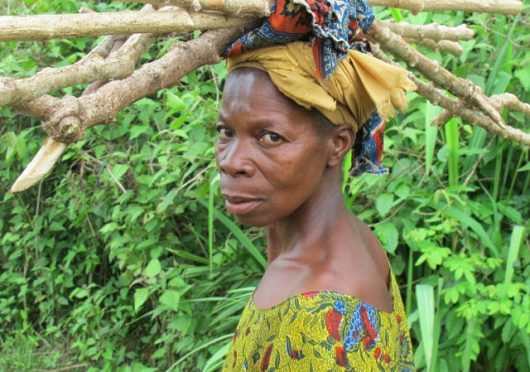
Côte d’Ivoire, or the Ivory Coast, is a former French colony and is located in North Africa. The country’s economy relies heavily on agriculture and processing, with over half of the country’s population working as laborers and farmers. Côte d’Ivoire’s main exports include cocoa, various nuts and palm oil. This low-income country, with 50.9 percent public debt in 2016, has a population estimated at just over 24 million and has a poverty rate of 46.3 percent.
One most recent cause of poverty in Côte d’Ivoire is the production of cocoa which is “highly sensitive to fluctuations in international prices…and to climatic conditions.” Recently, Côte d’Ivoire farmers have been witnessing agricultural diseases among the cocoa plants and trees. Along with decreased crops, around 80 percent of buyers have escaped their contracts with the cocoa farmers, which leaves the farmers with little to no income.
Without payment for the harvested crop, many of these farmers and their families have to survive with nothing. Even if the farmers do receive payment, they earn less than a dollar per day, contributing to the number of people living below the poverty line. Without the proper income, these farmers are facing an inability to buy fertilizers for next year’s production. One farmer states that the soil is old and barren, and without fertilizer, “you can’t grow anything.”
Another cause of poverty in Côte d’Ivoire is the lack of healthcare. Since the civil war in Côte d’Ivoire in 2002, there has been a collapse of resources for people with health issues, including HIV/AIDS. Based on 2016 data, the adult prevalence rate of HIV/AIDS is about 2.7 percent, and about 460,000 people are living with the disease. Côte d’Ivoire is also at high risk of other diseases besides HIV/AIDS.
The absence of sexual education is also to blame for poverty in Côte d’Ivoire. The current rise in population is estimated to continue growing, as about 60 percent of the population is 25 or younger. Furthermore, the fertility rate is approximately 3.5 children per woman, and use of contraception is below 20 percent.
However, there is good news for the country. In June 2012, Côte d’Ivoire received $4.4 billion in debt relief under the Highly Indebted Poor Countries Initiative. Since then, the country’s growth rate has risen to among the highest in the world. To tackle the epidemic of HIV/AIDS and other causes of poverty in the Côte d’Ivoire, several mayors of the nation’s communities joined together with the UNAIDS Executive Director Michel Sidibé to establish the Paris Declaration, which plans to eradicate the disease in Côte d’Ivoire by 2030.
As for the cocoa crisis, sustainability of the fields for production is essential, as well as paying the farmers a livable income. The French Development Agency and Barry-Callebaut, the global leading manufacturer of chocolate, have founded a sustainability strategy called Forever Chocolate in hopes of getting the crisis under control and providing a better future for Côte d’Ivoire farmers.
Furthermore, the Millennium Challenge Corporation (MCC) has selected Côte d’Ivoire “to begin developing a five-year compact,” and the company has committed to helping the country fight its poverty. In conjunction with the MCC, The Borgen Project is advocating the passing of the African Growth and Opportunity Act and Millennium Challenge Act (AGOA and MCA) Modernization Act in Congress. This bill will strengthen and extend programs and aid in Africa if passed. For more information or to contact your Congressperson and show support, visit: https://borgenproject.org/legislation/.
– Jennifer Lightle
Photo: Flickr
