• Link to X
  • Link to Facebook
  • Link to Instagram
  • Link to TikTok
  • Link to Youtube
  • About
    • About Us
      • President
      • Board of Directors
      • Board of Advisors
      • Financials
      • Our Methodology
      • Success Tracker
      • Contact
  • Act Now
    • 30 Ways to Help
      • Email Congress
      • Call Congress
      • Volunteer
      • Courses & Certificates
      • Be a Donor
    • Internships
      • In-Office Internships
      • Remote Internships
    • Legislation
      • Politics 101
  • The Blog
  • The Podcast
  • Magazine
  • Donate
  • Click to open the search input field Click to open the search input field Search
  • Menu Menu

Archive for category: Health

Information and stories on health topics.

Global Poverty, Health, Mental Health

Updates on SDG 3 in Nigeria

SDG 3 in NigeriaThe progress of Nigeria toward Sustainable Development Goal 3 (SDG 3), which focuses on good health and well-being, reflects both policy commitment and persistent development challenges. Health outcomes in Nigeria remain closely tied to poverty, limited healthcare access and uneven infrastructure across rural and urban areas. While government reforms and international partnerships have expanded immunization campaigns and maternal health programs, the country continues to face structural barriers that slow progress toward the 2030 targets.

However, several initiatives at the community and sub-national levels are improving health outcomes. Data-driven health interventions, expanded immunization campaigns and partnerships among government agencies, multilateral partners and civil society organizations continue to strengthen Nigeria’s health system. These targeted efforts demonstrate how improved data systems and coordinated implementation can accelerate progress toward SDG 3 in Nigeria as the 2030 deadline approaches.

Updates on SDG 3 in Nigeria

SDG 3 is one of the 17 Sustainable Development Goals that the United Nations adopted to create a better world by 2030. The goal focuses on ensuring healthy lives and promoting well-being for people of all ages.

In Nigeria, SDG 3 focuses on improving health outcomes by reducing disease, expanding healthcare access and promoting healthier lifestyles. Key priorities include maternal health, reducing child mortality, combating infectious diseases and strengthening mental health services.

Overview of SDG 3 in Nigeria

Nigeria reaffirmed its commitment to the Sustainable Development Goals in July 2025 when it presented its Third Voluntary National Review (VNR) at the United Nations High-Level Political Forum in New York. The review involved an inclusive national consultation process that engaged stakeholders across Nigeria’s six geopolitical zones, including youth, children and persons with disabilities.

The review highlights both progress and persistent structural challenges. Nigeria has improved child survival and expanded immunization campaigns through partnerships with global health organizations. However, rapid population growth, resource limitations and uneven healthcare access continue to slow progress toward SDG 3 targets.

Health outcomes in Nigeria also closely intersect with poverty. According to the World Bank, about 40% of Nigerians live below the national poverty line, which limits access to healthcare, nutrition and sanitation services. Poverty increases the likelihood that families delay medical treatment, skip vaccinations or rely on under-resourced health facilities, particularly in rural communities.

Nigeria’s development strategy also links health improvements to broader economic reforms. The upcoming Medium-Term National Development Plan (2026–2030) prioritizes strengthening primary healthcare infrastructure, improving maternal and child health services and expanding digital health data systems. Policymakers designed the plan to increase investment in rural healthcare and expand partnerships with international development agencies to accelerate SDG progress.

Maternal Health and Systemic Challenges

Maternal health remains a critical component of SDG 3 in Nigeria. The country continues to record one of the highest maternal mortality ratios globally, with estimates exceeding 500 deaths per 100,000 live births in recent years. This figure remains far above the SDG target of 70 deaths per 100,000 live births.

Several structural factors contribute to this challenge. Many women still lack access to skilled birth attendants and emergency obstetric care. Rural communities often face shortages of trained healthcare workers, essential medicines and transportation to health facilities. Economic hardship also limits access to maternal care services.

Nigeria’s health authorities have begun addressing these gaps through stronger data systems. Health agencies introduced a real-time national platform that tracks maternal and newborn health outcomes across 54 hospitals. Policymakers use this system to identify treatment gaps and improve healthcare delivery decisions.

Child Mortality and Survival

Child mortality remains a critical public health challenge in Nigeria. According to UNICEF (2024), the country’s under-five mortality rate exceeds 100 deaths per 1,000 live births, far above the Sustainable Development Goal target of 25 per 1,000 by 2030.

Research published in Scientific Reports shows that under-five mortality in Nigeria is strongly linked to socioeconomic and geographic inequalities. More recent evidence indicates that Nigeria accounts for a significant share of global child deaths, with disparities driven by poverty, regional inequalities and access to healthcare. Additional peer-reviewed studies confirm that preventable causes, weak health systems and low immunization coverage remain key barriers to improving child survival outcomes.

Low immunization coverage remains one of the main drivers of child mortality. In 2022, Nigeria recorded more than 2.2 million “zero-dose” children who had not received the first dose of the diphtheria-tetanus-pertussis vaccine, the highest number globally.

Immunization

Immunization programs remain central to Nigeria’s SDG 3 strategy. The country achieved major success in eliminating wild poliovirus transmission, demonstrating the effectiveness of coordinated national campaigns.

However, routine immunization coverage still faces logistical and social barriers in many communities. To address these challenges, Nigeria’s government expanded targeted outreach campaigns through the Community Health Influencers, Promoters and Services (CHIPS) program. The initiative trains community health workers to improve vaccine awareness, track immunization coverage and connect families to local health facilities.

Community-Level Health Actions

Local innovation continues to strengthen Nigeria’s healthcare response. One example is the ADVISER program (AI-Driven Vaccination Intervention Optimiser), which health authorities implemented in Oyo State. The initiative uses artificial intelligence to analyze vaccination data and identify households that need targeted outreach.

The program has already improved vaccination delivery strategies for more than 13,000 families by helping health workers identify barriers to immunization and adjust outreach strategies.

Community health initiatives also play a key role in expanding healthcare access beyond formal health facilities. Several organizations operate outreach programs that provide malaria screening, deworming treatments, nutrition assessments and health education for children in underserved areas.

Challenges in Data and Implementation

Nigeria’s 2025 Voluntary National Review also emphasizes the importance of reliable development data for monitoring SDG progress. Policymakers launched Nigeria’s Inclusive Data Charter Action Plan to strengthen the collection and analysis of disaggregated development data.

Improved data systems will help policymakers identify healthcare gaps, measure program outcomes and design targeted interventions that address regional health disparities and gender inequality.

Looking Ahead

Nigeria still faces major obstacles in achieving SDG 3 by 2030, but expanding partnerships, stronger health data systems and increased investment in primary healthcare offer signs of progress. If these reforms continue and policymakers address the link between poverty and health access, Nigeria could significantly reduce preventable deaths and improve well-being for millions of people in the coming years.

– Umeobi Andrew Felix Nonso

Umeobi is based in Abuja, Nigeria and focuses on Global Health for The Borgen Project.

Photo: Unsplash
April 8, 2026
https://borgenproject.org/wp-content/uploads/borgen-project-logo.svg 0 0 Jennifer Philipp https://borgenproject.org/wp-content/uploads/borgen-project-logo.svg Jennifer Philipp2026-04-08 07:30:212026-04-07 13:08:02Updates on SDG 3 in Nigeria
Global Poverty, Health, Technology

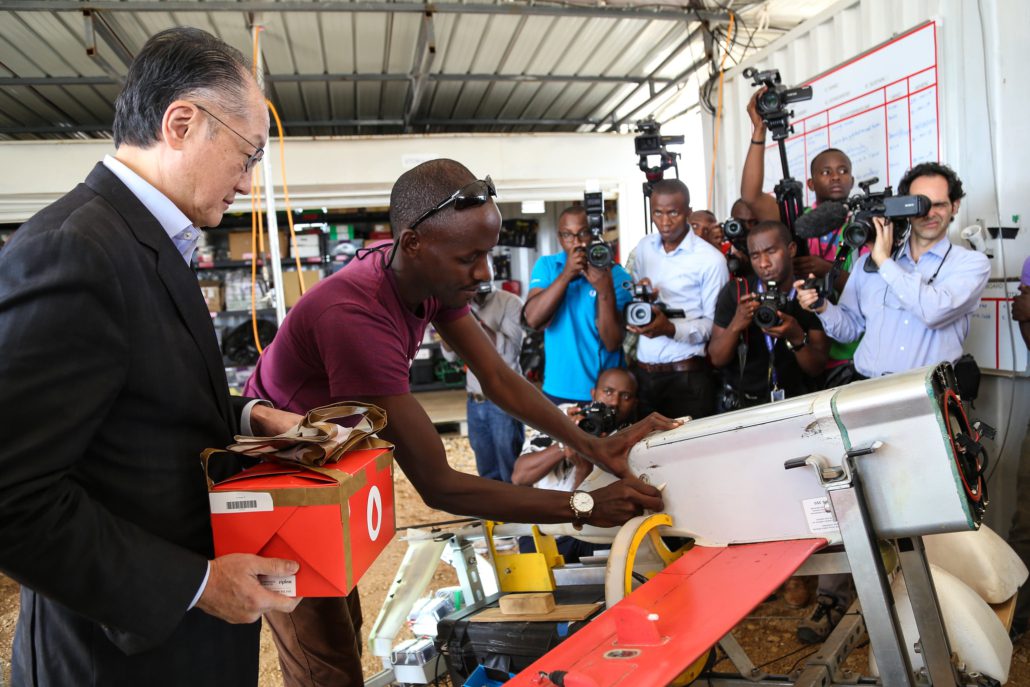
AI Diagnostics in Rwanda Could Strengthen Frontline Health Care

AI Diagnostics in RwandaAI diagnostics in Rwanda are drawing attention because they suggest a practical way to strengthen health care in places where medical staff are stretched thin. In low-resource settings, frontline health workers often face difficult clinical questions with limited equipment, few specialists and heavy patient demand. Rwanda’s recent research suggests that artificial intelligence could help close part of that gap by supporting health workers rather than replacing them.

Why Health Care Access Matters in Rwanda

This matters because poverty and health care are closely connected in Rwanda. World Bank data shows that 27.4% of the population lives below the national poverty line and 38.55% lives below the $3-a-day international poverty line. When families live with limited income, delays in diagnosis, transport costs and shortages in local care can make treatment harder to reach and more expensive in practice.

Rwanda has made major health gains, but access challenges remain. Government information says the country has about 58,000 community health workers and 66% of them are women. These workers are often the first link between communities and the formal health system. They monitor health at the village level, provide basic services and refer patients when cases become more serious. That makes better decision support at the community level especially important.

What the Study Found

A February 2026 study published in Nature Health tested five large language models using real clinical questions from Rwanda’s community health system. Researchers built a dataset of 5,609 questions submitted by 101 community health workers across four districts. They compared responses from Gemini-2, GPT-4o, o3-mini, DeepSeek R1 and Meditron-70B with answers from local clinicians. In a subset of 524 question-and-answer pairs scored across 11 expert-rated metrics, Gemini-2 and GPT-4o performed best and all five models outperformed local clinicians across every metric measured.

The cost difference made the findings even more striking. The study reported that clinician-generated answers cost an average of $5.43 per question for general practitioners and $3.80 for nurses. Model-generated responses cost about $0.0035 in English and $0.0044 in Kinyarwanda. Even when performance dropped slightly in Kinyarwanda, the models still outperformed clinicians and remained more than 500 times cheaper per response. For a health system trying to stretch limited resources, that level of efficiency matters.

Why AI Diagnostics in Rwanda Could Help

The promise of AI diagnostics in Rwanda is not only about answering questions faster. It is also about helping frontline workers decide when a case may be urgent, when symptoms point to a likely condition and when a patient should receive a referral for higher-level care. In settings where staff shortages and access gaps create pressure on the system, stronger support for frontline workers could improve speed, consistency and patient outcomes. Rwanda’s own health labor market analysis has documented workforce constraints and uneven distribution of health professionals, especially in lower-resource settings.

Rwanda is also building systems that could help these tools work at scale. In April 2025, the Ministry of Health launched the National Health Intelligence Center, a platform designed to collect and process real-time health data for evidence-based decisions. That matters because useful AI tools need more than strong models. They also need data systems, implementation planning and oversight.

International support is also growing in that direction. In January 2026, OpenAI and the Gates Foundation announced Horizon 1000, a $50 million initiative beginning in Rwanda. The goal is to support leaders in African countries, starting with Rwanda, and reach 1,000 primary health care clinics and surrounding communities by 2028. Reuters reported that the effort aims to improve health care delivery in places facing severe health worker shortages.

What Still Needs To Be Proven

Still, this story is not just about excitement over new technology. In February 2026, Wellcome, the Gates Foundation and the Novo Nordisk Foundation launched the Evidence for AI in Health initiative, backed by $60 million to support locally led evaluations of AI tools in low- and middle-income countries. That matters because governments need evidence on what works, where it adds value and how it can be used responsibly. In Rwanda, language quality, privacy safeguards, clinical safety and real-world implementation will shape whether these tools truly help patients.

AI will not replace doctors, nurses or community health workers. But it may help them do more with limited time and limited resources. That is what makes AI diagnostics in Rwanda worth watching. If Rwanda continues to pair innovation with evidence, oversight and local implementation, this approach could become a strong example of how technology can expand access to quality care in places that need it most.

– Adriana Carolina Herrera

Adriana is based in Mentor, OH, USA and focuses on Good News and Technology for The Borgen Project.

Photo: Wikimedia Commons

April 5, 2026
https://borgenproject.org/wp-content/uploads/borgen-project-logo.svg 0 0 Jennifer Philipp https://borgenproject.org/wp-content/uploads/borgen-project-logo.svg Jennifer Philipp2026-04-05 07:30:102026-04-03 13:43:46AI Diagnostics in Rwanda Could Strengthen Frontline Health Care
environment, Global Poverty, Health

Extreme Heat and The Lady Health Workers of Pakistan

Lady Health Workers of PakistanAs the changing climate drives temperatures to new extremes, heat is emerging as an underrecognized threat to maternal health. In Pakistan, one of the world’s most heat-exposed countries, pregnancy is increasingly unfolding under conditions that strain the body, health systems and communities alike. Yet despite mounting scientific evidence of the danger extreme heat poses during the perinatal period, maternal health remains largely absent from many national heat-health policies. Thankfully, community health workers, like the Lady Health Workers of Pakistan, are stepping up when the heat becomes too much to bear.

Intensifying Heatwaves in Pakistan

Pakistan is highly vulnerable to extreme heat, with heatwaves becoming more frequent, prolonged and intense in recent decades. Pre-monsoon months often see dangerously high temperatures in combination with high population densities, as seen in cities such as Karachi and Lahore. Several severe events in recent years have emphasized the scale of this risk, including the 2015 heatwave that devastated the southeastern Sindh province and ultimately claimed more than 1,000 lives. In more recent years, Pakistan experienced a heatwave in June 2025, during which temperatures in many parts of the country exceeded 113°F.

Prolonged periods of extreme heat place significant strain on urban and rural communities alike, affecting infrastructure and health systems. Climate change is expected to intensify these trends, increasing the likelihood of longer and more severe heatwaves and expanding the geographic areas affected. For populations with limited access to cooling, reliable electricity or adequate health care, these conditions create public health risks and highlight the need for stronger heat-health preparedness measures.

Extreme Heat and Maternal Health Risks

Extreme heat poses significant risks during pregnancy due to the body’s changes in temperature regulation and fluid balance. During pregnancy, fetal development increases fluid requirements, making it more difficult for the body to dissipate heat. This increases susceptibility to dehydration and heat stress. High temperatures may disrupt hormonal regulation and impair the function of the placenta, potentially reducing oxygen and nutrient delivery to the fetus.

Evidence also links exposure to extreme heat with several adverse pregnancy outcomes, including gestational diabetes, preterm birth and stillbirth in some cases. Heat exposure can also increase the likelihood of infections and complicate care during labor. Because public health care systems in Pakistan are often described as overwhelmed, these risks may increase further. As temperatures continue to rise with climate change, these issues underscore the importance of recognizing pregnancy as a period of heightened vulnerability to extreme heat and ensuring appropriate support for pregnant populations.

Omission of Pregnancy in Heat-Health Action Plans

The National Heatwaves Guidelines released by the Pakistani government do not make direct reference to pregnancy during extreme heat events. The guidelines recommend that “individuals should check on neighbors, especially the elderly, children and those with chronic illnesses,” but they do not mention people in the perinatal period. The report encourages community care for “vulnerable residents,” but it does not define which groups fall into this category.

This highlights an ongoing issue within Heat-Health Action Plans (HHAPs) across the globe. As extreme heat events occur more frequently, many countries have implemented national HHAPs, as urged by the World Health Organization (WHO). However, while WHO guidelines outline strategies to protect pregnant individuals from extreme heat, a recent review found that of 83 eligible HHAPs from 24 countries, only 52% recognized the need to protect this population during heatwaves. Furthermore, none of the HHAPs comprehensively addressed the risks heatwaves pose to maternal, newborn and child health.

The Lady Health Workers of Pakistan

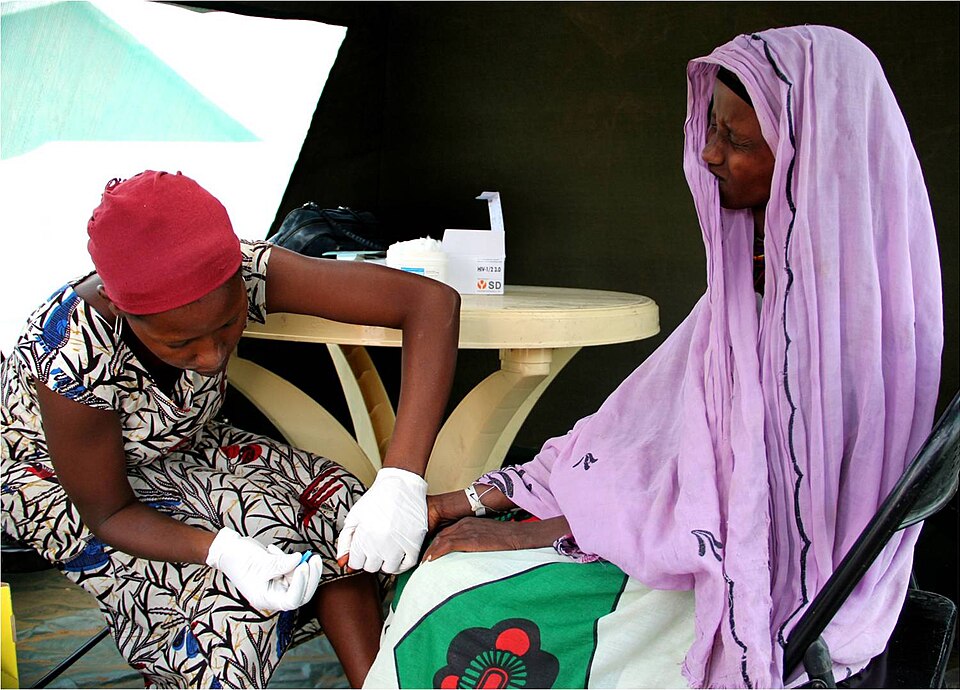
Pakistan’s Lady Health Worker (LHW) Program, established in 1994, plays a critical role in delivering maternal health services to communities across the country, particularly in rural areas and urban informal settlements. The program deploys more than 100,000 trained female community health workers who live within the communities they serve, each covering roughly 1,000 people. Although they are not physicians, they provide services that health professionals may not be able to deliver consistently at the household level. This includes conducting regular household visits to provide health education, basic preventive care and referrals to formal health facilities.

LHWs focus heavily on maternal and newborn health. They counsel pregnant individuals on the importance of antenatal care while monitoring pregnancies and linking families with clinics or midwives when complications arise. They are trusted members of their communities and provide care directly at the household level. As a result, LHWs often serve as the first point of contact for pregnant populations during environmental or health crises.

LHWs guide hydration, rest and heat-related illness. They also monitor vulnerable pregnancies and facilitate timely referrals to health facilities, helping ensure continuity of maternal care even when extreme heat and strained hospitals make access to services more difficult.

– Charlotte Bunn

Charlotte is based in Bristol, UK and focuses on Global Health for The Borgen Project.

Photo: Flickr

April 3, 2026
https://borgenproject.org/wp-content/uploads/borgen-project-logo.svg 0 0 Precious Sheidu https://borgenproject.org/wp-content/uploads/borgen-project-logo.svg Precious Sheidu2026-04-03 03:00:052026-04-02 12:43:38Extreme Heat and The Lady Health Workers of Pakistan
Global Poverty, Health

DRAP cracks down on the fake drug crisis in Pakistan

fake drug crisis in PakistanRecently, the Drug Regulatory Authority of Pakistan (DRAP) intensified its nationwide efforts toward combating the illegal sale, manufacturing and distribution of contaminated and falsified medicines in the country. DRAP implemented increased surveillance, intelligence-led enforcement and stricter regulations to combat, in other words, the fake drug crisis in Pakistan.

Background

The Ministry of National Health Services reports that 85% of medicines in Pakistan are either counterfeit or substandard. According to DRAP, 50% of the medication samples tested were fake — including life-saving treatments for cancer, cardiovascular diseases, mental illnesses and infections.

The issue of counterfeit medicines has been harming the health of Pakistanis for decades. Contaminated drugs often include arbitrary dosages of certain ingredients and deadly additives that can cause fatal effects, such as respiratory paralysis or death. A victim of fake medicine would need additional treatment to cure the damage from these drugs, which takes a toll on both the individual already suffering from an illness and the Pakistani health care system. Even if a fake drug has no effect at all, it is still dangerous, as a patient could unknowingly be left untreated for a serious disease.

Fake Drugs Affect the Poor the Most

The fake drug crisis in Pakistan disproportionately affects the poor, who cannot afford branded medicines or, in some cases, receive certain drugs from pharmacies for free. In 2012, a public cardiology pharmacy in Lahore distributed a contaminated drug to the poor. As a result, 125 people died due to fatal bone-marrow suppression.

Counterfeit drugs are also most often found in rural areas, where drug regulation is less strict. For these reasons, people living in poverty often have to resort to cheaper, falsified drugs, according to Wolters Kluwer Health.

To combat this, Muhammad Omar Larik recommended that the Pakistani government establish pharmaceutical support programs for the poor, as mentioned in his study published in the Journal of the Pakistan Medical Association.

Raids, Seizures and Closures

In recent crackdown efforts on the fake drug crisis in Pakistan, DRAP raided several pharmacies and local medicine shops. If lab testing revealed that the store sold falsified drugs, DRAP would shut it down.

DRAP sealed multiple establishments across the country, including the Al-Waali Care Concepts medical supplies store in Lahore. There were more drug regulation violations behind each closure, such as operating without a valid drug license and unlawfully storing medical devices. When officials raided Al-Waali Care Concepts, they brought legal action against the owner and started a formal investigation into the store.

In a surprise raid, a federal drug inspector shut down a pharmaceutical factory in Nooriabad for its illegal production of unregistered high-dose tramadol tablets. The production of this opioid is illegal nationwide due to smuggling concerns, public safety risks and especially its abuse abroad. DRAP suspects the factory produced the tablets with the intention of shipping them to foreign drug markets.

DRAP lab-tested several pharmaceutical products and consequently banned three newly-found counterfeit medicines: batch 251986 of Duphalac syrup, batch 091 of Taskeen Dard tablets and batch 01 of Pain-Nil tablets. The authority seized the identified batches of the medicines, removed them from the markets and tracked down the suppliers.

In Karachi, officials seized a large quantity of medicine that was sold across the city. In Lahore, DRAP caught individuals selling Urografin, an iodine-containing injection, and a dealer selling unregistered infertility medication, Lipiodol Ultra Liquid, beside a hospital, Dawn reported.

Provincial drug control officials also confiscated several batches of medicines meant to treat allergies, anxiety disorders, kidneys, fevers, body pain, bacterial infections and ulcers. Lab testing revealed that these medications were fake and completely ineffective. According to DRAP, these drugs were illegally produced and falsely labelled under well-known pharmaceutical brands.

Identifying Fake Drugs

A significant lack of public awareness also feeds into the fake drug crisis in Pakistan, as the public is not aware of the severity of the issue and unsure how to differentiate counterfeit medicines from real, safe medication.

As one solution, Dvago, a reputable pharmacy and medical store in Pakistan, outlined several warning signs to look for when identifying counterfeit drugs. These include packaging irregularities, missing or fake security seals, inconsistencies in the medicine’s appearance, an incorrect batch number or expiry date, extremely low prices and a lack of a proper leaflet or labels.

When purchasing medication, the store urges the public to only buy from licensed pharmacies, consult a pharmacist beforehand, verify the drug manufacturer, use track and trace systems with unique codes and most importantly, report suspicious medicines.

Increasing the Quality of Health and Life in Pakistan

Overall, the DRAP crackdown on illegal pharmaceutical drugs is a significant step toward increasing the quality of health and life for Pakistanis, especially for those living in poverty. Unfortunately, the fake drug crisis in Pakistan persists due to inadequate legislation, ineffective law enforcement and drug regulators’ failure to effectively interpret and implement the law.

Nevertheless, with consistent drug surveillance, more pharmacists, stronger law enforcement, trained drug regulators and a solid infrastructure for drug control, Pakistan can achieve its goals.

– Umaymah Suhail

Umaymah is based in Karachi, Pakistan and focuses on Good News and Global Health for The Borgen Project.

Photo: Flickr

April 3, 2026
https://borgenproject.org/wp-content/uploads/borgen-project-logo.svg 0 0 Naida Jahic https://borgenproject.org/wp-content/uploads/borgen-project-logo.svg Naida Jahic2026-04-03 01:30:482026-04-02 12:33:06DRAP cracks down on the fake drug crisis in Pakistan
Global Poverty, Health, Women

Managing Maternal Hypertensive Disorders in Venezuela

Maternal Hypertensive Disorders in VenezuelaVenezuela faces a time of profound instability. Not only due to piling political unrest but further exacerbated by changing climates and insufficient funding reach. Maternal and perinatal conditions claim approximately 8,000 lives each year and the World Health Organization (WHO) has determined that hypertensive disorders account for 20% of those maternal deaths.

This alarming reality demands immediate intervention. Organizations including UNICEF are already responding, deploying strategies to expand healthcare access and strengthen training in obstetric neonatal and pediatric emergency care. Here is more information about maternal hypertensive disorders in Venezuela and how they are being addressed.

The Government 

To understand Venezuela’s healthcare emergency, one must first understand its economic catastrophe. For decades, oil revenues financed nearly two-thirds of the government budget. In 2014, when oil prices collapsed and the central bank responded by printing more money, the country entered one of the worst hyperinflation periods in modern history. Ordinary Venezuelans have felt these impacts the most as political turmoil has been further exacerbated by exchange rate volatility and the recent capture of Nicolas Maduro.

Due to this, more than one quarter of the population need humanitarian assistance. Significantly, the most severe impacts befall the health systems from this economic collapse. Domestic general government health expenditure under Maduro was merely 3.6%, with out-of-pocket spending accounting up to 30% of health expenditure. For Venezuelans where the official minimum wages remain below $2/month, this basic healthcare need remains inaccessible. Furthermore, known as the ‘brain drain’ roughly half of the country’s doctors have emigrated, leaving hospitals understaffed and unable to perform basic tasks such as routine obstetric check-ups. For pregnant women and children, especially in indigenous communities, this has had detrimental effects.

Hypertensive Disorders

Hypertensive disorders affect 1.4 billion people globally. However, prevalence is skewed toward low- and middle- income countries. Such disorders are huge risk factors for developing heart disease, stroke and, in pregnant individuals, pre-eclampsia. These disorders are frequently and easily missed as key symptoms presenting as vision loss and headaches. Tests for such disorders require equipment which is inaccessible in rural areas of Venezuela and when untreated, leads to seizures and hemorrhage.

In Venezuela, hypertensive disorders cause roughly 20% of maternal deaths with other confounding causes being maternal hemorrhage. This had evident effects as shown by the growing ratios of maternal mortality. This impacts 226.7 individuals per 100,000 live births and worsening by +25% points since 2019. Simple low-cost training to help healthcare workers identify early warning signs of hypertensive diseases combined with targeted education campaigns for pregnant women, could meaningfully improve outcomes and empower women to advocate for their own care.

Who Is Helping?

Despite the fact that many organizations have received just 17% of the >$600 million that Venezuela’s humanitarian response plan requires, many organizations, governmental and non-governmental alike are implementing strategies to ameliorate the maternal health crisis. These strategies are offering hope for the future. Many individuals must walk miles to reach a suitable healthcare facilities, however pregnant women with hypertensive disorders cannot afford this time.

At Project HOPE, local health partners are receiving training and increasing accessibility to maternal healthcare at the Venezuela-Columbia border. Alongside initiatives provided by the International Medical Corps, hope is in sight for these vulnerable Venezuelan’s. Since its implementation, the International Medical Corps (IMC) has provided more than $1.8 million in equipment, medical supplies and facilities.

Medical units mobilized by this organization aid in improving maternal outcomes for those in remote areas, specifically indigenous communities. Furthermore, continuous efforts from UNICEF demonstrate significant advancements for access to healthcare with 129,871 children and 31,273 women accessing their implemented facilities in the first half of 2025. Increased training in partnership with the ministry of health resulted in 29,788 safe deliveries, 3,289 of which were from indigenous communities. If efforts like this continue to prevail, much needed relief may be provided to the mothers to be of Venezuela when aiming to reduce mortality due to hypertensive disorders.

Conclusion

While maternal hypertensive disorders are manageable themselves when early detection and low-cost diagnostic equipment is available, this is not available in many areas of Venezuela. This cannot be divorced from the broader poverty issue which lies within this country. Thus, Venezuela’s maternal health crisis is a story about compounding vulnerabilities. Economic collapse has gutted public health funding and hyperinflation pushing basic care out of reach. Sustained funding, continued education of local health workers and community level education for pregnant women offers credible paths forward to address maternal hypertensive disorders in Venezuela.

– Juliette Dall’Aglio

Juliette is based in London, UK and focuses on Technology and Global Health for The Borgen Project.

Photo: Flickr

April 2, 2026
https://borgenproject.org/wp-content/uploads/borgen-project-logo.svg 0 0 Jennifer Philipp https://borgenproject.org/wp-content/uploads/borgen-project-logo.svg Jennifer Philipp2026-04-02 01:30:542026-04-01 23:45:27Managing Maternal Hypertensive Disorders in Venezuela
Global Poverty, Health, Women & Children

Community Midwife Training in Nepal

Community Midwife Training in NepalIn many rural parts of Nepal, reaching a hospital during childbirth can require hours of travel. Limited access to trained medical professionals means that some women still give birth without skilled assistance. This is increasing the risk of complications for both mothers and newborns. 

Programs focused on community midwife training in Nepal are helping address these challenges. They are preparing local health workers to provide safe delivery care and newborn support in remote communities. 

Maternal and Newborn Health Challenges in Rural Nepal

Nepal has made substantial progress in maternal health over the past two decades. According to global maternal mortality estimates, Nepal’s maternal mortality ratio declined from 553 deaths per 100,000 live births in 2000 to 186 deaths per 100,000 live births in 2017. This represents a reduction of about 66%.

Newborn survival has also improved. The World Health Organization (WHO) finds that Nepal’s neonatal mortality rate declined from 40 deaths per 1,000 live births in 2000 to 16.6 deaths per 1,000 live births in 2023. Despite these gains, many families in rural areas still struggle to access skilled care during childbirth. 

In mountainous regions of Nepal, reaching a hospital or birthing center may require several hours of travel, sometimes on foot. Shortages of trained health workers and limited medical infrastructure in remote communities also contribute to gaps in maternal and newborn care. 

Expanding Skilled Care Through Community Training 

Nepal’s maternal health strategy includes training skilled birth attendants such as nurses and auxiliary nurse midwives. These skilled birth attendants help manage labor, identify complications and provide essential newborn care. Because many trainees come from the communities they serve, they often understand local languages and cultural practices, making it easier to reach families who might otherwise avoid institutional care. 

These efforts have contributed to significant improvements in access to skilled birth support. Data from the Nepal Demographic and Health Survey (NDHS) show that the share of births attended by a skilled health professional increased from about 13% in 2001 to roughly 80% in 2022. Expanding access to trained midwives has played a major role in improving maternal and newborn outcomes across the country. 

Safer childbirth also helps reduce poverty by preventing costly medical emergencies and allowing mothers to recover and return to work more quickly. This reduces the economic strain that childbirth complications can place on low-income households. 

Nonprofit Partnerships Strengthening Maternal Care

International nonprofit organizations also support community midwife training in Nepal through partnerships with the country’s public health system. One organization working in this area is One Heart Worldwide. The nonprofit collaborates with Nepal’s Ministry of Health and Population to strengthen maternal and newborn health services in rural districts.

The organization works directly with government health facilities to improve the quality of maternal care. It does this by training skilled birth attendants, upgrading rural birthing centers and providing ongoing mentorship for health workers. Its programs also strengthen referral systems so that complicated pregnancies can be transferred more quickly to higher-level hospitals. 

Another program working to support maternal health by expanding access to skilled care in underserved communities is CARE Nepal. The organization works with local governments and community health volunteers to improve prenatal care, promote safe delivery practices and increase awareness of maternal health services. CARE programs also focus on training health workers, supporting community outreach and helping connect pregnant women with nearby health facilities where trained midwives can assist during childbirth. 

The Impact of Skilled Midwives

The availability of trained midwives plays a crucial role in improving maternal and newborn health outcomes worldwide. According to the United Nations Population Fund (UNFPA), midwives trained to international standards could deliver about 90% of essential maternal health services. They could also provide essential newborn care.

In addition to assisting during childbirth, trained midwives help strengthen local health systems by linking pregnant women with antenatal services, organizing checkups and helping families navigate referrals to larger hospitals when necessary. 

A Healthier Future for Mothers and Newborns in Nepal

Continued investment in community midwife training in Nepal remains essential for improving maternal and newborn health outcomes in rural areas. Expanding training programs, strengthening health facilities and supporting partnerships between government agencies and nonprofit organizations can help ensure that skilled professionals attend more births. 

Nepal’s progress in maternal health demonstrates how expanding access to skilled care can transform outcomes for mothers and newborns. As community midwife training initiatives continue to grow, safer childbirth and stronger maternal care are becoming increasingly within reach for families across the country. 

– Tom Basu

Tom is based in Buckinghamshire, UK and focuses on Good News and Global Health for The Borgen Project.

Photo: Flickr

April 1, 2026
https://borgenproject.org/wp-content/uploads/borgen-project-logo.svg 0 0 Hemant Gupta https://borgenproject.org/wp-content/uploads/borgen-project-logo.svg Hemant Gupta2026-04-01 07:30:242026-03-31 12:49:42Community Midwife Training in Nepal
Global Poverty, Health, HIV/AIDS

Poverty and Healthcare in Kenya

Healthcare and Poverty in KenyaThere are many health factors that contribute to the approximately 3.6 million orphaned children in Kenya: sickness, malnutrition, healthcare access and gender disparities. Poverty is woven through each of these areas that has significant effects on women and orphan children that reside in Kenya, leaving many vulnerable to developing health risk behaviors. The lack of accessible healthcare is clear in Kenya with the prevalence of diseases and many barriers that women and children face in order to be able to receive care. This has now also become a socioeconomic issue as the healthcare system shows extreme disparities within the major communities of Kenya.

Navigating HIV/AIDS in Poverty

HIV/AIDS affects 1.4 million people in Kenya, and 32% of orphanhood stems from HIV/AIDS. This happens due to how widespread HIV is within families, and how it will directly affect the families labor force and overall income. HIV also plays a major role in the health of parents in the family, causing deaths of either one or both parents, leaving more children orphaned. Poverty directly impacts access to antiviral drugs (ARVs) as
the citizens of Kenya rely heavily on donors. In January 2025, the U.S. shut down its USAID, reducing its programs to Kenya from 149 to 30. This massive exit from humanitarian aid has caused many healthcare workers to experience lay offs and forced healthcare facilities to close.

Vitamin Deficiencies in Pregnant Women

In Kenya, many pregnant women have vitamin deficiencies which are due to the limited amounts of nutritional products for maternal health along with overall nutritious foods required during pregnancy. In Kenya, 26% of pregnant women suffer from iron deficiency, creating an anemia rate of 42.6%. Kenya as a whole is facing a drought which is not only affecting their resources, but also the ability for families to have stability which leads to a lot of children in orphanages. Many of the orphans in Kenya have living relatives but widespread poverty leaves them without substantial resources, leading to children being placed in orphanages with the idea that they will live a better life.

Gender Disparities

Only 6% of women have titles to land in Kenya. Although it is a legal right for them to own property, societal norms of discrimination against women have long been the driving factor of them being unable to obtain and keep property. Kenyan women are at risk of being victims of land grabbing, usually in the way of their husbands running them off or abusing them causing them to have to flee. These women are put in vulnerable situations, feeling forced to abandon their children to orphanages, and pushes women to make less than ideal choices, such as prostitution. This can lead to a higher mortality rate, and ultimately leaves many children orphaned.

Available Resources

To help combat these issues, many organizations and campaigns, such as Stand for Her Land and Kenyan Peasants League have started garnering support and finding these depleted resources to help the community. Stand for Her Land has worked on advocacy for women of lesser status and income to exercise their rights on gaining legal access to land. Along with this, the Kenyan Peasants League gathers community-based funding to purchase land for women who had their lands usurped during major land-grabbing times.

Policy Action

The government has now also taken a stronger stance on these issues, one main way being by creating the National Care Reform Strategy for Children in Kenya. This specific act focuses a lot on family based care in society and ensuring that they are provided with the resources to continue in society. However, to break this cycle of poverty as a whole, national and international organizations need to prioritize things such as accessibility to healthcare, enforcing a woman’s right to own land, and overall strengthening child-welfare programs. Changes like these can likely help the livelihoods of not only the children in Kenya, but also the community that exists around them.

Conclusion

In summary, poverty in Kenya has shown to have lasting effects that have caused severe damage to especially the orphaned children of the country. Studies show that there will be long term effects on their overall developmental issues that will likely follow them into their adulthood. In order to properly address these matters, more accessible resources need to be implemented.

– Mansi Sampda, Jessica Norman, Melissa Kronblat and Kalea Mailangi

Mansi, Jessica, Melissa and Kalea are based in Bothell, WA, USA and focus on Global Health for The Borgen Project.

Photo: Unsplash

March 31, 2026
https://borgenproject.org/wp-content/uploads/borgen-project-logo.svg 0 0 Jennifer Philipp https://borgenproject.org/wp-content/uploads/borgen-project-logo.svg Jennifer Philipp2026-03-31 07:30:322026-03-31 00:56:51Poverty and Healthcare in Kenya
Global Health, Health, Women

How Maternal Health Programs Reduce Mortality Rates in Benin

Mortality Rates in BeninAccording to the World Health Organization (WHO), Benin has a maternal mortality ratio of 518 deaths per 100,000 live births, meaning hundreds of women die each year from preventable pregnancy-related complications. Common causes include blood loss, infection, high blood pressure, insufficient post-partum care and even financial limitations. 

These causes highlight the role of maternal health programs in reducing maternal mortality rates in Benin by offering assistance, care and education. These services improve survival rates, reduce long-term health complications and strengthen families and communities. Several international organizations are actively working to reduce maternal mortality rates in Benin.

Médecins Sans Frontières

Médecins Sans Frontières (MSF), also known as Doctors Without Borders, partners with the Benin Ministry of Health (MOH) to support activities in villages that promote pregnancy education and awareness, consultations and access to contraceptives. MSF has also assisted several health centers by supporting staff recruitment, improving working conditions and supplying essential medical equipment and medicines. 

In addition, MSF has supported more than 9,920 people with safe deliveries, assisted 3,253 people with family counseling and conducted more than 22,211 prenatal consultations. These efforts directly reduce preventable maternal deaths by ensuring that women have access to skilled medical professionals, safe delivery environments and essential reproductive health services. By expanding access to skilled care, MSF plays a key role in reducing maternal mortality rates in Benin.

UNFPA

Another organization working to improve maternal health in Benin is the United Nations Population Fund (UNFPA). UNFPA is an international reproductive health agency of the U.N. that operates in more than 150 countries. Its mission is “to deliver a world where every pregnancy is wanted, every childbirth is safe and every young person’s potential is fulfilled.” 

UNFPA also addresses the “three delays” in maternal health: deciding to seek care, reaching a health facility and receiving adequate treatment. During its previous program cycle in Benin, UNFPA reached more than 985,944 new modern contraceptive users, prevented more than 290,296 unintended pregnancies and educated more than 809,820 adolescents and youth about reproductive health. By addressing both medical barriers and social obstacles, such as education and access to contraception, UNFPA helps prevent high-risk pregnancies and long-term complications, lowering maternal mortality rates in Benin.

Benin Mamas

Benin Mamas is a local nonprofit organization supporting maternal health through programs such as the Safe Motherhood Initiative, Mental Health and Postpartum Support, Smart Starts: Saying No to Teen Pregnancies and Mamas Speak Up. Through empowerment programs, educational workshops and targeted interventions, Benin Mamas expands access to maternal health care across rural and underserved communities.

Final Remarks

Together, these three initiatives demonstrate how maternal health programs support underserved and rural communities by filling gaps in government services and expanding access to essential care. By strengthening reproductive health services and promoting education, MSF, UNFPA and Benin Mamas help reduce maternal mortality rates in Benin and build a more sustainable future for families.

– Bianca P. Gunawan

Bianca is based in Jakarta, Indonesia and focuses on Good News and Global Health for The Borgen Project.

Photo: Flickr

March 26, 2026
https://borgenproject.org/wp-content/uploads/borgen-project-logo.svg 0 0 Hemant Gupta https://borgenproject.org/wp-content/uploads/borgen-project-logo.svg Hemant Gupta2026-03-26 03:00:102026-04-15 12:56:11How Maternal Health Programs Reduce Mortality Rates in Benin
Global Poverty, Health, Nonprofit Organizations and NGOs

Improving Public Health Via Clean Water in Benin

Clean Water InitiativesBenin is a small country in West Africa with a 36.2% poverty rate. Despite its economic growth over the past years, clean water initiatives in Benin remain critical, as many communities still struggle to access safe drinking water and sanitation. According to the World Health Organization (WHO), lower respiratory infections are the second leading cause of death in Benin, while diarrheal diseases rank fourth. 

Many of these deaths are preventable with improved hygiene, sanitation and access to clean water. Access to clean water plays an important role in improving health in Benin, as it can foster economic opportunities and growth. Partnerships between the Beninese government and international organizations are working to help address this issue.

Join For Water

Join For Water is a nonprofit organization based in Belgium that has focused on reforestation and agroforestry since 1977 by planting trees and shrubs in rural areas. According to the organization, this approach improves water management and prevents sedimentation. It operates in eight countries, including Benin.

Join For Water also supports clean water access through environmental management, food production, drinking water and sanitation, as well as responsible consumption. In 2024, the organization expanded drinking water access to more than 16,485 households, improved access to latrines for more than 1,310 people and supported more than 6,949 farmer harvests. This demonstrates that environmental protection through reforestation and agroforestry can improve water management, leading to cleaner water, better hygiene and improved public health.

Institute of Cultural Affairs–Benin

With more than 35 member countries, the Institute of Cultural Affairs–Benin is part of a global network of nonprofits focused on advancing human development. It is affiliated with the Institute of Cultural Affairs International (ICA). Its mission is to support sustainable human development while fostering lasting change within communities and organizations. As a community, ICA partners with End Water Poverty to improve access to clean water and sanitation. 

End Water Poverty is an initiative in Benin that campaigns, advocates and mobilizes the government to protect, respect and fulfill people’s right to water and sanitation. Through its “Claim Your Water Rights” campaign, the coalition funds grassroots organizations and community-led advocacy efforts that push governments to uphold the human right to water and sanitation. This indicates that water access requires both environmental protection and policy advocacy. 

Together, these clean water initiatives in Benin ensure access to clean water and sanitation for rural and underserved communities across the country.

Final Thoughts

Many communities in Benin still face challenges accessing safe water and sanitation. However, nonprofit initiatives such as Join For Water, ICA and End Water Poverty address these issues through environmental restoration, advocacy and community campaigns. With continued support, these initiatives can improve public health, strengthen sanitation systems, expand economic opportunities and improve living conditions.

– Bianca P. Gunawan

Bianca is based in Jakarta, Indonesia and focuses on Good News and Global Health for The Borgen Project.

Photo: Flickr

March 25, 2026
https://borgenproject.org/wp-content/uploads/borgen-project-logo.svg 0 0 Hemant Gupta https://borgenproject.org/wp-content/uploads/borgen-project-logo.svg Hemant Gupta2026-03-25 03:00:432026-04-15 12:53:53Improving Public Health Via Clean Water in Benin
Disease, Global Poverty, Health

Improvement in the Treatment of TB in Kenya

TB in KenyaTuberculosis (TB) is a condition that mostly affects a person’s lungs but can also spread to other parts of the body. TB is caused by the bacterium Mycobacterium tuberculosis, which circulates through the air and spreads when inhaled. TB has been a persistent public health challenge in Kenya. According to the National Library of Medicine, TB is the fifth leading cause of death in the country. However, there has been a noticeable improvement in treating TB in Kenya. The director of the African region of the World Health Organization (WHO), Dr. Diallo Abdourahmane, stated that Kenya reduced TB cases by 41% and TB-related deaths by 60%. This progress is attributed to treatments such as preventive therapy, the BPaL regimen and digital adherence technologies.

Tuberculosis Preventive Treatment

One treatment used today is tuberculosis preventive treatment (TPT). Its goal is to prevent certain individuals from developing active TB by administering anti-tuberculosis medicine. The treatment destroys bacteria that have infected the body before they can harm organs or spread the illness. TPT specifically targets people living with human immunodeficiency virus (HIV). HIV weakens the body’s ability to fight infections, making individuals more vulnerable to TB. It is recommended for HIV patients to undergo this treatment to reduce the chance of developing TB. The preferred course consists of three months (3HP), during which the antibiotics isoniazid and rifapentine are taken once a week. However, this prescription may interact with other medicines, so each patient’s case should be considered individually.

BPaL Regimen

The BPaL regimen is a treatment course lasting six months. The WHO has recommended it as an alternative to lengthier treatments. The regimen combines four antibiotic medications: bedaquiline, pretomanid, linezolid and moxifloxacin. It targets drug-resistant TB, a form of the disease that does not respond to some standard medications. This treatment is primarily for adult patients and teenagers older than 14. Studies have shown a success rate of 89%, making it more effective than previous regimens.

Digital Adherence Technology

TB treatment outcomes have also improved with digital adherence technology (DAT). DAT refers to digital tools that use technological devices to record a patient’s daily medication information. Examples include smart pill boxes and medication sleeves. Researchers believe DAT motivates individuals with TB to take their daily medication consistently.

A 2026 study evaluated whether certain digital interventions improved TB treatment outcomes. The study found that digital platforms such as Keheala reduced the percentage of failed TB treatments, supporting the use of digital tools in TB care. DAT offers several benefits. Patients can choose the most suitable time to take their medication, fitting it into their routine. Patients can receive SMS reminders. Health care providers can access their patients’ information, allowing them to monitor consistency and identify patients who need additional support.

Looking Ahead

Although TB remains a serious issue in Kenya, the treatments discussed have demonstrated their effectiveness. Kenya has earned recognition from the WHO for its progress. The country has set further goals to reduce TB death rates by 90% and TB cases by 80% by 2030. Efforts in Kenya to reduce the impact of TB continue to show measurable results.

– Lara Ibrahim

Lara is based in Créteil, France and focuses on Technology and Global Health for The Borgen Project.

Photo: Flickr

March 24, 2026
https://borgenproject.org/wp-content/uploads/borgen-project-logo.svg 0 0 Precious Sheidu https://borgenproject.org/wp-content/uploads/borgen-project-logo.svg Precious Sheidu2026-03-24 07:30:542026-03-24 01:43:20Improvement in the Treatment of TB in Kenya
Page 4 of 211«‹23456›»

Get Smarter

  • Global Poverty 101
  • Global Poverty… The Good News
  • Global Poverty & U.S. Jobs
  • Global Poverty and National Security
  • Innovative Solutions to Poverty
  • Global Poverty & Aid FAQ’s
Search Search

Take Action

  • Call Congress
  • Email Congress
  • Donate
  • 30 Ways to Help
  • Volunteer Ops
  • Internships
  • Courses & Certificates
  • The Podcast
Borgen Project

“The Borgen Project is an incredible nonprofit organization that is addressing poverty and hunger and working towards ending them.”

-The Huffington Post

Inside The Borgen Project

  • Contact
  • About
  • Financials
  • President
  • Board of Directors
  • Board of Advisors

International Links

  • UK Email Parliament
  • UK Donate
  • Canada Email Parliament

Get Smarter

  • Global Poverty 101
  • Global Poverty… The Good News
  • Global Poverty & U.S. Jobs
  • Global Poverty and National Security
  • Innovative Solutions to Poverty
  • Global Poverty & Aid FAQ’s

Ways to Help

  • Call Congress
  • Email Congress
  • Donate
  • 30 Ways to Help
  • Volunteer Ops
  • Internships
  • Courses & Certificates
  • The Podcast
Scroll to top Scroll to top Scroll to top