5 Facts About the Fight Against HIV/AIDS in Suriname
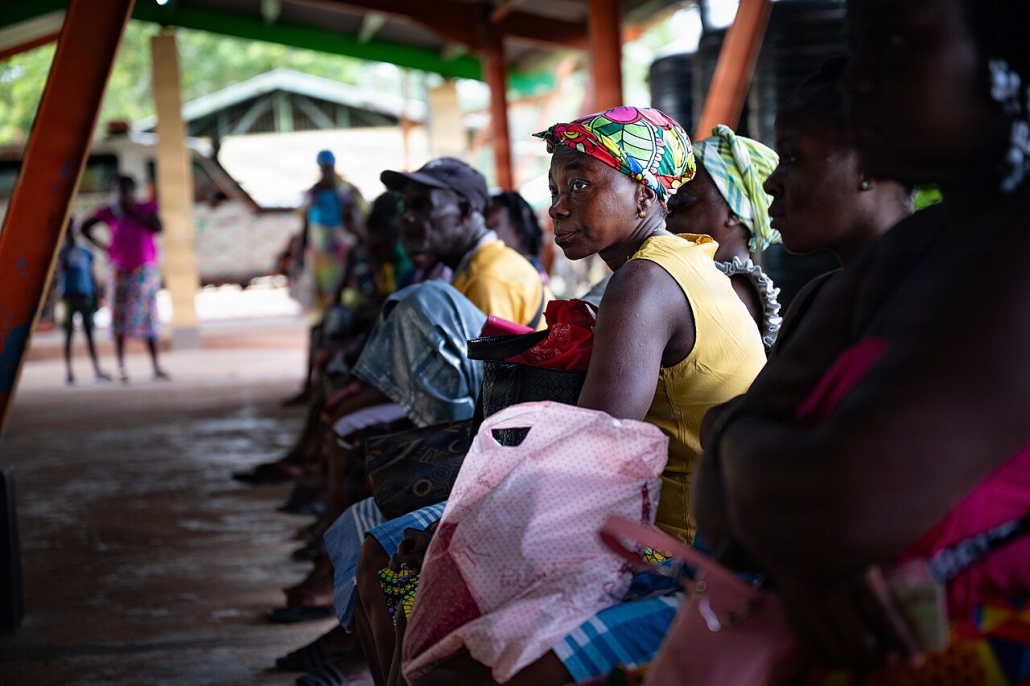 Located on South America’s Northern coast, the small country of Suriname holds a diverse population. While its public health landscape faces challenges in 2026, the country has emerged a regional leader in integrated care, bridging the gap between remote interior communities and urban centers. According to the World Bank, almost 26% of the population lives below the poverty line. These rates increase in the more interior regions with limited basic infrastructure.
Poverty is often a driver that increases vulnerability to HIV/AIDS infection, simultaneously creating significant barriers to accessing treatment. Despite this, the fight against HIV/AIDS in Suriname continues, with the understanding that social stigma can be as much a hurdle as access to medical care.
1. Expansion of Treatment Coverage
A steady growth in antiretroviral therapy (ART) access turns the tide of the fight against HIV/AIDS in Suriname. According to UNAIDS, it allows the treatment coverage rate to reach 70% of people living with the condition in Suriname by 2026.
Data from the HIV/AIDS Industry Outlook indicates the treatment coverage by the nation achieves an average year on year increase of 1.6 points. Continuing on this path upwards, the Ministry of Health has reaffirmed the commitment to meet the UNAIDS global targets for HIV care through decentralized testing and community based clinics.
2. Progress in Pediatric Health
In 2026, the HIV/AIDS prevalence rate for those aged 10-14 is expected to drop to 60 people, an 8% decrease compared to 2021 according to the Suriname HIV/AIDS Industry Outlook. Since 1995, the rate has had a staggering 13.1% year-on-year decline in pediatric prevalence. Health experts have attributed this success to the integration of prenatal HIV screening and improved preventions of mother to child transmissions (PMTCT) services.
3. Community-Led Support Systems
Poverty often acts as a barrier for those in rural Suriname. Treatment requires consistent clinical visits and access to pharmacies, and limited household income can make the cost of travel to centers prohibitive. The fight against HIV/AIDS in Suriname continues in community-led organizations like the Double Positive Foundation. The provision of psycho-social care and “peer buddy” support, and ensuring treatment reaches impoverished populations is led by advocates such as Ethel Pengel.
This acts as a beacon of light within socioeconomic barriers such as family rejection and social stigma. Walking beside young women and girls ensures that they remain in the healthcare system following a diagnosis.
4. State-Sponsored Medication Access
The Suriname Ministry of Health has provided HIV inhibitors at no cost to patients since February 2005. It sustains this through a financial partnership with the Global Fund, a worldwide partnership providing 26% of all international financing for HIV programs. In 2026, “person-centered care” is at the forefront of medical health; ensuring the treatment of other chronic conditions alongside HIV.
5. The 95-95-95 Path to Recovery
The recovery of Suriname relies on reaching the UNAIDS global targets: 95% of people living with HIV know their status, 95% of those diagnosed receive ART, and 95% of those on treatment achieve viral suppression.
Looking Ahead
While funding remains a challenge, Suriname is ensuring regional Caribbean partnerships to maintain a steady supply of biomedical interventions. By prioritizing long-acting preventions, HIV/AIDS no longer defines this nation’s future.
– Celine Dib
Celine is based in London, UK and focuses on Good News for The Borgen Project.
Photo: Wikimedia Commons
