• Link to X
  • Link to Facebook
  • Link to Instagram
  • Link to TikTok
  • Link to Youtube
  • About
    • About Us
      • President
      • Board of Directors
      • Board of Advisors
      • Financials
      • Our Methodology
      • Success Tracker
      • Contact
  • Act Now
    • 30 Ways to Help
      • Email Congress
      • Call Congress
      • Volunteer
      • Courses & Certificates
      • Be a Donor
    • Internships
      • In-Office Internships
      • Remote Internships
    • Legislation
      • Politics 101
  • The Blog
  • The Podcast
  • Magazine
  • Donate
  • Click to open the search input field Click to open the search input field Search
  • Menu Menu

Archive for category: Health

Information and stories on health topics.

Global Poverty, Health, HIV/AIDS

Positive Work To Address HIV/AIDS in Georgia

HIV/AIDS in GeorgiaGeorgia has historically reported low rates of HIV, and new infections are concentrated among the most at-risk groups, such as men who have sex with men (MSM) and those who inject drugs. In 2024, Georgia passed legislation that limits queer individuals’ access to essential health services and therefore threatens the progress made to raise awareness, testing, treating and preventing HIV/AIDS. This important work now falls to community organizations such as Equality Movement and Tanadgoma, who are supported by the United Nations Population Fund (UNFPA), and continue their life-saving work to treat and prevent HIV/AIDS in Georgia among vulnerable and impoverished groups.

7 Key Facts About HIV/AIDS in Georgia

  1. UNAIDS classifies Georgia as having a low-level HIV epidemic.
  2. As of 2023, approximately 9,100-10,500 people are living with HIV/AIDS in Georgia, which is about 0.3% of the general adult population.
  3. Among the MSM population, the prevalence of HIV is 21.5%, which suggests current methods do not reach the most at-risk groups.
  4. The number of new HIV infections has been decreasing gradually since 2019.
  5. Concerningly, around 36% of those living with HIV are not aware of their HIV-positive status; individuals can remain symptom-free for years.
  6. About 2,492 people have died as a result of HIV/AIDS in Georgia since 1989.
  7. Around 71% of those with HIV are receiving Antiretroviral Therapy (ART), which suppresses the virus and enables them to live long, healthy lives as well as reducing the risk of transmission

HIV/AIDS and Poverty in Georgia

HIV/AIDS and poverty are deeply and complexly intertwined. Those who deal with food insecurity, housing instability and/or are in poverty are significantly more vulnerable to getting an HIV infection. This is especially true if they rely on sex work to raise money for basic necessities, and where this power imbalance may not allow them to purchase and/or negotiate the use of condoms.

Similarly, those who live with HIV in their household are more at risk of falling into and remaining in poverty. Symptoms of HIV/AIDS can mean people are unable to work for long periods of time, or experience isolatio due to stigma, which can result in the loss of jobs, food security and housing, and in some places make them unable to pay for HIV/AIDS treatment and prevention healthcare.

This is a difficult cycle to break out of. Some treatments, such as ART drugs, must be taken every day with food, and therefore, a lack of adequate food resources and consistent medication places people further vulnerable to severe symptoms of HIV/AIDS. This means they are likely to be out of work for longer, making it even more difficult to raise funds for food and/or medication.

Although steadily declining, in 2024, 9.4% of the population of Georgia was below their national absolute poverty line. The proportion of the population living below the international poverty line at $3.00 a day, and therefore at a higher risk of contracting HIV/AIDS in Georgia was 4.2%.

Community Work 

Organizations such as Tanadgoma and Equality Movement recognize this threat and have a commitment to their mission of reducing the number of new HIV/AIDS diagnoses as well as changing social attitudes to the infection.

Tanadgoma, a UNFPA partner, are working to increase the HIV testing service uptake by providing access to HIV information and services to young people to counter the issue of more than 50% of new HIV diagnoses occurring at a late stage. A key effort of this is to ensure that their environment is free of stigma and discrimination surrounding HIV/AIDS, and other contributing factors such as safe syringe procedures and sex work, despite the recent legislation. People such as Tamar Gakhokidze, a woman who is HIV positive after being infected during a dental procedure in jail, work with these organizations to break down misconceptions and stigma and hope to offer an example to others of someone living with HIV/AIDS in Georgia, but without fear or shame.

Equality Movement have developed a self-testing online platform to help popularize testing for HIV among at-risk groups such as MSM. These tests are free and individuals can complete them at home, allowing them to complete them anonymously with no need to visit community centers. They are also accessible to those in poverty. Also included in these self-test packages are condoms and lubricant that can help prevent the spread and new diagnoses of HIV/AIDS in Georgia; so far, Equality Movement have distributed more than 170,000 condoms and 45,000 lubricants through this project. As an organization, it has also provided Pre-Exposure Prophylaxis (PrEP), an effective daily pill to prevent contracting HIV, to more than 500 people for free.

Looking Ahead

In response to the continued work of organizations such as Tanadgoma and Equality Movement, the Georgian Anti-Corruption Bureau has been persecuting and pressuring civil society and non-governmental organizations to cease their activities. This has not swayed Equality Movement from its mission, and they state, “despite the unlawfully initiated monitoring, we continue our activities and legal efforts to stop the enforcement of repressive laws. We will use all available legal means to protect our rights and the rights of the citizens of Georgia.”

– Stephanie Gable

Stephanie is based in Wales, UK and focuses on Global Health for The Borgen Project.

Photo: Flickr

March 23, 2026
https://borgenproject.org/wp-content/uploads/borgen-project-logo.svg 0 0 Jennifer Philipp https://borgenproject.org/wp-content/uploads/borgen-project-logo.svg Jennifer Philipp2026-03-23 01:30:432026-03-22 10:55:13Positive Work To Address HIV/AIDS in Georgia
Global Poverty, Health, HIV/AIDS

The Proactive Fight Against HIV/AIDS in the Solomon Islands

HIV/AIDS in the Solomon IslandsThe Solomon Islands, a vibrant archipelago of nearly 1,000 islands in the South Pacific, continues to demonstrate remarkable resilience in public health management. While the nation faces geographic and economic hurdles — ranking 156 out of 193 on the Human Development Index — the rate of HIV/AIDS in the Solomon Islands remains one of the most stable in the region.

For decades, the archipelago has maintained a low HIV prevalence rate. Data shows that since 1994, only 0.1% of the population aged 15-49 lives with HIV/AIDS in the Solomon Islands. Between 1994 and 2016, health officials recorded only 30 cases, a testament to the nation’s early intervention and cultural protective factors. 

While the historical numbers remain low, recent years have seen a slight uptick in reported cases of HIV/AIDS in the Solomon Islands. Rather than viewing this as a setback, health experts interpret increased numbers as a sign of enhanced diagnostic capabilities. 

The Ministry of Health and Medical Services (MHMS) has significantly expanded testing sites and medical supply procurement. By making testing more accessible, the government identifies cases earlier, enabling immediate treatment. This shift from low numbers through limited testing to active surveillance marks a positive evolution in the country’s medical strategy.

Overcoming Barriers to Treatment

With nearly 1,000 islands in total, treatment for HIV/AIDS in the Solomon Islands has not come without its unique set of obstacles:

  • Geographic Isolation: Realizing a central clinic for antiretroviral therapy (ART) can be physically and financially taxing for rural residents.
  • Stigma and Discrimination: Social and religious norms, combined with a lack of confidentiality in small island communities, create a fear of social rejection that discourages individuals from seeking HIV testing and life-saving treatment.
  • Regulatory Scrutiny: For non-nationals, entry and residency restrictions based on HIV status can create significant legal hurdles for accessing long-term care.

Strategic Measures To Improve Access

To address these difficulties, the Ministry of Health and Medical Services (MHMS) and its partners have introduced the following improvements:

  • Decentralized Testing and Treatment: The program equips area health centers with rapid diagnostic test kits and ensures that even in remote provinces, health workers can identify new cases within minutes and immediately connect patients to antiretroviral therapy (ART).
  • Commodity Security: Health Minister Dr. Paul Bosawai recently emphasized that the ministry is streamlining the supply chain to ensure that HIV commodities and diagnostic kits remain in stock and are readily available in all provinces.
  • Mother-to-Child Prevention: By integrating HIV testing into routine antenatal care, the MHMS has successfully maintained a near-zero rate of mother-to-child transmission in recent years. These proactive efforts mean that 100% of those diagnosed now have access to free, government-sponsored treatment, transforming a potential surge into a manageable and treated health condition.

Beyond clinical settings, the nation prioritizes education as a primary tool for preventing HIV/AIDS in the Solomon Islands. Community-led initiatives utilize radio broadcasts and local leaders to share information about sexual health and disease prevention. 

By involving traditional leaders and local health workers, the government ensures that health messaging respects cultural nuances while providing vital medical facts. These programs empower citizens to take charge of their own health and encourage voluntary testing, further contributing to the slight rise in known cases, which allows for a more accurate public health response.

Looking Toward a Healthy Future

The Solomon Islands is not merely reacting to HIV; it is building a prevention strategy. The government’s commitment to the Fast-Track targets set by UNAIDS shows a clear path forward. By prioritizing education and investing in rural health care infrastructure, the nation ensures that the recent surge in data translates into a long-term surge in survival and well-being. 

With continued international support and a dedicated local workforce, the Solomon Islands stands as a model for how a developing nation can manage infectious diseases through unity and proactive care.

– Rebecca Cameron

Rebecca is based in Edinburgh, Scotland and focuses on Technology and Global Health for The Borgen Project.

Photo: Flickr

March 20, 2026
https://borgenproject.org/wp-content/uploads/borgen-project-logo.svg 0 0 Jennifer Philipp https://borgenproject.org/wp-content/uploads/borgen-project-logo.svg Jennifer Philipp2026-03-20 07:30:542026-03-20 01:17:54The Proactive Fight Against HIV/AIDS in the Solomon Islands
elderly poverty, Global Poverty, Health

Elderly Poverty in Lesotho

Elderly Poverty in LesothoLesotho, a small, landlocked country in southern Africa, continues to face high levels of poverty and unemployment. While much attention is often given to youth unemployment and child poverty, elderly poverty remains a serious but less visible challenge. Many older adults in Lesotho struggle to meet basic needs and rely heavily on limited social protection and family support to survive.

According to the World Bank, about 49% of Lesotho’s population lives below the national poverty line, with poverty rates significantly higher in rural areas where most older people reside. As people age, their ability to earn income through physical labor declines, yet access to formal pension systems remains limited. Many elderly individuals worked in informal employment or subsistence agriculture during their productive years, leaving them without stable retirement income.

The Impact of HIV/AIDS on Elderly Households

Lesotho’s high HIV/AIDS prevalence has further deepened elderly poverty. The country has one of the highest HIV prevalence rates globally, estimated at around 22% among adults, according to UNAIDS. As a result, many older adults have become primary caregivers for grandchildren after losing adult children to the disease. UNICEF reports that elderly caregivers often use their limited income to cover food, school fees and healthcare costs for dependents, increasing financial strain and vulnerability within already poor households.

Lesotho’s high HIV/AIDS prevalence has further deepened elderly poverty. The country has one of the highest HIV prevalence rates globally, estimated at around 22% among adults, according to UNAIDS. As a result, many older adults have become primary caregivers for grandchildren after losing adult children to the disease. UNICEF reports that elderly caregivers often use their limited income to cover food, school fees and healthcare costs for dependents, increasing financial strain and vulnerability within already poor households.

Government Support Through the Old Age Pension

To address elderly poverty, the government of Lesotho introduced a non-contributory Old Age Pension (OAP) in 2004, providing monthly cash transfers to citizens aged 70 years and above. The pension reaches more than 80% of eligible older persons, making it one of the most extensive social protection programs in the country. Research by HelpAge International shows that the pension supports more than 83,000 older people in Lesotho and has helped reduce extreme poverty, improve food security and increase access to basic healthcare among beneficiaries. However, the pension amount remains modest and is often insufficient to fully cover rising living costs, especially as food prices and medical expenses increase.

Healthcare Access and Ongoing Challenges

Healthcare access remains a major challenge for elderly people living in poverty in Lesotho. Many older adults suffer from chronic illnesses such as hypertension, diabetes and arthritis. While the country has expanded primary healthcare services, barriers such as transportation costs, long travel distances and limited access to specialized care persist, particularly in rural communities. The World Health Organization (WHO) notes that older adults in low-income countries face higher risks of untreated chronic conditions due to financial and structural barriers within healthcare systems. 

The Role of NGOs in Supporting the Elderly

Non-governmental organizations also play a key role in supporting elderly people living in poverty in Lesotho. HelpAge International works with local partners to provide social protection support, healthcare outreach and advocacy for older people’s rights. In some communities, elderly beneficiaries report using pension income and NGO support to afford food, access healthcare services and care for dependents, helping to improve overall household stability. These programs help bridge gaps where government support alone is insufficient, particularly for elderly caregivers responsible for grandchildren.

Looking Ahead

Reducing elderly poverty in Lesotho requires sustained investment in social protection, healthcare services and community-based support systems. Strengthening the Old Age Pension, expanding age-friendly healthcare access and supporting families caring for older relatives can help reduce vulnerability.

As Lesotho continues its efforts toward poverty reduction, greater attention to the needs of its ageing population is essential. Ensuring that older adults can live with dignity, access basic services and remain socially included is a critical part of inclusive and sustainable development.

– Segun Oyekale

Segun is based in Lagos, Nigeria and focuses on Good News for The Borgen Project.

Photo: Flickr

March 18, 2026
https://borgenproject.org/wp-content/uploads/borgen-project-logo.svg 0 0 Jennifer Philipp https://borgenproject.org/wp-content/uploads/borgen-project-logo.svg Jennifer Philipp2026-03-18 07:30:032026-03-17 12:57:47Elderly Poverty in Lesotho
disability and poverty, Global Poverty, Health

Disability and Poverty in Suriname

Disability and Poverty in Suriname Suriname is a small coastal nation situated in the northeast of South America. Poverty remains a significant challenge in the country, with 17.5% of the population living below the national poverty line.

Disability as a Poverty Multiplier

Studies considering the intersectional nature of poverty have demonstrated that disability and poverty are strongly interdependent in Suriname.

When examining multidimensional poverty headcount rates, 25% of those with “at least a lot of functional difficulty” are multidimensionally poor. This compares with 21% of those with “some functional difficulty” and 16% of those with “no difficulty.”

There is also an 8% difference between disabled and non-disabled groups in reported access to safely managed sanitation. Among respondents, 96% of those experiencing “no difficulty” reported full access, compared to 87% of those with “at least a lot of functional difficulty.”

Access to the Job Market and Education

People with disabilities in Suriname also face several barriers to social mobility compared to the non-disabled population.

According to 2020 International Labour Organization (ILO) statistics, 39.9% of the disabled population was employed in Suriname, compared with 53.2% of non-disabled people. Similarly, there was a difference of almost 15% between rates of economic activity, with 42.3% of disabled adults ages 15-64 considered economically active compared to 57.9% of non-disabled respondents.

Access to education also varies between disabled and non-disabled groups. Out of a group of surveyed children ages 6-14, 69% of those experiencing “a lot of difficulty” attended school, compared with 82% of those with “some difficulty” and 94% of non-disabled children.

Disabled populations in Suriname are therefore particularly vulnerable to cycles of poverty, especially given their increased likelihood of unemployment, which is a major contributor to poverty.

Action Toward Addressing Disability Poverty

In 2024, a project spearheaded by the Inter-American Development Bank (IDB) was approved to strengthen the country’s social protection system. $40 million was allocated to the initiative, which aims to protect the most vulnerable Surinamese populations, including people with disabilities. The IDB pledged to support 20,000 disabled people and their families.

Several organizations also continue to provide services and support to people with disabilities in Suriname.

Opo Doro, an institution providing home-based services to people living with disabilities in Suriname, expanded its impact with recent funding support. As a result, it established a day care and workshop service that provides disabled communities with practical skills.

Surcare is another project founded to raise funds for a residential care home for people with disabilities in Suriname.

An American organization launched in 2024, Surcare supports the In de Ruimte care home by helping address funding gaps not covered by local donations or government support. The foundation also works to raise awareness about the work of the home.

Looking Ahead

Although there is still work to be done to address the interconnected challenges of disability and poverty in Suriname, the scale of investment from the IDB suggests increased attention to supporting disabled communities. Both international projects and community initiatives indicate progress toward improving conditions for this vulnerable population.

– Phoebe Lang-Clapp

Phoebe is based in Montréal, Québec, Canada and focuses on Global Health and Politics for The Borgen Project.

Photo: Flickr

March 18, 2026
https://borgenproject.org/wp-content/uploads/borgen-project-logo.svg 0 0 Precious Sheidu https://borgenproject.org/wp-content/uploads/borgen-project-logo.svg Precious Sheidu2026-03-18 03:00:392026-03-16 12:35:53Disability and Poverty in Suriname
Aid, Global Poverty, Health

Inside the $1.2 Billion US–DRC Health Partnership

U.S.–DRC Health PartnershipOn Feb. 26, 2026, the United States (U.S.) and the Democratic Republic of the Congo (DRC) signed a $1.2 billion health cooperation Memorandum of Understanding (MoU). This is the latest bilateral agreement between the U.S. and more than a dozen African countries following significant aid cuts and the dismantling of the United States Agency for International Development (USAID). The deal aims to support the DRC in its efforts to fight HIV/AIDS, malaria, tuberculosis and other infectious diseases. However, while the DRC has embraced the agreement, a number of other African countries have declined similar deals after raising questions about what may be required of them in return.

What the Deal Could Mean for the DRC

The partnership spans from 2026 to 2031, with $900 million in targeted U.S. government assistance and $300 million in gradually increased domestic health expenditure from the DRC government.

The DRC’s volatile history means that despite progress in recent years, the national health system continues to face significant challenges. Disparate access to health care, a shortage of medical personnel and damage to health infrastructure caused by ongoing conflict are not issues that can be resolved through short-term emergency funding.

Substantial long-term investment aimed at expanding and stabilizing the DRC’s health system could therefore present an opportunity. Beyond supporting the fight against infectious diseases, the deal also aims to strengthen maternal and child health services, improve national epidemiological surveillance and enhance preparedness and response to health emergencies. If implemented effectively, it could represent progress in addressing recurring public health emergencies.

Concerns Surrounding the Agreements

Before Donald Trump came into office, USAID previously provided health grants to many of the African countries that have now entered bilateral agreements. These funding routes were closed under the Trump administration due to concerns that aid channeled through nongovernmental organizations (NGOs) resulted in high overhead costs. However, while the new deals involve substantial U.S. investment, they represent an average 40% decrease in the health funding these countries received from the U.S. over the previous five years.

Moreover, despite promoting the goal of encouraging countries to match donor funds and reduce dependence on aid, certain elements of the MoUs have been labeled “exploitative” by several African countries.

Zimbabwe’s government declined a similar deal with the U.S. over concerns about national data protection. In exchange for U.S. funding, the proposed agreement involved extensive U.S. access to Zimbabwean health data without any guarantee of access to medical innovation such as vaccines or treatments. As explained by government spokesperson Nick Mangwana, Zimbabwe would “provide the raw materials for scientific discovery without any assurance that the end products would be accessible” to its population in the event of a health crisis.

For similar reasons, Kenyan courts suspended implementation of a $2.5 billion health aid deal with the U.S. last December after complaints about the potential sharing of Kenyans’ personal medical records under the agreement.

For the U.S., these deals also offer a way to support American pharmaceutical companies in developing and producing vaccines. In addition, distributing aid through bilateral agreements allows the administration to bypass multilateral aid frameworks that traditionally distribute decision-making power across donors and recipient countries.

Reasons for the DRC’s Acceptance

Despite concerns raised by other governments, the Democratic Republic of the Congo may view the agreement through a different strategic lens. The country faces one of the highest infectious disease burdens in Africa, including persistent outbreaks of Ebola, measles and cholera alongside high rates of malaria and tuberculosis.

Combined with ongoing conflict in eastern provinces and decades of underinvestment in public health infrastructure, these pressures have left the national health system heavily dependent on external support.

For Kinshasa, the scale and stability of the U.S. commitment may outweigh potential concerns surrounding oversight provisions. The agreement promises sustained investment over a five-year period and requires increased domestic spending, potentially helping stabilize long-term health financing rather than relying on short-term emergency interventions. In addition, strengthening diplomatic ties with Washington may carry broader strategic benefits for a government navigating regional insecurity and economic constraints. In this context, the deal may represent not only a health partnership but also an effort to secure critical resources for a fragile health system.

Looking Ahead

The U.S.–DRC health partnership illustrates the evolving nature of global health diplomacy. For the DRC, the agreement offers an opportunity to strengthen disease surveillance, expand health care services and build resilience against future outbreaks. At the same time, the hesitation shown by other countries highlights the balance between securing vital funding and protecting national sovereignty over sensitive health data and research resources.

– Andrew Geddes

Andrew is based in Edinburgh, Scotland and focuses on Global Health for The Borgen Project.

Photo: Flickr

March 16, 2026
https://borgenproject.org/wp-content/uploads/borgen-project-logo.svg 0 0 Precious Sheidu https://borgenproject.org/wp-content/uploads/borgen-project-logo.svg Precious Sheidu2026-03-16 01:30:512026-03-15 01:03:10Inside the $1.2 Billion US–DRC Health Partnership
Disease, Global Poverty, Health

Eliminating Trachoma in the Most Impoverished Communities

TrachomaTrachoma is an infectious eye disease caused by the bacterium Chlamydia trachomatis. It is a chronic form of conjunctivitis and causes 1.4% of global blindness, yet governments can completely prevent it. Thirty countries across Africa, Asia, Central and South America, the Middle East and Australia have faced trachoma as a public health problem. It affects the most impoverished parts of the world. 

Infection spreads easily due to poor hygiene, crowded housing and limited access to sanitation and water. Viral disease and poverty fuel this spread, making people vulnerable to preventable diseases such as trachoma.

Eliminating Trachoma in Libya

On February 18, 2026, the World Health Organization (WHO) celebrated Libya’s elimination of trachoma. Libya struggled with trachoma for more than a century, but hard work and commitment led to this recent success. The country’s victory over trachoma shows how supporting the fight against neglected tropical diseases can help millions over time.

Political unrest and displacement in Libya limited access to quality health care, yet the country still managed to eliminate trachoma. Displacement and such unrest drive poverty by increasing the demand for water, sanitation and hygiene services. This connection between disease and poverty makes eliminating trachoma even more significant.

The SAFE Initiative

Countries affected by trachoma adopted the Surgery, Antibiotics, Facial cleanliness and Environmental improvement (SAFE) strategy. Through this effort, Pfizer and the International Trachoma Initiative (ITI) have delivered more than one billion doses of Zithromax to countries in need. Experts now estimate that trachoma could be eliminated as a public health threat worldwide by 2030.

ITI, a U.S.-based nonprofit, currently operates in more than 14 countries across Southeast Asia and Africa. These interventions address the link between disease and poverty and have improved the lives of millions. Twenty-seven additional countries, including Papua New Guinea and Pakistan have also eliminated trachoma, underscoring the importance of tracking its prevalence and taking decisive action against infectious diseases. 

Fewer than 100 million people now require treatment, a historic global low since the WHO began recording cases. This milestone reinforces the need to confront disease alongside poverty. It demonstrates how strong local leadership, backed by international coordination, can improve the well-being of the world’s poorest populations.

Final Remarks

The massive success of the trachoma eradication campaign demonstrates the positive impact international help can have on many other tropical diseases. Research into trachoma has taught researchers much about how to slow its spread. Making hygiene a game for young children helps them avoid touching their eyes and mouths, which, in turn, helps women, who often act as primary caregivers. 

Additionally, communities can use the structures built for trachoma to fight other diseases. If people around the world work together to combat disease and poverty, everyone’s well-being will improve.

– Caitlin Cooper

Caitlin is based in Aberdeen, UK and focuses on Global Health and Politics for The Borgen Project.

Photo: Flickr

March 12, 2026
https://borgenproject.org/wp-content/uploads/borgen-project-logo.svg 0 0 Hemant Gupta https://borgenproject.org/wp-content/uploads/borgen-project-logo.svg Hemant Gupta2026-03-12 01:30:132026-03-12 01:28:19Eliminating Trachoma in the Most Impoverished Communities
Global Health, Health, Nonprofit Organizations and NGOs

How Mobile Clinics Are Expanding Dental Care in Rural Bolivia

Dental Care in Rural BoliviaLimited access to dental care is an often overlooked public health challenge in rural Bolivia, particularly for low-income and geographically isolated communities. Untreated tooth decay and gum disease can lead to chronic pain and infection, making it harder for children to concentrate in school and for adults to work consistently. In a country where household budgets are often tight, delaying care can also lead to higher costs later, especially when treatable problems become emergencies. Mobile dental clinics are one approach to helping close these gaps by bringing preventive and basic restorative services directly to underserved communities.

Why Dental Care Is Difficult To Access in Rural Bolivia 

Bolivia’s geography and settlement patterns create real barriers to routine care. Rural communities may be located far from clinics, with travel costs and time away from work making a dental visit impractical. Where dental services exist, they may be limited to urgent pain relief or extractions rather than preventive treatment or restorations. 

At the national level, the WHO’s Oral Health Profile for Bolivia highlights the economic impact of oral disease. It estimates per-capita spending on dental care at approximately $4.20 and productivity losses from five untreated oral diseases at $152 million. This is an indicator of how oral health problems can translate into missed work and reduced earning capacity. 

What Mobile Dental Clinics Do Differently

Mobile dental clinics reduce access barriers by bringing equipment and staff directly to remote areas, often in coordination with local schools and community authorities. Depending on the program, services may include examinations, cleanings, fluoride applications, sealants, basic restorations (fillings) and extractions, along with hygiene education. This approach is important because it shifts care upstream, preventing decay and addressing early-stage problems before they develop into infections that require more complex interventions.

Evidence From Mobile-Clinic Programs Operating in Rural Bolivia

One example of measurable outcomes comes from the Suyana Foundation. It operates mobile dental clinics in the Department of La Paz and tracks multi-year data on service delivery and oral health indicators in the communities it serves. In a program summary covering Bolivia, Suyana reports that between 2021 and 2023, its mobile dental clinics provided approximately 38,000 dental consultations. 

Over the same period, the foundation recorded improvements in standard oral health indices. These included a 21% drop in the CPOD/DMFT index (from 6.7 in 2021 to 5.3 in 2023) and a 44% reduction in the simplified oral hygiene index (IHOS) (from 2.5 in 2021 to 1.4 in 2023). Suyana also reports child-focused results: the incidence of new caries among 10-year-old children fell by 38% from 2022 to 2023 in its Bolivian program. 

Additionally, the number of students rehabilitated to “zero cavities” status increased from 296 in 2021 to 1,229 in 2023. These figures reflect the impact of a single organization rather than the entire country; however, they provide concrete evidence that mobile, prevention-oriented dental services can improve outcomes in areas with limited baseline access.

How Public Nonprofit Partnerships Expand Reach

Mobile-clinic models often depend on partnerships because logistics and sustainability are as important as clinical work. Public authorities can support coordination with schools, referral pathways into local health establishments and alignment with national standards. Nonprofits can add specialized staff, equipment, outreach capacity and external funding.

In Bolivia’s health ecosystem, organizations like Fundación ProSalud have a national presence, providing lower-cost health services through a network of clinics. These clinics help complement public provision and support broader access goals. Volunteer-based outreach models also operate in rural areas. 

In Cochabamba and surrounding regions, the nonprofit Mano a Mano runs “jornadas”—weekend medical and dental trips where teams travel to remote communities to provide care. This shows how mobile or pop-up services can reach areas that permanent facilities do not consistently cover.

Why Dental Access Matters for Poverty Reduction

Dental care can look “secondary” compared to infectious disease or maternal health, but it has direct poverty links. Pain and infection can reduce school attendance and workplace productivity, while delayed treatment can force families into higher-cost emergency care. The WHO’s estimates of productivity losses from untreated oral diseases underline that oral health is not only a clinical issue but also an economic one, especially for households living close to the margin.

Mobile dental clinics address this problem by reducing the time and travel costs of seeking care and emphasizing prevention. When clinics provide sealants, fluoride and early restorations, they can reduce the likelihood that a child needs repeated extractions or that an adult loses workdays due to avoidable infection.

The Future of Dental Care in Rural Bolivia

Mobile clinics are not a substitute for long-term investment in permanent facilities and the oral-health workforce. But in rural Bolivia, they can function as a practical bridge, expanding coverage now while building community habits around preventive care. Evidence from programs such as Suyana’s mobile clinics suggests that sustained outreach can improve measurable oral-health outcomes, particularly for children. 

As government standards, local coordination and nonprofit delivery capacity align, mobile dental services can continue reducing preventable pain, missed school days and productivity losses in underserved regions. 

– Tom Basu

Tom is based in Buckinghamshire, UK and focuses on Good News and Global Health for The Borgen Project.

Photo: Flickr

March 11, 2026
https://borgenproject.org/wp-content/uploads/borgen-project-logo.svg 0 0 Hemant Gupta https://borgenproject.org/wp-content/uploads/borgen-project-logo.svg Hemant Gupta2026-03-11 01:30:072026-03-10 12:31:54How Mobile Clinics Are Expanding Dental Care in Rural Bolivia
Electricity and Power, Global Poverty, Health

Community Health Services Sustain Health Care Access in Cuba

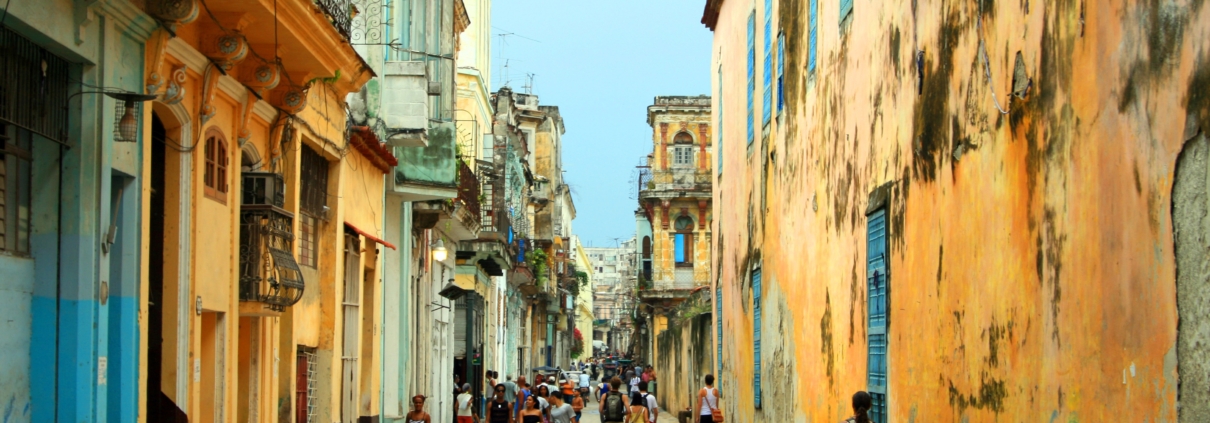
Health Care Access in CubaWhen blackouts and fuel shortages threaten hospitals across Cuba, it is the doctors, nurses and medical students long embedded in neighborhoods who keep the system running. The de facto blockade of Cuba’s oil supply in recent months has had serious and widespread effects across all of Cuba, notably within the National Health Service (NHS). Representing the nation at the U.N. in September of 2025, Foreign Minister Bruno Parilla described daily challenges facing Cubans: “A grave scenario of prolonged and daily blackouts, difficulties in affording food, insufficient availability of medicines, reduced public transport, limited community services and pronounced inflation, which is eroding real incomes.”

Authorities and community clinics have reorganized services to protect health care access in Cuba. This ensures the continuous availability of life-saving treatments, including oncology care, dialysis and maternal health, across rural provinces. It also maintains regular access to primary family care physicians.

Cuba’s widespread, free-at-the-point-of-use medical system plays a critical role in maintaining access to health care, particularly during periods of economic or energy disruption. The health system’s ability to function under these conditions reflects Cuba’s family doctor and primary health care model. This model is built on principles that protect universal care and strengthen community resilience for all people in Cuba. These key principles form the foundation of Cuba’s strategy for maintaining health care access during humanitarian crises.

Accessibility and Regionalization

These first two principles establish that health care access in Cuba is universal and should remain available regardless of geography, income or social status. Before Cuba’s post-revolution health care reforms, rural Cubans had little to no access to hospital care. Today, “polyclinics,” general medical care centers are found in communities across the country, giving people outside major cities access to health care on a scale not seen since before the Spanish colonization of Cuba.

During the current fuel shortages and electricity disruptions, maintaining accessibility has required reorganizing how doctors and staff deliver care across Cuba. As a result, five million patients, including those undergoing dialysis or chemotherapy, who require constant electricity and regular specialist care, may see changes to their treatment plans.

Hospitals have prioritized electrical power for critical treatments to ensure staff can continue treating the most vulnerable patients. Thousands of cancer patients require ongoing chemotherapy or radiotherapy, procedures that rely on stable electricity. Local health authorities have responded by concentrating patients in facilities with reliable power generators and hospital beds so that treatments can continue uninterrupted.

The newspaper Girón spoke with Yamira López García, the provincial director of Public Health in Matanzas, about the situation. She reaffirmed the government’s commitment to maintaining the operational capacity of all facilities within the public health system and expanding outpatient services so that “no patient will be left without the possibility of treatment.”

The paper also reported that radiotherapy, chemotherapy and dialysis remain available to patients and that authorities have established infrastructure for new admissions. These efforts demonstrate how the system seeks to preserve health care access in Cuba even as logistical conditions deteriorate.

Prevention

Preventive medicine is the central pillar of Cuba’s health care model. Rather than focusing solely on hospital treatment, the system relies on neighborhood doctors and nurses to monitor family health and identify risks early. The NHS has called for doctors to be reassigned to facilities near their residences to strengthen neighborhood clinics and reduce transportation pressures.

Specialists from secondary care institutions have also been temporarily deployed to community polyclinics to ensure local services remain operational. Because this regionalized network already exists, the system can redistribute medical personnel across local facilities without dismantling care. Clinics remain embedded within the communities they serve, helping maintain health care access in Cuba even when transportation and electricity shortages disrupt larger hospitals. 

These visits allow health workers to identify patients who may require urgent care before conditions worsen, reducing pressure on hospitals and helping preserve health care access at the community level in Cuba.

Community Participation

Rather than imposing health care structures on communities, Castro’s system sought to integrate local populations and emphasize organized public participation. Health care delivery, for example, is not limited to professional staff but also involves collaboration among medical institutions, local communities and educational programs. To maintain universal health care access in Cuba, medical students have joined primary care teams in clinics and doctors’ offices. 

As part of their training, students assist with household visits, patient monitoring and public health education. Their work expands the capacity of the neighborhood health system while allowing services to continue despite staffing and transportation challenges. This collective approach strengthens the resilience of local clinics. It ensures that community-based care remains a cornerstone of health care access in Cuba.

International Collaboration

Cuba’s health care strategy also includes international collaboration, with thousands of medical professionals participating in missions across Africa, Asia and Latin America. At the beginning of the COVID-19 pandemic, tens of thousands of Cuban doctors were working in more than 50 countries. Rather than recalling them, the Cuban government asked them to cooperate with host nations in combating the pandemic.

In recent months, many of those host countries have donated thousands of tons of critical aid, reflecting how international cooperation and reciprocal support can lead to better outcomes. The Nuestra América Convoy to Cuba is one such coalition aimed at delivering humanitarian aid based on “cooperation, respect for international law and U.N. values.” Arriving in Havana on March 21, 2026, the convoy is made up of volunteers from around the world and carries food, medicines and energy supplies.

Final Remarks

The energy crisis has tested every link in Cuba’s health care system. The resilience of community clinics and primary care networks demonstrates how strong public health infrastructure can protect health care access in Cuba, even under severe resource pressures. The polyclinic model supports universal accessibility and regionalized services, while prevention and community participation make clinics more adaptable under pressure. This approach offers a potential model for other low-resource settings facing similar shocks.

– Zoey Cruz

Zoey is based in Bedfordshire, UK and focuses on Technology and Global Health for The Borgen Project.

Photo: Pixabay

March 9, 2026
https://borgenproject.org/wp-content/uploads/borgen-project-logo.svg 0 0 Hemant Gupta https://borgenproject.org/wp-content/uploads/borgen-project-logo.svg Hemant Gupta2026-03-09 01:30:432026-03-08 10:59:47Community Health Services Sustain Health Care Access in Cuba
Global Poverty, Health, WHO

Progress Toward Universal Health Coverage

Universal Health CoverageThe World Health Organization’s (WHO) 2025 tracking report on Universal Health Coverage (UHC) indicates that several challenges persist in the complex process of health care reform. However, improvements have been made across the board toward UHC in most countries and further progress is possible.

Universal Health Coverage: Goals and Challenges

Universal Health Coverage has been recognized as an important component of the 2015 Sustainable Development Goals (SDGs), a set of 17 goals adopted by United Nations (U.N.) member states for attainment by 2030. SDG 3 aims to ensure health and promote well-being for all people. According to the report, “UHC means that all people receive the health services they need without facing financial hardship.”

According to the WHO, as of 2021, 4.5 billion people (more than half of the global population) were not covered by essential health services. Even those who do receive essential coverage may experience financial hardship when using it, partly due to high out-of-pocket (OOP) costs. These costs are often catastrophic for households already struggling with or threatened by poverty.

According to the 2025 monitoring report, low-income countries have made the fastest progress towards UHC. However, these countries still have the furthest to go before reaching UHC goals. Low and middle-income countries are especially vulnerable to noncommunicable diseases (NCDs), which, according to the WHO, pose a significant threat to health in countries without adequate health care.

Common NCDs include cardiovascular diseases, cancers and chronic respiratory diseases. According to the WHO estimates, nearly three-quarters of NCD deaths occur in low and middle-income countries.

Progress Persists

Several countries have made significant progress toward UHC. A 2023 article in Exemplars in Global Health (EGH) reports on the steps countries such as Thailand, Ethiopia and Ghana have taken toward achieving UHC. These case studies suggest that adopting UHC is only one step toward equitable, affordable and accessible health care for all.

They underscore the importance of an integrative, holistic approach when reforming an entire health care system.

Thailand’s Investments in Primary Health Care Pay Off

Thailand’s journey with health care reform has illustrated the importance of strengthening primary health care systems alongside the adoption of a UHC program. When the country launched its UHC program in 2002, it responded to rising demand by investing heavily in its public health workforce, sharply increasing the number of doctors, midwives and nurses.

WHO Director-General Dr. Tedros Adhanom Ghebreyesus has emphasized the central role of primary health systems (PHS) in achieving UHC. He says investments in PHS are “the most inclusive, equitable and efficient path to UHC.” PHS can improve the distribution of care across both rural and urban areas.

In contrast, heavy investment in hospital-based care can concentrate health workers in cities. A collaborative study by the World Bank and the Government of Japan supports this finding. The study surveyed 11 countries at different stages of progress toward UHC.

It found that progress is typically incremental and highly context-specific, with shared challenges and a need for sustained political commitment and tailored policies to expand coverage.

Ethiopia Commits to Equity in Health Care

Ethiopia’s gains toward UHC have come with a commitment to equity, as reflected in its recognition of women’s specific health care needs. This has been realized through the development and expansion of services and resources. These include family planning, prenatal care, birthing facilities and qualified women’s health professionals such as birth attendants and obstetric care providers.

These areas of care were a key focus of the country’s 2003 Health Extension Program. According to the World Bank, the program has played a central role in the country’s strong progress in improving health outcomes and expanding coverage.

Decreasing OOP Costs in Ghana

Ghana offers another example of progress toward UHC. The country’s National Health Insurance Scheme (NHIS), which is heavily subsidized by taxes and a national health insurance levy, makes care free at the point of service. According to the EGH, NHIS has reduced OOP costs for insured individuals.

However, the scheme covers less than 70% of the population. The poorest households remain the most vulnerable to OOP expenses that can be financially catastrophic. The article also notes that medical bills are not the only factor straining households.

Other costs, such as transportation, diagnostic tests and lost income from time away from work, can also undermine a family’s financial stability and overall well-being.

Final Remarks

These case studies show what health care reform can achieve when there is a commitment to equitable care, practical and integrated approaches and a willingness to adopt and adapt new strategies.

– Emma Kelsey

Emma is based in St. Paul, MN, USA and focuses on Good News and Global Health for The Borgen Project.

Photo: Unsplash
March 8, 2026
https://borgenproject.org/wp-content/uploads/borgen-project-logo.svg 0 0 Hemant Gupta https://borgenproject.org/wp-content/uploads/borgen-project-logo.svg Hemant Gupta2026-03-08 03:00:322026-03-07 02:59:31Progress Toward Universal Health Coverage
Disease, Global Poverty, Health

Saving Lives: Malaria Prevention in Sub-Saharan Africa

Malaria Prevention in Sub-Saharan AfricaMalaria prevention in sub-Saharan Africa remains a critical global health priority. Despite significant progress over the past two decades, malaria continues to affect countries across the region disproportionately. Expanding prevention efforts is essential to saving lives, strengthening economies and reducing poverty.

The Scale of the Problem

According to the World Health Organization (WHO), there were approximately 282 million malaria cases globally in 2024, with sub-Saharan Africa accounting for about 95% of cases and deaths. The region recorded more than 600,000 malaria-related deaths, with children under 5 representing about 76% of those fatalities. Countries such as Nigeria, the Democratic Republic of the Congo, Uganda and Mozambique carry some of the heaviest burdens.

Rural communities are especially vulnerable due to limited access to health care facilities and preventive tools.

Impact on Education and Economic Stability

Malaria prevention in sub-Saharan Africa is not only a health issue but also an economic one. Frequent illness leads to missed school days for children and lost wages for adults. In high-transmission areas, students may miss several weeks of school each year due to illness or caring for sick family members. Repeated absences can reduce academic performance and long-term educational outcomes.

For adults, malaria decreases workforce productivity. Farmers may be unable to tend crops during peak agricultural seasons and small business owners may lose income due to illness. Health care costs, transportation to clinics and lost workdays push many households deeper into poverty.

In some communities, families must borrow money or sell assets to pay for treatment, creating long-term financial strain. Fortunately, significant progress has been made through coordinated prevention strategies. Insecticide-treated nets (ITNs), indoor residual spraying and rapid diagnostic testing have helped reduce transmission rates in many countries.

Recently, malaria vaccines have also been introduced in select African nations, offering additional protection for young children.

Organizations Combating Malaria in Sub-Saharan Africa

  • The Global Fund: It provides funding to countries to strengthen prevention, treatment and health systems. Since its founding, the Global Fund has supported the distribution of hundreds of millions of ITNs and funded malaria treatment programs across dozens of African countries. In 2024 alone, the organization distributed more than 160 million mosquito nets worldwide.
  • UNICEF: This nonprofit works closely with governments to protect children from malaria. The organization supports seasonal malaria prevention programs, distributes bed nets and improves access to testing and treatment in remote areas. UNICEF has helped deliver millions of doses of preventive medicine to children in high-risk countries such as Nigeria and Chad.
  • The President’s Malaria Initiative: This Initiative operates in more than 20 African countries. It supports indoor spraying campaigns, distributes millions of bed nets annually and strengthens local health systems. The Initiative has contributed to significant reductions in malaria mortality rates in several partner countries since its launch.

Final Remarks

Malaria prevention in sub-Saharan Africa is directly linked to poverty reduction, educational advancement and economic stability. By protecting vulnerable populations, especially young children, these efforts help communities build healthier and more productive futures. Continued global commitment and coordinated action are necessary to reduce malaria cases further and move closer to elimination.

– Nishanth Pothapragada

Nishanth is based in London, Ontario, Canada and focuses on Global Health for The Borgen Project.

Photo: Flickr

March 6, 2026
https://borgenproject.org/wp-content/uploads/borgen-project-logo.svg 0 0 Hemant Gupta https://borgenproject.org/wp-content/uploads/borgen-project-logo.svg Hemant Gupta2026-03-06 07:30:292026-03-06 03:53:34Saving Lives: Malaria Prevention in Sub-Saharan Africa
Page 5 of 211«‹34567›»

Get Smarter

  • Global Poverty 101
  • Global Poverty… The Good News
  • Global Poverty & U.S. Jobs
  • Global Poverty and National Security
  • Innovative Solutions to Poverty
  • Global Poverty & Aid FAQ’s
Search Search

Take Action

  • Call Congress
  • Email Congress
  • Donate
  • 30 Ways to Help
  • Volunteer Ops
  • Internships
  • Courses & Certificates
  • The Podcast
Borgen Project

“The Borgen Project is an incredible nonprofit organization that is addressing poverty and hunger and working towards ending them.”

-The Huffington Post

Inside The Borgen Project

  • Contact
  • About
  • Financials
  • President
  • Board of Directors
  • Board of Advisors

International Links

  • UK Email Parliament
  • UK Donate
  • Canada Email Parliament

Get Smarter

  • Global Poverty 101
  • Global Poverty… The Good News
  • Global Poverty & U.S. Jobs
  • Global Poverty and National Security
  • Innovative Solutions to Poverty
  • Global Poverty & Aid FAQ’s

Ways to Help

  • Call Congress
  • Email Congress
  • Donate
  • 30 Ways to Help
  • Volunteer Ops
  • Internships
  • Courses & Certificates
  • The Podcast
Scroll to top Scroll to top Scroll to top