Improvements in Maternal Health Care in Timor-Leste
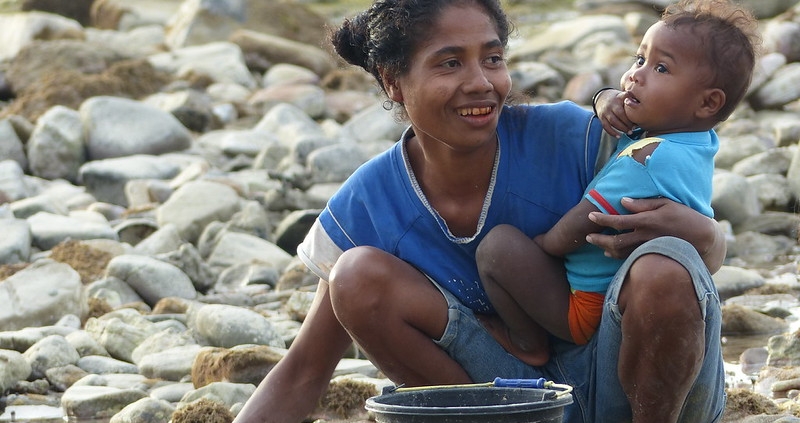 Timor-Leste is a Southeast Asian country that constitutes half of the island of Timor. The country has a population of around 1.4 million and struggles with a relatively high poverty rate of more than 40%. Furthermore, structural challenges in the Timorese health care system have reportedly led to poor maternal health outcomes.
A lack of qualified specialists in maternal health care has partly explained how Timor-Leste has come to experience one of the highest mortality rates for new mothers in the Southeast Asian region. The rate stands at 195 per 100,000 births. However, a host of developments, both in national health planning and community organization efforts, have driven improvements in maternal health care outcomes.
Technology in Health Care: Liga Inan
Liga Inan, translated as “connecting mothers,” is a phone-based application first developed and implemented in the mid-2010s. The application facilitates communication between pregnant and postpartum mothers and their respective health care professionals specialized in maternal care. Its use was associated with increased staffing at birth and prompt postnatal care. Furthermore, this has led to its broader adoption within the public health network.
Upskilling: An Australian Training Program
In 2023, a dozen Timorese midwives and a nurse participated in a five-week training program in Queensland, Australia. The stated aim was to improve knowledge of maternal health care and, ultimately, reduce high maternal mortality rates. The participants were shown to possess improved knowledge and competence in several areas of maternal health care, including some emergency care, such as resuscitation.
One study showed that this type of upskilling could enhance knowledge in Timorese maternal health care if repeated. It sheds light on the impact of residential programs and provides a proven, effective framework.
Crisis Management: Mobile Maternity Clinics
The effects of humanitarian crises are felt acutely by the most vulnerable members of society, especially pregnant women. Following severe flash flooding in 2021, a collaboration between the Timorese Ministry of Health and the United Nations Population Fund (UNFPA) erected mobile maternity centers. These centers support displaced mothers and their children.
This targeted support represents a strong prioritization of maternal health care in crisis planning and response procedures.
Prioritization in National Health Planning
Beyond crisis management and individual programs and organizations, Timor-Leste has solidified its commitment to improving maternal health care by integrating it into its national health planning. The country’s National Strategic Development Plan 2011-2030 prioritized “maternal care” and set specific targets for maternal health care. As such, Timor-Leste can continue making progress in maternal health care beyond spontaneous efforts.
Conclusion
The case of maternal health care in Timor-Leste demonstrates that a country with a high relative poverty rate and structural barriers in its health care system can make significant progress. This can be achieved through targeted, informed state planning, effective mobilization of community partners and leveraging new medical technologies.
– Phoebe Lang-Clapp
Phoebe is based in Montréal, Québec, Canada and focuses on Global Health and Politics for The Borgen Project.
Photo: Flickr
