• Link to X
  • Link to Facebook
  • Link to Instagram
  • Link to TikTok
  • Link to Youtube
  • About
    • About Us
      • President
      • Board of Directors
      • Board of Advisors
      • Financials
      • Our Methodology
      • Success Tracker
      • Contact
  • Act Now
    • 30 Ways to Help
      • Email Congress
      • Call Congress
      • Volunteer
      • Courses & Certificates
      • Be a Donor
    • Internships
      • In-Office Internships
      • Remote Internships
    • Legislation
      • Politics 101
  • The Blog
  • The Podcast
  • Magazine
  • Donate
  • Click to open the search input field Click to open the search input field Search
  • Menu Menu

Archive for category: Global Poverty

Key articles and information on global poverty.

Global Poverty, Hunger

7 Ways the FAO is Tackling Hunger in Palau

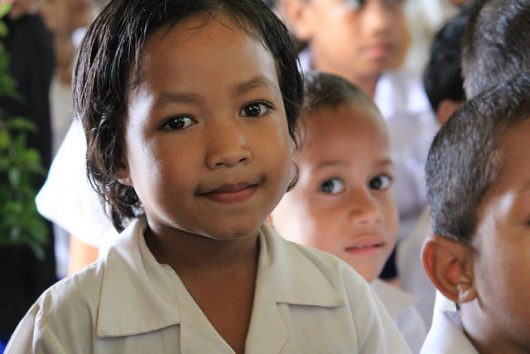
Hunger in PalauFor 18 years, the Republic of Palau, an island country in Micronesia, has worked with the Food and Agricultural Organization (FAO) to improve the lives of families living below the poverty line. Together, the government and the FAO are combatting hunger in Palau in the following ways.

7 Ways the FAO is Tackling Hunger in Palau

Palau first partnered with the FAO in 1999. The cooperation between the country and the FAO to reduce hunger has helped increase the production and productivity of farming systems and contributes primarily to supporting local food production.

    1. Country Programming Framework- The FAO (CPF) for Palau focuses on improving food security and developing sustainable agricultural and fisheries systems.  It emphasizes empowering the farmers, promoting agritourism and building resilience to climate change. 
    2. Local Crops- The FAO focuses on cultivating traditional crops like taro, cassava, sweet potato, banana and coconut to support local food production. Most of the harvest feeds the families and the country’s small commercial sub-sector in local markets and farms.
    3. Fishery Systems- The FAO is promoting the development of fishery systems through the Fish Aggregating Device program. It provides training on fishery techniques and safety. It also helps research yellow tuna fishing and thus helps strengthen local communities. 
    4. Training- The FAO regularly holds training events in Palau to target agriculture and domestic farming practices. Participants receive training in fundamental farm financial analysis and recordkeeping. They are also trained to be able to advise smaller local farmers in terms of marketing. 
    5. Agrotouristry- The FAO incorporates traditional agricultural practices with tourism and promotes local food heritage. This helps preserve the cultural traditions and improve the economic conditions of the local farmers. 
    6. Formation of Farmers Association– The FAO has helped establish the Farmers’ Association, which has increased cooperation among the local farmers. It also facilitates partnerships between the farmers and other stakeholders and creates new opportunities for the farmers. 
    7. Climate Resilience- The FAO promotes a sustainable land use system- agroforestry, in Palau. The initiative aims to restore degraded lands and improve soil quality.  Hence, it builds climate resilience in the community. 

Through its partnership with the FAO, the government and local agricultural workers are making strides towards improving livelihoods in Palau. The progress achieved so far has led to enhanced food security in the country, contributing to reduced hunger in Palau. 

– Olivia Cyr and Maria Waleed

Photo: Unsplash

Updated: July 10, 2024

September 18, 2017
https://borgenproject.org/wp-content/uploads/borgen-project-logo.svg 0 0 Borgen Project https://borgenproject.org/wp-content/uploads/borgen-project-logo.svg Borgen Project2017-09-18 01:30:422025-01-08 23:02:577 Ways the FAO is Tackling Hunger in Palau
Disease, Global Poverty

The 5 Deadliest Common Diseases in Dominica

Common Diseases in Dominica
Home to a smoking lake and built atop an underwater volcano, Dominica is a small island to the southeast of Puerto Rico. The island is in relatively good health compared to its Caribbean neighbors, but that does not mean that disease is not prevalent on the island. Below are five of the deadliest common diseases in Dominica.

The 5 Deadliest Common Diseases in Dominica

  1. Cardiovascular Disease
    Cardiovascular disease covers many different diseases. Coronary artery disease, strokes and hypertensive heart disease all fall under this umbrella. While not communicable, heart disease is still the number one cause of death globally. In Dominica the main contributors to cardiovascular disease are smoking, poor diet and high stress levels.
  2. Diabetes
    Diabetes is a condition that can be either hereditary (Type I) or contracted (Type II). It’s the body losing its ability to create insulin to keep up with high levels of glucose in the bloodstream. Type II Diabetes, the most common form, is usually more prevalent in more developed nations due to diets high in sugars and carbohydrates.
  3. Lower Respiratory Infections
    Just like cardiovascular disease, lower respiratory infections are prevalent worldwide, accounting for more than 3 percent of all deaths globally in 2012. Luckily, in Dominica, lower respiratory infection mortality has decreased by 3 percent in the last decade.
  4. Prostate Cancer
    Prostate cancer is the most prevalent form of cancer in Dominica. It’s estimated that one in seven men will be diagnosed with prostate cancer during his life. It’s one of the leading causes of death among men worldwide. It’s also one of the fastest-growing diseases. From 1990 to 2013, Dominica experienced a 105 percent increase in prostate cancer deaths.
  5. Chronic Kidney Disease
    Also known as kidney failure is the gradual shut down of the kidneys. As the kidneys stop working, fluids and excess salts build up in the body and as a last resort, patients are put on dialysis to filter out said salts. Diabetes and kidney disease are closely related, and both are related to diet. In the last decade, there’s been an 80 percent spike in deaths associated with kidney disease.

While this list isn’t exhaustive, it does run very nearly parallel to the most deadly diseases worldwide. What does that mean for Dominica? Nearly all of the most common diseases in Dominica are related in some way to diet and therefore preventable. Until breakthroughs are made in food science and medicine, these diseases will continue to plague Dominica and the world.

– Thomas James Anania

Photo: Flickr

September 18, 2017
https://borgenproject.org/wp-content/uploads/borgen-project-logo.svg 0 0 Borgen Project https://borgenproject.org/wp-content/uploads/borgen-project-logo.svg Borgen Project2017-09-18 01:30:412024-06-05 04:52:32The 5 Deadliest Common Diseases in Dominica
Disease, Global Health, Global Poverty

Common Diseases in Sudan

Common Diseases in Sudan
Sudan is an East African country that has been embroiled in civil wars for several decades, leading to its split with South Sudan in 2011. The long period of instability in the country has contributed to conditions that encourage the spread of communicable diseases, which are some of the most common diseases in Sudan.

Most Common Diseases in Sudan

  1. Yellow Fever – Yellow fever is a common virus found in tropical areas of South America and Africa. Transmitted to an individual through the bite of an infected mosquito, yellow fever ranks as one of the most common diseases in Sudan. Symptoms include influenza-like symptoms such as a fever, chills, severe headache, back pain, general body aches, nausea, vomiting, fatigue and weakness, according to the Centers for Disease Control and Prevention (CDC). Severe cases can lead to internal bleeding and failure of major organs. Sudan is listed as one of the thirty countries in Africa with a high risk of yellow fever.
  2. Rift Valley Fever – From 2007 to 2010, a major outbreak of Rift Valley fever, a mosquito-borne viral disease, was recorded in Sudan. Standing water from unusual flooding allowed for infected mosquito eggs to lie dormant. Infected mosquitos also feed on livestock, which can pass the disease to humans through infected blood and meat. The Rift Valley fever outbreak devastated Sudanese agricultural communities, leading to an almost 100 percent mortality rate among young animals and high pregnancy failures among child-bearing livestock. According to the CDC, nearly 75,000 people were infected with the disease over the course of three years. Symptoms include fever and liver irregularities, but severe cases can cause hemorrhagic fever, encephalitis or ocular disease.
  3. Guinea Worm Disease – One of the most geographically specific and common diseases in Sudan is Guinea worm disease. The infection, caused by the parasite Dracunculus medinensis, the Guinea worm, is spread by drinking water containing worm larvae. Guinea worm disease highly affects poor communities in Sudan that have little access to clean drinking water. Once ingested, over the course of a year, larvae grow into full-size adults within a human’s digestive tract. Within 24 to 72 hours after reaching full-size, the infected person develops blisters on their hands or feet, out of which the worm eventually emerges. Based on research by the CDC, there is applicable treatment of Guinea worm disease and no vaccine for prevention.
  4. Meningococcal Meningitis – Meningococcal meningitis is a bacterial disease that causes an inflammation of the lining of the brain and spinal cord. It is a respiratory disease transmitted from person to person by close and prolonged contact resulting from crowded living conditions. Sudan lies in the region of sub-Saharan Africa referred to as the “Meningitis Belt,” where the highest rate of meningococcal meningitis occurs throughout the continent. Symptoms can include a stiff neck, high fever, headaches and vomiting. The CIA World Factbook listed Sudan as a country at very high risk of infection.
  5. Malaria – Transmitted to humans through the bite of the female Anopheles mosquito, malaria ranks as one of the most common diseases in Sudan. With cases recorded in all regions of Sudan, the risk of contracting the disease is extremely high. According to the CDC, symptoms of malaria include fever, chills and flu-like illness. Severe cases can end in death. In 2015, a confirmed 586,827 cases of the disease were treated. However, the World Health Organization (WHO) estimates that, including unreported cases, there were 1,400,000 total. Estimated deaths total around 3,500.
  6. HIV/AIDS – Based on research conducted by the CDC, human immunodeficiency virus and acquired immunodeficiency syndrome (HIV/AIDS) affect an estimated 35 million people worldwide, with more than two-thirds of those living in sub-Saharan Africa. In 2015, 25 percent of adults in Sudan were living with HIV/AIDS, according to the CIA World Factbook. HIV/AIDS is most often spread through unprotected intercourse but can be contracted by blood-to-blood contact with an infected person. Symptoms are often flu-like and can progress to severe cases that can be fatal. HIV/AIDS ranks as an extremely common disease in Sudan today.

Despite the country’s high risk of contracting an infectious disease, work is being done to combat issues related to health and sanitation. The World Health Organization, in coordination with the Sudanese Ministry of Health, is taking action, such as expanding cholera emergency responses to lower future risk and training health workers in disease detection.

– Riley Bunch

Photo: Flickr

September 18, 2017
https://borgenproject.org/wp-content/uploads/borgen-project-logo.svg 0 0 Kim Thelwell https://borgenproject.org/wp-content/uploads/borgen-project-logo.svg Kim Thelwell2017-09-18 01:30:352024-05-28 00:15:18Common Diseases in Sudan
Global Poverty, Water Quality

Water Quality in Grenada is Improving

Water Quality in Grenada
Grenada is a developing island nation that resides in the southeastern Caribbean Sea. The country is made up of six smaller islands in addition to the main island of Grenada. The country depends heavily on the agricultural sector to maintain its economy. It is well known for its nutmeg and mace crops, which are sold all throughout the world. However, limited access to drinking water has made the water quality in Grenada see a decline in recent years.

The Issue of Water Access In Grenada

Growing periods of dry spells and overuse of water in Grenada has led to dropping groundwater levels. This has allowed the salt water surrounding Grenada to permeate the water layers on the island. The effect of this has been the reduction of the water quality in Grenada. Consequently, this pollution from seawater has made much of the water in the nation unusable for agriculture.

In addition to the continued pollution of the nation’s water supply, rising sea levels have resulted in an erosion of the coasts. Worse yet, hurricanes passing through the region disrupt the agricultural sector and destroy critical infrastructure that the country needs to survive.

Because Grenada depends on tourism and agriculture to maintain its economy, polluted water supply has continued to create negative economic consequences.

Possible Solutions

In conjunction with Germany’s Federal Development Agency (GiZ) and the International Climate Initiative (IKI), the water quality in Grenada has begun to improve. These organizations have partnered up with the government of Grenada to teach locals how to deepen wells and construct more sophisticated irrigation systems to ensure they will have water for the future. All of this work happens alongside education of the locals about preserving water in the water-intensive industry of tourism.

Looking Towards The Future

Although pollution continues to impact many around the world, water quality in Grenada should improve in coming years. With the help of the GiZ and IKI, the government of Grenada has a clear path to address the issue of declining levels of water in their nation. As long as they continue the plan they have created, Grenada is sure to get past this matter they are addressing.

– Nick Beauchamp

Photo: Flickr

September 18, 2017
https://borgenproject.org/wp-content/uploads/borgen-project-logo.svg 0 0 Borgen Project https://borgenproject.org/wp-content/uploads/borgen-project-logo.svg Borgen Project2017-09-18 01:30:272024-05-28 00:15:55Water Quality in Grenada is Improving
Disease, Global Poverty

Communicable Common Diseases in Cabo Verde

Common Diseases in Cabo Verde

Vaccines have been a luxury for the leading countries of the world, but for poor countries, accessing them is much more difficult. Some diseases are preventable with a vaccine, but there are many that are not. Due to the poverty in Cabo Verde, diseases that can’t be prevented with a vaccine are just as common as the ones that can.

These are some common diseases in Cabo Verde that can be treated with a vaccine:

  1. Hepatitis A
    Hepatitis A is transmitted through contaminated food and water or through physical contact between people. Symptoms can take up to two weeks to appear and include jaundice or elevation of liver enzymes. In Cabo Verde, it is most common where the environment and drinking water are unclean.Hepatitis A typically lasts less than two months’ time. The Centers for Disease Control and Prevention (CDC) states that “supportive care” is the best form of treatment. There are two vaccines available to prevent Hepatitis A — Vaqta and Harvix — which can be used on patients at least a year old.
  2. Hepatitis B
    According to the CDC, an estimated 248 million around the world people are infected with Hepatitis B. This disease is transmitted typically through blood and other fluids that are produced by the body. This can happen through the sharing of needles, unprotected sex and exposure to blood. Hepatitis B infects the liver and its symptoms are abdominal pain, jaundice, anorexia, vomiting and fatigue.For those with chronic Hepatitis B, antiviral drugs are available, otherwise, there is no direct treatment for it. There is a vaccine that is administered in three separate doses as a preventative measure.
  3. Yellow Fever
    Yellow Fever is transmitted through the bite of a mosquito that is carrying the disease. Young children are the most likely to contract it because immunity is developed as people age. In Cabo Verde, Yellow Fever becomes a problem beginning in July when the weather becomes dry and typically ends in October.There are no direct treatments for Yellow Fever. Those that contract Yellow Fever are advised to rest, use analgesics and antipyretics to control the symptoms and avoid another mosquito bite. In Cabo Verde, it is required that travelers are vaccinated before entering the country. Revaccination is no longer required as of July of 2016, but proof of a vaccination is needed when leaving Cabo Verde and entering a new country.

These are some communicable common diseases in Cabo Verde that cannot be treated with a vaccine:

  1. African Tick-Bite Fever
    African Tick-Bite Fever is spread through the bite of ticks that are infected with the disease. Symptoms are typically soreness of muscles, rash and fever which typically appear two weeks after the bite. In Cabo Verde, the disease is most common from November through April.
  2. Chikungunya
    Chikungunya is a disease that is spread through mosquito bites. Those infected typically experience joint and muscle pain, fever, headache and rash. The mosquitoes carrying the disease are most active during the day near buildings in major cities.
  3. Dengue
    Like Chikungunya, Dengue is spread through the bite of infected mosquitoes. Its symptoms develop over the course of two weeks and are often fever, rash, muscle, joint and eye pain and vomiting. Some cases are more severe and bleeding, intense or even death can occur. Mosquitoes carrying Dengue are often found at an elevation of 6,500 feet and bite at any time in the day.

Prevention of common diseases in Cabo Verde is an important aspect for each citizen. Knowing what vaccinations are available and what measures to take when there isn’t one could keep the country from plummeting into a disastrous epidemic.

– Mackenzie Fielder

Photo: Flickr

September 18, 2017
https://borgenproject.org/wp-content/uploads/borgen-project-logo.svg 0 0 Borgen Project https://borgenproject.org/wp-content/uploads/borgen-project-logo.svg Borgen Project2017-09-18 01:30:142020-06-29 16:50:56Communicable Common Diseases in Cabo Verde
Education, Global Poverty

Iran Improving Medical Education in Iraq

Medical Education in IraqSince the conclusion of the Iraq War, the relationship between border countries Iran and Iraq shifted into a new era of close diplomatic and economic relations. In a recent press release, Iran agreed to construct Iraq’s first foreign University of Medical Sciences after nearly two decades of destruction.

The relationship between the two countries has not always been cordial. Turmoil severely increased during the Iran-Iraq War from 1980 – 1988. During the Bush administration, United States Special Operations Forces conducted cross-border operations within southern Iraq. The demise of Saddam Hussein in 2003 created civil conflict and political unrest, severely affecting the medical education in Iraq and causing conflict between neighboring countries.

The tension between Iraq and Iran further increased in 2007, when the U.S. Congress agreed to fund up to $400 million for increased covert operations designed to destabilize Iran’s religious leadership and gather information about the country’s nuclear-weapons program. Iraq was unintentionally caught in the dispute between the US and Iran.

The Iraqi government depended on the 140,000 US troops stationed throughout the country, but its Kurdish and Shia leaders had strong alliances with Iran. Frequent threats and deadly attacks caused a mass departure of senior medical professors from Iraq. The exodus of Iraq’s healthcare workforce adversely impacted the medical training programs, leadership, and mainly, educational system. By the end of 2011, U.S. military forces were completely withdrawn from Iraq, officially ending the Iraq War.

Seven months after U.S. influence declined, Syria, Iraq and Iran signed a natural gas agreement which allowed for the construction of a $10 billion pipeline connecting Iraq and Syria directly to Iraq’s natural gas fields. The pipeline took six years to build and was officially completed in 2016.

Recently, Iran publicly announced its agreement to begin exporting natural gas to Iraq for $3.7 billion per year. The relationship between the two countries continues to strengthen as U.S. involvement decreases.

On Thursday, the Iranian Deputy Health Minister Dr. Bagher Larijani and Iraqi medical officials met in Tehran to discuss joint projects. The group achieved initial agreements to collaborate on various educational and scientific programs, This includes the establishment of Iraq’s first foreign University of Medical Sciences. Iran’s Ministry of Health will supervise the project. The Tehran University of Medical Sciences, the largest medical university in Iran, will construct it.

“This project is being pursued in earnest by the educational department of Iran’s Ministry of Health,” Dr. Larijani stated, “(and it is) in line with the development of medical science education in Iraq.”

The Deputy Health Minister also mentioned that the two countries discussed collaborative teacher/student transfer programs and the creation of “joint scientific networks” in medical research and scientific production. The unification between border countries has propelled Iraq into a positive direction after nearly two decades of civil destruction. According to the United Nations Educational, Scientific and Cultural Organization (UNESCO), during the Iraq War “approximately 61 universities and college buildings were war damaged and 101 college buildings were looted.”

Currently, there are 24 certified medical colleges in Iraq, all of which are governmental and operate under the Iraqi Ministry of Higher Education. The medical education in Iraq faces numerous challenges. Both the curriculum and teaching methods are outdated, and there is a lack of suitable facilities. The colleges are focused on increasing student attendance rather than updating old curriculum and forming universal guidelines between medical schools.

Beyond the partnership with Iran, Iraq’s strategic plan to reconstruct and progress the medical education in Iraq is unclear. The Iraqi Ministry of Higher Education has not released a project proposal or curriculum plans yet.

– Madison O’Connell

Photo: Google

September 18, 2017
https://borgenproject.org/wp-content/uploads/borgen-project-logo.svg 0 0 Kim Thelwell https://borgenproject.org/wp-content/uploads/borgen-project-logo.svg Kim Thelwell2017-09-18 01:30:102020-06-29 16:51:07Iran Improving Medical Education in Iraq
Economy, Global Poverty

Why is Guyana Poor?

Why is Guyana Poor
With a population of 758,000, Guyana is the third smallest country in South America. It is at once considered a middle-income country and the third poorest in the Western Hemisphere. So why is Guyana poor?

Tense History and Natural Riches

Guyana has been ruled by the Dutch, the French and the British. It became an official British colony in 1831 and won its independence in 1966. Since then, the country has faced tensions between its African and Indian populations. These cultural divisions have caused political instability and corruption.

In 2015, former army general David Granger won elections and ended the rule of the Indian-dominated People’s Progressive Party. Granger’s goal has been to end corruption and racial divisions. He formed a multi-ethnic coalition, Afro-Guyanese Partnership for National Unity and the Alliance for Change.

Guyana has one of the lowest deforestation rates in the world. Tropical rainforests cover over 80 percent of Guyana, and its agricultural lands are fertile.

Eighty-three percent of Guana’s exports are natural resources, including sugar, rice, gold, bauxite and timber. While offshore oil also shows economic potential, it has also revived border disputes with Venezuela.

A Fluctuating Economy

Guyana’s economy has shifted between strong periods of growth and impending disaster. In 1982 Guyana nearly faced an economic collapse. The country then saw some recovery from IMF-backed economic reforms. Guyana has since privatized many state-owned industries, which has led to new investments and more jobs.

Guyana’s economy was thriving during the mid-1990’s, growing at an annual rate of more than six percent. In 1998, economic growth stalled due to drought, falling commodity prices and political uncertainty. Growth was halted until 2005 and then increased until 2008 when world demand collapsed. Starting in 2009, the economy showed signs of growth at an annual rate between 3 and 5.5 percent.

The People Facing Poverty

The most recent poverty survey in Guyana was in 2006. The survey revealed that 36 percent of its people live in poverty and that 18 percent live in extreme poverty. The per capita income in 2015 was $4,090. Guyana’s currency is the Guyanese dollar. The exchange rate equals 206.55 Guyanese dollars for one U.S. dollar.

Children and indigenous people are the most likely to experience poverty. In 2006, UNICEF reported that 47.5 percent of children under the age of 16 in Guyana were living in poverty. Young adults between ages 16-25 are the second most affected, with a poverty rate of 33.7 percent.

Poverty levels vary by region. Rural coastal communities are the most impacted, followed by urban areas and the rural interior. Thirteen percent of people in urban areas are considered poor. In rural areas, 22.5 percent are considered poor, nearly doubling the urban percentage.

Why is Guyana Poor?

The poverty rate in Guyana is a case of contradictions.

Guyana has a growing economy and an abundance of natural resources. While this seems to suggest prosperity and jobs, the youth unemployment rate is over 30 percent. Current estimates are closer to 40.

Education is another factor that contributes to why Guayana is poor. The country has one of the highest reported literacy rates in the Western Hemisphere. From 2008-2012, youth ages 15-24 had literacy rates of 93.7 percent for females and 92.4 percent for males. However, the functional literacy rate is considered low, due to poor quality education, teacher training and infrastructure.

According to the World Factbook, Guayana has one of the highest emigration rates in the world. Over 55 percent of Guayana’s citizens are residents of other countries. More than 80 percent of citizens with higher education emigrate, causing a deficit of skilled workers, especially in healthcare. In addition to a lack of professionals, Guyana’s healthcare sector also suffers from a lack of medical resources.

Hope for Sustainable Growth

Guyana has the potential to reduce its poverty level. One of the first steps is to update the 2006 poverty measurements. UNICEF recommends that Guyana adopt methods to monitor poverty that takes various ages, regions and ethnicities into consideration.

Guyana has signed onto to Sustainable Development Goals to end poverty by 2030.

– Christiana Lano

Photo: Flickr

September 17, 2017
https://borgenproject.org/wp-content/uploads/borgen-project-logo.svg 0 0 Borgen Project https://borgenproject.org/wp-content/uploads/borgen-project-logo.svg Borgen Project2017-09-17 07:30:542024-05-28 00:16:21Why is Guyana Poor?
Global Poverty

How to Help People in Pakistan

Help the People of PakistanPakistan is caught in the middle of serious crises: insecurity, poor education, poverty and the internally displaced persons (IDPs). Non-state armed groups have killed more than 50,000 Pakistanis. Attacks on civilians and security personnel continue unabated. A recent suicide blast killed 26 people, mostly policemen, in the eastern Pakistani city of Lahore on July 24, 2017. The presence of these challenges requires the U.S. to help people in Pakistan.

The people of Pakistan have, among other issues, suffered from a prolonged military rule and lack of democratization. The military’s historical focus on India as Pakistan’s arch-rival has diverted most of the country’s national expenditures toward defense, leaving behind education and economic development for decades. The military has ruled over the country for more than 33 years, which makes almost half of its lifespan.

Moreover, over the years, the military empowered religion as the guiding pillar of national unity. This has undermined secular ideals and the sociocultural diversity of Pakistani society. The same institutions also created religious proxies to counter the legitimate, but exaggerated, Indian threat to Pakistan. The history of using such proxies dates back to the conflict against the present day Bangladesh in 1971 and the Russian-Afghan War in the 1980s.

One way the U.S. can help people in Pakistan is to support democratization and development, because they are essential to improve the lives of people in the long run. While the U.S. has given economic aid for such development, however, historically it has put its weight behind generals in power by giving more military than economic aid to Pakistan.

The U.S. has, since 1982, provided $17 billion in military assistance compared to $13.5 billion in economic assistance mostly during military operations in Afghanistan that started in the late 1970s. Some analysts believe that such support to military rulers has derailed democracy and hindered development in Pakistan.

While Pakistan has, since 2008, entered into a new democratic phase of its history after the 1990s, the military still controls important policy domains such as national security and foreign policy. One reason could be the increased military assistance in the 2000s.

The Enhanced Partnership with Pakistan Act of 2009 aka the Kerry-Lugar-Berman Act was a welcome step and a major shift in U.S. foreign aid to help people in Pakistan. The Act authorized $7.5 billion in non-military aid over five years for “democratic governance, economic freedom, investments in people, particularly women and children, and development in regions affected by conflict and displacement.” Nevertheless, it is still small compared to the overall direct assistance to the military.

There is a need for more civilian assistance in the future. The U.S. needs to further increase educational aid because Pakistanis highly value education, but unfortunately, there are meager learning opportunities in the country, especially among poor communities in rural areas. The good news is that Pakistan is among the highest recipients of educational exchange programs like the Fulbright program, the Global Undergraduate Exchange Program, etc. Maintaining and possibly increasing such opportunities will further help the people of Pakistan and strengthen the long-term engagement between the two countries.

– Aslam Kakar

Photo: Flickr

September 17, 2017
https://borgenproject.org/wp-content/uploads/borgen-project-logo.svg 0 0 Kim Thelwell https://borgenproject.org/wp-content/uploads/borgen-project-logo.svg Kim Thelwell2017-09-17 07:30:052020-06-29 16:51:39How to Help People in Pakistan
Global Poverty

Causes of Poverty in Bhutan

Causes of Poverty in Bhutan
The Kingdom of Bhutan is a small Himalayan country of 750,000 people. Over one-third of the population lives below the poverty line. Ninety-six percent affected by the causes of poverty in Bhutan live in rural areas. The ones most impacted work outside the country’s modern economy, and include farmers, day laborers and small traders.

The Power of Nature in Bhutan Poverty

One cause of poverty in Bhutan cannot be controlled: the Himalayan landscape.

Natural disasters, such as floods and landslides, can wreak havoc on communities and ruin crops. Forces of nature can wipe out entire villages, forcing those already living in poverty to re-build their lives.

When weather conditions prevent a bountiful harvest, farmers do not have alternative options to financially recover. Farmers often don’t own enough productive land and livestock to gain financial security. Opportunities to generate cash income outside of agriculture are extremely limited, making farmers exclusively dependent on the success crops.  In rural areas, off-farm employment in rural areas is rare.

Rugged terrain also makes travel difficult for rural populations. A person may have to walk three hours to a few days to reach a highway or main road. These demanding journeys limit access to social and health services, markets, technology and education.

The Struggle of Large Families, Students and Laborers 

Other causes of poverty in Bhutan are due to family size, lack of education and limited jobs.

Large families with a high dependency ratio (children and adults who cannot work) experience more poverty in both urban and rural areas. As of 2004, 49 percent of families in the rural areas of Bhutan had six or more members. These families experience labor shortages when youth and working adults leave their villages for the country’s urban centers.

A student in Bhutan’s rural regions may have to walk two to three hours each way to access the nearest primary school. Because access to education is difficult and limited, the adult literacy rate and opportunities to gain productive skills in the rural areas of Bhutan remain low. As of 2004, less than half of the Bhutan’s rural population was literate.

For day laborers and small traders outside of Bhutan’s agriculture-based economy, low earnings are often not enough to overcome poverty. Even when laborers and traders work more than one job, they are often unable to earn enough to live consistently above the poverty line.

Reducing Poverty and Staying Happy  

Local government is working to address the causes of poverty in Bhutan and build long-term solutions and comprehensive development programs, especially in rural areas.

Despite the various causes of poverty in Bhutan, the country is well-known as one of the happiest countries in Asia. As Bhutan aims to overcome poverty, it carries the rich success of its famous priority: happiness.


– Smriti Krishnan

Photo: Flickr

September 17, 2017
https://borgenproject.org/wp-content/uploads/borgen-project-logo.svg 0 0 Kim Thelwell https://borgenproject.org/wp-content/uploads/borgen-project-logo.svg Kim Thelwell2017-09-17 07:30:002020-06-29 16:58:42Causes of Poverty in Bhutan
Disease, Global Poverty

Common Diseases in Slovakia

Common Diseases in Slovakia

Located in Central Europe, just south of Poland, lies the Slovak Republic – otherwise called Slovakia. After returning to a market economy at the end of 1989 after the Czechoslovakian “Velvet Revolution” and suffering some brief years of economic hardship after its separation from the Czech Republic, the country has implemented many economic reforms. Today, the 5.4 million inhabitants of Slovakia enjoy an open economy with strong growth and a sound banking sector. Despite its economic success, however, Slovakia is still affected by a number of harmful diseases. Here are the most common diseases in Slovakia today:

Ischemic Heart Disease
A condition characterized by narrowed heart arteries, thus reducing blood flow to the heart, ischemic heart disease can eventually result in unexpected heart attack. Also known as coronary artery disease, ischemic heart disease was assessed to be the most fatal of the common diseases in Slovakia in 2005. By 2015, it was still the most fatal, but the prevalence of deaths by the disease had fortunately decreased by 16.8 percent.

Cerebrovascular Disease
Cerebrovascular disease refers to any disease affecting blood flow to the brain. Such disorders often result in aneurysms, carotid stenosis, intracranial stenosis, vertebral stenosis, stroke and vascular malformations. In 2015, cerebrovascular disease was the second most fatal common disease in Slovakia, and had been for the past decade. However, the disease had fortunately decreased in prevalence by 17.4 percent within those 10 years.

Lung Cancer
A type of cancer beginning in the lungs, lung cancer can cause a person to cough up blood, experience chronic fatigue, have recurrent respiratory problems and lose weight unexpectedly, to name just a few symptoms. Smoking is cited as a high risk factor for developing lung cancer. In 2005, lung cancer was the third most fatal of the common diseases in Slovakia. In 2015, it remains so, but the prevalence of death by the disease has decreased by 2.8 percent.

Thankfully, the most common diseases in Slovakia have been decreasing in prevalence for the past decade. In addition, it was announced in 2015 that Slovakia would be focusing on assessing the country’s public health situation, including working on running more effective public health campaigns. Obviously, Slovakia is dedicated to improving the country’s health standards and reducing the prevalence of the most common diseases affecting its citizens.

– Shannon Golden

Photo: Flickr

September 17, 2017
https://borgenproject.org/wp-content/uploads/borgen-project-logo.svg 0 0 Borgen Project https://borgenproject.org/wp-content/uploads/borgen-project-logo.svg Borgen Project2017-09-17 01:30:492024-05-29 22:26:42Common Diseases in Slovakia
Page 1565 of 2165«‹15631564156515661567›»

Get Smarter

  • Global Poverty 101
  • Global Poverty… The Good News
  • Global Poverty & U.S. Jobs
  • Global Poverty and National Security
  • Innovative Solutions to Poverty
  • Global Poverty & Aid FAQ’s
Search Search

Take Action

  • Call Congress
  • Email Congress
  • Donate
  • 30 Ways to Help
  • Volunteer Ops
  • Internships
  • Courses & Certificates
  • The Podcast
Borgen Project

“The Borgen Project is an incredible nonprofit organization that is addressing poverty and hunger and working towards ending them.”

-The Huffington Post

Inside The Borgen Project

  • Contact
  • About
  • Financials
  • President
  • Board of Directors
  • Board of Advisors

International Links

  • UK Email Parliament
  • UK Donate
  • Canada Email Parliament

Get Smarter

  • Global Poverty 101
  • Global Poverty… The Good News
  • Global Poverty & U.S. Jobs
  • Global Poverty and National Security
  • Innovative Solutions to Poverty
  • Global Poverty & Aid FAQ’s

Ways to Help

  • Call Congress
  • Email Congress
  • Donate
  • 30 Ways to Help
  • Volunteer Ops
  • Internships
  • Courses & Certificates
  • The Podcast
Scroll to top Scroll to top Scroll to top