
With nearly 21 percent of Costa Rica’s population lived below the poverty line in 2016. In a July 2017 report, the U.S. Central Intelligence Agency reported that Costa Rica’s population was at 4,930,258 and over one million Costa Ricans currently live in poverty. The following 10 facts about Costa Rica slums focus on two of its major slums: Triángulo de Solidaridad and La Carpio. These 10 facts about Costa Rica slums also touch on the appearance of residents’ homes and the government’s role in their maintenance.
10 Facts about Costa Rica Slums
- Triángulo de la Solidaridad, one of the capital’s best-known slums, is now a tourist attraction. Slum residents guide visitors and Costa Ricans through the slum in order to provide them with a new perspective on the country’s consistently high poverty rate.
- Roughly 2,000 people— more than 520 families— live in Triángulo de la Solidaridad.
- Triángulo de Solidaridad is located off Route 32, just north of downtown San José. Residents must cross the highway daily as they walk to and from work.
- Costa Rican slums appear colorful because their improvised homes are made of tin, wood and other scrap materials.
- Triángulo de la Solidaridad, because it is located along the highway, conflicts with Circunvalación Norte— a project that expands the belt route connecting eastern and western sectors of San José. The Housing Ministry must notify and relocate families who live in the community.
- La Carpio is one of Costa Rica’s least known slums, but it may very well be one of the worst. The slum is a remote section of San José located between two polluted rivers and the city’s landfill. Over 30,000 residents are packed into La Carpio.
- La Carpio and Triángulo de la Solidaridad were both founded by Nicaraguan refugees. The majority of their residents are undocumented immigrants who are often ignored by the Costa Rican government.
- Over the past 20 years, La Carpio has established schools and a medical clinic, water and sewage connections, cement floors and paved roads.
- A few students from La Carpio are set to graduate from high school and attend university— a milestone for the community.
- La Carpio residents can either walk across a bridge or take a bus to get to work. The bridge is a rickety suspension foot-bridge that stretches across the Rio Torres, but residents still opt for this dangerous route to save the 45 cents bus fare.
As evident in the preceding 10 facts about Costa Rica slums, slums may become tourist attractions that offer visitors a new perspective on living below the poverty threshold. Tourists that are exposed to poverty may seek further education on the subject in an attempt to eradicate it.
– Carolyn Gibson
Photo: Flickr
 In September 2017, U.N. Aid Chief
 An outbreak of the pneumonic plague is threatening citizens and affecting many areas of
  Wedged between China and India, the small country of
 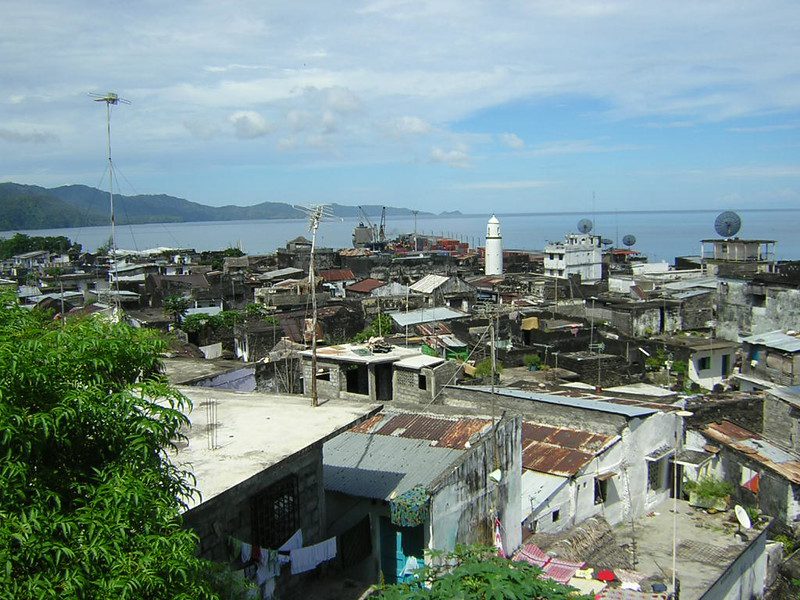 Comoros is an
 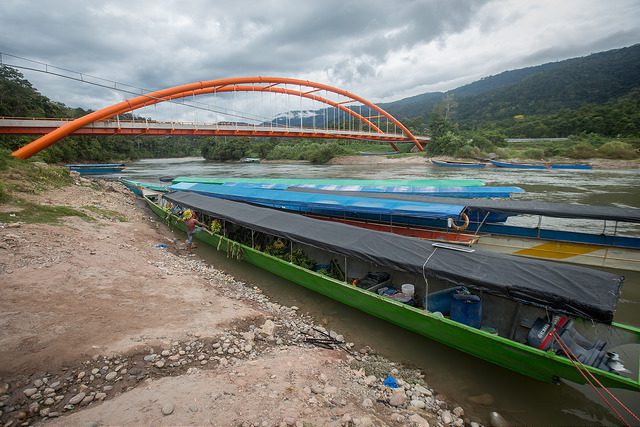 In July 2017, George Mallett from The Market Mogul put it simply: “
 Underdeveloped educational and economic infrastructure in Mexico cultivates conditions where many turn to crime as a means of survival, supplying and staffing the drug cartels ravaging the country and funneling narcotics into the U.S.
 Despite high levels of foreign investment and a thriving energy sector, the development and maintenance of infrastructure in Russia remains sluggish and disproportionately benefits a small elite.