• Link to X
  • Link to Facebook
  • Link to Instagram
  • Link to TikTok
  • Link to Youtube
  • About
    • About Us
      • President
      • Board of Directors
      • Board of Advisors
      • Financials
      • Our Methodology
      • Success Tracker
      • Contact
  • Act Now
    • 30 Ways to Help
      • Email Congress
      • Call Congress
      • Volunteer
      • Courses & Certificates
      • Be a Donor
    • Internships
      • In-Office Internships
      • Remote Internships
    • Legislation
      • Politics 101
  • The Blog
  • The Podcast
  • Magazine
  • Donate
  • Click to open the search input field Click to open the search input field Search
  • Menu Menu

Archive for category: Global Poverty

Key articles and information on global poverty.

Global Poverty

Big Four Causes of Poverty in Honduras

Big Four Causes of Poverty in Honduras

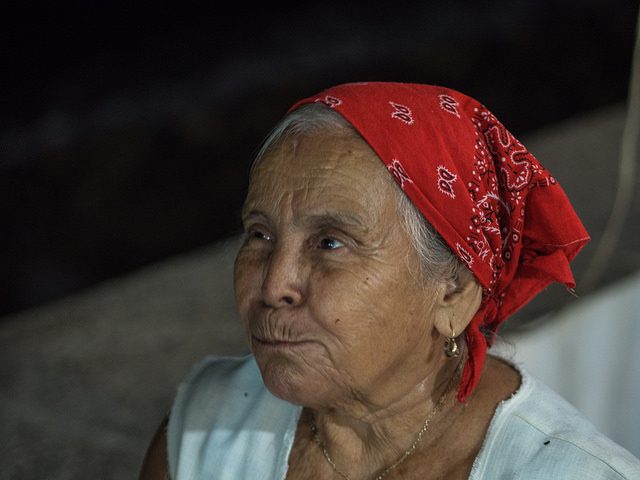
Honduras is one of the poorest countries in Central America, with an estimated  51.3% of the population living in poverty. Political and socioeconomic vulnerabilities have subjected many residents to food insecurity and violence, putting high-risk groups such as women, children and people living in rural areas in great danger of succumbing to extreme poverty. 

Below are the four main causes of poverty in Honduras:

Hunger and Malnutrition

Honduras has a population of over ten million people, yet acute food insecurity affects an estimated  2.3 million of this number every year. Increasing levels of inequality, vulnerability to extreme weather conditions and a lack of access to vital resources have contributed to widespread hunger, especially for residents living in rural and indigenous areas. Chronic malnutrition also causes stunting in 23% of children and can be attributed to low nutrient density in available foods, the prevalence of early childbearing and poor child-feeding practices. Lacking nutrients of concern include zinc, vitamin B2, vitamin B6, niacin, folate and vitamin C.

Natural Disaster and Drought

Honduras is highly vulnerable to natural disasters. Hurricanes, heavy rain, flooding and frequent droughts often destroy crops and hinder agricultural production. Rural populations are especially dependent on agriculture as a source of livelihood and food security. The country’s economy also bases much of its revenue on agriculture, specifically key export crops such as sugarcane, bananas and coffee beans. In times of severe weather conditions or natural disasters, many vulnerable populations are often subject to large-scale crop devastation and significant infrastructure damage, which causes income loss and forced displacement.

High Unemployment

Honduras is heavily reliant upon remittances, which constitute approximately 29% of its GDP. Remittances allow the Honduran government to maintain hard currency reserves and provide families with the ability to afford food, education, health care and housing. However, the success of remittances has removed the government’s incentive to provide basic services to citizens, which has fueled migration and curbed economic growth. Without state intervention to provide better economic opportunities to residents, such as increased job opportunities, many are left to rely on an informal economy that only contributes to around 20% of the country’s GDP. Without the means to enter into a formal labor force, a growing number of Hondurans drawn by the attractiveness of remittances are migrating, often through illegal methods, which puts them at risk of being victims of criminal activity or becoming poor in other nations abroad.

Violence

Honduras has the highest murder rate in the world, with a homicide rate of 38.34 as of 2021. The level of crime has cost the country an estimated 6.5% of its annual GDP. Pervasive violence in Honduras – which predominantly consists of theft, extortion, corruption and homicide – has historically dismantled neighborhoods and encouraged mass migration.  

The prevalence of violence and homicide is largely related to drug trafficking and gang warfare. Crime and violence in Honduras have negatively impacted its economy, as resources that could be used to provide additional food security or a better educational system are instead allocated to counter criminal activity. Despite the government’s focus on combating crime, police investigative techniques and new citizen security policies have often proved to be ineffective, maintaining the high level of risk attributed to impoverished urban communities. This, in turn, perpetuates poverty in Honduras.

A Brighter Future: World Food Programme

While the causes of poverty in Honduras appear to be rooted in a variety of issues, many organizations such as the World Food Programme (WFP) have provided support and services to people in need by providing well-balanced meals to students and food to disaster-stricken populations. By working alongside the government, the WFP has supported the development of a national pathway for food systems transformation and has donated approximately $1.2 million to school-based programs to support better education. Along with other humanitarian groups, WFP has promoted the resilience of national systems linked to emergency preparedness and response, social protection and support for nutritionally vulnerable groups. These efforts, coupled with a greater sense of awareness, may serve to help to reduce poverty in Honduras.

– Sarah Jane Fraser, Moon Jung Kim

Photo: Flickr

November 12, 2017
https://borgenproject.org/wp-content/uploads/borgen-project-logo.svg 0 0 Borgen Project https://borgenproject.org/wp-content/uploads/borgen-project-logo.svg Borgen Project2017-11-12 01:30:482024-06-13 16:22:22Big Four Causes of Poverty in Honduras
Aid, Aid Effectiveness & Reform, Charity, Global Poverty

5 Reasons to Donate Money, Not Stuff

Donate money, not stuffIn the midst of global tragedies, many charitable people decide to send old junk or underused resources to foreigners in need. Here are five reasons why one should donate money, not stuff if one wants to solve global hunger.

  1. “Junk” is a logistical nightmare for volunteers. The people brave enough to enter disaster sites must provide emergency care to people in immediate need. They lack the necessary time to sort, transport and store cheap diapers or old sweaters sent in by well-meaning folks. Yahoo Finance reports an incident where, in the aftermath of Hurricane Katrina, a benefactor sent thousands of pounds of cheese to New Orleans. The trouble was that no working refrigerator could hold such a gift. Lots of material goods appeal to a customer’s wants… they’re not so effective in situations of dire need.
  2. Material donations can wreck a nation’s economy. Kathleen Tierney, the director of a Natural Hazards Center in Colorado, notes how economic problems occur in recovering nations when supply outstrips demand. “If you want to see economic recovery, you don’t want to send so many supplies that you create a situation where people can’t survive in a business sense,” said Tierney. Ultimately, the best use of aid is to help a country until they can take care of themselves. It’s difficult to make one’s living selling T-shirts if a global superpower dropped off millions of shirts for one’s potential customers to wear for free.
  3. Local groups know what resources they need. The Central Texas Food Bank, the largest provider of emergency food distributions in the country, was shut down by flooding during 2017’s Hurricane Harvey. The group’s president, Derrick Chubbs, supports monetary donations instead of material aid. He reasons that relief groups in a disaster area know exactly what they need for certain situations. They only lack the funds to acquire the most helpful tools for the job. The chance to clean one’s house and accomplish a moral good is tempting for a lot of do-gooders. But one can achieve similar results by selling old junk to a consignment store (like Goodwill or Half-Priced Books) and donating the proceeds to a respected charity. With one additional step in giving aid, the effectiveness of a donation multiplies.
  4. “Stuff” is a short-term solution to a long-term problem. The media focuses on the immediate aftermath of a tragedy but often loses interest by the time victims have to return to their homes. Groups like the Salvation Army understand that maintaining emergency shelters and rebuilding destroyed sites takes a long time. This is why nonprofits want people to donate money, not stuff. Not only do charities know what to spend cash on, but they know how to divide that cash to ensure a complete job. Such relief groups cannot fix a community with a stuffed animal sent from across the country.
  5. It’s more effective to call/email your representative. So how can someone help if they feel they lack the money to keep themselves afloat? One free solution would be to contact your representative and ask that your government contribute aid to a country or region in need. The Center for Global Development reports that the U.S. donates only 1 percent of its budget towards International Affairs, which includes disaster relief. Not only can this amount be increased through advocacy, but concerned citizens can ask their representatives to support revenue-neutral bills to solve global problems. Anyone interested in this surprisingly easy path to advocacy should explore The Borgen Project’s page on calling Congress.

– Nick Edinger

Photo: Pixabay

November 12, 2017
https://borgenproject.org/wp-content/uploads/borgen-project-logo.svg 0 0 Borgen Project https://borgenproject.org/wp-content/uploads/borgen-project-logo.svg Borgen Project2017-11-12 01:30:262024-05-29 22:27:535 Reasons to Donate Money, Not Stuff
Global Poverty

Shell and GravityLight Illuminate Off-Grid Regions in Kenya

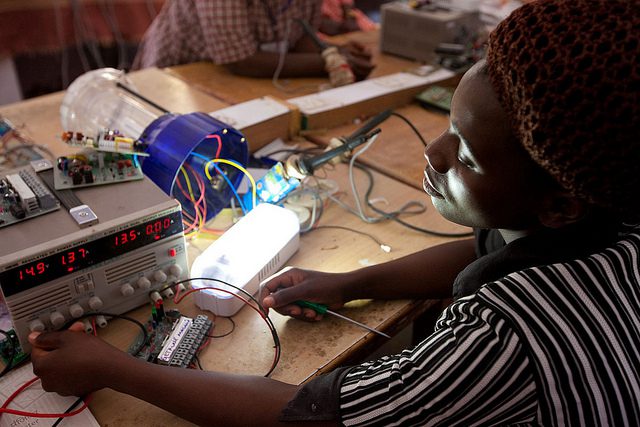
Shell and GravityLight Illuminate Off-Grid Regions in KenyaWhile access to electricity does not yet span the globe, the force of gravity is universal. The GravityLight Foundation has taken advantage of Newtonian physics to create a cost-effective light source that runs on gravity. Simply by lifting a weight and letting it descend, GravityLight can provide light and transform impoverished homes.

In 2015, GravityLight’s inventive engineering earned it the Shell Springboard Award, a grant of nearly $200,000 used to fund innovative businesses with low carbon footprints. Together, Shell and the GravityLight Foundation have successfully put GravityLights into production and introduced them to 50 communities in Kenya.

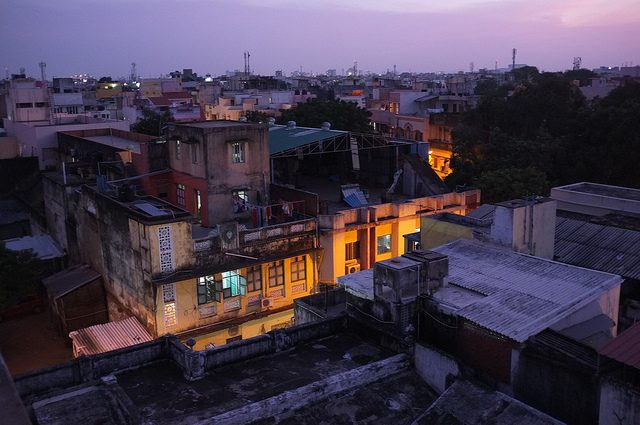
Kenya, which has one of the largest economies in Sub-Saharan Africa, has expended considerable effort to create an impressive power sector. In just four years, Kenya has increased the amount of households with access to electricity from 25 percent to 46 percent. Kenyan companies such as KenGen are working to utilize renewable energy sources, and geothermal energy looks promising.

A capacity of approximately 2,295 MW is available on Kenya’s power grid. However, off the grid, in remote areas of the country, only 11.5 MW are currently available. The Shell and GravityLight partnership intends to provide electric light to those off-grid regions in Kenya.

Electricity is crucial to improving the lives of the world’s poor. Access to light alone improves education and the economy by allowing people to study and work after daylight hours. However, the resources required to produce light can be extremely expensive, especially for those living in poverty. The world’s poor spend an estimated 30 percent of their income on kerosene needed to burn in lamps. GravityLight eliminates the need for kerosene to produce light, which is not only cheaper but also safer. Kerosene fumes are known carcinogens that are toxic for both humans and the environment.

Because the GravityLight Foundation uses local people and businesses to organize the sale of its product, marketing for GravityLight supplies Kenyans with jobs. By providing employment, GravityLight is bringing bright futures as well as bright homes to off-grid regions in Kenya.

Shell and GravityLight are not the only groups seeking to improve energy accessibility in order to aid impoverished populations in Africa. In 2015, the same year GravityLight won the Springboard grant, the U.S. government passed the Electrify Africa Act. The act aims to provide 60 million households and businesses throughout Africa with electricity.

Around the globe, 1.2 billion people lack access to electricity. If GravityLight’s debut in Kenya is successful, the foundation plans to continue spreading light throughout the world.

– Mary Efird

Photo: Flickr

November 12, 2017
https://borgenproject.org/wp-content/uploads/borgen-project-logo.svg 0 0 Kim Thelwell https://borgenproject.org/wp-content/uploads/borgen-project-logo.svg Kim Thelwell2017-11-12 01:30:112024-05-29 22:29:04Shell and GravityLight Illuminate Off-Grid Regions in Kenya
Global Poverty

Why is Angola Poor?

Why is Angola Poor?A nation that has been in political turmoil since its independence from Portugal in 1975, Angola has had major concerns formulating a stable, unified country free of conflict. Despite it being Africa’s second-largest oil exporter and producer behind Nigeria, poverty has plagued the nation that has suffered internally due to political corruption, instability and other factors. So, why is Angola poor?

According to CountryWatch, income inequality remains high and poverty has been declining only slowly. Angola has attempted to mitigate poverty by placing strenuous efforts in the oil reserve industry in order to boost economic growth. Unfortunately, the income inequality gap is still wide, and infrastructure is in a volatile state due to the country’s insufficient skills that are needed to improve human development. The International Monetary Fund (IMF), an organization that provides support for both developing and developed countries during periods of financial crisis, has warned Angola that they are vulnerable to stay trapped in such a cycle unless they allocate their resources appropriately.

According to a report by AllAfrica, Angola has successfully managed to reduce, by over half, the number of people underfed, thus achieving the first target of the U.N.’s Millennium Development Goals. Although it missed the original target by about two years, the current situation in the country is “satisfactory,” according to an official who was speaking on World Food Day, on October 16th, 2017.

An annual report, the Global Hunger Index, could encourage a more optimistic outlook on the country’s future, and could help citizens in answering questions like, “why is Angola Poor?” In the report, it states that hunger has fallen significantly in countries where civil wars have ended in the 1990s and 2000s, such as in Angola in 2002. Additionally, global hunger itself has fallen by 27 percent since 2000.

One of the more obvious explanations that could aim to clarify the poverty rate in Angola may be the lack of education that Angolans receive. According to the C.I.A. World Factbook, over 40 percent of Angolans live below the poverty line, with only 70 percent of them being literate.

People in Need (PiN), a Czech nonprofit focused on development projects, has stepped up in the campaign toward alleviating poverty by improving education for half a million children. With school expectancy hovering at around 10 years of age, and only 60 percent of females who are literate, such initiatives represent hope and prosperity for a country that ranks 146th on the Human Development Index.

PiN has contributed by building schools, engaging in specialized training for teachers and providing necessary teaching materials for students to receive a quality education while reducing illiteracy among adults. Its work has seen tremendous results, with over 450,000 Angolan children and 1,200 adults learning to read, write and do simple math.

Nevertheless, the advancements in the oil production sector should receive some credit, as it has drastically stimulated Angola’s economic growth and improved the standard of living for many. However, other social issues continue to persist in a country that only nine years ago held its first parliamentary election.

Accountability, transparency, focusing on human rights and deterring domestic violence are all setbacks that present peril to a nation striving to become a developed country. To answer the question, “why is Angola poor,” Angola must first make the necessary changes through strong governance programs in order to see positive results. Improved education can lead to reduced income inequality, but without stringent measures to allow for human capital to prosper efficiently, the people will continue to suffer from this vicious poverty cycle.

– Alexandre Dumouza

Photo: Flickr

November 12, 2017
https://borgenproject.org/wp-content/uploads/borgen-project-logo.svg 0 0 Borgen Project https://borgenproject.org/wp-content/uploads/borgen-project-logo.svg Borgen Project2017-11-12 01:30:032024-05-29 22:29:00Why is Angola Poor?
Global Poverty

The Decision of Whether to Abandon the Iran Nuclear Deal

Iran nuclear dealThe United States’ involvement with the Iran nuclear deal is up in the air, as President Trump has made his fair share of criticism of it. Support for the Iran deal is split down party lines, with most Democrats being in favor of it and most Republicans being against it.

Put into effect in 2015 during the Obama administration, the 100-page Iran deal, also known as the Joint Comprehensive Plan of Action, mandates Iran to cease nuclear development for the next decade and seeks to take apart nuclear sites in the country. In exchange, Iran will receive sanctions relief on a gradual basis as they follow the agreement. Some of the terms of the agreement include removing two-thirds of Iran’s 19,000 centrifuges and the destruction of Iran’s stockpile of uranium.

According to U.S. officials, European allies and the United Nations, Iran has been following the deal. For the Trump administration, this is not good enough. While not violating any terms in the agreement, Iran has reportedly been testing ballistic missiles and supporting militant groups in Syria and Yemen.

During an interview with Fox News, President Trump stated that the deal was done “out of weakness, when actually we had great strength.” The administration is looking to strengthen the provisions of the deal or back out of it entirely.

For those who support the deal, much of the concern lies with their belief that dropping out of it will hurt the United States’ global governance and influence. In an interview with Kasie Hunt on MSNBC, Senator Al Franken said that with European allies, Russia and China having no intentions of abandoning the Iran deal. It would only isolate the United States and “undercut” our leadership in the world.

“If the United States desires to keep nuclear weapons out of Iran, I say they should remain,” said Desiree Hendrix, a political science graduate from the University of Delaware. Hendrix also believes that leaving the Iran deal could jeopardize the United States’ global influence because of its status as being part of the big five in the U.N., and the U.S. would not be able to just assume further alliances with Europe due to its current fragile state.

The House of Representatives will vote on whether the United States will remain in the Iran nuclear deal next week.

– Blake Chambers

Photo: Google

November 11, 2017
https://borgenproject.org/wp-content/uploads/borgen-project-logo.svg 0 0 Borgen Project https://borgenproject.org/wp-content/uploads/borgen-project-logo.svg Borgen Project2017-11-11 07:30:582019-12-23 08:35:45The Decision of Whether to Abandon the Iran Nuclear Deal
Education, Global Poverty

Improving Education in Sao Tome and Principe

Read more
November 11, 2017
https://borgenproject.org/wp-content/uploads/borgen-project-logo.svg 0 0 Borgen Project https://borgenproject.org/wp-content/uploads/borgen-project-logo.svg Borgen Project2017-11-11 07:30:552025-11-10 12:15:08Improving Education in Sao Tome and Principe
Global Poverty, Nonprofit Organizations and NGOs

Ripples Foundation Making Major Waves in Rural Africa

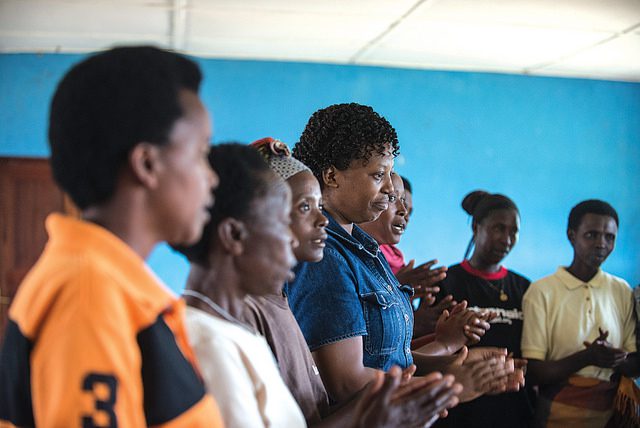
Ripples Foundation Making Waves in Rural AfricaSmall but mighty, the British nonprofit Ripples Foundation has been making waves in the fight against extreme poverty in Africa’s most rural communities. It provides the training and funding necessary for otherwise disenfranchised women to gain skills in the trade of their choice and to start their own businesses.

Through mentoring, the program allows women the chance to present their own business ideas. In addition to the training they receive in their trade, the women are also introduced to the fundamentals of bookkeeping and finance to help ensure their businesses will flourish independent of the program’s intervention.

Once a business plan is honed and deemed feasible, the foundation provides the women with a start-up loan to get their venture off the ground. As the business grows and becomes self-sufficient, the loan money is paid back and is used to sponsor another woman’s entrepreneurial goals, creating the profound ripple effect which earned the foundation its namesake.

The businesses run by these women cover a broad range of skill sets and services such as fisheries, cocoa butter, coconut oil and black soap production. Most recently, Ripples has been educating women in sustainable farming practices for which they are given two years of training. To facilitate their earning potential, Ripples created the online store Akomi Trading where many of the goods produced by the women can be purchased. All the proceeds go directly back to the women, which allow them to provide for their families.

Ripples Foundation grew from the charity BME Concern, an organization dedicated to delivering sustainable development programs to minority groups within the U.K. Today, the foundation has expanded to have offices in Africa as well as the United States.

Despite having a small core team, which relies heavily on the work of their volunteers, the foundation currently supports a staggering 6,500 women in Ghana, Cameroon and Nigeria. Today, with many African women surviving on less one dollar a day, most of the program’s participants can experience the peace of mind of a steady paycheck for the first time in their lives. Though the Ripples Foundation is small, its impact cannot be overstated.

Though their women enterprise project is at the heart of everything they do, the Ripples Foundation also offers rich programs in the areas of youth empowerment and medical care. At its core, Ripples Foundation strives to empower women and cultivate the confidence they need to harness their skills and earn an income. They rely on the hard work and determination of women to make the program a success. The idea is, if you teach a man to fish, he will eat for a lifetime. As the organization’s website states, “We encourage self-reliance as we do not give handouts, we give a hand up.”

– Micaela Fischer

Photo: Flickr

November 11, 2017
https://borgenproject.org/wp-content/uploads/borgen-project-logo.svg 0 0 Borgen Project https://borgenproject.org/wp-content/uploads/borgen-project-logo.svg Borgen Project2017-11-11 07:30:492019-12-23 08:29:04Ripples Foundation Making Major Waves in Rural Africa
Global Poverty

What Are the Causes of Poverty in Iran?

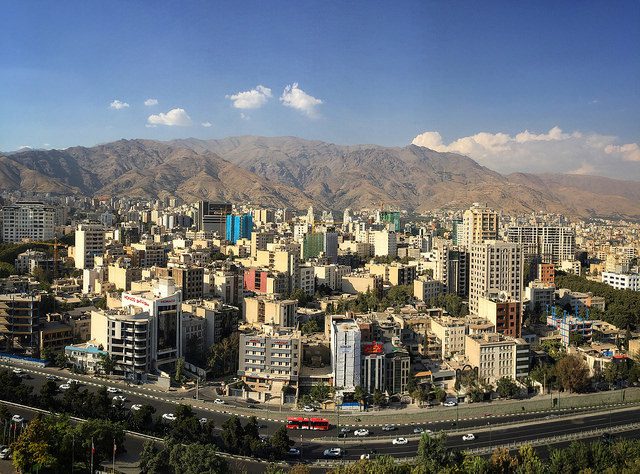
Causes of Poverty in IranIn 2016, about 80 percent of people in Iran were impoverished. Poverty in Iran can lead to a variety of other issues, including negative effects on the mental health of the country’s youth. Mental health issues in Iranians are found to be linked to a plethora of factors, economic pressure being one of them. Due to the poverty faced by many, suicide is becoming a more common issue.

In addition to affecting the mental health of young people in Iran, the country’s high poverty rate also impacts people’s physical health. With how negatively poverty has affected the people of Iran, it is essential to consider what the causes of poverty in Iran are.

Top Causes of Poverty in Iran

  1. Sanctions in Iran are cited as a cause of the country’s high poverty rate. These sanctions have affected multiple groups, one of which is Iran’s millions of Afghan refugees. Statistics have demonstrated that Afghans who are able to find work are self-sufficient and actually better the economy of Iran.
  2. Inflation is another cause of poverty in Iran. In early 2013, Iran’s inflation rate stood at nearly 40 percent. The depreciation of the country’s money has lead to an increase in the unemployment rate, which has driven many Iranians into poverty. A solution to this issue that the government of Iran has sought in the past was rationing, which prevented the country’s impoverished populations from being as affected by inflation.
  3. Besides sanctions and inflation, another cause of poverty in Iran is high medical costs. Each year, 7.5 percent of Iranians are driven into poverty because of their medical expenses. Among the top three most common illnesses to affect Iranians is cancer. Many times, the cost of treatment for families is so high that those affected by illness are not able to complete their treatment.

The high poverty rate in Iran has affected millions of Iranian citizens and has taken a toll on the mental health of the country’s youth. Among the most prominent causes of poverty in Iran are sanctions, inflation and medical expenses. As of mid-2017, the government of Iran is working toward implementing a reform agenda, which aims to help businesses and labor markets. The reform agenda is targeted at Iran’s overall goal of reducing its poverty rate. Though they face hard times as a result of their medical and economic status, children and families remain hopeful for the future.

– Haley Rogers

Photo: Flickr

November 11, 2017
https://borgenproject.org/wp-content/uploads/borgen-project-logo.svg 0 0 Borgen Project https://borgenproject.org/wp-content/uploads/borgen-project-logo.svg Borgen Project2017-11-11 07:30:342024-05-29 22:27:53What Are the Causes of Poverty in Iran?
Global Poverty

27 African Countries Pledge to End Child Marriage

27 African Countries Pledge to End Child MarriageIn Dakar, Senegal, leaders from western and central Africa have pledged to end child marriage in their countries. Political leaders, activists and tribal chiefs from nations such as Zambia, Uganda and Malawi sat down in the region’s first meeting to address this issue.

Currently, it is estimated that it would take 100 years to end child marriage in west and central Africa, which is stricken by poverty. Due to religious practices or insecurities, it is traditional for many families to marry off young girls. The recent pledge by 27 African leaders to end child marriage by 2030 is part of the commitment to achieving the United Nations Sustainable Development Goals. 

At an END Child Marriage event organized in New York, President Peter Mutharika of Malawi stated that it is important for young women to have their rights and that full potential cannot be reached until early marriage is stopped. The country of Malawi has banned child marriage this year after previously raising the legal age to marry to 18 and adding a $145 fine to any violators.

In the Gambia, the practice of child marriage is prohibited and punishable by law with a 20-year prison sentence. Many other countries have already banned child marriage which is a positive step towards achieving the same ban in other African nations wanting to outlaw this practice, as it will inspire change for the better.

At the First African Girls’ Summit on Ending Child Marriage in Africa, hosted in November 2015 in Zambia, Roland Angerer, Plan International’s Regional Director for Eastern and Southern Africa, said, “It is essential that we promote education and encourage dialogue if we want to change social norms and attitudes that perpetuate child marriage.” 

Angerer maintains that education is one of the biggest factors which delay the age at which girls get married. As such, governments must ensure that schools are accessible, inclusive and safe. Further, they must include good quality teaching materials, to enable more girls to attend and stay on in school.

In addition to better education, setting a minimum age of 18 for marriage will also be established via state legislation. This will keep countries in line with guidelines such as the United Nations Convention on the Rights of the Child and the African Charter on the Rights and Welfare of the Child.

Ending child marriage not only stops many cases of violence and abuse, but it also empowers and advances women’s rights in many sectors. It is important for all members of the community to be involved with this task of eliminating the practice and implementing national strategies to reach the goal by 2030. 

– Lorial Roballo

Photo: Flickr

November 11, 2017
https://borgenproject.org/wp-content/uploads/borgen-project-logo.svg 0 0 Borgen Project https://borgenproject.org/wp-content/uploads/borgen-project-logo.svg Borgen Project2017-11-11 01:30:512019-12-23 08:44:3827 African Countries Pledge to End Child Marriage
Global Poverty

Why “America First” Is Bad For National Security

America FirstThe nationalist wave is sweeping across the United States in the form of Donald Trump’s America First foreign policy. But isolationist policies can indirectly fuel the very threats that nationalists seek to keep out.

Donald Trump’s America First platform is unapologetically nationalist, built on hardline immigration policies, a pledge to bring jobs back to American soil and drastic cuts to foreign aid. But U.S. policies that encourage isolation and show no concern for the health of the global economy could have unintended consequences and pose a serious threat to our national security.

Global conflicts and civil wars create refugees, decrease educational opportunities and deprive people of their basic needs. These conditions have been widely reported to breed political unrest and give rise to extremist groups such as ISIS. Just last year, Daniel Byman told the Washington Post, “terrorist groups don’t emerge out of nowhere, and wars are perhaps the richest soil for seeding and growing violent groups of all stripes.”

For the year 2017, the United States has allocated $42 billion to foreign aid. These funds are earmarked for important causes such as Peace & Security, Humanitarian Assistance and Economic Development. Foreign aid benefits our economy through increased trade opportunities with developing countries. It also keeps us safe by preventing or seeking to end conflicts abroad and the national security threats that come along with such conflicts.

A common argument for cutting U.S. foreign aid, most common among conservatives, is that it is an unnecessary expense that we cannot afford with such a large national debt. But at $42 billion, foreign aid accounts for just 1 percent of the budget. This pales in comparison to the over $600 billion a year that the U.S. spends on its military.

While some conservatives may not see the benefits of foreign aid, many prominent Republicans have spoken out against President Trump’s drastic cuts. Former president George W. Bush acknowledged the link between foreign aid and national security earlier this year and told NPR, “When you have an entire generation of people being wiped out and the free world turns its back, it provides a convenient opportunity for people to spread extremism.”

Many former generals have also been vocal about the need to protect the U.S. Foreign Assistance budget. Many retired three- and four-star generals sent a letter to Congress earlier this year to stress the importance of USAID for our national security. Gen. James Mattis, our current Secretary of Defense, has also made strong comments about the importance of foreign assistance in promoting peace.

It is important to let our knowledge of this link between regional conflicts around the world and U.S. national security threats inform the debate around our current president’s America First agenda. We need to learn to see foreign aid as an important investment in our national security as well as a way for the United States to be a leader in creating a more peaceful and prosperous world.

– Aaron Childree

Photo: Flickr

November 11, 2017
https://borgenproject.org/wp-content/uploads/borgen-project-logo.svg 0 0 Borgen Project https://borgenproject.org/wp-content/uploads/borgen-project-logo.svg Borgen Project2017-11-11 01:30:492024-05-29 22:27:52Why “America First” Is Bad For National Security
Page 1507 of 2164«‹15051506150715081509›»

Get Smarter

  • Global Poverty 101
  • Global Poverty… The Good News
  • Global Poverty & U.S. Jobs
  • Global Poverty and National Security
  • Innovative Solutions to Poverty
  • Global Poverty & Aid FAQ’s
Search Search

Take Action

  • Call Congress
  • Email Congress
  • Donate
  • 30 Ways to Help
  • Volunteer Ops
  • Internships
  • Courses & Certificates
  • The Podcast
Borgen Project

“The Borgen Project is an incredible nonprofit organization that is addressing poverty and hunger and working towards ending them.”

-The Huffington Post

Inside The Borgen Project

  • Contact
  • About
  • Financials
  • President
  • Board of Directors
  • Board of Advisors

International Links

  • UK Email Parliament
  • UK Donate
  • Canada Email Parliament

Get Smarter

  • Global Poverty 101
  • Global Poverty… The Good News
  • Global Poverty & U.S. Jobs
  • Global Poverty and National Security
  • Innovative Solutions to Poverty
  • Global Poverty & Aid FAQ’s

Ways to Help

  • Call Congress
  • Email Congress
  • Donate
  • 30 Ways to Help
  • Volunteer Ops
  • Internships
  • Courses & Certificates
  • The Podcast
Scroll to top Scroll to top Scroll to top