• Link to X
  • Link to Facebook
  • Link to Instagram
  • Link to TikTok
  • Link to Youtube
  • About
    • About Us
      • President
      • Board of Directors
      • Board of Advisors
      • Financials
      • Our Methodology
      • Success Tracker
      • Contact
  • Act Now
    • 30 Ways to Help
      • Email Congress
      • Call Congress
      • Volunteer
      • Courses & Certificates
      • Be a Donor
    • Internships
      • In-Office Internships
      • Remote Internships
    • Legislation
      • Politics 101
  • The Blog
  • The Podcast
  • Magazine
  • Donate
  • Click to open the search input field Click to open the search input field Search
  • Menu Menu

Archive for category: Foreign Aid

Foreign aid coverage and information.

Foreign Aid

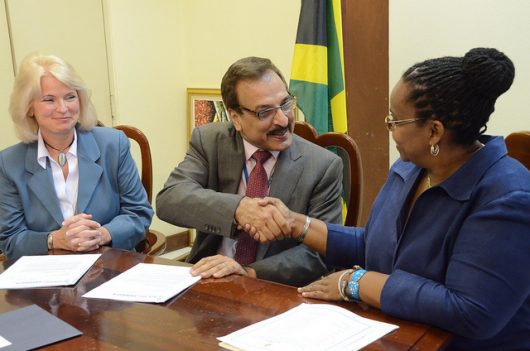
How the US Benefits from Foreign Aid to Jamaica

U.S. benefits from foreign aid to JamaicaJamaica faces many economic struggles and is often in need of foreign aid. For the past five years, the U.S. has been the biggest provider of foreign aid and investment in the country. The aid is valuable for both countries as the U.S. benefits from foreign aid to Jamaica in many ways.

Tourism

Although a popular destination for travelers, Jamaica faces many economic issues, including high unemployment rates, crime and corruption. The country is also prone to natural disasters. Although tourism helps support the economy of Jamaica, it is not enough to sustain it.

Jamaica believes that foreign aid and investment is a key aspect of growing its economy and has made governmental reforms to better accept and use these funds. This makes the funding process easier for countries like the U.S. and provides greater assurance that the funds will be allocated and implemented properly.

The way the U.S. benefits from foreign aid to Jamaica far outweighs the risk of investing in the county. Jamaica is a major economic partner to the U.S. The country is already a major tourist destination with developed infrastructure. Jamaica’s infrastructure boasts world-class transportation on land, air and sea, as well as a developed telecommunications system.

Funding toward the tourism sector would only strengthen it further, improving Jamaica’s economy. This, in turn, would help provide for Jamaica’s funders. This includes the countries that directly fund it through foreign aid, as well as those investing privately through businesses. These businesses include tourism but also focus on a variety of other fields such agribusiness, mining, energy and manufacturing.

Investing in Business

There are many ways in which Jamaica has made investing more accessible to countries like the U.S. and helped to ensure that both countries benefit as much as they can from it. One example is the improvement of credit access, which makes the starting of a business more accessible in consideration of price, especially for the electricity sector. It also affects how businesses are taxed and generally start-ups have a lower tax. Improved credit access provides the opportunity for more businesses to be formed and for more investments to be made toward them.

Democratic Ally

Another way the U.S. benefits from foreign aid to Jamaica is through similar political interests. The government of Jamaica is already a prime example of democracy, having elections every five years. Continuing aid and investment in the country will only help improve it. Jamaica is a democratic ally to the U.S., which not only benefits both countries politically but also economically. As aid continues to grow and both countries benefit from one another, this will serve to further an alliance between them.

There are many ways in which the U.S. benefits from foreign aid to Jamaica, which is an incredibly beneficial country to invest in. Not only has government reform made it easy to fund and aid the country but also provides many ways for businesses and their investors to flourish. Jamaica is a strong economic benefit and ally to the U.S., as well as a great representative of democracy. A partnership and alliance will continue to grow between the two countries with the continued support of the U.S.

– Keegan Struble

Photo: Flickr

February 28, 2018
https://borgenproject.org/wp-content/uploads/borgen-project-logo.svg 0 0 Borgen Project https://borgenproject.org/wp-content/uploads/borgen-project-logo.svg Borgen Project2018-02-28 19:30:062024-12-13 17:58:37How the US Benefits from Foreign Aid to Jamaica
Aid, Foreign Aid, Global Poverty

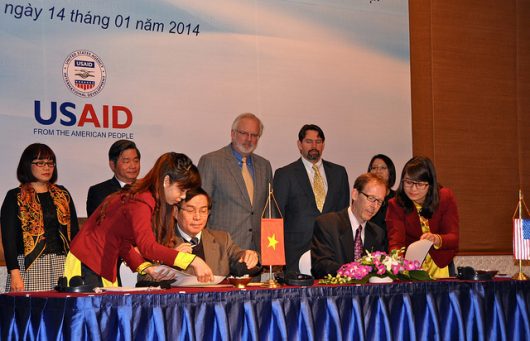
How the US Benefits From Foreign Aid to Vietnam

U.S. Benefits From Foreign Aid to Vietnam

Vietnam stirs up mixed emotions in many Americans because of one of the U.S.’ most controversial conflicts. To many it will always be a war that touched their lives in a negative way – a lesson to be learned or a friend never to be forgotten. But as a government does not have the luxury of emotions and must secure the future for its citizens, the U.S. provides aid to Vietnam. The U.S. benefits from foreign aid to Vietnam in three ways:

  1. Through the process of healing and spreading goodwill
  2. Through a new stable trading partner
  3. As a possible military ally

Since 1989, through the U.S. Agency for International Development (USAID), the U.S. government has been sending humanitarian aid to Vietnam in the hope of developing an important strategic partner in an increasingly contentious part of the world. 


Rebuilding a Complicated Relationship

In 1989, the U.S. and Vietnam began the process of healing. A conflict nearly two decades long cost the lives of millions of Vietnamese and thousands of Americans. As a gesture of goodwill, USAID began to send foreign aid to Vietnam through the Patrick Leahy War Victims Fund and the Displaced Orphans and Children’s Fund. The Communist government of Vietnam spent more than a decade healing the wounds of the divided country, and aid from the U.S. helped this process. 

Over the next two decades, how the U.S. benefits from foreign aid to Vietnam can be seen. The U.S. and Vietnam began to normalize political relations. With this came increased aid and funding for USAID projects in Vietnam. USAID continues to support cleanup efforts from the U.S. military’s use of Agent Orange, while also allocating funding to health, municipal and education projects.

USAID’s five-year plan (2014-2019) in Vietnam consists of a budget of $344 million and three objectives:

  1. $86 million for sustainable economic growth
  2. $239 million for health, education and climate change
  3. $19 million for addressing the legacy of the war, including funding to help decontaminate areas where Agent Orange was used and combat its effects on people and the environment

The Mutual Benefits of Trade

The U.S. benefits from foreign aid to Vietnam were seen through the mutual interests of trade. Within 16 years of the start of new U.S-Vietnam relations, an economic and technological cooperation deal was signed by both nations. President George W. Bush signed the deal in 2005. In 2013, President Barack Obama signed another cooperation deal, further strengthening economic and technological ties. Obama’s deal also included environmental, educational and medical cooperation.

In May of 2017, Prime Minister of Vietnam Nguyen Xuan Phuc announced that he would sign another trade deal with the U.S. This deal is reportedly worth up to $17 billion and will mainly focus on electronic technology. General Electric agreed to a $6 billion deal with the Vietnamese government. Vietnam increasing its imports from the U.S. is a good sign of cooperation and is another way the U.S. benefits from foreign aid to Vietnam.

Currently, the U.S and Vietnam have a trade deficit of more than $30 billion, which is the sixth largest deficit among U.S trade partners. The Trump administration campaigned on the promise of reducing trade deficits. Since his election, both the U.S. and Vietnamese governments have agreed to work on terms and deals that would reduce the deficit. The large deficit is caused by cheap apparel imported from Vietnam to the U.S. Over an eight-year period (2008-2016), the U.S. investment in Vietnam grew to almost $10 billion.


The Development of a Military Ally

In May 2016, President Obama lifted the ban on the sale of weapons to Vietnam. This was an important step economically and to increase military cooperation. Vietnam has shown interest in buying U.S multi-role fighter jets, specifically the F-16 A/B. The country has also shown interest in maritime reconnaissance aircraft and unmanned drones.

Under the Obama administration in 2014, the first joint training exercise was held between the U.S and Vietnamese militaries. The exercises focused on a joint military response to a humanitarian crisis caused by natural disasters. Afterward, both navies would begin to work more closely together, focusing on maritime defense and security. The development of a potential military ally is another way the U.S. benefits from foreign aid to Vietnam.

Also in 2014 was the introduction of monetary aid from the U.S. to Vietnam for its security and defense. More than $45 million was given through the State Department’s Foreign Military Financing and Law Enforcement building programs. Another $425 million was agreed to be paid over a period of five years through the Department of Defense’s Cooperative Threat Reduction Program and Maritime Security Initiative. The U.S. is also helping Vietnam build a peacekeeping training center in Hanoi to help Vietnam increase its ability to take part in peacekeeping missions for the U.N.

The U.S. benefits from foreign aid to Vietnam are manifold, and the bilateral relationship is on track to become a shining example of the transition from donor-recipient to a strong partnership. While millions of people spanning generations will have only painful associations with U.S.-Vietnam relations, the past two decades offer hope to new generations for a peaceful and prosperous future.

– Nick DeMarco

February 26, 2018
https://borgenproject.org/wp-content/uploads/borgen-project-logo.svg 0 0 Borgen Project https://borgenproject.org/wp-content/uploads/borgen-project-logo.svg Borgen Project2018-02-26 13:30:502024-05-29 22:39:34How the US Benefits From Foreign Aid to Vietnam
Aid, Foreign Aid, Global Poverty

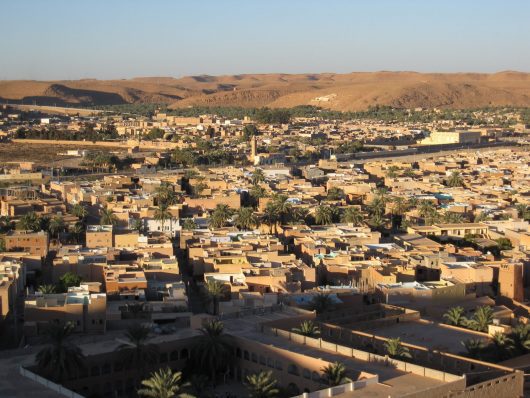
How the US Benefits From Foreign Aid to Libya

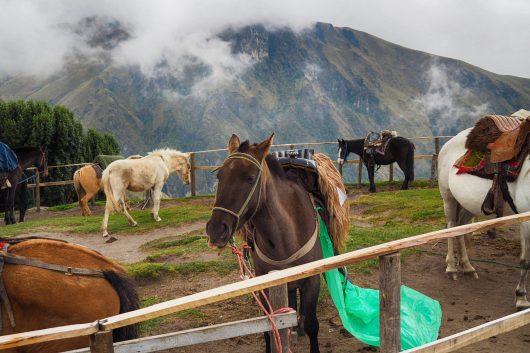
U.S. benefits from foreign aid to LibyaDespite showing movement towards democratic values in 2011, when an armed uprising stripped longtime dictator Mu’ammar al-Qadhafi of his hold on the country, Libya’s civil and political rights regressed back to a state of chaos. The country is currently plagued by feuding regimes, organized criminals and factions of the Islamic State all fighting over power in the country. This makes it more important than ever that the United States delivers humanitarian aid to the struggling nation. However, such aid stands to improve conditions not only in Libya; the U.S. benefits from foreign aid to Libya as well.
Current Efforts

Currently, the United States is set to deliver $31 million in foreign aid to Libya in 2018. The United States Agency for International Development (USAID) estimates that half of this will be spent protecting the country’s weakened representative governing bodies and shifting the country’s values towards those of democratic governance and humanitarianism. The United States hopes to spread these values by working with smaller grassroots movements and entrepreneurs in order to establish a stronger civil society that will hold government officials accountable. The vast majority of the remaining half of the $31 million is aimed at stopping the spread of terrorist cells that pose a threat to Libyan citizens and the United States of America.

Protection from Terrorism

One of the primary reasons the U.S. benefits from foreign aid to Libya is national security. By fighting the spread of extremist groups and working to create a robust and peaceful civil society, the United States does more than spread humanitarian values; it also protects itself from future terrorist threats. In stopping the spread of terrorist groups such as the Islamic State in North Africa, the United States is halting the further spread of extremism and, with the development of a strong civil society, making it harder for terrorist groups to establish themselves in the region. Weak and vulnerable communities that are already lacking in civil and political rights tend to serve as prime targets for terrorist groups to infiltrate.
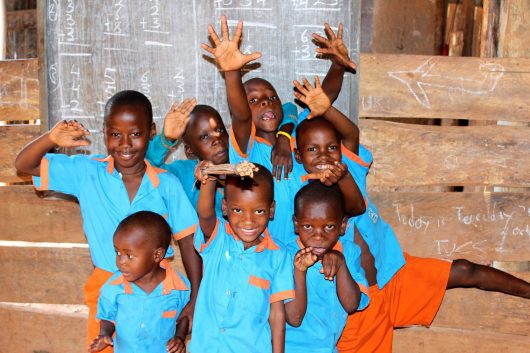
By strengthening these communities with foreign aid, the United States removes opportunities for the further expansion of terrorism and reduces the likelihood of violent insurgencies. In the long run, foreign aid to Libya is an investment in the continued security of the United States, and one of the proven strategies for solving the problem of extremism.

Economic Development

The remaining money that is not spent on fighting extremism and promoting humanitarian values in Libya is dedicated to the further economic development of Libya’s private sector. This is important to establish regional security, as a stronger economy helps build communities and promote a representative and accountable method of governance. Furthering the economic development of Libya also serves to benefit the economy of the United States. A Libyan populace with more spending capital, along with a stronger national GDP and a functioning government, promotes global economic development and provides a new market for exports from the United States, strengthening the U.S. economy and spurring the creation of new jobs.

Helping Others Does Not Hurt the U.S.

Americans often worry that spending money promoting the economic and political development of other countries somehow hurts the U.S. economy and the nation’s own citizens. This thinking is deeply flawed. Research shows the opposite to be true. The U.S. benefits from foreign aid to Libya, as the United States is not only helping Libyans lift themselves out of poverty and political turmoil, but such aid also improves America’s own national security and economic development.  Clearly, continued investment in Libya vital is to future United States efforts at home and around the globe.

– Shane Summers

Photo: Flickr

February 24, 2018
https://borgenproject.org/wp-content/uploads/borgen-project-logo.svg 0 0 Borgen Project https://borgenproject.org/wp-content/uploads/borgen-project-logo.svg Borgen Project2018-02-24 01:30:112024-05-29 22:39:28How the US Benefits From Foreign Aid to Libya
Aid, Foreign Aid

How the US Benefits from Foreign Aid to Ecuador

How the U.S. Benefits From Foreign Aid to Ecuador

The U.S. often has something to gain when it chooses to lend a hand to a country in need. The U.S. benefits from foreign aid to Ecuador by sponsoring structured efforts to eradicate narcotics and human trafficking. Ecuador has a long history of being an essential piece in the transportation of such networks. This has subsequently been a focus of foreign aid from the U.S. to Ecuador for quite some time. Despite USAID leaving Ecuador in 2014, the country has continued implementing the strategies fostered by American and Ecuadorian relations.

Thanks to the relations between the U.S. and Ecuador, the country has made significant progress to curb drug trafficking and modern-day slavery because of these initiatives:

  • U.S. logistical and operational support in counternarcotic cases
  • Prevention and rehabilitation programs after addiction was declared a public health issue
  • Criminal code targeting drug transit through tiered penalties
  • Improvement of detection and analysis in special crime laboratories in Quito and Guayaquil
  • Increases in the monitoring of maritime trade

Ecuador is working to increase the seizure of illicit drugs, especially cocaine, as well as the vigilance of law enforcement in arresting key players in the narcotics trade. The country has been incrementally successful and is seeing new progress each year.

The supplanting of restorative systems returns benefits to the U.S. As one of America’s largest commerce partners, it remains crucial that trade stays legal and in compliance with human rights. The U.S. benefits from foreign aid to Ecuador because the decrease in narcotics transit spares the U.S. from networks of volatile crime.

To address human trafficking, the U.S. began implementing steps within Ecuador to aid the country with this prevalent issue. America and Ecuador are aiming to educate the people of Ecuador with:

  • Public service announcements played throughout children’s television programs detailing the rights of each child in order to instill the knowledge of such rights in children from an early age, as well as in their parents.
  • An educational campaign and two-day conference depicting judicial corruption in Ecuador for the public.

Additionally, the American Bar Association (ABA) has been working continuously in Ecuador to strengthen its justice system. The ABA has aided Ecuadorian lawyers in transitioning from the old inquisitorial criminal justice system to an adversarial criminal justice system, which has proven to be a challenge, as the judiciary still clings to the previous system.

According to the ABA website, the organization has aided in the institution of hybrid law, “a mixture of civil law and common law systems” and analyzing the effectuality of such law in Ecuador specifically.

Similar to the reduction of illegal narcotics transportation, the U.S. benefits from foreign aid to Ecuador through reciprocatory change. By pushing Ecuador in the right direction to minimize illegal trade, America is consequently minimizing active human trafficking within its borders.
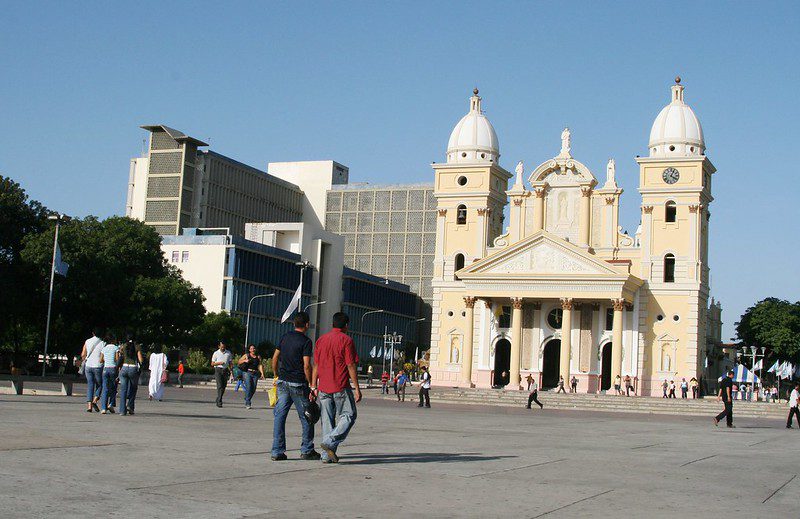
Essentially, the trade and transport of narcotics and human trafficking webs in Ecuador directly affect the same trade and transport in the United States. These dual-effort relations have resulted in a consistently increasing number of arrests, seizures and preventions of human and narcotics trade. Each time America helps Ecuador target this issue, it also directly targets the issue within its own borders.

– Lydia Lamm

Photo: Flickr

February 20, 2018
https://borgenproject.org/wp-content/uploads/borgen-project-logo.svg 0 0 Borgen Project https://borgenproject.org/wp-content/uploads/borgen-project-logo.svg Borgen Project2018-02-20 07:30:232024-05-29 22:39:20How the US Benefits from Foreign Aid to Ecuador
Aid, Foreign Aid, Global Poverty

How the US Benefits from Foreign Aid to Uganda

U.S. benefits from foreign aid to UgandaUganda, a landlocked country in East Africa, is considered one of the poorest countries in the world. The country has rich natural resources and its rural population is significantly high at 83.56 percent, according to the World Bank. Despite the fact that it is considered a poor country, the poverty rate is declining rapidly.

The U.S. international aid budget cuts would severely affect the aid given to Uganda and consequently might hamper Uganda’s development. This is because Uganda’s rapid development is at least partially due to the foreign aid it receives. However, it is in the United States’ interests to continue providing aid to Uganda, because the U.S. benefits from foreign aid to Uganda as well.

The rapid poverty rate decline in Uganda is notable: in 2013, the proportion of the population living below the national poverty line declined from 31.1 percent in 2006 to 19.7 percent and the share of people living on $1.90 per day or less dropped from 53.2 percent in 2006 to 34.6 percent in 2013, one of the fastest decreases in sub-Saharan Africa. Poverty reduction among households in agriculture accounts for 79 percent of Uganda’s national poverty reduction from 2006 to 2013. Favorable prices and weather led to the increase in income in the agriculture sector.

Factors that demonstrate market efficiencies, such as investments in infrastructure, economic liberalization and better trade services, lead to favorable prices. Foreign aid, especially from the U.S., has led to the decline in poverty since much of the aid is used to develop agriculture and infrastructure and boost the economy. For instance, Uganda is a part of the U.S. government’s global hunger and food security initiative Feed the Future. Through this initiative, USAID investments focus on three value chains (maize, coffee, and beans) with the greatest market potential, nutritional benefits and income potential for farming households. This has the benefit of transforming subsistence farms into more commercial operations.

Additionally, USAID works to improve farmers’ skills in production, post-harvest handling and storage technologies, all of which increase the likelihood of earning a higher income. This initiative has clearly made a notable impact in the country, as Feed the Future farmers in Uganda earned $97 million from agricultural sales. These numbers show that Uganda benefits immensely from foreign aid. However, other effects such as social capital derived from foreign aid show that the U.S. also benefits from foreign aid to Uganda.

A recent study found that foreign aid has a strong impact on trust among people and can change beliefs and social capital. This study surveyed specific counties in Uganda and found a positive correlation between aid in a county and the subsequent level of trust, which aligns with the hypothesis that foreign aid contributes to an increase in trust. This is significant because trust is considered a “proxy of social capital and determinant of future growth,” meaning it can be converted into conventional economic gains in the future. In this way, the U.S. benefits from foreign aid to Uganda since it allows the U.S. access to Ugandan domestic and foreign policy, making foreign aid to Uganda an essential foreign policy tool. Moreover, foreign aid helps both the U.S. and Ugandan governments establish a mutually beneficial relationship based on cooperation on a wide range of shared issues.

Also, the U.S. benefits from foreign aid to Uganda because, as a nation like Uganda improves economically to become a middle-income country, it becomes a potential market for U.S. companies, thereby creating jobs in the U.S.

In short, there are many ways the U.S. benefits from foreign aid to Uganda. Hence, the recently proposed budget cuts indirectly harm more than they help the U.S. Additionally, Uganda, as one of the poorest nations in the world, still requires foreign aid in order to continue its development. Hopefully, it will continue to fight poverty amid these cuts in foreign aid from the U.S.

– Mehruba Chowdhury

Photo: Flickr

February 19, 2018
https://borgenproject.org/wp-content/uploads/borgen-project-logo.svg 0 0 Borgen Project https://borgenproject.org/wp-content/uploads/borgen-project-logo.svg Borgen Project2018-02-19 01:30:392024-05-29 22:39:24How the US Benefits from Foreign Aid to Uganda
Aid, Foreign Aid, Global Poverty

A Crucial Shift: How the US Benefits from Foreign Aid to Venezuela

U.S. benefits from foreign aid to VenezuelaGovernments may not always be straightforward with the way “freely-given” humanitarian aid to other countries is repaid. Many times, in exchange for helping another country solve a financial crisis or rebuild from a natural disaster, the benefactor receives greater access to resources or stronger political alliances with the country benefiting from aid. The ways the U.S. benefits from foreign aid to Venezuela has changed because the political turmoil turning Venezuela on its head is putting strain on the United States government.
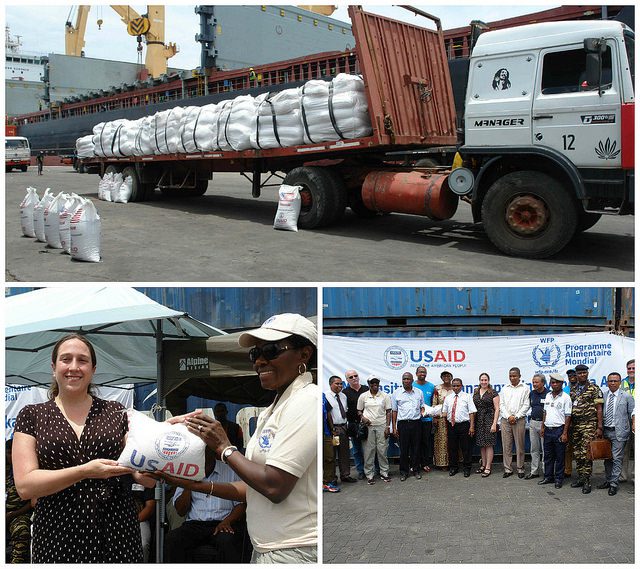
Human Rights Defense

According to the U.S. Department of State, assistance from the United States to Venezuela is focused mainly on human rights issues, civil services and building up the strength of political interests in the area. One main interest in Venezuela is building a strong counter-narcotics network in the region, but recently the USDS has reported that Venezuela has failed to maintain the network to adequate levels.

Politically, this demonstrates the inability for the Venezuelan government to control its national defense programs, which became even more obvious after a presidential election putting Nicolas Maduro in charge, an action widely disputed for its legitimacy.  

Venezuela’s Economy

According to CNN, a major reason for this election and presidential cycle being so tumultuous is due to a decline in Venezuela’s economy, which is one area wherein questions arise about the way the U.S. benefits from foreign aid to Venezuela.

Another article from CNN Money states that the Venezuelan crisis spreads further than just a loss of democracy; it spreads to the pockets of the people as well. Venezuela’s cash revenue has fallen from $30 billion in 2011 to $9.9 billion in 2017. That drastic of a drop is causing a humanitarian crisis disproportionate to Venezuela’s economic capacity.

The U.S. and Venezuela

This being said, the United States remains one of Venezuela’s largest suppliers of goods. According to the U.S. Department of State, the U.S. exports nearly $8.3 billion to Venezuela include agricultural products, car parts and petroleum. In return, the U.S. imports a large number of oil products from Venezuela, totaling around $15.6 billion. However, this number has declined since the price of oil fell, causing an economic shift in Venezuela’s market.

This occurrence, along with a cash-poor economy, has pushed Venezuela into a crisis situation. With food being harder to get and inflation through the roof, humanitarian aid to Venezuela is going to increase in the next few years — that is, if the rest of the world wants to help stabilize the country.

A Global Shift

The way the U.S. benefits from foreign aid to Venezuela is going to change. As long as political alliances don’t shift too far from their current position, there is a high chance that the U.S., through increased humanitarian efforts and support for the agricultural and healthcare systems in the country, can help Venezuela recover before the nation degrades any further.

– Molly Atchison

Photo: Flickr

February 18, 2018
https://borgenproject.org/wp-content/uploads/borgen-project-logo.svg 0 0 Borgen Project https://borgenproject.org/wp-content/uploads/borgen-project-logo.svg Borgen Project2018-02-18 01:30:142024-05-29 22:39:22A Crucial Shift: How the US Benefits from Foreign Aid to Venezuela
Aid, Foreign Aid, Global Poverty

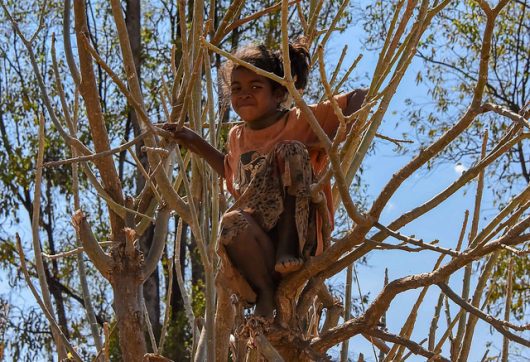
How the US Benefits from Foreign Aid to Madagascar

How the U.S. Benefits from Foreign Aid to MadagascarThe U.S. has been helping Madagascar through various forms of aid and agreements for more than 30 years. In 2016, USAID was able to supply $91 million to Madagascar. Madagascar takes part in the President’s Malaria Initiative, water, sanitation and hygiene program and biodiversity conservation. The United States is part of an agreement with the Common Market for Eastern and Southern Africa, which helps frame trading and investments. Madagascar is one of the countries that can benefit massively from the agreement. The country is also eligible for even more trade benefits from the African Growth and Opportunity Act. However, this relationship is not one-sided; the U.S. benefits from foreign aid to Madagascar in several ways.

According to the U.S. Department of State, U.S. imports from Madagascar include apparel, vanilla beans, precious stones and metals, perfumes and cosmetics. The U.S. exports machinery, rice, wheat, vegetable oil, aircraft and vehicles to Madagascar. Each item that the U.S. exports requires workers to make and package them, creating jobs in the U.S. to help Madagascar even more. Trading and exporting higher profit items such as vehicles further shows how the U.S. benefits from foreign aid to Madagascar.

In 2011, Bill Gates explained how the U.S. benefits from foreign aid to Madagascar and other countries as well. “The 1 percent we spend on aid for the poorest not only saves millions of lives, it has an enormous impact on developing economies – which means it has an impact on our economy.” Years later, this statement is still accurate.

In 2016, Madagascar imported $2.79 billion in products, a 1.68 percent increase from 2011. This shows that the economy is growing and foreign aid is helping. However, the U.S. benefits from foreign aid to Madagascar not just through import and exports; foreign aid helps contribute to the security of the United States and can work to keep relations with countries such as Madagascar on reasonable terms.

In Madagascar, the United States focuses on helping with food security, disaster assistance and health. Recently, the United States has been the most significant donor to this country. The U.S. benefits from foreign aid to Madagascar because, with all of this support, all that is left is progress. Progress related to the economy, healthcare systems and the continuation of development after natural disasters are all ongoing.

As Madagascar works to lower the 92 percent of people living on $2 a day, the U.S. will start to see benefits. For example, American businesses will benefit because as people who were once in poverty become wealthier, they will have money to purchase consumer goods. This example is critical to show how the U.S. benefits from foreign aid to Madagascar.

In sum, Madagascar is still struggling daily and needs foreign aid to help, especially with the number of natural disasters that occur every year. However, all of the progress that is being made shows how essential foreign aid is to improving the lives of Madagascar’s citizens and increasing trade opportunities for the U.S.

– Amber Duffus

Photo: Flickr

February 17, 2018
https://borgenproject.org/wp-content/uploads/borgen-project-logo.svg 0 0 Borgen Project https://borgenproject.org/wp-content/uploads/borgen-project-logo.svg Borgen Project2018-02-17 07:30:172019-11-07 03:46:49How the US Benefits from Foreign Aid to Madagascar
Foreign Aid, Global Health, Global Poverty, Sustainable Development Goals, United Nations

Three Global Healthcare Initiatives of the Global Health Council

18. Three Global Healthcare Initiatives of the Global Health Council
The Global Health Council fights for U.S. and international policies and resources that advance global health programs and goals through several global healthcare initiatives. 
Three major global healthcare initiatives of the Global Health Council are Global Financing Facility (GFF), the Sustainable Development Goals (SDGs) and Global Health Security.


1. Global Financing Facility

The development of the Global Financing Facility was announced at the 69th U.N. General Assembly in 2014 by the World Bank and the Governments of Canada, Norway and the United States.

The GFF developments was for supporting reproductive, maternal, newborn, child and adolescent health (RMNCAH) through Every Women Every Child, to reduce preventable maternal, newborn, child and adolescent deaths, as well as improving health overall.

Part of GFF’s strategy to channel international and domestic resources towards RMNCAH includes continuing the work with the Millennium Development Goals (MDGs) and focusing on sustainable development and business plans.

Through domestic and international, private and public funding, $12 billion has already been aligned to country-led, five-year investment plans in four initial countries: the Democratic Republic of the Congo, Ethiopia, Kenya and Tanzania.

New commitments were made by the Bill and Melinda Gates Foundation and the governments of Canada, Japan and the United States; in addition, eight additional countries were announced to benefit from the GFF: Bangladesh, Cameroon, India, Liberia, Mozambique, Nigeria, Senegal and Uganda.


2. The Sustainable Development Goals

The Sustainable Development Goals (SDGs) are 17 global goals that aim to end poverty, protect the planet and ensure prosperity with each goal having specific targets to be reached by 2030.

The 17 goals are:

  1. No Poverty
  2. Zero Hunger
  3. Good health and well-being
  4. Quality Education
  5. Gender Equality
  6. Clean Water and Sanitation
  7. Affordable and Clean Energy
  8. Decent Work and Economic Growth
  9. Industry, Innovation and Infrastructure
  10. Reduced Inequalities
  11. Sustainable Cities and Communities
  12. Responsible Consumption and Production
  13. Climate Action
  14. Life Below Water
  15. Life on Land
  16. Peace, Justice and Strong Institutions
  17. Partnerships for the Goals

The globe reached an agreement to strive to implement these goals, and the entity of the Global Health Council is no exception.


3. The Global Health Security

The Global Health Security serves to prepare for and respond to public health threats and reduce or prevent its spread across borders. The effort accomplishes this by implementing strong health systems with resources and personnel that identify threats and prevent the spread of infectious diseases.

The IHR, International Health Regulations purpose is to enable the international community to prevent and respond to public health risks that will potentially cross borders and threaten populations worldwide.

To ensure countries are able to meet the IHR, the U.S. is committed to the Global Health Security Agenda (GHSA) — a partnership with other governments, international agencies and other stakeholders that seeks to prevent, detect and respond to global health threats.

These three global healthcare initiatives, as well as others, are making significant and meaningful impacts in countries all over the world.

– Julia Lee

Photo: Flickr

February 17, 2018
https://borgenproject.org/wp-content/uploads/borgen-project-logo.svg 0 0 Borgen Project https://borgenproject.org/wp-content/uploads/borgen-project-logo.svg Borgen Project2018-02-17 01:30:332024-05-29 22:39:22Three Global Healthcare Initiatives of the Global Health Council
Aid, Foreign Aid, Global Poverty

How the US Benefits from Foreign Aid to Haiti

How the U.S. benefits from foreign aid to HaitiFollowing the massive earthquake that shook Haiti in 2010, killing at least 200,000 people and displacing 1.5 million others, the United States contributed $5.1 billion toward relief, recovery and reconstruction. Temporary visas were also granted so that some Haitians could seek better opportunities in the United States. White House officials announced on January 17, 2018, that Haitians would no longer be eligible for U.S. visas given to low-skilled workers. The U.S. benefits from foreign aid to Haiti, including this program, as it helps foster goodwill and acknowledges that the U.S. has taken much from Haiti in the past.

Haiti gained independence from France on January 1, 1804, and became the second oldest independent nation in the Western hemisphere. Before that, Haitians helped America win the Revolutionary War. In 1914, the United States under Woodrow Wilson invaded Port-au-Prince, raided the nation’s reserve and occupied the country. Haiti was ruled by the United States until 1934. Haiti still feels the consequences of imperialism and the U.S.-supported dictatorship that lasted from 1957 until 1986.

Today, the United States and Haiti are trade partners. The U.S. benefits from foreign aid to Haiti because helping the Haitian economy allows for increased trade. Many of the clothes sold at Walmart, JCPenney, Gap, Old Navy and other well-known stores are manufactured in Haiti. The country’s garment manufacturing industry has been stable for decades and is currently employing 60,000 people, according to the Association of Industries of Haiti. The apparel sector makes up at least 90 percent of Haiti’s total exports.

There is clear economic evidence that migrant workers fill important gaps in the U.S. labor market. A 2013 study showed that at the height of the Great Recession in North Carolina, unemployment reached 12 percent. Among half a million unemployed workers in the state, only 250 applied for the 6,500 open agricultural jobs. Haitian immigrants help fill the agricultural labor gap and add value to the U.S. economy.

The U.S. benefits from foreign aid to Haiti and the workers that travel to America on temporary visas. By disallowing visas to Haitian immigrants, the United Staes is cutting off an economically beneficial opportunity for both itself and the Haitian people. The special visas gave Haitians a rare chance to work legally in the United States, contribute to the U.S. economy and help fund the recovery of Haiti after the earthquake.

The United States’ humanitarian assistance to Haiti following the 2010 earthquake fostered goodwill and was a meaningful gesture that helped make amends for the many years of imperialistic rule. When Haiti is productive, safe and firmly rooted in democracy, both Haitians and Americans benefit. U.S. policy focused on aid to Haiti can foster the institutions and infrastructure necessary to achieve meaningful poverty reduction through sustainable development.

– Sam Bramlett

Photo: Flickr

February 16, 2018
https://borgenproject.org/wp-content/uploads/borgen-project-logo.svg 0 0 Borgen Project https://borgenproject.org/wp-content/uploads/borgen-project-logo.svg Borgen Project2018-02-16 07:30:482019-12-09 05:53:51How the US Benefits from Foreign Aid to Haiti
Aid, Foreign Aid, Global Poverty

How the US Benefits from Foreign Aid to Costa Rica

How the US Benefits from Foreign Aid to Costa Rica
Costa Rica is a relatively small country in Central America with around 4.9 million inhabitants. Considered one of the more stable countries of the region, it ranks highly on the Human Development Index, at 69 in 2015. It has a highly educated workforce, which stems from the 6.9 percent of its annual budget it spends on education. Much of its population is bilingual in Spanish and English.

The Success Story of Costa Rican Development

As well, it is known for is environmentally sustainable practices, as it is the only country in the world that meets all five of the U.N. Development Program measures for environmental sustainability. In 2016, 98 percent of its electricity was generated from green sources, and it plans to become carbon-neutral by 2021.

But for all its successes, it was once, like many developing countries, on the list of those receiving foreign aid from the U.S. After receiving more than $2.7 billion in foreign aid, Costa Rica graduated from the program in 1996. This suggests Costa Rica achieved competency and shows the success of foreign aid.

But what are the U.S. benefits from foreign aid to Costa Rica? By funneling billions of dollars into Costa Rica, the U.S. has helped another country, but does that amount to worthwhile U.S. benefits from foreign aid to Costa Rica?

Electrifying Trading Partners for Mutual Growth

For one thing, by increasing economic stability for Costa Rica, the U.S. has also increased the nation’s purchasing power. In 1995, exports of non-traditional products totaled $1.4 billion. At almost 54 percent of total exports, Costa Rica imported more goods than Poland, Hungary and Romania combined. Stable growth of another nation, therefore, electrifies the U.S. economy as well, creating wealth in both countries.

Consider, for example, the concept of bilateral economics that’s been in place since the 1980s. It eliminated tariffs, opened markets and reduced barriers for imports and exports between the two countries. As one of Costa Rica’s largest trading partners, the U.S. has been able to export billions of dollars worth of products to Costa Rica in a way that alleviates the hindrance of taxes for both countries.

Similarly, it helps create allies for the U.S. and secure its global interests. As noted in a Washington Post article, aid to Costa Rica in the 1980s helped it become a nation of stability, democracy and human rights, as well as agreeing to regional trade agreements that give the U.S. a positive position. In this way, the U.S. benefits from foreign aid to Costa Rica are not only economic, but also strategic and political.

– Nick McGuire

Photo: Flickr

February 15, 2018
https://borgenproject.org/wp-content/uploads/borgen-project-logo.svg 0 0 Borgen Project https://borgenproject.org/wp-content/uploads/borgen-project-logo.svg Borgen Project2018-02-15 13:30:012019-12-17 13:21:38How the US Benefits from Foreign Aid to Costa Rica
Page 36 of 61«‹3435363738›»

Get Smarter

  • Global Poverty 101
  • Global Poverty… The Good News
  • Global Poverty & U.S. Jobs
  • Global Poverty and National Security
  • Innovative Solutions to Poverty
  • Global Poverty & Aid FAQ’s
Search Search

Take Action

  • Call Congress
  • Email Congress
  • Donate
  • 30 Ways to Help
  • Volunteer Ops
  • Internships
  • Courses & Certificates
  • The Podcast
Borgen Project

“The Borgen Project is an incredible nonprofit organization that is addressing poverty and hunger and working towards ending them.”

-The Huffington Post

Inside The Borgen Project

  • Contact
  • About
  • Financials
  • President
  • Board of Directors
  • Board of Advisors

International Links

  • UK Email Parliament
  • UK Donate
  • Canada Email Parliament

Get Smarter

  • Global Poverty 101
  • Global Poverty… The Good News
  • Global Poverty & U.S. Jobs
  • Global Poverty and National Security
  • Innovative Solutions to Poverty
  • Global Poverty & Aid FAQ’s

Ways to Help

  • Call Congress
  • Email Congress
  • Donate
  • 30 Ways to Help
  • Volunteer Ops
  • Internships
  • Courses & Certificates
  • The Podcast
Scroll to top Scroll to top Scroll to top