How the US Benefits from Foreign Aid to Uganda
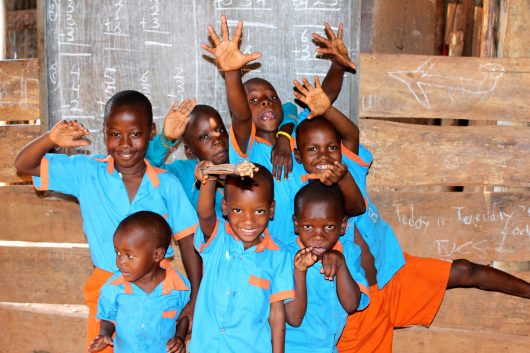 Uganda, a landlocked country in East Africa, is considered one of the poorest countries in the world. The country has rich natural resources and its rural population is significantly high at 83.56 percent, according to the World Bank. Despite the fact that it is considered a poor country, the poverty rate is declining rapidly.
The U.S. international aid budget cuts would severely affect the aid given to Uganda and consequently might hamper Uganda’s development. This is because Uganda’s rapid development is at least partially due to the foreign aid it receives. However, it is in the United States’ interests to continue providing aid to Uganda, because the U.S. benefits from foreign aid to Uganda as well.
The rapid poverty rate decline in Uganda is notable: in 2013, the proportion of the population living below the national poverty line declined from 31.1 percent in 2006 to 19.7 percent and the share of people living on $1.90 per day or less dropped from 53.2 percent in 2006 to 34.6 percent in 2013, one of the fastest decreases in sub-Saharan Africa. Poverty reduction among households in agriculture accounts for 79 percent of Uganda’s national poverty reduction from 2006 to 2013. Favorable prices and weather led to the increase in income in the agriculture sector.
Factors that demonstrate market efficiencies, such as investments in infrastructure, economic liberalization and better trade services, lead to favorable prices. Foreign aid, especially from the U.S., has led to the decline in poverty since much of the aid is used to develop agriculture and infrastructure and boost the economy. For instance, Uganda is a part of the U.S. government’s global hunger and food security initiative Feed the Future. Through this initiative, USAID investments focus on three value chains (maize, coffee, and beans) with the greatest market potential, nutritional benefits and income potential for farming households. This has the benefit of transforming subsistence farms into more commercial operations.
Additionally, USAID works to improve farmers’ skills in production, post-harvest handling and storage technologies, all of which increase the likelihood of earning a higher income. This initiative has clearly made a notable impact in the country, as Feed the Future farmers in Uganda earned $97 million from agricultural sales. These numbers show that Uganda benefits immensely from foreign aid. However, other effects such as social capital derived from foreign aid show that the U.S. also benefits from foreign aid to Uganda.
A recent study found that foreign aid has a strong impact on trust among people and can change beliefs and social capital. This study surveyed specific counties in Uganda and found a positive correlation between aid in a county and the subsequent level of trust, which aligns with the hypothesis that foreign aid contributes to an increase in trust. This is significant because trust is considered a “proxy of social capital and determinant of future growth,” meaning it can be converted into conventional economic gains in the future. In this way, the U.S. benefits from foreign aid to Uganda since it allows the U.S. access to Ugandan domestic and foreign policy, making foreign aid to Uganda an essential foreign policy tool. Moreover, foreign aid helps both the U.S. and Ugandan governments establish a mutually beneficial relationship based on cooperation on a wide range of shared issues.
Also, the U.S. benefits from foreign aid to Uganda because, as a nation like Uganda improves economically to become a middle-income country, it becomes a potential market for U.S. companies, thereby creating jobs in the U.S.
In short, there are many ways the U.S. benefits from foreign aid to Uganda. Hence, the recently proposed budget cuts indirectly harm more than they help the U.S. Additionally, Uganda, as one of the poorest nations in the world, still requires foreign aid in order to continue its development. Hopefully, it will continue to fight poverty amid these cuts in foreign aid from the U.S.
– Mehruba Chowdhury
Photo: Flickr
