• Link to X
  • Link to Facebook
  • Link to Instagram
  • Link to TikTok
  • Link to Youtube
  • About
    • About Us
      • President
      • Board of Directors
      • Board of Advisors
      • Financials
      • Our Methodology
      • Success Tracker
      • Contact
  • Act Now
    • 30 Ways to Help
      • Email Congress
      • Call Congress
      • Volunteer
      • Courses & Certificates
      • Be a Donor
    • Internships
      • In-Office Internships
      • Remote Internships
    • Legislation
      • Politics 101
  • The Blog
  • The Podcast
  • Magazine
  • Donate
  • Click to open the search input field Click to open the search input field Search
  • Menu Menu

Archive for category: Food Security

Information and stories about food security news.

Food & Hunger, Food Security, Global Poverty, Hunger

The State of International Food Insecurity

State of International Food Insecurity
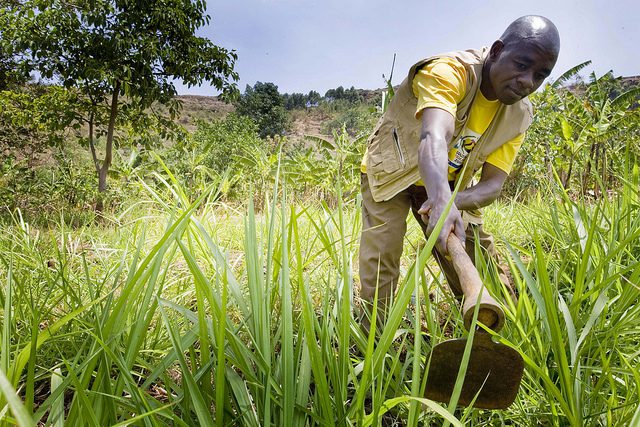
World hunger and food insecurity are on the rise. Food insecurity is defined by the U.S. Department of Agriculture (USDA) as “a lack of consistent access to enough food for an active, healthy life” — the number of malnourished people grew from 777 million people to 815 million in 2016.

State of International Food Insecurity

The world population is projected to rise to around 10 billion people by 2050, and according to the U.N.’s “Sustainable Development Goal 2,” food production needs to grow by 50 percent for everyone to have enough food to survive on a day-to-day basis. It was estimated that global food insecurity had declined over the last decade — so why is it slowly growing now?

While food insecurity is a difficult and complex situation to solve, there are several factors that created the current state of hunger and malnutrition of society.

Why Has Global Food Insecurity Increased?

In 2017, there were a number of famine incidents that struck parts of South Sudan, Nigeria, Somalia and Yemen. Al Jazeera, a global news network that covers news in the Middle East, reported that nearly two million Nigerians have been displaced, and “Northeast Nigeria now faces one of the world’s worst food security crises, with around 3.8 million people who will face critical food insecurity and around 7.7 million in need of life-saving humanitarian assistance this year” due to Boko Haram attacks in the region. Violent conflicts around the world have also created a shortage in food production and availability for those hit hardest by food security issues.

The state of international food insecurity is not an optimistic one, but it does require action. Groups such as the United Nations World Food Programme and the Zero Hunger initiative fight to provide much-needed assistance to those living in the hardest-hit areas. Much of their work to help worldwide food security consists of coordinating efforts between governments, non-governmental organizations (NGOs), corporations and individuals.

Aid Organizations and Opportunities

On-the-ground groups such as the Lutheran World Relief focus on bringing water to communities while building cheap irrigation systems that provide water for crops and livestock. Another organization, the World Hunger Relief, Inc., focuses on teaching communities sustainable farming techniques and bringing vegetables to communities in food deserts. There is also work done out-of-country to help fight global hunger.

The Borgen Project works to influence policy in the U.S. so that aid can be given to those in need at a lower cost and quicker rate. The combination of overseas organizations and on-the-ground efforts has proved to be important in fighting hunger worldwide. But even if one doesn’t have time to join an organization to fight world hunger, there are many things every individual can do to help.

Some ways include: volunteering at food drives that aim to send food abroad or to communities in-need, donating to a local food bank, signing up to help sort food within food banks or food drives or writing to, emailing or calling elected officials to support food aid reform.

The Importance of Everyday Effort

The Borgen Project uses the latter strategy to facilitate policy changes over the years that make aid to foreign countries an easier task for the U.S. Even taking a few minutes out of a day to write an article or two about world hunger can raise awareness and help stop the tide of food insecurity.

All in all, today’s world has a growing population still facing the problem of global food insecurity. With the state of international food insecurity at risk, it is up to us as a society to step up and help others have a secure food source.

– Michael Huang
Photo: Flickr
July 8, 2018
https://borgenproject.org/wp-content/uploads/borgen-project-logo.svg 0 0 Borgen Project https://borgenproject.org/wp-content/uploads/borgen-project-logo.svg Borgen Project2018-07-08 01:30:482024-05-29 22:42:57The State of International Food Insecurity
Food & Hunger, Food Aid, Food Security

Food Insecurity in Nigeria

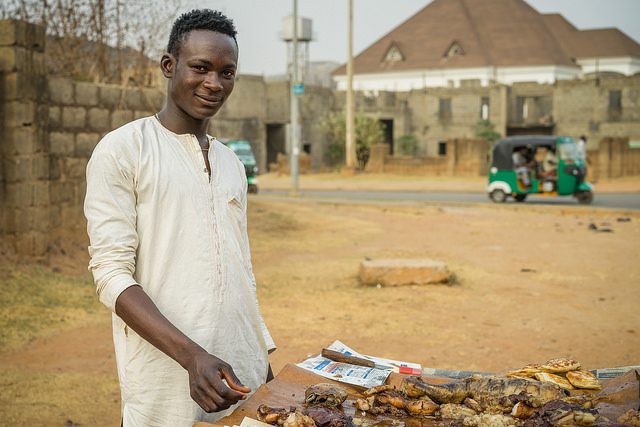
Food Insecurity in NigeriaThe number of people who experience food insecurity in Nigeria is rising. Of Nigeria’s population of more than 160 million people, the number of undernourished people has increased from 10 million in 2010 to almost 13 million in 2012 and has been growing since.

Agriculture is the country’s main source of income, making up a staggering 40 percent of the country’s GDP. Yet, despite this, Nigeria is number 40 out of 79 on the Global Hunger Index. Though the country has grown its GDP from the six percent it was in 2008 to 8.4 percent in 2010, it remains that over 80 percent of the rural population in Nigeria live below the poverty line.

The Nigerian Government and Internal Programs

There have been various programs created by the country’s numerous governments to end food insecurity in Nigeria. Such programs are:

  • Operation Feed the Nation;
  • Green Revolution;
  • Lower River Basin Development Authorities;
  • National Agricultural and Land Development Authority (NALDA); and the
  • Directorate of Foods, Roads and Rural Infrastructure (DFFRI).

Unfortunately, these programs have all had dismal performances, and have all individually hindered – some have even contributed ­– to low agricultural and food production in Nigeria.

Because the government has consistently changed in Nigeria, there have been major policy changes regarding food and agricultural policies. These changes have caused major delays and have hindered agricultural production and distribution. Every new government that has come to power has abandoned the previous one’s agricultural policies. This has created mass instability in production and has blocked the progression towards ending hunger.

Gender is a Factor

Unsurprisingly, gender inequality in Nigeria can also be blamed as a major factor for the food insecurity in Nigeria. The women of Nigeria make up the majority of agricultural workers, though they are often underpaid if paid at all. Nigerian women have less and limited access to agricultural assets like inputs and service than their male counterparts. It is believed by analysts, that if women had the same access to productive resources as men, they could increase their crop production by 20-30 percent.

Continued Violence

The major cause, however, for much of the food insufficiency in Nigeria is the conflict and violence which has been largely due to ethnic and religious tensions in the northeast of the country. As of March 2018, the number of internally displaced persons has grown significantly. The displacement of people in Nigeria has increased to the concern of food insecurity. Over 650,000 people in the Borno State, alone, are at extreme, limited access to agricultural land and labor opportunities, and are thus, heavily dependent on assistance.

As seen in the Borno State, violence and displacement of people disrupts agricultural production and makes people dependent on emergency food assistance. The number of displaced persons is rising: as of April 2018, Boko Haram and the Islamic State of Iraq and Syria was responsible for displacing more than 1.7 million people throughout Nigeria. Moreover, the summer months are the hardest for crops to grow in Nigeria. It is estimated that in the months of June through August of 2018, over 3 million people throughout the Northeast of Nigeria will face a food insufficiency crisis or worse.

Humanitarian Aid

International assistance is there. For instance, the USAID Office of Food for Peace (FFP) has provided emergency food assistance in Nigeria since 2015. The FFP works with non-governmental organizations to provide and distribute locally-purchased food, food vouchers, and cash transfers to over 800,000 people in dire need. Moreover, merged efforts between the FFP and the U.N. World Food Programme (WFP) ensure that supplementary food supplies reach children and pregnant and lactating women to prevent acute malnutrition. Per month, this pairing of the FFP and WFP has helped provide over 1 million Nigerians with food since December 2016.

Almost all of the factors which create and add to the food insufficiency in Nigeria are man-made problems. Though Nigeria is not a poor country, its developmental management has been poor. It is believed that alongside the aid of international organizations like the FTP and the WTP, these problems need to be individually and properly addressed. If done so, then solutions will become apparent, and the problem of food insufficiency in Nigeria will quickly be resolved.

– Isabella Agostini
Photo: Flickr

July 7, 2018
https://borgenproject.org/wp-content/uploads/borgen-project-logo.svg 0 0 Borgen Project https://borgenproject.org/wp-content/uploads/borgen-project-logo.svg Borgen Project2018-07-07 16:29:202019-09-25 12:26:59Food Insecurity in Nigeria
Food Security

Sack Farming in Kenya Is Tackling Food Insecurity

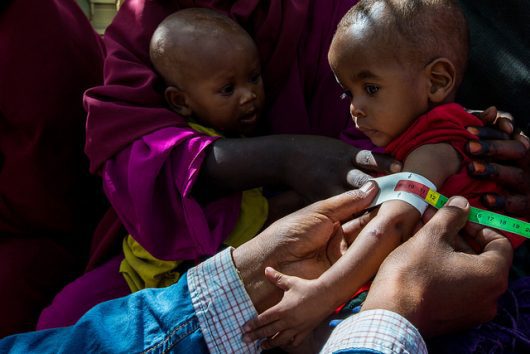
Sack Farming in KenyaAs of 2015, 153 million African citizens reported being impacted by food insecurity. Food insecurity is defined as a state of living where one is unable or has limited access to obtain consistent, nutritionally valued food to maintain a healthy lifestyle.
Current Issues in Africa

The average per capita income of sub-Saharan African is approximately three times lower than that of the rest of the world. One of the main sources of income in Africa is agriculture which can easily be impacted by the quality of soil, a stable water source, temperature and use of fertilizer.

That being said, in areas such as Kenya, 42 percent of the population (44 million people) live below the poverty line. Agriculture is one of the top sources of income and a major boon to the nation’s economy. In fact, it gives work to 70 percent of the workforce and contributes to 25 percent of Kenya’s annual gross domestic product.

Kibera, Nairobi, one of Kenya’s largest slums, suffers from a lack of resources such as water, land space and labor. With a consistent rising population (4.1 percent annually in Nairobi), more food is needed to sustain life. An upcoming technique to combat this problem, being implemented not only in Kenya but in surrounding nations such as Uganda, is sack farming.

Combating Food Scarcity with Sack Farming

Sack farming is the process of utilizing ordinary scrap sacks as the foundation for producing crops such as potatoes, carrots and spinach. By implementing sack farming in Kenya, food insecurity throughout the country can be tackled. All that is needed for this form of planting is the sack, manure, soil, small stones for drainage and the desired seeds.

Beginning with the necessary equipment, sacks of any size and texture can be used, from burlap encasings to plastic bags. Fertilizer can be made from composted food and waste. As for labor, the younger communities in Kenya have stepped up to take responsibility.

Effects of Sack Farming in Kenya

Depending on the size of the sacks, one sack has the ability to grow up to 45 seedlings. In terms of income, if a household is able to afford three sacks with 30 seedlings each, the production would be substantial. This would increase the household’s income, therefore increasing the ability to purchase other products ranging from electricity to eggs and milk.

Sack farming in Kenya has the ability to produce crops such as spinach, lettuce, beets, arugula, potatoes, carrots and onions. Not only does this impact the economy, but families will finally be able to have access to a stable food source. This means fewer chances of developing nutritional deficiencies, especially in younger children.

Sack farming in Kenya is a more convenient and realistic way of feeding one’s family and community, especially when living in a rural or slum area. The process is an inexpensive, simple way to produce nutritious foods, combating the issue of food insecurity in areas throughout Africa.

– Jessica Ramtahal
Photo: Flickr

June 30, 2018
https://borgenproject.org/wp-content/uploads/borgen-project-logo.svg 0 0 Borgen Project https://borgenproject.org/wp-content/uploads/borgen-project-logo.svg Borgen Project2018-06-30 07:30:182024-05-29 22:42:57Sack Farming in Kenya Is Tackling Food Insecurity
Food & Hunger, Food Security, Global Poverty

Five Facts About Food Insecurity and How to Combat It

food insecurity
Food insecurity is, by definition, “the state of being without reliable access to a sufficient quantity of affordable, nutritious food.” For many people around the globe, securing a reliable source of nutritious food is a daily struggle. One of the greatest challenges that faces the world today is ensuring that the world’s growing population has enough food to meet its needs. Below are five facts about food insecurity and possible solutions to the world’s growing food requirements.

Facts About Global Food Insecurity

  1. There is more than enough food produced in the world today to feed all people sufficiently. So why do 815 million people go hungry every day? Food waste is a leading cause of food instability. Approximately one-third of the world’s food production is thrown away or lost due to poor farming practices.
  2. After steadily decreasing for over a decade, global hunger is on the rise. Global hunger affects approximately 11 percent of the global population today. This rise in global hunger has been attributed to a famine which struck a large part of Africa in 2017. It is important to note that many global famines and natural disasters often affect the parts of the world that are hit by food instability the hardest.
  3. Food insecurity has adverse effects on children. Stunted growth, a lack of nourishment leading to underdevelopment in children, is directly caused by food insecurity. Stunting affects nearly 155 million children under the age of five in the world today. This contrasts trends of child and adult obesity in first world countries, which highlights the need for a change in the way people look at food and the practices used when distributing food supplies.
  4. Food insecurity and obesity coexist. In many countries, nutritious healthy foods are often scarce and therefore competition for them is high. Many people turn to easily obtained, calorie-dense foods that lead to obesity. An example of this is farmers turning to high calorie, less nutritious foods to preserve their healthy food crops for profits.
  5. Of all of the countries adversely affected by food insecurity, those most affected are areas involved in violent conflicts. Of the 815 million people experiencing food insecurity, nearly 500 million live in areas affected by conflict. Food supplies are often stolen under military protections or targets for strategic military actions when areas are in war times. This leads to food destruction and constant food insecurity in countries which often need food the most. This can be seen in many countries around the world today such as the Sudan regions of Africa, Syria, Lebanon, Iraq, Afghanistan, India, Libya and rural countries throughout Asia.

This issue is a growing problem in the world today. One of the largest challenges of today’s generation is figuring out a way to reliably feed the world’s ever-increasing population. Preventing food waste and changing agricultural practices will certainly be the first step to ending food insecurity worldwide. Preventing armed conflicts around the globe and providing nutritious food to the world’s youth will also be on the agenda for those facing food insecurity head-on. Those fighting this major issue have a long road and many challenges ahead in ending food insecurity around the globe.

– Dalton Westfall
Photo: Flickr

June 3, 2018
https://borgenproject.org/wp-content/uploads/borgen-project-logo.svg 0 0 Borgen Project https://borgenproject.org/wp-content/uploads/borgen-project-logo.svg Borgen Project2018-06-03 14:09:352024-05-29 22:42:39Five Facts About Food Insecurity and How to Combat It
Food Security, Global Poverty

The Importance of Agriculture in Nepal

Agriculture in Nepal
Nepal is a very small country that is found landlocked between India and China. There is evidence that Nepal has been populated in the mountainous regions for as long as 9,000 years. The estimated population of Nepal is 26.5 million and is one of the poorest countries in the world with nearly one-third of the population below the poverty line.

Agriculture in Nepal is central to the economy of this country. Nearly 80 percent of the population relies on agriculture in some way, but there is not enough production to support the population. There is a chronic issue of child malnutrition and an estimated 50 percent of Nepal’s children are affected by stunting. This rate is even higher in the mountainous regions.

Regional Variance of Agriculture in Nepal

There are three major climatic regions in Nepal, with each providing unique crops. The best crop-yielding area is Terai, which borders India. This area has a subtropical climate that supports the production of rice, wheat, barley, oil seeds, jute, tobacco, indigo and even opium. This area is a large crop-producing area but is compromised heavily by the changing climate, which is causing crop yield to be erratic.

The hill regions are crucial to agriculture in Nepal with the farmers being able to produce different crops during different seasons. These farmers of the hill regions can produce rice and maize in the summer and wheat, barley, mustard and vegetables in the winter. This region is also affected by increasing climate change.

The mountainous regions of Nepal have always been a harsh environment for the production of agriculture in Nepal. This area is limited to the crops of potatoes, barley and buckwheat. The harsh conditions cause the farmers to rely on livestock as a key source of income and agriculture in Nepal. Livestock is the main producer of yogurt, cheese, ghee and eggs. These farmers are known to raise Yaks that provide meat, milk and wool as a source of cash.

Efforts to Boost Production

Nepal’s government has made efforts to improve the production of agriculture in Nepal but has had minimal success. Nepal has many water sources but efforts to provide farmers with irrigation systems have proven inadequate. Nepal’s government introduced chemical fertilizers in the 1950s, which did create a small increase in agricultural production.

The lack of transportation in the mountainous regions has been a major obstacle for exports and the government has provided little improvement in this area as well. In the 1980s, Nepal’s government efforts to increase production began to improve exports with Nepal becoming one of the largest exporters of rice. However, now Nepal has a major food insecurity for its own population.

Food insecurity in Nepal has been exacerbated by changing climate, deforestation and the strike of a 7.8-magnitude earthquake in 2015. Deforestation is eroding topsoil and damaging water sources. The 2015 earthquake caused an estimated 8,699 deaths and a massive rebuilding project. More than 500,000 homes and 1,300 governmental buildings were destroyed, which has had a devastating impact on agriculture in Nepal.

Capacity-Building Foreign Aid

USAID has developed programs to help Nepal’s government rebuild agriculture and help the population to rise above the poverty level. USAID’s Feed the Future Initiative works with Nepal’s government and local development partners to increase agricultural production, create access to markets and improve child nutrition. In just five years, the Feed the Future Initiative has helped more than one million people in Nepal by dropping the poverty level by 36 percent. This project has also decreased the estimated 49 percent rate of child malnutrition to 36 percent in 2016.

USAID has also implemented the Program for Enhancement of Emergency Response (PEER). This program trains Nepalese citizens in search and rescue of collapsed structures. Also, medical first-responders are being trained and hospitals equipped for emergencies. This program was developed in response to the disastrous earthquake of 2015.

The rebuilding of Nepal is a necessity to improve agriculture in Nepal and decrease poverty. Nepal’s government has acted to increase production, but Nepal is still in need of outside assistance. A National Adaptation Programme of Action has begun to help educate farmers on switching crops from wheat and rice to vegetables that can be grown in less time.

Higher yields can produce more income, but Nepal still lacks the ability to support the local population with current production. Agriculture in Nepal is in great need of assistance to reduce poverty and child malnutrition.

– Kristen Hibbett
Photo: Flickr

May 27, 2018
https://borgenproject.org/wp-content/uploads/borgen-project-logo.svg 0 0 Borgen Project https://borgenproject.org/wp-content/uploads/borgen-project-logo.svg Borgen Project2018-05-27 23:18:452024-05-29 22:39:23The Importance of Agriculture in Nepal
Food Security, Global Health, Global Poverty, Human Rights, Water

Food, Water and Human Rights: 10 Examples of Global Issues

examples of global issues
The year 2018 has brought many positives with it. Several countries are on pace to minimize poverty. Education movements for girls are spreading like wildfire all over the world. More women in developing countries are gaining access to maternal care. More governments are establishing innovative ways to combat fundamental challenges around the globe. Unfortunately, there are still many global issues that plague the world.

Global issues are matters of economic, environmental, social and political concerns that affect the whole world as a community. These issues disrupt the natural framework of humanity, disturbing economic and social progress. These are 10 examples of global issues that are altering the development of human progress across society as a whole.

Examples of Global Issues

  1. Clean Water
    Water is a basic substance required for all living organisms. Without it, human health inevitably fails. According to a report by the United Nations, there is enough fresh water on the planet for everyone. Unfortunately, 844 million people lack access to it, and one of three people do not have access to a toilet. Millions perish daily from unhygienic diseases due to inadequate water and sanitation. Governments are making efforts to assist those in need but are hindered by declining economics and disorganized infrastructures.
  2. Food Security
    Like water, food helps people lead healthy lives. Globally, 12.9 percent of the population is undernourished. Developing countries struggle with providing an adequate food supply to their people; as a result, nearly 795 million people do not have enough food to meet their nutritional needs. The World Food Programme, a humanitarian effort established by the U.N. to combat hunger and food security, is working to bring relief to developing countries, currently assisting more than 80 countries every year.
  3. Health
    Universal health is a growing concern. Unfortunately, diseases like HIV/AIDS, malaria, tuberculosis, smallpox and polio are still claiming the lives of thousands of people worldwide, mostly in developing nations. The World Health Organization is a global initiative that provides antibiotics and vaccinations all over the world. Since its inception, polio cases have declined by 99 percent, tuberculosis treatment has saved more than 37 million people, and in 2016, zero cases of Ebola were reported in West Africa.
  4. Human Rights
    Every person deserves basic rights, regardless of their race, sex or ethnicity. In 1948, the United Nations created the Universal Declaration of Human Rights, which today is commonly known as the International Human Rights Law. This declaration promotes and protects human rights civilly, economically, politically and socially.
  5. Maternal Health
    Maternal health is a global human rights issue, making it one of the key examples of global issues. There are an estimated 830 pregnancy-related deaths each day. This is mainly due to lack of maternal care. Women die from infections, postpartum bleeding, blood clots and other conditions. The United Nations Population Fund develops relationships with governments around the world to train healthcare professionals to provide expert maternal care to expecting mothers.
  6. Girls’ Access to Education
    Girls deserve the right to learn. Currently, 98 million girls do not attend school due to barriers like poverty, gender bias, governmental conflict, safety concerns and a lack of educators, classrooms and curriculums. Global Citizen reported that schools are sometimes hours away from where children live, making it unsafe for them to travel alone. Let Girls Learn is a U.S. global strategy targeting an increase in safe access to education for girls and educators. Funds are directed towards curriculums to help girls read and write.
  7. Digital Access
    We live in a digital age where we can find all the help we need online. This luxury is absent in many countries, as more than four billion people do not have access to the internet. Internet connectivity would assist those living in developing countries with finding help and aid. With online options, people in need can contact international aid programs to get assistance faster.
  8. Foreign Aid Budgets
    The world would like to believe it does enough for the poor, but sadly this is not true. In the U.S., the International Affairs Budget only makes up 1 percent of the federal budget. Increasing the foreign aid budget is actually beneficial to the American economy. It helps create more jobs in the U.S. and builds wealth in developing countries.
  9. Women’s Rights
    Women’s rights are human rights. Women suffer discrimination in many areas: laws, the workforce and gender-based stereotypes and social practices. The first conference on global feminism was held in Nairobi in 1985 and involved more than 15,000 non-governmental organizations, encouraging 157 governments to adopt strategies geared towards equality, development and peace for women.
  10. Refugees
    Refugees are people who have been forced to flee their homeland due to war, conflict and abuse. Foreign countries have granted them asylum for thousands of years. Refugees are sometimes denied entry into other countries, leaving them without basic human rights such as food, healthcare, education and jobs. Children make up the largest percentage of refugees. The U.N. Refugee Agency currently provides aid and safekeeping to 59 million refugees.

These 10 examples of global issues are not exhaustive. The world is filled with complex issues that must be addressed. Global strategies must continue to advance to nurture and protect all of humanity.

– Naomi C. Kellogg
Photo: Flickr

May 17, 2018
https://borgenproject.org/wp-content/uploads/borgen-project-logo.svg 0 0 Borgen Project https://borgenproject.org/wp-content/uploads/borgen-project-logo.svg Borgen Project2018-05-17 07:30:072024-05-29 22:42:24Food, Water and Human Rights: 10 Examples of Global Issues
Food & Hunger, Food Security, Global Poverty

Moringa Plant Reduces Food Insecurity in Niger

Moringa Plant Reduces Food Insecurity in Niger

The United States Agency for International Development (USAID) funds efforts to reduce food insecurity in Niger, a landlocked country located in the Sahel region, an area prone to droughts. Frequent climatic shocks like droughts and floods make agriculture an inconsistent commodity. The vitamin-packed moringa tree could be a method of overcoming the inconsistent agricultural patterns and resulting food insecurity in Niger.

Nutritional Benefits of Moringa

The mystical miracle plant, moringa, is known as “the tree of life.” Officially known as Moringa oleifera, the plant is native to northern India and has been around for hundreds of years. The grassy and earthy taste of the plant is reminiscent of spinach but with a slightly more bitter taste.

The numerous health benefits of moringa prove the plant to be a natural superfood. The plant has many vitamins and minerals, including iron and calcium. Iron assists the body in mitigating anemia, and calcium helps with bone mineralization. Moringa also lowers blood sugar and cholesterol levels, which is essential to heart health. Additionally, the plant has a high protein content. The protein in the plant contains all nine essential amino acids that are usually only found in animal products.

Malnutrition occurs because of the agricultural inconsistencies that lead to food insecurity in Niger. Animal protein is usually considered a necessity in addressing malnutrition, but moringa has the nine essential amino acids in addition to containing 30 percent protein, making the plant a good substitute for animal products. Additionally, the moringa tree grows exceptionally fast in dry, semi-arid environments where other plants cannot typically grow, making it well-suited to the Nigerien climate.

Promoting Moringa to Address Food Insecurity in Niger

The National Cooperative Business Association Cooperative League of the United States of America (NCBA CLUSA) implemented the Moringa Value Chain (Moringa VC) project, which promotes the use of the moringa plant to combat food insecurity in Niger, in addition to Mozambique and Senegal.

The Moringa VC project began in 2009 and was funded by USAID. In 2012, the project was renewed under the title Moringa Intensification Project to Help Respond to and Mitigate the Drought Disaster in Niger, which assisted in strengthening the moringa plant’s role in contributing to economic growth and alleviating food insecurity.

The NCBA CLUSA’s approach to the implementation of the moringa plant included many effective steps. The development included information and awareness of the Moringa VC project, the restoration of current cooperative groups, routine data collection of focus indicators, training in production techniques and feasibility studies. These steps were implemented and carried out by many different actors in the region, including Peace Corps volunteers, agricultural officers and non-governmental organization staff.

In USAID’s Responding Early and Building Resilience in the Sahel, Nancy Lindborg said, “We know we can’t stop droughts from happening, but we can and do commit ourselves to early action when we have early warning signs, with a focus on highly targeted programs that build resilience even as we meet urgent needs.”

Women’s involvement in the growing and production of the plant has been an essential goal of the Moringa VC project. Expanding the production of moringa included women’s participation in the marketing, processing and consumption of the plant in Niger. Amy Coughenour, NCBA CLUSA’s Vice President for International Development, said that “focusing on women as a key element in this process ensures food security for the whole family.”

The NCBA CLUSA’s decentralized, inclusive and collaborative Moringa VC project is an active step in mitigating food insecurity in Niger caused by inconsistent agricultural patterns in the Sahel region.

– Andrea Quade

Photo: Google

May 13, 2018
https://borgenproject.org/wp-content/uploads/borgen-project-logo.svg 0 0 Borgen Project https://borgenproject.org/wp-content/uploads/borgen-project-logo.svg Borgen Project2018-05-13 07:30:322024-05-29 22:42:18Moringa Plant Reduces Food Insecurity in Niger
Food & Hunger, Food Security, Global Poverty, Sustainable Development Goals

How Social Gastronomy is Helping Reduce Global Poverty

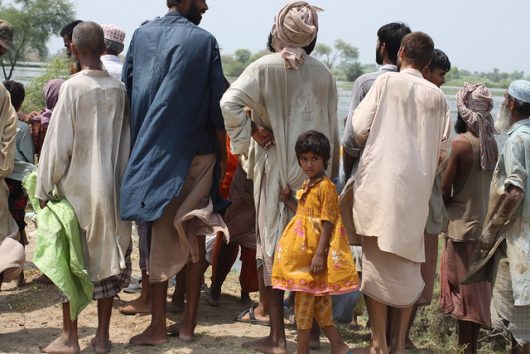
social gastronomy “Food should not only taste good but also do good for society.” With this motto, Gastromotiva has been helping people in conditions of vulnerability and social exclusion through something as simple as food. Since its foundation in 2006 by chef David Hertz, the Brazilian organization has impacted more than 100,000 people globally through education and social gastronomy initiatives.
How Gastromotiva is Helping Those in Need

According to an April 2018 report published by the World Bank, 50 percent of the Brazilian population between ages 19 and 25 is vulnerable to poverty. In this scenario, Gastromotiva uses the power of education, food and gastronomy as a social change agent. The organization acts on three main areas: education, social gastronomy and food waste reduction.

The first project created by Gastromotiva was vocational kitchen training, culinary classes offered for young low-income people at no charge. During the four-month intensive program, students learn not only technical skills but also concepts such as eco-gastronomy, food waste cooking and personal development. After graduating, they are presented with a variety of employment options at Gastromotiva partner restaurants. This way, students become multipliers and empower others by disseminating their knowledge about social gastronomy in their own communities. So far, 4,000 people have graduated.

In addition to the culinary classes, Gastromotiva also offers food entrepreneur classes and acts on the social gastronomy movement, a human-centered solution to generate opportunity, dignity and inclusion through food. The movement involves establishing partnerships with other organizations, gastronomic businesses, chefs and companies all over the world.

“Social gastronomy goes beyond one chef, one meal, one Michelin star,” explains David Hertz in a TED Talk. “When we are all connected we can feel love and respect and with food, we can transform millions of lives.”

Current Endeavors in Social Gastronomy

Most recently, Gastromotiva launched Reffetorio Gastromotiva, a restaurant school in Rio de Janeiro created by chefs Massimo Bottura, David Hertz and the journalist Ale Forbes, to fight food waste, malnutrition and social exclusion. At Reffetorio, chefs host workshops and gastronomy classes and also prepare 450 three-course meals for homeless people every night with food that would otherwise be wasted.

“We give these people not only quality food but also a moment of peace and dignity when they feel like human beings,” said Gastromotiva’s CEO Nicola Gryczka in an interview with The Borgen Project. Gastromotiva collaborates to achieve, until 2030, various Sustainable Development Goals defined by the United Nations, including no poverty, zero hunger, good health and well-being, quality education, decent work and economic growth, reduced inequalities and partnerships for the goals.

Looking Toward the Future

Besides Brazil, Gastromotiva is currently present in three other countries: Mexico (Mexico City), South Africa (Cape Town) and El Salvador (San Salvador). This year, the management team plans to expand the project to Colombia, Argentina and Turkey, where it will implement a program focused on refugees in partnership with World Food Programme.

Gryczka says that the organization is constantly looking for partners in different countries that can help spread the message of social gastronomy and minimize different global problems.

“Because it’s something that impacts all our lives, food is the easiest way to help people find solutions for social issues, such as hunger, poverty, malnutrition and unemployment,” she points out. This is what Gastromotiva means by “food should do good for society.”

– Júlia Ledur

Photo: Flickr

April 30, 2018
https://borgenproject.org/wp-content/uploads/borgen-project-logo.svg 0 0 Borgen Project https://borgenproject.org/wp-content/uploads/borgen-project-logo.svg Borgen Project2018-04-30 01:30:392024-12-13 17:58:44How Social Gastronomy is Helping Reduce Global Poverty
Food Security, Global Poverty

Addressing Food Security in Pakistan Through Policy Change

Last month, a new and improved version of the Pakistani National Food Security Policy was approved by the federal cabinet after years of development by the Ministry of National Food Security and Research. This is welcome news, as 60 percent of the population lacks food security in Pakistan. The new policy is already in the beginning stages of implementation throughout the country, and its goals are ambitious.
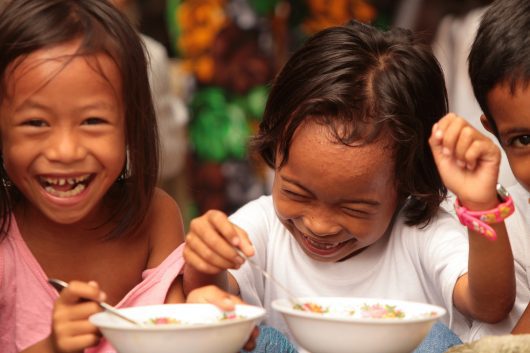
The ultimate objective of the new Pakistani National Food Security Policy is to raise the agriculture growth rate to 4 percent per year. Though 4 percent may seem like a minuscule number, it will be no small feat for the Pakistani government to accomplish. The agriculture growth rate has been relatively low over the past decade, averaging about 2.5 percent since 2008. Increasing that number will require a lot of changes to be made.

One issue brought up in the Pakistani National Food Security Policy is the lack of modern technology in the agriculture sector. According to the report, Pakistani farmers do not have access to machinery such as rice transplanters, vegetable planters, fruit pickers and other useful tools that would allow them to run their farms more efficiently and turn larger profits. To mitigate this problem, the new policy will reduce taxes on imports of farm machinery and create incentives for farmers willing to adopt newer technologies.

Another obstacle farmers are having to face is the increasing effects of climate change. Factors like drought and extreme weather fluctuations can have devastating impacts on crops and livestock and leave farmers with nothing to produce. One of the ways the Pakistani National Food Security Policy will attempt to alleviate the effects of this crisis is by investing in biotechnology and the genetic alteration of seeds to better resist drought and temperature changes. The policy will also promote crop insurance schemes and educate the public on which crops are more likely to survive in certain areas.

In addition, the new policy recognizes that many of the resources in Pakistan are not being utilized to their fullest potential. The country’s biggest crop is wheat, which is grown on 40 percent of Pakistan’s land and makes up more than 2 percent of the GDP by itself. However, there has been a global decline in wheat prices over the last few years and the government is thinking twice about having its entire economy rely on the success of one crop. Consequently, the Pakistani National Food Security Policy aims to focus more on cultivating fruits, vegetables, livestock, poultry and fisheries in the future.

Lastly, the policy addresses how unaffordable it has become for Pakistanis to purchase nutritious food. In response to this problem, the government hopes to devote more energy to continuing and creating programs dedicated to reducing poverty and hunger on the local level. Along with the strategies mentioned above to increase profits for farmers, this should be a great help with increasing food security in Pakistan.

It goes without saying that the Pakistani National Food Security Policy is an incredibly bold vision for the country, and it will require a lot of effort on the part of both farmers and the government. However, the fact that Pakistan is actively taking steps to eradicate food insecurity is a sign of hope for its millions of hungry citizens, and such a high goal may be exactly what the country needs.

– Maddi Roy

Photo: Flickr

April 23, 2018
https://borgenproject.org/wp-content/uploads/borgen-project-logo.svg 0 0 Borgen Project https://borgenproject.org/wp-content/uploads/borgen-project-logo.svg Borgen Project2018-04-23 01:30:052019-08-01 12:14:52Addressing Food Security in Pakistan Through Policy Change
Food & Hunger, Food Security, Global Poverty

What Is Famine?

What Is Famine
The only time many of us think of food is when we are hungry. Unfortunately, many countries like Ethiopia, Kenya, Nigeria, Somalia, Uganda, and Yemen are not afforded that opportunity due to many catastrophes that affect the growth of crops and other food sources. Thanks to the supergroup called United Support of Artists (USA) for Africa, circa 1985, famine became a global concern. Artists such as Michael Jackson, Lionel Richie, and Quincy Jones contributed to the charitable, Billboard-charting single We Are the World. Fast forward to over 30 years later, the following question is still a valid one: what is famine?

What is Famine?

Famine is not just food shortage. Chris Hufstader from OXFAM America states that it’s also a widespread food scarcity where poverty leads to malnutrition and death. Food scarcity is determined under a set of criteria and ranking called the Integrated Food Security Phase Classification (IPC). The IPC is a tracking system that monitors the availability of food in various countries for governments to foresee and become proactive to avoid a food crisis. The IPC is set up into five phases:

  • Food security: a state of having dependable access to food to maintain a balanced diet.
  • Food insecurity: when five to 10 percent of a population has limited access to food.
  • Acute food and livelihood crisis: a plight where there is 10 to 15 percent of a community that experiences a severe absence of food and the only way to reach nourishment is by selling necessary items.
  • Humanitarian emergency: when 15 to 30 percent of a population is at an extreme absence of food and countless people meet there demise because of it.
  • Famine: when 30 percent of a population experiences an absolute lack of food.

Origins of Famine

To know what is famine is to see the origin. Just like many things in life like war, slavery, and any form of injustice there is a cause and effect. According to Joel Mokyr of the Britannica, famine originated in the 19th century in Ireland. The cause of hunger stemmed from a consecutive year of potato crop failure due to an infestation that targets the leaves and roots of these plants. It was later called the Great Famine. The Great Famine was so severe it was given three alternate names: Irish Potato Famine, Great Irish Famine, or Famine of 1845-1849.

Although crop failure is one of many reasons to why famines occur, there are several reasons why scarcity exists. For instance, Joe Hasell and Max Roser from Our World in Data states that the lack of serviceable food markets to support and ensure reliable transportation of goods to aid malnourished countries is an issue. Without efficient shipping from the marketplace, support cannot be released. Also, inflation on prices in food markets leads to marginalizing poverty-stricken countries to afford the food sold. According to Hasell and Roser’s source from the Markets and Famines novel, Martin Ravallion, increase in prices stems from floods that transpired throughout the famine which developed a supply and demand. Panic buying and price speculation, however, contributed to the actual cause of food shortage.

Solutions Exist

Understanding famine, the history, and the causes of this travesty leads to many solutions that can ensure that no one goes unfed. WeFarm CEO and Founder, Kenny Ewan, presents one such solution in providing farmers worldwide with the necessary communication for success. Programs like this begin to counteract every potential food scare and prohibit further damage to populations.

– Christopher Shipman

Photo: Flickr

April 15, 2018
https://borgenproject.org/wp-content/uploads/borgen-project-logo.svg 0 0 Borgen Project https://borgenproject.org/wp-content/uploads/borgen-project-logo.svg Borgen Project2018-04-15 10:30:092024-06-06 00:07:56What Is Famine?
Page 14 of 31«‹1213141516›»

Get Smarter

  • Global Poverty 101
  • Global Poverty… The Good News
  • Global Poverty & U.S. Jobs
  • Global Poverty and National Security
  • Innovative Solutions to Poverty
  • Global Poverty & Aid FAQ’s
Search Search

Take Action

  • Call Congress
  • Email Congress
  • Donate
  • 30 Ways to Help
  • Volunteer Ops
  • Internships
  • Courses & Certificates
  • The Podcast
Borgen Project

“The Borgen Project is an incredible nonprofit organization that is addressing poverty and hunger and working towards ending them.”

-The Huffington Post

Inside The Borgen Project

  • Contact
  • About
  • Financials
  • President
  • Board of Directors
  • Board of Advisors

International Links

  • UK Email Parliament
  • UK Donate
  • Canada Email Parliament

Get Smarter

  • Global Poverty 101
  • Global Poverty… The Good News
  • Global Poverty & U.S. Jobs
  • Global Poverty and National Security
  • Innovative Solutions to Poverty
  • Global Poverty & Aid FAQ’s

Ways to Help

  • Call Congress
  • Email Congress
  • Donate
  • 30 Ways to Help
  • Volunteer Ops
  • Internships
  • Courses & Certificates
  • The Podcast
Scroll to top Scroll to top Scroll to top