• Link to X
  • Link to Facebook
  • Link to Instagram
  • Link to TikTok
  • Link to Youtube
  • About
    • About Us
      • President
      • Board of Directors
      • Board of Advisors
      • Financials
      • Our Methodology
      • Success Tracker
      • Contact
  • Act Now
    • 30 Ways to Help
      • Email Congress
      • Call Congress
      • Volunteer
      • Courses & Certificates
      • Be a Donor
    • Internships
      • In-Office Internships
      • Remote Internships
    • Legislation
      • Politics 101
  • The Blog
  • The Podcast
  • Magazine
  • Donate
  • Click to open the search input field Click to open the search input field Search
  • Menu Menu

Archive for category: Food Security

Information and stories about food security news.

Food & Hunger, Food Security, Global Poverty, Hunger, Water

Protect Drought Vital to End Hunger in Uganda

Hunger in UgandaLocated between South Sudan and the Democratic Republic of Congo, while also struggling against the Lord’s Resistance Army, hunger in Uganda is a major issue that the country, as well as 800,000 refugees, are facing every day. Uganda as a whole produces more food than it consumes, but because of the prevalence of poverty in the country, many of its 39 million people cannot afford to buy all of the food they need.

Only 4 percent of households in Uganda have had food security over the past six years. This is related to the food shortages and destitute diets that have also come from dealing with climate change, urbanization, the inconsistencies of Ugandan policies and poor public financing.

Hunger in Uganda has also been caused by the lack of water. A growing population has led to stresses on water and sanitation services. 24 million people in rural areas do not have access to water, which has increased the incidence of water-related diseases such as diarrhea and dysentery. Each week, 30,000 deaths are caused by unsafe water.

The lack of food has led to malnutrition among children, including refugees. It has been estimated that 33 percent of children under five are enduring chronic undernourishment and stunted growth. Only one in three children actually have food to eat during the day, while stunting affects 29 percent of children and rises to 40 percent in certain areas and among refugees.

Organizations like Action Against Hunger have made efforts to help Uganda. They focus on nutrition, health and care practices, and have helped 148,420 people. They have been able to reach some of the most vulnerable children in refugee settlements and treat life-threatening malnutrition. Action Against Hunger has helped strengthen the local capacity while training locals to be able to provide treatment. They have plans to help prevent malnutrition as well as to gather more information on malnutrition in order to prevent it in the future.

The World Food Programme also helps Uganda by providing cash and food assistance to people in need. They have also set up the “cash/food-for-work” program to ensure there is food during the lean seasons. This program helps communities build tree farms, orchards, irrigation systems, water ponds and dams to help them better endure droughts.

While the poverty rate in Uganda has declined from 31 to 19.7 percent, the fact that the population is still growing means that the number of poor people has not decreased. To combat this, the work the aforementioned groups are doing is vital to help Ugandans become self-sufficient in growing food and end hunger in Uganda.

– Chavez Spicer

Photo: Flickr
November 5, 2017
https://borgenproject.org/wp-content/uploads/borgen-project-logo.svg 0 0 Kim Thelwell https://borgenproject.org/wp-content/uploads/borgen-project-logo.svg Kim Thelwell2017-11-05 07:30:342024-05-29 22:27:40Protect Drought Vital to End Hunger in Uganda
Food Security

US Helps Fight Food Insecurity in the Central African Republic

Food Insecurity in the Central African RepublicOn July 19, 2017, the United Nations World Food Programme announced that it would donate $11 million, which was contributed by the United States government, in order to help feed approximately 500,000 people in the Central African Republic. The country has experienced many hunger-related problems which makes this donation a positive first step to begin combatting food insecurity in the Central African Republic.
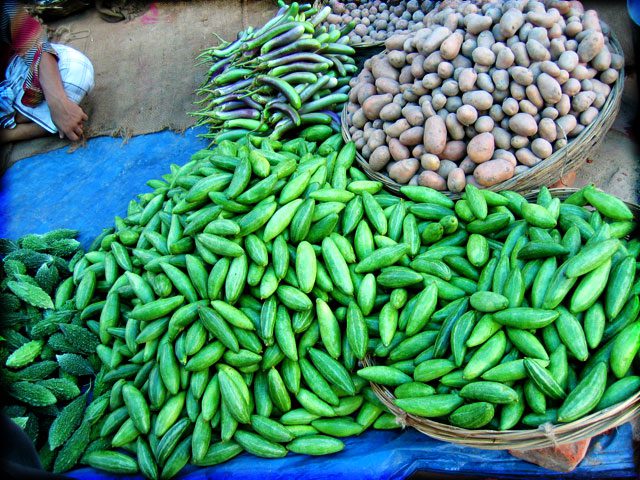
It was reported that the 500,000 people being assisted by the World Food Programme will include displaced people, refugees and students. These groups are considered to be the most disadvantaged groups in the country.

The donation will partly help fund meals in schools in order to help students achieve their educational goals more efficiently and effectively. The relationship between academic success and hunger has been widely studied, and it is often reported that students tend to perform worse in school when they are hungry.

For instance, according to the Global Citizen, it is important that students eat healthy meals in order to succeed, because the brain needs energy to understand information and solve problems. Thus, the World Food Programme’s donation to the Central African Republic will help students focus better on their studies in order to learn the skills that are necessary to thrive as adults.

Furthermore, the Central African Republic has experienced a lot of political instability throughout its history. According to the World Food Programme, “the Central African Republic has the second-to-lowest level of human development in the world.” Many of the people that have been displaced throughout the country have been affected by the violence that has been incited by various rebel groups. Furthermore, there are heightened religious tensions between such groups, which has caused approximately 600,000 people to be displaced.

However, the government of the United States is making an important effort to assist the most disadvantaged groups through the World Food Programme so that food insecurity in the Central African Republic will be addressed and solved. Then, perhaps, other issues can be solved, too.

– Emily Santora

Photo: Flickr

November 4, 2017
https://borgenproject.org/wp-content/uploads/borgen-project-logo.svg 0 0 Borgen Project https://borgenproject.org/wp-content/uploads/borgen-project-logo.svg Borgen Project2017-11-04 01:30:392019-12-29 17:57:54US Helps Fight Food Insecurity in the Central African Republic
Food & Hunger, Food Security, Global Poverty

Pumpkins as a Solution to Poverty in Bangladesh and Uganda

Pumpkins

Every year, the citizens of Bangladesh have to contend with monsoon season, a cool, rainy period that usually lasts from June until October. Most parts of the country get at least 2000 millimeters of rain per year, and 80 percent of that falls during monsoon season. Northeastern Bangladesh is typically hit hardest, sometimes receiving over 4000 millimeters per year.

The heavy rains bring another problem: flooding. When rivers flood, they destroy both crops and nutrient-rich topsoil. As flood waters recede, they often leave behind large quantities of sand and silt, which reduces the availability of arable land.

The United States Agency for International Development (USAID) blames this problem in part for Bangladesh’s malnutrition epidemic. According to USAID, 25 percent of Bangladeshis remain food insecure, and women and children are affected most. Of children under five, 16 percent are acutely malnourished and 41 percent have stunted growth.

But one organization believes it has found a solution. Practical Action, an international NGO that uses technology to alleviate poverty in developing countries, has spent several years experimenting with various “sandbar cropping” techniques in Bangladesh. Their solution? Pumpkins.

Practical Action’s tried-and-true technique for farming pumpkins in the sand is to dig a pit in the sand and fill it with compost and a dozen pumpkin seeds. The pumpkins can grow and be harvested before monsoon season rolls around again.

Pumpkins provide a variety of health and logistical benefits. They can store for a year, providing a stable, reliable source of food. They are also a good source of Vitamin A, a nutrient often lacking in Bangladeshi diets. And in a nation where rivers often change course during monsoons and farmers thus lose their land, sandbar cropping provides more security.

This is why Practical Action started Pumpkins Against Poverty, a project to train 50,000 Bangladeshis with no land of their own to grow up to 600 pumpkins a year. Participants can use the extra income generated by selling the crop to buy livestock or send their children to school. The project will last until March 2018 and has the potential to be replicated nationwide.

Bangladesh is far from the only country to realize the value in farming pumpkins as a solution to poverty. Uganda has also embraced the crop as a profitable, nutritious foodstuff. Pumpkin varieties in Uganda are numerous and include Sweet Cream, Bala, Dulu, Onziga, Sunfish, Anderina and Sugar Pie, among others.

Fatuma Namatosi, founder of Ugandan agribusiness firm Byeffe Foods Company Ltd., decided to center her business on pumpkins, citing them as her favorite crop. The company makes pumpkin porridge, which is popular among children and gives them a vital nutrition boost. Byeffe also helps teach young Ugandans agricultural entrepreneurial skills and creates jobs in the field that employ thousands of young people.

Namatosi founded Byeffe in 2015. Since then, she says, “I’ve provided more accessible and nutritious food options to communities across Uganda, created a variety of agricultural jobs that generate income for families, and empowered more people like me, especially young women, to create their own path in the agriculture industry.” All that progress comes down to pumpkins.

– Chuck Hasenauer

Photo: Flickr

November 3, 2017
https://borgenproject.org/wp-content/uploads/borgen-project-logo.svg 0 0 Borgen Project https://borgenproject.org/wp-content/uploads/borgen-project-logo.svg Borgen Project2017-11-03 07:30:382024-05-29 22:29:00Pumpkins as a Solution to Poverty in Bangladesh and Uganda
Economy, Food Security, Global Poverty

African Development Bank Group’s Global Strategies

African Development Bank Group's Global StrategiesA large part of poverty strategies is implementing some kind of spur in economic growth. This kick-start can be a gateway to social and economic reform in some of the poorest countries in the world, eventually leading to self-sustainability. The African Development Bank Group has made it their mission to place poverty reduction back into the hands of Africans and to create a stimulus that can enable the extremely poor in reducing their poverty scores.
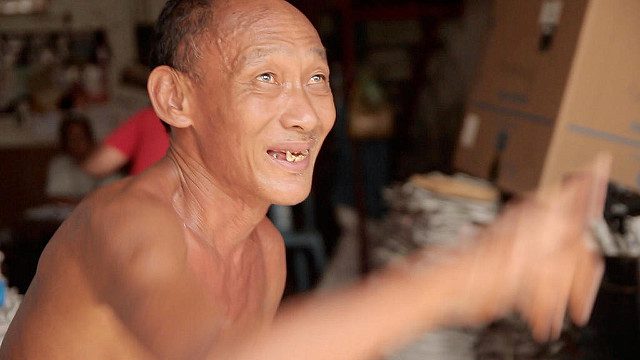
The African Development Bank Group was born out of three different economic groups in Africa. It has set a plan that began in 2013, targeted to reach major benchmarks by 2022. The group has recognized that Africa has begun a transformative journey and progressed greatly over the last decade, yet this progress remains markedly uneven in some areas of the continent. This particular organization relies on a few major objectives to help lift regional member countries out of poverty, while staying congruent with ideals and values. The group first aids by mobilizing and allocating a country’s resources, then provides advice and guidance on technical aspects for development efforts. The African Development Bank Group has also laid out 17 sustainable development goals in order to achieve its mission. These goals include food security measures, sanitation, healthcare, sustainable energy use and procurement, social equality across gender and age gaps, economic growth and stability and ecological preservation plans.

The holistic approach to poverty reduction through economic growth and sustainability is what sets apart the African Development Bank Group. While taking advantage of models such as the World Bank and Multilateral Development Banks, The African Development Bank Group is able to remain primarily domestically-reliant and position itself in such a way as to gain more traction as the 2022 goal nears. Balance sheet optimizations have been a key focus in doing so, as projects continue to be carried out in both the private and public sectors through multilateral funds involving developed countries. The group’s procurement procedures – unlike other bank methods – involve strict standards. These include investments in member countries whose approval processes ensure that procurements are in line with the values and mission of The African Development Bank Group.

– Casey Hess

Photo: Flickr

October 29, 2017
https://borgenproject.org/wp-content/uploads/borgen-project-logo.svg 0 0 Kim Thelwell https://borgenproject.org/wp-content/uploads/borgen-project-logo.svg Kim Thelwell2017-10-29 01:30:442019-12-31 13:03:54African Development Bank Group’s Global Strategies
Children, Food Security, Global Poverty, Hunger, Women

Hunger in Malaysia on the Decline

Hunger in MalaysiaMalaysia has shown remarkable economic progress over the past several decades, with poverty falling from 49.3 percent in 1970 to 23 percent in 1989 and 1.7 percent in 2012. One of the key aspects of the New Economic Policy adopted by Malaysia was creating a “Pro-Poor” policy. According to the World Bank, “the NEP contributed to poverty reduction and helped provide opportunities to poor households.”
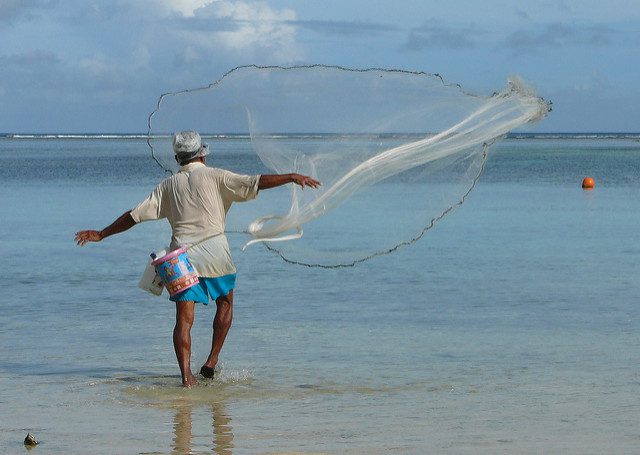
However, Malaysia’s Poverty Line Income differs from the standard $1 USD per day (purchasing power parity) poverty line. When converting to international standards, it results in Malaysia having a higher poverty rate.

There has never been a problem of chronic hunger in Malaysia. Many nutrition programs have been incorporated into the rural development programs and have proved successful. According to the World Health Organization, consumption of fewer than 1,960 calories a day is a mark of food poverty. A great indicator of successful eradication of hunger in Malaysia lies in the fact that its daily per capita intake of calories has been consistently above the standard mark. The average was 2,969 in 1999.

The government introduced the Applied Food and Nutrition Programme in 1972 to improve nutrition and alleviate hunger in Malaysia. It aimed to increase the production of nutritious foods and promote supplementary feeding of pregnant and lactating mothers as well as infants and school-going children.

The Nutrition Rehabilitation Programme started in 1989, focusing on malnourished children. Food baskets containing nutritional supplements are distributed to such children on a monthly basis.

The results have been very positive. Only 1 percent of Malaysia’s children under the age of five are severely underweight, while the proportion of moderate underweight malnutrition has declined from 25 percent in the early 1990s to 12 percent in 2001.

Malaysia has overcome poverty through an inclusive approach to growth and equity. But there are still vulnerable groups, like single female-headed households and the elderly. Also, many Orang Asli still face extreme poverty. To move forward, a new consensus has to be built around a poverty line that is more balanced in line with international standards, as was suggested by the UNDP.

– Tripti Sinha

Photo: Flickr

October 27, 2017
https://borgenproject.org/wp-content/uploads/borgen-project-logo.svg 0 0 Kim Thelwell https://borgenproject.org/wp-content/uploads/borgen-project-logo.svg Kim Thelwell2017-10-27 07:30:482024-06-05 02:36:40Hunger in Malaysia on the Decline
Food Security, Global Poverty, Hunger

Free School Meals Alleviating Hunger in Guam

Hunger in GuamGuam is a small island and a U.S. territory located southeast of Japan with a small population of about 163,000 people. Because of the small population, hunger in Guam has a much higher impact. Thankfully, things are looking up for Guam as rising employment rates and school programs are helping the hunger situation in Guam.

One of the more impactful programs in Guam that is fighting the hunger situation is that all 26 elementary schools in Guam serve meals for free. This free meal plan is provided through the federally funded Community Eligibility Provision grant that is provided by the U.S. Department of Agriculture.

This program feeds elementary students so they are focused and ready to participate in classes by giving them the nutrition they need. Some middle and high schools are also participating in the free meal program. The First Lady of Guam, Christine Calvo, wants to stamp out child hunger in Guam by expanding this program to all schools.

With unemployment, food insecurity becomes an issue. Food insecurity is when people are without reliable access to affordable or nutritious food. Unfortunately, people need to spend money to eat, and if people are unemployed, they cannot do so.

However, Guam has decreased its unemployment rate quite drastically. From June 2015 to June 2016, the unemployment rate in Guam dropped from 8.7 percent to 3.9 percent, a 55 percent decrease in unemployment. Because of this decrease, food insecurity has become less of an issue and more people know where their next meal is coming from.

Although hunger in Guam used to be a major issue, solutions are being implemented to help those in the country. Implementing free meal programs in schools and decreasing unemployment are important steps to alleviating hunger in Guam. If the free meal program expands to all schools and the unemployment rate continues to drop, hunger could become a thing of the past for the people of Guam.

– Daniel Borjas

Photo: Flickr

October 26, 2017
https://borgenproject.org/wp-content/uploads/borgen-project-logo.svg 0 0 Kim Thelwell https://borgenproject.org/wp-content/uploads/borgen-project-logo.svg Kim Thelwell2017-10-26 07:30:102024-05-28 00:02:09Free School Meals Alleviating Hunger in Guam
Food Security, Global Poverty, Migration

Migration and Poverty: An Overview

Migration and PovertyThe relationship between migration and poverty may seem a little far fetched. From a general perspective, the two ideas seem disparate. An immigration/emigration officer for deals with people moving from one country to another (sometimes across entire continents). Alternately, poverty (and the alleviation thereof) deals with providing food, water and shelter. However, the two are not just intertwined; poverty is often the causative agent for migration.
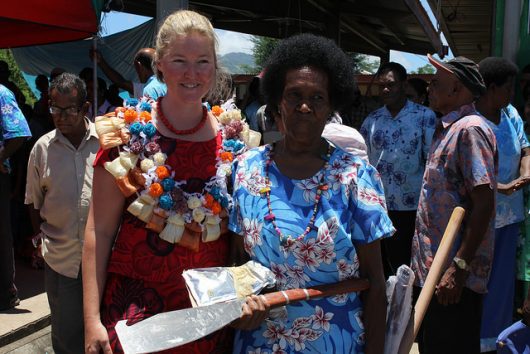
The history of human migration and poverty starts at the very dawn of humankind, when our ancestors have still lived in Africa. Back then, early humans did not have the technologies that we have today, such as a writing system or mathematics.

Why is this important? It’s important because back then, human tribes already knew (at some primitive level at least) that in order to find a location with better resources, they needed to move to somewhere else. Consequently, humans have spread (and adapted) to all corners of the planet.

Even today, people generally migrate in order to have better access to resources, be they food or work opportunities. For people living in poverty, such as migrants from Ireland during the potato crisis, it was food. For people who are not direly poor, such as academic migrants, they migrate in order to find academic or employment resources.

But then, one can ask: does migration benefit everyone? Surely, once all the land has been populated and with the academic job market being ferocious, there should be no migration? Well, unfortunately, the topic is infinitely more complex than that.

Thousands of years ago, the only useful resource was food. Nowadays, “wealth” is a complex term that encapsulates a variety of resources: food, money, familial relationships, job prospects, culture and so on.

Some people leave countries because they don’t like their culture, (Switzerland was once described as a prison) because of familial relationships, (U.S. Americans moving across the country to be with family) or for job prospects (Poles moving to the U.K.). Because these migrations have been going on for literally thousands of years, we now live in a world where everyone has traces of multiple ethnicities.

Immigration and emigration has provided individuals with the ability to gain important skills and responsibilities in different communities. Additionally, population movement can help thousands find safer homes. Consequently, mindlessly stopping migration from happening can prevent these individuals from not only rising up in life, but also from achieving basic safety and survival. In fact, MarketWatch recently posted an article explaining why the U.S. still needs immigrants.

This is why migration and poverty are connected closely to one another. Foreign policy should definitely consider this relationship when discussing poverty reduction. The problem of migration cannot be halted by scribbling a few laws in place. However, with the alleviation of poverty, fewer people will find the need to emigrate for reasons of survival and resource necessity.

– Michal Burgunder

Photo: Flickr

October 9, 2017
https://borgenproject.org/wp-content/uploads/borgen-project-logo.svg 0 0 Borgen Project https://borgenproject.org/wp-content/uploads/borgen-project-logo.svg Borgen Project2017-10-09 07:30:402024-12-13 17:58:29Migration and Poverty: An Overview
Food & Hunger, Food Security, Global Poverty

How To Help People In Fiji Affected By Major Cyclones

how to help people in FijiIn 2016, Cyclone Winston, the most powerful tropical storm on record in the southern hemisphere, ripped through the island of Fiji. Winston killed 44 people, destroyed 30,000 homes, and caused nearly $200 million in damages. Later that same year, Cyclone Zena caused significant flooding and damage to Fiji as well. Much of the country’s formerly well-developed infrastructure was damaged by these two storms, and efforts to find out how to help people in Fiji must be continued.
Before the devastation of the double cyclones, there was a good deal of work being done in Fiji to help impoverished communities on the islands. One of the most prominent groups doing this work was HELP International. Projects HELP committed to included anti-drug activism, financial responsibility courses and a multitude of physical education classes for children, especially those with disabilities. However, while only 40 percent of the population was directly affected by Winston and Zena, the most pressing issues remain the assistance and rehabilitation of the islands most dramatically impacted by the tropical storms.

The Food and Agriculture Organization (FAO) of the United Nations is one of the most prominent groups working on how to help people in Fiji. In terms of immediate response, the FAO distributed 90,000 packets of seeds and more than 500,000 fresh planting materials in order to combat food insecurity.

Despite these encouraging signs, there is still much to be done a year after the cyclones devastated the islands. If you are trying to find out how to help people in Fiji, the Fijian government has established a plan to work the islands back to functionality, but foreign aid and investment will be needed.

A program called “Adopt a School” has been started by the Fijian government, with the express purpose of allowing concerned groups to establish and rebuild damaged schools. The “Help for Homes” initiative is a program partially funded by the government in an attempt to subsidize the rebuilding of homes for those who lost them in Winston and Zena.

However, the government is short roughly $97 million, and is relying on donors to fill the gap. The sugar industry, devastated by the storms, is facing similar rebuilding problems and requires similar levels of assistance. Though we cannot forget those affected here in the United States by Irma and Harvey, aid to those whose lives were destroyed by other storms in other countries should not be kept from all who need it.

– Connor S. Keowen

Photo: Flickr

October 9, 2017
https://borgenproject.org/wp-content/uploads/borgen-project-logo.svg 0 0 Kim Thelwell https://borgenproject.org/wp-content/uploads/borgen-project-logo.svg Kim Thelwell2017-10-09 07:30:282024-06-07 05:07:45How To Help People In Fiji Affected By Major Cyclones
Economy, Food Security, Global Poverty

USAID Helping People in Qatar

How to Help People in Qatar

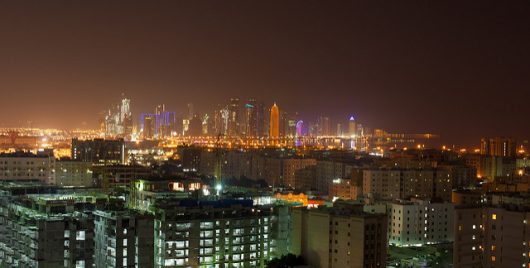
Qatar is a nation of extreme economic stratification between rich and poor. An oil rich gulf state, Qatar’s economy is booming, with its GDP reaching a soaring $329.2 billion in 2016 – making Qatar the wealthiest Arab state. Despite this title, there are still unfortunately a large number of people living in poverty here. In this climate of extreme inequality, the question of how to help people in Qatar remains of vital importance.

This economic growth is coupled with a massive population spike, due to the influx of migrant workers needed to sustain the economic growth of the country. Migrant workers are estimated to comprise about 90 percent of the Qatari population, with nearly 60 percent living in what the Qatari monarchy officially calls “labour camps.”

This influx of migrant workers has been further exacerbated by the construction for the upcoming 2022 FIFA World Cup. Human rights groups have long condemned the working conditions of migrant workers in Qatar. Under the kafala labor sponsorship system, workers are dependent on their employers for their visas, living accommodation and even permission to enter or exit the country. Amnesty International has deemed labor conditions as “squalid and cramped,” while the International Labor Organization is launching investigations into the labor camps and systems surrounding the construction of World Cup infrastructure.

Qatar is an absolute monarchy, ruled by Emir Sheikh Tamim bin Hamad bin Khalifa Al-Thani. As an official ally of the U.S., diplomats from the U.S. have unique access to the small faction of the Qatari population that maintains control over the political and economic realities that the poor face. It is crucial that the U.S. uses its influence to advocate for the outrageous treatment of migrant workers, on whose backs the immense wealth and economic growth of Qatar is built.

USAID has already begun to answer the question of how to help people in Qatar, and are still working to implement a Memorandum of Understanding (MOU) regarding Cooperation to Enhance Global Food Security, signed in 2011. Dr. Rajiv Shah, then the administrator of USAID, signed the MOU, saying, “Both the United States and Qatar see food security as a development issue that must be addressed comprehensively and creatively.”

It is critical to the health and well-being of the impoverished Qatari workers that these goals be pursued. Moreover, resources must continue to flow to organizations such as USAID, which work to pressure the Qatari monarchy to provide a social safety net and adequate human rights for its subjects.

– Jeffery Harrell
Photo: Flickr

October 8, 2017
https://borgenproject.org/wp-content/uploads/borgen-project-logo.svg 0 0 Kim Thelwell https://borgenproject.org/wp-content/uploads/borgen-project-logo.svg Kim Thelwell2017-10-08 01:30:022024-05-29 22:27:31USAID Helping People in Qatar
Food Security, Global Poverty

How to Help People in Senegal

How to Help People in SenegalSenegal is a West African nation on the coast of the Atlantic Ocean. To give an idea of its size, Senegal is slightly smaller than South Dakota in terms of square miles. The population is about 14 million people. Like other African nations, Senegal is considered a developing nation. This means that the country experiences problems that other more developed nations do not face, like a lack of resources such as food and clean water. Food is especially a problem in underdeveloped countries, and Senegal is no exception. If you want to know how to help people in Senegal, nutrition and food security are excellent places to start, and can ultimately save lives.

Good indicators of a nation’s issues with sufficient food are obesity as well as underweight statistics, especially for underweight children. According to the CIA World Factbook, Senegal has an obesity rate of 8.3 percent as of 2014. Among other nations, this ranks them close to the bottom, at 145 out of 191 nations. The percentage of children below age 5 that are underweight is 12.8 percent, putting them close to the top of nations with underweight children (based on percentage).

One organization dedicated to fighting hunger in Senegal is Caritas Internationalis. Caritas is a group that was created to reach out to the poor of the world, regardless of race or religion, and to assist those in need when a disaster strikes. Caritas, inspired by the Catholic church, seeks to take on extreme poverty through the grassroots method, putting people on the ground in impoverished communities in order to lend a direct helping hand.

For Senegal itself, Caritas is “launching an emergency project” to help families that are in urgent need of care. Due to bad harvests, natural disasters and a dramatic rise in food prices, poor families have experienced the harshness of poverty even more severely, which means even less food. One out of five households in Senegal are going hungry.

Caritas seeks to help the Senegalese by providing food, such as rice, millet and oil, to over 1,000 families for at least three months. Their goal is to have these families eating three meals a day. There are also cereal banks throughout Senegal, providing 600 families with regular access to food. There are many other projects as well, including projects to ensure that farmers have proper amounts of seeds and tools.

For the person looking for how to help people in Senegal, helping Caritas might be a great way to assist those in need. One way to help this organization is by donating. Caritas has a very old-fashioned sort of charm, and also operates using older methods (being an organization that has existed for over a hundred years); this means that donating to them is not done directly through the computer. To give to Caritas, a check can be mailed to their headquarters, or you can make a direct transfer through a bank account.

If you are looking to go a little further in helping, Caritas also take volunteers from all over the world, especially those willing to help when disaster strikes. Discover where they work and contact them in regards to volunteering.

Of course, another great way to help can be found on the Borgen Project website, and is perhaps one of the simplest ways of all to help the impoverished. Calling Congress can get bills passed that allocate large amounts of funding to helping the poor and hungry of the world looked at by leaders.

Every call made about an issue gets tallied up by the interns who answer the phone and shown to the representative or senator. All that needs to be said is, “Hello, I’m a Borgen Project supporter and I support protecting the International Affairs Budget,” or whatever bill you choose to support (a list can be found in the link). And that’s the whole phone call. It can be done in an easy 30-second call, and becomes even more effective when one gets their family and friends to do it as well.

– Stephen Praytor

Photo: Flickr

October 5, 2017
https://borgenproject.org/wp-content/uploads/borgen-project-logo.svg 0 0 Kim Thelwell https://borgenproject.org/wp-content/uploads/borgen-project-logo.svg Kim Thelwell2017-10-05 07:30:442024-05-24 23:55:23How to Help People in Senegal
Page 16 of 31«‹1415161718›»

Get Smarter

  • Global Poverty 101
  • Global Poverty… The Good News
  • Global Poverty & U.S. Jobs
  • Global Poverty and National Security
  • Innovative Solutions to Poverty
  • Global Poverty & Aid FAQ’s
Search Search

Take Action

  • Call Congress
  • Email Congress
  • Donate
  • 30 Ways to Help
  • Volunteer Ops
  • Internships
  • Courses & Certificates
  • The Podcast
Borgen Project

“The Borgen Project is an incredible nonprofit organization that is addressing poverty and hunger and working towards ending them.”

-The Huffington Post

Inside The Borgen Project

  • Contact
  • About
  • Financials
  • President
  • Board of Directors
  • Board of Advisors

International Links

  • UK Email Parliament
  • UK Donate
  • Canada Email Parliament

Get Smarter

  • Global Poverty 101
  • Global Poverty… The Good News
  • Global Poverty & U.S. Jobs
  • Global Poverty and National Security
  • Innovative Solutions to Poverty
  • Global Poverty & Aid FAQ’s

Ways to Help

  • Call Congress
  • Email Congress
  • Donate
  • 30 Ways to Help
  • Volunteer Ops
  • Internships
  • Courses & Certificates
  • The Podcast
Scroll to top Scroll to top Scroll to top