• Link to X
  • Link to Facebook
  • Link to Instagram
  • Link to TikTok
  • Link to Youtube
  • About
    • About Us
      • President
      • Board of Directors
      • Board of Advisors
      • Financials
      • Our Methodology
      • Success Tracker
      • Contact
  • Act Now
    • 30 Ways to Help
      • Email Congress
      • Call Congress
      • Volunteer
      • Courses & Certificates
      • Be a Donor
    • Internships
      • In-Office Internships
      • Remote Internships
    • Legislation
      • Politics 101
  • The Blog
  • The Podcast
  • Magazine
  • Donate
  • Click to open the search input field Click to open the search input field Search
  • Menu Menu

Archive for category: Developing Countries

Information and stories about developing countries.

Developing Countries, Global Poverty

Practical Solutions in Averting Financial Crises in Developing Nations

Financial Crises in Developing Nations
Financial crises in developing nations have been an uncomfortably common occurrence. This presence has necessitated a guide for avoiding such debilitating economic events. Corruption and the impact of exchange rates are often the culprits of fiscal destabilization, and poor monetary choices, and often result in hyperinflation and tremendous harm. There are some practical antidotes, though, for addressing concerns to assist low-income nations in averting financial ruin.

The Cost of Corruption

There is an important relationship between corruption, foreign direct investment and domestic lending. The impact is pretty simple: corruption makes a nation’s potential FDI benefactors run for the hills, and leaves the riskier practice of bank lending as the primary mechanism for new capital. This occurs because foreign investors have few assurances that they could successfully operate in an opaque environment with weak property rights (as an example).

Corruption does more to dissuade FDI than exorbitant tax rates and other poor conditions, according to some analyses. State-owned banks accentuate the issues caused by relying on lending for capital investment because many engage in dubious lending practices like “connected lending” – a convenient euphemism for nepotistic banking. As a result, banks often disregard the imperative to issue economically sound loans.

To remedy these concerns, one suggestion is the foreign ownership of banks, as they mimic the effects of FDI by pairing capital with better technology and managerial experience, along with a better regulatory apparatus.

Rates of Exchange

Another pertinent issue regarding financial crises in developing nations is exchange rates. Fixed but adjustable exchange rates have historically exacerbated financial turmoil because they were seen as more stable than they actually were. Additionally, in the case of large foreign currency debts during a recession, lowering interests rates to stimulate the economy would force out FDI and further hurt the currency.

Instead, managed-floating currencies help stability because they afford greater awareness of the volatility of exchange rates, thereby promoting more prudent investments.

Printing Problems

Many financial crises in developing nations are triggered by hyperinflation, which is typically defined as sustained inflation rates of over 50 percent. When governments get into trouble with debtors, they often are forced to print money to afford their loans. This increases prices dramatically, making ordinary products unaffordable.

Many countries dependent on oil revenues have fallen victim to the affliction of hyperinflation. When oil prices surge, they increase their budgets accordingly; but, when the price of oil craters, they are often left with bloated budgets and cannot pay back their debts without resorting to a printing spree.

To insulate them from this, experts suggest establishing an independent central bank which would not print excess money to bail out imprudent spending. Although poor nations have historically been susceptible to financial crisis, there are practical solutions they can adopt to guard against them and usher in greater financial stability.

– Brendan Wade

Photo: Flickr

April 27, 2018
https://borgenproject.org/wp-content/uploads/borgen-project-logo.svg 0 0 Borgen Project https://borgenproject.org/wp-content/uploads/borgen-project-logo.svg Borgen Project2018-04-27 01:30:072019-11-03 18:38:31Practical Solutions in Averting Financial Crises in Developing Nations
Developing Countries, Global Poverty, Technology

The Emergence of Mobile Apps in Developing Countries

mobile apps in developing countries
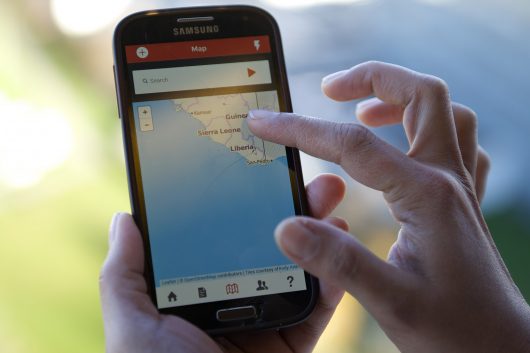
In the last 10 years alone, the number of mobile phone users has grown to four billion, with 37 percent of that growth occurring in developing economies. With internet availability expected to reach even the least developed nations in the next couple of years, a rapidly growing market for mobile apps in developing countries will likely expand even more.

Why is This the Trend?

In areas of Asia and Africa, one can buy a smartphone for the equivalent of $30. Simply put, mobile technology is the most convenient and cheapest technology option available for developing countries.

This convenience is one reason why the biggest market growth is seen in three main regions:

  1. Latin America, where smartphone adoption has seen double-digit growth and mobile banking gives financial access to those who might not ordinarily have it.
  2. South Asia, where in places like Vietnam, the number of Internet users has grown from four million to 45 million in just the last 10 years.
  3. The Middle East and North Africa, where, in Egypt alone, downloads of tool and messaging apps rose 60 percent in a year.

What Are the Uses for Mobile Apps in Developing Countries?

Whether it is to increase food production, access health information, launch a startup or improve education, a new reliance on mobile apps in developing countries transforms the way nations grow. While access to education is not a given in developing countries, the concept and means of education are shifting.

Four of the five top countries for educational app downloads are India, South Africa, Kenya and Nigeria. A large reason for this is that 50 percent of South Asians and 33 percent of Africans who finish school still cannot read, and 60 percent of six- to 14-year-olds in India cannot read at a second-grade level.

Mobile Apps are Facilitating Needed Change

For farmers who seek to increase food production, change is especially welcome. For practical purposes, apps like iCow allow livestock farmers in Kenya to track gestational periods for their animals, find veterinarians and monitor best practices. An app called Esoko disseminates information to farmers about market prices, weather forecasts and advisory services. Yet another popular app, WeFarm, offers a peer-to-peer platform for farmers to share information among themselves, with or without Internet access.

Beyond the fields and the classroom, popular mobile apps in developing countries range from banking apps like M-PESA, which allows for the transfer of funds over text message, to Voto Mobile, voice-based services in local languages. These programs have been rolled out in countries like Ghana, Nigeria, Uganda and India.

In India, as with much of the developing world, access to good healthcare is also a concern. With over 60 million people in the country with type two diabetes and 36 million living with Hepatitis B, its people look to take advantage of the over 100,000 healthcare apps that already exist.

Never has technology been so accessible, yet never has the need for technology been so dire. With the myriad issues that arise because of extreme poverty, mobile technology gives rise to a new hope for developing nations.

– Daniel Staesser

Photo: Flickr

April 13, 2018
https://borgenproject.org/wp-content/uploads/borgen-project-logo.svg 0 0 Borgen Project https://borgenproject.org/wp-content/uploads/borgen-project-logo.svg Borgen Project2018-04-13 07:30:162024-05-29 22:42:01The Emergence of Mobile Apps in Developing Countries
Developing Countries, Global Health, Global Poverty

Methods in Addressing Mental Health Disorders in Asia

Addressing Mental Health Disorders in Asia
We all face stress and mental anguish; these emotions are experienced by both the rich and the poor. The only difference is the rich tend to possess the means for coping and addressing mental health disorders. People who experience mental illness often remain adrift in social stigma and thus excluded from revenue-generating incomes. This vicious cycle — Poverty -> Social Causation -> Mental Illness -> Social Drift — also excludes these people from access to healthcare.

How Does Stress Lead to Mental Disorders?

But biologically speaking, how exactly does stress lead to mental disorders? Constantly worrying over where to find food or a place to sleep results in a heightened production of stress hormones called cortisol.

High levels of cortisol for extended periods can affect the brain down to the genetic level. It can increase the level of neural connections of the amygdala, or the “fear center.” This increase will then inhibit neural connections of the hippocampus, the part of the brain that is associated with learning and memory.

The majority of this mental disorder is experienced in developing nations. These are the same nations with the widest gap of healthcare inequity, and the ones most unequipped to properly address physiological needs, let alone mental health disorders.

The Stress of Poverty

Many of the issues underlying depression — such as violence, unemployment, crime, inadequate housing, lack of education and poor sanitation — all stem from the stress of poverty.

Too much cortisol can lead to the loss of synaptic connections between brain cells, and fewer brain cells created in the hippocampus. This deficit will cause the brain to actually shrink in size, specifically in the prefrontal cortex — the region of the brain that allows for control of behaviors such as judgment and social interaction.

The Destigmatization of Mental Disorders

In Asian cultures, if a person is suffering from a mental disorder, his or her community will pretend like it never happened, since the impact is not outwardly apparent. However, just because it’s not outwardly apparent, that doesn’t mean ignoring the disorder will make it go away. The reason Asian communities cover up a sufferer’s condition largely stems from shame or embarrassment. There is also widespread belief that mental disorders are a divine punishment in retribution for a person’s past sins or crimes.

The 10-member nations of ASEAN have outlined their 2025 Socio-Cultural Blueprint that aims to raise mental health as one of the health priorities under the ASEAN Post 2015 Health Development Agenda for 2016-2020. This prioritization would mean integrating mental health into each of the national health systems, and coordinating between facilities, local organizations and NGOs for spreading awareness and empowerment.

The power of possessing a positive or negative outlook is more powerful than one might think; people with positive emotions can live longer and more fulfilling lives. Before we can harness the powers of emotions for improved physical health, we must first invest in better understanding and addressing mental health disorders. Once this is accomplished, we will then have made remarkable strides and come a long way from stigma and dehumanization.

– Awad Bin-Jawed

Photo: Flickr

April 11, 2018
https://borgenproject.org/wp-content/uploads/borgen-project-logo.svg 0 0 Borgen Project https://borgenproject.org/wp-content/uploads/borgen-project-logo.svg Borgen Project2018-04-11 01:30:162024-05-29 22:40:08Methods in Addressing Mental Health Disorders in Asia
Developing Countries, Development, Global Poverty

Why Poverty In China is Still a Problem and Methods Towards Alleviation

poverty in china
By the year 2020, according to most financial and political analysts, China will surpass the U.S. as the largest economy on the planet. The World Bank even reported that China opening itself to free-market reforms in the last few decades managed to raise more than 800 million people out of poverty in China.

The Positives

In addition to this positive news, the financial institutions also added the reassuring fact that thanks to this unprecedented growth rate, the Chinese economy improved the living standards for a massive percentage of its population. A closer look at the data reveals how in 1981, 88.3 percent of China’s population lived on less than $1.90 a day (roughly 870 million people), and 99.1 percent lived on less than $3.10 a day (over 980 million people).

The last reported year for which the World Bank gathered official data is 2010, and the results are staggering — only 11.2 percent (almost 150 million people) lived in poverty in China in 2010. The overall prospect, then, seems quite promising; however, there are some further considerations of note in regard to this set of data.

The Divide

Taking into account China’s enormous social and economical strides since the Communist Party took power, one can see that there is a massive divide in income between rural and urban areas.

More specifically, in 1978 only 23 percent of the population was employed in urban areas; by 2014, over 770 million Chinese citizens were urban workers. Such figures acknowledge the significant improvement in the urbanization process, while also concealing the fact that the rest of population still lives and works in rural areas.

Those families are largely stuck in the same economic and social distress they were before the Communist revolution and unfortunately, haven’t made significant steps forward. Other statistics reveal how China’s per capita GDP, for example, is still very much below the standards of a developed country. It ranked, in fact, at $6,894.50 in 2016, which is 55 percent below the world’s average.

The Question

How can a country whose GDP grows at an annual rate of 6.9 percent still have children begging on the streets and families living on less than $2 a day? While it’s hard to provide a definite answer, a few considerations are worth bringing forth about the Chinese political system.

The country is still ruled by a one-party system which owns and controls the vast majority of enterprises and sectors of the economy. Private property is still very weakly protected and the judicial system is dominated by the Communist Party that arbitrarily appoints judges and influences court operations and verdicts.

Moreover, the regulatory framework is also arbitrary and very intricate — details that make it difficult for a private enterprise to blossom and grow. Corruption is also a massive issue which, when paired with the state-controlled financial system and state-owned enterprises, highly depresses foreign investments and contributes to enriching the economic elite and maintaining poverty in China.

China has made improvements in its poverty alleviation efforts, but there is clearly still room for improvement. Only time will tell how the nation keeps up with its progress.

– Luca Di Fabio

Photo: Flickr

April 10, 2018
https://borgenproject.org/wp-content/uploads/borgen-project-logo.svg 0 0 Borgen Project https://borgenproject.org/wp-content/uploads/borgen-project-logo.svg Borgen Project2018-04-10 01:30:352019-11-10 10:25:36Why Poverty In China is Still a Problem and Methods Towards Alleviation
Developing Countries, Global Poverty, Health, Life Expectancy

Five Countries with the Lowest Life Expectancy in the World

lowest life expectancy in the world
Out of the established 224 countries on the earth, these are the bottom five with the lowest life expectancy in the world. The countries listed below range from an average lifespan of 52.1 years to 50.6 years old.

Five Countries with the Lowest Life Expectancy in the World

  1. Swaziland
    Swaziland has the fifth-lowest life expectancy in the world at an average of 52.1 years. Swaziland is the only country on this list with men living, on average, longer than women. As of 2016, the top two reasons for deaths were HIV/AIDS and lower respiratory infections.However, Swaziland is one of the countries receiving help from USAID. One of the top priorities of USAID is fighting against HIV/AIDS by preventing sexual transmission, increasing the prevalence of male circumcision, improving institutions and training, lessening the impact of HIV/AIDS and decentralizing care and treatment. With USAID’s continued assistance and its partnerships within the African nation, there is a chance that the average lifespan in Swaziland can increase above 52.1 years.
  1. Gabon
    With an average lifespan of 52.1 years, Gabon is ranked number four for the lowest life expectancy in the world. Despite being rated so low, Gabon has a robust oil-dependent economy, making it a middle-income country.Due to this income status, it is ineligible for relief programs such as Global Alliance for Vaccines and Immunization. This ineligibility may be why HIV/AIDS and heart disease are the top two reasons for death in the country, contributing to the low life expectancy.
  1. Afghanistan
    The only country not in Africa, Afghanistan is ranked at number three with an average lifespan of 51.7 years. This ranking may increase over time through help from USAID.In Afghanistan, USAID is working to promote health and education, both critical factors in raising life expectancies. USAID and its partners are making substantial strides to improve the healthcare for Afghans. For example, in 2016, the organization began a project to help reduce malnutrition and increase access to safe water and sanitation.USAID is also working toward making essential health services available and improving the quality and quantity of medicines. These resources, once available to Afghans, grant the nation a high potential to no longer be one of the countries with the lowest life expectancy in the world.
  1. Guinea-Bissau
    The second-to-last country with the lowest life expectancy in the world is Guinea-Bissau, averaging about 51 years of life. Aid for Africa is working in Guinea-Bissau with programs that help improve health and education, create businesses and protect wildlife.Another program through Aid for Africa, called Tostan, works by using local languages and traditions to promote democracy, problem-solving, human rights, hygiene and health. Through this program, successful countries have become more prosperous as well as healthier. With the continued implementation of programs such as these, Guinea-Bissau could improve its quantity of life.
  1. Chad
    Chad has the lowest life expectancy in the world at an average lifespan of 50.6 years. The life expectancy in this nation is so low because it has one of the highest rates of maternal mortality and high infant mortality as well.USAID has several programs to help those living in Chad. USAID and the U.N. World Food Programme are working together to distribute food and make sure access to food is readily available all over the country.Starting in 2018, programs such as In-Kind Food Aid, Local and Regional Food Procurement, Cash Transfers for Food and Food Vouchers all will be funded to help citizens. With these various programs helping improve health and nutrition, sources are working with Chad to increase the average lifespan.

World life expectancy continues to increase on the whole, but these five countries are still lagging behind. In order to increase the longevity and potential of their citizens’ lives, they will require targeted aid and a focus on infrastructure and healthcare.

– Amber Duffus

Photo: Flickr

April 10, 2018
https://borgenproject.org/wp-content/uploads/borgen-project-logo.svg 0 0 Borgen Project https://borgenproject.org/wp-content/uploads/borgen-project-logo.svg Borgen Project2018-04-10 01:30:282024-05-29 22:41:59Five Countries with the Lowest Life Expectancy in the World
Developing Countries, Global Poverty

Addressing the Top Five Causes of Maternal Mortality

Top Causes of Maternal Mortality
Maternal mortality often increases in countries where poverty levels are high. According to the World Health Organization, 99 percent of maternal deaths occur in developing countries. This is because women do not always have access to sanitary birthing conditions, proper doctors or procedures for remedying labor complications.

However, some causes of maternal mortality are much more prominent than others, taking the lives of mothers every day. These are the top five causes of maternal mortality:

  1. Hemorrhaging, typically postpartum, claims the largest number of lives out of all the causes of maternal death. According to UNICEF, 27 percent of all maternal mortalities are due to hemorrhaging.Postpartum hemorrhaging refers to extremely heavy bleeding after giving birth. This bleeding should stop relatively soon as the uterus contracts to push out the placenta but if the contractions are not strong enough, blood may flow freely, causing a hemorrhage. Medical solutions to postpartum hemorrhaging may include getting a blood transfusion, which is incredibly difficult in remote and low-income parts of developing countries. 
  2. The existence of pre-existing conditions that are aggravated by pregnancy is the second leading killer of mothers during labor. There are many medical conditions that, when coupled with pregnancy, can cause death. In many cases of maternal mortality, mothers are unaware of pre-existing conditions or they are unable to access safe abortions because they are illegal or too expensive in their country.
  3. Hypertension during pregnancy is when a woman has high blood pressure during pregnancy. If it continues beyond week 20 of the pregnancy, it can lead to preeclampsia, causing complications for both mother and child. Preeclampsia can cause maternal mortality if not recognized and treated quickly.
  4. Maternal sepsis, also known as blood poisoning, is the body’s natural response to an infection, but it can quickly overwhelm the body’s functions and make it unable to cope. According to UNICEF, maternal sepsis claims eleven percent of maternal mortalities.Sepsis does have early warning signs, but these can be hard to notice and the situation can quickly become dangerous. In areas where access to antibiotics is limited, where it is difficult to reach a hospital quickly or where doctors are not properly trained, maternal sepsis may go unnoticed or untreated, resulting in maternal mortality. 
  5. Unsafe or unsanitary abortions are responsible for eight percent of maternal mortalities. In low-income or developing nations, abortions may be illegal, forcing pregnant women to turn to homemade abortions or local methods. Often times, abortions that are done without proper techniques, tools or sanitation lead to infection and eventually death.

These are the top causes of maternal mortality, all of which can be remedied through increased funding and accessibility to proper medical facilities in developing nations. More often than not, women are left without the money or access to solutions for their medical issues, perpetuating the cycle of maternal mortality.

– Liyanga de Silva

Photo: Flickr

April 10, 2018
https://borgenproject.org/wp-content/uploads/borgen-project-logo.svg 0 0 Borgen Project https://borgenproject.org/wp-content/uploads/borgen-project-logo.svg Borgen Project2018-04-10 01:30:252019-11-10 10:26:06Addressing the Top Five Causes of Maternal Mortality
Developing Countries, Global Poverty

The 10 Most Innovative Countries in Africa

most innovative countries in Africa

Innovation seems impossible to quantify, but the business world has found a way to rank countries based on various forms of data considered to indicate innovation. Innovation indexes can vary, but the 2017 Cornell University Global Innovation Index takes a unique approach to calculating innovation, based on 81 indicators with a focus on human welfare, technological or creative outputs, infrastructure and business sophistication.

10 Most Innovative Countries in Africa

  1. Burkina Faso
    Burkina Faso has focused its innovation on agriculture, with farmers learning how to organize themselves and share new farming practices. The country’s farming innovation has been channeled into poverty reduction.
  2. Malawi
    Malawi has had some interesting innovators, such as William Kankwamba, who created a windmill for power out of locally collected supplies. Malawi’s government still accepts help from varying organizations, including UNICEF, to improve innovations in mobile phone technology and medical care.
  3. Mozambique
    Mozambique has struggled with giving all its citizens access to clean water, as well as with HIV infection and infant mortality rates. However, these struggles have caused the country to look to business opportunities for solutions, leading to innovations in sectors such as tourism, health, education, and natural resources.
  4. Rwanda
    A country known for its civil war and genocide in the past has become one of the most improved countries in innovation index rankings. Rwanda is becoming a central point for information technology and has launched a 4G LTE network, helping to facilitate job growth and economic improvement.
  5. Kenya
    It is no wonder Kenya made the list, as it is becoming well known for its information technology development, thus acquiring the nickname “Africa’s Silicon Valley”. Also prominent are some of its innovators’ more interesting inventions, such as putting a charger in your shoes to charge your phone on the run or connecting an alarm to a TV to deter burglars.
  6. Botswana
    With one of the continent’s most stable governments and economies, and its support of startups, research and even global corporations, it is no surprise that Botswana makes the list of the 10 most innovative countries in Africa. This support and encouragement of growth has created an atmosphere for technology innovation to grow.
  7. Senegal
    Senegal has been known for its business practices and innovation in agriculture, paper and research. However, its growth has not been as substantial as some would have liked, leading to Plan Sénégal Emergent, a plan put in place by the government to bring the country to the forefront of West African economies by 2035 and putting it in the world’s sights.
  8. Seychelles
    Seychelles is one of the newer countries on the list of the 10 most innovative countries in Africa, appearing for the first time in 2014. This is significant because it is the third sub-Saharan African country to rank in the upper half of the Global Innovation Index.
  9. South Africa
    Of these countries on this list, South Africa makes the news the most in regards to its innovative capacity. The main limiting factor for the country has been its inability to maintain and grow innovative thinkers, many of whom are lost to emigration to the U.S. and the U.K. If this trend can be reversed, the country would see a strong change in the tide as it moves up the innovation list.
  10. Mauritius
    Mauritius tops the list of the 10 most innovative countries in Africa and has been in the top half of the index since 2011. It has the advantages of being a tourist destination and maintaining stability. The government has also put a focus on innovation by investing in research into job and wealth creation.

These countries utilize their stability and market-oriented economy to foster innovation. Many find that democratic countries have a higher likelihood of increasing and maintaining their innovation. While Africa still has work to do in comparison to other regions, it is making headway and moving forward.

– Natasha Komen

Photo: Flickr

April 6, 2018
https://borgenproject.org/wp-content/uploads/borgen-project-logo.svg 0 0 Borgen Project https://borgenproject.org/wp-content/uploads/borgen-project-logo.svg Borgen Project2018-04-06 07:30:132024-06-04 01:17:50The 10 Most Innovative Countries in Africa
Developing Countries, Disease, Global Health, Global Poverty

What Are the World’s Deadliest Diseases?

What Are the World’s Deadliest Diseases?
In 2015, the top five of the world’s deadliest diseases accounted for more than 23 million deaths. The top two deadliest, heart disease and stroke, have been the two leading causes of death in the world since 2000 and account for 65 percent of the 23 million deaths.

The world’s deadliest diseases can be either communicable or non-communicable. Communicable disease are contagious and threaten the population with the spread of the disease. Common communicable diseases include respiratory infections and diarrheal diseases. Non-communicable disease are not contagious.

In 2015, as compared to 2000, there are fewer communicable disease in the top global causes of death. This means that medical treatments are working and more people have the ability to access treatments and preventive measures for those diseases.

The World’s Deadliest Diseases as of 2015

  1. Heart disease
    The risk of heart disease comes from both genetic and lifestyle factors. While genetic factors cannot be controlled, changing unhealthy habits to lower the risk of heart disease can be life-saving.
  2. Stroke
    Stroke is caused by a temporary disruption of blood flow to the brain, depriving it of oxygen. That oxygen deprivation can lead to long-term brain damage or death. Education about the warning signs of stroke can lead to life-saving early identification.
  3. Lower respiratory infections
    These infections, such as pneumonia, are contagious but treatable. Greater access to medical care will lead to early diagnosis to prevent their spread among the population and antibiotic treatments that can help lower their prevalence.
  4. Chronic obstructive pulmonary disease (COPD)
    COPD is an inflammatory lung disease that killed more than three million people in 2015. It is caused by exposure to irritating gases, most often from cigarette smoke or burning fuel. Ensuring healthy environments and education on the harms of tobacco can decrease COPD.
  5. Lung cancers
    This includes trachea and bronchus cancers as well, most often caused by smoking or exposure to secondhand smoke. Avoiding smoking and being in the presence of others smoking is the most effective way to prevent lung cancer from developing.

Even though these are the world’s deadliest diseases, diseases do not affect the entire population equally. In countries of lower economic status, the diseases most likely to harm the population differ due to varying access to life-saving resources, such as healthcare and knowledge of best health practices.

In low-income economies, the prevalence of communicable diseases is higher and affects the population more severely. In these countries, the top two killers are lower respiratory diseases and diarrheal diseases. Also in the top 10 deadliest diseases in low-income economies are HIV/AIDS, tuberculosis and malaria, all of which are communicable.

Even though these communicable diseases currently threaten the populations of low-income countries, they are all treatable diseases. With appropriate access to healthcare, healthy environments and knowledge of health practices, the spread of these diseases can be slowed. Preventing these diseases would greatly increase the average lifespan for citizens of low-income countries.

Globally, access to healthcare is important in preventing and treating any of the world’s deadliest diseases. Even though they are the diseases most likely to kill, they can often be avoided with healthy lifestyles and increased access to medicine.

– Hayley Herzog

Photo: Flickr

April 4, 2018
https://borgenproject.org/wp-content/uploads/borgen-project-logo.svg 0 0 Borgen Project https://borgenproject.org/wp-content/uploads/borgen-project-logo.svg Borgen Project2018-04-04 01:30:232024-05-29 22:40:05What Are the World’s Deadliest Diseases?
Developing Countries, Disease, Global Poverty

Top 10 Causes of Death in Developing Countries

Top 10 Causes of Death in Developing Countries
According to the World Health Organization (WHO), less than a quarter of the population in developing nations lives to age 70. In addition, almost a third of deaths in those countries occur among children younger than 14. These are the top 10 causes of death in developing countries as listed by WHO.

Top 10 Causes of Death in Developing Countries

  1. Coronary Heart Disease
    The most common of all the causes of death in developing countries is coronary heart disease (CHD). In 2015, CHD was responsible for approximately 7.4 million deaths; an estimated three-quarters of these deaths took place in low and middle-income countries. CHD is the disease of the blood vessels supplying the heart, and is caused by poor dieting habits, physical inactivity and excessive drinking or smoking, according to the National Heart, Lung and Blood Institute.
  2. Lower Respiratory Infections
    Lower respiratory infections, such as pneumonia and bronchiolitis, cause more than 1.5 million deaths annually, 42 percent of which occur in developing countries. As stated in a paper published by the National Center for Biotechnology Information (NCBI), these infections are the leading cause of death in children under five and are caused by poor living conditions.
  3. HIV/AIDS
    In 2016, HIV/AIDS caused one million deaths. As stated in a Business Insider article, for many years, HIV/AIDS was the leading cause of death in Africa; however, this is no longer the case due to increased education on prevention and treatment.
  4. Perinatal Conditions
    Of the 133 million babies born each year, 2.8 million die within the first week of life. This is called perinatal mortality; it refers to the death of a mother or her child in the time during and following birth. These deaths could be prevented by improving the quality of health care for pregnant women, especially during delivery.
  5. Stroke and Other Cerebrovascular Diseases
    Five million people die from stroke each year. As noted in a paper published by the NCBI, prevention tactics include eliminating smoking, improving dietary habits and increasing physical inactivity.
  6. Diarrheal Diseases
    According to WHO, approximately 525,000 children under the age of five die from diarrheal diseases each year. These diseases can be prevented by drinking clean water and practicing good sanitation habits.
  7. Malaria
    More than one million people die from malaria each year. According to CDC, malaria is most prevalent in Africa due to a mosquito, Anopheles gambiae complex, which transmits the disease. Young children and pregnant women are most at risk in Africa due to undeveloped or decreased immunity.
  8. Tuberculosis
    There were 1.7 million deaths from tuberculosis in 2016. According to the Health Sector Priorities Review from the World Bank, tuberculosis is treatable, but without chemotherapy, the death rate is 50 percent.
  9. Chronic Obstructive Pulmonary Disease (COPD)
    WHO estimates that in 2015, 3.17 million deaths were caused by COPD, 90 percent of which occurred in low or middle-income countries. As noted in an NCBI paper, cigarette smoking has increased in developing countries, causing a rise in smoking-related diseases, such as COPD.
  10. Traffic Accidents
    More than 1.25 million people die each year from road traffic accidents, 90 percent of which occur in low- or middle-income countries. According to WHO, causes of road traffic accidents include unsafe vehicles, inadequate law enforcement, drivers under the influence and speeding. The 2030 Agenda for Sustainable Development has set the target of halving the number of deaths and injuries caused by crashes by 2020. Possible prevention methods include better education and safer roads and vehicles.

All of these causes of death in developing countries are preventable or treatable. WHO reported that the U.S. spends $8,362 per person per year on health, while Eritrea, a country in Africa, spends $12 per person per year on health. In this way, improving healthcare services in developing nations will substantially decrease the number of deaths.

– Olivia Booth

Photo: Flickr

March 31, 2018
https://borgenproject.org/wp-content/uploads/borgen-project-logo.svg 0 0 Borgen Project https://borgenproject.org/wp-content/uploads/borgen-project-logo.svg Borgen Project2018-03-31 07:30:582024-06-05 02:36:42Top 10 Causes of Death in Developing Countries
Developing Countries, Global Health, Global Poverty, Health

Mental Illness in the Developing World

mental illness in the developing worldWith the slow decline of disease worldwide, initiatives on global health in recent years have begun to focus on mental illness in the developing world, a leading cause of disability worldwide that affects millions. It was only in 2014 that the World Health Organization (WHO) published its first and only report on the global imperative of reducing suicide and mental illness in general.

With this recent attention, it is important to examine the mental wellbeing of individuals not just in prosperous first world nations, but in developing countries as well. Doing so reveals a clear link between nations with high levels of poverty and poor economic conditions and those who suffer from mental health issues. Examining this link not only makes clear the underlying causes of depression, but it also suggests that the alleviation of global poverty could serve as a part of the solution to the ongoing mental health epidemic around the world.

In its 2014 report, the WHO found that the two most significant determinants of mental illness in the developing world, especially depression, are an individual’s physical health and whether or not one is living in poverty. The same study also noted that this relationship is most pronounced in developing countries, which threatens to stagnate the slow improvement of global progress improving poverty worldwide.

Though it is unlikely that poverty is a direct cause of mental health issues, many of the resulting side effects of poverty likely contribute to depressive symptoms. For example, those living in poverty, especially in developing countries, are far more likely to be malnourished than people who are better off economically.

Those in poverty also suffer from higher levels of stress and from more human rights violations than wealthier individuals, which can contribute to long-term mental health issues and disorders such as post-traumatic stress disorder (PTSD), major depressive disorder and dysthymic depression.

There are other problems that those with mental health issues in poverty face, problems that are accentuated in developing nations by poor infrastructure and slow economic growth. “[Those in poverty] are subjected to stigma and discrimination on a daily basis, and they experience extremely high rates of physical and sexual victimization,” explained the WHO’s Department of Mental Health and Substance Abuse.

Such individuals are also less likely to be able to access treatment, as many developing countries with poor economies also have poor medical infrastructure and are unequipped to handle physical diseases, let alone the complex treatments and resources required to address mental health.

Thankfully, there are some solutions available to address the issue of global poverty and specifically to alleviate mental illness in the developing world. An increase in foreign aid spending (which currently makes up less than 1 percent of the United States’ federal budget) could strengthen medical infrastructure and lower poverty rates in the developing world.

When investing in medical access, it is also important for developing countries to emphasize improving mental health as well as physical health, and to remove many of the negative stigmas that surround the issue. This kind of assistance could create a positive environment where those who suffer from PTSD and major depressive disorders are encouraged to seek help and support from the medical community and their peers.

Though it is often disregarded as insignificant, mental health is extremely important to the continued development and improvement of humanity. Alleviating global poverty and increasing education on mental illness in developing countries should be part of any solution to what has become a global epidemic.

– Shane Summers

Photo: Flickr

March 28, 2018
https://borgenproject.org/wp-content/uploads/borgen-project-logo.svg 0 0 Borgen Project https://borgenproject.org/wp-content/uploads/borgen-project-logo.svg Borgen Project2018-03-28 07:30:272024-05-29 22:39:58Mental Illness in the Developing World
Page 111 of 157«‹109110111112113›»

Get Smarter

  • Global Poverty 101
  • Global Poverty… The Good News
  • Global Poverty & U.S. Jobs
  • Global Poverty and National Security
  • Innovative Solutions to Poverty
  • Global Poverty & Aid FAQ’s
Search Search

Take Action

  • Call Congress
  • Email Congress
  • Donate
  • 30 Ways to Help
  • Volunteer Ops
  • Internships
  • Courses & Certificates
  • The Podcast
Borgen Project

“The Borgen Project is an incredible nonprofit organization that is addressing poverty and hunger and working towards ending them.”

-The Huffington Post

Inside The Borgen Project

  • Contact
  • About
  • Financials
  • President
  • Board of Directors
  • Board of Advisors

International Links

  • UK Email Parliament
  • UK Donate
  • Canada Email Parliament

Get Smarter

  • Global Poverty 101
  • Global Poverty… The Good News
  • Global Poverty & U.S. Jobs
  • Global Poverty and National Security
  • Innovative Solutions to Poverty
  • Global Poverty & Aid FAQ’s

Ways to Help

  • Call Congress
  • Email Congress
  • Donate
  • 30 Ways to Help
  • Volunteer Ops
  • Internships
  • Courses & Certificates
  • The Podcast
Scroll to top Scroll to top Scroll to top