• Link to X
  • Link to Facebook
  • Link to Instagram
  • Link to TikTok
  • Link to Youtube
  • About
    • About Us
      • President
      • Board of Directors
      • Board of Advisors
      • Financials
      • Our Methodology
      • Success Tracker
      • Contact
  • Act Now
    • 30 Ways to Help
      • Email Congress
      • Call Congress
      • Volunteer
      • Courses & Certificates
      • Be a Donor
    • Internships
      • In-Office Internships
      • Remote Internships
    • Legislation
      • Politics 101
  • The Blog
  • The Podcast
  • Magazine
  • Donate
  • Click to open the search input field Click to open the search input field Search
  • Menu Menu

Archive for category: Children

Information and stories addressing children.

Children, Global Poverty

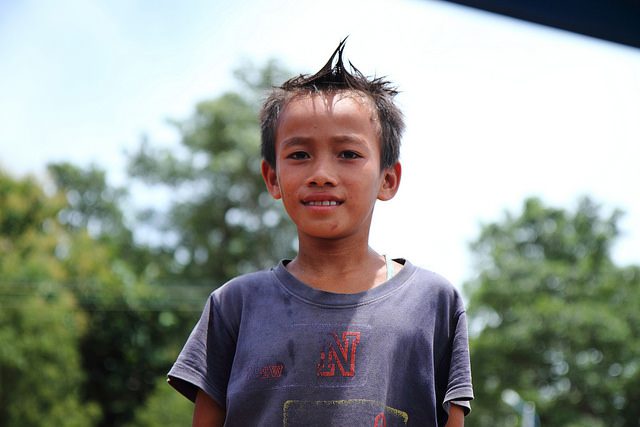
10 Shocking Facts About Child Poverty in Thailand

child poverty in ThailandOver the last several years, Thailand has made impressive progress in reducing poverty. It has gone down from 67 percent in 1986 to only 7.2 percent in 2015. While there has been considerable progress made, poverty is still a major problem in Thailand, especially among children. The following are 10 important facts about child poverty in Thailand.

10 Facts About Child Poverty in Thailand

  1. It is estimated that about one million children in Thailand are living in vulnerable conditions. Child poverty in Thailand is a serious issue. These vulnerable individuals include children that live in poverty, have lost their parents, have a disability or have been forced to live on the streets.
  2. Child labor has long been a problem. It is estimated that more than eight percent of children between ages five and 14 are involved in the workforce. Impoverished children have no option but to enter into factory work, fishery work, construction or agriculture. Young children are also often forced into the commercial sex industry. Riley Winter, a student who recently traveled to Thailand, told The Borgen Project she witnessed children were giving tourists foot massages for just a small amount of money.
  3. Around 380,000 children have been left as orphans by the AIDS epidemic. This greatly affects child poverty in Thailand; many of these children are forced to live on the streets or enter the workforce because they have no one to care for them. It is also estimated that 200 to 300 children will be born HIV-positive each year.
  4. Poor children in Thailand do not have full access to medical care. Out of the 20,000 children are affected by HIV/AIDS, only 1,000 of them have access to medical care.
  5. Children are being exploited. Thailand has become wealthier and, consequently, trafficking networks have been expanding to poorer and isolated children in the country. Child poverty in Thailand has led these children to enter commercial sexual exploitation.
  6. Child poverty in Thailand makes it difficult for poorer children to remain in school. They do not have access to the necessary tools to succeed and remain in school so they are often forced to drop out. The wealthiest group has 81.6 percent of children of primary school age enter grade one while only 65.3 percent of the poorest group enter grade one.
  7. Arranged marriages are very prevalent in Thailand today. A man from a wealthy family is often chosen because the dowry system is still utilized in Thailand. The wealthy man will give the bride’s parents money in exchange for her hand in marriage. This happens in poor communities in Thailand very often, taking away the possibility for the impoverished girl to receive future education, among other things.
  8. Children are being forced to live on the streets due to things like violence, abuse and poverty. These children often beg or sell small goods for just a bit of money each day. They are at risk of poor health and lack of nutrition.
  9. Children are being left in rural communities. Thailand’s economy has been moving away from the agricultural sector and more money can be made in urban areas. Parents are forced to go to work in bigger cities like Bangkok, and children are often left in the care of someone else in rural villages.Parents send money back to their family but children often only get to see their parents one to two times a year. Although the parents are making more money, leaving their children comes with a risk. Children left in these rural communities are at risk of malnutrition and developmental and behavioral issues.
  10. Since the 1990s, child poverty in Thailand has been rapidly improving. The number of child deaths has decreased, literacy rates have dramatically increased, fewer children are malnourished and there are more children in school and less in the workforce.

There have been countless efforts made in Thailand to address child poverty but there is still a lot of work to be done. The nation has set long-term economic goals to be reached by 2036. These goals address economic stability, human capital and equal economic opportunities. These goals will be crucial going forward to help fight child poverty in Thailand.

– Ronni Winter
Photo: Flickr

July 15, 2018
https://borgenproject.org/wp-content/uploads/borgen-project-logo.svg 0 0 Borgen Project https://borgenproject.org/wp-content/uploads/borgen-project-logo.svg Borgen Project2018-07-15 07:30:582024-06-07 05:07:5110 Shocking Facts About Child Poverty in Thailand
Children, Global Poverty, Women, Women & Children

Sindhutai Sapkal, the Mother of Orphans Who Made History

Mother of Orphans
Some life stories have the strength to change our outlook towards the world. They reveal the power of empathetic gestures and prove that even one person can bring about a huge transformation in the society irrespective of their position in life.

While we often hear about the works done by the government, world organizations and celebrities towards uplifting the poor, we rarely hear about the lesser-known superheroes who lack a paparazzi trail. One such human being is Sindhutai Sapkal, who devoted her entire life towards the welfare of the poor orphans in India.

Sindhutai Sapkal

Affectionately known as mai which means ‘mother’ in Marathi, Sapkal is a born fighter with strong levels of determination and willpower. She did not attend school and does not know much about feminism or politics, but her thinking and understanding of social issues has always been well beyond the realms of any modern educated person’s understanding. She personifies what “selfless love” stands for and has come to be known as the ‘Mother of Orphans.’

Early Life

Sapkal’s story might be unbelievable to many. She was born on November 14, 1948 in Pimpri Meghe village in the Wardha district of Maharashtra, India. She wanted to pursue an education and although her father was very supportive of it, the village tradition and patriarchy shattered her dreams. She was married off at the age of 12 to a 30-year-old man with whom she had an abusive relationship; by the time she was 20, she was already a mother to three children.

Over the years, she struggled to battle the abject poverty in her life. She was fearless and voiced her opinions against the corrupt practices of a local strongman who sold dried cow dungs, which are used as fuel in India, without providing profit to the villagers. This action created a huge uproar in the village and the district collector had to intervene and put an end to the illegal practice.

Out of strong contempt for the woman, the strongman urged her husband to leave her. Since patriarchy is deep-rooted in the society, Sapkal’s husband did exactly that. Little did she know then that this ending was actually the beginning of her calling to become the ‘Mother of Orphans.’

Journey towards becoming the Mother of Orphans

Sapkal started her journey as a social activist in her early twenties when she was abandoned by her husband and thrown out into the streets. She was nine months pregnant when the world rejected her and left her to die. But, without the help of a single person, this indomitable woman survived despite all odds and gave birth to a baby girl in a cow shelter and cut the umbilical cord using a sharp stone.

She then walked several kilometres to her mother’s house but was unwelcomed there. Setting aside the thoughts of suicide, this woman started begging on the streets of Maharashtra to feed herself and her newly born child.

While struggling to survive on the streets, Sapkal was pained to see the plight of poor orphan children who lived their life begging sans any touch of care or warmth. Having lost her own childhood to patriarchy, this young mother took it upon herself to embrace these young people and provide them with whatever little she could.

Sapkal then started begging in earnest for these kids by singing in the local trains of Mumbai as she was determined to bring about a change in their lives. She slowly realized that taking care of them gave her a purpose and satisfaction in life, and thus decided to become the ‘Mother of Orphans’ by being a mother to every child in need of love and care.

Recognition

After years of effort and struggle, Sapkal’s work slowly caught public attention and people started recognizing her efforts. In the year 2016, the D.Y. Patil College of Technology and Research, Mumbai conferred upon her the degree of Doctorate in Literature. So far, she has been honoured with more than 750 awards for her relentless and selfless social work. On March 8, 2018, International Women’s Day, she was awarded the Nari Shakti Award 2017 by the President of India.

Sapkal spends all the money from the awards towards uplifting those in need. She not only helps poverty-stricken children, but also offers her care to abandoned women. She now has a huge family of 36 daughter-in-laws, 207 son-in-laws and over 1000 grand kids. Many of her children went on to become lawyers and doctors and others run their own orphanages to help the poor and assist her in her noble goals.

Impact Through Film: Mee Sindhutai Sapkal

Sapkal’s life became an inspiration to many, and to celebrate this ‘Mother of Orphans,’ a Marathi filmmaker decided to make a film on her life. The film, Mee Sindhutai Sapkal, was released in the year 2010, won several national awards and was selected for world premiere at the 54th London Film Festival.

This warrior woman who started her life’s journey with nothing at all has proved that one does not have to be rich or in a higher political position to bring about a change in society. She has made possible the impossible, created history and won her personal battle against poverty. Sapkal’s actions made her a hero in regard to her own life, and also for the thousands of lives she changed with pure love and affection.

– Shruthi Nair
Photo: Flickr

July 10, 2018
https://borgenproject.org/wp-content/uploads/borgen-project-logo.svg 0 0 Borgen Project https://borgenproject.org/wp-content/uploads/borgen-project-logo.svg Borgen Project2018-07-10 01:30:532024-05-29 22:43:02Sindhutai Sapkal, the Mother of Orphans Who Made History
Children

10 Facts About Child Miners

Facts About Child Miners
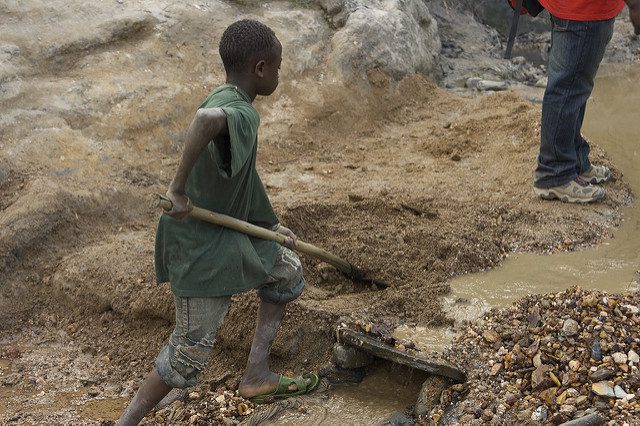
An estimated 1 million children worldwide work as miners. These are 10 facts about child miners in the world today.

Key Child Miners Facts

  1. Child miners can be found in parts of Asia, Africa, Latin America and Europe. Most of these children, from economically downtrodden backgrounds, are either uneducated or school-dropouts, with the exception of a few who attend both work and school. They work in inhumane and dangerous conditions to extract minerals and ores in high demand in the global market.
  2. Mining is considered one of the worst forms of child labor as the hazardous working conditions in mines adversely affect the safety and health of children.
  3. One of the facts about child miners working in the artisanal mines of the Democratic Republic of Congo (DRC) is they contribute to the production of cobalt, coltan, copper and tin. These materials are used in the fabrication processes of modern electronics like laptops and cell phones. Of the 2 million miners in DRC’s artisanal mines, 40 percent are children and their earnings range from $0.75 to $3 a day. In 2017, Amnesty International warned the world of the use of child labor in cobalt mining and urged large companies to be wary of purchasing unethically mined cobalt.
  4. Poverty, lack of educational and economic opportunities, corruption, lenient law-enforcement and the soaring demands for mined materials in the global market are primary reasons for the prevalence of child labor in mines.
  5. Cobalt mining often involves injuries, death and health hazards. Stone mining causes dehydration, respiratory infections and accidents. Gold mining exposes children to toxic vapors and mercury-poisoning, and mining salt exposes child miners to dizziness, skin problems and iris discoloration.
  6. Stone quarries in Guatemala are often found along public shores, where poor families set up camps to mine volcanic river rocks. These are then sold to construction companies at low prices. According to reports by the International Labour Organization (ILO), it takes three days for a 13-year-old boy to produce one cubic meter of gravel that sells for $7.50. Children as young as five are found collecting and breaking rocks with hammers in these mines. Both adults and children work eight hours a day, six to seven days a week. The quarries in Nepal are reported to have child miners between ages 10 to 12. Girls and boys in Madagascar’s stone quarries also work long hours collecting and crushing blocks of stones.
  7. Of the 10 facts about child miners in the world, gold mining deserves a special mention as it exposes children to mercury-poisoning, which is extremely likely due to the nature of gold extraction. Child gold miners are often found in the Sahel region of Africa (mainly in Burkina Faso and Niger). High levels of poverty in the region forces families to send children under 18 to work in the mines. They constitute 30 to 50 percent of the entire gold-mining workforce. These children work with heavy and primitive equipment to break rocks and transport them to washing, crushing and mineral processing. Children often work underground in narrow shafts and galleries.
  8. The ILO estimates 10,000 children are involved in gold mining in Ghana and more than 65,000 children work in the mines of Bolivia, Peru and Equador. According to a study by the International Programme on the Elimination of Child Labour (IPEC), many instances of illegal mining occur in Côte d’Ivoire, where children are often trafficked from neighboring areas and held in slavery-like conditions. Mongolia and the Philippines are some of the other countries with child miners.
  9. IPEC has been working hard to ensure that children in areas like Niger and Senegal are protected from joining the salt mining business. A highly labor-intensive process, mining salt includes harvesting (digging pits, filling and lifting sacks) and distilling salt alongside transporting ore and fuel to aid the process. Children participate in all stages of salt mining.
  10. Child labor is also widely used in the mica mining industry in India and Madagascar; talc mining in Brazil; coal, salt and gemstone mining in Pakistan; gold mining in China; gem mining in Sri Lanka.

Most countries in the world have signed the Convention on the Rights of the Child, which recognizes the right to protect children from economic exploitation. Human Rights Watch believes boycotting goods produced from these mines is not the solution, as it would adversely affect the economy of these nations. Instead, in accord with U.N. Guiding Principles, it proposes that international companies that buy these products initiate programs to ensure they do not benefit from child labor in any manner. Consumers from developed nations like the U.S. and the U.K., which provide the main markets for these products, should also become more aware of where the products come from. These 10 facts about child miners do not represent all the complexities that involve the lives of child miners. International nonprofit organizations are still working to create awareness and acquire more data on the use of children in the mining industry.

– Jayendrina Singha Ray
Photo: Flickr

July 9, 2018
https://borgenproject.org/wp-content/uploads/borgen-project-logo.svg 0 0 Borgen Project https://borgenproject.org/wp-content/uploads/borgen-project-logo.svg Borgen Project2018-07-09 01:30:402024-12-13 17:58:5110 Facts About Child Miners
Children, Women's Empowerment

How Cuddle+Kind Feeds Children in Need & Empowers Women

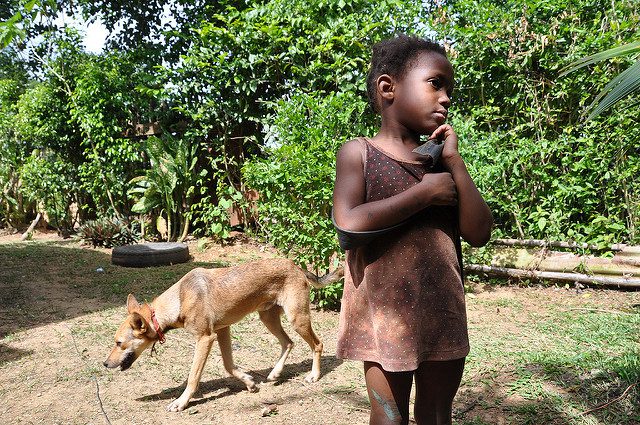
Cuddle+Kind Feeds ChildrenA fast-growing social business, Cuddle+Kind feeds children in need by donating ten meals for every handknit doll sold and empowers female Peruvian artisans through fair-trade jobs.
A Global Need for Food

One in seven people worldwide are hungry, and one in nine do not have enough food to lead a healthy, active lifestyle. A reduced diet causes 45 percent of deaths in children under five, which adds up to 3.1 million children every year.

Cuddle+Kind, founded by Derek and Jennifer Woodgate, was created with the aim of reducing these numbers and feeding hungry children around the world. The couple was inspired by their three young children and how heartbroken they would be if they could not feed and provide for them. The Woodgates have a background in health, so they understood the important role that nutrition plays in a child’s life.

The couple spent a year establishing partnerships with artisans in Peru and designing the dolls. Dolls in all different types of animals are available, including dogs, foxes, cats and bunnies. Each comes with a unique name and personality. Cuddle+Kind officially launched in September 2015 on the crowdfunding website Indiegogo.com. In just seven weeks, the company sold enough dolls to donate 163,543 meals.

How Cuddle+Kind Feeds Children

Since its beginning, Cuddle+Kind has moved to its own website but maintains the same mission of providing ten meals for every doll sold. The company aims to provide one million meals to children in need every year. The meals are provided through several partnerships with nonprofits, including the World Food Program, the Children’s Hunger Fund, the Breakfast Club of Canada and several orphanages in Haiti. Through these organizations, Cuddle+Kind feeds children around the world and has donated more than 4,452,292 meals since 2015.

Proper nutrition leads to an increase in school attendance and improved educational performance. Girls have higher school attendance when food is not an issue. Additionally, a child’s psychosocial and emotional development has been linked to proper diet and eating habits. Children who are not fed regularly do not develop the same bonds with a caregiver that is typically established. When a family or community shares a meal there is a social component that a child is exposed to and learns from. As Cuddle+Kind feeds children, it provides them the ability to reach higher academically and grow to be stronger, more capable people.

Empowering Women in Peru

In addition to improving the lives of children, Cuddle+Kind empowers women in Peru by providing them sustainable, fair-trade income for creating the dolls they sell. The business has created over 500 jobs for Peruvian artisans, which is needed in a country where only 39.6 percent of women work in wage or salaried positions as compared to 50.1 percent of men.

Being a socially-minded organization, Cuddle+Kind feeds children with the motive of continually improving the world. As a business that works for the good of children in need and emboldens creative women, Cuddle+Kind is blazing a path of kindness and generosity that will have unending benefits for those they reach.

– Sarah Dean
Photo: Flickr

July 8, 2018
https://borgenproject.org/wp-content/uploads/borgen-project-logo.svg 0 0 Borgen Project https://borgenproject.org/wp-content/uploads/borgen-project-logo.svg Borgen Project2018-07-08 07:30:252024-12-13 17:58:51How Cuddle+Kind Feeds Children in Need & Empowers Women
Children, Education

Five Facts About Education in Jamaica

Education in JamaicaJamaica is the third-largest island of the Greater Antilles and sits just 90 miles south of Cuba. The country gained full independence in the summer of 1962 from the United Kingdom. It remains part of the British Commonwealth, and as a result, Jamaica makes up the third-most populous English-speaking country in the Americas. Within the last year, education in Jamaica has seen great improvements. Yet, these changes came with years of challenges that have been difficult to overcome. The Education Ministry of Jamaica has become an icon for other Caribbean nations with similar histories, wishing to improve their education systems. Here are five significant facts about education in Jamaica.

Education: A Tool to Weaken Segregation

With the abolition of slavery in 1834, the British viewed education as a tool to integrate ex-slaves into the colonial economy. The British believed that integrating ex-slaves into the economy would result in a peaceful lower class.

By the 1860s, the British relied less on missionary schools, and instead, education in Jamaica was absorbed into the sponsorship of the colonial government. As time went on, separate educational tracks for boys and girls were established by the Lumb Report of 1898. Boys would focus on agricultural training which is a method believed to better control the colonial economy.

To encourage secondary education, elementary schools held annual scholarship questionnaires to allow those unable to afford school fees to attain a higher education. Between 1943 and 1944, the Kandel Report and the Plan for Post-Primary Education in Jamaica concentrated on alleviating the problems of harsh segregation through quality post-primary education. The report and plan resulted in creating a common literacy core for girls and boys.

Inadequate Primary Schools

Grades one to six educate students ranging from the ages of six to 11. Primary education in Jamaica has accomplished universal enrollment yet there are still many challenges that the education system faces.

In elementary school, private and public schools offer very different educational outcomes. Those who attend private schools are often at an extreme advantage while those attending public schools may leave after six years, never fully learning how to read and write. The factors that create this disparity include:

  • class sizes
  • language of instruction
  • the class origins of the teachers.

By the end of grade six, however, every student must take the Grade Six Achievement Examination (GSAT).

Low Academic Achievement

About 99.7 percent of students in Jamaica have access to primary education, and another 83 percent have access to secondary education. Although the access to education is relatively high, academic success is lacking. In 2009, UNICEF concluded that by grade one, no more than 24 percent of six-year-old children going into primary school could master the five sub-tests of the assessment.

By grade four, 70 percent gained mastery of the literacy test. Studies concluded that girls had mastered the literacy test at 81 percent. Boys, on the other hand, had only mastered the test at 59 percent. The numeracy test had even more crippling results. Only 45 percent of students showed mastery. The boys made up 36 percent, behind their female classmates that amounted to 55 percent.

Work To Increase the Quality of Education

Education in Jamaica is on the way towards change. The nation has developed goals to empower Jamaicans by providing quality education. The Ministry of Education launched the Education System Transformation Program (ETSP) in 2009 with the ambitious goal of improving education through a decentralized accountability framework.

A network of institutions is working together to improve the education for every student. The World Bank reported that 90 percent of public schools inspected are prepared to implement the coming plans. Furthermore, 95 percent of all teachers have met all requirements to be registered. The successes of the program resulted in other Caribbean countries approaching Jamaica’s Ministry of Education for help in implementing a similar strategy.

GSAT Performance Has Increased in 2018

The year 2018 has already been very successful for education in Jamaica. The Education ministry reported in June about the extraordinary improvement in the GSAT performance. Education Minister, Senator Ruel Reid, says that an overall increase in four of the five subject areas tested have seen great improvement. Furthermore, 100 percent of the students who registered for the examinations will be placed in seven-year high schools. This historic school year in Jamaica shows great promise for future generations.

– Stefanie Babb
Photo: Flickr

July 7, 2018
https://borgenproject.org/wp-content/uploads/borgen-project-logo.svg 0 0 Borgen Project https://borgenproject.org/wp-content/uploads/borgen-project-logo.svg Borgen Project2018-07-07 17:01:452024-05-29 22:43:03Five Facts About Education in Jamaica
Children, Disease

Diarrheal Disease Has More Power Than It Should

Diarrheal disease
Clean drinking water, easy access to sanitization and access to decent healthcare are all things that most developed countries can rely on. In developing nations however, diarrheal disease has more power than it should.

Combatting Diarrhea

Globally, children under the age of five die every two minutes as a result of diarrhea, an occurrence that adds up to 500,000 child deaths a year. In Bangladesh however, a new hope has developed for any child struggling with diarrhea. Recently, the International Centre for Diarrheal Disease Research, Bangladesh (ICDDR,B) is the only diarrheal hospital in world, whose cure treats 220,000 patients a year.

The birthplace of cholera – one of the biggest and deadliest causes of diarrhea – Bangladesh sadly has too much experience and little success in dealing with diarrheal disease. The truth is diarrhea is the symptom of an infection not a disease itself. In fact, 20 percent of the patients who come in to the ICDDR,B clinic in Dhaka suffer from cholera.

Most deaths from diarrhea occur among children less than 2 years of age in South Asia and sub-Saharan Africa. Thankfully, from 2000 to 2016, the total number of deaths from diarrhea of children under 5 decreased by 60 percent.

Making Treatment Accessible

Accessibility of treatments to all children, especially in poor, rural and marginalized populations, could save the lives of hundreds of thousands of children each year. The process has proved to be cost-effective, affordable and straightforward to implement.

Over 40 percent of children under the age of 5 with diarrhea receive the recommended treatment of oral rehydration therapy and continued feeding. However, coverage of this treatment package is lowest in the Middle East and North Africa (34 percent), South Asia (37 percent) and sub-Saharan Africa (39 percent). Sub-Saharan Africa and South Asia are the regions with the most deaths from diarrheal disease.

Disease to Mortality

Diarrheal disease is a detrimental cause of child mortality in the world that stems from contaminated food and water sources. Globally, 780 million individuals don’t have access to improved drinking water and 2.5 billion people lack proper sanitation.

In the lowest income countries, children under three experience an average of three episodes of diarrhea every year. Each time deprives them of much of the nutrition necessary for growth. Diarrheal disease has more power than it should, especially with prevention and treatment so readily available.

Steps For Diarrhea Prevention

  • Access to safe drinking-water
  • Use of improved sanitation
  • Hand-washing with soap
  • Exclusive breastfeeding for the first six months of life
  • Good personal and food hygiene
  • Health education about how infections spread
  • Rotavirus vaccination.

Diarrhea Treatments

  • Rehydration: Oral rehydration salts (ORS) solution is a mixture of clean water, salt and sugar. It costs a few cents per treatment, and is absorbed in the small intestine to replace water and electrolytes lost in feces.
  • Zinc supplements: Zinc supplements reduce the duration of a diarrhea episode by 25 percent and are associated with a 30 percent reduction in stool volume.
  • Rehydration: Rehydration is essential, especially with intravenous fluids in case of severe dehydration or shock.
  • Nutrient-Rich foods: The vicious circle of malnutrition and diarrhea can be broken by continuing to give nutrient-rich foods – including breast milk – during an episode, and by giving a nutritious diet – including exclusive breastfeeding for the first six months of life – to children when they are well.
  • Consulting a health professional: In particular for management of persistent diarrhea or when there is blood in stool or  signs of dehydration.

No one should have to suffer from poverty, least of all children. Hunger, fear and disease are big parts of poverty that can fortunately change, especially when one knows tools and procedures are available to help.

– Gustavo Lomas
Photo: Flickr

July 4, 2018
https://borgenproject.org/wp-content/uploads/borgen-project-logo.svg 0 0 Borgen Project https://borgenproject.org/wp-content/uploads/borgen-project-logo.svg Borgen Project2018-07-04 01:30:082024-05-29 22:42:57Diarrheal Disease Has More Power Than It Should
Children

Trades of Hope Addresses Haiti’s Orphan Crisis Sustainably

Trades of Hope Addresses Haiti’s Orphan Crisis Sustainably
Haiti currently ranks as the poorest country in the Western Hemisphere. With a population of 10 million, almost 60 percent of Haitians live under the national poverty line, which acts as a huge contributor to Haiti’s orphan crisis.

Conditions on Haiti

The country’s location on the island of Hispaniola in the Caribbean has also served as a large contributor to the nation’s extreme poverty. Hurricanes regularly blaze through this portion of the Atlantic Ocean, and the subsequent hurricanes that hit Haiti in August and September 2008, Gustav and Ike, killed nearly 800 Haitians and destroyed crops, making Haiti dependent on international relief efforts.

Only a year and a half later, another natural disaster struck the country. The January 2010 earthquake destroyed more infrastructure, ravaging the capital city, Port-au-Prince, and its surroundings, further harming Haiti’s functionality and increasing foreign aid dependence.

Hurricane Matthew struck Haiti in October 2016. This time the south was particularly ravaged, as the natural disaster damaged homes, infrastructure, more crops and livestock.

Orphans and Natural Disaster

The devastating consequences of natural disasters on the country’s resources and economy led to Haiti’s orphan crisis — currently, about 500,000 children are considered orphans. Interestingly, the Haitian government estimates that about 80 percent of these children have at least one living parent.

This confusing discrepancy seems directly linked to the series of natural disasters. For instance, the 2010 earthquake left more than two million Haitians — a fifth of the country’s population — homeless and caused many Haitian parents to believe their children would be better off in orphanages that would at least provide shelter.

Orphanages appear to have the resources to feed, educate and care for children whose parents struggle to combat the effects of natural disasters. This is an idealized view exacerbated by many orphanages who send employees into the community to encourage parents to send their children into the “shelters” for care.

Orphanages perform this reconnaissance as many shelters are not regulated and do not actually adopt children and instead exploit them as laborers. About 300,000 children work as servants in private residences in Haiti, and according to UNICEF, many children are also sold into the sex trade.

The Dominican Republic, which shares the island of Hispaniola with Haiti, has become a major market for Haitian child trafficking, with an estimated 2,000 children sold there each year. This abusiveness and corruption by some orphanages have created Haiti’s orphan crisis.

Combatting Corruption

Trades of Hope, an ethical jewelry company, seeks to treat Haiti’s orphan crisis at its root of poverty, instead of treating the symptoms. Co-founder Gretchen Huijskens already had a nonprofit in Haiti, with an orphanage, school and medical clinic, but while providing safe places for the orphans generated by natural disasters was important to her, Huijskens saw a need to help children by keeping them with family members. Such a goal requires parents being able to afford their children.

At the same time, co-founder Holly Wehde realized the effectiveness of the home-party method for sales, and Trades of Hope was founded in June 2010. These two influential individuals believe sustainable business provides a long-term solution to poverty. Therefore, Trades of Hope provides a platform for local artisans to sell their products.

Trades of Hope finds these artisans through nonprofits and co-ops in Haiti, that they verify through English speaking Americans in Haiti and with a Fair Trade Principles Agreement. Through these means, Trades of Hope helps artisans earn $15 a day, when the minimum wage in Haiti is about $5 a day. By their estimates, this money can provide adequate resources for two and a half children, enabling families to keep their children instead of fueling Haiti’s orphan crisis.

Fostering Global Involvement

The founders invite American women to partner in creating this sustainable business, through selling products as Compassionate Entrepreneurs and buying their goods through home parties and their website. Trades of Hope also eases the way for American women to make a difference in Haiti.

While assisting in alleviating the orphan crisis by adopting a child costs around $25,000, buying jewelry and other products from Haiti provides a cheaper alternative. One of the more expensive products is still only $80, and consumers receive a chocolate goat leather and cream canvas crossbody bag, called the Chandler Bag.

Sustainable Solutions

Even less expensive and more sustainable options exist such as the Revive Necklace, a long silver pendant with pink tassels priced at $33. The steel for the pendant comes from recycled steel oil drums, a source that allows more money to go directly to the artisans instead of materials.

This model of selling beautiful products to American consumers who want to support local artisans and their children has proved extremely lucrative and effective. Trades of Hope claims that 1,183 Haitians have been positively impacted.

The company has expanded to 17 countries since 2010 and has 9,440 full-time employees. This substantial group fosters the environment and provides the solutions to combat Haitian poverty at the root, and thereby reduce corruption and struggle as in Haiti’s orphan crisis.

– Charlotte Preston
Photo: Flickr

July 2, 2018
https://borgenproject.org/wp-content/uploads/borgen-project-logo.svg 0 0 Borgen Project https://borgenproject.org/wp-content/uploads/borgen-project-logo.svg Borgen Project2018-07-02 01:30:502024-06-04 01:08:29Trades of Hope Addresses Haiti’s Orphan Crisis Sustainably
Children, Developing Countries, Education

How Global Partnerships for Education Is Changing the Lives of Children

Global Partnerships for Education
Global Partnerships for Education (GPE) is bringing people together all over the world to ensure everyone is awarded access to an education. Created in 2002, GPE is a one-of-a-kind organization, with a goal of strengthening the education system in impoverished countries to raise the number of children enrolled in school.

The organization supports more than 60 countries around the globe, in places where it has historically seemed impossible for children to achieve an education. With the help of many different organizations and countries, GPE has provided millions of dollars to countries in need.

What is GPE 2020?

GPE 2020 is the organization’s aid plan for 2016 through 2020 to ensure inclusive and quality education for all, especially for those in the most vulnerable settings. According to Goal 4 of the Sustainable Development Goals (SDGs), there has been vast improvement in the number of children enrolled in school over the past 15 years. But in the poorest areas such as Sub-Saharan Africa, and Southern Asia, thousands of children are still unable to attend school.

In the poorest areas of the world, schools are not easily accessible. Due to the poor conditions of schools and lack of qualified teachers, many children miss out on an education because of their societies.

To combat these issues, GPE and many other partners invest millions of dollars to countries with high need. In April of 2018, GPE and The World Bank approved a $100-million grant for the country of Madagascar, a country in Africa with serious educational challenges. Four out of 10 children in Madagascar drop out of school before finishing the last grade, but with the help of GPE, this rate is projected to significantly decrease. Fortunately, Madagascar is just one of the many countries benefitting from GPE’s efforts.

How Does GPE Accomplish Its Goals?

Global Partnerships for Education receives its funding through various sources, including donor countries, international organizations and private sectors. Since 2003, the organization has received over $5 billion from 27 donors, with around 21 percent coming from the United Kingdom alone.

The money donated is given as grants to countries based on poverty level and the number of children not enrolled in school. The donations go to building schools, paying for supplies and hiring qualified teachers.

The Reach of an Empowering Organization

Global Partnerships for Education believes that education is a right for everyone, regardless of status or gender. GPE focuses on ensuring that everyone is able to access the schooling they deserve, and providing support to countries most affected by poverty and conflict.

The organization believes that people are empowered when they are able to achieve an education — something that so many of us in privileged societies take for granted. Through the utilization of available resources to support equal learning across the globe, Global Partnerships for Education is changing lives, one child at a time.

– Allisa Rumreich
Photo: Flickr

July 1, 2018
https://borgenproject.org/wp-content/uploads/borgen-project-logo.svg 0 0 Borgen Project https://borgenproject.org/wp-content/uploads/borgen-project-logo.svg Borgen Project2018-07-01 09:52:452019-09-26 16:41:47How Global Partnerships for Education Is Changing the Lives of Children
Child Soldiers, Human Rights

Girls’ Education in the Democratic Republic of the Congo

Democratic Republic of CongoDuring the civil war in the Democratic Republic of the Congo (DRC), from 1998 to 2003, more than 5.2 million children did not receive an education. Although the situation has improved since then, the legacy of the war remains, especially its effect on the female population.

In 2012, it was reported that approximately 62.92 percent of female youth aged 15 years and older were literate compared to an 87.91 percent literacy rate for young males.

Factors Impacting Girls Education in the Democratic Republic of the Congo

The overarching traditional outlook about the role of females in society: Many families believe that girls have a responsibility at home, while boys should work outside as the main breadwinners. This thinking leads people to discredit education as an important part of girls’ lives, whereas boys are encouraged to attend schools.

Poverty: According to the World Bank, although the poverty rate in the DRC declined from 71 percent to 64 percent between 2005 and 2012, the country still remains one the poorest countries in the world with a ranking of at176 out of 187 countries per the United Nation’s 2015 Human Development Index. As a result of high levels of poverty, many girls take up jobs to support their families.

Opportunities in armed groups: About 30 to 40 percent of children in the armed groups are girls. Girls are often lured into joining local militias because of enticing factors like wages. However, the NGO Child Soldiers International interviewed over 200 female former child soldiers, who reported that instead of finding opportunities within these groups, they were drugged, raped or forced to commit crimes.

For those who are able to escape, they attempt to matriculate into school but are unable to because of the stigma associated with the former sexual relationships between the girls and male soldiers. The same girls who were interviewed cited how they were called “prostitutes” and “HIV carriers” by schools and were not allowed to enroll.  

Solutions

To resolve the issue of lack of girls’ education in the Democratic Republic of Congo, the nation is reforming its system so that more children are able to pursue an education. For example, the DRC has increased its education budget from 7.9 percent in 2012 to 14.7 percent in 2015. In addition, the government has received a $100 million grant from the Global Partnership for Education to continue its efforts. 

Moreover, USAID and the United Kingdom Department for International Development have funded a five-year education program that focuses on reading outcomes in the DRC. It is the largest implemented education program in the DRC and plans to improve the reading outcomes of 1.5 million grades 1-4 students.

Furthermore, USAID has worked to create safe school environments, especially for girls, by training teachers and administrators on how to assess safety and security at the school. Through this, girls will not have to fear for their safety, the lack of which also caused them to join militias.

The results of these actions are clear in the numbers. In 2016, UNESCO reported that approximately 66.5 percent of females aged 15 years and older were literate. Although a small increase, this is still an improvement from 2012. 

Girls’ education in the Democratic Republic of the Congo has faced many obstacles. However, the country is combating this crisis and ensuring that all children are provided with this opportunity, an action that other underdeveloped countries should follow.

– Sheharbano Jafry
Photo: Flickr

June 29, 2018
https://borgenproject.org/wp-content/uploads/borgen-project-logo.svg 0 0 Kim Thelwell https://borgenproject.org/wp-content/uploads/borgen-project-logo.svg Kim Thelwell2018-06-29 01:30:382024-05-29 22:42:54Girls’ Education in the Democratic Republic of the Congo
Children, USAID

Addressing USAID’s Support for Children Around the World

USAID's support for children
Among the groups that the U.S. Agency for International Development (USAID) aims to support, children across the world are a top priority. From health-related aid to education opportunities and protection from violence, USAID’s support for children employs a variety of means to help kids survive and grow despite poverty and other adversities.

USAID Addresses Preventable Child Mortality

An important aspect of USAID’s support for children is access to medical assistance. An overwhelming 75 percent of child deaths under the age of five results from newborn deaths and treatable diseases: pneumonia, diarrhea and malaria. These illnesses could be effectively countered by timely low-technology treatments, which USAID attempts to provide on the local level by bolstering public-private engagement and promoting Integrated Community Case Management (iCCM).

USAID strengthens iCCM programs that train and assist with local community members treating children. Such programs provide vital medical care on the ground in communities that are often hard to reach. USAID helps construct sustainable networks of monitoring and evaluation, clinical referral, supportive supervision and more, which in turn ensure the functioning of iCCM programs.

A USAID-supported iCCM program in Zambia led to a 68 percent early treatment rate of childhood pneumonia. USAID’s efforts to treat malaria have reached millions of children in Tanzania alone, where 70,000 people die from the disease annually. Within a decade, simple preventative action and treatment by community health workers have contributed to a 28 percent decrease of child mortality rate.

USAID’s Support for Children: A Comprehensive Action Plan

USAID’s efforts to help children around the world are not limited to medical care. USAID, together with other U.S. government departments and agencies, launched the ambitious and comprehensive five-year U.S. Government Action Plan on Children in Adversity in 2012. Backing the plan is Public Law (PL) 109-95, signed in 2005 to amend the Foreign Assistance Act of 1961, which asks the U.S. government to effectively respond to vulnerable youths in low and middle-income nations.

USAID’s support for children is wide-ranged and well-coordinated under the Action Plan, focusing on the value of investing in boys and girls in order to achieve long-term economic and social progress. Among those receiving aid are children affected by HIV/AIDS, those living outside of family care, those who have been trafficked, those under sexual violence or exploitation and more.

Interventions employed by the Action Plan are evidence-based, meaning they are both effective and instructive for further action in the future. Such actions include improving the families’ socioeconomic status, rescuing youths suffering from the worst forms of child labor, promoting protective family care and protecting the education of both children and their surrounding communities.

According to the most recent annual report for Congress, the plan has reached millions of young lives since 2012. Understanding the significance of nutrition, especially in the first thousand days of life, USAID and Food for Peace sent food assistance to approximately 20 million children in 61 countries with funds from Fiscal Year 2015. Children separated from their families in 11 countries received help from USAID to return to family care.

Effective Utilization of the Private Sector

Many of USAID’s support for children take place in the private sector, via public-private engagement as well as recent “development impact bonds.” Public-private engagement is manifest in USAID’s Strengthening Health Outcomes through the Private Sector (SHOPS), which increases the ready supply of diagnostic and treatment-related products. The program works with local manufacturers and importers and also informs health workers regarding the appropriate use of medical knowledge and tools.

In December of 2017, USAID launched a new development impact bond for India, the Utkrisht Bond, that mobilizes private capital to make improved healthcare accessible to 600,000 women, aiming to save up to 10,000 mothers and their newborns. With private capital enabling an initial investment, USAID and Merck for Mothers will only follow up with its $4.5 million commitment after the development goals are realized, ensuring the effectiveness of aid.

Innovative, sustainable and replicable efforts such as these are consistent with USAID’s mission to help developing countries so that they eventually grow out of the need for aid. Continued assistance from the U.S. agency will ensure that millions of children around the world are given the help they need for a better future.

– Feng Ye
Photo: Flickr

June 28, 2018
https://borgenproject.org/wp-content/uploads/borgen-project-logo.svg 0 0 Borgen Project https://borgenproject.org/wp-content/uploads/borgen-project-logo.svg Borgen Project2018-06-28 01:30:462024-05-29 22:42:55Addressing USAID’s Support for Children Around the World
Page 86 of 137«‹8485868788›»

Get Smarter

  • Global Poverty 101
  • Global Poverty… The Good News
  • Global Poverty & U.S. Jobs
  • Global Poverty and National Security
  • Innovative Solutions to Poverty
  • Global Poverty & Aid FAQ’s
Search Search

Take Action

  • Call Congress
  • Email Congress
  • Donate
  • 30 Ways to Help
  • Volunteer Ops
  • Internships
  • Courses & Certificates
  • The Podcast
Borgen Project

“The Borgen Project is an incredible nonprofit organization that is addressing poverty and hunger and working towards ending them.”

-The Huffington Post

Inside The Borgen Project

  • Contact
  • About
  • Financials
  • President
  • Board of Directors
  • Board of Advisors

International Links

  • UK Email Parliament
  • UK Donate
  • Canada Email Parliament

Get Smarter

  • Global Poverty 101
  • Global Poverty… The Good News
  • Global Poverty & U.S. Jobs
  • Global Poverty and National Security
  • Innovative Solutions to Poverty
  • Global Poverty & Aid FAQ’s

Ways to Help

  • Call Congress
  • Email Congress
  • Donate
  • 30 Ways to Help
  • Volunteer Ops
  • Internships
  • Courses & Certificates
  • The Podcast
Scroll to top Scroll to top Scroll to top