• Link to X
  • Link to Facebook
  • Link to Instagram
  • Link to TikTok
  • Link to Youtube
  • About
    • About Us
      • President
      • Board of Directors
      • Board of Advisors
      • Financials
      • Our Methodology
      • Success Tracker
      • Contact
  • Act Now
    • 30 Ways to Help
      • Email Congress
      • Call Congress
      • Volunteer
      • Courses & Certificates
      • Be a Donor
    • Internships
      • In-Office Internships
      • Remote Internships
    • Legislation
      • Politics 101
  • The Blog
  • The Podcast
  • Magazine
  • Donate
  • Click to open the search input field Click to open the search input field Search
  • Menu Menu

Archive for category: Children

Information and stories addressing children.

Child Soldiers, Children

10 Important Facts About Child Soldiers in Somalia

Since 1991, the Federal Republic of Somalia has been involved in an ongoing civil war being fought between the transitional federal government (TFG) and al-Shabab militants.

This civil war continues to acquire worldwide attention for its recruitment of child soldiers, often used by al-Shabab and the Somali National Army (SNA).

Child Soldiers in Somalia

Child soldiers are children or individuals under the age of 18 who are used for any military purpose. As of 2016, 1,915 children have been recruited and used in the Somali civil war.

The number of child soldiers in Somalia has almost doubled since 2015 because of an increase in al-Shabab abduction cases. Out of 950 children abducted since 2015, 87 percent were abducted by al-Shabab. The SNA is also responsible for 920 cases of child soldiers. Here are 10 key facts about child soldiers in Somalia.

Top 10 Facts About Child Soldiers in Somalia

  1. Child soldiers are not only used to fight in the war. Though some children serve as combatants, others also serve as porters, messengers, spies and cooks. Young girls are forced to marry al-Shabab militants or recruited as sexual slaves in brothels.
  2. Children are recruited as soldiers because they can be easily coerced. They are more likely to comply and be easily influenced than adults. Al-Shabab relies on recruiting child soldiers because they are easier to manipulate.
  3. Seventy percent of child soldiers have been recruited by al-Shabab. Al-Shabab has recruited and trained children as young as age nine to be combatants. Over 50 percent of al-Shabab members are believed to be children, according to the U.N.
  4. Poverty and living in a combat zone can increase the probability of a child becoming a child soldier. Some poor children decide to join a military organization if there is a lack of access to education or to end a poverty cycle. Living in a combat zone also causes separations between children and their families.
  5. Child soldiers and children in Somalia endured 18 cases of denial of humanitarian access to children. Clan militias (10), al-Shabab (5), the SNA (2) and Puntland armed forces (1) are responsible for the grave violation.
  6. Hardships and abuse do not end when child soldiers are arrested and detained. The special circumstances of children who were recruited and coerced into war activity are unrecognized. Child soldiers in detention are threatened, tortured and forcibly sign confessions.
  7. In 2001, SAACID implemented the first Disarmament, Demobilization and Reintegration (DDR) program in Mogadishu, Somalia. SAACID (pronounced ‘say-eed’ in Somali, meaning ‘to help’) is a non-governmental organization (NGO) focused on improving the lives of women, children and the poor. Programs were created by the U.N. to reintegrate child soldiers into society, but these still lack the protection of rights of children. Former child soldiers of al-Shabab also fear to leave DDR compounds and possible reprisal from al-Shabab.
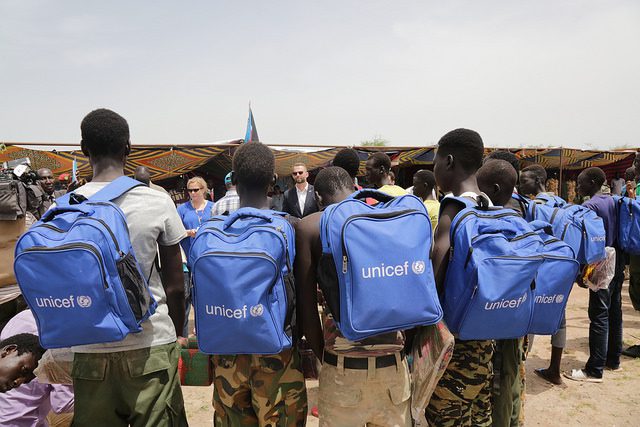
  8. Once reintegrated, former child soldiers have difficulty finding a job with little to no skills or education. UNICEF and INTERSOS offer vocational training programs for former Somali child soldiers. The program offers training in plumbing, carpentry, electrical and tailoring. In 2016, over 900 former Somali child soldiers received these services.
  9. The SNA takes measures to improve the protection of children. The SNA formed a plan of action with the U.N. that follows Security Council resolutions 1539 and 1612.
  10. The Dallaire Initiative establishes a child protection advisor in the African Union Mission of Somalia (AMISOM). The British Peace Support Training Team in Kenya will train members from AMISOM, SNA and the Somali National. The training will instruct how to counteract the use of child soldiers.

AMISOM and Future Developments

AMISOM held a forum with the security sector and AMISOM military in November 2017. The meeting primarily focused on the disadvantages of recruiting child soldiers and policies and law enforcement that can prevent it.

According to Musa Gbow, AMISOM’s Child Protection Advisor and coordinator of the workshop, “We have to ensure that the Federal Government and Federal member states continue to work together especially with regards to dealing with the prevention of the recruitment and use of children as soldiers in the conflict in Somalia.”

Recent developments, like Gbow’s dedication to creating a child protection policy at the federal and regional level, create hope for the futures of all children of armed conflict.

– Diane Adame
Photo: Flickr

June 17, 2018
https://borgenproject.org/wp-content/uploads/borgen-project-logo.svg 0 0 Borgen Project https://borgenproject.org/wp-content/uploads/borgen-project-logo.svg Borgen Project2018-06-17 14:00:372024-05-29 22:42:5310 Important Facts About Child Soldiers in Somalia
Child Soldiers, Children

Combating Conflict: Central African Republic Child Soldiers

Africa
In a world of limited choices, becoming a child soldier can sometimes seem like the closest thing to freedom. Since 2012, more than 14,000 children have become Central African Republic child soldiers. At merely eight years old, these children are vulnerable targets and used as human shields, combatants and spies for various rebel militia groups in the Central African Republic (CAR).

Civil Conflicts and Child Soldiers

The CAR has experienced civil turmoil since gaining its independence from France in 1960. The current civil conflict began when the rebel Muslim group Seleka took control of the predominantly Christian country in 2013, overthrowing then-President Francois Bozize. While the 2016 election of current president Faustin-Archange Touadera inspired hope among many, government security and control of the widespread violence remains largely in the CAR’s capital Bangui.

Contrary to popular belief, Central African Republic child soldiers often join rebel militia groups by choice. Children who voluntarily join militias often live in impoverished areas with unstable conditions. Desperate for food and a sense of protection, these children decide to become child soldiers in hopes of a better life. Although many child soldiers join these militias by choice, some are forced into these roles with drugs.

Central African Republic child soldiers are used as spies and messengers for their rebel groups because they aren’t as suspect as adults. Boys are more readily thrown into conflict than girls, but both sexes are exploited; sometimes, they are sexually abused.

Community Integration of Combat Children

With little or no education prior to joining, these children are unaware of the true nature of the situation. Many have lost the guidance and protection of loved ones and seek revenge on groups that may have killed family members. Rebel militia groups take advantage of this by offering support and aid to their cause.

Releasing child soldiers from their militias and reintegrating them into safe communities presents a persistent problem. Advocacy group Child Soldiers International (CSI) offers continued support in fighting child military recruitment internationally. Thankfully, progress is being made in this area.

CSI has led education initiatives to bring awareness and education regarding child soldier recruitment and devastation in the CAR. One such effort supported by CSI, UNICEF, United Nations Multidimensional Integrated Stabilisation Mission in the CAR (MINUSCA) and Enfants sans Frontieres (ESF) was the publishing and distribution of illustrated booklets that explained the effects of child soldier recruitment to communities affected in the CAR. In May 2018, workshops regarding child soldier recruitment, devastation and laws preventing further recruitment were held in Bangui.

Child Soldiers International

CSI supports the Optional Protocol to the Convention on the Rights of the Child on the involvement of children in armed conflict (OPAC) treaty, ratified in September of 2017. OPAC sets the minimum age for military draft and involvement at 18, which is also the minimum age for non-state armed groups; however, 16 is the minimum age for state armed forces recruitment.

According to CSI, “Since OPAC was adopted, 166 of 197 states (84 percent) have ratified the treaty.” CSI’s three-year plan entitled ”Declare 18!” intends to raise the minimum draft and involvement age to 18 in 100 percent of states with armed forces by 2020. Continued support of such organizations will continue to change the discourse of this exploitation in the CAR.

– Hope Kelly
Photo: Flickr

June 17, 2018
https://borgenproject.org/wp-content/uploads/borgen-project-logo.svg 0 0 Borgen Project https://borgenproject.org/wp-content/uploads/borgen-project-logo.svg Borgen Project2018-06-17 13:44:562019-12-17 13:01:39Combating Conflict: Central African Republic Child Soldiers
Children, Education

Funding and Working to Find Global Education Solutions

global education solutionsEducation is a paramount issue worldwide. Many don’t realize the number of people that aren’t capable of obtaining an educational experience, and the widespread need for global education solutions.

Key Facts to Know About Education

  • About 59 million children of primary school age are currently being denied an education.
  • Almost 15 million girls in primary school will never have the opportunity of learning to read and write.
  • It would take $39 billion annually, in order for all adolescents to attend school.
  • In a third of countries analyzed in UNESCO’s Education for All Global Monitoring Report, there are less than three-quarters of teachers trained to national standards — which has led to 130 million students in school who aren’t learning the basics.

Children fortunate enough to go to school don’t always realize how many people wish they had the same opportunity. Access to quality schooling is a current problem for children residing in multiple countries. In Africa, specifically, all children don’t have the opportunity to attend school due to wars, weather conditions, lack of secure environments, etc. These setbacks can breed an impoverished environment, which makes children have to sacrifice their right to an education for survival.

Many schools around the world are unsatisfactory due to unsanitary environments, the lack of classroom management and the inability for students to stay engaged. The capability to read, write and communicate is so vital, especially for very young children. These skills tend to be exciting for primary school students because they are more receptive to learn at this age.

Benefits of Education

Education is a vital tool that entails obtaining knowledge through experiences, specific subject matter and relative immersion. Looking at global education solutions, everyone’s learning experience is different. Some people may be homeschooled, while others may attend public or private school.

Education has always proven to be a beneficiary for those who were fortunate enough to attend school. Language development, reading, writing, and numeration are some of the basic skills of literacy. While these may seem like small elements, they contribute to a bigger picture. Education helps reduce poverty, increase income, stress the importance of good health/hygiene, boost the economic growth, prevent disaster-related deaths, promote gender equality, combat HIV/AIDS, etc. The list is infinite and has significant global impacts.

The longer one attends school, the more knowledge one will obtain. Missing an education, especially a high school diploma, can hold one back from acquiring a job in some countries. People tend to equate education with money, and to an extent, this is often a reliable mindset to have. Without an education or some form of trade experience, it is very hard to find a job that pays enough for life’s essentials — food, water and shelter. If one lacks an education and/or these basic necessities, it can make it extremely difficult to take care of oneself and family and can lead to poverty.

What Is The Solution?

Among the multitude of things that can be done to improve school systems, change begins through a society’s attitude about the value of education. This impacts how independent nations collaborate to aid those who lack strong educational systems. Next, a nationwide level of respect has to find its way into the classroom. Teachers absolutely have to be trained and certified to properly educate the youth in every subject.

According to the Learning for All Symposium arranged by the World Bank (2014), some countries will not meet their primary school teacher requirements by 2030. Filling in teacher gaps is a challenge that can make a tremendous difference to global education. School districts have to start by hiring the best candidates for teaching positions.

Funding is the most imperative matter as far as global education solutions go. Money is necessary to maintain schools and the instructional materials needed for students. Organizations such as the Global Education Fund, Global Partnership for Education and the International Education Funders Group (IEFG) provide and receive donations for school systems worldwide.

Organizations Contributing To Global Solutions

Statistically, girls are more likely to be married before the age of 18 than they are to be enrolled in secondary school in 26 countries across the globe.

Spreading awareness and the importance of getting an education is another major factor to global education solutions. Michelle Obama, former First Lady of the United States, began a foundation in March of 2015, called Let Girls Learn. This organization brought together the Department of State, the United States Agency for International Development (USAID), the Peace Corps, the United States Department of Labor, United States Department of Agriculture and the Millennium Challenge Corporation (MCC), as well as the United States President’s Emergency Fund for AIDS.

Recognizing the many issues that adolescent girls face when trying to pursue an education, this organization is invested in expanding educational opportunities. The agencies paired with Let Girls Learn are contributing to the cause by providing safe access to schools, helping rebuild education systems, creating alternative learning programs, improving the policy and access of schools and providing nutritious meals. Parallel to Let Girls Learn, there is a plethora of organizations with the same mission — help improve the education for the youth.

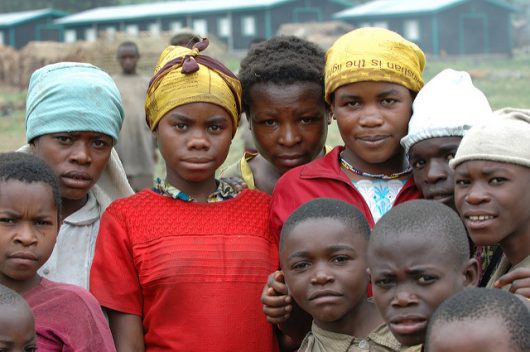
Save the Children

Save The Children is another foundation that assists children around the world by ensuring a healthy start to life, and presenting an equal opportunity for education. This organization trains teachers to engage with students through effective teaching practices and introduces children to the power of artistic expression — drawing, painting, dancing, music, etc. They fulfill their goal by implementing a strong foundation for learning, even during a crisis.

As of 2018, Save The Children has provided 13.8 million children the opportunity for an education. This organization accomplishes such an amazing feat through childhood development programs that help children survive physically and emotionally; financial services that provide and educate children on money and savings in order to break the cycle of poverty; and even youth employment.

Global Education is something that can’t be entirely solved until everyone does their part to help out. Governments, school systems and parents need to work in tandem to help children receive the learning experiences they deserve.

– Kayla Sellers
Photo: Google
June 17, 2018
https://borgenproject.org/wp-content/uploads/borgen-project-logo.svg 0 0 Borgen Project https://borgenproject.org/wp-content/uploads/borgen-project-logo.svg Borgen Project2018-06-17 13:33:242019-10-12 11:48:16Funding and Working to Find Global Education Solutions
Children, Global Health, Global Poverty

Fetal Alcohol Syndrome in South Africa: Mentor Mothers Fight Back

Fetal Alcohol Syndrome in South Africa
With a rate 14 times higher than the global average, Fetal Alcohol Syndrome (FAS) is more prevalent in children in South Africa than any other country in the world. In South African communities in the Western and Northern Cape, FAS is often a result of poverty, violence, substance abuse and teen pregnancies. Many young, expecting mothers attempt to dull the pains of their everyday lives through alcohol and drugs and are unaware of the negative consequences on their unborn children.

But not all hope is lost. As nonprofits work for to fight FAS in South Africa, the organizations have used mentor mothers to educate and guide young mothers through their pregnancies.

The Problem

FAS is a condition that occurs when mother’s consume alcohol during pregnancy and causes development problems in their child. These problems include learning and behavioral issues, brain damage, stunted growth and hearing and vision impairments.

In certain high-risk areas of South Africa, an estimated 72 percent of children are impacted by FAS. Furthermore, a shocking 111 out of 1,000 children in South Africa are believed to have FAS compared to the global estimate of seven per 1,000 children. This is partially due to a dated system where farmers pay workers in wine; this further contributes to alcoholism and binge-drinking.

Despite these high FAS levels in South Africa, there has been little to no government intervention or efforts to ease this problem. Instead, various nonprofits such as FASfacts and Philani have taken matters into their own hands.

Nonprofits Offer Solutions

FASfacts’ goal is to decrease alcohol consumption during pregnancy through educating the general public on the effects of FAS on children. It does so through various programs implemented in satellite offices throughout the country including:

  • Experiential learning for children and adults
  • Advertising campaigns
  • Church involvement
  • Mentor mothers
  • Film and theater

These programs aim to help young girls and adult women make the decision to avoid alcohol while pregnant, and encourages fathers/partners to abstain from drinking during and after pregnancies as well.

Another nonprofit working to decrease Fetal Alcohol Syndrome in South Africa is called Philani. This organization has been operating since 1979 and tries to stop the health threats of HIV/TB, alcohol abuse and malnutrition on infants. Philani recognizes that alcohol abuse continues to threaten malnourished children even after pregnancy and tries to build partnerships within families to nurture healthy children.

Both of these organizations have seen extensive results through their volunteer and mentor mothers programs.

Mentor Mothers Fighting Back

To provide support to expecting mothers, each of these nonprofits started a mentor mothers program. These programs train and recruit volunteers from communities at risk, many of whom are mothers themselves, to educate and guide these women through their pregnancies and provide support after.

The FASfacts program has been running for seven years and has helped nearly 500 women maintain sobriety during pregnancy and breastfeeding. FASfacts trains mentors to give psychosocial support services to pregnant mothers within their own communities for a yearlong period. During this time mentors focus on education, emotional support and providing motivation to stay alcohol- and drug- free. Some of these mothers then become mentors themselves to help others in their communities.

The Holistic Approach For Success

The Philani program takes a holistic approach to primary healthcare and believes that an educated and healthy mother will raise a healthy family. Their mentor mothers walk among communities where they weigh and chart babies’ and children’s weights until age 5; they also refer some to clinics to receive treatment and tests. The program helps mothers stay healthy and sober during pregnancy, rehabilitate malnourished children and prevent HIV transmission between mother and child.

Mentor mothers are providing guidance and hope for mothers living in poverty and facing harsh challenges across South Africa. Their combination of education, guidance and support has helped many mothers stay sober during pregnancy and have healthier children as a result.

– Alexandra Eppenauer
Photo: Flickr

June 15, 2018
https://borgenproject.org/wp-content/uploads/borgen-project-logo.svg 0 0 Borgen Project https://borgenproject.org/wp-content/uploads/borgen-project-logo.svg Borgen Project2018-06-15 01:30:582024-05-29 22:42:40Fetal Alcohol Syndrome in South Africa: Mentor Mothers Fight Back
Children, Global Poverty

Child Malnutrition in Mali Must Be Addressed Immediately

Child Malnutrition in MaliAfrica is the only continent in the world in which poverty and malnutrition are on the rise. In a vast country with an undiversified economy, Malian households are especially vulnerable to poverty food insecurity.
Recently, Mali has faced “shocks” to its economic profile, including from a partial drought and internal strife. A 2013 World Bank study found that a 25 percent increase in cereal prices and 25 percent decrease in cereal production would push over 600,000 individuals to food insecurity levels in Mali. In addition, sustainably high population growth rates have risen the number of malnourished individuals in the country.

Effects of Child Malnutrition in Mali

While millions of Malians of all ages are affected by food insecurity, malnutrition is the second highest cause of death of children under the age of five. Almost 900,000 Mali children are at risk of global acute malnutrition in Mali, including 274,000 facing severe malnutrition and at risk of imminent death, according to UNICEF and the World Bank. To put this in the context of the country’s population, a 2013 World Bank study found that 44 percent of Malian households have at least one chronically malnutritioned child.

Malnutrition leads to devastating, long-lasting effects on young people. Research by an associate professor at the Federal University of São Paulo, Ana Lydia Saway, shows that malnutrition is linked to higher susceptibility to gain central fat, lower energy expenditure, higher blood pressure and disruptions in insulin production. These are all factors which heighten the risk of other chronic diseases later in life. 

How Mali is Combatting the Issue

Child malnutrition in Mali is a significant concern, requiring action and deserving worldwide attention. But a major problem limiting international assistance comes in the form of funding for aid.

In May, UNICEF reported that limited donor interest in the region has made it increasingly difficult for the organization to provide children with therapeutic food necessary to combat malnutrition. Funding for humanitarian organizations is low, as nearly 80 percent of UNICEF’s $37 million call for humanitarian aid for the year 2018 has not been raised.

“The children of Mali are suffering in silence, away from the world’s attention,” UNICEF Executive Director Henrietta H. Fore said during a visit to the country this year. “Amid increasing violence, more children are going hungry, missing out on learning and dying in the first days of life.”  

Still, community and international-based organizations are working to mitigate the effects of child malnutrition in Mali. For example, in the capital of Ségou Centre, the local population, with the help of the World Bank and Swiss Corporation agency, is working to provide necessary social services to its commune.

The third phase of this project involved the decentralizing of health facilities, which were starchly underequipped. The commune recently constructed a community health center, showing promising bottom-up action within Mali. Other organizations are helping out to create sustainable progress in development, including Groundswell International.

Furthermore, farmers and processors in Mali have been working together to increase the presence of Misola flour to combat malnutrition. During processing, vitamins and minerals are added to the flour, targeting those with nutritional deficiencies. 

A 2012 study published in the Journal of Nutrition and Metabolism found that Misola can help rehabilitate undernourished children and help those with depressed immune systems. “The porridge made from the flour allows for a nutritional transition from breast milk to traditional solid food,” Fernand Rolet, co-President of the Misola Association, said. 

Overcoming Child Malnutrition Globally

Rwanda provides a prime example that overcoming child malnutrition is possible. The nation, which has a similar wealth level to Mali, has made progress in lowering malnutrition levels. A 2015 Comprehensive Food Security and Vulnerability Access Report found that the level of stunting in young children dropped seven percent from three years prior. In Rwanda, the World Food Programme has been largely active, supplying food assistance such as providing meals for thousands of primary school children.

Combating malnutrition is an ongoing struggle, especially in Africa. Due to poor economic conditions and food scarcity, malnutrition continues to take the lives of thousands of children in Mali each year. Although citizens have founded programs to improve child nutrition and the issue is on humanitarian aid organizations’ radars, it is clear that more effort is needed to eradicate the problem. With continued efforts, child malnutrition in Mali will begin to decline.

– Isabel Bysiewicz
Photo: Flickr

June 14, 2018
https://borgenproject.org/wp-content/uploads/borgen-project-logo.svg 0 0 Borgen Project https://borgenproject.org/wp-content/uploads/borgen-project-logo.svg Borgen Project2018-06-14 07:30:172024-05-29 22:42:41Child Malnutrition in Mali Must Be Addressed Immediately
Child Soldiers, Children, War and Violence

Fight For Change: 10 Countries with Child Soldiers

Countries with Child Soldiers
The Convention on the Rights of the Child defines a ‘child’ as a person below the age of eighteen years. Children across the world have been used as soldiers in state and non-state military warfare, including World Wars I and II.

The 1970s saw a rise of humanitarian groups that raised the awareness of protecting children from the onslaughts of war, and it was during this time that the word “child soldier” appeared as an unacceptable condition. Though the 2002 Rome Statute for the International Criminal Court made enlistment of children under fifteen a war-crime, countries with child soldiers have consistently fallen behind in addressing this issue.

The United Nations (U.N.) estimates that, at present, approximately 300,000 children are used as child soldiers in more than 20 countries in the world, and forty percent of these children are girls. According to the U.N.’s 2017 studies, these are some of the countries with child soldiers:

Countries with Child Soldiers

  1. Central African Republic (CAR): The United Nations International Children’s Emergency Fund (UNICEF) helped release more than 2,800 child soldiers in CAR in 2014. Poverty leads children from a lot of families to join the militia for food and money. Children as young as 8 years old are used as soldiers by groups in Christian militias known as Anti-Balaka and Muslim Séléka coalition. Soldiering involves being used as human shields, messengers, fighters and sex slaves.
  2. The Democratic Republic of the Congo (DRC): The Congolese National Army and the rebel Congress for the Defense of the People have been active recruiters of child soldiers. Young boys and girls are abducted and used as fighters and sex slaves by groups like the Lord’s Resistance Army. This occurs not only in DRC, but also southern Sudan, northeastern Congo and the CAR.
  3. Somalia: Children as young as ten are often abducted and coerced into soldiering. The Transitional Federal Government and Islamist group al-Shabaab are known to carry out these recruitments which lead to “horrific abuses,” according Human Rights Watch (HRW) reports. These violations include forced recruitment, rape, forced marriage, religious/political teaching, suicide-bombing, combat and weapons training.
  4. Colombia: Thousands of children are recruited by guerillas and paramilitary forces like the Revolutionary Armed Forces of Colombia-People’s Army, the Camilist Union-National Liberation Army, and the paramilitary United Self-Defense Forces of Colombia. HRW reveals, “At least one of every four irregular combatants in Colombia’s civil war is under eighteen years old.” These children are recruited, trained and expected to carry explosives and executions.
  5. Myanmar: The HRW report, ‘Sold to be Soldiers’ (2007), states that a large portion of the Tatmadaw consists of underage soldiers. In a lot of instances, young boys are lured or coerced into joining the Tatmadaw. In addition to this horrific occurrence, there are numerous non-state armed groups like the Karenni Army, the Karen National Liberation Army and others that use child soldiers.
  6. Afghanistan: The U.N. reports the use of young children as fighters and suicide-bombers in Afghanistan. In Child Soldiers, David Rosen points out the prevalence of underage soldiers in groups like The Afghan National Police, Haqqani, Taliban, Islamic groups called Hezb-i-Islami and Jamat Sunat al-Dawa Salafia, and Tora Bora front.
  7. Iraq: The Sunni and Shia Arab groups fighting in the region — along with other militias involved in the battle for Mosul — are reported to recruit child soldiers. According to HRW reports, Yezidi and Kurdish boys and girls are used as combatants by groups like the Shingal Resistance Units and People’s Defense Forces.
  8. Yemen: Children as young as 14 are deployed here as soldiers by the Yemeni Government to combat the Houthi rebels. UNICEF regards this as more of a socio-cultural problem, as in Yemeni culture, manhood begins at the age of 14 and such adulthood demands the taking up of a weapon. In 2015, the U.N. reported 850 recruitments of children as soldiers. Armed groups like Al-Qaeda also use children for warfare and as sex slaves.
  9. Syria: The civil war in Syria has led to the deployment of many children as young as seven as soldiers by armed groups. Rebel factions fighting against the government and Islamic groups like Jabhat al-Nusra, Harakat Ahrar al-Sham al-Islamiya, Tawhid Brigade and the Islamic State of Iraq and Sham use child soldiers. These children are used to ferry ammunitions, fight, tend to the wounded, spy, act as snipers and suicide-bombers, and torture and execute prisoners.
  10. Sudan and South Sudan: More than a dozen armed groups, including pro-government militias, groups affiliated to the Sudan Liberation Army, and Sudanese Armed Forces, in Sudan, recruit children. In South Sudan, the South Sudanese Armed Forces and other opposition groups continue to deploy child soldiers. HRW notes that children as young as thirteen are abducted, detained and forced into soldiering.

The Fight of International Aid Organizations

Wars, absence of education, poverty, religious/political conditioning and abduction are some of the causes that contribute to this social crime. UNICEF and ILO have been working with government ministries to stop the use of child soldiers by both state and non-state parties. Programs sponsored by UNICEF and various human rights groups aim towards rehabilitation of child soldiers, building community networks, funding and providing education.

Child Soldiers International has been working with local organizations and advocating the protection of children and reintegration of former child soldiers. HRW has been creating information databases on recruitment patterns of a number of agencies in these countries. Though change is slow, the attempt to improve the condition of millions of children in countries with child soldiers remains consistent.

– Jayendrina Singha Ray
Photo: Flickr

June 14, 2018
https://borgenproject.org/wp-content/uploads/borgen-project-logo.svg 0 0 Borgen Project https://borgenproject.org/wp-content/uploads/borgen-project-logo.svg Borgen Project2018-06-14 01:30:352024-05-29 22:42:41Fight For Change: 10 Countries with Child Soldiers
Children, Global Poverty, Malnourishment

Malnourishment Has Decreased, Improving Children’s Lives

Malnourishment has decreased
In many parts of the world, malnourishment has been a fatal problem — not just for children, but also for communities. Today, malnourishment has decreased but continues to affect children globally. Despite this prevalence, strides have been made and malnourishment is becoming less and less detrimental for people, children especially, in numerous parts of the globe.

Facts of Malnourishment

Malnourishment involves a dietary deficiency — a poor diet may lead to a lack of vitamins, minerals and other essential substances. Too little protein can lead to kwashiorkor, symptoms of which include a distended abdomen. In addition, a lack of vitamin C can result in scurvy.

According to the World Health Organization (WHO), 462 million people worldwide are malnourished, and possess stunted development due to poor diet; this affects 159 million children globally.

Stunting in Senegal

When this millennium began, malnourishment was highly prevalent in most poor countries across the planet. In Senegal, however, stunting affected as many as 30 percent of children under five years of age. Stunting in growth is the result of long-term malnourishment.

In Senegal, stunting has life-long consequences such as: the reduction of cognitive abilities, limited school attainment, decreases in adult wages and can make children less likely to escape poverty as adults. The solution to these outcomes lies in holistic monitoring and feeding.

Within the globe, 1 in 4 children are stunted in growth; today, Senegal has a rate of 19 percent of stunted children. This makes it the lowest rate in any sub-Saharan African nation. Thanks to efforts from the Nutrition Policy Coordination Unit in the Prime Minister’s office — who worked with local governments, public service providers and NGOs — nutrition services have been delivered to in-need communities and households.

The services included health education, breastfeeding promotion, infant and young child feeding counseling, monthly weighing sessions, micronutrient supplementation, conditional cash transfers, targeted food security support and more.

Importance of Good Nutrition

The best chance a child has for growth is in access to good nutrition; child survival and development both stem from a healthy start. Children who are well nourished are more equipped to grow, learn and participate in the community, and are also much more resilient in the face of disease or disaster.

Malnourishment is often linked to nearly half of childhood deaths under the age of five; this figure calculates roughly to about 3 million young lives a year. For millions of children, chronic malnourishment results in stunting, irreversible physical and mental growth.

The first 1,000 days of a mother’s pregnancy are when malnourishment begins to take hold of the child; thankfully, by focusing on these first 1,000 days, UNICEF has helped cut the number of children affected by stunting by nearly 100 million since 1990.

First Steps of Progress

Now more than ever, millions of children’s lives are being saved on a grand and global scale. Within the last decade, malnourishment has decreased despite its continuance to globally affect children.

This progress is only the beginning — the start of the first 1,000 days to help prevent malnourishment from taking life away from those who’ve yet to begin to live it. To continue in the fight for the children is to continue to allow life to be at its best.

– Gustavo Lomas
Photo: Flickr

June 13, 2018
https://borgenproject.org/wp-content/uploads/borgen-project-logo.svg 0 0 Borgen Project https://borgenproject.org/wp-content/uploads/borgen-project-logo.svg Borgen Project2018-06-13 01:30:092019-10-13 17:35:35Malnourishment Has Decreased, Improving Children’s Lives
Child Soldiers, Children, Global Poverty, United Nations

Addressing the Issue of Using Child Soldiers in Afghanistan

Child soldiers in Afghanistan
Under the Rome Statute of the International Criminal Court (ICC), using children under the age of 15 in combat is deemed a war crime because children can either end up dead or traumatized from their experience. Afghanistan is a party to the Rome Statute.

Furthermore, the Optional Protocol to the Convention on the Rights of the Child on the Involvement of Children in Armed Conflict was ratified by Afghanistan in 2003 and states that people under the age of 18 may not be recruited by armed groups under any circumstances. It established the need to take measures, such as prohibition and criminalization of this action, to prevent the use of child soldiers. A violation of this is considered a breach of international law.


Conflict Creates Instability

The United States invaded Afghanistan in 2001 in order to remove the Taliban from power. Although Kabul was reclaimed, the Taliban still controls some regions in Afghanistan and the war has continued. Additionally, the spread of the Islamic State’s presence in Afghanistan has aggravated the situation and increased the threat of terrorism. The decades of war and instability have created severe poverty and violence.

Child soldiers in Afghanistan are recruited on both sides of the conflict. Some Afghan children have even been recruited to fight in Syria. The Taliban has recruited child soldiers since the 1990s. Children participate in the war in many ways. They often are sent to combat, go on suicide missions, work in noncombat positions and serve as messengers or spies.

The Recruitment of Child Soldiers in Afghanistan

The Taliban has used Islamic religious schools to train children from a young age. They often begin studying religious subjects taught by Taliban teachers at age six and learn military skills around the age of 13. Usually, these kids are not taken by force. The Taliban schools are an attractive option for poor families since they provide food and clothing for the children.

Despite evidence of young boys participating in combat, the Taliban claims that to participate in military operations they have to prove “mental and physical maturity.” Although child soldiers in Afghanistan are mostly used by the Taliban, they are also used by the Afghan National Police as cooks and guards at checkpoints. Parents often do not oppose this since the boys could be the sole provider for their families.

Girls in the War

The number of girls considered to be child soldiers in Afghanistan is minimal. Danielle Bell, the head of the Human Rights Unit at the United Nations Assistance Mission in Afghanistan, addressed this when she said, “In five years of monitoring and reporting, the U.N. has verified one case of child recruitment of a girl who was a trained suicide bomber.” Although they are not trained as soldiers, girls are often taken and forced into sex slavery for military groups.

The 2008 Child Soldiers Prevention Act prohibits the U.S. from giving military assistance to countries that use child soldiers. Jo Becker, the children’s rights advocacy director at Human Rights Watch, has criticized the U.S. for ignoring child soldiers in Afghanistan, saying, “The United States has paid hundreds of millions of dollars to support an Afghan militia that recruits and uses children to fight the Taliban.” Using children for military combat is both a violation of international law and a war crime and the United States government should take proper action against it.

– Luz Solano-Flórez
Photo: Flickr

June 12, 2018
https://borgenproject.org/wp-content/uploads/borgen-project-logo.svg 0 0 Borgen Project https://borgenproject.org/wp-content/uploads/borgen-project-logo.svg Borgen Project2018-06-12 07:30:572024-12-13 17:58:48Addressing the Issue of Using Child Soldiers in Afghanistan
Children, Disease

Critical Global Issues That Require Immediate Attention

Critical Global Issues
Global issues can be defined as any social, economic, political and environmental issues that affect the world in a catastrophic way. Living in the current world certainly has its uncertainties and challenges. There are numerous critical global issues that need immediate attention. Although progress toward solving them is being made, it is rather slow.

Five Critical Global Issues

  1. Biosecurity: Biosecurity refers to the measures taken to reduce the spread or introduction of infectious diseases in animals, plants and human beings. The goal of biosecurity is to prevent various biological risk factors whether natural, accidental or man-made. These risk factors have the potential to cause mass destruction, killing millions of people and causing huge economic loss and instability.
  2. Promoting Effective Altruism: Effective altruism can be described as various ways to benefit others as much as possible using one’s own resources. It involves devoting all kinds of altruistic behavior like time, money, energy and attention to people’s well-being. The four main focus areas of effective altruism are poverty reduction, meta effective altruism, the far future and animal suffering.Charity is one of the many ways to promote effective altruism. In the United States alone, there are about one million charities receiving a total of approximately $200 billion a year. Also, it is not necessary to be a millionaire to be effectively altruistic; even the smallest donation can make a difference in the grand scheme of things.
  3. Social Hostility: Social hostility can also be referred to as conflicts or wars caused due to intolerance and discrimination against others’ beliefs. In the present world, violence and discrimination have reached new heights in almost all regions of the world. Religious conflicts are seen to be strongly prevalent in one-third of the world’s 198 countries and territories. The countries ranking high for such conflicts are Pakistan, Afghanistan, India, Somalia and Israel.
  4. Destruction of Nature: Humans’ destruction of nature is taking a major toll on the world. Deforestation, done for various reasons like farming, cattle grazing, expanding cities and building dams, has caused environmental degradation and climate change. Deforestation has also led to losing 18.7 million acres of forests every year, which equals to 27 soccer fields a minute.Trees help absorb carbon dioxide which helps to cool the planet’s temperature down but the loss of trees from deforestation reverses this process. According to the World Wildlife Fund, 15 percent of greenhouse gas emissions come from deforestation. Thus, destruction of nature is another critical global issue that requires immediate preventive measures.
  5. Children’s Lives: In a report from 2017, UNICEF claims that child mortality has dropped from 12.6 million in 1990 to 5.6 million in 2016. This is a positive change but the number of deaths is still extremely significant; 15,000 children die every day. One of the significant causes of child mortality is malnutrition, while pneumonia, diarrhea and malaria are also significant factors.According to a report published from Save the Children on May 31, 2018, it is estimated that around 1.2 billion children are exposed to at least one of three threats: poverty, conflict or discrimination against girls. 153 million people are at a risk of suffering from all three. For the overall progress toward healthy living and well-being to continue, there is an urgent need to address and assist these vulnerable children.

These are only a few of the world’s most critical global issues. If society is to one day come together and attain total peace and security, these problems must be attended to as soon as possible. The safety of future generations depends on the actions taken now.

– Shweta Roy
Photo: Flickr

June 10, 2018
https://borgenproject.org/wp-content/uploads/borgen-project-logo.svg 0 0 Borgen Project https://borgenproject.org/wp-content/uploads/borgen-project-logo.svg Borgen Project2018-06-10 11:15:022024-05-29 22:42:41Critical Global Issues That Require Immediate Attention
Aid, Children, Global Poverty, United Nations

Understanding What UNICEF Stands for and Why

What UNICEF Stands For
The United Nations International Children’s Emergency Fund (UNICEF) is a program dedicated to providing developmental assistance to children and mothers in developing countries as well as supporting humanitarian efforts globally. UNICEF operates in over 190 countries in an effort to protect and save children’s lives.

How UNICEF Works

UNICEF receives its funding through donations from government entities around the globe as well as private donors. Of these funds, government entities are responsible for two-thirds of the organization’s resources. UNICEF stands for transparency. It reports that of the donations it receives, nearly 92 percent is distributed to relief programs.

UNICEF was founded in 1946 in an effort to help war-torn children in the many countries affected by World War II. In 1953, UNICEF dropped the words International and Emergency from its title in an effort to extend its reach to children in need in developing countries.

What UNICEF Stands For

Today, in cooperation with governments and NGOs, UNICEF stands for providing health care to children, promoting children’s rights and providing immunizations, adequate nutrition, safe food and water as well as basic education. UNICEF’s ultimate goal is to ensure that no child ever goes hungry, thirsty, dies prematurely or is bought, sold or otherwise victimized. In order to achieve this, UNICEF works with families in need and helps ensure adoption policies are in accordance with the best and most ethical practices today.

UNICEF stands for transparency in the nonprofit sector. It receives high praises from many watchdogs for its monetary transparency policies. Of every dollar spent, 90 cents go to children’s efforts, seven cents go toward fundraising efforts and three cents go toward overhead and administrative costs. As well as being transparent, UNICEF excels at working with other agencies and private businesses to fight for children’s rights.

UNICEF’s Partnership with Google

UNICEF works with companies like Google to respond to emergencies such as earthquakes, hurricanes and other natural disasters. Most recently, UNICEF has worked with Google to help aid children and families affected by hurricanes in Puerto Rico and the Caribbean.

As well as emergency aid, UNICEF and Google collaborate to support the annual flu shot campaign provided by UNICEF. This collaboration has raised over $600,000 toward UNICEF’s immunization program.

In 2016, Google helped UNICEF by donating $1 million to help fight the spread of the Zika virus. Google worked with UNICEF to build a program which tracked the anticipated outbreak of the virus and developed technology that is applicable to not only the Zika virus but other virus outbreaks in the future. With Google’s help, UNICEF helped prevent the spread of the Zika virus and saved the lives of many children and families around the world.

UNICEF is a program with the noble intentions of promoting children’s health and happiness around the globe. Many of the programs provided by UNICEF have helped greatly in reducing the abuse of children in over 190 countries. With its clear mission of transparency, UNICEF succeeds in providing aid to children and families in need. With the help of NGOs and companies like Google, UNICEF is set to continue its story of success in the future.

– Dalton Westfall

Photo: Flickr

May 29, 2018
https://borgenproject.org/wp-content/uploads/borgen-project-logo.svg 0 0 Borgen Project https://borgenproject.org/wp-content/uploads/borgen-project-logo.svg Borgen Project2018-05-29 11:06:492024-05-29 22:42:33Understanding What UNICEF Stands for and Why
Page 88 of 137«‹8687888990›»

Get Smarter

  • Global Poverty 101
  • Global Poverty… The Good News
  • Global Poverty & U.S. Jobs
  • Global Poverty and National Security
  • Innovative Solutions to Poverty
  • Global Poverty & Aid FAQ’s
Search Search

Take Action

  • Call Congress
  • Email Congress
  • Donate
  • 30 Ways to Help
  • Volunteer Ops
  • Internships
  • Courses & Certificates
  • The Podcast
Borgen Project

“The Borgen Project is an incredible nonprofit organization that is addressing poverty and hunger and working towards ending them.”

-The Huffington Post

Inside The Borgen Project

  • Contact
  • About
  • Financials
  • President
  • Board of Directors
  • Board of Advisors

International Links

  • UK Email Parliament
  • UK Donate
  • Canada Email Parliament

Get Smarter

  • Global Poverty 101
  • Global Poverty… The Good News
  • Global Poverty & U.S. Jobs
  • Global Poverty and National Security
  • Innovative Solutions to Poverty
  • Global Poverty & Aid FAQ’s

Ways to Help

  • Call Congress
  • Email Congress
  • Donate
  • 30 Ways to Help
  • Volunteer Ops
  • Internships
  • Courses & Certificates
  • The Podcast
Scroll to top Scroll to top Scroll to top