• Link to X
  • Link to Facebook
  • Link to Instagram
  • Link to TikTok
  • Link to Youtube
  • About
    • About Us
      • President
      • Board of Directors
      • Board of Advisors
      • Financials
      • Our Methodology
      • Success Tracker
      • Contact
  • Act Now
    • 30 Ways to Help
      • Email Congress
      • Call Congress
      • Volunteer
      • Courses & Certificates
      • Be a Donor
    • Internships
      • In-Office Internships
      • Remote Internships
    • Legislation
      • Politics 101
  • The Blog
  • The Podcast
  • Magazine
  • Donate
  • Click to open the search input field Click to open the search input field Search
  • Menu Menu

Archive for category: Children

Information and stories addressing children.

Children, Global Poverty

Anganwadi Workers in India

Anganwadi Workers in India
Anganwadi is a child and health care system in India, initiated by the government to promote nutrition, education and health care to its citizens, particularly in rural areas. Anganwadi workers in India are the first point of contact between organized health care and the poor people in rural India. The responsibilities of these workers include caring for the health and well being of nursing women, children and socioeconomically deprived groups.

The Anganwadi Workers

There are over one million Anganwadi centers in India with 2 million workers, benefiting over 70 million people. Each worker is responsible for the well-being of around 1,000 people in villages across India. The workers are from the community they operate in and thus have an intimate understanding of the issues surrounding patients. They are able to gain the trust of the patients and are thus able to provide for their needs.

This workforce includes mostly women and is regarded as an acceptable and effective means of employment for women in rural areas. Nursing women and children are comfortable being treated by these workers and find it easier to seek help. The workers participate in rudimentary training and skills to care for the people in their village.

The workers are often the only source of help for villagers and thus allow more people to gain access to health care. Rural India suffers from issues such as overpopulation, lack of sanitation and illiteracy, and these workers are able to ease the overburdened health care system of the country.

Benefits for the Children

Anganwadi centers also serve as free-of-cost preschool centers for children in the area. These centers also organize immunization programs for children and provide information on how to attain adequate nutrition. The mission of the organization is to remove malnutrition in India by 2022. The successes of polio and leprosy eradication programs in the country owe a great deal to the efforts of the Anganwadi workers.

The Ministry of Women and Child Development provides different types of training for workers, including classroom training. Some workers receive up to 3 months of training. Workers are also provided with refresher training from time to time. This ensures that workers have some understanding of health care and social development of children and are able to provide assistance to families.

Educational and Environmental Role

There has been a recent focus on sanitation measures that include providing drinking water, promoting personal hygiene practices and establishing practices of environmental sanitation. This provides people with tools to care for themselves and their environment. Workers provide advice on preventing open defecation, unhygienic food preparation and unsanitary living.

Anganwadi centers also organize workshops to empower adolescent girls through education, skill development and personal hygiene. By promoting literacy and nutrition, the centers are providing resources to young girls to develop themselves personally and professionally. This is also a means to reduce child marriages by providing skills to be economically and socially empowered.

Workers also utilize technology such as smartphones to create a database of residents of the village and schedule home visits for those who are immobile. Technology is also used to track activities, attendance and growth. This is also a good way to track progress and keep workers accountable.

Despite their helpful service, Anganwadi workers in India are severely underpaid. The government of India has provided greater incentives and salary to these workers so they are able to provide for themselves adequately.

Anganwadi workers in India provide the systematically oppressed with access to health care, education and sanitation facilities. This allows for an improvement in the quality of life of Indians and provides many women with employment opportunities. Continuous work of this organization will benefit the country in its goal of eradicating poverty.

– Isha Kakar
Photo: Flickr

November 17, 2018
https://borgenproject.org/wp-content/uploads/borgen-project-logo.svg 0 0 Borgen Project https://borgenproject.org/wp-content/uploads/borgen-project-logo.svg Borgen Project2018-11-17 07:30:322019-05-21 14:10:27Anganwadi Workers in India
Children

Child Poverty in Albania

Child Poverty in Albania
Albania, a small country located in the Balkan, has a harsh and troubling history. From a constructing of half-a-million bunkers due to fear of a foreign invasion to multiple economic crises, corruption and civil unrest, Albania has seen it all. Such disruptions have taken a toll on the Albanian people, especially its children. As the situation in Albania gradually improves, targeting child poverty has become a significant focus of the international community. In the text below, 10 facts about the child poverty in Albania are presented.

10 Facts About Child Poverty in Albania

  1. Albania has a total population of 2.8 million. Out of this number, the number of Albanians under the age of 19 is around 1 million, which represents more than a third of the population. This places Albania’s populace in the second place of youngest countries in all of Europe, that creates an ever-increasing urgency to end child poverty and break the cycle of poverty in the country.
  2. The United Nations International Children Emergency Fund (UNICEF) outlines the most significant threats to the Albanian children as growing economic disparities, social exclusion and discrimination violence and exploitation, domestic violence, lack of access to health and education services and, finally, malnutrition.
  3. In 2012, approximately 17.4 percent of Albanian children lived in absolute poverty while 1.8 percent lived with families who had no income. Furthermore, there is a measurable gap between poverty levels in rural and urban areas. However, this gap has narrowed to a difference of only 1.7 percent of those living in poverty in rural and urban areas.
  4. The Albanian government launched the Economic Aid (E.A.) programme in hopes of transferring cash and assistance to the country’s poorest. But by 2008, coverage had fallen to less than 7 percent due to stricter eligibility criteria and results showed only 0.4 percent of people lifted out of poverty.
  5. UNICEF attributes one-third of child deaths to malnutrition in Albania and has seen rates directly affected by wealth, geographic location, different residence (urban or rural) and education level of the mother. Child poverty and malnutrition in Albania are especially more prominent in resource-poor rural households and urban neighborhoods with high unemployment rates. According to a 2010 survey, up to 43 percent of these households had difficulties in providing food for their families on a yearly basis.
  6. Besides malnutrition, access to health services and other factors greatly hinder young Albanians from living healthy lives. For instance, the mortality rate of children under 5 in Albania is 17 per 1,000 children. In urban areas, the rate drops to 13 children, but more than doubles to 28 in rural parts of the country. On top of these statistics, primary health care and basic health services are severely underfunded and 90 percent of Albanian families cannot pay for their health care.
  7. The Romani (or Gypsy) children living in Albania are particularly at risk of poverty due to the discrimination they experience and the lack of institutions that support their cultural and linguistic background. In 2011, UNICEF conducted research on the Romani population and found that 40 percent are illiterate, only 25 percent of Romani children attend pre-school or early education institutions and 75 percent are considered very poor.
  8. While drop-out rates are only about 0.37 percent and the percent of children who never attended school is at 1.05 percent, the quality of education is still a challenge for the Albanian government. The vast majority of funding is given to teacher salaries and infrastructure (important parts of the successful educational system), but too little is given to development, services and quality of providing education.
  9. Due to the social and cultural attitudes of Albania, physical and phycological violence against children are often tolerated or even encouraged. A UNICEF study in 2006 revealed that most adults think physical or phycological violence has positive effects on children. Moreover, 50 percent of children have absorbed these ideas and believe that violence is needed at home and in school. In addition, children are exploited into forced labor since there basic social services and safety nets are lacking.
  10. Despite child poverty in Albania, UNICEF and the United States Agency for International Development (USAID) have done tremendous work through humanitarian aid and action. For example, UNICEF has largely focused on lobbying and working with the Albanian government and international community in providing long-term protections for the children in the country. As of 2016, UNICEF and the Albanian government have launched ambitious reforms in the social, economic, health and educational sectors in order to curtail childhood poverty. Furthermore, USAID has contributed nearly $500 million in foreign aid to Albania since 1992 with the goal of strengthening democracy, curtailing corruption, promoting civil society and gender equality and creating a more equitable economy.

Perhaps the biggest organization influencing poverty in Albania is the European Union (EU). While Albania is a candidate for the EU, the organization is requiring that the country progresses on political and economic reforms, improves governance and the rule of law and observes human rights standards.

Albania has shown that it values a future of being an E.U. member, which would be a significant step to building a stronger relationship between the United States and Albania. But in the first place, foreign aid will is needed to create a system capable of protecting every child and ending child poverty in Albania.

– Tanner Helem
Photo: Flickr

November 12, 2018
https://borgenproject.org/wp-content/uploads/borgen-project-logo.svg 0 0 Kim Thelwell https://borgenproject.org/wp-content/uploads/borgen-project-logo.svg Kim Thelwell2018-11-12 07:30:152024-05-29 22:57:37Child Poverty in Albania
Child Soldiers

Top 10 Facts About Yemen Child Soldiers

Top 10 Facts About Yemen Child Soldiers
Yemen, a relatively small country located south of Saudi Arabia and east of the Red Sea, currently has one of the worst humanitarian crises on the planet. Similar to situations is most conflicts, Yemeni children have suffered immensely since the war began in 2014. In particular, Yemen has seen the recruitment of child soldiers as a common practice. Since this is a very serious issue, in the text below top 10 facts about Yemen child soldiers are presented.

Top 10 Facts About Yemen Child Soldiers

  1. The year 2014 witnessed the beginning of the crisis in Yemen when Iranian-backed Houthi rebels took over most of the country’s cities, including the capital Sanaa. In response, Saudi Arabia has led a coalition in support of the government that was led by Abdu Rabu Mansour Hadi.
  2. Saudi Arabia and its coalition partners have mainly waged a campaign of air strikes and an ongoing land, air and sea blockade. According to the World Health Organisation, as of early 2018, over 8,600 people have died and around 50,000 have been injured. In addition to this fact, Yemen is experiencing one of the worst modern world’s cholera outbreak.
  3. Although both Houthi forces and pro-government forces claim child soldiers are frowned upon on, the number of child soldiers has increased in Yemen over the years. The U.N. reports that an estimated 517 children were recruited in Yemen during 2016. In 2017, however, this number expanded to 842. This includes children as young as 11 years old. In total, an official tally approximates that around 2,369 children have been used in combat since 2015.
  4. Of these confirmed cases, Houthi rebels share the most responsibility for the recruitment of Yemeni children. Out of the 842 recruited child soldiers in 2017, 534 fought under the Houthi rebels. Of course, Houthi rebels are not the only ones who participate in using child soldiers for their cause, since another, pro-government side, recruits child soldiers as well.
  5. Poverty has become a significant factor for child recruitment in Yemen. The USAID reports that 80 percent of Yemenis need humanitarian assistance. Consequently, the recruitment of children becomes an economic exchange. These young boys are voluntarily and involuntarily recruited for the purpose of bringing the money home. With families living in poverty and in war-torn areas, fighting for the rebels or pro-government forces becomes one of the few ways to make a living at such a young age. In fact, Amnesty International stated that Houthi forces would offer to pay $80 to $120 in monthly pensions to the family of a killed child soldier.
  6. The degradation of Yemen’s educational system has also resulted in a major recruitment boom for local forces. As of March 2018, the U.N. estimated that around 2 million school-aged children were out of school and 2,500 schools were left in rubbles. The United Nations International Children’s Emergency Fund has concluded that the risks or children recruitment for war purposes rapidly increase when there is no educational or social security net for them to grow up in. Armed groups are able to distort the perceptions of parents and children into thinking that recruitment is the only path left for the future, in order to gain cheap soldiers.
  7. While Yemen child soldiers are increasingly being recruited in the current crisis, international groups are using foreign aid to stop and eventually reverse this trend. For instance, UNICEF has recently launched a campaign that emphasizes education and advocacy. It is their plan to rebuild Yemen’s educational system and make sure that children at-risk always have schooling as the best option for their future. Moreover, the U.N. has called on all parties of the conflict to return these children to schools and better protect them and their futures.
  8. The U.S. Agency for International Development has initiated numerous projects for keeping children educated and protected. As of 2017, USAID has funded the day-to-day expenses and repairs for over 200 schools, resulting in 70,000 children staying in school and receiving a basic education. Working alongside the Yemen Ministry of Education, 15,000 high-risk children were able to continue their education at home when the security environment proved too dangerous for schools. S.A.I.D. and local governments are continuously developing security and emergency plans for over 100 schools in order to better protect school children across the country.
  9. The King Salman Humanitarian Aid and Relief Center (KSRelief) was launched in Yemen’s Marib province with the hope of helping former child soldiers recover from the emotional and phycological scars of combat. As of 2017, 215 children were rehabilitated in addition to 2,000 that are currently undergoing treatment.
  10. The U.N.’s Humanitarian Coordinator for Yemen stated he was “deeply disturbed” by the conflict and the “complete disregard for human life that all parties, including the Saudi-led coalition, continue to show in this absurd war.”

With the deadly conflict still raging in Yemen with no end in sight, it may be easy to lose hope. However, humanitarians at home and abroad are continuing to fight, especially for the children that are being manipulated into seeing their future as soldiers as the only way out. The hope is still alive that the joint effort of local authorities and international organizations will secure that these children go to school, not armories.

– Tanner Helem
Photo: Flickr

November 9, 2018
https://borgenproject.org/wp-content/uploads/borgen-project-logo.svg 0 0 Borgen Project https://borgenproject.org/wp-content/uploads/borgen-project-logo.svg Borgen Project2018-11-09 01:30:242024-05-29 22:57:29Top 10 Facts About Yemen Child Soldiers
Child Soldiers, Refugees

Top 10 Facts about Child Soldiers in Syria

Top 10 Facts about Child Soldiers in Syria
During the Syrian conflict, children, even younger than 10, have been recruited into armed groups. These children are inadequately protected by the government and many are recruited into government and terrorist organizations. The majority of them are untrained but are placed in combat situations. Years of violence and despair have plagued the lives of these children. In the text below, the top 10 facts about child soldiers in Syria are presented.

 Top 10 Facts about Child Soldiers in Syria

  1. In a survey conducted by Save the Children, 59 percent of adults interviewed in Syria claimed to know children or young adults in Syria that had been recruited into armed groups. As of 2017, 910 children have been killed and 361 have been maimed during the Syrian conflict. Child soldiers in Syria have been used as human shields, suicide bombers, front-line soldiers and as guards at checkpoints.
  2. Between 2015 and 2016, the number of armed children in the Syrian civil war verified by the U.N. was 851, more than double from the year before. The incentives used to encourage children into the army are salaries, ideologies and family or community influence. Even girls join these armed groups and seek to escape either abuse or arranged marriages.
  3. Child soldiers are encouraged to join armed groups due to poverty or being consistently targeted by specific groups. Some child soldiers in Syria have been reported to receive salaries of up to $400 a month. The families targeted by recruiters are typically poor and recruiters have been known to promise to pay and clothe children for their enlistment.
  4. In Syria, ISIS had kidnapped 463 children in 2015. ISIS usually targets ethnic minority groups and women and children in their abductions. In 2015, it was believed that this organization has 3,500 slaves that were made up mostly of women and children.
  5. The U.N. verified 29 child soldiers in Syria associated with government forces. Although the government is not supposed to conscript child soldiers, they do sit anyway. The children in Syria have little protection from the government against armed groups recruitment.
  6. The Syrian Democratic Forces (SDF) have recently issued an order that no one under the age of 18 is allowed to be enlisted into the army. This order requires commanders to verify the ages of soldiers and then take those under the age limit to authorities to end their enlistment. It also calls for punishments for commanders who refuse to comply with this order.
  7. Around 60 percent of the United Nation’s verified cases of child soldiers in Syria were associated with the Free Syrian Army. The Free Syrian Army is a rebel group formed by army deserters in Turkey. Several other armed groups across Syria have adopted their banner. A child interviewed by the Human Rights Watch stated that he joined the Free Syrian Army after he was previously tortured by the government forces.
  8. Children are actively being detained in Syria due to their perceived alliance with a specific group or organization. The U.N. verified that government forces had arrested 12 boys in 2016. Anti-government forces imprison children that are believed to support the government.
  9. There are 292,000 children trapped in besieged areas. The affected areas include Damascus, Idlib, Deir Az Zor and Homs. These areas have been besieged by both rebel and pro-government forces.
  10. Recently, the United Nations appealed to the U.S. for $8 billion of aid for Syria. The first part of the proposal aims to help refugees and the second part aims to provide humanitarian aid and protection for the 13.5 million people inside Syria.

These top 10 facts about child soldiers in Syria demonstrate the desperate crisis children in this country face every day. These are children who desperately need support in a fractured world, especially child soldiers that are affected most by the violence.

Investing in the future of this region and its children could have a large impact. Rehabilitation programs for child soldiers could help them reintegrate into society and into a normal life. These children could be placed into care centers or mandatory rehab programs to deal with the psychological and physical damage they have suffered.

Programs like these have worked in other conflicts and war situations and could help Syrian child soldiers find a way out of the violence they face every day and help them re-establish relationships with their families and communities as well.

– Olivia Halliburton

Photo: Flickr

November 6, 2018
https://borgenproject.org/wp-content/uploads/borgen-project-logo.svg 0 0 Kim Thelwell https://borgenproject.org/wp-content/uploads/borgen-project-logo.svg Kim Thelwell2018-11-06 01:30:432024-05-29 22:42:54Top 10 Facts about Child Soldiers in Syria
Child Soldiers

Top 10 Facts about Child Soldiers in the Democratic Republic of the Congo

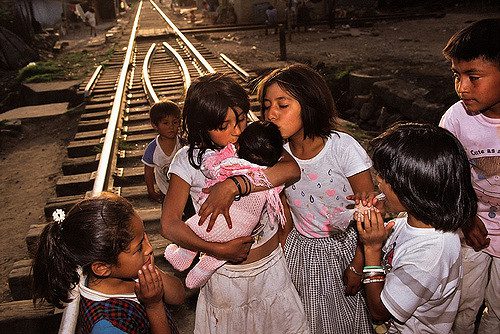
Top 10 Facts about Child Soldiers in the Democratic Republic of the CongoFor Western civilizations, it is hard to comprehend the usage of children as soldiers for different purposes in other countries. It is hard even to imagine a child holding a gun. However, child soldiers are a very real epidemic in most of the African continent. This problem is prevalent in the Democratic Republic of the Congo (DRC) in Central Africa. In order to better understand the situation in this country, in the text below the top 10 facts about the child soldiers are presented.
Top 10 Facts about Child Soldiers in the Democratic Republic of the Congo

  1. DRC has been infected with many different forms of armed conflict for over 20 years. A cruel tactic that the soldiers have acquired is recruiting and abducting children from their homes and enlisting them to fight, mostly against their will. It is also important to note that over 35 percent of these children were recruited voluntarily.
  2. Of the children enlisted as child soldiers in the DRC, one-third are young girls. Unfortunately, these girls are used as “wives” for the older men and face cruel sexual abuse from commanders and soldiers alike. Of the children released from the armies only 7 percent were girls but the organization Child Soldiers International is fighting hard to safely return as many girls as possible back to their families and homes.
  3. While the Child Soldiers International organization focuses heavily on ending the exploitation of girls they also work hard in researching, advocating and raising awareness to prevent the general recruitment of child soldiers in the DRC. They work tirelessly with the U.N., Congolese organizations and the DRC government in their efforts.
  4. Children as young as 6 have been recruited and children from ages 8 to 16 make up at least 60 percent of the soldiers in the region.
  5. Child soldiers suffer from immense psychological trauma as well as the struggle with the reintegration to everyday life. There are many organizations at work to help with the reintegration process such as the Action Center for Youth and Vulnerable Children (CAJED) that provides support and job skill training for those in need.
  6. The DRC government, while it was slow to intervene at first, is not sitting back while the recruitment of child soldiers continues. It has recently signed all international agreements, treaties and protocols with regards to child soldiers in the country.
  7. Of the estimated 300,000 child soldiers in the world, approximately 10 percent were from the DRC in 2003.
  8. In 2012 the DRC’s government signed an Action Plan with the U.N. to stop the enlistment of child soldiers into any form of armed forces. This endeavor has drastically decreased the number of child soldiers but there are still illegal enlistments that go undocumented.
  9. In 2014, The DRC was listed as a tier three country, meaning there were very serious threats in terms of child trafficking in the country. Over 1,000 children were being either recruited for the armed forces or released from.
  10. The creator of the CAJED, Gilbert Munda, was once a child soldier himself in the DRC. He has paired his organization with UNICEF and focuses a lot of its efforts specifically in the DRC.

The recruitment and enlistment of child soldiers are one of the greatest humanitarian issues that our world faces. While the number of child soldiers has declined significantly over the years, there is still much that is needed to be done, but as with any other problem, the first step is acknowledgment.

– Samantha Harward
Photo: Flickr

October 27, 2018
https://borgenproject.org/wp-content/uploads/borgen-project-logo.svg 0 0 Borgen Project https://borgenproject.org/wp-content/uploads/borgen-project-logo.svg Borgen Project2018-10-27 01:30:172019-07-08 18:44:10Top 10 Facts about Child Soldiers in the Democratic Republic of the Congo
Children, Food & Hunger, Global Poverty, Hunger

Empty Stomachs to Hopeful Hearts: 8 Facts About Hunger in the US

Hunger in the U.S.
When one thinks of global hunger, the United States does not immediately come to mind as a country suffering from food insecurity. Yet, this does not mean that there are no hungry people in America, or that there are not demographic and geographic pockets of people experiencing hunger. Here are eight facts about hunger in the U.S.

Factors Related to Demographic and Geographic Disparities

  1. Demographics Affected by Hunger: Feeding America reports that the impact of hunger disproportionately affects different demographics. As is common in less developed countries, higher rates of hunger are experienced by children, seniors, the disabled, communities of color and rural communities.
  2. The Relationship Between Poverty and Hunger: Poverty is an underlying cause of hunger in all categories. Low family income, fixed income, lack of affordable housing so that food loses out to rent, under employment and unemployment all contribute to poverty.
  3. Child Hunger: Child hunger can be more prevalent for children of single parents, and for children of black, Latino and Native American families. Feeding America reported 20% of children being unsure as to where they would get their next meal in 2023—nearly 14 million children.
  4. Hunger Among Seniors: Seniors are more likely to live on fixed (and often inadequate) incomes, to have chronic health problems, to lack access to transportation and to be socially isolated. Feeding America reported 7 million older adults as food insecure in 2022, possibly rising to 9 million by 2050.
  5. Hunger Among the Vulnerable: Many active military and veterans, especially veterans who are older, disabled and/or in poor health are challenged to find a steady income post military, while partners of active military members find it difficult to find work because of frequent moves or living on base. Many bases are not near grocery stores. In addition, there are those veterans who have physical and mental issues related to military service. Feeding America reported food insecurity in 2020 for 24% of active-duty service members.
  6. People of Color: Some of the challenges often faced by people of color are cultural barriers and immigration policies and living in “food deserts”—areas without grocery stores or sources of fresh, healthy foods. In 2023, 25% of black people (9 million) and 25% of Latinos (nearly 14 million) were food insecure. In 2024, the U.S. Government Accountability Office reported that food insecurity was significantly greater among American Indian/Alaska Native households than for all U.S. households, or approximately 30% of households compared to 15%.
  7. Rural Americans: Issues for rural Americans include distance from stores and food pantries combined with lack of transportation, low wages and underemployment. Racism and long-term inequalities have resulted in rural black people as 2.5 more likely to experience hunger, with rural Native Americans having some of the highest rates of hunger in the country.
  8. Food Sovereignty for Native Americans: Uniquely for Native Americans is the additional issue of native food sovereignty, the “right of peoples to healthy and culturally appropriate food produced through ecologically sound and sustainable methods, and their right to define their own food and agriculture systems.” The significance of food sovereignty led to the creation in 2005 of the Native American Food Sovereignty Alliance, a national network “dedicated to restoring food systems that support tribal self-determination and community wellness.

Assistance Programs for Food Insecure Americans

In 2023, the United States Department of Agriculture reported that 13.5% of U.S. households (18 million households) were food insecure, meaning that at some time during the year there were insufficient resources to provide enough food for all members of the family. This was an increase over the previous the years. To address this need are many programs, both government programs and programs that nonprofit organizations offer.

Government Food Programs

The first Food Stamp Program came into being in 1939, serving around 20 million people over the course of its existence until spring 1943. There were various similar programs until 1964, when President Lyndon Johnson signed the Food Stamp Act, making the program permanent. Over the years, there have been many changes in the program, which has been reborn as SNAP, or the Supplemental Nutrition Assistance Program. SNAP is the largest anti-hunger program in America, currently helping approximately 42 million people.

In 2025, the USDA reported that about 25% of Americans participated in at least one of its food and nutrition assistance programs at some point during a given year.

Other government assistance includes programs for:

  • Older adults, e.g., Senior Farmers Market Nutrition Program; Commodity Supplemental Food Program providing monthly food boxes to people aged 60 and older
  • Emergencies, e.g., Disaster Supplemental Nutrition Assistance Program
  • Women, Infants and Children, WIC
  • School children, e.g., National School Lunch Program, School Breakfast Program, Special Milk Program, Summer Food Service Program
  • Native Americans, e.g., Food Distribution Program on Indian Reservation

Nonprofit Programs

Two prominent nonprofit food assistance programs in the U.S. are:

  • Meals on Wheels America: Meals on Wheels American has been in existence for 50 years and is a network of more than 5,000 independent community-based providers that delivers meals to more than two million seniors annually. They report “millions more” waiting to be included.
  • No Kid Hungry: Share Our Strength launched No Kid Hungry in 2010 and is a campaign addressing problems of poverty and hunger within the U.S. as well as globally. Its focus is raising money and awareness, but it also works with programs on the ground, having granted more than $600 million to these programs.  

Addressing Hunger in the U.S.

There are many factors that contribute to hunger in the U.S. among individuals, families and communities. Some of these factors have to be addressed at the societal level such as unemployment, housing, transportation and racism. At the individual level, needs can be met simply by getting food to hungry people, as many government programs and charitable organization do.

– Staff Reports

Photo: Flickr

September 26, 2018
https://borgenproject.org/wp-content/uploads/borgen-project-logo.svg 0 0 Borgen Project https://borgenproject.org/wp-content/uploads/borgen-project-logo.svg Borgen Project2018-09-26 01:30:512025-07-09 08:04:51Empty Stomachs to Hopeful Hearts: 8 Facts About Hunger in the US
Children, Global Poverty

Top 10 Facts About Child Labor

Saharan AfricaChild labor is a major concern for the future of developing nations. This represents a practice that hinders the development of the poorest nations on the planet while simultaneously hampering the development of their future generations. This practice has a large impact on the youngest among us; however, we do have reason to be optimistic that, together, we can end the exploitation of children.

Top 10 Facts About Child Labor

  1. Currently, reports indicate that approximately 168 million children are exploited by child labor around the world. Of those 168 million, approximately 100 million are boys and 68 million are girls.
  2. Poverty and lack of educational opportunities are the main factors that often force children to work because children must work in order to help their families financially. Furthermore, if children have limited access to education, many are forced to turn to work in order to provide for themselves and their families.
  3. Most children work in the agricultural sectors, growing cash-crops like coffee or cocoa that are then shipped to richer, more developed countries.
  4. Emergencies or crises often force children to work. Take Syria for example; many of the families that have fled the country have young children. In many cases, these children have to work in order to help the family overcome the hardships associated with fleeing their war-torn country.
  5. The highest incidence of child labor takes place in sub-Saharan Africa. This is due, in part, to the high levels of poverty in the area and the need for unskilled labor to work on the many cash-crop producing farms.
  6. Due to an increase in awareness and work of several organizations, child labor is on the decline. Between 2000 and 2012, the total number of children being exploited for their labor has declined from 245 million to 168 million children.
  7. Consumers can help end child labor by being well-informed and making sure that companies they buy from do not engage in child labor practices. While this might require more research from the consumer, it is a critical step in ensuring that child labor ends.
  8. Access to education opportunities can end child labor. If parents can send their children to a safe, quality school, then they may encourage them to stay in school and continue their education instead of immediately trying to work.
  9. U.N. member states adopted 17 Global Goals for Sustainable Development in 2015. These Goals included ending all forms of slavery, child labor and exploitation by 2025.
  10. Individuals can make a difference in helping to end child labor by contacting their representatives and senators in Congress or other government officials and encouraging them to support legislation and initiatives that help end global poverty. In doing so, those individuals become advocates for children’s rights and help eliminate some of the conditions and causes of child labor. People can also get involved through groups like The International Labor Organization (ILO), which works with governments to set labor standards and prevent forced and child labor.

Now more than ever, there is a reason to be optimistic about ending the exploitation of children for labor. As the facts show, child labor is decreasing and many global programs are working to end it once and for all. Hopefully, these top 10 facts about child labor will encourage you to act. As consumers, we can demand that businesses do not exploit the labor of children. As concerned citizens and voters, we can demand that our leaders work to address this problem and end it forever.

– Raymond Terry

Photo: Flickr

September 8, 2018
https://borgenproject.org/wp-content/uploads/borgen-project-logo.svg 0 0 Borgen Project https://borgenproject.org/wp-content/uploads/borgen-project-logo.svg Borgen Project2018-09-08 06:30:482024-12-13 17:50:04Top 10 Facts About Child Labor
Child Marriage, Children, Women's Empowerment

Child Marriage in Mexico Requires Immediate Attention

Child Marriage in Mexico
Child marriage in Mexico is more common than most people realize. In comparison to Mexico’s regional counterparts — specifically the United States and Canada — child marriage is a large problem that contributes to, and is caused by, Mexico’s poverty crisis.

Ages of Consent

In comparison to other NAFTA countries, the rate of child marriage in the United States — a much more densely populated country — is highest in West Virginia. Between 2000 and 2010, 248,000 children were married in the United States.

Canada’s data on this topic is not comprehensive; however, the government of Canada has taken massive steps to mitigate the problem of child marriage; in fact, most said marriages actually take place and are moved to other countries.

In Mexico, one out of every four girls is married before the age of 18. This is permitted by Mexican law, as the age of consent in Mexico is 14 years old (with parental consent). This is a striking difference compared to the U.S. and Canada, where the age of consent is averaged at 18 years in most parts of both countries.

Child Marriage in Mexico

Child marriage in Mexico is directly related to the pervasive poverty levels in Mexico, both in that the socioeconomic status causes child marriage, and child marriage, in turn, contributes to poverty levels.

The high levels of child marriage in Mexico are highly correlated with teenage pregnancy. Teen pregnancy is a large driver of negative economics and individual poverty.

Teenage pregnancy is highly correlated with not finishing education (which creates a lower likelihood of finding a stable career), a higher likelihood of ending up impoverished and increased healthcare costs.

Poverty’s Power

The main driver of child marriage in Mexico is poverty. The poverty in Mexico has caused unprecedented levels of violence, and many see marriage as a way of fleeing such brutality. Such behavior applies to the girls within the 20 million impoverished children of Mexico, as they often fall into the peculiar consent and marriage laws as a means to flee poverty.

Lack of job stability, education and political omission are all factors that drive the high levels of child marriage in Mexico.

Such a complex topic, which derives from various socioeconomic and cultural baggage, requires complex problem solving, of which the lack thereof perpetuates the moral crisis. Making recommendations to Mexican policymakers cannot just involve raising the age of consent, as various cultural factors also drive the state of affairs.

Methods of Mitigation

Actions to mitigate the problem of child marriage in Mexico started with the Mexican government outlawing the practice in 2014. This alone will not help; women’s empowerment must also go hand-in-hand when such legislation. Mexico’s Ministry of Public Education has joined with the Mexican Academy of Science and the Organization of Economic Cooperation and Development to promote STEM in girls’ education in Mexico.

The University of Texas at San Antonio is working with Mexican Universities to teach various concepts of STEM. The U.S. Mexico foundation has also taken up a program called “Mujeres en STEM” to encourage more women to be involved in the STEM fields.

Girls’ education in Mexico is improving slowly, and will ultimately lead to women’s empowerment and slow down the prevalence of child marriage in Mexico. Women are increasingly enrolling in universities, even with the current levels of insufficient gender equality.

Improvement in Female Education and Employment

Women are also seeking paid employment, and the fact that about 20 percent of senators have been female since 2006 suggests the influence of women in politics is also increasing. If such development continues, these efforts will work to help eliminate child marriage in Mexico.

Policymakers need to also take geography into consideration — poverty occurs in mostly rural areas, therefore most of the resources designed to mitigate the problem must be litigated toward these communities. As the late Christopher Hitchens once said: “The cure for poverty has a name: it’s called the empowerment of women.”

Mexico lacks sufficient women’s empowerment — women are told to drop out of school to assume household duties; rates of violence against women are high; and indeed many of these early marriages are forced. Promoting women’s empowerment will work for, as Hitchens also said: “it works everywhere it has been implemented”.

– Daniel Lehewych
Photo: Flickr

August 15, 2018
https://borgenproject.org/wp-content/uploads/borgen-project-logo.svg 0 0 Borgen Project https://borgenproject.org/wp-content/uploads/borgen-project-logo.svg Borgen Project2018-08-15 01:30:312019-08-15 12:12:35Child Marriage in Mexico Requires Immediate Attention
Children, Human Trafficking

Protection & Rehabilitation: Child Trafficking in Southeast Asia

Child Trafficking in Southeast Asia
Instances of child trafficking in Southeast Asia are among the greatest in the world. UNICEF provides an abbreviated definition of child trafficking: “A child has been trafficked if he or she has been moved within a country, or across borders, whether by force or not, with the purpose of exploiting the child.” Although this issue is extremely prevalent, there are indeed ways to combat child trafficking.

The Problem

According to UNICEF, the movement of children contributes to child vulnerability and exploitation. Displaced children lack relatives, healthcare, money and other options to return home; oftentimes, these children are unfamiliar with the new language and region.

In many cases, UNICEF emphasizes that “no force or deception is required” to traffic children. The Australian Institute of Criminology explained that economic pressures on families — such as poverty, unemployment and barriers to educational attainment — that push loved ones toward migration. As a result of such circumstances, children find jobs in low-skilled sectors.

Addressing Child Trafficking

It is difficult to recognize the occurrence of child trafficking, especially due to the unspecified language set forth by the United Nations Trafficking Protocol, also known as the U.N. Protocol to Prevent, Suppress and Punish Trafficking in Persons, especially Women and Children of 2000.

For instance, the Australian Institute of Criminology noted that the terms “exploitation, slavery, forced labour and vulnerability” held conflicting interpretations in a case study involving respondents from U.N. agencies and NGOs.

In the case study, it was found that “no two respondents answered all questions in the same way; an indication of the high degree of confusion regarding what constitutes child trafficking.” Despite these limitations, however, programs still strive to eliminate child trafficking. Child trafficking organizations specifically address concerns involving child vulnerability as unique from that of adults. Victims of child trafficking in Southeast Asia experience “bio-physiological, cognitive, behavioral, and social changes,” which require specialized attention.

Terre des Hommes

Concentrating on child trafficking in Southeast Asia, the organization Terre Des Hommes works with local partners in India, Nepal, Bangladesh, Myanmar, Thailand, Laos, Cambodia, Malaysia, Indonesia and the Philippines to implement prevention and protection measures along migration routes. Protection measures include the implementation of shelters, medical care, education, psychosocial support and “family reunification.”

Beginning in 2017, Terre des Hommes successfully rescued 58 boys and 86 girls in Cambodia. The organization’s training programs even teach community members and NGOs about children’s rights. In fact, approximately 19 street shows were performed in Myanmar to discuss child trafficking in a public setting, and educate community members about the issue.

Asia Against Child Trafficking (Asia ACTs)

Working at the regional level, Asia ACTs is an organization associated with the International Campaign against Child Trafficking (IcaCT). To reduce child trafficking in Southeast Asia, the organization campaigns for legislative reform so that authorities can “implement human rights standards for trafficked children.”

Actions involve the development of protection and rehabilitation programs for child victims and “implementing preventative measures like poverty alleviation [and] community awareness campaigns.” Targeted countries include the Philippines, Brunei Darussalam, Myanmar, Cambodia, Indonesia, Laos, Thailand and Vietnam.

The fight against child trafficking in Southeast Asia progresses as organizations continue to provide aid at the regional level and offer more individualized solutions, rather than a singular and over-generalized answer for all of Southeast Asia. These personalized response measures will change the lives of hundreds, if not thousands, of individuals, and hopefully model the proactive measures other organizations and nations should take against child trafficking.

– Christine Leung
Photo: Flickr

July 31, 2018
https://borgenproject.org/wp-content/uploads/borgen-project-logo.svg 0 0 Borgen Project https://borgenproject.org/wp-content/uploads/borgen-project-logo.svg Borgen Project2018-07-31 01:30:592024-05-29 22:52:34Protection & Rehabilitation: Child Trafficking in Southeast Asia
Child Soldiers, Children

Child Soldiers in Uganda: History and Facts

7 Facts About Ugandan Child Soldiers
The Lord’s Resistance Army (LRA) began in 1987 in Uganda to rebel against President Yoweri Museveni. Children constitute most of the army. The LRA forces child soldiers in Uganda to commit acts of violence on other minors within the LRA ranks as well as brutalities on their own siblings.

LRA and Child Soldiers in Uganda

Between 1988 and 2004, the LRA abducted 30,000 Ugandan children.

Joseph Kony heads the LRA. He grew up in the northern Ugandan village, Odek. His relative, Alice Auma Lakwena, began a rebel group called The Holy Spirit Movement in 1986 when Museveni seized power. In 1987, Kony declared himself a prophet, changed the name of the group to the LRA and began proclaiming rule based on the Ten Commandments.

In October 2005, the International Criminal Court (ICC) began attempting to arrest Kony. A peace agreement was finalized in April 2008, but the child soldiers in Uganda and neighboring countries remained an issue.

Since 2008, Kony and his forces have been shifting their presence to the Democratic Republic of the Congo, Sudan and the Central African Republic. The LRA Crisis Tracker, a website that reports LRA attacks and notifies email subscribers, lists 27 verified child abductions in these countries in 2018 alone.

Issues with the LRA

The LRA has displaced more than two million people since 1986 thereby increasing poverty in Uganda, especially in the north. However, the relation between the LRA and poverty is not mutually exclusive. The LRA and its brutal use of child soldiers in Uganda is a result of the harsh poverty that Kony and many others in the LRA ranks have experienced. Note the following:

  1. A huge income inequality, rooted in colonialism, exists between northern and southern Uganda’s north and south.
  2. British colonists created a militant north.
  3. The Acholi people have been systematically oppressed.

When the British colonized Uganda in 1860, a centralized government did not exist. They created agricultural and commercial centers in southern Uganda.

This left the north to provide labor. The British found higher success rates in northern Uganda for army recruitment because it provided northerners an opportunity to improve their livelihoods. These divisions continued after Uganda gained independence in 1962.

Acholi

Kony came from the impoverished north and is Acholi, an ethnolinguistic group. Idi Amin Dada, Former Ugandan President from 1971 to 1979, persecuted and executed the Acholi due to their military ties and alignment with Apollo Milton Obote, who was in office as the Prime Minister from 1962 to 1966 and as the President from 1966 to 1971 and then again from 1980 to 1985.

The British created a system where many Acholi people turned to the army to escape extreme poverty and then they were persecuted for it. Poverty and persecution influenced Kony’s disillusionment with the government and his desire to rebel and create child soldiers in Uganda.

However, the LRA’s actions have not combated the root issues of poverty and oppression. The cycle of poverty in Uganda propagates because of Kony and the LRA’s use of Ugandan child soldiers in the following ways:

  1. One of the biggest populations of displaced people now exists in northern and eastern Uganda. Most LRA raids take place at night, so when Kony’s presence was focused in Uganda, mothers and children trying to avoid becoming Ugandan soldiers fled their villages to bigger towns and secure government camps. More than 80 percent of the Acholi people were displaced.
  2. Malnutrition exists within the LRA ranks as well and many Ugandans focused on fleeing for their lives over planting food. This created severe food shortages, particularly in 2004.
  3. A lack of health workers exists because so many of them had to escape the LRA.
  4. Kony and other men in the LRA took many female captives as “wives” and forced them to have more children in order to provide more resources.

Moving Forward in Uganda

Now that most of LRA’s presence is focused elsewhere, Uganda is working to solve its problems. In 2006, 31.1 percent of Ugandans were under the national poverty line, according to The World Bank’s 2016 Uganda Poverty Assessment. In 2013, it went down to 19.7 percent. Northern and eastern Uganda still suffer devastating consequences from Kony’s reign of terror, and the same study reveals that poverty has increased in those regions from 68 percent to 84 percent in those seven years.

In June 2009, the LRA had abducted 491 civilians and caused 484 civilian fatalities in Uganda. While peace is coming to Uganda and its children, the LRA still violently demonstrates its power in the Central African Republic and the Democratic Republic of the Congo, where it abducted 124 civilians in 2018.

In June 2018, there have been no reported fatalities or abductions, meaning there are no new child soldiers in Uganda this year. The growing peace in Uganda provides hope that the country’s poverty rate might reduce and that the LRA would not reign indefinitely.

– Charlotte Preston
Photo: Flickr

July 16, 2018
https://borgenproject.org/wp-content/uploads/borgen-project-logo.svg 0 0 Borgen Project https://borgenproject.org/wp-content/uploads/borgen-project-logo.svg Borgen Project2018-07-16 03:30:092024-12-13 17:58:49Child Soldiers in Uganda: History and Facts
Page 85 of 137«‹8384858687›»

Get Smarter

  • Global Poverty 101
  • Global Poverty… The Good News
  • Global Poverty & U.S. Jobs
  • Global Poverty and National Security
  • Innovative Solutions to Poverty
  • Global Poverty & Aid FAQ’s
Search Search

Take Action

  • Call Congress
  • Email Congress
  • Donate
  • 30 Ways to Help
  • Volunteer Ops
  • Internships
  • Courses & Certificates
  • The Podcast
Borgen Project

“The Borgen Project is an incredible nonprofit organization that is addressing poverty and hunger and working towards ending them.”

-The Huffington Post

Inside The Borgen Project

  • Contact
  • About
  • Financials
  • President
  • Board of Directors
  • Board of Advisors

International Links

  • UK Email Parliament
  • UK Donate
  • Canada Email Parliament

Get Smarter

  • Global Poverty 101
  • Global Poverty… The Good News
  • Global Poverty & U.S. Jobs
  • Global Poverty and National Security
  • Innovative Solutions to Poverty
  • Global Poverty & Aid FAQ’s

Ways to Help

  • Call Congress
  • Email Congress
  • Donate
  • 30 Ways to Help
  • Volunteer Ops
  • Internships
  • Courses & Certificates
  • The Podcast
Scroll to top Scroll to top Scroll to top