• Link to X
  • Link to Facebook
  • Link to Instagram
  • Link to TikTok
  • Link to Youtube
  • About
    • About Us
      • President
      • Board of Directors
      • Board of Advisors
      • Financials
      • Our Methodology
      • Success Tracker
      • Contact
  • Act Now
    • 30 Ways to Help
      • Email Congress
      • Call Congress
      • Volunteer
      • Courses & Certificates
      • Be a Donor
    • Internships
      • In-Office Internships
      • Remote Internships
    • Legislation
      • Politics 101
  • The Blog
  • The Podcast
  • Magazine
  • Donate
  • Click to open the search input field Click to open the search input field Search
  • Menu Menu

Archive for category: Children

Information and stories addressing children.

Children, Global Poverty

How the 1979 Revolution Brought Iran Into Poverty

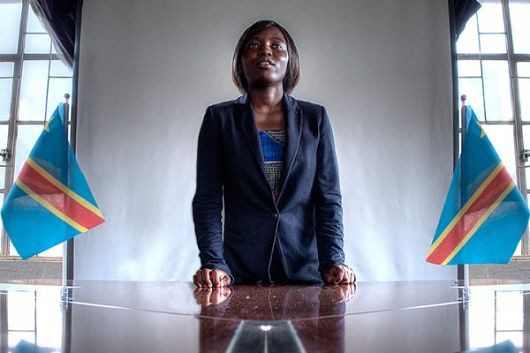
How Their 1979 Revolution Brought Iran Into Poverty-TBPRevolutions spin nations into a whirlwind of anxiousness, confusion and often economic changes. The changes that ensued after the 1979 Iranian Revolution sent the nation into economic troubles for a multitude of reasons.
After the revolution, the new government federalized businesses, which has ended up further hurting the economy. With the new sanctions and laws regarding the businesses, families have experienced a more difficult time to provide for themselves.

To add to the shift in government and adjusting to the new laws, a baby boom occurred in Iran following the 1979 revolution. Following the revolution, Ayatollah Ruhollah Khomeini asked women of the new Iran to have a substantial amount of babies that could one day protect their nation and faith.

After his call for children, the population came close to doubling from 34 million citizens to 62 million, according to The United States Institute of Peace: The Iran Primer.

With such a drastic jump in population, the Islamic Republic soon came to realize that they could not “feed, clothe, house, educate and eventually employ the growing numbers.” Without the ability, space or resources necessary, many families fell into poverty at a significant rate.

As more families sought refuge and aid in any form available, the option of terrorism became more tempting. Not because they desired terroristic actions, but often terrorist groups will travel through impoverished areas promising to pay considerable amounts to those who join their groups.

When in desperate need of money to care for one’s family, the willingness to join radical alternatives becomes a considerable option. With the insecurity of families and nations placed upon them, the feeling of hopelessness only grows.

However, after the dramatic increase in population, a progressive family planning program was enacted in an attempt to slow the population growth and allow the government to provide for those already born.

The program was advanced, especially for the time. Billboards went up across the nation encouraging smaller family sizes, volunteers were sent door-to-door to advocate for why fewer children were the better option, family planning classes were required before marriage and health centers began distributing free birth control and condoms all in an effort to slow the birth rate and end the baby boom.

With the new program in place, birth rates soon began to decline at what was a comforting rate. In 1988, women were averaging 5.5 births. By 2006, the average had decreased to 1.9 births per woman and was continuing to drop.

Though the birth rate had declined like intended, with the continually dropping rate, a new concern arose. There was now an exceedingly large generation of baby boomers being followed by a generation that would not even replace their parents.

The abrupt decline in births has, and still is, causing problems regarding their ability to support the immense aging population.

With this vast difference in situations and problems, the Iranian government and population are continuing to feel a struggle in the prolonged wake of the 1979 revolution.

Between the excessive number of babies and then the sudden drop in births, the population fluctuation is one of Iran’s numerous economic issues that they as a nation and separate communities are having to deal with.

– Katherine Wyant

Sources: Iran Primer, International Affairs Review, Iran Primer
Photo: Iran News Update

July 2, 2015
https://borgenproject.org/wp-content/uploads/borgen-project-logo.svg 0 0 Borgen Project https://borgenproject.org/wp-content/uploads/borgen-project-logo.svg Borgen Project2015-07-02 15:27:462024-12-13 17:51:40How the 1979 Revolution Brought Iran Into Poverty
Activism, Children, Global Poverty, Philanthropy

Victoria Beckham Participates in Save the Children Clothing Sale

save_the_childrenThrough fame, celebrities have the power to influence and gather others in support of a cause.
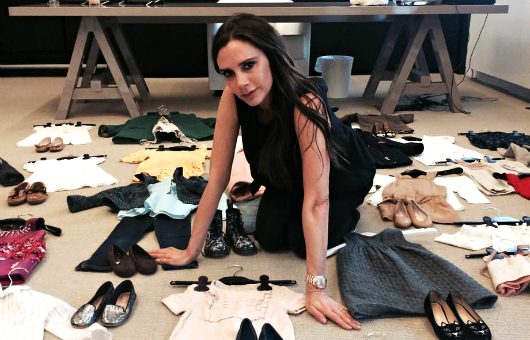
Victoria Beckham, singer and wife of soccer player, David Beckham, participated in the ‘Fashion Saves Lives’ Sale, which gave one-hundred percent of its profit to the program Save the Children.

In 1919, Eglantyne Jebb and Dorothy Buxton started a fund for Save the Children, which would assist children in areas of conflict. Today, the organization acts in 120 countries, providing basic care for children, such as education, health care, protection, food and water. The ultimate goal of the organization is to end child deaths from preventable diseases by 2030.

Recently, Victoria Beckham donated 25 of her daughter’s outfits to the cause. Three-year-old Harper’s donated clothes consisted of iconic brands such as Gucci, Ralph Lauren, Stella McCartney, Charlotte Olympia, Chloe, Roksanda Ilincic, and Marc Jacobs.

Hours before the sale began, bargain shoppers lined up outside of a London shop hoping to be the first to purchase one of the toddler’s outfits.

Only five minutes into the sale on June 18, one of the 25 outfits was purchased. The prices per outfit ranged from approximately 393 to 786 U.S. dollars.

One of Harper’s designer dresses was even placed on an online eBay auction, which ran from June 18-28.

At the auction, Victoria Beckham said, “As a mother, I passionately believe that all children, wherever they live, have the right to a happy, healthy life.”

Fifteen other celebrities, including fellow Spice Girl, Melanie C and actor, Stanley Tucci, donated clothing to the 10 day sale.

Victoria Beckham and the other celebrities who participated are advocates for Save the Children and they all campaign for world leaders to protect and save children worldwide.

Declaring that anyone can make a difference, Victoria Beckham says, “Everyone out there can do their part by purchasing or donating, ensuring children all around the world have the opportunity of a brighter future.”

– Kelsey Parrotte

Sources: Express, Save the Children 1, Save the Children 2
Photo: Mirror

July 2, 2015
https://borgenproject.org/wp-content/uploads/borgen-project-logo.svg 0 0 Borgen Project https://borgenproject.org/wp-content/uploads/borgen-project-logo.svg Borgen Project2015-07-02 14:07:382020-07-14 09:39:32Victoria Beckham Participates in Save the Children Clothing Sale
Children, Global Poverty

Street Children of Thailand

Most of us know our birth dates, where we are sleeping tonight and who are parents are. But for street children of Thailand, those three pieces of information are unlikely to be known.

The United Nations estimated that there is a population of 150 million street children worldwide. Due to Thailand’s growing population and economic issues, a large percentage of the street children reside in Thailand.

Street children in Thailand range from 1.5 to 18-years-old; all living on the street for various reasons. A study by The Nation found that although children are on the street for different reasons, the majority of them are because of family problems.

The economic crisis that hit Southeast Asia in the ’90s sent many families into a panic and scramble for money and resources. Though some street children are living with their families, a good portion of them is separated from their families.

World Street Children News published an article in which they interviewed a 14-year-old boy that was selling cigarettes and candy on the streets while living behind a school. When asked why he was living in such a harsh environment, he revealed that his family needed the money and living on the streets was cheaper.

Children just like this boy crowd the streets in Thailand, as well as other impoverished cities around the world. Begging to clean your shoes or car, sell you any item they can, or simply for money has become the only option for many children.

Unlike the 14-year-old World Street Children News interviewed, it is common that street children were dropped off at doorsteps as a baby and soon either ran away or were kicked out of the establishment. These children have no birth date, no family and no security.

Making matters worse, a majority of children dropped off to live on the street or in an orphanage are not registered at birth. Their lack of government records makes them, as UNICEF calls them, “invisible.”

With hundreds of undocumented children, the government easily overlooks the problems in its streets. Without any type of help or recognition, street children often fall into bad habits or are pulled into dangerous industries.

Drugs, theft and sex trafficking are three of the most prominent issues street children either join in on or are forced into. Drugs and theft are two options that many children turn to because of their situation. Often times older children teach younger ones how to properly steal in order to survive and introduce them to the drugs.

Sex trafficking, however, can be introduced into children’s lives in a variety of ways. Some, desperate for work and a way to live, turn to prostitution. By offering themselves up to the sex industry, they are commonly pushed further into it through sex offenders and traffickers.

A growing issue in Thailand among the sex industry is child pornography. Thailand currently has no laws restricting child pornography, and as a rapidly expanding genre, Thai films are frequently being shipped to countries with stricter laws. As this disturbing fad continues, more and more children are being pulled from the streets of Thailand to be used in pornographic films.

Since the economic crisis of the ’90s, Thailand has yet to return to a level of stability that they once had. By aiding the street children of the nation, Thailand could achieve the economic growth they once experienced.

Children growing up and becoming active in the Thai community would decrease the continual rate of malnourished and impoverished people in Thailand. Putting people back to work could help restart the economy and, in turn, decrease the future number of children living on the street.

Organizations like Kaya Children International, Family For Every Child, and Childlife are working to get children off of the street and into homes and schools where they can survive and prosper.

Providing the essentials to these children will allow them to grow, rather than struggle, and improve their nation and the world.

– Katherine Wyant

Sources: The Star, Street Children News, Wayback Machine, Kaya Children International, Kaya For Every Child, Childlife,
Photo: Chiangrai Times

July 2, 2015
https://borgenproject.org/wp-content/uploads/borgen-project-logo.svg 0 0 Borgen Project https://borgenproject.org/wp-content/uploads/borgen-project-logo.svg Borgen Project2015-07-02 11:19:502024-12-13 17:51:39Street Children of Thailand
Children

Corruption in Angola Kills Children

corruption_in_angola

Currently, there are over six million child deaths every year. However, there are few countries on earth more deadly for children than Angola, a Southwestern African province with one-fifth of its children dying before the age of five.

Despite this figure, Angola is also home to one of the most flourishing oil and mining industries, with its highest paid business people earning salaries in the billion dollar range.

Anti-corruption evaluations of Angola’s oil businesses have stated, “The Angolan procurement system is corrupt as procurement laws are inadequately enforced. Foreign investors should note that they are often encouraged to partner with Angolan companies, many of which are front organizations for government officials whose integrity and accountability are frequently questioned by observers.”

Many of these “foreign investors” are U.S. companies, which provide large sums of money to help Angola’s oil economy grow. The oil industry in Angola receives a large proportion of its funding and contributing companies from the Western world, namely Peru and the U.S.

According to the International Business Times, “U.S. oil giants ExxonMobil and Chevron Corp., as well as the UK’s BP and Angolan Sonangol operate other offshore oil projects in the country while Peru’s PlusPetrol and private Angolan-owned Somoil operate two different onshore projects. The American firm Marathon Oil (NYSE: MRO), Italy’s Eni (NYSE: ENI) and Brazilian firm Petrobras (NYSE: PBR) each own various stakes in projects there as well.”

Since the oil and mining sector is a substantial source of the country’s income, corrupt government officials often design their policies around its preservation, even to the neglect of their own people.

Op-Ed Columnist Nicholas Kristof of the New York Times has devoted much time and energy to highlight this overlooked corruption. He has published several reports and documentaries of his findings and experiences in Angola, many of which contain shocking content that is difficult to watch.

Kristof revealed that the Angolan government has reduced its healthcare funding by 30 percent, despite the fact that over 50 percent of Angolans have zero access to any type of healthcare. Highly equipped hospitals and clinic facilities do exist, but the few doctors and nurses working there are uneducated and limited in their ability to assist those in need. Not only are these doctors and nurses uneducated, but they are often forced to sell their drug shipments on the black market in order to earn a decent profit.

Kristoff states, “A generation ago, the United States supported a brutal warlord, Jonas Savimbi, in Angola’s civil war. He lost. Now, because of oil interests, we have allied ourselves with the corrupt and autocratic winner, President José Eduardo dos Santos, in a way that also will also be remembered with embarrassment.”

– Hanna Darroll

Sources: International Business Times, UNICEF, Business Anti-Corruption Portal, The New York Times,
Photo: Reuters

July 2, 2015
https://borgenproject.org/wp-content/uploads/borgen-project-logo.svg 0 0 Borgen Project https://borgenproject.org/wp-content/uploads/borgen-project-logo.svg Borgen Project2015-07-02 09:48:402024-12-13 17:54:00Corruption in Angola Kills Children
Children, Global Poverty, Women, Women & Children

10 Breakthroughs That Will Help Women and Children

10 Breakthroughs That Will Help Women and Children
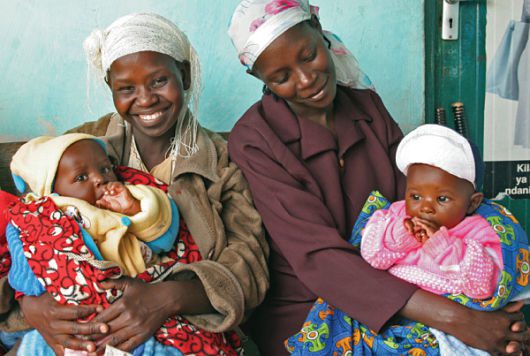
Since the Millennium Development Goals were adopted in 2000, global poverty has nearly halved. There have been huge advancements in medicine and more people than before having access to clean drinking water.

However, despite these advancements, women and children are still the most at risk. Because of the uneven progress in reducing global poverty for women and children, the Every Woman Every Child movement was started. Policymakers, donors, healthcare professionals and many others come together to find a solution to the uneven progress in reducing global poverty for women and children.

PATH released a list of Top 10 Technologies in 2015 for Women and Children that will help achieve the Millennium Development Goals. Here is a summary of each:

For Women:
1. Nonpneumatic AntiShock Garment is used to prevent postpartum hemorrhaging. It compresses the body and circulates blood to the vital organs after the mother has given birth.

2. Magnesium Sulfate is a low-cost, effective drug in treating life-threatening convulsions, preeclampsia and eclampsia, all pregnancy-related conditions.

3. Sayana Press is a new form of injectable contraceptive that is packaged in a one-time use, simple to administer needle. This increases women’s access to contraceptives and eliminates the risk of transmitting disease through sharing needles.

For Newborns:
4. Helping Babies Breathe is a program and simulator created to train 1 million birth attendants to make sure the baby takes it’s first breath, regardless of where it is born.

5. Chlorhexidine is a low-cost antiseptic that prevents the disease from entering the baby’s system through the newly-cut umbilical cord.

6. Continuous Positive Airway Pressure Device is designed to help premature babies breathe. It is an air and water pump system that gently flows pressurized air into the baby’s lungs.

For Children:
7. Kit Yamoyo is a bundled package of zinc and oral rehydration solution, which are affordable diarrhea treatment. Cola Life created the Kit Yamoyo to pack with Coca-Cola bottles that are delivered to Africa to spread the cure to diarrhea.

8. Phone Oximeter is a low-cost mobile health platform that allows people to test their blood oxygen levels using a sensor on the phone to test for pneumonia. The device then tells them the diagnosis and treatment options without needing access to a doctor.

9. Rotavac is an effective vaccine to cure rotavirus, the cause of deadly diarrhea. It costs $1 per dose and has already become widely available in India, changing the lives of thousands.

10. Backpack PLUS Project is a toolkit made to empower health workers in areas where the patients may never be within proximity to a doctor. The prototype includes medicines, diagnostics and supplies to increase the number of lives saved.

– Hannah Resnick

Sources: PATH, Every Woman Every Child
Photo: African Union

July 2, 2015
https://borgenproject.org/wp-content/uploads/borgen-project-logo.svg 0 0 Borgen Project https://borgenproject.org/wp-content/uploads/borgen-project-logo.svg Borgen Project2015-07-02 09:34:292024-06-04 03:53:0410 Breakthroughs That Will Help Women and Children
Children, Human Trafficking

UNICEF Targets Child Trafficking in Nepal

child_trafficking_in_nepal
In the wake of the 7.3 magnitude earthquake that rocked Nepal on April 25, the world responded to help those buried in rubble, but as the region rebuilt itself, traffickers preyed from the shadows on families seeking a better life.

Even before the earthquake hit two months ago, human trafficking in Nepal plagued communities and victimized children. According to a 2001 International Labor Organization study, 12,000 Nepalese children were brought to India as a result of human trafficking every year.

After natural disasters such as earthquakes, children face a greater risk of being trafficked. Girls who are not forced into prostitution would be sold as domestic slaves in India or other countries, and boys are often subjected to harsh working conditions against their will.

Traffickers approach tragedy stricken families offering education, food and security for their children, when in reality, children are whisked away in to a life of monstrous exploitation and horrendous abuse.

Thankfully, multiple organizations have made efforts to deal with the aforementioned issues. UNICEF, a United Nations children’s organization is working closely with the police in Nepal and has already rescued 245 children since the earthquake, by intercepting and thus preventing them from slipping into a dark underworld of sex slavery and forced labor. UNICEF is also supporting the local police in the establishment of 84 checkpoints and police stations throughout the country.

Maiti Nepal, a national NGO, non-profit organization, with the help of UNICEF, is beefing up interception and screening stations along the India and Chinese borders. UNICEF is ensuring child accountability through the strengthening of information management and coordination systems.

The Nepalese government suspended international adoption since the earthquake and in early June, they banned children from traveling between districts without parents or approved guardians. The registration of new orphanages has also been suspended.

The Indian Ministry of Home Affairs, issued an advisory to increase vigilance at border controls and has advised the society in India to be aware of human trafficking. UNICEF has since spearheaded an awareness and public information campaign by radio reaching the population through 40,000 flyers on prevention of family separation.

25 airline companies operating in Nepal have also been made aware of the need to screen passengers, ensuring that children are accompanied by their legal care givers. Radio Nepal is concurrently airing messages, reaching an estimated 70 percent of the population bolstering awareness.

Lastly, UNICEF has supported the establishment of hundreds of child friendly spaces and temporary learning centers, providing children with education programs as part of a back to school campaign.

Another problem in Nepal, which often hides behind a cloak of good intentions is “Orphanage Voluntourism”. Families around the world with expressed interest to adopt children perceived or mistaken to be orphans, are left unaware about the fact that these children have been deliberately separated from their families to attract high fee paying adoptive families.

UNICEF and its partners have thereby been working to encourage orphanage volunteering programs to discontinue their practices as volunteers. Although for the most part well intentioned, these can be ignorant to deceptive practices. Moreover, backgrounds are usually not adequately checked.

Nepal, like much of the developing world has thus been diseased by human trafficking long before the earthquake in April. After the catastrophe, however, the practice has amplified as wolves in sheep’s clothing prey on the unsuspecting and desperate. Organizations such as UNICEF are therefore out to bring down those who would seek to unreasonably profit from innocence and disaster.

– Jason Zimmerman

Sources: Free for Life, UNICEF, American Himalayan Foundation, The Guardian
Photo: UN News Centre

July 1, 2015
https://borgenproject.org/wp-content/uploads/borgen-project-logo.svg 0 0 Borgen Project https://borgenproject.org/wp-content/uploads/borgen-project-logo.svg Borgen Project2015-07-01 14:16:202024-06-11 02:48:07UNICEF Targets Child Trafficking in Nepal
Activism, Children, Global Poverty, Health

Fetal Alcohol Syndrome: A Global Issue

fetal_alcohol_syndrome
In the United States, alcohol is required to have a warning label informing pregnant mothers that alcohol consumption can cause birth defects to their unborn children. Even so, children are still born with Fetal Alcohol Syndrome (FAS). Globally, FAS is also an issue, especially in areas where there is a lack in education and a strong cultural tie to alcohol consumption.

FAS is caused when a mother drinks alcohol during her pregnancy. The alcohol passes through the umbilical cord, acting as a solvent on the developing child’s brain. The Center for Disease Control and Prevention warns that “Drinking alcohol during pregnancy can cause miscarriage, stillbirth, and a range of lifelong physical, behavioral, and intellectual disabilities.” There is no amount of alcohol that is safe to drink while pregnant, nor is there an appropriate time frame to consume alcohol during a pregnancy.

There are several physical and cognitive conditions that a person with FAS can suffer from, including having a hard time with school and learning, poor judgment and reasoning, a lack of empathy, shorter height or lower body weight than average and hyperactivity, to name just a few.

FAS is one of the most prevalent cognitive conditions to affect children, yet it is also the easiest to prevent. Quite simply, a woman should not drink any alcohol if she is pregnant, trying to become pregnant, or not properly preventing pregnancy.

Moreover, FAS has no cure. Once a child is diagnosed, the only treatment is psychological and/or physical therapy to help the person live with the disability.

FAS does not discriminate — children can be born with FAS along every socioeconomic, racial and educational strata. The prevalence of drinking among the poor, usually as a cultural event or tradition, distinguishes FAS as a poverty-related issue.

South Africa is one nation that understands the urgent need for education about FAS. According to the World Health Organization (WHO), “Fetal alcohol spectrum disorder is the most common birth defect in South Africa, by far more common than Down syndrome and neural-tube defects combined.” While the issue is a national one, rural communities in South Africa have a cultural history of alcohol consumption, especially in the wine-making regions.

Nongovernmental organizations (NGOs) have made great strides in trying to eliminate FAS from affecting future generations in South Africa. NGOs such as FASfacts and the Foundation for Alcohol Related Research (FARR) have created educational training to help those most at risk in their country. This is especially important, since FARR estimates that up to “Twenty percent of the [South African] population [was] affected by alcohol exposure during pregnancy.”

Australia has undertaken a similar effort to help their aboriginal communities. Those involved in the movement remind readers that, “as in many disadvantaged communities around the world, alcohol abuse was common half a decade ago. The high consumption of alcohol resulted in high numbers of alcohol-related deaths and suicides, and widespread violence and crime” (WHO).

Alcohol abuse resulted in many children being born with FAS in the aboriginal communities. These children are at risk to continue with the same choices their parents made, with the greater disadvantage of having the lower judgment skills associated with FAS.

The Lililwan Project has been created to help the aboriginal community treat people with FAS and provide educational information regarding alcohol consumption.

In short, FAS does not have to be a chronic generational disorder. Thanks to various educational programs around the globe, more and more people are understanding the dangerous implications that are associated with alcohol consumption during pregnancy. Future generations do not need to be affected by a cognitive disorder that is completely preventable.

– Megan Ivy

Sources: CDC, FARR, FASfacts, WHO 1, WHO 2
Photo: Ruth Shafer Photography

July 1, 2015
https://borgenproject.org/wp-content/uploads/borgen-project-logo.svg 0 0 Borgen Project https://borgenproject.org/wp-content/uploads/borgen-project-logo.svg Borgen Project2015-07-01 10:00:562024-05-27 09:25:14Fetal Alcohol Syndrome: A Global Issue
Child Soldiers, Global Poverty

Rehabilitation for Child Soldiers in South Sudan

child_soldiers

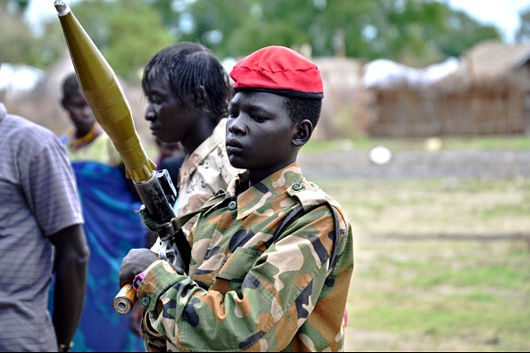
After decades of unrest and civil war, South Sudan gained its independence from the North in July 2011. This was heralded as a resolution that would hopefully put an end to the ethnic fighting that has claimed the lives of hundreds of thousands. Unfortunately, the hopeful optimism was short lived, as the South Sudanese government has once again found itself in a state of turmoil. This newest onset of fighting erupted in December of 2013, when President Salva Kiir accused former Vice President Riek Machar of attempting a coup. This has resulted in many rival militias and factions vying for control.

UNICEF estimates that there are approximately 750,000 children who have been displaced, separated or orphaned by the conflict. As over 60 percent of the country is under the age of 18, there has been an increase of recruitment for child soldiers. Despite both Kiir and Machar jointly signed a law prohibiting the use of child soldiers in 2008, all sides have been accused of abusing this rule. Based on UNICEF estimates, there are over 12,000 children fighting for government forces and various other rebel groups. Seeking belonging and protection, these children are often the most susceptible and are in the most danger. Militant groups target children and manipulate them to work in a variety of capacities such as soldiers, messengers and spies.

Much of UNICEF’s current efforts in South Sudan are focused on negotiating with the various factions toward the release of child soldiers. Since January, the Cobra Faction, a rebel militia, has agreed to free almost 2,000 children. It is estimated, however, that this group still holds around 3,000 child soldiers. However, the Cobra Faction is one of many of a multitude of groups, and while this is an instance of success, their reintegration into civilian life presents an entirely new challenge altogether.

The physical destruction and loss of life in South Sudan is substantial. However, a perhaps more discrete damage can also be inflicted, and is especially prevalent among children.

“When one thinks of health needs in a conflict situation – and this applies to children and adults – there is a tendency to think of war injuries… But it’s important to recognize the threat posed by psychosocial trauma,” says Dr Robin Nandy, a Senior Health Advisor for UNICEF.

UNICEF, in collaboration with other nongovernmental organizations, is working to develop reintegration programs. For example, World Vision is working in South Sudan to identify the needs of these children and determine how best to serve them. World Vision finds that there are five crucial aspects of reintegration: safety, skills training, education, basic needs such as shelter, food, and water, and healthcare. An additional component of reintegration is an emotional outlet where children can be heard and tell their story.

In 2014, World Vision conducted 11 discussion groups with 160 children in three different age groups. The age groups were 5-8, 9-13, and 14-18. While the sample size was small, common themes quickly emerged among the interviews. The responses consistently mentioned a return to school, to their families and to a state of normalcy, absent of fear or violence. After committing terrible atrocities, acceptance back into their families and society can be an obstacle.

“When talking about a whole person, you need to address everything a person needs. They need food, counseling, to be accepted back into their community, economic development…” insists World Vision’s Jackson Omona.

Omona is a peace building and protection expert stationed in South Sudan. Between 2003 to 2005, he oversaw the rehabilitation of 1,500 Ugandan children formerly involved with Joseph Kony’s Lord’s Resistance Army. In over two decades, Omona and his team have worked to rehabilitate over 15,000 African children. The combined efforts of UNICEF, World Vision and many other like-minded organizations can hopefully continue to make a similar impact in the volatile new country.

– The Borgen Project

Sources: Al Jazeera, World Vision 1, BBC, World Health Organization, World Vision 2,
Photo: New York Post

June 30, 2015
https://borgenproject.org/wp-content/uploads/borgen-project-logo.svg 0 0 Borgen Project https://borgenproject.org/wp-content/uploads/borgen-project-logo.svg Borgen Project2015-06-30 07:00:102024-05-27 09:25:11Rehabilitation for Child Soldiers in South Sudan
Children, Disease, Global Poverty, Hunger

Global Hunger: Five Things to Know

global_hunger
While hunger has always been a ubiquitous concern among humanitarian and developmental organizations, it is often misunderstood. Here are five things to keep in mind when considering a problem affecting millions around the world:

1. Hunger is widespread.
The United Nations estimates there are 795 million hungry people today, mainly rural people in developing nations. Although hunger is a global problem, it is concentrated primarily in Asia and sub-Saharan Africa. India has the most hungry people: 194.6 million, which is roughly 24 times the population of New York City.

2. It affects children the most.
Hunger is the leading cause of death for children under five. That is about 3.1 million deaths per year, according to the World Food Programme (WFP). Hunger also causes physical and cognitive stunting; a fourth of children worldwide suffer from this condition. Without proper nutrition, children cannot develop strong bodies and minds. The first 1,000 days of a child’s life are especially important.

3. It’s caused by poverty and waste.
A common misconception is that hunger is caused by global food scarcity or overpopulation. In fact, a third of the food the world produces goes to waste every year. Poverty and the unequal distribution of resources are actually the leading causes of hunger. It is often made worse by disasters, both natural and man-made.

4. It weakens the immune system and helps disease spread.
A proper diet is essential to a functioning immune system. Nutritionally deficient people are more likely to become infected with disease, more likely to suffer worse symptoms and less likely to recover. The World Health Programme estimates that iron deficiency is the most widespread nutritional concern, affecting almost two billion people. Vitamin A deficiency is also a cause for concern, especially among children and pregnant women.

5. It can be solved during our lifetime.
José Graziano da Silva, director-general of the Food and Agriculture Organization, recently called on the world to become the “Zero Hunger generation.” Hunger is a problem that can be solved and organizations around the world have made great progress to date. The WFP calls this effort a “best buy” because it can be very cost-efficient. For example, a child only needs 25 cents per day to receive the essential nutrients and vitamins, according to the WFP. That’s why the United Nations made global hunger a top priority in its Millennium Development Goals. That effort was a success; according to a recent report, 72 of 129 nations monitored by the United Nations met their goal by 2015. But the work continues.

– Kevin McLaughlin

Sources: U.N. Food and Agricultural Organization, UNICEF, World Food Programme, World Health Organization
Photo: Humanosphere

June 27, 2015
https://borgenproject.org/wp-content/uploads/borgen-project-logo.svg 0 0 Borgen Project https://borgenproject.org/wp-content/uploads/borgen-project-logo.svg Borgen Project2015-06-27 09:30:522024-12-13 17:49:34Global Hunger: Five Things to Know
Children, Global Poverty, Human Trafficking

Cambodian Child Sex Trade Supported by Parents

Parent-Selling-Children-Economic-Desperation

  • Fact: Every day, in Cambodia, parents sell their children for sex.
  • Fact: Many Cambodian parents decide to sell their children, some of whom are as young as one month old, because they feel that selling their own flesh and blood is the only way to survive.
  • Fact: There has emerged in Cambodia an ugly market of virginity, in which rich and powerful men coerce mothers into selling their daughters’ innocence.
  • Fact: Cambodia does not have an anti-trafficking law on the books.

Svy Pak is a shanty town on the outskirts of the capital of Cambodia, Phnom Penh. It is one of the most disadvantaged neighborhoods of one of Asia’s poorest cities. The population lives on less than $2 per day. As such, a child’s virginity is considered to be an extremely valuable asset because of the prices willing to be paid for it. Doctors in Cambodia perform what’s known as a “virginity check” on a child and then issue a “certificate of virginity.” This is meant to ensure buyers who want virgins that they are getting them. In some cases, a child’s virginity is sold before he or she is even born, and deposits for virginities can be easily made on toddlers. Selling one’s child for sex provides a steady source of income for families willing to make the sacrifice.

The child sex trade has blown up in Svy Pak. The town is known to pedophiles around the world as the go-to place for buying little girls. In 2008, Apage International Missions (AIM) found that 100 percent of the kids in the town between the ages of eight to 12 years of age were being trafficked for sex. The organization has rescued children as young as four years old from traffickers. UNICEF estimates that one third of the population in the sex industry is children in Cambodia, and amounts to 40,000 to 100,000 kids total.

Cambodia is a country where children have a long history of being a major export product. A young girl by the name of Kieu was sold by her mother at the age of 12. Over the course of six months, her mother sold her virginity and then forced her to work at five brothels in both Cambodia and Vietnam. Only when her mother began to make arrangements at the sixth brothel to rent her daughter out for sex did Kieu run away to find safety. CNN spoke to her mother, who said, “It was because of the debt, that’s why I had to sell her.”

The men who abuse these children fit many different profiles and backgrounds. Some are pedophile sex tourists who actively seek out sex with prepubescent children. Others are more opportunistic, situational offenders who simply take advantage of opportunities that present themselves to engage in sex with children. Then there are those for whom health-related beliefs about the protective or restorative qualities of virgins catalyze their interest in child sex.

Sex tourists tend to come from affluent countries all over the world, such as European countries, South Korea, Japan and China. But research suggests that Cambodian men remain the main exploiters of child sex trafficking in their country. Although the selling and buying of sex is illegal, not one Khmer man has ever been convicted for purchasing virgins. The police argue that they are limited in prosecuting these violations because of a lack of expertise, technical equipment and evidence collection tools. Corruption is also a barrier for law enforcement, as Cambodia is number 160 of the 175 countries on the Transparency International’s Corruption Perception Index.

The actions of the parents in Cambodia who sell their children for sex is deplorable and inexcusable. Since the beginning of time, people have been poor, but they have not always been selling their children. Something must be done.

– Erika Wright

Sources: ABC, CNN 1, CNN 2, The Guardian, Spiegel Online
Photo: Brandon Patoc Photography

June 24, 2015
https://borgenproject.org/wp-content/uploads/borgen-project-logo.svg 0 0 Borgen Project https://borgenproject.org/wp-content/uploads/borgen-project-logo.svg Borgen Project2015-06-24 00:03:322024-06-04 01:17:39Cambodian Child Sex Trade Supported by Parents
Page 116 of 137«‹114115116117118›»

Get Smarter

  • Global Poverty 101
  • Global Poverty… The Good News
  • Global Poverty & U.S. Jobs
  • Global Poverty and National Security
  • Innovative Solutions to Poverty
  • Global Poverty & Aid FAQ’s
Search Search

Take Action

  • Call Congress
  • Email Congress
  • Donate
  • 30 Ways to Help
  • Volunteer Ops
  • Internships
  • Courses & Certificates
  • The Podcast
Borgen Project

“The Borgen Project is an incredible nonprofit organization that is addressing poverty and hunger and working towards ending them.”

-The Huffington Post

Inside The Borgen Project

  • Contact
  • About
  • Financials
  • President
  • Board of Directors
  • Board of Advisors

International Links

  • UK Email Parliament
  • UK Donate
  • Canada Email Parliament

Get Smarter

  • Global Poverty 101
  • Global Poverty… The Good News
  • Global Poverty & U.S. Jobs
  • Global Poverty and National Security
  • Innovative Solutions to Poverty
  • Global Poverty & Aid FAQ’s

Ways to Help

  • Call Congress
  • Email Congress
  • Donate
  • 30 Ways to Help
  • Volunteer Ops
  • Internships
  • Courses & Certificates
  • The Podcast
Scroll to top Scroll to top Scroll to top