• Link to X
  • Link to Facebook
  • Link to Instagram
  • Link to TikTok
  • Link to Youtube
  • About
    • About Us
      • President
      • Board of Directors
      • Board of Advisors
      • Financials
      • Our Methodology
      • Success Tracker
      • Contact
  • Act Now
    • 30 Ways to Help
      • Email Congress
      • Call Congress
      • Volunteer
      • Courses & Certificates
      • Be a Donor
    • Internships
      • In-Office Internships
      • Remote Internships
    • Legislation
      • Politics 101
  • The Blog
  • The Podcast
  • Magazine
  • Donate
  • Click to open the search input field Click to open the search input field Search
  • Menu Menu

Archive for category: Children

Information and stories addressing children.

Children

Mothers2Mothers Fights Poverty

mothers2mothers

“We can’t end poverty if we fail to save the lives of our world’s mothers.” – Liya Kebede

According to the Foundation for AIDS Research, 70 percent of all people living with AIDS live in sub-Saharan Africa, including 91 percent of the world’s HIV-positive children. One organization called mothers2mothers is dedicated to educating and providing proper healthcare to mothers living with HIV.

Pediatric AIDS is preventable, but nearly 700 children are infected with HIV each day. Most of these children acquire HIV from their mothers during pregnancy, childbirth or breastfeeding. Up to 40 percent of children born to HIV-positive mothers will contract the virus; however, mothers2mothers hopes to provide numerous opportunities to infected mothers, ranging from education to healthcare. With medical interventions during pregnancy, that percentage of children infected with HIV could shrink to two percent.

It can be difficult getting proper treatment in sub-Saharan Africa, where many medical centers are understaffed or miles from villages. Many women live in fear due to the stigma of HIV and do not get the treatment they need to save their lives or the lives of their children.

Mothers2mothers’s slogan is “Empowered women nurture healthy families.” The organization focuses on empowering and educating women and expecting mothers in the hope to alleviate the stress of HIV and provide proper care. One wing of their organization involves Mentor Mothers, who are mothers living with HIV. Mentor Mothers work alongside doctors and nurses by becoming part of the healthcare team in the health center. Mentor Mothers serve as counselors and confidantes to other mothers living with HIV and educate women on how to protect their children from HIV.

So far, mothers2mothers has discovered that women involved in mothers2mothers are more likely to take antiretroviral drugs that prevent mother-to-child transmission of HIV; infants are better protected and are given an early diagnosis test to determine their health status.

Mothers2mothers plans on expanding and hopes to reach even more women than the 1.9 million women they currently serve. Mothers2mothers provides life-saving opportunities to women living with HIV as well as children.

Mothers bring children into this world, and children are the future. By saving the lives of mothers, the world can begin to see a healthier, brighter future that moves out of poverty and disease.

– Alaina Grote

Sources: Mothers2mothers, Aid for Africa
Photo: LGTVP

February 13, 2015
https://borgenproject.org/wp-content/uploads/borgen-project-logo.svg 0 0 Borgen Project https://borgenproject.org/wp-content/uploads/borgen-project-logo.svg Borgen Project2015-02-13 11:00:492024-05-27 09:23:19Mothers2Mothers Fights Poverty
Child Soldiers

Child Soldiers Freed in South Sudan

child soldiers
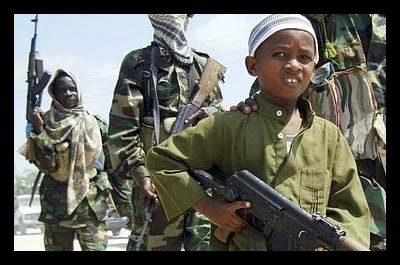
More than 250 children have been freed from a South Sudanese militant group called The South Sudan Democratic Army Cobra Faction. The militia has been fighting for four years, hoping to win greater rights for the Murle ethnic group.

After a peace agreement between the militia and President Salva Kiir’s government was finalized, the boys, ages 11-17, were released after years of toting AK-47s, raiding homes and cattle farms and taking part in deadly revenge attacks throughout South Sudan. Hundreds gathered in Gumuruk, South Sudan to watch the child soldiers be released back to their homes and families, although many have been displaced or killed.

The release of the 280 boys is the first of a series of releases that will eventually free an estimated 3,000 children from the militia. According to UNICEF, approximately 12,000 children have been forcibly recruited by armed groups to fight the civil war, which has increasingly worsened since December of 2013.

South Sudan has been riddled with violence and poverty for years, and the civil war has provided a cruel security for the young soldiers. One child soldier, 12-year-old Steven, said that he joined the militia willingly three years ago.

“There was nothing for me in Pibor – no roads or hospitals or even schools. Sometimes there was no food … But life in the faction was not good. There is no rest,” reported the child soldier.

Another boy, James, 13-years-old, said he joined after the deaths of his sister, uncle, grandfather and other family members. The military can provide shelter, water, purpose and a sense of safety.

Many of the freed children express their concerns of their unpredictable futures. With more than 1.5 million people displaced since the war, many of the boys have no way to contact their families, if they are even still alive.

At the ceremony on the day of the soldiers’ release, a former leader wiped tears from his eyes as the children recited their military chant for the last time. He said to the young children: “That song you sing, that is an adult struggle.”

UNICEF and many others are working to pave a path to success and peace for the young boys. After witnessing and participating in the horrors of the civil war, the boys are left with nightmares and instability. Counseling and social support will be provided to each child, depending on individual experiences and reactions. Family tracing units have been set up and hope to reunite as many children as possible with families. The most important thing to provide for these children is a sense of normalcy and a protective environment, free from violence and war. Many of the young boys are most looking forward to education.

“I don’t know how long I’ve lived in the faction— I don’t know how to count. I want to go to school now. I have never been to school,” said Joseph an 11-year-old.

The release of the child soldiers and the peace agreement gives a small sense of hope that the end of a civil war in South Sudan may be near.

– Alaina Grote

Sources: BBC, Euro News, The Guardian, Reuters, Thomson Reuters Foundation
Photo: Amazon AWS

February 8, 2015
https://borgenproject.org/wp-content/uploads/borgen-project-logo.svg 0 0 Borgen Project https://borgenproject.org/wp-content/uploads/borgen-project-logo.svg Borgen Project2015-02-08 04:00:272024-05-27 09:23:17Child Soldiers Freed in South Sudan
Children, Gender Equality

Education in Sierra Leone

Read more
January 25, 2015
https://borgenproject.org/wp-content/uploads/borgen-project-logo.svg 0 0 Borgen Project https://borgenproject.org/wp-content/uploads/borgen-project-logo.svg Borgen Project2015-01-25 12:00:502025-10-28 11:30:16Education in Sierra Leone
Children, Global Poverty

Millennium Challenge Corps Helps Philippines

child poverty
The Millennium Challenge Corps, or MCC, recently announced that the Philippines is eligible to receive another five-year extension on funding. The MCC is funded by the U.S. Congress and is meant to be an incentive for countries who actively reform policies to improve government functions.

This new five-year plan is intended to continue funding poverty alleviation projects within the Philippines. Washington recently announced the Philippines’ eligibility to continue the program.

“The selection of the Philippines for a second compact is a recognition of President Aquino’s commitment to good governance. I believe a smooth transition to a second compact will help the Philippines in further institutionalizing good governance policies and reforms,” said Ambassador Jose Cuisia, Jr.

The compact will aid the country in further deterrence of corruption. The Philippines’ government has operated under these regulations and is looking forward to reaping the benefits of continued funding.

The Millennium Challenge Corporation was founded in January 2004 by U.S. Congress. The MCC is an independent agency is committed to intelligently funding U.S. aid to countries in need of support. A part of its mission focuses on country-lead solutions that enable the countries to prioritize the areas of concern they find to be the most pertinent.

In addition, the chosen countries set up local MCC headquarters in order to monitor progress and work closely with the people and programs they are implementing. The MCC works in the world’s most severely impoverished countries in order to strengthen infrastructure to help lift people out of poverty.

The MCC operates on three main principles that are prerequisites for countries to be considered as eligible to receive funds: good governance, economic freedom and investments in their citizens. Although these requirements are loosely worded and give room to numerous interpretations, the MCC goes through a strict identification process to identify candidates for the long-term funds.

This will be the Philippines second compact. The first compact, awarded in 2010, comprised of $214.4 million to repair infrastructure and roads and another $120 million for poverty alleviation projects and community affairs.

In addition to the Philippines, Nepal and Mongolia were also selected by the Board of Directors to be eligible for funding and investment.

For the MCC to continue funding a country the country must show gradual improvement. One of methods of measurement the board uses to evaluate is per capita income level. The countries who receive compacts from the MCC have to show an increase from a Low Income Category to Low Middle Income Category.

Overall, the MCC was founded on principles that support international development through direct funding to areas the countries they decide to be the most pertinent to overcoming poverty. The MCC allows the countries to choose how they believe their country should best spend the money it has been given.

– Maxine Gordon

Sources: Yahoo News, MCC
Photo: Wall Street Journal

January 19, 2015
https://borgenproject.org/wp-content/uploads/borgen-project-logo.svg 0 0 Borgen Project https://borgenproject.org/wp-content/uploads/borgen-project-logo.svg Borgen Project2015-01-19 04:00:172020-07-17 11:27:16Millennium Challenge Corps Helps Philippines
Children, Global Poverty

Child Poverty Rate Increases in the US

Increasing economic inequality between middle and upper economic classes has grown since the ’90s. Children living in urban centers remain the most affected by poverty and low income.

Columbia University’s Mailman School of Public Health released a statement based on a study showing that poverty increased dramatically after the recession in 2007. The report states, “Years after the end of the Great Recession, child poverty remains widespread in America’s largest cities. Nearly three children in five living in Detroit are poor, according to the most recent Census figures, a rate that has grown by 10 percentage points since the onset of the Great Recession in 2007. Most children in Cleveland and Buffalo also live in poverty, as do nearly half the children in Fresno, Cincinnati and Memphis.”

The way the U.S. defines poverty is different from the way many other countries define the issue. Most other countries measure poverty after a person has received the social service benefits. However, the U.S. Census measures a person who is below the poverty line before they receive government funded social services that could technically keep them out of poverty.

Children in poverty then, are measured without the benefits that have otherwise kept them out of poverty. Contributing writer, Tim Worstall, of Forbes Magazine writes, “It’s the number of children who would be in poverty if there wasn’t this system of government alleviation of poverty. When we do actually take into account what is done to alleviate child poverty we find that it’s really some two to three percent of U.S. children who live in poverty. Yes, that low: the U.S. welfare state is very much child orientated.”

The Center for American Progress Fund reported that over 45 million Americans are living in poverty. For a family of four this would mean making a combined income of $23,834 or less in a year. Poverty is concentrated disproportionally in the South. Mississippi, for example, is currently at the top of the list with an overwhelming 24.1 percent of the population living below the poverty line.

Some aspects that affect the structural reasons for poverty consist of low economic mobility, federal minimum wage and little to no healthcare coverage. Because children born into poverty start out with a smaller pool of resources to draw from, the cyclic nature of poverty continues generation after generation. Minimum wage is another factor in the conversation as states such as Louisiana, Alabama and South Carolina adhere to federal minimum wage of $7.25.

Healthcare is nearly impossible for families living below the poverty line to afford especially if they have jobs that do not provide benefits.

The concentrated collective poverty of certain demographics is reinforced by state and local governments. Concentrated collective poverty refers to a relatively affluent country that has destitute segments of the population living in long-term poverty. Although the rate of child poverty in the U.S. is skewed, there are still large demographics underserved with a lack of resources.

– Maxine Gordon

Sources: Forbes, Salon, Britannica
Photo: Century Times

January 17, 2015
https://borgenproject.org/wp-content/uploads/borgen-project-logo.svg 0 0 Borgen Project https://borgenproject.org/wp-content/uploads/borgen-project-logo.svg Borgen Project2015-01-17 04:00:152024-06-05 01:58:21Child Poverty Rate Increases in the US
Children, Education, Global Poverty

Education in Kazakhstan

Read more
January 16, 2015
https://borgenproject.org/wp-content/uploads/borgen-project-logo.svg 0 0 Borgen Project https://borgenproject.org/wp-content/uploads/borgen-project-logo.svg Borgen Project2015-01-16 12:00:012025-10-27 11:52:50Education in Kazakhstan
Children, Global Poverty

Romanian Roma Children

romanian_roma_children
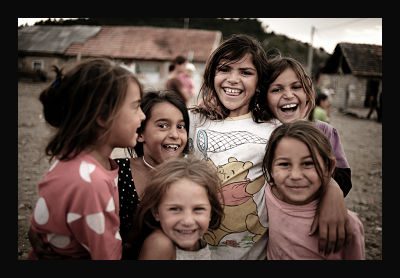
Often referred to as travellers or gypsies, the Romani or Roma, people constitute one of the largest minority groups in Romania. However, they are not welcomed. Originating from India, Roma people are vastly discriminated against and face a multitude of disadvantages in education, health, living conditions and job opportunities.

Approximately 90 percent of Roma people live below the poverty line, while almost 33 percent are unemployed. Unfortunately, there has been a purposeful exclusion of the Roma population from mainstream society.

Roma children continually face violations of their basic human rights all across Europe. Additionally, a Roma child is three times more likely to be born into poverty than all other Romanian children.

Health issues that often occur from poor nutrition in early childhood have been exacerbated by the lack of access to treatment and medical clinics. Marginalization and extreme poverty have also hindered the children’s ability to gain equal access to services, including schooling.

Families are not only unable to send children to school due to financial reasons, but also because parents cannot afford clothes or school supplies. There is also growing concern for the stigma and violence the Roma children may endure. For the small percentage of Roma children that do attend school, they face extreme prejudice and segregation. Much of the disapproval stems from the perception that all Roma people are thieves and crooks.

Children and young people make up a large portion of the Roma population, yet their voices are rarely heard. Many European governments overlook the existing policies and legislation that exist to protect minority populations, further reducing their participation in society.

While the Roma in Romania experience discrimination from the people around them, the Roma children bear the greatest burden.

– Leeda Jewayni

Sources: Roma Children, CNN, World Bank
Photo: Caritas

October 9, 2014
https://borgenproject.org/wp-content/uploads/borgen-project-logo.svg 0 0 Borgen Project https://borgenproject.org/wp-content/uploads/borgen-project-logo.svg Borgen Project2014-10-09 04:00:052024-05-27 09:22:50Romanian Roma Children
Children, Global Poverty

10 Child Labor Facts


Child labor, as defined by the International Labor Organization (ILO), is “work that deprives children of their childhood, their potential, and their dignity, and that is harmful to physical and mental development.” The persistence of child labor is one of the biggest obstacles to human rights globally. Child Labor perpetuates poverty by depriving children of education and leaving them without the skills needed to secure the future of themselves and their communities. This article sheds light on key child labor facts and the countries where child labor prevails.

Top 10 Child Labor Facts

  1. Much of Indonesia’s tobacco is produced by thousands of children as young as eight. Tobacco cultivation is extremely labor intensive and children are often subjected to serious health risks including nicotine poisoning.
  2. According to the ILO, 168 million children worldwide are engaged in child labor as of 2013.
  3. Of these 168 million children, 85 million are engaged in what the ILO deems “hazardous work.”
  4. According to a study conducted by the ILO in 2004, the benefits of eradicating child labor would “outweigh costs by nearly six to one.”
  5. The sub-Saharan African region has the second highest number of child laborers in the world; about 59 million in 2012. According to the Pew Research Center, 21.4 percent of children aged five to 17 are involved in child labor while 10.4 percent are engaged in hazardous work.
  6. Agriculture accounts for 60 percent of child labor according to the ILO.
  7. Only one out of five children involved in child labor is paid for their work.
  8. The majority of children in child labor perform unpaid family work.
  9. The 10 countries that strategic consulting firm Maplecroft listed as the worst countries for child labor in 2012 were: Pakistan, Afghanistan, North Korea, Myanmar, Sudan, the Democratic Republic of the Congo, Somalia, Ethiopia, Burundi and Zimbabwe.
  10. About 60 percent of children in Ethiopia are engaged in some form of child labor. Many of these children work in the mining industry; an industry that poses some of the biggest dangers for child laborers.

Many parents in impoverished countries push their children into work out of necessity, unable to sustain their families on their own incomes.

One of the best ways to combat child labor is to provide fair wages and safe working conditions for parents so that they can provide for their families without being forced to depend on their children. To fight against child labor is the fight against global poverty.

– Matt Berg


Sources: Huffington Post, allAfrica, SMH, Rescue, Human Rights Watch, The Guardian, ILO 2, U.S. Department of Labor, Pew Research Center
Photo: Geneva Mission

1. Donate
2. Email Congress
3. Volunteer


October 4, 2014
https://borgenproject.org/wp-content/uploads/borgen-project-logo.svg 0 0 Borgen Project https://borgenproject.org/wp-content/uploads/borgen-project-logo.svg Borgen Project2014-10-04 20:25:102024-05-25 00:23:2510 Child Labor Facts
Child Soldiers

Malian Children Imprisoned as Adults

In late August, Amnesty International reported that Malian children were being held in jails alongside adults.

The detainees were believed to be under the age of 18 and arrested after being accused of belonging to militias and participating in activities of unrest.

Ages of the children were not questioned—although one child’s birth certificate verified he was merely 16—as they were placed in the adult section of the capital’s prison and police camp, which Amnesty reported were “sub-human.”

Along with the charge of international law violations, Amnesty said the children were, “subjected to various forms of human rights violations whilst in detention, including being constantly confined to their cells and not being allowed outside their prison cells to go for exercise.”

In addition to the horrific conditions listed, not only were these four children imprisoned with adults, Amnesty reported that the Malian authorities violated international law; the children were not allowed access to lawyers or their families.

While the four children mentioned were eventually released, Amnesty said Mali has continued to arrest children believed to be involved in militias.

The arrests of child soldiers and the surge of militias has been seen in Northern Mali since the military coup d’etat. The region was first controlled by separatists and then later by extremists linked to al- Qaeda.

Intervention by the French drove out the extremists but their hand in conflict can still be seen today.

– Kori Withers

Sources: Yahoo News 1, Yahoo News 2, Northwestern University
Photo: Blogspot

September 25, 2014
https://borgenproject.org/wp-content/uploads/borgen-project-logo.svg 0 0 Borgen Project https://borgenproject.org/wp-content/uploads/borgen-project-logo.svg Borgen Project2014-09-25 12:00:552024-05-27 09:21:44Malian Children Imprisoned as Adults
Children

Mpower Helps Children in South Sudan

Started in 2007, Mpower Foundation is a Dutch foundation that aims to improve the living conditions and health of children in Mundri, South Sudan. To achieve this, it works on empowering local people by organizing training programs and collaborates with the Mundri Relief and Development Association, its local partner organization. Created in 1996, MRDA focuses on finding relief and development projects and then designs a way to implement them.

South Sudan is the youngest country in the world and the site of the longest civil war on the African continent. This left the country in devastation and Mpower has begun reconstruction and development in this area.

There are a few main projects that Mpower works on; “Your body your responsibility” is one such project, which focuses on teaching health education to younger people, as well as sexual health and hygiene. Another is “Mpower! Kids,”  which focuses on preventive health care for children under five years old.

The third project that Mpower works on is Bricks & Babies. This project pays specific attention to the buildings of children’s hospitals. The goal is to build five new children’s hospitals, as that is where the need is. So far, this has proven hard to accomplish, but not impossible.

Mpower’s hope is that, through these interactive workshops, young people will have enough knowledge to volunteer for Mundri Relief and Development Association. After completing the workshops and going into MRDA, they could end up getting a contract with the organization which would mean a stable life for them.

Mpower is constantly looking for people and organizations to contribute to improving the health care for those in South Sudan. To learn more, visit its website.

– Brooke Smith

Sources: Global Hand, The Mpower Foundation
Photo: The Mpower Foundation

September 22, 2014
https://borgenproject.org/wp-content/uploads/borgen-project-logo.svg 0 0 Borgen Project https://borgenproject.org/wp-content/uploads/borgen-project-logo.svg Borgen Project2014-09-22 16:00:222024-06-05 01:58:11Mpower Helps Children in South Sudan
Page 118 of 137«‹116117118119120›»

Get Smarter

  • Global Poverty 101
  • Global Poverty… The Good News
  • Global Poverty & U.S. Jobs
  • Global Poverty and National Security
  • Innovative Solutions to Poverty
  • Global Poverty & Aid FAQ’s
Search Search

Take Action

  • Call Congress
  • Email Congress
  • Donate
  • 30 Ways to Help
  • Volunteer Ops
  • Internships
  • Courses & Certificates
  • The Podcast
Borgen Project

“The Borgen Project is an incredible nonprofit organization that is addressing poverty and hunger and working towards ending them.”

-The Huffington Post

Inside The Borgen Project

  • Contact
  • About
  • Financials
  • President
  • Board of Directors
  • Board of Advisors

International Links

  • UK Email Parliament
  • UK Donate
  • Canada Email Parliament

Get Smarter

  • Global Poverty 101
  • Global Poverty… The Good News
  • Global Poverty & U.S. Jobs
  • Global Poverty and National Security
  • Innovative Solutions to Poverty
  • Global Poverty & Aid FAQ’s

Ways to Help

  • Call Congress
  • Email Congress
  • Donate
  • 30 Ways to Help
  • Volunteer Ops
  • Internships
  • Courses & Certificates
  • The Podcast
Scroll to top Scroll to top Scroll to top