• Link to X
  • Link to Facebook
  • Link to Instagram
  • Link to TikTok
  • Link to Youtube
  • About
    • About Us
      • President
      • Board of Directors
      • Board of Advisors
      • Financials
      • Our Methodology
      • Success Tracker
      • Contact
  • Act Now
    • 30 Ways to Help
      • Email Congress
      • Call Congress
      • Volunteer
      • Courses & Certificates
      • Be a Donor
    • Internships
      • In-Office Internships
      • Remote Internships
    • Legislation
      • Politics 101
  • The Blog
  • The Podcast
  • Magazine
  • Donate
  • Click to open the search input field Click to open the search input field Search
  • Menu Menu

Archive for category: Advocacy

Information and news on advocacy.

Children, Development, Education, Food & Hunger, Global Health, Global Poverty, Health, Life Expectancy

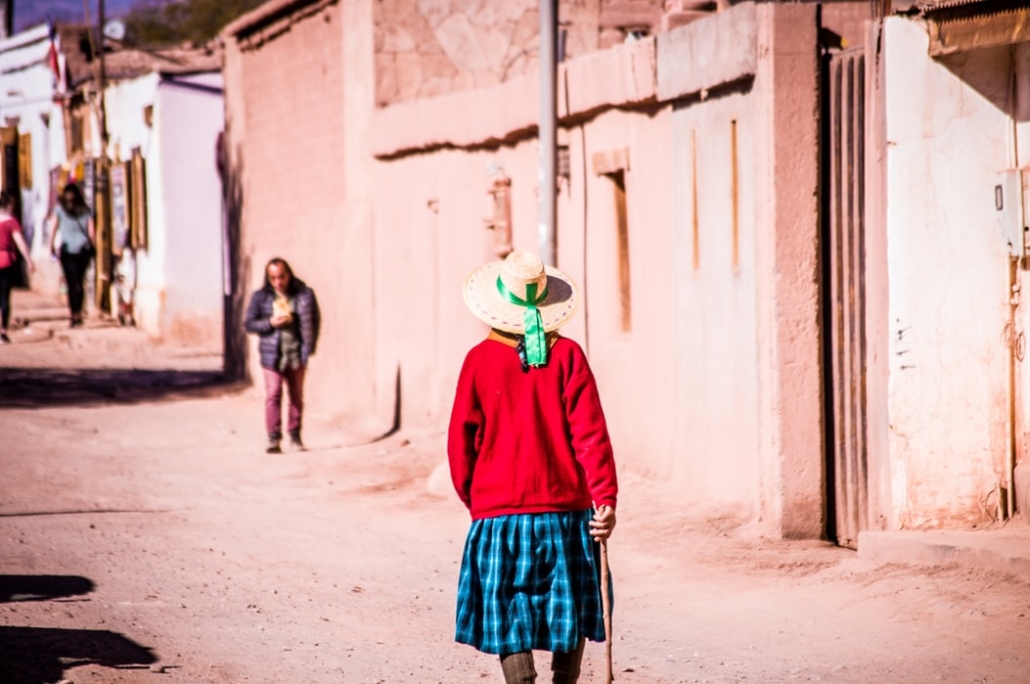
10 Facts About Life Expectancy in Chile

Life Expectancy in Chile
Located on the southwest edge of South America, Chile‘s international poverty rate is 1.3 percent. This number is fairly low compared to other nations, but Chilean poverty is on the rise as the nation’s international poverty rate increased from 0.9 percent in 2015. Today, 234,083 Chilean people remain impoverished and currently survive on less than $1.90 a day. Despite this descent in economic prosperity, poverty has not negatively affected the country’s life expectancy as it is has risen from 73.6 in 1990 to 79.1 in 2018. Here are 10 facts about life expectancy in Chile.

10 Facts About Life Expectancy in Chile

  1. Female Life Expectancy: While the overall average life expectancy in Chile evens out at 79.1 years, according to the Central Intelligence Agency (CIA), women tend to live longer. Women have an average lifespan of 82.2 years while most men live to the age of 76. Despite this gap in longevity, Chilean citizens generally live long lives as the country ranks 51st among 222 other global nations.
  2. Living Conditions: Overcrowding has long been an issue in Chile. Not only does it reflect the economic fragility of the region but it also harms the physical and mental health of citizens subjected to it. When the Chilean government implemented the Social Housing Recovery of 2014, the health of the country’s citizens increased and their life expectancy increased as a result. Today, the average Chilean home houses 1.2 people per room, which is better than the Organisation for Economic Co-operation and Development’s (OECD) average of 1.8. Thanks to the Social Housing Recovery initiative, Chileans not only experience a higher standard of living, but they also received their right to better health and longer lives.
  3. Obesity: Obesity is one of Chile’s leading health issues. According to the CIA, nearly one-third of all Chilean adults suffer from obesity. Chile’s obesity rates ranked number 32 globally with 34.4 percent of adults and 44.5 percent of children suffering from the condition. Because of obesity, a large number of the nation’s citizens have an increased risk of other diseases including cardiovascular diseases, cancer and diabetes, some of the nation’s leading causes of death.
  4. Public Health Interventions: The Bono Auge Programme of 2010 created a universal health care program for Chile’s people. By providing a private health care voucher when public sector care is unavailable, more Chilean citizens are able to receive health care. Following its implementation, the program reduced the patient waiting list by 113,556 in 2010 to 50,780 the following year. The program also prioritizes those with high mortality pathological conditions and sets a two-day time limit on their waiting period for care. Patients who do not see a health care provider in this time frame receive a voucher so that another provider will see them. Equal health care increases the life expectancy of the Chilean people, as faster care and treatment not only saves lives but also extends them.
  5. Cancer: According to the OECD, Chile’s cancer mortality rate is high in comparison with its level of occurrence. Of the 35 percent of cases diagnosed, 23.8 percent end in death. This number makes up 24 percent of Chile’s national mortality rate and shortens the expected life span of its people. While the country has ways to treat the disease, much of this treatment is unequal and not enough. While it has created good screening procedures for cervical and breast cancers, it lacks large quantities of the equipment necessary to perform the job. Consequently, it is unable to reach a large number of people, and many people’s cancers go undetected. Unequal and limited proper testing hold Chile’s life expectancy back, as many of the country’s people die of cancers they are not aware they even have.
  6. Child Mortality: Ranked 163 in comparison with other countries, Chile’s infant mortality rate is fairly low. With an average of 6.4 deaths per 1,000 births and an under-5 mortality rate of 7.4 out of 1,000 during 2017, the country’s numbers prove themselves unalarming. Also, Chile’s infant mortality rate is on the decline, as the country’s under-5 mortality has dropped from 33.10 in 1980 to 7.4 in 2017.
  7. Air Pollution: Chile’s high concentration of air pollutant particles has a negative effect on the nation’s life expectancy. With 16.03 micrograms per cubic meter polluting Chilean air, the country fails to meet the 10 microgram standard that the World Health Organization set. The issue with polluted air is that it increases the risk for other diseases, such as lung cancer, which can eventually lead to death. Also, many expect that polluted air will be the leading cause of environmental premature death by 2050, meaning that without intervention, the country’s air quality will not only shorten the lives of people in the present, but it will also hurt the citizens of Chile’s future.
  8. Access to Health Care: While Chile has made strides towards equalizing its health care, care inequality is still a large issue. Socioeconomic status is the main determinant of the amount and quality of health care Chilean citizens receive. Chile’s indigenous citizens are statistically more impoverished, as they have a 35.6 percent poverty rate in comparison to their non-indigenous counterparts whose poverty rate rests at 22.7 percent. With a lower economic status, indigenous individuals have a higher risk of death, especially within their first year of life. In Mapuche, Chile, the children indigenous to Araucania have a 250 percent higher risk of death in their first year than those non-indigenous to the region. Without proper and equal access to health care, Chile’s impoverished people have a lower life expectancy merely because of economic status.
  9. Tobacco Consumption: According to the Pan American Health Organization, 20.2 percent of Chilean adolescents aged 19 to 25 participate in tobacco use. This number rises to 49.1 percent when assessing those citizens aged 26 to 34. This popularity in tobacco use not only increases the country’s risk of death from lung-related diseases, but it accounts for a large chunk of its lung cancer diagnoses. Chile is doing work to combat the issue, as it has implemented many anti-smoking policies, such as prohibiting smoking in public. As a result of these legislations, the prevalence of the nation’s total tobacco use has decreased from 42.6 percent in 2006 to 34.7 percent in 2014.
  10. Maternal Mortality: As of 2014, parasites and infections are the largest contributors to maternal deaths in Chile, as they make up to 25 percent of the total causes. While the maternal mortality rate has decreased, as deaths per 100,000 live births have dropped from 39.9 in 1990 to 22.2 in 2015. Improving Chilean poverty and prioritizing Chilean health care would improve the maternal death rate even more, as parasitic and infectious diseases are more prevalent among poverty-stricken regions.

These 10 facts about life expectancy in Chile show that by working towards ending Chilean poverty, the country’s total life expectancy will rise as a result. With poverty increasing the risk of many factors that contribute to Chilean mortality, such as decreased access to health care, reduced health literacy, higher risk of disease and higher prevalence of destructive behavior, a fight against poverty is a fight for all Chilean life.

– Candace Fernandez
Photo: Flickr
September 3, 2019
https://borgenproject.org/wp-content/uploads/borgen-project-logo.svg 0 0 Kim Thelwell https://borgenproject.org/wp-content/uploads/borgen-project-logo.svg Kim Thelwell2019-09-03 15:39:552024-05-29 23:12:2710 Facts About Life Expectancy in Chile
Advocacy, Developing Countries, Development, Global Poverty

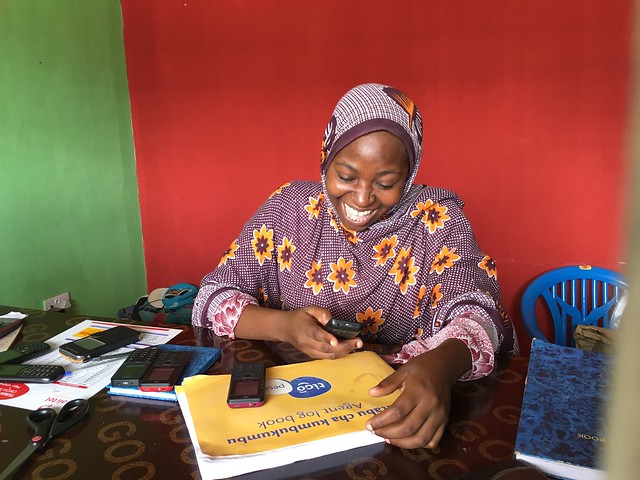
Financial Inclusion Through Technology

financial inclusion through technologyIn 2018, 1.7 billion adults worldwide, nearly 1 adult out of 3, still live without basic financial transaction accounts.

For the 1.2 billion people who did open financial accounts between 2011 and 2018, the problem is that many do not actively use their account. For example, in India’s initiative of financial inclusion in the early 2010s, nearly 90percent of the 100 million accounts opened are dormant, unused, or closed.

These are some of the daunting statistics that pose key challenges for universal financial inclusion by 2020 set by the World Bank. The goal is clear: getting people to open and maintain financial accounts.

Why Financial Inclusion?

Before discussing the mechanics of reaching universal financial inclusion, particularly for impoverished people in developing countries, why the push for financial inclusion at all?

The World Bank has released several studies that closely link poverty reduction, economic growth, and access to digital or physical financial services. In particular, for developing countries, empowering small farmers, merchants, and villages through financial stability and services can significantly improve their livelihood and economic security.

Additionally, financial inclusion, particularly through less formal means such as through microfinance or rotating savings and credit associations, has a key role in reducing social inequality for rural, poorer populations and women in developing countries.

What Are The Solutions?

Particularly in Southeast Asian countries, such as Indonesia and the Philippines, digital solutions to financial inclusion prove most successful. For example, a financial company in the Philippines, PayMaya, has opened doors to people across the country to allow new, emerging payment methods using QR codes. WeChat pay have partnered with a variety of businesses and mom-and-pop styled stores.

This strategy has worked, in part, due to the prevalence of smartphones in Philippines. The number of mobile phone users in the Philippines reached 74.2 million (out of a population 108.2 million), around 70 percent of the country’s population. PayMaya has also utilized the network of local vendors and merchants in the Philippines, which makes their service convenient and credible to impoverished populations who trust local merchants they have been going to for years.

Success in Indonesia

Indonesia is another success story of digital financial inclusion. For example, by making their G2P programs digital, welfare recipients receive payments directly to their digital accounts, which demonstrates the power that technology can have in reducing transaction costs and increasing convenience for those in need. Indonesia also has the regulatory framework to house a thriving banking industry and network of mobile operators. Indonesia has identified that 119 million adults are still excluded from financial services, but that, 100 million out of the 119 are smartphone users. So, the continued path forward for financial inclusion in Indonesia will be increased digitization of financial services.

What Is The Future of Financial Inclusion?

The examples of Indonesia and the Philippines shed light on broader discussions about financial inclusion from governmental organizations like the World Bank and companies like the International Finance Corporation. The success of Indonesia’s and the Philippines’ financial inclusion depends on lowering regulatory barriers, making financial options attractive and convenient, especially to poorer populations, and establishing strong social networks throughout the country.

Significant Barriers

These are exactly the barriers to reaching the last 1.7 billion excluded people, who are predominantly in developing countries. These populations often do not have enough money to open a bank account, lack the financial literacy to maintain a bank account, or simply do not trust brick and mortar institutions that do not have particular incentives to penetrate rural markets. Less formal means, such as microfinance or rotating savings and credit associations (ROSCAs), are more attractive because these systems pool money between trusted individuals, often friends or family, and allow people to save and borrow smaller amounts of funds that would not be enough to open a bank account.

World Bank Efforts

The World Bank has targeted several categories to develop over the coming years, such as creating a regulatory environment to enable access to transaction accounts, drive government-based solutions and programs for transaction accounts, focus on the disadvantaged, such as rural families and women, and digitize payments. The World Bank has identified 25 priority countries where nearly 70 percent of all financially excluded people live worldwide and are on track to reach 1 billion opened accounts by 2020.

From a corporate standpoint, PayMaya shows that financial inclusion offers a new, emerging market for financial and fintech companies, who have an economic incentive and profit motive for tapping into developing countries and helping to improve access to financial services. Digital finance has the potential to reach over 1.6 billion new retail customers in developing countries, with potential profits from the aggregate market estimated to be an astounding $4.2 trillion.

With both political will and economic incentive, the way forward seems clear: invest in digital solutions that partner with local networks and that work to tailor to the preferences of poorer populations, who may have low financial literacy and may mistrust large, corporate institutions.

– Luke Kwong
Photo: Flickr

August 26, 2019
https://borgenproject.org/wp-content/uploads/borgen-project-logo.svg 0 0 Kim Thelwell https://borgenproject.org/wp-content/uploads/borgen-project-logo.svg Kim Thelwell2019-08-26 12:54:442019-09-08 09:36:38Financial Inclusion Through Technology
Advocacy, Global Poverty

Top 8 Most Influential First Ladies for Global Issues

First Ladies for Global Issues

U.S. presidents are often put in the spotlight, but what many people overlook is the work of America’s First Ladies. This list offers insight into the most influential First Ladies for global issues and their efforts to address these issues.

Top 8 Most Influential First Ladies for Global Issues

  1. Eleanor Roosevelt- Weeks after Franklin Roosevelt assumed his role as president, Adolf Hitler became the chancellor of Germany. Hitler’s reign spurred a European refugee crisis. Eleanor Roosevelt used her platform as First Lady to garner U.S. support for refugees. To that end, she came out as a supporter of the Wagner-Rogers bill. This bill would allow the entry of 20,000 German children into the U.S. The Wagner-Roger bill ended up dying in committee, but the First Lady didn’t stop there. Eleanor Roosevelt proceeded to establish the U.S. Committee for the Care of European Children. USCOM was able to bring refugee children from France safely into the U.S.
  2. Patricia Nixon- This First Lady was known for her avid support of volunteerism and charitable causes. During her time in the White House, she made numerous journeys abroad. The first solo trip Patricia Nixon took was to Peru to provide relief supplies to earthquake victims. She later traveled as her husband’s Personal Representative to Africa and South America.
  3. Rosalynn Carter- Rosalynn Carter embarked on perhaps one of the most ambitious international missions taken by a First Lady. In 1977, she visited Venezuela, Colombia, Brazil, Peru, Ecuador, Costa Rica and Jamaica and assumed the position of the President’s representative. She took part in meetings to discuss policy issues such as drug trafficking, arms reduction and human rights. She continued her work in 1979 when she learned of the Cambodian refugee crisis. After seeing the conditions of the crisis for herself, she urged the U.N. to get involved in the issue. As a result of her urging, the National Cambodian Crisis Committee was established.
  4. Nancy Reagan- This First Lady is well known for her efforts to address the global drug epidemic. In 1985, Nancy Reagan held a First Ladies Conference on Drug Abuse to discuss solutions to drug abuse with other first ladies from across the globe. The following year, Reagan became the first First Lady to meet with the U.N. General Assembly where she highlighted the importance of attacking the world’s growing drug epidemic.
  5. Hillary Clinton- Hillary Clinton formed an impressive network with female global leaders across the world. She helped establish Vital Voices, an initiative that encouraged the incorporation of women in politics. She spoke out about gender equality at home and abroad. Clinton was one of the only political figures to draw attention to the violent treatment of Afghan women by the Taliban regime.
  6. Laura Bush- As First Lady, Laura Bush allocated much of her time towards improving global education and health. In 2005, she made the journey to Afghanistan to promote teacher-training institutions for women. Towards the end of her husband’s presidency, Bush continued traveling the world to promote the importance of global health. In 2007, she traveled to the Middle East to raise awareness for women’s health and breast cancer.
  7. Michelle Obama- In 2015, Michelle Obama launched the Let Girls Learn program. This program focuses on getting girls worldwide into school and making sure they remain in school. Let Girls Learn works with USAID, the State Department and the Peace Corps to carry out its mission. In 2016, Obama traveled to greet recipients of the benefits of the Let Girls Learn program in Liberia and Morocco.
  8. Melania Trump- Melania Trump has shown that she intends on following in the steps of her predecessors. She has targeted disease, trafficking and hunger as some of her main issues. The First Lady urged the U.N. to do more to aid these causes. She most recently embarked on a trip to Kenya, Egypt and Ghana. The First Lady was touched by the experience, and according to President Trump, there are intentions of helping these regions in the future.

– Gabriella Gonzalez
Photo: Flickr

August 26, 2019
https://borgenproject.org/wp-content/uploads/borgen-project-logo.svg 0 0 Kim Thelwell https://borgenproject.org/wp-content/uploads/borgen-project-logo.svg Kim Thelwell2019-08-26 01:30:182024-05-29 23:10:31Top 8 Most Influential First Ladies for Global Issues
Advocacy, Children, Global Health, Global Poverty, Homeless, Homelessness

Abandoned Infants in Pakistan: Unfinished Business

 Abandoned Infants in Pakistan

At just over a month old, Fatima was given away on live television. Fatima is just one of many children orphaned in Pakistan after being abandoned in trashcans and dirty alleyways. Placed in piles of rubbish, these infants are dying by the hundreds every year. On his show, “Amaan Ramzan,” Dr. Aamir Liaquat Hussain famously gives away cars and other luxury items to families in need. However, the show made world news after giving Fatima and another baby girl to a family who are unable to have children. As he explains, “These children are not a part of garbage, are not a part of trash, so we took these children from the garbage, from the trash and delivered them to the needy people, the needy parents.” Fatima’s new mother, Tanzeem Ud Din, said that she hopes the show will help encourage others to adopt children in need.

While the cause of the trend to abandon children remains unknown, many have their theories. One father who adopted two of these afflicted children and wishes to remain unnamed said, “it could be people not wanting children, women on their own or a couple that did not go through with an abortion.” He says religious belief plays a great roll in this. Many perish in the litter before they can be rescued. The lucky ones make it to orphanages dedicated to helping abandoned children. The father described his visit to the orphanage he adopted from sites of children with fear on their faces, crying because they had been dropped off two days ago when their mother died and their father left to remarry. Many of the children here live without a birth certificate or any paperwork for identification.

While the situation is horrific, many are working on solutions that will help save these children’s lives.

  1. Improvements to legislation: According to Director of the Imkaan Welfare Organization, Tahera Hasan, “Solutions don’t lie with philanthropic institutions and they never will. We are literally a drop in the ocean as far as the larger landscape is concerned.” In 2016, the Upper House of Parliament passed its first-ever bill to help abandoned children. Un-attended Orphans Rehabilitation and Welfare Act was written to protect the rights of orphaned children and ensure housing, education and healthcare.
  2. Decreasing poverty rates throughout Pakistan: According to the Economic Survey of Pakistan 2015–2016, 39 percent of the population lives in poverty. In contrast, the country has a total fertility rate of 2.55, according to the CIA Factbook, putting it at number 76 for world fertility rates. As a comparison, the United States is 142 on this list. Ahsan Iqbal, Minister for Planning, Development and Reforms says poverty reduction is one of the main objectives of Pakistan’s Vision 2025.
  3. Improving adoption services: According to Hasan, “There is no formal structure for adoption in place here, it is not recognized by the state.” Hansan is dedicated to the support of families adopting in Pakistan with the Imkaan Welfare Organization. Adoption remains mainly unregulated in Pakistan, with no paperwork for these children.

Social worker Ramzan Chippa said, “Parents who are adopting babies want healthy babies.” However, many orphaned children are described as severely mentally ill, one father even noticing a boy tied up in his orphanage to prevent him from taking bites out of his own arm. As a result, organizations such as Imkaan Welfare Organization are necessary to help these children become adoptable and find homes to be placed in.

The unnamed adoptive father referred to the child crisis in Pakistan as “unfinished business.” For countless children abandoned in dumpsters and litter, that is what their life is. Until Pakistan can adequately care for the thousands of unwanted children born every year, their existence will seem unfinished as they are homeless, purposeless and without a family.

– Maura Byrne
Photo: Flickr

August 20, 2019
https://borgenproject.org/wp-content/uploads/borgen-project-logo.svg 0 0 Jennifer Philipp https://borgenproject.org/wp-content/uploads/borgen-project-logo.svg Jennifer Philipp2019-08-20 10:53:142024-05-29 23:12:54Abandoned Infants in Pakistan: Unfinished Business
Advocacy, Developing Countries, Development, Education, Global Poverty

Global Citizen Year: Connecting Students to Service

global citizen year
In 2008, after winning first place at the Harvard Business School’s Pitch for Change competition, Stanford graduate and aspiring social entrepreneur Abigail Falik established the cultural immersion gap-year program, Global Citizen Year. Falik became inspired to create an opportunity for service available for all rising college freshmen.

Global Citizen Year in Ecuador

As a developing country, Ecuador faces a significant economic strain, especially in its more rural areas. It ranks as the fourth poorest country in South America with a GDP per capita at $11,036.

Global Citizen Year offers five distinct apprenticeships to its fellows, all of which revolve around social justice and complete cultural immersion. The program prides itself on providing an uncensored version of third-world interaction. This stands in contrast to its counterparts, many of which place a patronizing lens over international service.

When a fellow embarks on their mission to Ecuador, they choose between apprenticeships in agriculture, education, environmental conservation, social enterprise or social work. The duties range from working alongside the local government in efforts to protect vulnerable populations, to helping tutor English in local schools, to working in government-run elderly homes.

The following is an excerpt from Natalia Lanzoni’s June 2019 interview with the Borgen Project regarding Global Citizen Year’s unique approach.

Natalia Lanzoni’s June 2019 Interview with the Borgen Project

The Borgen Project: What were the biggest culture shocks—especially relating to the level of poverty—you faced when initially arriving in Ecuador?

Lanzoni: There was obviously a considerably less amount of wealth than the average person has in Cambridge. It kind of permeates every aspect of life, even the little things that you don’t think about what we do here. When I would buy groceries with my host-family we would buy one roll of toilet paper, because that’s what their income allows them. Here we don’t even think about it when we’re buying twenty-four rolls of toilet paper. It means that we have a surplus in our income that we can afford to spend it now. There was a lot of privileges I had that I didn’t even realize. Especially the fact that I was able to travel. The host-family told me they had never seen the ocean, which blew my mind because they were a two-hour drive away. Also, my host parents had to cross the U.S. border as illegal immigrants to find work when their son was born, because the U.S. won’t give visas if they see Ecuador in the papers. Their son lived his first ten years parentless.

The Borgen Project: Can you talk about your service experience in Ecuador?

Lanzoni: For the program, we have what’s called an apprenticeship, which is basically a volunteer job in our communities. So, a lot of people are English teachers or assistants to English teachers. English is important because it is so global. The one I worked for was at a local elderly home, it was run by the government of the town which provided a place for them to hang out during the day. They would come there and do crafts and the home would feed them meals. That home also supported families that lived very rarely, that had no sources of income because they were older. And they lived really high on the mountainsides, so a lot of them didn’t even have access to clean water, or they couldn’t walk all the way to the river because it was too far. They were living in pretty extreme poverty and the organization would also make trips out to do activities with them. Also, deliver them food and supplies for their homes.

TBP: Can you explain the ways in which you believe Global Citizen Year ensures long-lasting improvement on both a personal and social level?

Lanzoni: There are two different parts of how the organization is working to combat poverty. There’s the more obvious one which is the labor, the volunteer work that the fellows do while they’re in the country. But obviously, they’re only 18-year-old kids who don’t have a marketable skill or some niche way in which they can help the community. So I think the organization is more focused on the bigger picture, which is educating the leaders of tomorrow and inspiring young kids who are about to go off to college to involve themselves in social work. People don’t really think about going to college to work for a nonprofit combating poverty that often, so this is a way to expose young kids to those types of fields and to hopefully educates them in ways that they know will tangibly help that community down the line.

Global Citizen Year succeeds in informing its students about the reality of extreme global poverty. In doing so, it builds a force of passionate and motivated youth that will fight the fight to end global poverty. Here is the application to become a Global Citizen Year fellow.

– Liam Manion
Photo: Flickr

August 19, 2019
https://borgenproject.org/wp-content/uploads/borgen-project-logo.svg 0 0 Kim Thelwell https://borgenproject.org/wp-content/uploads/borgen-project-logo.svg Kim Thelwell2019-08-19 14:52:212019-10-09 08:02:45Global Citizen Year: Connecting Students to Service
Aid, Global Health, Global Poverty, Humanitarian Aid, United Nations, USAID

The History of USAID Providing Aid

History of The United States Agency of International Development
Foreign aid refers to any donation that one country makes to help another. The United States has proven itself to be a leading figure in foreign aid projects through the work of the United States Agency of International Development (USAID). This article focuses on the history of USAID.

USAID is the United States’ foreign aid branch which is responsible for diminishing poverty, innovating development and ideological progress around the world. The organization harbors an interesting history scattered with different approaches and methods. Each decade has acted as an era to test new theories on how to best assuage purveying poverty.

A Quick Historical View

On November 3, 1961, President John F. Kennedy signed an executive order that created the first U.S. agency that would take on global development challenges. USAID emerged “with a spirit of progress and innovation.”

The need for a specific agency to handle global development projects became clear after World War II. The Marshall Plan, active from 1945 to 1949, focused on rebuilding European nations after the damaging war. This demonstrated to U.S. lawmakers that providing assistance to stabilize countries is an effective way of initiating positive change. The 1960s was the decade of development. International powers united under the belief that poverty was a moral blot in the world. Groups like UNICEF and UNDP formed to strengthen infrastructure and industrialization in third-world countries.

Since its early stages, USAID has morphed and shifted focuses. The 1970s had a humanitarian ideal, the 1980s a market-based one and the 1990s saw an effort to stabilize democracy. The 2000s have thus far been reminiscent of USAID’s original purpose.  The all too numerous episodes of violence and war have caused much of USAID’s efforts to go towards rebuilding destroyed neighborhoods and governments.

How Does USAID Implement Aid?

The history of USAID shows that while the organization has taken on multiple approaches, funding methods have remained stagnant. USAID sometimes gives donations to governments and predominantly channels them through NGOs that use the money for very specific purposes.

Many NGOs use their budget to directly affect the lives of individuals and families. Communities receive humanitarian aid in the aftermath of natural disasters. Events like these are particularly harmful to impoverished individuals, as many of them rely on agriculture as the sole means of income. Education and health services are also a primary focus of NGO groups as these are both methods to bring third-world countries onto the modern development stage.

 Which Countries Receive the Most Aid?

There are over 100 countries that receive foreign aid assistance from USAID. The history of USAID shows that countries riddled with violence are often the highest receivers.

To date, USAID has given Afghanistan the most foreign aid from the United States. The country has received a considerable $4.89 billion in total. About 73 percent of this aid has gone directly to military projects. Counter-terrorist projects are particularly important in Afghanistan, as USAID attempts to stabilize legal and judicial systems that work to hinder the threat of violent groups. This not only protects the domestic Afghan population but also works to improve U.S. national security.

Iraq, Israel and Jordan are the next three countries that receive the most foreign aid assistance from USAID. The purpose of these donations is similar to that of Afghanistan.

Ethiopia, South Sudan and Kenya are also big receivers but for different reasons as economic aid is the primary concern. These programs are diverse and unique to the concerns of each country. Many, however, focus on relieving the spread of disease and allocating food security to suffering populations.

 A Recent Project

When reviewing the history of USAID, it is difficult to pick just one outstanding success. The record has shown that it has integrated democracy, erected countless schools and brought the miracles of modern-day science to neglected regions.

One of its recent projects that focuses on agriculture shows that USAID plans for the future and is also pragmatic. The Avansa Agrikultura Project from April 2015 to March 2020  focuses on farming in East Timor. At its completion, the project should help 5,500 individuals in earning more income and benefitting from a nutritious diet. USAID hopes to improve the daily goings of farm life in East Timor in addition to opening international trade markets to recipients.

A glance at the history of USAID personifies it as an organization dedicated to eradicating worldwide poverty through appropriate methods. With its record, it is no secret that this U.S. foreign aid branch poses as an international leader and will more than likely continue to be so in the future.

– Annie O’Connell
Photo: Flickr

August 16, 2019
https://borgenproject.org/wp-content/uploads/borgen-project-logo.svg 0 0 Jennifer Philipp https://borgenproject.org/wp-content/uploads/borgen-project-logo.svg Jennifer Philipp2019-08-16 11:35:432024-05-29 23:12:45The History of USAID Providing Aid
Advocacy, Global Poverty, Health, Women's Rights

UNICEF and UNFPA are Working to End Female Genital Mutilation

end female genital mutilationThe international agencies UNICEF and UNFPA are now in their second year of Phase III of their joint campaign to end female genital mutilation (FGM). While this human rights violation receives less coverage than many other plights affecting the world’s poor, the world’s leaders have come together in recent years to agree on the need to end female genital mutilation. Complete elimination of FGM is recognized as part of the Sustainable Development Goals the global community hopes to reach by 2030.
The Issue at a Glance

The UNFPA defines FGM as “any procedure involving partial or total removal of the external female genitalia or other injury to the female genitals for non-medical reasons.” Affecting 200 million women and girls today in 30 countries, FGM can take the form of a clitoridectomy, infibulation—a way of surgically sealing the vaginal opening—excision, or other damage to the genital area.

While FGM is most prevalent in Africa, it is widely practiced in parts of Asia and the Middle East as well. Egypt and Somalia have among the highest rates in the world, where over 90 percent of girls undergo FGM. In Indonesia and some Asian countries, FGM is so standardized that hospitals expect to perform it on all newborn girls.

Why FGM Should Be Stopped

Part of what makes FGM a human rights violation is that this treatment is typically done to girls under 15 who are not old enough to offer informed consent. Many agree to FGM after hearing myths of what will happen if they forgo the treatment, and the youngest never agree at all—their parents decide.

Not only does FGM violate a women’s right to make informed decisions about what happens to her body, which has physical and psychological repercussions, but it has a negative impact medically 100 percent of the time. Even when done by medical professionals with sterile tools and cutting-edge technology, FGM is a dangerous medical procedure that has no health benefits and frequently leads to a multitude of health issues later in life, including urinary problems, painful copulation and complications during childbirth, as affirmed by the World Health Organization. In short, girls are put through a painful procedure that has negative side effects down the road because of a cultural bias that women can’t be trusted to manage their sexual decisions.

How UNICEF-UNFPA’s Program Works to End Female Genital Mutilation

The reason FGM exists in the first place and has been so difficult for aid organizations to combat is that it is ingrained as a cultural norm. Girls grow up knowing that they will undergo this procedure and that their daughters will too—breaking that cycle appears inconceivable. Unfortunately, the reasons girls are guided to FGM are entirely myth-based and built on a sexist desire to limit female’s use of their sexuality. Girls are told that unless they undergo FGM, they will be dirty, impure or ineligible for marriage by either a religious sect or often by their community. This means that the work UNFPA and UNICEF does to fight involves looking for ways to change the social expectations around FGM.

Some of the specific ways UNFPA and UNICEF’s Joint Program is ending FGM include working with social groups and media to spread awareness of the health and human rights concerns associated with FGM and “to change perceptions of girls who remain uncut.” The agencies have also worked with government leaders to design policies that prohibit FGM to discourage the procedure for legal reasons and with religious leaders to “de-link FGM from religion.” As a result of their work, 31 million people have publicly declared abandonment of FGM. The focus has been on collective abandonment, since when only one or two individuals in a community give up the practice, they face being ostracized by their peers.

UNFPA and UNICEF, along with countless other international agencies, have worked to end FGM one girl at a time. Unfortunately, the procedure is still all too prevalent in large regions of the world. Removing taboos that FGM is too religious or too intimate of a topic to discuss will be necessary for the fight against FGM, and so women may be freed from this violation of their bodies.

– Olivia Heale
Photo: Flickr

August 12, 2019
https://borgenproject.org/wp-content/uploads/borgen-project-logo.svg 0 0 Kim Thelwell https://borgenproject.org/wp-content/uploads/borgen-project-logo.svg Kim Thelwell2019-08-12 11:48:432019-09-09 15:55:14UNICEF and UNFPA are Working to End Female Genital Mutilation
Advocacy, Global Poverty

7 Annual Races Against Global Poverty

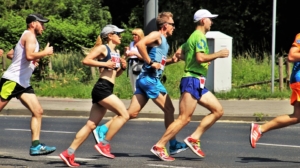
annual races against global povertyFor runners (or aspiring runners) who hope to combat global injustices while running, the following annual runs against global poverty are an easy way to combine physical and humanitarian passions. Some occur across the United States, while others are international, bringing together participants thousands of miles apart. Starting with a race in which runners run with the recipients of their donations, this list concludes with an extremely long race for those who don’t want to train for one. Here are seven annual races against global poverty.
7 Annual Races Against Global Poverty

  1. In Kinyarwanda, “Komera” means “be strong, have courage.” The organization by this name sponsors female scholars in Rwanda, paying for their full tuition and school expenses, and provides them a community of support and sport as a form of development. Every June, Komera hosts a fun run in Rwanda in support of empowerment and education for girls. This event is mirrored in Boston and San Francisco on the same day, as well as any other locations where people choose to individually host.
  2. The Aga Khan Foundation is a humanitarian aid organization that works in more than 30 countries in both Africa and Asia. Its initiatives cover integrated development, civil society, early child development, access to electricity and economic inclusion. Not only do they have countless walks and runs across the country throughout the year, but also host golf tournaments.
  3. The global Christian humanitarian organization World Vision has been tackling poverty and injustice, especially affecting children, since 1950. They now help more than 3.5 million children in almost 100 countries. Their mission includes social and spiritual transformation of communities through public awareness campaigns, as well as emergency relief. Their Global 6K for Water occurs annually on May 4 in nearly every state (with almost 100 runs in California alone). Proceeds go to providing clean water to those who don’t have it; according to the organization, “every step you take is one they won’t have to.”
  4. RACE for the Orphans stands for “Raising Awareness Compassion and Education” about what orphans around the world need. Each run raises money in the form of grants for American families to help them afford adopting international orphans. RACE for the Orphans hopes to reduce the staggering number of orphans in the world (more than 150 million). Starting in 2013, the annual race in Georgia backs new adoptive families the first Saturday of May.
  5. Concern Worldwide is a humanitarian organization that works with people across the globe living in extreme poverty. This annual four mile run in New York City started in the 1990s to raise money for programs ranging from development work to emergency response. Dara Burke, the organization’s Vice President for Individual Giving & Events, told The Borgen Project that hundreds of “people from all walks of life show up” each year on a Saturday in April to deliver “tangible hope” to Haiti and other recipients of the run’s proceeds.
  6. Hundreds of people in Illinois participate in the annual 5K walk/run for education to support Food for the Poor and Hope for Haitians in May. Food for the Poor combats issues ranging from malnutrition to lack of medical care in 17 Latin American and Caribbean countries. Their partner, Hope for Haitians, focuses on building houses and establishing clean water sources while establishing community self-sufficiency through education programs particularly in Haiti.
  7. Knowing that it’s difficult to change one’s daily schedule to run a 5K, the American Foundation for Children with AIDS designed a virtual, collective “walk,” called #30000Miles, reaching the capitals of all countries in mainland Africa. The walk starts on September 1 and ends once the participants have reached 30,000 miles. The proceeds help the organization support HIV positive children and their families in four countries in Africa, providing medical and educational support, as well as emergency relief and livelihood programs.

These annual races against global poverty are in the United States, but there are countless races around the world. They are all a great way to combine fitness and poverty reduction and runners can raise much more for the organization by pushing themselves in their fundraising.

– Daria Locher
Photo: Pixabay

August 10, 2019
https://borgenproject.org/wp-content/uploads/borgen-project-logo.svg 0 0 Kim Thelwell https://borgenproject.org/wp-content/uploads/borgen-project-logo.svg Kim Thelwell2019-08-10 09:42:392019-09-15 09:57:487 Annual Races Against Global Poverty
Advocacy, Refugees

What is the NGO Innovation Award?

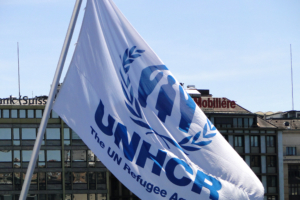
NGO Innovation AwardEach year the International Council of Voluntary Agencies (ICVA) and the U.N. High Commissioner on Refugees (UNHCR) host more than 500 representatives of nongovernmental organizations around the world in their Annual Consultations in Geneva. These delegates debate refugee issues affecting both international and regional audiences as well as discuss new advocacy issues.

These annual consultations discuss data analytics as a pathway to better welfare systems; the implementation of the 2018 Global Compact on Refugees; the maintenance of moral, legal and safe aid to refugees; and UNHCR’s transition to an increasingly decentralized, local system.

Starting in 2018, the UNHCR has presented annual NGO innovation awards to celebrate NGOs they believe embody innovative practices required to truly integrate refugees into their new societies.

Honoring Partnerships and Connectivity in NGOs

Through the NGO Innovation Award, the UNHCR showcases exceptional NGOs with new kinds of solutions in refugee aid in order to inspire further innovation in the field. Recipient NGOs fall into two categories: inclusive partnerships and connectivity.

UNHCR describes previous winners of the partnership category as having people-centered, community-based, non-traditional and creative partnerships. Focusing on inclusion and diversity, these organizations drive solution-based, positive interventions in their environments.

In the category of connectivity, UNHCR looks for organizations that demonstrate creative and novel solutions to connectivity challenges of displaced people (e.g. literacy or access to finance).

The Winners Are Archetypes of Innovative NGOs

One of the 2018 winners was SINA Loketa (SINAL), a team of six Africans from different countries helping young refugees and marginalized youths become self-sustainable and self-actualized members of their (new) communities. Specifically, this NGO aims to help individuals from these two disadvantaged communities to design and launch social enterprises from their refugee camp and host community in Uganda.

Each year, SINA Loketa leads 90 new scholars through a personal and professional transformation based on project-based learning and hands-on experimentation. After being matched with a mentor, these individuals go through training covering team building, trauma healing, one-on-one life coaching, social innovation and entrepreneurship.

SINA Loketa envisions directly creating thousands of jobs by their startups and reducing Ugandan youth unemployment by three percent by 2028.

The second winner of the 2018 NGO Innovation award was Artemisszio, a charitable foundation based in Budapest, Hungary. It strives to build an open, tolerant society based on interculturality. Artemisszio focuses on young people disadvantaged by rural circumstances, incomplete schooling, Roma ethnicity and migration. This organization helps them integrate into the labor market and into society as a whole.

Artemisszio works with central members of these marginalized individual’s communities to create supportive relationships outside of the NGO. For example, the organization hosts classes for health care workers, educators, police and military personnel, about interculturality and stress management. Artemisszio also spearheads a multitude of other innovative outreach programs, including teaching at local primary and secondary schools.

An Archetype for Future NGO Innovation

The first two winners of the NGO Innovation Award, SINA Loketa and Artemisszio, engage disadvantaged members of society as well as society as a whole to create cohesion between them. Their multifaceted approach bridges what initially seems like a fixed divide between these two groups in both Hungarian and Ugandan communities.

UNHCR is calling for innovative solutions to issues that are constantly evolving. Each year they celebrate solutions that introduce refugees as positive influences in their new communities.

The answer to what is the NGO Innovation Award lies in the annual celebration of organizations that fill a need in their communities that had not been duly addressed previously. These two winners can serve as an inspiration for current and future NGOs to better their communities.

– Daria Locher
Photo: Flickr

August 7, 2019
https://borgenproject.org/wp-content/uploads/borgen-project-logo.svg 0 0 Kim Thelwell https://borgenproject.org/wp-content/uploads/borgen-project-logo.svg Kim Thelwell2019-08-07 12:09:372024-05-29 23:10:29What is the NGO Innovation Award?
Activism, Advocacy, Development, Global Poverty

The Northern Triangle Enhanced Engagement Act

United States-Northern Triangle Enhanced Engagement Act
On July 15, 2019, the United States House of Representatives unanimously passed the United States-Northern Triangle Enhanced Engagement Act. The bill, announced by New York Representative Eliot L. Engel and Texas Representative Michael McCaul, seeks to provide greater safety and security for the Northern Triangle countries. The highest volume of immigrants from South America come from Honduras, El Salvador and Guatemala. It is the hope of the United States Congress that increasing aid and promoting a stronger economy and sense of security in these nations will address the root causes of the current migration crisis. This bipartisan legislation outlines several ways the United States may assist the Northern Triangle nations.

Details About The Bill

Firstly, the bill details a five-year program which focuses on economic development, the strengthening of democratic institutions and anti-corruption efforts. Because the insecurity of these countries’ economies is driving so many to seek refuge in foreign nations, enhancing market-based internal solutions for Honduras, El Salvador and Guatemala is a priority of this plan. Furthermore, it will implement institutions and programs that will allow these places to remain resilient in the wake of frequent natural disasters.

In order to support the integrity of the democratic institutions of the Northern Triangle, this bill intends to provide support to ensure free, fair elections and the continuation of an independent media. This measure is to prevent the spread of political propaganda and to make the democratic process accessible to all.

This bill includes many measures to support and fund anti-corruption efforts, which is so important when so many migrants from these countries are leaving to escape the prevalent gang violence. It provides support for such efforts as faith-based organizations for at-risk youth. Many young people have no choice but to engage in violent gang activities in order to protect themselves or their families.

Funding From The United States

The United States-Northern Triangle Enhanced Engagement Act is allotting $577 million dollars in monetary aid to these three countries for the 2020 fiscal year but includes strong conditions as to how the countries must use the funding.

The bill also includes measures to protect the safety of not only those native to Guatemala, Honduras and El Salvador but also the many American people who have concerns regarding immigration into the United States. The act calls for visa bans and asset freezes for corrupt individuals in an effort to halt some of the corruption in government and drug trafficking which are making these nations unsafe.

This bipartisan legislation will also provide increased support for development efforts in southern Mexico. The hope is that there will be more peaceful relations between Mexico and the Northern Triangle nations to diminish some of the reasons for the mass exodus from these countries.

Lastly, Congress has mandated that the State Department and USAID provide reports regarding the root causes of migration in the Northern Triangle countries after the implementation of the United States’ aid. The bill mentions some of the root causes including drug trafficking, human trafficking, extortion, corruption, gender-based violence, gang activities and the forcible recruitment of children into gang activities. These reports will allow Congress to determine how aid from the United States and the implementation of social services has altered the social and political climate of the Northern Triangle.

A Promising Victory

With so much ever-heightening concern regarding the immigration crisis, the unanimous, bipartisan passing of the United States-Northern Triangle Enhanced Engagement Act, which the Borgen Project supports, is a victory for the current state of poverty amongst immigrants. If this bill officially becomes law, it is the hope of Congress that the United States’ assistance and aid to the Northern Triangle countries will target the many causes of immigration and allow people to remain in their homes with a sense of security.

– Gina Beviglia
Photo: Flickr

August 5, 2019
https://borgenproject.org/wp-content/uploads/borgen-project-logo.svg 0 0 Kim Thelwell https://borgenproject.org/wp-content/uploads/borgen-project-logo.svg Kim Thelwell2019-08-05 01:30:502024-05-29 23:10:20The Northern Triangle Enhanced Engagement Act
Page 30 of 77«‹2829303132›»

Get Smarter

  • Global Poverty 101
  • Global Poverty… The Good News
  • Global Poverty & U.S. Jobs
  • Global Poverty and National Security
  • Innovative Solutions to Poverty
  • Global Poverty & Aid FAQ’s
Search Search

Take Action

  • Call Congress
  • Email Congress
  • Donate
  • 30 Ways to Help
  • Volunteer Ops
  • Internships
  • Courses & Certificates
  • The Podcast
Borgen Project

“The Borgen Project is an incredible nonprofit organization that is addressing poverty and hunger and working towards ending them.”

-The Huffington Post

Inside The Borgen Project

  • Contact
  • About
  • Financials
  • President
  • Board of Directors
  • Board of Advisors

International Links

  • UK Email Parliament
  • UK Donate
  • Canada Email Parliament

Get Smarter

  • Global Poverty 101
  • Global Poverty… The Good News
  • Global Poverty & U.S. Jobs
  • Global Poverty and National Security
  • Innovative Solutions to Poverty
  • Global Poverty & Aid FAQ’s

Ways to Help

  • Call Congress
  • Email Congress
  • Donate
  • 30 Ways to Help
  • Volunteer Ops
  • Internships
  • Courses & Certificates
  • The Podcast
Scroll to top Scroll to top Scroll to top