• Link to X
  • Link to Facebook
  • Link to Instagram
  • Link to TikTok
  • Link to Youtube
  • About
    • About Us
      • President
      • Board of Directors
      • Board of Advisors
      • Financials
      • Our Methodology
      • Success Tracker
      • Contact
  • Act Now
    • 30 Ways to Help
      • Email Congress
      • Call Congress
      • Volunteer
      • Courses & Certificates
      • Be a Donor
    • Internships
      • In-Office Internships
      • Remote Internships
    • Legislation
      • Politics 101
  • The Blog
  • The Podcast
  • Magazine
  • Donate
  • Click to open the search input field Click to open the search input field Search
  • Menu Menu

Archive for category: Advocacy

Information and news on advocacy.

Advocacy, Children, Development, Education, Global Poverty, Health, Nonprofit Organizations and NGOs

Nonprofits That Children Started

Nonprofits Started By Children
Charities and foundations all over the world work to eradicate global poverty and hunger. In fact, there are many memorable nonprofits that children started that now have a global reach and a large impact on people in developing countries. These nonprofits are working to break the cycle of poverty.

Caine’s Arcade (Imagination Foundation)

Nirvan Mullick walked into an auto shop one day where he saw 9-year-old Caine Monroy’s cardboard arcade. Mullick was Monroy’s first and only customer and inspired him to continue his project. Mullick then created an 11-minute video about Monroy’s journey and hope for customers. This video sparked international attention and led to a movement in which kids all around the world created cardboard arcades. The Imagination Foundation then formed to foster creativity globally by encouraging kids to take risks. Of the nonprofits started by children, this one has one of the most unique beginnings. 

WE Charity

The WE Charity, formerly Free the Children, is a remarkable nonprofit that a child started. At the age of 12 and in 1995, Craig Kielburger learned of the death of Iqbal Masih, a 12-year-old Pakistani, former-slave and human rights activist. This inspired Kielburger to start the WE Charity with the help of his seventh-grade classmates and brother, Marc. While the Kielburgers originally focused on ending child slavery, they decided to expand their focus to global poverty as a whole. Craig and Marc collaborated to create, Free the Children’s WE Villages, in which poor families received aid with education, clean water and sanitation, health care, food security and finding an alternative income. One can see the impact of this charity in numerous countries. Starting in 2012, the WE Charity helped quadruple primary school attendance rates in Haiti and rehabilitate two wells in Udawad. Additionally, it aided girls in focussing on education rather than walking miles to collect water.

Sole to Soul

After a disastrous fire in a school in Nairobi, Kenya, numerous pictures circulated of Kenyan children walking barefoot in the ruins of their destroyed community. Moved by the conditions in developing countries, sisters Vienna, Hayleigh and Sarah Scott from Nashua, New Hampshire decided to act. The sisters worked to send over nearly 1,200 shoes. The girls developed their charity as they walked door to door in their neighborhood collecting second-hand shoes that were in wearable condition. Taking the project one step further, the young girls ran public stalls in their hometown and successfully raised $33,000. This nonprofit that children started was able to provide shoes to over 1,500 kids in poor countries.

Hoops for Hope

At the age of 9, Austin Gutwein learned about the scarring effects of AIDS in developing countries. He proposed a solution that people would donate money for every successful basket he made while playing basketball. After a few years, Gutwein was able to transform this into an organization that consistently donates 100 percent of its proceedings. This nonprofit started with a child who works to educate people in developing countries about protected sex, as well as provide international relief. For every 500 kids who get together to shoot 500 free throws through Hoops for Hope, 500 kids that HIV/AIDS orphaned, receive representation and help. 

FundaField

The Weiss family was always fond of soccer, especially the kids Garrett, Kyla and Kira. After attending the 2006 World Cup in Germany, the contagious passion that Angolan fans had for their team inspired the Weiss kids. This sparked the FundaField movement, where this nonprofit started working on bringing soccer supplies to children growing up in developing countries. This unique movement uses the therapeutic abilities of team sports, in particular, to rehabilitate regions suffering post-conflict. The Weiss kids not only fund soccer fields and donate supplies but also host soccer tournaments to encourage competitive play.

Young children have creative minds and imaginative reach which enables them to be successful. Their age allows them to ignore any limitations and see with a pure heart. Nonprofits that children start are absolutely unique in their approach and serve as an inspiration for everyone. 

– Haarika Gurivireddygari
Photo: Flickr
October 26, 2019
https://borgenproject.org/wp-content/uploads/borgen-project-logo.svg 0 0 Lynsey Alexander https://borgenproject.org/wp-content/uploads/borgen-project-logo.svg Lynsey Alexander2019-10-26 01:30:472020-01-18 14:41:17Nonprofits That Children Started
Advocacy, Developing Countries, Economy, Global Poverty, Poverty, Poverty Reduction

How China’s Protests Affect its Poverty and Economy

China's Protests Affect its Poverty and Economy
As protests in Hong Kong have continued to escalate between protesters and China’s ruling Communist Party, each side appears to become increasingly distant from the other. The term One China is not new, but what is new is the number of protests that have occurred and the amount of support that it is receiving from citizens. The protests in Hong Kong began to occur in April 2019 following an extradition bill that would have allowed the extradition of the citizens of Hong Kong to the mainland. Here is how China’s protests affect its poverty and economy.

Tourism and the Economy

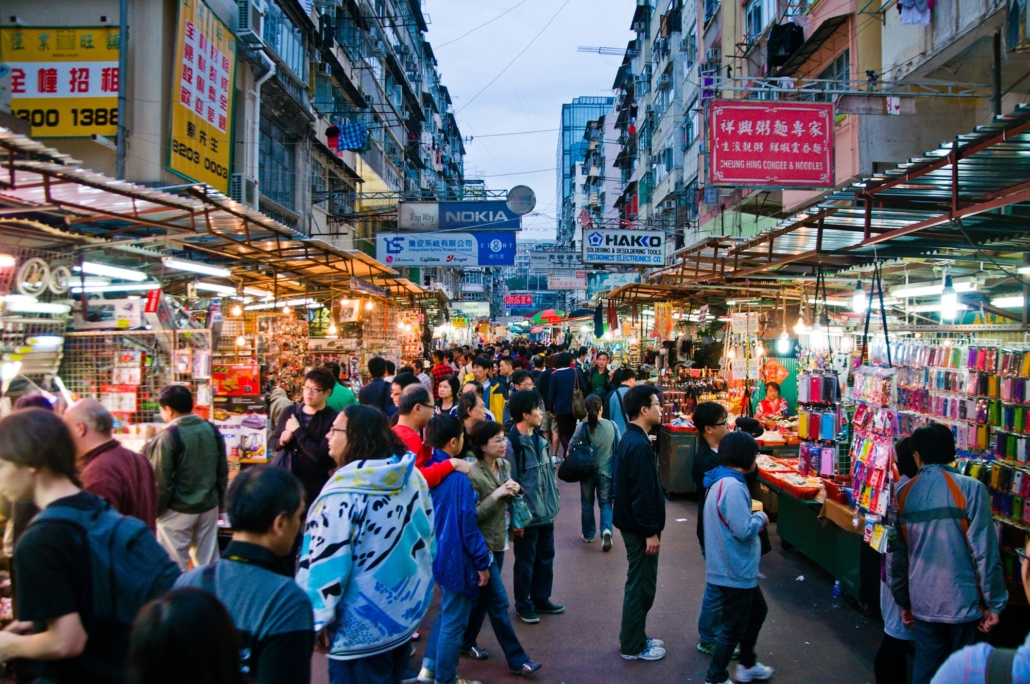
In Hong Kong’s top tourist area Tsim Sha Tsui, many shop workers tend empty shops waiting for consumers. This district holds an assortment of luxury hotels, restaurants and boutiques that attract tourists. In recent months, however, it has seen an inverse of traffic as shoppers occupy it less and protesters occupy it more. At the beginning of 2019, businesses started to struggle from the strained U.S. and Beijing trade war. In the months following, the economic state worsened and the protesting has lasted for months to date.

Similar to the tourism business, other industries across the region have felt comparable effects from the protests as well. A large number of startup companies are beginning to consider other areas like Singapore for future operations. Some economists believe that China may be one step closer to a recession as GDP has decreased. Select industries are seeing a decline rate in the double-digits from previous years.

Immigration

As the economy of China has been on the decline for months, immigrants from the mainland have moved to Hong Kong at high rates for the past 10 years. Estimates determine that between 60 to 70 percent of China’s population came from the mainland. In 2017, approximately 40 percent of immigrants from the mainland to Hong Kong were living under the poverty line.

Success So Far

Chinese leaders have held a goal to eliminate national poverty for several years now. Even with the protest and political tension that the region is facing, it still seeks to eradicate poverty. In the last seven years, nearly a billion citizens have risen from their impoverished status. In 2018, official counts determined that there were only 16 million people living below the poverty line. If the country continues at the rate it has been going, there will be just a few million people still in poverty by the end of 2019.

Distractions or Support

People have made numerous cases against the middle class, the largest class in the country. Some believe that this initiative has drowned out other issues that impact the nation. Topics such as extreme poverty and class status are beyond the realm of politics and legislation that people typically see. Another claim is that the economic frustrations of China’s citizens are pushing the protest to expand. What initially was about an extradition bill also serves as an opportunity for protesters to speak out about their concerns.

In the last decade, China has reduced the number of people living in poverty substantially, however, it has been occurring at a decreasing rate. In recent months, the discussion of China relates to the increasing rate of protests in Hong Kong. Many people have taken notice of how China’s protests affect its poverty and economy. The nation’s finances have been a point of interest as numbers fail to match those of previous years.

– Kimberly Debnam
Photo: Flickr

October 25, 2019
https://borgenproject.org/wp-content/uploads/borgen-project-logo.svg 0 0 Lynsey Alexander https://borgenproject.org/wp-content/uploads/borgen-project-logo.svg Lynsey Alexander2019-10-25 11:30:382020-01-18 14:42:56How China’s Protests Affect its Poverty and Economy
Global Health, Global Poverty

Cancer Treatment in Nigeria

Cancer Treatment in Nigeria

Thousands of Nigerians die every year from cancer. Though deaths are mostly preventable, Nigeria lacks the infrastructure, equipment and health care professionals necessary to treat its cancer victims. Furthermore, the high cost of cancer treatment prevents many Nigerians from seeking it soon enough to cure it. Yet the Nigerian government is improving Nigeria’s cancer treatment and making it easier for Nigerians to access it. This article will reveal the future of cancer treatment in Nigeria by first explaining why so many Nigerians die from cancer, and then listing the solutions that people are proposing and implementing to eradicate it.

Cancer in Nigeria

The World Health Organization identifies cancer as the second leading cause of death around the world. It is responsible for 70 percent of deaths in low- and middle-income countries. This is more than the number of deaths from AIDS, malaria and tuberculosis combined. In Nigeria, around 72,000 Nigerians die each year from cancer among the more than 100,000 cancer diagnoses. The two most common, and often treatable, forms of cancer in Nigeria are breast and cervical cancer.

Specifically, Nigerian men suffer from mostly prostate, colorectal, liver, stomach cancer and non-Hodgkin’s lymphoma. Nigerian women suffer from mostly breast, cervical, colorectal, ovarian cancer and non-Hodgkin’s lymphoma. The number of new cancer cases per year among Nigerian women, 71,022, is greater than the number of new cancer cases per year among Nigerian men, 44,928.

Reasons for Nigerian Cancer Deaths

First and foremost, many Nigerians are unable to reach physicians who can diagnose and treat their cancer. Additionally, when they are able to get the treatment they need, their cancer is in such an advanced state that any treatment they receive fails to save their lives. Thirdly, Nigeria has not had a national plan to control cancer or a national registry to track trends about who has cancer and where they live for most of its history.

In addition, Nigerians often do not have the money to pay for cancer treatment. On top of this, many Nigerians who suffer from cancer do not receive enough information about cancer to motivate them to seek immediate medical attention.

There are also infrastructure limitations as Nigeria currently only has four functional cancer treatment centers, which is not enough to treat the immense number of Nigerian citizens who suffer from cancer. Furthermore, in a population of more than 200 million, there are only nine radiation therapy machines. At any time, some or all of these machines might be broken, sometimes for months. Nigeria additionally lacks well-equipped treatment centers and an adequate amount of qualified health professionals.

Goals with Cancer Treatment in Nigeria

The current state of cancer treatment in Nigeria might look dreadful, however, Nigerians are making great efforts to improve the care it provides to Nigeria’s cancer victims with the help of partners like the World Health Organization and the American Cancer Society. On April 13, 2015, the Nigerian Federal Ministry of Health launched the Cancer Control Plan (CCP). This plan sets the course for the Ministry of Health to improve cancer treatment in Nigeria from 2018 to 2022. The goals included in the CCP that Nigeria intends to reach to improve its response to cancer are:

  • ” Increased access to screening and detection of cancer
  • Improved access to quality and cost-effective cancer treatment
  • Improved end-of-life care for patients and their families
  • Increased public awareness about the disease
  • Improved data collection and the process of spreading information
  • Effective coordination of cancer resources for Nigeria”

Progress

A major stepping-stone in the advancement of cancer treatment in Nigeria is the construction of the world-class Nigeria Sovereign Investment Authority (NSIA) and Lagos University Teaching Hospital (LUTH) Advanced Cancer Treatment Centre. This facility emerged to ensure that the prevention, early diagnosis and treatment of cancer are available to many more Nigerians and is equipped with the most innovative cancer therapy solutions from Varian Medical Systems. This facility can treat 100 patients a day and provide more advanced training for 80 health care professionals. Predictions determine that this facility will serve as a model for future cancer research facilities throughout West Africa.

Even though Nigeria has a long way to travel to create a cancer treatment system on par with those of high-income countries like the United Kingdom or Switzerland. The goals listed above will take a great effort to reach. Yet, the fact that Nigeria is already making progress towards advancing its cancer treatment system proves the bright future of cancer treatment in Nigeria is already here.

– Jacob Stubbs
Photo: Flickr

October 20, 2019
https://borgenproject.org/wp-content/uploads/borgen-project-logo.svg 0 0 Kim Thelwell https://borgenproject.org/wp-content/uploads/borgen-project-logo.svg Kim Thelwell2019-10-20 10:30:532024-05-29 23:12:23Cancer Treatment in Nigeria
Advocacy, Global Poverty, Poverty, Poverty Reduction, United Nations

China’s Contribution to Global Poverty Reduction

China's Contribution to Global Poverty Reduction
China has lifted 82.39 million rural poor out of poverty over the past six years. Additionally, recent data from the National Bureau of Statistics showed that the proportion of people living below the poverty line dropped from 10.2 to 1.7 percent in the same period. The population living below the current poverty line in the rural areas was 16.6 million by the end of 2018, down 13.86 million from the previous year. The poverty rate in 2018 was also down by 1.4 percent points from 2017. A lot has happened on the way for China‘s contribution to global poverty reduction, though.

China’s History

In 1958, Mao’s Communist Party introduced the Great Leap Forward, a failed effort to achieve rapid industrialization, and which, by its end in 1962, left as many as 45 million people dead as food output plunged and a famine wreaked havoc. The decade-long Cultural Revolution, which brought disaster to the country, only ended with Mao’s death in 1976. Because of such campaigns, China basically stood still as the rest of the world moved ahead.

Today, China’s huge strides over 70 years seem impressive but those gains occurred in the 40 years after Mr. Deng launched China on the road to economic reform after taking over from Mao’s chosen successor. Deng Xiaoping paved the way for how China contributes to global poverty reduction.

Poverty Alleviation in China

According to statistics that the World Bank released, over the past 40 years, the number of people in China living below the international poverty line has dropped by more than 850 million. This represents 70 percent of the total world figure. With the highest number of people moving out of poverty, China was the first developing country to realize the UN Millennium Development Goal for poverty reduction.

Indeed, poverty across the globe has seriously hindered the fulfillment and enjoyment of human rights for many. As such, many see reducing and eliminating poverty as the major element of human rights protection for governments across the world. It is really encouraging that, over the years, poverty eradication has always remained a goal for the Chinese government in its pursuit of a happy life for its people.

China’s Efforts to Alleviate Poverty Around the World

In the meantime, China’s poverty alleviation results are benefiting other countries and their peoples. China, with an aim to build a community with a shared future for humanity, is actively responding to the UN Millennium Development Goal and 2030 Agenda for Sustainable Development. It is conducting broad international collaboration on poverty reduction. Some examples of China contributing to global poverty reduction are the implementation of the China-Africa cooperation plan for poverty reduction and people’s livelihood and the 200 initiatives of the Happy Life Project.

Over the past 70 years, China provided financial aid of over 400 billion yuan to nearly 170 countries and international organizations, and carried out over 5,000 assistance projects overseas and helped over 120 developing countries to realize the Millennium Development Goal, a glorious example of how China’s contribution to global poverty reduction.

China plans to eliminate absolute poverty by 2020. The plan is not only a key step for the country to realize the Chinese Dream of the great rejuvenation of the Chinese nation, but also a significant and glorious cause in the human history of poverty reduction.

– Andrea Viera
Photo: Flickr


October 17, 2019
https://borgenproject.org/wp-content/uploads/borgen-project-logo.svg 0 0 Kim Thelwell https://borgenproject.org/wp-content/uploads/borgen-project-logo.svg Kim Thelwell2019-10-17 01:30:102024-05-29 23:12:24China’s Contribution to Global Poverty Reduction
Advocacy, Global Poverty

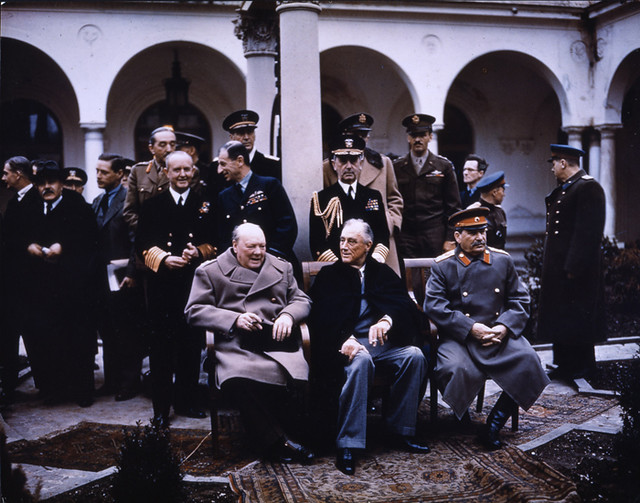
10 Horrendous Facts About Joseph Stalin

Facts About Joseph Stalin
Born on Dec 18, 1878, Joseph Stalin served as the Soviet Union’s Premier and the General Secretary of the Communist Party. Here are 10 horrendous facts about Joseph Stalin.

10 Horrendous Facts About Joseph Stalin

  1. As the Communist Party’s General Secretary, Stalin conducted so-called purges throughout the 1930s during which his administration imprisoned, exiled or executed political enemies and ethnic minorities. The time between 1936 and 1938 was the Great Purge and Stalin had approximately 750,000 people executed and sent millions to forced labor camps. In a forest by Toksovo, a small town near St. Petersburg, human rights workers discovered a mass grave of more than 30,000 victims in 2002.
  2. The First Plan, implemented in 1928, had a motive to modernize the Soviet Union’s industry. Stalin introduced the concept of collectivization by taking control of farmers’ lands. As a result, many farmers had to move towards cities for work. Stalin created state-run farms in the usurped lands and introduced time-specific quotas for the remaining farmers. These farmers could not eat the food they produced unless they reached the quotas they had to send to the cities. Subsequently, between 7 and 8 million people died on these rural lands from starvation and severe working conditions.
  3. Stalin designed and nurtured a famine throughout Ukraine between 1932 and 1933 that resulted in the death of approximately 7 million people. The Communist Party specifically targeted Ukraine for its efforts in gaining independence from Soviet rule. Stalin enforced quotas on Ukrainian farms to agricultural products to the Soviet Union. These quotas continued to increase until there was not enough food to sustain Ukrainian populations. When Ukrainian Communists appealed to the Soviet administration, Stalin used military force to purge the Ukrainian Communist Party and subsequently sealed Ukraine’s borders to prevent the shipment of food into the country. Additionally, Soviet forces confiscated all food sources from private Ukrainian residences.
  4. In 1919, Vladimir Lenin established the first Soviet forced labor camps. However, these camps, called the Gulags, did not reach full notoriety until the early 1930s under Stalin’s rule. Prisoners at the Gulags had to work at least 14 hours of demanding physical labor every day. These tasks included felling trees and digging frozen Soviet lands with rudimentary tools or mining coal and copper by hand. Prisoners received food based on how much work they completed in a day, however, even a full ration was insignificant. This labor force comprised of robbers, rapists, murderers, thieves and political enemies. Yet the majority of the prisoners were those the Soviets arrested for petty theft, lateness or unexcused absences from work.
  5. During Stalin’s early reign, the communist regime promoted the elimination of religion by confiscating church property, belittling religious beliefs and believers as well as promoting the indoctrination of atheism in schools. The Soviets exected the majority of the Russian Orthodox Church clergy and followers or sent them to the Gulags. The communist regime almost completely blocked the practice of Judaism instigated the systematic suppression of Islam until 1941.
  6. One of Stalin’s most heavily used tactics of oppression was censorship. Stalin cultivated a personality cult of artists that the state forced to create work that glorified the dictator. Those who read literature, viewed paintings and listened to music that the Soviet administration did not approve would have to go to the Gulags. Many artists committed suicide or attempted to flee the country in response.
  7. The Communist Party strictly controlled Education in the Soviet Union and based it on indoctrination. The government dictated which subjects schools could teach and test on. Teachers would teach History classes using materials that Stalin appointed, like the book A Short History of the USSR.
  8. Children received encouragement to join youth organizations outside of schools. Three tiers of these organizations existed: for 8 to 10-year-olds, there were the Octobrists; for 10 to 16-year-olds, the Pioneers; and for 19 to 23-year-olds, the Komsomol. Such organizations taught children how to be good communists. Stalin’s motive behind these youth clubs was to indoctrinate Soviet children into unquestioning obedience to the Communist Party. Further, when Nazi Germany invaded the Soviet Union, children as young as those in the Pioneers tier received arms to defend the State.
  9. Stalin’s rule of the Soviet Union deported over 1.5 million people. The majority of these people were Muslim. Reasons for deportation included resisting Soviet rule, ethnicity, religion and collusion with Germany’s occupational forces. The Soviets had deportees rounded up in cattle cars and taken to resettlement locations like Siberia or Uzbekistan where almost two-fifths of resettled populations died.
  10. Following World War II, Stalin began a press campaign of attacks on Jewish culture and Zionism. In 1948, the Jewish Antifascist Committee, an organization promoting Soviet policies, Stalin’s forces had it disbanded and its chairman assassinated.

As seen by the aforementioned 10 facts about Joseph Stalin, the Communist Party of the Soviet Union created immense suffering and strife under Stalin’s reign. Scholars and historians assert that between 20 and 60 million people died as a result of Joseph Stalin’s dictatorship.

– Bhavya Girotra
Photo: Flickr


October 16, 2019
https://borgenproject.org/wp-content/uploads/borgen-project-logo.svg 0 0 Kim Thelwell https://borgenproject.org/wp-content/uploads/borgen-project-logo.svg Kim Thelwell2019-10-16 01:30:572024-06-04 01:08:3610 Horrendous Facts About Joseph Stalin
Global Health, Global Poverty, Malaria

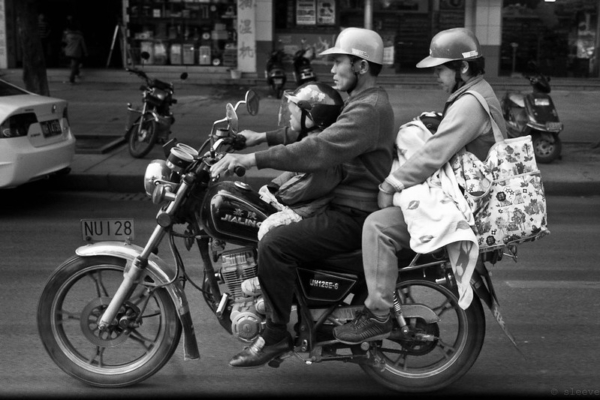
Ending Malaria in China

Ending Malaria in ChinaHistorically, malaria has been extensive in China. In the 1940s, 90 percent of the population was considered at risk. In the 1970s, the country suffered 24 million cases of the disease. With the introduction of anti-malarial medicine and urbanization, massive strides have been made to end malaria in China.
In 2010, China launched the National Malaria Elimination Plan (NMEP) with the aim of eradicating malaria from the country by 2020. It pushed for rapid responses to reported cases of the disease, with the 1-3-7 plan outlining a report within one day, investigation within three, and treatment within seven. The plan saw great success and in 2017, no indigenous cases of malaria were detected.

China is not yet completely free of malaria. It is difficult to contain the disease at the country’s borders and those in poverty are especially at risk.

Background

The Yunnan Province consistently experiences a high number of malaria cases due to its constant interaction with neighboring counties. The wealthiest counties in Yunnan are central and surround the capital city Kunming. Among the 26 border counties, only two have an infection rate below one in 10,000, and nine have rates above 10 in 10,000. In addition, 21 of these counties are the poorest in the province. Researchers have called for more resources to be diverted to Yunnan.

The remaining cases of malaria in China pour in from neighboring countries, with 19,154 cases from 68 countries documented between 2011 to 2016. In the majority of cases, the disease was carried by returning Chinese workers, mostly from Myanmar, Ghana or Angola, all countries that rank below 160th highest GDP per capita in the world.

Despite these challenges, the country has made significant strides to combat malaria. The first major effort began in 1955, with the launch of the National Malaria Control Programme, a push to improve irrigation and insecticide use throughout the country. China reduced malaria deaths by 95 percent, and suffered only 117,000 cases of the disease, by 1995.

In 2003, China received aid from the Global Fund to fight AIDS, tuberculosis and malaria. Global Aid distributed over $100 million throughout the world over two years. In China, this reduced the number of annual cases below 5000.

The 2010 Program was a synthesis of a national effort. About 13 departments came together, including the ministries of health, education and the military to end malaria. According to He Qinghua, Deputy Director-General of the Bureau of Disease Prevention and Control at China’s National Health Commission, a large portion of the effort focused around involving the government at every level of control. If a ruling was made in the capital, it had to be translated into every local government.

Since 2014, the Chinese government has paid for the entirety of its fight against malaria, though it recognizes the importance of early support from external funds like the Global Fund. Yang Henling, a professor at the Yunnan Institute for Parasitic Diseases, further states the need to continue efforts, lest malaria return.

China Turns to Help Other Nations Eradicate Malaria

New South, a Chinese company, has begun working to eliminate malaria in Kenya, where 70 percent of the population is at risk of the disease. New South has already been working in Comoros.

New South advocates for the use of MDA, the primary drug involved with treating malaria in China. While many western organizations, including the Bill and Melinda Gates Foundation, focus on preventing mosquitoes from spreading malaria, New South emphasizes treatment in humans. Dr. Bernhards Ogutu, who has been fighting malaria in Kenya for decades, believes that Chinese support will have malaria eradicated in some areas of Kenya within only five years.

– Katie Hwang
Photo: Flickr

October 10, 2019
https://borgenproject.org/wp-content/uploads/borgen-project-logo.svg 0 0 Kim Thelwell https://borgenproject.org/wp-content/uploads/borgen-project-logo.svg Kim Thelwell2019-10-10 07:15:262024-05-29 23:13:01Ending Malaria in China
Clean Water Access, Food & Hunger, Global Health, Global Poverty, Poverty

9 Facts About Poverty In Eritrea

Facts about Poverty in Eritrea
Eritrea is a small northeastern country in Africa, surrounded by the larger Somalia, Ethiopia and Sudan. It is home to more than 6.1 million individuals, of which, about 53% were in poverty as of 2008. Eritrea’s harsh history coupled with its low rates of development has contributed to the poor economic conditions that oppress so many. This article will provide nine facts about poverty in Eritrea which will give reason to the concerns that international organizations have raised.

9 Facts About Poverty in Eritrea

  1. A tumultuous history with Ethiopia: After a 30-year war with Ethiopia, Eritrea finally gained independence in 1991. It was not until 1993, however, that this separation became legitimate. Eritrean citizens historically experienced neglect under Ethiopian rule. Many experienced deprivation of their nation’s resources and abandonment on the pathway to development.
  2. Cultural superstitions prevent sanitary practices: According to UNICEF, persistent cultural beliefs hinder many Eritreans from collecting clean water, washing their hands and disposing of animal products properly. Many believe that evil spirits attach themselves to certain animal parts while other customs prohibit the use of latrines during certain hours of the day.
  3. Limited access to clean water for rural Eritreans: Very few villages in rural Eritrea have access to clean water. In fact, as of 2015, only 48.6% of the rural population had access to improved water sources compared to 93.1% in urban areas. As a result, many Eritreans drink from the same water source as animals. In addition, many communities do not have a local latrine due to a lack of financial resources. Sewage systems also contaminate water sources that would otherwise be feasible options. These issues can lead to numerous diseases such as schistosomiasis, giardiasis and diarrhea.
  4. Challenges in agriculture: While nearly 80% of the Eritrean population works in agriculture, this sector only makes up about 13% of the nation’s GDP. Landscapes in Eritrea are naturally rocky and dry. This makes farming a difficult task even in the best weather conditions. During the most fruitful periods, domestic agriculture production still only feeds 60% to 70% of the population.
  5. Susceptibility to drought: When drought does strike northeast Africa, Eritrea is one of the countries that experiences the greatest blow. Months can pass in the Horn of Africa without rainfall and these episodes are frequent and recurrent. This results in food shortages and increased rates of malnourishment among children. Statistics show that malnutrition has been increasing throughout Eritrea as nearly 22,700 children under the age of 5 suffer from the condition. Plans have already emerged as an acknowledgment of the crisis, one being the African Development Bank’s Drought Resilience and Sustainable Livelihood Programme for 2015-2021. For this, the Eritrean government has agreed to reserve $17 million to administer solutions for drought effects in rural communities.
  6. Many children are out of school: Public education in Eritrea is inconsistent across the nation. Children living in rural areas or with nomadic families do not have access to quality education like those living in urban regions. Overall, 27.7% of Eritrean children do not attend school.
  7. Low HDI: Recently, GDP in Eritrea has been growing. One can attribute this to the recent cultivation of the Bisha mine, which has contributed a considerable amount of zinc, gold and copper to the international economy. Even so, Eritrea’s Human Development Index is only at 0.351. The country is far behind other sub-Saharan nations, whose average is 0.475.
  8. Violence at the southern border: The central government has created large holes in the federal deficit in its preoccupation with Ethiopia. While the countries officially separated in 1993, discontent with the line of demarcation has left them in a state of “no war, no peace.” The Eritrean government sees the stalemate with Ethiopia as a primary concern, and the military forces needed to guard their territory has occupied most of the nation’s resources.
  9. High rates of migration: These realities listed above have encouraged much of the Eritrean population to flee the country. Eritrea is the African country with the highest number of migrants. Furthermore, the journey to Europe is a dangerous one, as the pathway through the central Mediterranean is highly laborious.

Looking Ahead

These facts about poverty in Eritrea show that while poverty in Eritrea has been an ongoing challenge, efforts are under way to provide aid to the country’s people. Hopefully, the work of the African Development Bank’s Drought Resilience and Sustainable Livelihood Programme will help alleviate hunger and malnutrition in Eritrean communities.

– Annie O’Connell
Photo: Flickr

October 7, 2019
https://borgenproject.org/wp-content/uploads/borgen-project-logo.svg 0 0 Kim Thelwell https://borgenproject.org/wp-content/uploads/borgen-project-logo.svg Kim Thelwell2019-10-07 01:30:582024-05-29 23:13:079 Facts About Poverty In Eritrea
Advocacy, Developing Countries, Development, Global Poverty, Poverty, Poverty Reduction

Natural Disasters Shape Global Poverty

Natural Disasters Shaping Global Poverty
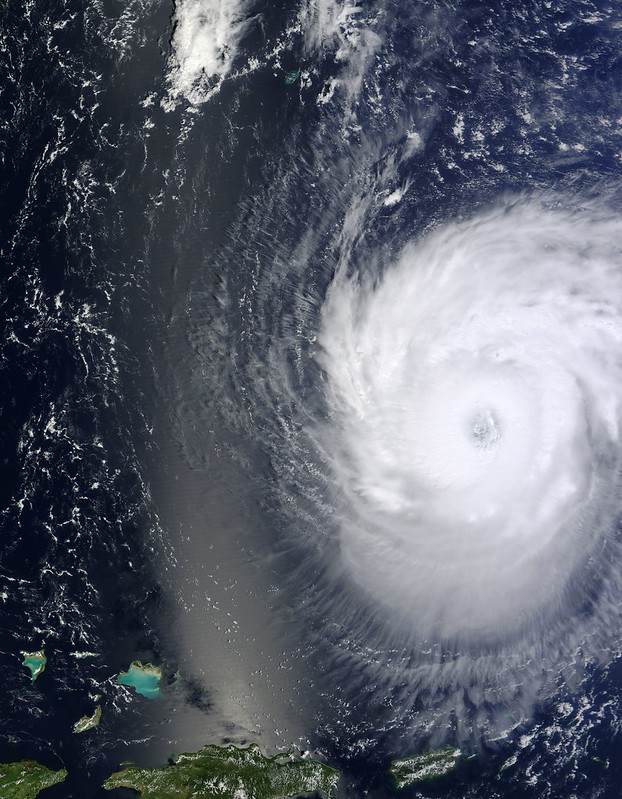
When people discuss the causes of global poverty, natural disasters do not often come up, but there is a correlation between natural disasters and global poverty. This may be due to the fact that natural disasters tend to be completely out of human control, while human choice and behavior can either cause or greatly reduce other factors that contribute to poverty. However, natural disasters shape global poverty through post-disaster destruction and economic and societal instability. Geographical location and weather patterns, as well as vulnerability to natural disasters, are immensely pertinent to a society’s poverty rate.

The Danger of Natural Disasters

According to the World Bank, natural disasters force over 26 million people across the globe into poverty annually and cost the global economy around $520 billion every year. These disasters also reinforce the cyclical nature of poverty; they ruin progress that countries have made to reduce poverty and leave impoverished people completely vulnerable due to their inability to cope and recover after the calamity. The five countries with the highest Climate Risk Index ratings from 1998 to 2017 all have national poverty rates above 20 percent. Honduras and Haiti rank two and four on this index, respectively and are great examples of how natural disasters shape global poverty.

Hurricane Mitch

According to a Penn State University report, Honduras lost $3.8 billion after Hurricane Mitch in 1998. The agricultural economic sector dropped by 7 percent as both domestic and cash crops disappeared. According to Honduras Compassion Partners, the agriculture sector has dropped by almost 33 percent over the last 20 years. Adequate sanitation and clean water were rarities and are still not too ideal levels. The health and education system took a $33 million hit. Penn State University also reported that societal instability increased after the storm. The country saw a surge in gender inequality and sexual and domestic violence after the hurricane. Extreme weather is so influential to poverty rates because its devastation is multifaceted. Like in Honduras, natural disasters simultaneously strip individual necessities like food, shelter, security and sanitation and weaken socioeconomic resilience, that is, the ability for society as a whole to recover after a catastrophe.

Haiti

Another example is Haiti. The 2010 earthquake that ravaged the island nation cost the economy around $7.8 billion. The natural disaster affected all facets of life. A Global Foundation for Disaster Reduction and Recovery report revealed just how vast the consequences of a disaster like this can be:

  • Social sectors like water, food, sanitation, health and education suffered $553.3 million in economic loss.
  • Infrastructure sectors like housing, food, energy and transportation suffered close to $1.3 billion in economic loss.
  • Production sectors like agriculture, industry, retail and finance suffered $933.3 million in economic loss.

These figures do not even include the cost of damages, which more than double the total expense. Almost a decade later, partially due to more natural disasters, Haiti is still recovering from the earthquake. These calamities bombard all of the indicators of poverty and all of the variables that have the potential to lift an individual and a society out of poverty (i.e. food security, capital, sanitation, education, health care) in one fell swoop. The post-disaster consequences underpin the cyclical complexion of poverty. This is how natural disasters shape global poverty.

Direct Relief

Direct Relief is a non-governmental organization that provides relief from natural disasters in over 80 countries in Asia, Africa, South America, Central America, North America and Europe. To date, Direct Relief has provided $747,210,716 in international aid, given 160,038,758 doses of medicine and provided 3,531,448 pounds of medical supplies to victims of natural disasters. The organization distributes products such as emergency medical packs, cholera treatment kits, oral rehydration salts and hurricane prep packs. It also employs a hurricane prep map to supply aid to the affected countries. Direct Relief has been the largest provider of aid to Haiti since the 2010 earthquake.

Natural disasters and global poverty have a close relationship. The ability for one extreme weather event to negatively influence all of the factors that decide poverty makes it much more difficult for countries prone to these storms to end the cycle of poverty. More research and development on disaster preparedness and recovery are necessary to allow countries the opportunity to break the feedback loop. These disasters are stymying poverty reduction efforts in countries like Honduras, Haiti and even now in Zimbabwe which is suffering from severe drought. Response and preparation to natural disasters and climate tendencies need to be a higher priority in the strategy of mitigating global poverty.

– Zach Brown
Photo: Flickr


October 4, 2019
https://borgenproject.org/wp-content/uploads/borgen-project-logo.svg 0 0 Kim Thelwell https://borgenproject.org/wp-content/uploads/borgen-project-logo.svg Kim Thelwell2019-10-04 09:13:172024-06-05 01:28:28Natural Disasters Shape Global Poverty
Advocacy, Developing Countries, Global Poverty

10 Facts About Corruption in Libya

Corruption in Libya

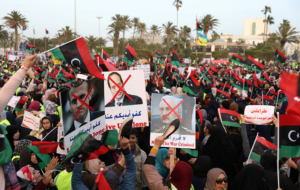
For decades, Libya has endured countless accounts of corruption committed by the government, the militia and major oil corporations. The corruption in Libya derives from what political scientists call a “resource curse,” a term used to describe a nation that tends to have less economic growth and a weaker democracy due to its abundance of natural resources. Oil production has made the nation susceptible to corruption, leading the country into a civil war due to persistent violence and political unrest. Here are ten facts about corruption in Libya.

10 Facts about Corruption in Libya

  1. In 2018, Libya ranked as 170 least corrupt out of 175 countries, according to the Corruption Perceptions Index reported by Transparency International. In the same year, Libya also scored a low 17 out of 100 in the Corruption Perception Index. The corruption primarily derives from the government, the public sector and private businesses.
  2. Corruption in Libya began during Muammar Gaddafi’s rule from 1969 to 2011. Gaddafi’s regime received billions of dollars in bribes from wealthy corporations to make illegal deals in the energy sector. A total of $65 billion of Libya’s wealth fund, the Libyan Investment Authority (LIA), was held in private accounts instead of going toward public expenditures. While Gaddafi’s regime was profiting off of Libya’s national assets, more than 40 percent of the Libyan population lived below the poverty line.
  3. Eighty percent of Libya’s GDP and 99 percent of government revenue comes from oil production. In 2018, foreign exports of oil in Libya brought in revenues totaling $24.5 billion. The central bank in Tripoli controls these funds and is responsible for disbursing them throughout the country, but at the time there were no laws in Libya that demand the transparency of the bank to disclose the use of state funds with their constituents.
  4. Libya has anti-corruption laws; however, lax enforcement permits widespread corruption practices such as embezzlement and bribery among the public procurement sector. According to Libya’s Criminal Code, the Law on Economic Crimes and the Law on Abuse of Position or Occupation, “the abuse by a public official of his or her position or functions to obtain a benefit for himself or herself or for others” is established as an offense. Despite anti-corruption laws, the weakness of Libya’s institutional framework has given leeway to Libyan officials to misappropriate funds. Head of Organisation for Development of Administrative Centres (ODAC) Ali Ibrahim Dabaiba misappropriated nearly $7 billion in national assets and laundered them into personal bank accounts abroad. These funds were designated to go toward Libya’s public infrastructure, but Dabaiba instead put the money toward his interests, such as purchasing luxury hotels in Scotland.
  5. Corruption in Libya remains rampant even after the revolution and the assassination of Gaddafi in 2011. After the first civil war, violence and political instability persisted throughout Libya, and government ministers and the military have conflicted control of the country. General Khalifa Haftar is the leader of the militant offensive, and he promises to combat Islamist militias. However, through mobilizing the military to fight armed groups throughout the country and seize control of major cities, violence became even more prevalent and a second civil war was initiated in 2014. Haftar’s group, the Libyan National Army (LNA), has attacked several sites in the city of Tripoli. His military force has killed a total of 443 people, injuring more than 2,000, and displacing nearly 60,000 civilians in pursuit of gaining control over the territory.
  6. Corruption in law enforcement is also prevalent in Libya. Several reports show police officers engaging in malpractice including bribery, embezzlement, nepotism and extortion. According to a survey conducted by the Departments of Research and Studies of Organization for Transparency Libya, respondents ranked the police highest in spreading corruption. Some cases of police corruption that researchers discovered include police officers stopping drivers, seizing their drivers’ licenses and extorting drivers in exchange for their licenses.
  7. Activists and media workers across the nation of Libya are being silenced. In 2017, 11 out of 18 political, civil, and human rights activists and personalities, polled by the Human Rights Watch in Tripoli and Zawiyah, claimed to have been threatened by state militia, government, and armed groups, three have been attacked or harassed, and nine claims to fear for their lives after receiving threats. In 2016, the Libyan Center for Freedom of the Press (LCFP) reported that 107 media workers were attacked by armed groups including two journalists who were killed.
  8. Transparency International is one of the major organizations combating corruption in Libya. They aim to stop corruption in governments, businesses, and civil societies through the “creation of international anti-corruption conventions and the prosecution of corrupt leaders and seizures of their illicitly gained riches.” They have pushed legislation that has made bribing foreign officials illegal by enforcing the Organisation for Economic Co-operation and Development (OECD) Anti-Bribery Convention, which requires members to outlaw bribery of officials. For instance, In 2017, an investigation in France on Société Générale bank was opened because of its payment of $58.5 million to a Panama-registered company as part of a scheme to secure its business in Libya. A settlement was reached, and Société Générale committed to pay a total of €500 million to close this procedure.
  9. Civil Initiatives Libya (CIL) is a project that aims to empower and support civil society organizations (CSO). CIL is funded by the European Union and implemented by ACTED in 15 different municipalities in Libya. This initiative is imperative to solving corruption because CSOs are able to promote civic engagement and local governance, which can increase the fairness of the Libyan government. CIL centers provide facilities, technical assistance and funding to over 700 CSOs across Libya. In 2012, over 1,400 NGO representatives benefited from CIL’s facilities and training services. The project also involves hosting CSO events, workshops and training that revolves around women and youth empowerment. CIL has expanded the capacity of many CSOs and has made them strong and politically visible enough to be able to lobby the government and acquire funding from the national budget.
  10. Global Witness is a nonprofit that works to protect human rights by exposing corruption in nations that have an abundance of natural resources, including Libya. Their work involves holding hard-hitting investigations on corruption scandals in pursuit of holding corrupt leaders accountable. Their strategies include secret filming, satellite imagery and drone footage, data analysis of companies, and using anonymous sources. Through their resources, Global Witness is able to release detailed investigations on corruption all over the world and advocate for those who are victims of corruption by launching campaigns that bring awareness to global injustices. In 2002, Global Witness, Transparency International and many other NGOs co-launched the Publish What You Pay campaign, which mandates oil, gas and mining companies around the world to disclose their net taxes, fees, royalties and other payments. This campaign led to the creation of the Extractive Industries Transparency Initiative (EITI). Since its launch, the EITI has put $2.4 trillion of oil, gas and mining revenues in the public domain.

These 10 facts about corruption in Libya illustrate the prevalence of abuse and fraudulence in Libya. However, even though corruption still permeates Libya’s institutions, efforts from around the world continue to prevent any further corruption by holding public officials accountable for their crimes.

If support from nonprofits, civil societies and advocates persists, Libya may be able to mobilize their local governments to sustain a better democracy and resist violent and corrupt regimes.

– Louise Macaraniag
Photo: Dhaka Tribune

October 4, 2019
https://borgenproject.org/wp-content/uploads/borgen-project-logo.svg 0 0 Kim Thelwell https://borgenproject.org/wp-content/uploads/borgen-project-logo.svg Kim Thelwell2019-10-04 09:10:462024-05-29 23:12:5410 Facts About Corruption in Libya
Advocacy, Developing Countries, Development, Global Poverty, Poverty, Poverty Reduction

ADB Helps Pakistan to Fight Poverty

ADB Helps Pakistan to Fight Poverty

The Asian Development Bank (ADB) helps Pakistan to fight poverty by pledging  $10 billion to Pakistan over the next 5 years for the purpose of infrastructure development, with the goal of improving important economic sectors that could revitalize regional trade. Two central areas of investment for the ADB will be water resource development and transportation infrastructure. Transportation infrastructure is an especially important focus area, as it undergirds the possibility of developing trade in other sectors of Pakistan’s economy. Water resource development will be crucial in continuing to sustain the agriculture sector and in ensuring that citizens have access to water. Here are some ways ADB helps Pakistan to fight poverty by addressing some major issues.

Trade and Transportation

While trade and poverty may appear to be separate, the economic growth prospects offered by expanding trade programs often spill over to effect poverty reduction. The positive gains in GDP growth result in increased capital coming into a country, which creates more opportunities for employment and access to markets. Since 2001, consistent yearly GDP growth in Pakistan, ranging from 1.7 percent to 7.5 percent has come alongside a 24.7 percent reduction in the number of Pakistanis living in extreme (less than $1.90 a day) poverty.

However, the poor transit system could have negative effects on the future of economic growth in Pakistan. Most of the nation’s railway system is over 100 years old and was built during the British colonial period. This has severely hampered the possibility of ramping up trade and industrial production, as only 4 percent of commerce can be shipped via rail. This has had a while GDP growth has been consistent, the share of growth caused by trade has declined, as the service industry, at 58.6 percent of GDP and agriculture sector at 24 percent both outpace the contributions of industrial production, which has declined from 22 percent of GDP to 19.3 percent. Moreover, the ADB estimates that 2 percent of GDP is lost annually due to poor transportation infrastructure.

In response to this, the ADB has announced plans to invest in providing more locomotives, increasing the overall prospects for shipping capabilities by rail, and has also invested in updating railway lines, as well as improving north-south highways for travel via motor vehicles.

Water Resource Development

Water resource development is another way ADB helps Pakistan fight poverty. This is not to suggest that agriculture is unimportant, as in some cases, agricultural development is integral to the maintenance of local economic growth, offering a means of mitigating the worst impacts of poverty. This is especially true of Balochistan, a province that faces severe water scarcity, impacting both the living standards of the population and the local economy. Agricultural production requires massive levels of water to operate successfully, and with 60 percent of the population employed in agriculture, the impact of water scarcity on poverty is compounded by pressing economic concerns.

As a result of water scarcity in Quetta, the provincial headquarters of Balochistan, many tube-wells were installed in order to redirect water from rural areas to provide water to the urban areas. This program has produced a massive strain on the population of Balochistan, eliminating access for water for both drinking and for use in agricultural production, with poor water resource management producing a scenario in which one portion of the population is only able to access the water by depriving another.

However, the ADB is seeking to combat this water scarcity by protecting watersheds and building 276 kilometers of new irrigation channels, to support agricultural production. Watersheds will prevent soil erosion, and increase water storage capabilities in the region, while irrigation channels will assist in combating the scarcity brought on by tube-wells. Beyond its use for irrigation, these programs will also be important for developing methods of helping increase access to water in the region, which some estimate could have a profound impact on increasing women’s access to water.

Conclusion

Water scarcity and poor transportation infrastructure have hindered effective economic development in Pakistan, limiting the prospects for sustainable economic growth and poverty reduction. The influx of capital offered by expanding networks for regional trade promises to offer new avenues for employment and sustainable income for Pakistanis living in poverty. Water resource management will provide new avenues for managing agricultural development, ensuring stable irrigation routes and providing overall water security.

– Alexander Sherman
Photo: Flickr

October 1, 2019
https://borgenproject.org/wp-content/uploads/borgen-project-logo.svg 0 0 Kim Thelwell https://borgenproject.org/wp-content/uploads/borgen-project-logo.svg Kim Thelwell2019-10-01 12:22:432024-05-29 23:12:40ADB Helps Pakistan to Fight Poverty
Page 28 of 77«‹2627282930›»

Get Smarter

  • Global Poverty 101
  • Global Poverty… The Good News
  • Global Poverty & U.S. Jobs
  • Global Poverty and National Security
  • Innovative Solutions to Poverty
  • Global Poverty & Aid FAQ’s
Search Search

Take Action

  • Call Congress
  • Email Congress
  • Donate
  • 30 Ways to Help
  • Volunteer Ops
  • Internships
  • Courses & Certificates
  • The Podcast
Borgen Project

“The Borgen Project is an incredible nonprofit organization that is addressing poverty and hunger and working towards ending them.”

-The Huffington Post

Inside The Borgen Project

  • Contact
  • About
  • Financials
  • President
  • Board of Directors
  • Board of Advisors

International Links

  • UK Email Parliament
  • UK Donate
  • Canada Email Parliament

Get Smarter

  • Global Poverty 101
  • Global Poverty… The Good News
  • Global Poverty & U.S. Jobs
  • Global Poverty and National Security
  • Innovative Solutions to Poverty
  • Global Poverty & Aid FAQ’s

Ways to Help

  • Call Congress
  • Email Congress
  • Donate
  • 30 Ways to Help
  • Volunteer Ops
  • Internships
  • Courses & Certificates
  • The Podcast
Scroll to top Scroll to top Scroll to top