• Link to X
  • Link to Facebook
  • Link to Instagram
  • Link to TikTok
  • Link to Youtube
  • About
    • About Us
      • President
      • Board of Directors
      • Board of Advisors
      • Financials
      • Our Methodology
      • Success Tracker
      • Contact
  • Act Now
    • 30 Ways to Help
      • Email Congress
      • Call Congress
      • Volunteer
      • Courses & Certificates
      • Be a Donor
    • Internships
      • In-Office Internships
      • Remote Internships
    • Legislation
      • Politics 101
  • The Blog
  • The Podcast
  • Magazine
  • Donate
  • Click to open the search input field Click to open the search input field Search
  • Menu Menu

Archive for category: Advocacy

Information and news on advocacy.

Global Health, Global Poverty

Health of Rohingya Muslims: An Update

Health of Rohingya Muslims
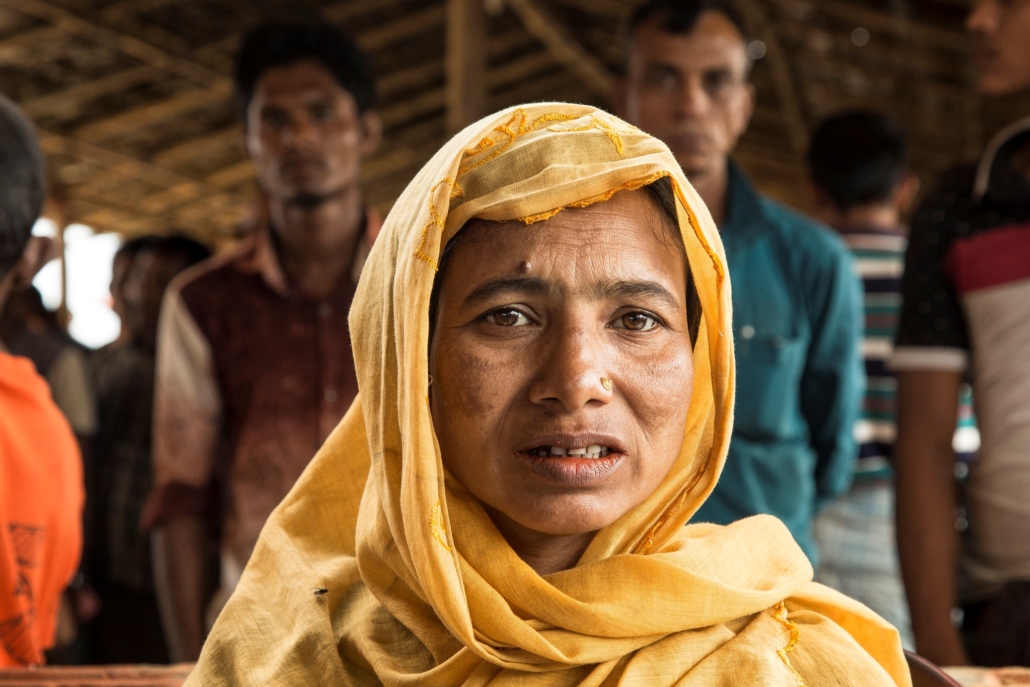
Beginning in August 2017 and continuing to the present day, an estimated 24,000 members of the Rohingya Muslim ethnoreligious group have been murdered by Myanmar militia forces for cleansing purposes. Members of Myanmar’s army and police forces have raped around 18,000 girls and women. A total of approximately 225,000 homes have burned down or undergone vandalism since the beginning of this crackdown on the Muslim minority group of Myanmar’s Rakhine State. Since then, an influx of Rohingya Muslims has entered the Cox’s Bazar region of Bangladesh in attempts to escape the inhumane living circumstances of the Rakhine State. By February 2018, around 688,000 Rohingyas had entered Bangladesh. They joined close to 212,000 Rohingyas that settled in Bangladesh before the exodus that began six months prior. One area of concern is the health of Rohingya Muslims.

Even after leaving the region where they experienced persecution, the quality of health of Rohingya Muslims has not been ideal. This is due to the frequency in which they travel into Bangladesh, as well as the large groups they move within.

Health Concerns for Refugees

One major, ongoing concern for the health of Rohingya Muslims is the fact that they have limited access to preventative health care services. These services become necessary when a mass group of individuals resides in a singular location, like a refugee camp, for an extended period. According to an Intersector Coordination group situation report, rape survivors among Rohingya Muslims have not received adequate clinical treatment for harms and diseases they may now carry.

There is also a lack of preventative and diagnostic services for blood-borne diseases like HIV and tuberculosis. The World Health Organization found in 2017 that, though both Bangladesh and Myanmar had comparatively low rates of HIV cases, Rakhine state in 2015 had an exceptionally large number in comparison to the rest of Myanmar. This, paired with the fact that Myanmar armed forces raped a large number of women and girls, illustrates a need for more thorough diagnostic procedures for blood-borne and sexually transmitted diseases.

Around 42,000 pregnant women and 72,000 lactating mothers require quality care assistance, as of October 22, 2018. Around 3,000 of those women had entered health facilities to receive treatment for their symptoms of malnourishment.

Medical Advancements and Humanitarian Aid

While refugees have limited access to health care, medical advancements have occurred to address as many of these refugees’ needs as possible. The World Health Organization reported on March 18, 2019, that a new software known as Go.Data will now allow for more efficient investigations into disease outbreaks, “including field data collection, contact tracing and visualization of disease chains of transmission.” On February 28, 2018, the King Salman Humanitarian Aid and Relief Centre donated $2 million to the Sadar District Hospital in Cox’s Bazar. This will help strengthen the medical facility in the region of Bangladesh that includes a dense population of Rohingya refugees.

One more great stride in improving the health of the Rohingya Muslims: In the year following the August 2017 mass migration,  155 new health posts emerged, supplying for around 7,700 individuals per location. This could not have been possible without the partnership of the Bangladesh government, the World Health Organization and other groups supporting the rights of the Rohingya.

Continued support for and increased awareness of the persisting struggles of the Rohingya Muslims will do incredible things in ensuring improvement to their quality of life.

– Fatemeh-Zahra Yarali
Photo: Flickr
October 1, 2019
https://borgenproject.org/wp-content/uploads/borgen-project-logo.svg 0 0 Kim Thelwell https://borgenproject.org/wp-content/uploads/borgen-project-logo.svg Kim Thelwell2019-10-01 08:13:272019-10-01 08:13:27Health of Rohingya Muslims: An Update
Extreme Poverty, Global Health, Global Poverty, Health, Malaria, Poverty

A Look at Efforts to Address Health Care in Ghana

Health Care in Ghana

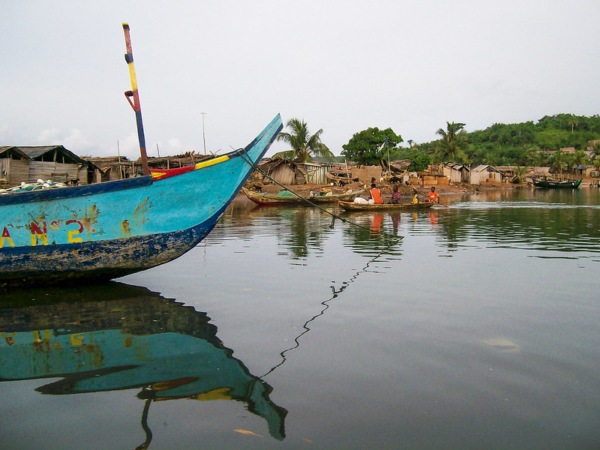
The West African nation of Ghana is a vibrant country filled with natural beauty and rich culture. However, like many of its neighbors in sub-Saharan Africa, Ghana suffers from a high poverty rate and lack of access to adequate health care. In fact, according to the Ghana Statistical Service, 23 percent of the total population lives in poverty and approximately 2.4 million Ghanaians are living in “extreme poverty.” That being said, many organizations and groups — both national and global — are working to improve health care in Ghana.

Malaria in Ghana

A disease transmitted through the bites of infected mosquitoes, malaria is a common concern throughout much of West Africa, including Ghana where it is the number one cause of death. In fact, according to the WHO’s most recent World Malaria Report, nearly 4.4 million confirmed malaria cases were reported in Ghana in 2018 — accounting for approximately 15 percent of the country’s total population.

All that in mind, many NGOs, as well as international government leaders, have taken up the mantle to eliminate malaria in Ghana. This includes leadership from the United States under the President’s Malaria Initiative or PMI which lays out comprehensive plans for Ghana to achieve its goal of successfully combating malaria.

With a proposed FY 2019 budget of $26 million, the PMI will ramp up its malaria control interventions including the distribution of vital commodities to the most at-risk citizens. For instance, the PMI aims to ensure that intermittent preventative treatment of pregnant women (IPTp) is more readily accessible for Ghanaian women. Progress has been made, too, as net use of IPTp by pregnant Ghanaian women has risen from 43 percent to 50 percent since 2016. This is just one example of the many ways in which PMI is positively contributing to the reduction and elimination of malaria in Ghana.

National Health Care System

National leaders are also doing their part to positively impact health care in Ghana. In 2003, the government made a huge step toward universal health coverage for its citizens by launching the National Health Insurance Scheme (NHIS). As of 2017, the percentage of the population enrolled in the scheme declined to 35 percent from 41 percent two years prior. However, 73 percent of those enrolled renewed their membership and “persons below the age of 18 years and the informal sector workers had significantly higher numbers of enrolment than any other member group,” according to the Global Health Research and Policy.

It is difficult to truly understand Ghana’s health issues without considering firsthand perspectives. In an interview with The Borgen Project, Dr. Enoch Darko, an emergency medicine physician who graduated from the University of Ghana Medical School, commented on some of the health issues that have plagued Ghana in recent decades. “A lot of problems that most third world countries, including Ghana, deal with are parasitic diseases such as malaria and gastroenteritis. Though health issues like diabetes and hypertension still remain in countries around the world, and even the United States, the difference is that some diseases that have been eradicated in Western countries still remain in countries like Ghana,” Darko said. “Many people in Ghana simply do not see a doctor for routine checkups like in the United States. Rather, most people will only go to see a doctor when they are feeling sick. As a result, lesser symptoms may go unchecked, thus contributing to the prevalence and spread of disease and infection. Combined with the fact that many Ghanaians in rural communities may not have sufficient money to afford treatment or medicine, this becomes a cycle for poor or sick Ghanaians.”

That said, it is hoped that with continued support from international players as well as government intervention, the country can continue to make strides in addressing health care for its citizens.

– Ethan Marchetti
Photo: Flickr


September 30, 2019
https://borgenproject.org/wp-content/uploads/borgen-project-logo.svg 0 0 Kim Thelwell https://borgenproject.org/wp-content/uploads/borgen-project-logo.svg Kim Thelwell2019-09-30 01:30:172024-05-29 23:13:02A Look at Efforts to Address Health Care in Ghana
Advocacy, Charity, Global Poverty

5 Celebrities Helping HIV/AIDS Crisis

Celebrities HelpingCelebrities are regularly known for their top hits, exquisite gala ensembles and daily routines. However, there are many celebrities supporting charities and organizations through advocacy, fundraising and donations. Below are five celebrities helping the current HIV/AIDS crisis.
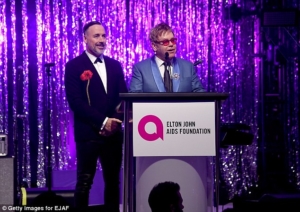
Elton John

British singer, songwriter, pianist and composer Elton John established the nonprofit organization Elton John AIDS Foundation (EJAF) in 1992. The Foundation was created to support various HIV/AIDS prevention programs, increase public awareness about the HIV/AIDS epidemic, and ultimately end the disease. EJAF prioritizes grant-making and donations and has raised more than $350 million across the world over the past 25 years.

The Elton John AIDS Foundation held their first-ever Midsummer Party on July 24, 2019 to support HIV/AIDS prevention and treatment services and raised six million dollars with the help of celebrity donors from all over the world.

Bill Gates

The Bill & Melinda Gates Foundation was launched in 2000 and is reported to be the largest private foundation in the world. Along with many other causes, the foundation has promised to donate $100 million towards HIV/AIDS awareness and support in India.

At the announcement in New Delhi, Gates said the foundation is dedicated to supporting India’s efforts to contain its HIV/AIDS population at a low level. India currently has only a small population living with HIV/AIDS, and therefore the foundation wants to help terminate the epidemic at the earliest stage possible. Gates has faith that India could be a global leader in developing new and improved HIV prevention technologies.

Victoria Beckham

The fashion designer and former Spice Girl was appointed UNAIDS International Goodwill Ambassador in 2014 and continues to support HIV/AIDS prevention and treatment through spreading awareness about the virus. The designer has designed t-shirts for World AIDS Day over the past years and 100 percent of t-shirt sales are donated to the charity Born Free Africa, which works on Prevention of Mother to Child Transmission (PMTCT).

Beckham has also joined the mothers2mothers (m2m) organization in hopes to eliminate pediatric AIDS in sub-Saharan Africa. She has sold more than 600 pieces of her wardrobe and all proceeds have been donated to m2m and its efforts to help HIV-positive mothers and their babies. Beckham has visited m2m sites in Cape Town, Africa and is determined that a cure to HIV can be found with continuous support.

Rihanna

Singer/songwriter Rihanna was named Harvard’s Humanitarian of the Year in 2017 and has helped MAC Cosmetics’ MAC AIDS fundraise over $500 million to help fight the current HIV/AIDS epidemic. Rihanna is a brand ambassador for Mac Cosmetics’ Viva Glam lipstick, in which 100 percent of proceeds are donated towards HIV/AIDS awareness.

Rihanna also took a series of HIV tests with Prince Harry of Wales on World Aids Day in efforts to raise awareness about the virus and to encourage more people to get tested.

John Legend

The singer has taken part in Belvedere Vodka’s #MAKEADIFFERENCE campaign to end the HIV/AIDS epidemic in Africa. The campaign has created a unique Belvedere Vodka bottle that donates 50 percent of each purchase towards the HIV/AIDS fight.

John Legend has joined 80-year-old South African artist Esther Malanghu in the campaign to help Africa fight HIV/AIDS. Legend has written the song “Love Me Now” that will be used for the campaign and hopes that HIV/AIDS will be completely terminated during his daughter Luna’s lifetime, who was born in 2016.

Celebrities helping, like those mentioned above, know the power of their influence, and they’re using it to positively impact the world by fighting HIV and AIDS.

– Paige Regan
Photo: Flickr

September 22, 2019
https://borgenproject.org/wp-content/uploads/borgen-project-logo.svg 0 0 Kim Thelwell https://borgenproject.org/wp-content/uploads/borgen-project-logo.svg Kim Thelwell2019-09-22 08:21:382024-05-29 23:10:545 Celebrities Helping HIV/AIDS Crisis
Advocacy, Global Poverty, Nonprofit Organizations and NGOs

Four NGO Advocacy Groups Fighting Global Poverty

fourngoadvocacygroups
When it comes to encouraging global change, advocacy groups are an essential piece of the puzzle. Advocacy groups and non-governmental organizations (NGO) are organizations that support a cause politically, legally, or through other means of facilitation. In the fight against global poverty, and many other worldwide maladies, here are four NGO advocacy groups.

Advocates for International Development

Advocates for International Development, otherwise known as Lawyers Eradicating Poverty, is an advocacy group and charity that supports global change through a legal lens. This organization recognizes that developing nations may not have proper access to legal expertise and that in order to secure sustainable development, legal services need to be available everywhere.

Advocates for International Development provides pro bono legal advice, access to lawyers and law firms, law and development training programs and many more legal services. This organization’s reach has spread to over 100 legal jurisdictions worldwide, with a network of over 53,000 lawyers at the NGO’s disposal.

With its goals based on recent U.N. initiatives, Advocates for International Development aims to see the world ridden of extreme poverty by 2030.

MADRE

MADRE advocates for female involvement in policy-making and legislative decisions worldwide. MADRE also provides grants and donations to smaller women’s advocacy groups, having donated over $52 million to those groups since MADRE’s founding in 1983. This organization recognizes unequal representation in legal processes across the globe and fights to ensure that society hears all voices.

MADRE also works alongside the City University of New York (CUNY) School of Law to provide quality legal services to women in need. Together, these entities use law-based advocacy to ensure the international security of human rights and to correct any human rights violations.

As of 2019, MADRE and CUNY School of Law have drafted a successful treaty, demanding the redefinition of gender in the eyes of the United Nations General Assembly’s Sixth Committee. This redefinition will pose to protect the rights of all genders in future international human rights disputes.

The Global Health Council

The Global Health Council advocates for global health awareness and legislation to pass through the U.S. Congress. On top of securing strong global health policies, this organization focuses on preventing premature death in children and adolescents worldwide. The Global Health Council also facilitates smaller organizations, working with them to achieve goals beyond the scope of U.S. Congress.

The Global Health Council is one of the world’s largest membership-based global health advocacy groups. This organization has over 100,000 members, with branches in over 150 countries. With the help of the Global Health Council and all its members, infant mortality has reduced by 50 percent worldwide and maternal mortality has reduced by 43 percent.

Amnesty International

Amnesty International is an NGO that advocates for the international security of basic human rights. Amnesty International gathers its information through direct research, sending crisis response teams across regions worldwide to record and report human rights violations. From this organization’s research, activists gain the necessary fuel to push for the protection of human rights everywhere.

One of the world’s largest grassroots human rights organization, Amnesty International has more than seven million members and offices in more than seventy nations. For upwards of fifty years, this organization has been an essential consultant to the United Nations for international human rights policies.

Amnesty International has made major humanitarian strides, such as helping free 153 falsely imprisoned people worldwide in 2018 alone, and influence international laws surrounding refugees, the death penalty and many other human rights issues.

There are countless more organizations worldwide fighting to make the world a better place. These four NGO advocacy groups are just a few examples of what public support and mobilization can achieve.

– Suzette Shultz
Photo: Wikimedia Commons

September 22, 2019
https://borgenproject.org/wp-content/uploads/borgen-project-logo.svg 0 0 Kim Thelwell https://borgenproject.org/wp-content/uploads/borgen-project-logo.svg Kim Thelwell2019-09-22 07:30:512024-05-29 23:10:37Four NGO Advocacy Groups Fighting Global Poverty
Advocacy, Developing Countries, Development, Economy, Food & Hunger, Food Security, Global Poverty, Health, Poverty

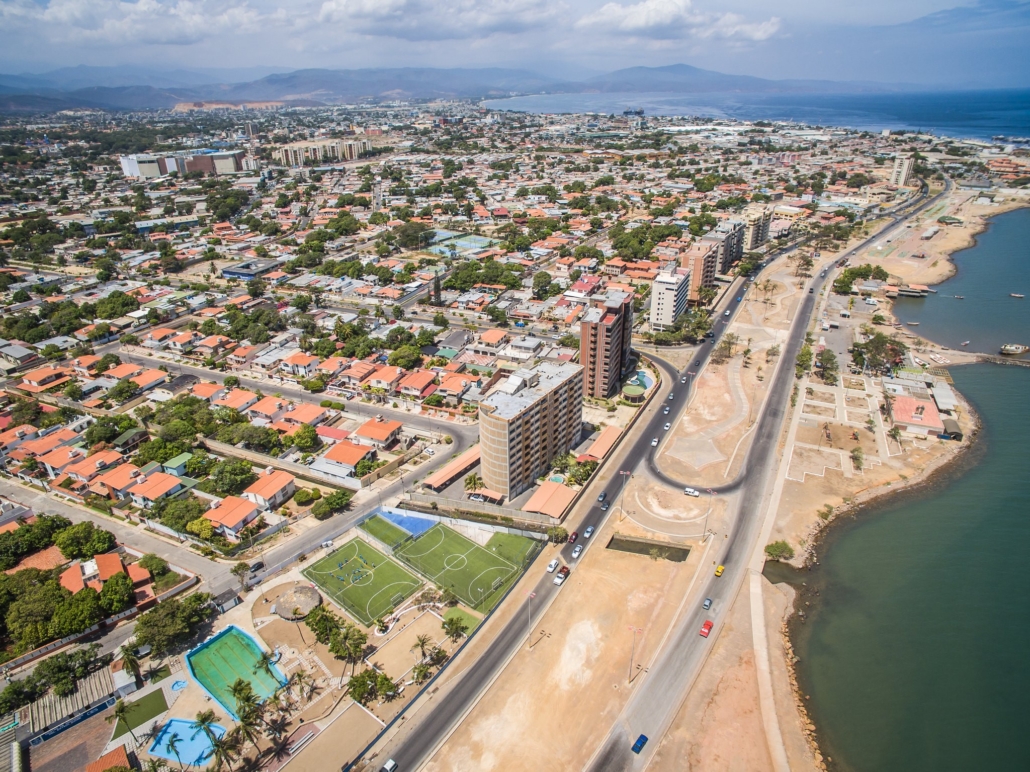
5 Facts About Venezuela’s Failing Economy

Venezuela's Failing Economy
People know Venezuela as one of the most diverse environments in the world because of its natural features, landscape and wide range of wildlife. Venezuela has massive oil reserves and ranks in the top list among countries such as Saudia Arabia, Canada and Iran, making it the most urban country in Latin America. However, in only approximately six years, the country has seen a drastic economic decline. Venezuela’s failing economy has placed the country in headlines across the world. This article will highlight a few casualties resulting from Venezuela’s financial crisis, as well as evaluating its causes.

The Impacts of Venezuela’s Economic Crisis

The extended effects of Venezuela’s economic crisis are hitting those who choose to remain in the country the hardest. Venezuela’s failing economy has led to a severe shortage and rationing of resources, including food, water and electricity. Despite the country being oil-rich, many Venezuelan’s are questioning why they are struggling. “It’s so unfair; we are such a rich country. It’s not fair that this is happening,” Jakeline Moncada told the Washington Post.

Many turn to natural water reserves despite safety concerns as these reserves often come from sewage drains leading to the spread of preventable diseases. Meanwhile, frequent power outages have caused water sanitation facilities to cease proper function. Physicians have noticed an increase in illness that commonly results from contaminated water and food, such as amoebiasis.

Estimates determine that more than 60,000 Venezuelans who started treatment for HIV now lack access to antiretroviral medications as a result of Venezuela’s failing economy. Many Venezuelan’s that could afford medical services before, now experience challenges attempting to access medical and health services. As a result, those dependent on medications must make costly trips to neighboring countries or hope to find donated medicines from organizations outside of the government.

As Venezuela’s economy has drastically decreased, a survey that the country’s top universities conducted estimated that more than two-thirds of the population lives below the poverty line. As the country experiences hyperinflation of 1.7 million percent, many families cannot afford to feed themselves more than one meal a day. Various organizations have ceased publishing the statistics of the country after specific data showed significant negative changes. For example, The Health Ministry stopped reporting data in 2017 after reports indicated a high rise in infant mortality rates. After the inflation rates suddenly rose, Venezuela’s central Bank discontinued publishing its figures in 2016. In this instance, Venezuelan organizations stopped sharing information once the statistics showed unfavorable characteristics.

Accessibility

Venezuela’s failing economy has led to difficulty accessing resources like medicare, and as a result, nearly 10 percent of the Venezuelan population is emigrating to other countries. Although Venezuelans are having a few problems getting out of the country, there has been a more significant challenge getting resources in. The military has restricted many resources from passing through its borders or at least the areas where they have the right to. The Pemón community, which borders along Brazil, has spoken in support of permitting assistance through its territory. This region, known as La Gran Sabana, also contains the only paved crossing between the two countries.

When Nicolás Maduro became president in 2015, many nations did not consider him the country’s leader but rather Juan Guaidó, the Venezuelan opposition leader. As a result, Maduro severed the remaining diplomatic relations between Venezuela and the U.S. as well as ceasing the accessibility of aid into Venezuela. Maduro has resisted outside assistance, describing the efforts as the United States desiring to meddle in Latin American affairs. However, many believe that the sudden decline results from mismanagement of funds and corruption.

Venezuela has several countries willing to provide support as it endures this period of financial difficulty. It will only receive this aid if its government allows, though, as it regulates the resources that pass through its border. Once nations can establish a common interest and agree on how to address the issue, Venezuela’s reconciliation can begin.

– Kimberly Debnam
Photo: Flickr


September 21, 2019
https://borgenproject.org/wp-content/uploads/borgen-project-logo.svg 0 0 Jennifer Philipp https://borgenproject.org/wp-content/uploads/borgen-project-logo.svg Jennifer Philipp2019-09-21 11:35:532020-01-07 12:16:145 Facts About Venezuela’s Failing Economy
Children, Global Health, Global Poverty, Hunger, Malnourishment

Project Healthy Children in Tanzania

Project Healthy Children

Global hunger is one of the most pressing and visible poverty-related issues in our world today. People can easily recognize the defined ribs, sunken eyes and bone-thin limbs of starvation. However, there is another side to hunger that is not as obvious: micronutrient deficiency.

Micronutrients are vitamins and minerals such as zinc, iron, iodine, vitamin A and folic acid. In developed nations like the United States, most people get these critical nutrients from maintaining a well-rounded diet or taking a daily supplement. But it isn’t always that simple in some other parts of the world. In fact, micronutrient deficiency remains a big problem in Eastern and Southern Africa but often does not get the attention it deserves because the effects are not immediately visible. For this reason, micronutrient deficiency has been nicknamed “hidden hunger.”

Hidden hunger has real and long-lasting consequences. Insufficient amounts of vitamins and minerals can result in learning disabilities, mental retardation, low work capacity, blindness and premature birth. These deficiencies lower overall health and weaken the immune system, thus making it much harder to survive infections like HIV and measles. They can cause extreme birth defects in children and are the leading cause of maternal death during childbirth.

Background

Clearly, micronutrient deficiency is a pressing issue that deserves the attention necessary to mitigate it. An organization called Sanku’s Project Healthy Children (PHC) is doing just that through a process known as food fortification: essentially, they add critical micronutrients to the flour people already consume.

PHC is based in Tanzania and currently supplies almost 2 million people with fortified flour to help them get the vitamins and minerals they need. Flour is a staple food that many people consume regularly; according to the PHC website, “over 50 million Tanzanians eat maize flour every day,” but more than 95 percent of it is produced without added nutrients in small, rural mills. Countries like Tanzania are in desperate need of better access to micronutrients—here, about 35 percent of children under 5 years old have stunted growth due to under-nutrition. Project Healthy Children uses the mills and distribution systems already in place to simply add essential micronutrients to the flour with no additional cost for the consumer. This way, people can get the nutrition they need without changing their eating or purchasing habits.

Why Food Fortification?

  1.  It is cheap: Food fortification is very inexpensive, typically costing no more than $0.25 per person annually. In other words, one quarter donated is enough to supply someone with adequate nutrients for an entire year.
  2. It is effective: Improving nutrition can be highly beneficial to overall health, work capacity and productivity. Women who sustain good nutrition before getting pregnant greatly reduce the risk of maternal death and birth defects.
  3. It has a huge payback: The economic rewards of food fortification are astounding. The WHO estimates that the consequences of micronutrient deficiency (birth defects, learning disabilities, premature death, etc.) can cost a country about 5 percent of its GDP per year. Supplying people with critical vitamins and minerals puts less pressure on a country’s health care system and allows for a more productive workforce. In addition, the Copenhagen Consensus estimated that for every dollar spent on nutrition in young children, a country will save an average of $45 and sometimes as much as $166.

The Future of Project Healthy Children

In the past few years, Project Healthy Children has become even more streamlined in its approach to food fortification. A partnership with Vodafone, a mobile network based in the United Kingdom, allows PHC staff to remotely monitor flour mills so that they instantly know when a machine is down or a mill is low on nutrients. The partnership saves money, time and manpower, allowing PHC to run more smoothly.

Project Healthy Children currently helps nourish about 1.7 million people in sub-Saharan Africa but hopes to reach 100 million people by 2025, an ambitious goal that would be instrumental in lifting communities in Southern and Eastern Africa out of extreme poverty.

– Morgan Johnson
Photo: Flickr

September 18, 2019
https://borgenproject.org/wp-content/uploads/borgen-project-logo.svg 0 0 Jennifer Philipp https://borgenproject.org/wp-content/uploads/borgen-project-logo.svg Jennifer Philipp2019-09-18 01:30:432024-05-29 23:12:47Project Healthy Children in Tanzania
Activism, Advocacy, Development

The Elders Organization Makes An International Impact

the eldersIn 2007, Richard Branson and musician Peter Gabriel discussed an idea: what if former leaders of the world used their previous experience and influence to establish a non-profit tackling pressing modern issues? The Elders, an independent organization led by global leaders who no longer hold public office and are independent of any government affiliation, was born.

Who Are The Elders?

The first and founding member of the organization was Nelson Mandela, the former President of South Africa, who dedicated his life to ending apartheid. Like Mandela, peace makers, peace builders, social revolutionaries, and pioneering women comprise this group of influential individuals. The current Chair of the Elders is Mary Robinson, the first female Prime Minister of Ireland. Former Presidents of Mexico, Chile, and Liberia are also among the elite group. Currently, 11 individuals comprise the organization, while there are an additional five leaders considered “Elder Emeritus,” including former U.S. President Jimmy Carter.

Focuses of The Elders

The Elders focus on six programming areas. Firstly, the organization works to support international cooperation in solving issues that threaten all global citizens. For example, The Elders believe that nuclear weapons are a threat to all humans on Earth and are working on nuclear non-proliferation and disarmament. The organization believes that the only way to achieve this, and many other overarching goals, is through practical steps and global cooperation. The Elders also use their experience in peace making and building to aid in securing peaceful solutions to conflicts throughout the world. Specific priorities of the Elders include tension and conflict in the Korean Peninsula, the Middle East, and Zimbabwe.

Through global and country-level lobbying and activity, the Elders aim to build support for the importance of universal health coverage. Through keynote speeches and visits to countries in need of healthcare, the Elders are committed to achieving universal health coverage. The organization also believes that global complacency in climate change is one of the largest injustices in human history. To combat climate change, the organization is seeking to ease the transition to a low carbon economy and encourage creative solutions to keeping the planet sustainable.

In response to the number of migrants and refugees, The Elders works to keep struggles of these individuals at the forefront of the news and the minds of the public. Lastly, the group works with governments and countries to ensure that access to justice remains an important human right.

This esteemed group of individuals has massive impacts in unstable regions of the world, from Israel and Palestine to Sudan and South Sudan. Using its six programming focuses, the organization tackles a massive variety of issues, challenging injustice and praising and supporting strong governments and ethical leadership.

– Orly Golub
Photo: Flickr

September 10, 2019
https://borgenproject.org/wp-content/uploads/borgen-project-logo.svg 0 0 Kim Thelwell https://borgenproject.org/wp-content/uploads/borgen-project-logo.svg Kim Thelwell2019-09-10 15:42:162024-05-29 23:11:01The Elders Organization Makes An International Impact
Advocacy, Global Poverty, Human Trafficking

10 Facts About Human Trafficking in Guatemala

10 Facts ABout Human Trafficking in Guatemala

According to the United Nations Office on Drugs and Crime (UNODC) about 15,000 young people are being trafficked for sexual exploitation currently in Guatemala and for every victim that is rescued approximately 30 more are exploited and kept hidden. Here are 10 facts about human trafficking in Guatemala.

10 Facts About Human Trafficking in Guatemala

  1. Poverty is considered one of the main causes behind human trafficking, given that three in five people live on less than $3.10 a day. As a result, most victims are often uneducated, unemployed and are lured based on false promises of potential job opportunities. Domestic violence can also be a main driver, given the engrained patriarchal mentality that exists in this society. Often, human trafficking situations arise from domestic violence from male relatives, in turn causing young children to flee home where they are then submitted to the harsh realities of human trafficking conditions.
  2. Only four percent of human trafficking victims in Guatemala are actually Guatemalan citizens, meaning that about 96 percent of the people who are trafficked in Guatemala are not native Guatemalans. Since the majority of the victims come from neighboring countries, human trafficking can be linked with northern migration. Guatemala‘s neighbor countries, El Salvador, Honduras and Nicaragua, are all part of the C-4 visa area, which establishes that citizens of these countries can travel freely back and forth. This means Guatemala may be seen as an attractive location to relocate for economic purposes.
  3. Of the approximately 50,000 sex trafficking victims reported in Guatemala, almost 60 percent are children. It is very common to see girls as young as 12 years old working in brothels and being forced to have sex with upwards of 30 customers a day. In some cases, traffickers can be found at schools where they recruit virgin schoolgirls to partake in such acts. With the high number of children being sold for sex trafficking, the revenue is equivalent to 2.7 percent of Guatemala’s gross domestic product (GDP).
  4. Along with young children, women are also at higher risk for victimization. According to the International Commission against Impunity in Guatemala (CIGIG), women make up 64 percent of victims, of which several are little girls as young as eight years old. Because there is often a higher demand and willingness to pay more money for specific traits in girls such as virginity, traffickers must often target younger women.
  5. Although efforts are being made to stop human trafficking, only about three percent of cases are detected every year. Additionally, there are only two prosecutors country-wide who are working solely on sex trafficking cases. Because of this, human trafficking convictions in Guatemala are extremely low.
  6. Due to a misidentification of human trafficking victims, the number of victims is actually higher than what has been reported. Over the past five years, approximately 1,568 victims have been detected annually as human trafficking victims. Of these, 317 are sex trafficking victims and 810 are human trafficking victims.
  7. The Human Trafficking Institute has listed some of the challenges that Guatemalan authorities have faced when it comes to reducing and eliminating human trafficking. Some of these challenges include the human trafficking rings that currently exist, gang related crime and high levels of poverty. Furthermore, many victims include indigenous peoples who may not speak Spanish well enough or at all in order to report the traffickers to the respective authorities.
  8. The Guatemalan government has taken notice of the increasing problem of human trafficking and is taking the appropriate measures to stop it. The government has recently released its anti-trafficking action plan for 2018 to 2022, which establishes that it aims to provide a victim protection protocol in differing languages and dialects for those whose first language is not Spanish. Additionally, the government will open an anti-trafficking unit that will operate regionally and attempt to process and bring more traffickers to justice.
  9. Although a lack of education can lead people to become prey to human traffickers, becoming more educated can help survivors overcome the trauma they have undergone. Not only does education help victims but it can also prevent people from becoming victims by raising awareness of the problem and providing them with solutions to avoid being trafficked. Education can also help young people develop a skill or interest after the fact, in order to help them move on and lead a normal life.
  10. The UNODC has developed a trust fund in order to help victims of human trafficking. This program works by rescuing victims and slowly reintegrating them into society, while giving them a much-needed support system. However, this program not only benefits the victims of human trafficking, but it also aims to raise awareness and educate the general public in how to keep human trafficking from occurring at all.

These 10 facts about human trafficking in Guatemala shed light on what a pressing issue it is, however efforts are being made by the government as well as international organizations to continue progress in ending human trafficking worldwide.

—Laura Rogers
Photo: Flickr

September 8, 2019
https://borgenproject.org/wp-content/uploads/borgen-project-logo.svg 0 0 Kim Thelwell https://borgenproject.org/wp-content/uploads/borgen-project-logo.svg Kim Thelwell2019-09-08 14:11:482019-12-17 14:49:4510 Facts About Human Trafficking in Guatemala
Advocacy, Children, Global Poverty

Celebrities Are Advocating for Children’s Rights

Celebrities Are Advocating for Children's RightsCelebrities are advocating with the nonprofit Save the Children to raise awareness and fight for children’s rights around the world. Save the Children ambassadors include Camila Cabello, Jennifer Garner, Bridgit Mendler, Dakota Fanning, Olivia Wilde and Rachel Zoe.
Save the Children’s mission is to give all children the opportunity to live a healthy life, to learn and to be protected from any fear or harm. The nonprofit ensures that with or without crisis, vulnerable children are protected and are given the necessary tools and resources to be able to live their lives to their potential.

Impact on Children

It is vital that all children are protected and educated so that they can have a positive future. 22 percent of all children ages 0-17 were living in poverty in 2010, but by 2016, the number fell to 18 percent. Save the Children believes that the percent could continue to decrease.

Save the Children reports reaching more than 134 million children around the world in 2018 alone. The organization has also reached 20 million children through global health programs that deliver vaccines and treatments for disease. Eight million children have benefitted from global education programs that teach children about school health and nutrition.

How Celebrities are Helping

Save the Children’s celebrity ambassadors are contributing greatly to spreading awareness for the nonprofit organization. For example, singer/songwriter Camilla Cabello is the newest ambassador of Save the Children and has visited a daycare in Puerto Rico supported by Save the Children with her mother and the organization. Many of the children were affected by Hurricane Maria and Cabello used her social media presence to spread awareness even further and show how others can also help Save the Children.

In 2014, actress and singer Bridgit Mendler teamed up with Save the Children and has since spread awareness and helped raise money by starting the #BabySitIn campaign. The teen volunteer campaign has encouraged teens to babysit for families who in return, donate to Save the Children. Save the Children then uses the donations to help babies and toddlers around the world get a better chance at a healthy life.

Actress Jennifer Garner is working with Save the Children to promote early childhood education and ensure that every child has the same opportunities for success. Garner focuses mostly on children growing up in low-income households in the U.S., and spends much of her time volunteering in elementary schools and programs for toddlers located in low-income areas. Garner has also recently traveled with Save the Children to Deming, New Mexico to help families living in poverty on the U.S.-Mexico border.

Making a Difference

Save the Children has worked toward creating safe and healthy environments for children around the world for 100 years. With the help of celebrity ambassadors, volunteers, campaigns and donations, the nonprofit continues to decrease childhood poverty and early death by supporting millions of children every year. Celebrities are advocating for children’s rights and their influence can be an inspiration for fans to support the cause as well. By believing that every child deserves a future, raising awareness to support the cause can make a huge difference in saving the children.

—Paige Regan
Photo: Flickr

September 7, 2019
https://borgenproject.org/wp-content/uploads/borgen-project-logo.svg 0 0 Kim Thelwell https://borgenproject.org/wp-content/uploads/borgen-project-logo.svg Kim Thelwell2019-09-07 16:09:472019-09-22 07:57:25Celebrities Are Advocating for Children’s Rights
Advocacy, Global Poverty

2020 Presidential Candidates’ Views on Poverty

Presidential Candidates' Views on Poverty
The globe pays attention to the U.S. presidential elections. As one of the largest national powers in the world, many take an interest in who will potentially be leading the country and are eager to hear the presidential candidates’ stance on various issues. From the health care system to budget spending, each candidate, regardless of party affiliations, has their own perspective on what those issues actually are and what the best way to approach them is. This article will focus on how important the presidential candidates’ views on poverty are to them and the American people.

2020 Presidential Candidates’ Views on Poverty

For a long time, global poverty was a backseat issue. Rarely did it ever take the spotlight at debates, campaigns or rallies, and never has it been the question of the hour. In the 2016 U.S. presidential election, polls showed issues that voters cared about the most, with the top five comprising of the economy, terrorism, foreign policy, health care and gun control. Neither domestic or global poverty even made it into the top 15.

Despite an overwhelming amount of evidence showing that poverty can heavily affect all of the top five most important issues mentioned, giving attention to the presidential candidates’ views on poverty has never been a topic of debate. Campaigns often overlook this point.

The fault is not all in the candidates, however. Polls between the years of 2007 and 2015 found that only a little over half of the Americans surveyed thought that looking at issues regarding the poor and those in need was important. When candidates are relying on the people to propel their campaigns, it is no surprise that they should cater to the more glamorous topics and points of interest.

The Beginning of Change

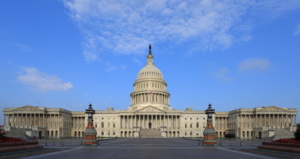
At a recent forum held in Washington, D.C., eight of the nine notable candidates in attendance, including former Vice President Joe Biden, Senator Kamala Harris and Senator Bernie Sanders, confirmed that they would be open to speaking about their intended policies in regard to global poverty. This would happen in a televised debate during their run for the 2020 presidential elections.

The Poor People’s Campaign, an institution dedicated to eradicating poverty, racism and war economy, sponsored the recent forum. Co-chairs of the organization, Dr. William Barber II and Dr. Liz Theoharis, spoke about why a dedicated discussion specifically focusing on the presidential candidates’ views on poverty is so necessary, saying, “We are here because, in 2016, we went through the most expensive presidential campaign in U.S. history without a serious discussion or debate about systemic racism or poverty.”

Looking Forward

As the 2020 presidential election approaches and the debates begin, there is no doubt that the usual topics of interest will be at the forefront of every discussion. With the signs of change occurring, however, there is hope that poverty and its accompanying solutions will take the stage as well. Giving a voice to poverty and the people who suffer from it is the first step, and ultimately will lead to the overall improvement and acceleration of people everywhere.

– Olivia Bendle
Photo: Pixabay

September 4, 2019
https://borgenproject.org/wp-content/uploads/borgen-project-logo.svg 0 0 Kim Thelwell https://borgenproject.org/wp-content/uploads/borgen-project-logo.svg Kim Thelwell2019-09-04 07:06:092024-05-29 23:10:102020 Presidential Candidates’ Views on Poverty
Page 29 of 77«‹2728293031›»

Get Smarter

  • Global Poverty 101
  • Global Poverty… The Good News
  • Global Poverty & U.S. Jobs
  • Global Poverty and National Security
  • Innovative Solutions to Poverty
  • Global Poverty & Aid FAQ’s
Search Search

Take Action

  • Call Congress
  • Email Congress
  • Donate
  • 30 Ways to Help
  • Volunteer Ops
  • Internships
  • Courses & Certificates
  • The Podcast
Borgen Project

“The Borgen Project is an incredible nonprofit organization that is addressing poverty and hunger and working towards ending them.”

-The Huffington Post

Inside The Borgen Project

  • Contact
  • About
  • Financials
  • President
  • Board of Directors
  • Board of Advisors

International Links

  • UK Email Parliament
  • UK Donate
  • Canada Email Parliament

Get Smarter

  • Global Poverty 101
  • Global Poverty… The Good News
  • Global Poverty & U.S. Jobs
  • Global Poverty and National Security
  • Innovative Solutions to Poverty
  • Global Poverty & Aid FAQ’s

Ways to Help

  • Call Congress
  • Email Congress
  • Donate
  • 30 Ways to Help
  • Volunteer Ops
  • Internships
  • Courses & Certificates
  • The Podcast
Scroll to top Scroll to top Scroll to top