The Growth in Food Systems in Senegal
 Senegal is located in West Africa with the Atlantic ocean on the coast and the savanna stretching inland. The food systems in Senegal are dependent on agriculture, fishing and livestock. Domestic farming supplies many people with sustenance. Senegal’s fishing industry on the coast supports cities like Dakar.
Many people are struggling to afford food in Senegal even if it is available. Poverty has left 1.3 million people facing acute food insecurity. The people need the ability to purchase and access food. Many people living in poverty are in the rural areas of Senegal. Cities like Dakar, the capital of Senegal, are growing rapidly. There are new initiatives to make Senegal self-sufficient and less dependent on imports and foreign aid.
Food Sovereignty
Senegal is starting to implement new agricultural practices that incorporate drought-resistant crops and better irrigation. New technology and machines are being incorporated into farming. The country is striving to reach food sovereignty by increasing its productivity and building the economy. Senegal is now a lower-middle-income country.
New policies aim to help Senegal grow and reach food sovereignty. The AgriConnect Senegal Compact aims to improve the food systems in Senegal. The World Bank has partnered with the Senegalese government to work on new farming methods. Grains, horticulture and livestock are the main focus of the AgriConnect Compact. This initiative aligns with the Senegal National Agenda for Transformation 2050 and the Food Sovereignty Strategy (SSA 2025-2034).
“By 2029, the AgriConnect Compact aims to achieve more than 90% food security at the national level and create 800,000 formal jobs in the agricultural sector,” according to the World Bank. “Among the objectives set are an increase in the cereal coverage rate from 48% to 78%, rice self-sufficiency to 64%, and the establishment of 100 community-based agricultural cooperatives across the country.”
Agriculture
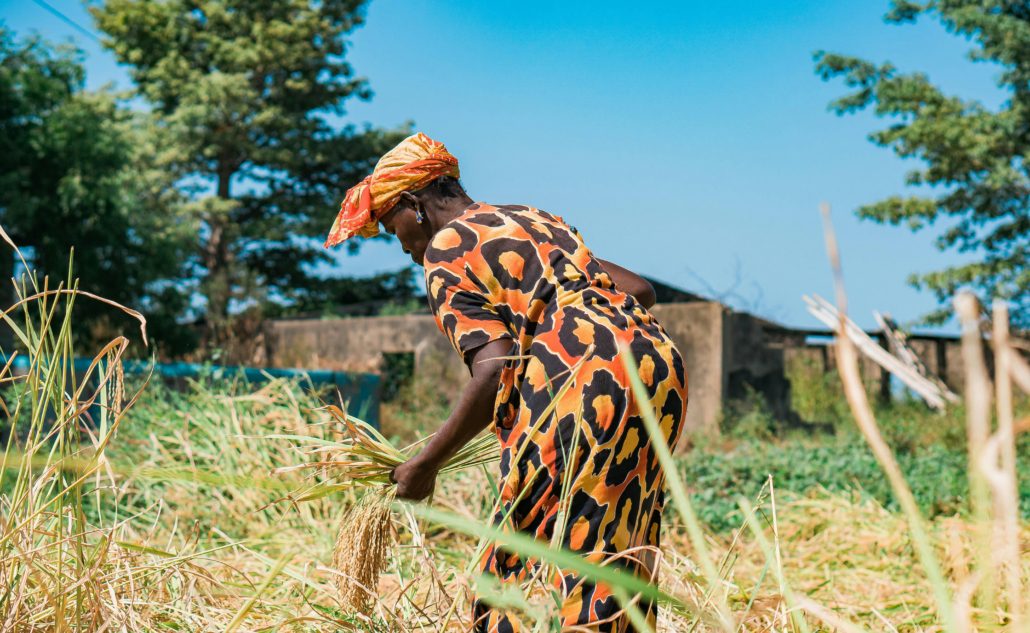
The food systems in Senegal rely on agriculture. Rural areas of the country focus on small-scale farming that supplies food for their families. The Senegalese women do most of the farming. They plant and harvest everything by hand. Farms are typically two to seven acres. Larger commercial farms export crops to places such as the U.K. The farmers grow vegetables such as okra, tomatoes, onions and peppers. Vendors sell the produce in markets such as Marché Tilène in Dakar.
“In Senegal, agriculture is not just an economic activity but also a central aspect of cultural identity and community life,” according to a peer-reviewed article in World. “Growth in agricultural productivity also contributes to reducing poverty. In essence, higher agricultural productivity leads to increased incomes, which can be reinvested into local communities, further enhancing rural development.”
Peanuts are one of Senegal’s biggest cash crops. Kaolack, Kaffrine and Fatick are known as the “Groundnut Basin.” The peanuts are often sold shelled and roasted. Senegal’s national dish, Maafe, is a peanut butter and tomato stew served with meat or fish over rice. Peanuts are a large part of the country’s exports that contribute to the growth of the economy. China is a major importer of Senegalese peanuts.
Fishing
Senegal borders the Atlantic Ocean, where fishing supports the local community. Blue Marlin, Sailfish and Yellowfin Tuna are caught and sold fresh in the markets. Inland, there is the Saloum Delta and Casamance River where locals catch tarpon, captain fish and barracuda. The fishermen are known as “The Pirogue Fleet” where they partake in artisanal fishing in the colorful boats.
The people in cities such as Dakar depend on the fish for their livelihood. Overfishing has drastically depleted the numbers of fish and devastated the people who live on the coast. The Regional Partnership for the Conservation of the Coastal and Marine Zone in West Africa will apply new regulations concerning illegal, unreported and unregulated (IUU) fishing that can lead to an increase in the fish population.
“This project will effectively and sustainably improve Senegal’s capacity to fight IUU fishing through better fisheries governance, in particular by increasing the transparency of the activities of fisheries policy bodies, through enforcement of fisheries legislation and by building capacities of stakeholders in Senegal,” according to an article by Oceans 5.
Livestock
Livestock is a smaller portion of the food system in Senegal. The Senegalese diet mainly consists of fish and rice because meat is too expensive. Poultry makes up 80% of the livestock population. Farmers herd cattle, sheep and goats in rural areas. These herds are typically small. The climate poses a great challenge to raising livestock in Senegal. The drought, land and water all pose challenges for farmers.
“To optimize the use of natural resources such as pasture and surface water, whose availability varies throughout the year, livestock farmers are forced to move their herds around: these movements occur all the year round (nomadism) or in specific periods (transhumance),” according to a study by Transboundary and Emerging Diseases. “Because of the lack of storage facilities and infrastructure, the majority of animals are sold alive at markets all year round.”
A Growing Senegal
The impact of inflation, war and trade have increased the price of food in Senegal. The growing agriculture business has contributed to a significant decrease in the poverty rate. With time, West Africa can successfully grow into a productive, competitive economy with less poverty.
– Brittany LeJeune
Brittany is based in Livonia, MI, USA and focuses on Business and New Markets for The Borgen Project.
Photo: Unsplash
