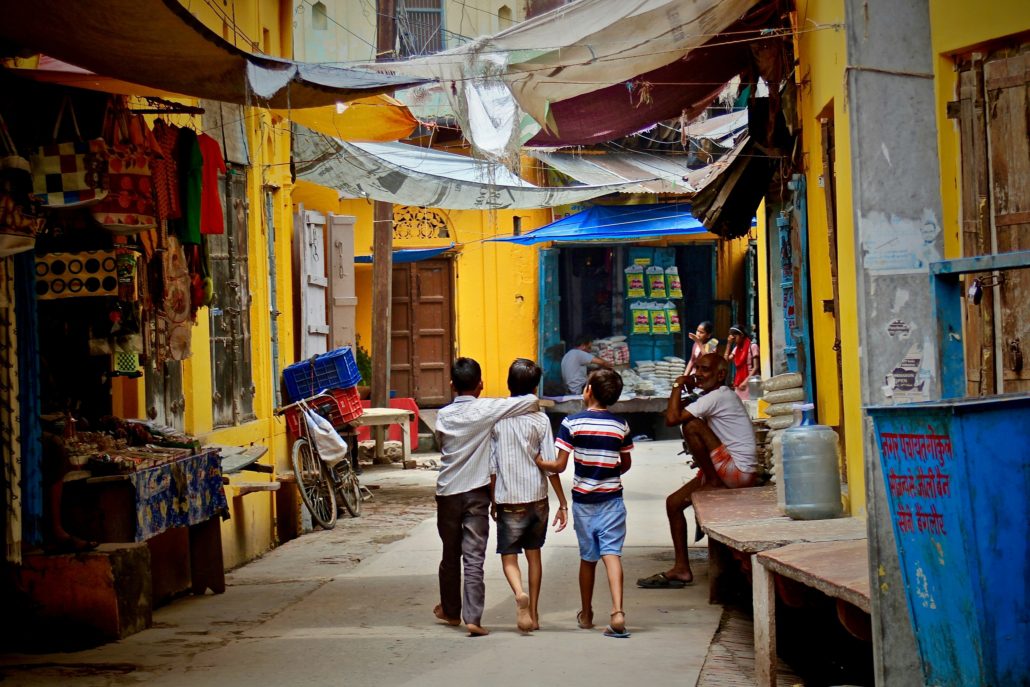
 India’s urbanization presents both urgent challenges and a rare opportunity. According to the World Economic Forum, about 70% of India’s urban infrastructure required by 2047 has yet to be built. This means decisions made now about buildings, transport, clean energy access and city planning will shape whether India’s cities grow in a way that is cleaner, more affordable and more resilient for low-income communities. Here is more information about clean energy access in India and what initiatives are in place to achieve it.
Clean Energy Access as a Lifeline
For families living on low or irregular incomes, reliable electricity affects daily life in practical ways. It determines whether children can study after dark, whether small businesses can operate equipment, whether households can stay cool during extreme heat and whether families can safely access lighting, fans and phone charging. Promoting clean energy access is therefore not only an environmental goal. It is also a poverty-reduction strategy that can support health, education and economic opportunity.
India has made major progress in household electrification, but energy access is also about reliability, affordability and quality. The Council on Energy, Environment and Water found that 96.7% of Indian households were connected to the grid, with another 0.33% relying on off-grid electricity sources. However, the same survey found that 76% of households faced unanticipated supply interruptions, while two-thirds of rural households and two-fifths of urban households faced outages at least once a day. A third of households also reported at least one supply-quality issue, such as long blackouts, low voltage or appliance damage due to voltage fluctuations. For low-income households, these gaps can make electricity less dependable and more costly to use.
Why Clean Energy Access Remains a Pressing Challenge in India
Clean energy access is especially important in Indian cities because urban growth is increasing demand for electricity, cooling, transport and municipal services. WRI India notes that the residential sector’s share of India’s total electricity consumption rose from 4% in 1997 to 24% in 2019. The report also explains that cities can improve resilience through clean energy and energy-efficiency investments in buildings, transport and municipal services, which can improve reliability and affordability.
For households in poverty, unreliable or expensive electricity can affect schoolwork, home-based work, safety and comfort during heat waves. Promoting clean energy access through energy-efficient buildings, rooftop solar, solar water heating, LED streetlights and better demand-side management can help cities reduce costs while improving public services. However, WRI India also notes that urban poor and low-income communities have often been missing from city energy-transition planning, making it important for cities to design clean energy programs with equity in mind.
Poverty in India
India has reduced poverty significantly, but millions of people still face overlapping challenges. According to a Press Information Bureau factsheet citing NITI Aayog estimates, multidimensional poverty in India declined from 29.17% in 2013-14 to 11.28% in 2022-23, with about 24.82 crore people, or 248.2 million people, escaping multidimensional poverty during that period. The multidimensional poverty index measures deprivation across 12 weighted indicators connected to health, education and standard of living.
For people still living in poverty, daily life can include insecure work, crowded housing, limited access to quality health care, difficulty paying for utilities and vulnerability to shocks such as illness, heat waves or lost income. In cities, low-income households may also face long commutes, unsafe walking conditions, exposure to air pollution and unreliable electricity. Improving clean energy access and affordable transport can reduce these burdens by lowering costs, improving reliability and connecting people more easily to jobs, schools and services.
Sustainable Transport
Transport affects poverty because commute time, travel cost and air pollution all influence access to jobs, education and health care. In many cities, people rely on buses, walking or informal transport to reach work and services. If public transport is overcrowded, polluting or unreliable, low-income residents can lose time and income.
A TERI policy brief on modernizing urban fleets in India’s million-plus cities found that transport exhaust is one of the major contributors to city-level air pollution. The report studied the phaseout of 11.4 million older vehicles across 44 major Indian cities. It estimated that this transition could save about 5,517 million liters of petrol and 45,467 million liters of diesel by FY 2035-36, with oil-import savings of about Rs. 9.17 lakh crore. Under a full EV replacement scenario, TERI projected a cumulative reduction of 61 million tonnes of CO2 equivalent between FY 2030-31 and FY 2035-36. The report also estimated that fleet modernization could generate about 373,479 jobs under Scenario 1 between 2030 and 2035.
These findings show how sustainable transport and clean energy access in India can work together. Electric fleets reduce pollution most effectively when supported by clean power, charging infrastructure and renewable energy sources such as rooftop solar. Cleaner fleets can improve air quality while helping low-income commuters reach work, school and health care more safely and reliably.
Data-Driven Infrastructure
Data-driven planning can help cities identify where clean energy, transport and infrastructure investments will have the greatest impact. WRI India explains that the ClimateSMART Cities Assessment Framework required Smart Cities to share data with the Ministry of Housing and Urban Affairs on 28 indicators across five sectors, including energy and buildings. This kind of reporting can help cities track clean energy and energy-efficiency actions, compare progress and identify gaps.
In practice, data can help city governments decide where to install LED streetlights, improve bus routes, expand EV charging, prioritize energy-efficient public buildings and support neighborhoods facing high heat or pollution exposure. However, data should also be used to identify underserved communities. Without that focus, clean energy projects may improve citywide performance while missing the households most affected by unreliable electricity, high transport costs and climate risks.
City Examples
Bengaluru has taken steps to expand clean energy and energy efficiency through municipal and utility-led action. WRI India reports that BESCOM installed grid-connected rooftop solar photovoltaic systems across 123 government buildings, including schools, bus depots and courts. BESCOM also set up 136 EV charging stations at 74 locations across Bengaluru. In addition, ClimateSMART Cities Assessment Framework data showed that Bengaluru had achieved 88% conversion of streetlights to LEDs by 2020-21. These measures can improve municipal energy efficiency, support cleaner transport and reduce energy pressure on public services residents rely on.
Delhi has focused on rooftop solar, EVs and energy-efficiency measures. WRI India reports that Delhi’s Solar Policy 2023 received approval in January 2024 with a target of 4,500 MW by 2027. The policy provides generation-based incentives and an additional capital subsidy for rooftop solar installations. It also mandates rooftop solar photovoltaic systems on government buildings with a built-up area of 500 square meters. Delhi has also prioritized electric vehicles: its EV Cell was established in March 2022, and Delhi became the first Indian state to exceed 10% EV share in the market in February 2022. These actions matter for low-income residents because cleaner transport and distributed energy can reduce pollution, improve public services and support more reliable urban mobility.
Pune has made measurable progress on rooftop solar, solar water heating, LED streetlights and electric buses. WRI India reports that the local DISCOM, MSEDCL, had facilitated 259.93 MW of rooftop solar projects in Pune City as of July 2023. Pune also had 72,821 buildings with solar water heaters as of 2022-23. The city replaced 90,000 luminaires through the Pune Smart Street Light project and achieved 100% conversion of conventional streetlights to LEDs. Pune Municipal Corporation is targeting a 15% reduction in electricity consumption through an ESCO model covering streetlights, wastewater treatment plants and other municipal operations. Pune’s public transport agency operated 458 e-buses as of December 2023. These actions show how city-level clean energy access and sustainable transport can improve services while reducing pollution and energy waste.
Why This Matters for Poverty Reduction
Clean energy access, sustainable transport and better planning can reduce poverty-related burdens in several ways. More reliable electricity helps households study, work and stay safe during heat waves. Energy-efficient public services can lower municipal energy waste and improve service reliability. Cleaner buses and EV infrastructure can reduce pollution while helping workers reach jobs, schools and health care. Data-driven planning can help cities direct resources toward underserved neighborhoods instead of only improving already well-served areas.
These investments should be designed with low-income communities at the center. WRI India notes that equity and inclusion have received limited attention in many city energy-transition actions, with the urban poor and low-income communities often missing from the energy-transition landscape. Addressing that gap is essential. When clean energy access reaches people facing poverty, it can support lower costs, better health, safer mobility and stronger resilience to climate shocks.
Pathway Forward
India’s future urban infrastructure can either deepen inequality and pollution or help build cleaner, more inclusive cities. By promoting clean energy access in India, modernizing public transport and using data to target investments toward underserved communities, Indian cities could reduce emissions while improving daily life for people in poverty. The key is to make clean energy access reliable, affordable and connected to the needs of low-income residents. If cities prioritize equity as they grow, India’s urban transition could become a pathway to cleaner air, better services and broader economic opportunity.
– Josephine Dokpesi
Josephine is based in the United Kingdom and focuses on Technology and Solutions for The Borgen Project.
Photo: Unsplash

Everything To Know About Hunger in Sri Lanka
Reasons for Hunger in Sri Lanka
Understanding hunger in Sri Lanka arises from the country’s location and the local living conditions. Agriculture is one of the main sources of employment in the country, and the country depends heavily on the harvesting of crops as the industry contributes 6.9% of the GDP of the country. This heavy reliance on agriculture makes the country vulnerable to severe weather that can damage crops. Rainfall in Sri Lanka varies drastically, ranging from 1,000 millimeters to 5,000 millimeters depending on the area. Floods and landslides cause crops to break down or be completely flooded.
In 2025, Cyclone Ditwah – a tropical cyclone that hit Sri Lanka in November 2025 – caused a devastating impact on both local households and the agricultural system. The rainwater buried vegetables such as paddy, and the income of farmers as well as other residents decreased. Prices of agricultural products increased due to a decrease in quantity, causing hunger in more households. Fortunately, the country stored available food sources immediately and provided soft loans to farmers who were having difficulties recovering their land from the crisis.
Lack of imported goods and price inflation also contribute to hunger in the country. Within the total caloric consumption in the country, 22% comes from imported goods. Some agricultural products, such as wheat, do not grow in Sri Lanka due to the soil conditions. The shortage of foreign exchange limits the country’s ability to import food, which causes a deficiency in food storage in Sri Lanka.
These disadvantages force locals to rely on a bland diet. This diet causes many to suffer from malnutrition, and also acts as a barrier to children’s physical development.
Reduction of Hunger in Recent Years
Despite the unavoidable environmental damages, improvements are happening in Sri Lanka, and significantly fewer people are suffering from hunger every year. In 2025, the population that is “in moderate acute food insecurity” has decreased by 15% as of last year, and this is thanks to the World Food Programme (WFP) and other organizations.
WFP assisted international governments in providing food rations to 1.2 million children during the COVID-19 pandemic. Some students from low-income families depend on the school meals provided during lunch. To address this issue, the government of Canada redirected $200,000 USD to assist Sri Lanka in providing rations for children during the pandemic.
Farmers are also taking scientific measures to resist the harsh weather conditions. Scientists are developing climate-smart agriculture by testing flood-tolerant crop varieties. Canals and reservoirs are also being built to promote water management and to ensure water distribution and control.
Looking Towards the Future
While challenges remain, the government as well as locals are making a lot of progress to support the hunger crisis in Sri Lanka. Resolving the situation depends on developing new varieties of crops against the disadvantaged growing conditions. The nation continues to have support from the government and other nations, and it continues to make important progress in sustaining sufficient food for locals, the population suffering from hunger in Sri Lanka could be greatly reduced.
– Jiayu Wang
Photo: Unsplash
Migration to Guatemala: The Struggle of Deported Migrants
Such is the story of Marvin, who lived for 20 years in the United States – where he left behind a wife and children – and now struggles to make ends meet in Guatemala, despite having owned a successful business before his deportation. Then there is Hector, a former manager in a larger American company. Having crossed the border as an infant, he spent his entire life in the U.S. before a prison stint led U.S. officials to deport him to a foreign homeland. Data and statistics often obscure individual stories like theirs. Stark examples of the struggle that Guatemalan deportees face as they try to rebuild their lives.
The Labor Barriers
When deportees land at La Aurora International Airport, government officials receive them with snacks and beverages, before leading them into an office for a quick medical check. For the vast majority, this is the only form of support they will know. Once they leave the reception gates, they must fend for themselves.
For people like Hector and Marvin, the immediate struggle is to integrate into a low-income economy where skilled individuals often struggle to find work that fits their profile. The structural constraints are the result of a scarcity of high-productivity jobs and a mismatch between the skills acquired abroad and the domestic demand. This results in inactivity levels in the returnee population that reaches 50.3% in rural areas and 45.7% in urban areas.
Most of the deported population – 79% – are working-age men who are unable to find a stable job in a country where 68% of employment remains informal. Economic necessity often forces them to rely on low-paid, temporary and informal work in construction and agriculture.
For female deportees, reintegration can be more challenging, as they must navigate gender-based discrimination regarding women’s role in society, particularly in rural communities. For children, the experience can be traumatic, having been pulled from the only life they knew while facing the harsh realities of an underfunded education system and enduring child labor.
The Social Struggle
Some deportees must face the social stigma that comes with deportation. After years spent abroad, many struggle to reconnect on a social and cultural level while their own communities often stigmatize them, leading to social isolation.
Exposure to Guatemala’s endemic violence also threatens returnees. Street gangs often extort them under erroneous assumptions that they possess wealth. In the worst case, deportees borrowed money from usurers in order to pay smugglers, meaning that upon their return, they remain in debt with dangerous human trafficking networks, while being unable to earn a stable living due to the country’s economic conditions.
The Institutional Gaps
For most migrants, rebuilding their life in those conditions is like climbing a steep mountain of economical and social hardship. Historically, there has been an institutional vacuum regarding migration to Guatemala, reflected in the lack of coherent policy and long-term reintegration strategies, especially regarding deportations. For the affected population, this means an absence of support in areas such as employment, housing and mental health.
Following the tightening of immigration policies in the United States, Guatemalan President Bernardo Arévalo announced in January 2025 the launch of a program designed to assist deported migrants upon their arrival. Known as “Plan Retorno al Hogar,” it is intended to provide immediate assistance to deportees, ensure individualized support, and connect them with services such as healthcare and education, as well as job opportunities or training programs.
However, the actual impact of the program remains questionable. In a document that Pop No’j shared with The Borgen Project – a Guatemalan association working closely with returned migrants – the organization noted that since its implementation, no noticeable changes have been observed beyond the basic reception and the creation of a registration center in Guatemala City. In their view, state support remains limited, failing to adapt to the returnee’s changing profile, now including entire families and individuals who have spent their entire lives abroad.
How Civil Society Is Filling the Void
The vacuum the government left has pushed grassroots organizations and civil society groups to fill in the gaps regarding return migration to Guatemala. Pop No’j, for instance, provided support to more than 400 returned migrants in indigenous regions between 2021 and 2024, focusing on some of the country’s most vulnerable and marginalized populations.
Similarly, organizations like Casa del Migrante, originally founded to assist the displaced population during the Guatemalan civil war, have expanded in order to meet the current needs of migrant communities. Today, Casa del Migrante provides help for transient migrants, as well as deportees.
The work of these civil society organizations and individuals shares a common holistic approach. According to Pop No’j, it offers not only economic and social reintegration support, but also legal counsel. Its efforts are also focused on coordinating with other organizations and state institutions as much as possible.
Support comes also from social initiatives that stem from concerned citizens. Such is the case with la Red, a restaurant and cultural center located in Guatemala’s second-largest city, Quetzaltenango. Willy Barreno, a chef and former migrant, founded it upon his return, in an effort to create employment opportunities for returned migrants, and teaching locals some of the skills he learned abroad.
Looking Ahead
Reintegration remains a struggle for deported Guatemalans. In light of the recent developments, the government responded with a program to assist returned migrants, with the results yet to be seen. Meanwhile, deported Guatemalans will always find a safety net in the solidarity of their fellow citizens.
– Mateo Montes Asturias
Photo: Pexels
Ending HIV in the Asia-Pacific
Asia and the Pacific account for 23% of new HIV infections globally each year. In 2024, about 6.9 million people living with HIV resided in the Asia-Pacific alone. Progress remains uneven in many countries, with some even seeing an increase in HIV incidence. Without proper procedures and resources, HIV will continue to rise in the Asia-Pacific.
Barriers to HIV Response
Several barriers have slowed the response to HIV in the Asia-Pacific, impacting prevention efforts.
Due to these barriers and challenges, the Asia-Pacific Economic Cooperation (APEC) launched the “Action Plan to End the HIV Epidemic” (2026-2031) in May 2026 to dissolve these barriers and push toward ending HIV in the Asia-Pacific. This initiative begins by helping countries strengthen political commitments, sustain funding and expand accessibility for HIV prevention to eliminate gaps and delays in treatments and testing.
The Action Plan
The plan brings together 21 economies, including China, Japan, Australia, Mexico, Chile and Southeast Asian economies, to promote financing, growth, collaboration and trading for HIV testing, treatment, awareness and protection policies for more vulnerable communities.
Under the action plan, all APEC economies will adopt a strategy to end the HIV epidemic by 2031. Focused on six pillars, the action plan aims to achieve the UNAIDS 95-95-95 target, expand HIV prevention in the Asia-Pacific and reduce new infections by 90% by the end of the plan.
These six pillars aim to provide solutions to past barriers by offering a roadmap for countries to accelerate progress in treating HIV and AIDS. Described as “the beginning of a new phase” of regional cooperation on HIV by Leonardo Chanqueo, project overseer of the APEC HIV Project, the plan represents a significant step toward ending the HIV/AIDS epidemic.
Hopeful Future
With this plan, the barriers slowing the response to HIV in the Asia-Pacific are addressed and resolved. Though the plan is in its early stages, it represents human collaboration and a unified humanitarian effort, promising a hopeful future for the health of affected individuals and communities.
– Kianna Phosouvanh-Sythong
Photo: Flickr
HPV Vaccination in Pakistan Reaches 9 Million Girls
A Cancer of Inequality
Cervical cancer is one of the most preventable cancers, yet it remains one of the deadliest for women in low-income settings. Globally, cervical cancer caused about 350,000 deaths in 2022, and roughly 94% of those deaths occurred in low- and middle-income countries, a gap that reflects unequal access to vaccination, screening and treatment. The disease is driven by the human papillomavirus, and a vaccine given in early adolescence prevents most cases.
In Pakistan, the burden is heavy. Cervical cancer affects more than 5,000 women each year and kills around 3,200 of them. Screening and treatment remain concentrated in cities and private clinics, which places them out of reach for many rural and low-income women. For families living close to the poverty line, a late cervical cancer diagnosis can mean both the loss of a mother and catastrophic medical costs. Vaccinating girls early offers a way to interrupt that cycle before it begins.
The Largest Campaign of Its Kind
Pakistan launched the campaign on Sept. 15, 2025, through the Federal Directorate of Immunization, in partnership with Gavi, the Vaccine Alliance, United Nations Children’s Fund (UNICEF) and the World Health Organization (WHO). The first phase covered Punjab, Sindh, Pakistan-administered Kashmir and Islamabad Capital Territory, with a goal of vaccinating at least 90% of 13 million eligible girls aged 9 to 14.
More than 49,000 health workers, most of them women trained with WHO support, delivered the vaccine in schools and communities. By early 2026, WHO reported that HPV vaccination in Pakistan had reached more than 9.6 million girls, although the agency notes that official coverage figures will not be confirmed until later in 2026. A single dose of the vaccine prevents most cases of cervical cancer, making the intervention one of the most cost-effective in global health.
Reaching the Hardest Places
Delivering the vaccine at this scale was not simple. Officials at the Federal Directorate of Immunization noted that severe flooding and displacement complicated the rollout, yet the campaign still reached close to 70% of its target. Vaccine hesitancy posed another barrier. To counter misinformation, Federal Health Minister Syed Mustafa Kamal had his own daughter vaccinated publicly, after which refusal rates fell and acceptance climbed in many districts.
The phased design reflects where the need is greatest. The poorest and most remote regions are scheduled for later rounds, with Khyber Pakhtunkhwa due in 2026 and Balochistan and Gilgit-Baltistan in 2027. Balochistan is Pakistan’s poorest province and Khyber Pakhtunkhwa also ranks well above the national average on poverty, and both carry limited health infrastructure. With about 22.5% of Pakistanis living below the national poverty line in fiscal year 2025, it is the households in these hardest-to-reach provinces that the later phases must serve.
What Comes After Vaccination
Vaccination is only the first of the WHO’s three targets for eliminating cervical cancer, known as the 90-70-90 goals: vaccinating 90% of girls, screening 70% of women and treating 90% of those who need it. Screening is where the gap is widest. In low- and middle-income countries, only about 19% of eligible women undergo screening, compared with far higher rates in wealthy nations. Pakistan has made a strong start on vaccination, but screening and treatment for the millions of women already past vaccination age remain limited, and sustaining the gains will require investment well beyond a single campaign.
Looking Ahead
HPV vaccination in Pakistan will not, on its own, eliminate cervical cancer. The country still needs accessible screening and affordable treatment, especially for poor and rural women who have the least access to both. Even so, protecting more than 9 million girls in a single campaign is a concrete step toward breaking a cycle in which a preventable cancer and household poverty reinforce each other. If the later phases reach the girls in Pakistan’s poorest regions, a disease that has long tracked inequality could begin to lose its grip.
– Amna Al Harrazi
Photo: Flickr
Local Efforts for Clean Water in Bangladesh
Bridging the Gap
Rural communities have taken proactive steps in their pursuit of clean water. Residents of remote villages in hilly or mountainous areas sometimes travel for hours searching for water. Often, the stream or well they find is contaminated or dried up. To fill their pots, they must sit in a hole and wait for the water to trickle in, which can take upwards of an hour. Additionally, one pot may not last an entire day, so more water must be collected in the evening. Yet in some areas, local residents, with help from outside aid, have built their own piping systems. These systems decrease the risk, time and effort associated with accessing clean water in Bangladesh.
Mong Pa Khai Para Village
In Mong Pa Khai Para village, located in Bandarban in southeast Bangladesh, community members built their own piping system, which provided safely managed water to 141 households. Led by women forming the Village Development Organization, the community contributed about 15% of the project cost and helped transport materials and install water tanks during construction. The system is situated atop a three-story school building, has a deep borehole with a capacity of 10,000 liters and will provide water directly to the village through an underground pipe network. The BRAC Integrated Development program helped finance and build the system. Already, the village has formed a committee to decide how to effectively maintain it.
Kalishakhali Village
In Kalishakhali village, Community Partners International assisted residents in building a safe water network in 2024. Kalishakhali is located in the Barisal District, where more than a quarter of the population lives in poverty. The system contains a deep tube well where water is drawn using a pump, and is then stored in a water tank sitting on a raised platform. Households pay a small monthly fee for electricity and maintenance, and any extra funds are used to assist in building more systems in surrounding areas. The project provided more than 100 households with safe access to water, and gave residents more time for work and family life.
Looking Ahead
Despite significant aid efforts, such as the more than $1 billion Water.org has mobilized for clean water in Bangladesh, safe access remains a daily struggle for many Bangladeshi citizens. As seen in Kalishakhali and Mong Pa Khai Para, rural villages are desperate for support and willing to assist in the building of clean water systems. Clean water is a building block toward poverty reduction, as it provides people the health and time necessary to improve their circumstances. The transformation of lives in Bangladesh continues through the building of these networks.
– Joshua P Megson
Photo: Wikimedia Commons
Addressing the Gender Pay Gap in the Gambia
Women earn approximately $700 less than men. This means there is a higher chance for women to be in poverty than men, especially since the COVID-19 restrictions. In Gambia, women tend to work in the informal sector. This can range from working in the hospitality and tourism sector in urban areas to the agricultural sector in rural areas, where they constitute 50% of the workforce.
What Is the Gambia Doing Right?
Where Is the Gambia Struggling?
Solutions
In 2024, the Ministry of Gender, Children and Social Welfare announced a 10-year plan to increase the pace of removing gender inequality, with the gender pay gap in Gambia being at the forefront of the plan. The government plans to implement the strategy between 2025-2034.
In 2025, the Ministry launched a popular program in partnership with the UNDP called the Gender Equality Seal for Public Institutions. The program focuses on improving educational opportunities and workplace equality. It connects public institutions to other similar establishments around the world and prepares them to improve their inclusivity and accessibility skills for women.
The Path Ahead
High fertility rates among young women, driven by low female school enrolment, keep many Gambian women out of the workforce and contribute to pay inequality. Improvements in education have helped reduce fertility rates among young women.
There is a chance to reduce gender pay gaps by only provisioning better educational resources, such as the construction of new schools, and giving them access to basic school supplies.
Similarly, child marriage has been a persistent issue in Gambian society, but a higher educational rate amongst girls and even boys has led to improvement in changing perspectives and an increasing rate of marriages after the age of 18.
This shows that there is a chance for tackling the gender pay gap in the Gambia if there are some basic provisions of education and opportunities for young girls.
– Tanay Ashok Sonthalia
Photo: Pixabay
7 Things To Know About Being Poor in Puerto Rico
1. Poverty’s Roots in US Colonialism
Conditions of poverty have roots in U.S. colonialism. After the United States acquired the territory in the 1898 Spanish-American War, Puerto Rico’s economy transformed into a sugarcane monoculture, primarily through colonial restructuring. U.S. corporations like South Porto Rico Sugar Company and Central Aguirre Sugar Company capitalized on inexpensive Puerto Rican land and labor, consolidating localized, biodiverse farms into massive, industrial sugarcane plantations to satisfy U.S. market demand. This shift led to Puerto Rico’s reliance on mainland U.S. food imports, whose costs were artificially inflated by the Jones Act (officially the Merchant Marine Act of 1920), which required that all goods shipped between U.S. ports be carried on U.S.-built, owned, and operated vessels. Initial colonial exploitation of Puerto Rican resources by the United States set a precedent for ongoing and aggravated conditions of poverty in the territory.
2. Poverty and Unemployment in Puerto Rico
At 43%, Puerto Rico has one of the lowest labor force participation rates in the world, according to The World Bank’s report for 2025. This is significantly lower than the United States, which the World Bank reported at 62%, and the global average of roughly 60%. According to Liberty Street Economics, the decline is “the consequence of an aging population, accelerated by a falling birth rate and outmigration of a relatively young cohort.” These vulnerabilities place considerable strain on the island’s economy, effectively limiting economic growth and increasing the likelihood that families will experience being poor in Puerto Rico.
3. Puerto Rico is the Poorest Jurisdiction of the US
Under the U.S. government’s definition of a persistently poor county as one having maintained poverty rates of 20% or more for at least 30 years, all 78 municipios (county equivalents) of Puerto Rico have experienced persistent poverty, and as The Center for Puerto Rican Studies at Hunter College has stated, have done so “for more than half a century.” Additionally, the poverty rate in Puerto Rico at 37.2% is disproportionately higher than that of even the poorest U.S. states. Mississippi, the poorest U.S. state, has a poverty rate of 14.3%, while Louisiana, the second poorest, has a rate of 14.1%. In contrast, Puerto Rico’s poverty rate is more than twice as high, demonstrating a level of economic hardship unmatched anywhere in the 50 states.
4. Cost of Living Burdens in Puerto Rico
Cost of living burdens in Puerto Rico are higher or as high as they are in U.S. states. The median household income in the United States for 2024 was $83,730, compared to $26,297 in Puerto Rico. It is important to note that this disparity does not reflect lower costs of living in Puerto Rico. The Congressional Research Service reported that, on average in the United States, 49.4% of renter households were housing cost-burdened in 2024, while in Puerto Rico, nearly 72% of renters were housing cost burdened, highlighting the substantial affordability challenges faced by many residents despite significantly lower incomes. Taken together, these figures demonstrate that Puerto Ricans often face both lower earnings and greater housing insecurity, increasing their risk of poverty.
5. Gentrification and the Displacement of Indigenous Puerto Ricans
U.S. citizens relocating to Puerto Rico has led to gentrification and the displacement of indigenous Puerto Ricans. Puerto Rico’s Act 60 (also known as the Incentives Code), which the Puerto Rican government enacted on July 1, 2019, is a comprehensive tax incentive program designed to attract investors, entrepreneurs and businesses to the island. It established a 0% tax on capital gains accrued after becoming a bona fide resident (both for Puerto Rico and U.S. federal taxes), a 100% tax exemption on dividends and interest sourced from Puerto Rico, and 75% exemption on property taxes for a primary residence. Over the combined 2022 and 2023 period, Business Insider reported that 50,577 Americans relocated to the island. This has led to significant and ongoing gentrification in the territory, along with the displacement of local Boricuas due to increasingly unaffordable housing and diminishing purchasing power.
6. Economic Development Policies in PR
The exhausted state of economic development policies in Puerto Rico has critically affected conditions of poverty. Puerto Rico’s persistently high poverty rate has also been exacerbated by the failure of existing economic development policies to generate sufficient employment opportunities. For decades, the territory relied on an export-oriented economic model supported by federal tax incentives that encouraged U.S. corporations to invest and create jobs. However, the expiration of Section 936 of the Internal Revenue Code in 2006 removed many of these incentives, contributing to a prolonged economic decline from which Puerto Rico has yet to fully recover. Subsequent federal interventions, particularly the PROMESA fiscal oversight board established in 2016, imposed austerity measures that reduced public spending and disproportionately affected low-income residents. As economic growth stagnated and job creation lagged, poverty remained deeply entrenched across the island.
7. Federal Funding Parity and Political Self-Determination
Federal funding parity and political self-determination in the focus of active legislative efforts in the 119th Congress could incite positive change. Several initiatives in the 119th Congress seek to address both the structural causes and the urgent realities of being poor in Puerto Rico. The Puerto Rico Nutrition Assistance Fairness Act (H.R. 5168/S. 3958) would extend SNAP benefits to the territory, reducing disparities in federal nutrition assistance and strengthening support for low-income families.
The Puerto Rico Status Act would establish a binding process for Puerto Ricans to determine the island’s future political status, potentially giving residents a stronger voice in federal decision-making and greater influence over policies affecting economic development and public welfare. Additionally, ongoing efforts to reform PROMESA seek to restore greater fiscal authority to Puerto Rico’s elected government and reduce reliance on federally imposed austerity measures. These initiatives aim to provide both immediate economic relief and greater local control over the policies that shape conditions of life in Puerto Rico.
Looking Ahead
Poverty in Puerto Rico is not the result of a single issue, but rather a combination of historical, economic and political factors that have compounded over generations. As Congress considers measures such as the Puerto Rico Nutrition Assistance Fairness Act, reforms to PROMESA and the Puerto Rico Status Act, policymakers have an opportunity to address both the immediate needs of Puerto Rican families and the structural conditions that sustain poverty. Continued advocacy and legislative action will be essential to creating a more equitable future for the island.
– Nilani Mathur
Photo: Pixabay
Promoting Clean Energy Access in India
Clean Energy Access as a Lifeline
For families living on low or irregular incomes, reliable electricity affects daily life in practical ways. It determines whether children can study after dark, whether small businesses can operate equipment, whether households can stay cool during extreme heat and whether families can safely access lighting, fans and phone charging. Promoting clean energy access is therefore not only an environmental goal. It is also a poverty-reduction strategy that can support health, education and economic opportunity.
India has made major progress in household electrification, but energy access is also about reliability, affordability and quality. The Council on Energy, Environment and Water found that 96.7% of Indian households were connected to the grid, with another 0.33% relying on off-grid electricity sources. However, the same survey found that 76% of households faced unanticipated supply interruptions, while two-thirds of rural households and two-fifths of urban households faced outages at least once a day. A third of households also reported at least one supply-quality issue, such as long blackouts, low voltage or appliance damage due to voltage fluctuations. For low-income households, these gaps can make electricity less dependable and more costly to use.
Why Clean Energy Access Remains a Pressing Challenge in India
Clean energy access is especially important in Indian cities because urban growth is increasing demand for electricity, cooling, transport and municipal services. WRI India notes that the residential sector’s share of India’s total electricity consumption rose from 4% in 1997 to 24% in 2019. The report also explains that cities can improve resilience through clean energy and energy-efficiency investments in buildings, transport and municipal services, which can improve reliability and affordability.
For households in poverty, unreliable or expensive electricity can affect schoolwork, home-based work, safety and comfort during heat waves. Promoting clean energy access through energy-efficient buildings, rooftop solar, solar water heating, LED streetlights and better demand-side management can help cities reduce costs while improving public services. However, WRI India also notes that urban poor and low-income communities have often been missing from city energy-transition planning, making it important for cities to design clean energy programs with equity in mind.
Poverty in India
India has reduced poverty significantly, but millions of people still face overlapping challenges. According to a Press Information Bureau factsheet citing NITI Aayog estimates, multidimensional poverty in India declined from 29.17% in 2013-14 to 11.28% in 2022-23, with about 24.82 crore people, or 248.2 million people, escaping multidimensional poverty during that period. The multidimensional poverty index measures deprivation across 12 weighted indicators connected to health, education and standard of living.
For people still living in poverty, daily life can include insecure work, crowded housing, limited access to quality health care, difficulty paying for utilities and vulnerability to shocks such as illness, heat waves or lost income. In cities, low-income households may also face long commutes, unsafe walking conditions, exposure to air pollution and unreliable electricity. Improving clean energy access and affordable transport can reduce these burdens by lowering costs, improving reliability and connecting people more easily to jobs, schools and services.
Sustainable Transport
Transport affects poverty because commute time, travel cost and air pollution all influence access to jobs, education and health care. In many cities, people rely on buses, walking or informal transport to reach work and services. If public transport is overcrowded, polluting or unreliable, low-income residents can lose time and income.
A TERI policy brief on modernizing urban fleets in India’s million-plus cities found that transport exhaust is one of the major contributors to city-level air pollution. The report studied the phaseout of 11.4 million older vehicles across 44 major Indian cities. It estimated that this transition could save about 5,517 million liters of petrol and 45,467 million liters of diesel by FY 2035-36, with oil-import savings of about Rs. 9.17 lakh crore. Under a full EV replacement scenario, TERI projected a cumulative reduction of 61 million tonnes of CO2 equivalent between FY 2030-31 and FY 2035-36. The report also estimated that fleet modernization could generate about 373,479 jobs under Scenario 1 between 2030 and 2035.
These findings show how sustainable transport and clean energy access in India can work together. Electric fleets reduce pollution most effectively when supported by clean power, charging infrastructure and renewable energy sources such as rooftop solar. Cleaner fleets can improve air quality while helping low-income commuters reach work, school and health care more safely and reliably.
Data-Driven Infrastructure
Data-driven planning can help cities identify where clean energy, transport and infrastructure investments will have the greatest impact. WRI India explains that the ClimateSMART Cities Assessment Framework required Smart Cities to share data with the Ministry of Housing and Urban Affairs on 28 indicators across five sectors, including energy and buildings. This kind of reporting can help cities track clean energy and energy-efficiency actions, compare progress and identify gaps.
In practice, data can help city governments decide where to install LED streetlights, improve bus routes, expand EV charging, prioritize energy-efficient public buildings and support neighborhoods facing high heat or pollution exposure. However, data should also be used to identify underserved communities. Without that focus, clean energy projects may improve citywide performance while missing the households most affected by unreliable electricity, high transport costs and climate risks.
City Examples
Bengaluru has taken steps to expand clean energy and energy efficiency through municipal and utility-led action. WRI India reports that BESCOM installed grid-connected rooftop solar photovoltaic systems across 123 government buildings, including schools, bus depots and courts. BESCOM also set up 136 EV charging stations at 74 locations across Bengaluru. In addition, ClimateSMART Cities Assessment Framework data showed that Bengaluru had achieved 88% conversion of streetlights to LEDs by 2020-21. These measures can improve municipal energy efficiency, support cleaner transport and reduce energy pressure on public services residents rely on.
Delhi has focused on rooftop solar, EVs and energy-efficiency measures. WRI India reports that Delhi’s Solar Policy 2023 received approval in January 2024 with a target of 4,500 MW by 2027. The policy provides generation-based incentives and an additional capital subsidy for rooftop solar installations. It also mandates rooftop solar photovoltaic systems on government buildings with a built-up area of 500 square meters. Delhi has also prioritized electric vehicles: its EV Cell was established in March 2022, and Delhi became the first Indian state to exceed 10% EV share in the market in February 2022. These actions matter for low-income residents because cleaner transport and distributed energy can reduce pollution, improve public services and support more reliable urban mobility.
Pune has made measurable progress on rooftop solar, solar water heating, LED streetlights and electric buses. WRI India reports that the local DISCOM, MSEDCL, had facilitated 259.93 MW of rooftop solar projects in Pune City as of July 2023. Pune also had 72,821 buildings with solar water heaters as of 2022-23. The city replaced 90,000 luminaires through the Pune Smart Street Light project and achieved 100% conversion of conventional streetlights to LEDs. Pune Municipal Corporation is targeting a 15% reduction in electricity consumption through an ESCO model covering streetlights, wastewater treatment plants and other municipal operations. Pune’s public transport agency operated 458 e-buses as of December 2023. These actions show how city-level clean energy access and sustainable transport can improve services while reducing pollution and energy waste.
Why This Matters for Poverty Reduction
Clean energy access, sustainable transport and better planning can reduce poverty-related burdens in several ways. More reliable electricity helps households study, work and stay safe during heat waves. Energy-efficient public services can lower municipal energy waste and improve service reliability. Cleaner buses and EV infrastructure can reduce pollution while helping workers reach jobs, schools and health care. Data-driven planning can help cities direct resources toward underserved neighborhoods instead of only improving already well-served areas.
These investments should be designed with low-income communities at the center. WRI India notes that equity and inclusion have received limited attention in many city energy-transition actions, with the urban poor and low-income communities often missing from the energy-transition landscape. Addressing that gap is essential. When clean energy access reaches people facing poverty, it can support lower costs, better health, safer mobility and stronger resilience to climate shocks.
Pathway Forward
India’s future urban infrastructure can either deepen inequality and pollution or help build cleaner, more inclusive cities. By promoting clean energy access in India, modernizing public transport and using data to target investments toward underserved communities, Indian cities could reduce emissions while improving daily life for people in poverty. The key is to make clean energy access reliable, affordable and connected to the needs of low-income residents. If cities prioritize equity as they grow, India’s urban transition could become a pathway to cleaner air, better services and broader economic opportunity.
– Josephine Dokpesi
Photo: Unsplash
Top 5 Projects Supporting Female Empowerment in Laos
History of Gender Inequality
While Laos ranks 137 out of 189 on the Human Development Index, it improves on the Gender Inequality Index, ranking 113 out of 162 countries. The Global Gender Gap Report places Laos 36 out of 156 in 2021, yet the country falls to 112th for education, revealing how uneven progress can be.
On the legislative side, the picture of female empowerment in Laos looks more promising. The World Bank’s Women, Business and the Law index scores Laos at 88.1 out of 100, above the regional average. However, legal frameworks do not always translate into lived equality. Women earn only 77% of men’s average monthly income and are far more likely to work as unpaid family laborers. Although women own 43% of businesses partly or fully, most still operate in the informal work economy, where there is limited social protection. Further, women work 1.3 hours longer per day than men on average.
The representation of women in Lao politics tells a similar story. Women hold only 21.9% of seats in the National Assembly, a decline from 27.5%, and fewer than 3% of village chiefs in rural areas are women. Culturally, early marriage remains widespread, with one-third of Lao women marrying before the age of 18 and one-tenth before the age of 15. More concerning, 30.3% of ever-partnered women have experienced physical, sexual or emotional violence, with almost half of survivors not reporting abuse due to stigma and fear.
The 2018 Global Slavery Index found that approximately 62,000 people live in modern slavery across Laos, with traffickers moving 90% of victims between Laos and Thailand, where girls ages 12 to 18 make up the majority of cases. Laos has passed several laws aimed at supporting female empowerment, including the 2014 Law on Preventing and Combatting Violence Against Women and Children and the 2019 Law on Gender Equality. However, gaps still persist, and this is where on-the-ground projects become essential.
Projects Supporting Female Empowerment in Laos
One forward-looking initiative advancing female empowerment in Laos is the Women’s Economic Inclusion through E-Commerce project. Developed in partnership with the Institute of Industry and Commerce, the project embeds gender equality, disability and social inclusion principles into digital trade. In a country where women remain concentrated in informal, low-skill work, access to digital markets can be transformative. The project has already trained 64 women across Laos in online selling and customer engagement, tackling both the symptoms and root causes of women’s economic exclusion.
Launched in November 2025, backed by the Australian government and implemented by U.N. Women and the United Nations Development Programme (UNDP), WE RISE TOGETHER 2.0 is a four-year regional initiative that focuses on the power of community by supporting women’s economic empowerment. In many parts of rural Laos, women rely on informal networks for support and advice. This initiative strengthens those networks by bringing women together to share knowledge, build confidence and collectively address local challenges. WE RISE TOGETHER 1.0 achieved considerable success, training 467 women-owned businesses in Vietnam alone, and the second program continues to build on that momentum.
In January 2026, the Lao Women’s Union and The Asia Foundation launched the project titled “Strengthening the LWU in Amplifying the ASEAN Regional Plan of Action on Women, Peace and Security.” This forms part of The Asia Foundation’s broader regional AMPLIFY program, operating across 80 villages in eight districts across Bokeo and Savannakhet provinces. It aims to promote women’s leadership in conflict prevention and resolution, strengthen village-level conflict resolution committees and security units and support research and knowledge generation.
Action Education launched the GEVEE project in 2023, aiming to boost entrepreneurship and employment for women, particularly those from ethnic minorities. The program uses vocational training, entrepreneurial education, small grants and mentoring workshops. So far, the GEVEE project has reached 986 women from rural and ethnic backgrounds, including 116 secondary school girls. GEVEE’s three-year cycle demonstrates that long-term sustained support can transform entire communities.
Finally, the Westminster Foundation for Democracy (WFD) has been empowering women in political leadership roles. Between February 2024 and April 2025, WFD ran the program “Strengthening parliamentary oversight and promoting women’s political leadership in Laos,” working to increase the capacity of women representatives at the national level. WFD also recently ran “CEGGA II Extension Program – Strengthening Accountability in Laos,” which supported female candidates in the election earlier this year. Women subsequently increased their share of seats to 29.7%, up from 21.9% in 2021.
Looking Ahead
While women in Laos face inequality and economic obstacles, these projects are giving women access to skills, platforms and opportunities. Legal frameworks provide a foundation, but the collective action of these initiatives drives real change. With continued investment and community-focused action, Laos is moving steadily toward a more equal future.
– Helen Turnbull
Photo: Flickr
Efforts To Close the Gender Wage Gap in Antigua and Barbuda
Limited data makes it difficult to measure the full extent of the gender wage gap in Antigua and Barbuda. According to UN Women, many gender-related labor indicators remain unavailable, highlighting the need for stronger data collection and analysis. As a result, researchers cannot calculate a comprehensive national gender wage gap figure. However, existing research suggests that women continue to face barriers in employment and income generation.
Unemployment and Poverty
A country gender assessment that the Caribbean Development Bank (CDB) conducted found that women often experience higher unemployment rates and remain unemployed for longer periods than men. The assessment also noted that women remain concentrated in certain sectors of the economy, which can limit earning potential and career advancement. These challenges can affect household income and increase financial vulnerability, particularly for women who serve as primary caregivers or heads of household.
Economic inequality can contribute to poverty by reducing access to stable income, savings and business opportunities. When women earn less or face barriers to employment, families may have fewer resources for education and health care. Addressing these challenges can strengthen economic growth while improving living standards for communities throughout the country.
Promoting Gender Equality
The government addresses gender inequality through the Directorate of Gender Affairs. The agency promotes gender equality and the integration of gender considerations into national policies and programs.
The Directorate of Gender Affairs supports initiatives that encourage economic participation and leadership opportunities for women. Its work includes advocacy and partnerships with local and international organizations. By incorporating gender-responsive planning into development strategies, policymakers can help ensure that economic growth benefits women as well as men.
The government has strengthened institutional support for gender equality through collaboration with regional and international partners. These efforts create more inclusive opportunities in employment and entrepreneurship.
The Expansion of Entrepreneurship and Vocational Training
One promising solution to the gender wage gap in Antigua and Barbuda involves expanding entrepreneurship and vocational training opportunities for women. The Gilbert Agricultural and Rural Development Center (GARD Center) has played an important role in this effort through its Young Women’s Empowerment Project.
The European Union provided approximately $1.3 million to support the project, which targeted more than 200 vulnerable women ages 35 and younger. The initiative provided vocational training and business development support designed to increase participants’ earning potential.
The program produced measurable results. According to the GARD Center, 132 women completed vocational training while 88 women completed entrepreneurship training. Participants gained skills in information technology and other fields that can provide higher earning opportunities than traditional employment sectors for women.
The project also established a Business Development Unit (BDU) that helped participants develop business plans and connect with financing opportunities. By supporting entrepreneurship and workforce development, the initiative helped women build sustainable sources of income while strengthening local economic resilience.
Looking Ahead
The gender wage gap in Antigua and Barbuda remains an important development issue, but continued investment in women’s economic empowerment offers reasons for optimism. Government agencies and nonprofit organizations have expanded opportunities for education, workforce training and entrepreneurship. These initiatives help women strengthen their earning potential and contribute to economic growth.
As Antigua and Barbuda continues to improve gender data collection and strengthen economic inclusion programs, more women may gain access to higher-paying careers and business opportunities. These efforts can help reduce poverty and support long-term economic growth. By investing in women’s success, Antigua and Barbuda continues to build a more inclusive and prosperous future for all.
– Archie Monton-Black
Photo: Flickr