CAMFED: Education Opportunities for Women
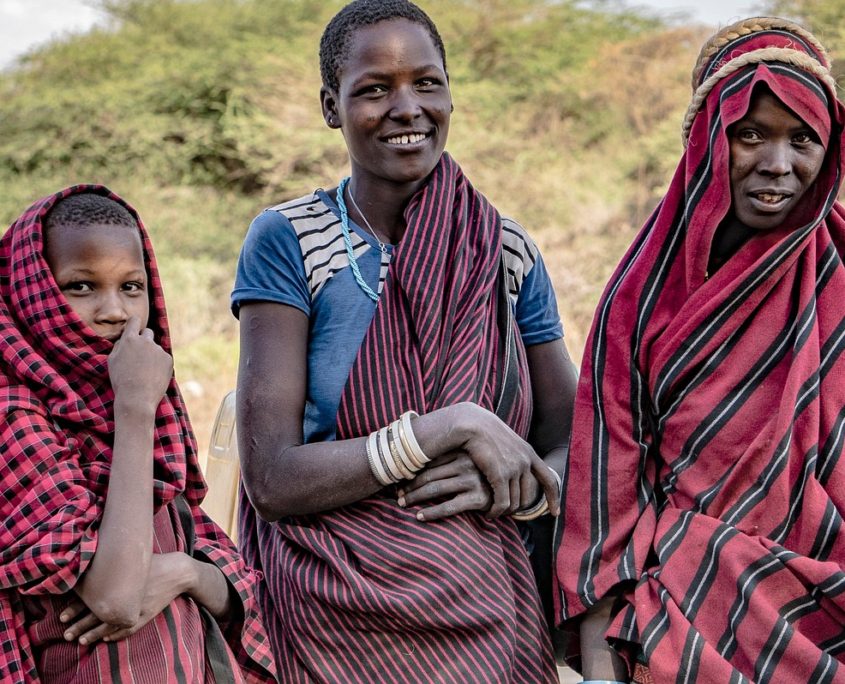 Education equips women in developing countries with essential knowledge around reproductive health, nutritional health and disease prevention. In a world where infectious diseases remain a leading cause of infant mortality, education is one of the most important assets a mother can have to protect the health and well-being of her child.
Education Barriers for Women
A child born to a mother who can read is twice as likely to live past the age of five. However, as of 2023, national laws to protect adolescent and pregnant mothers’ right to an education exist in only half of African countries, even though more than 30% of teenagers in Africa become pregnant. Adi Radhakrishnan, Leonard H. Sandler Fellow in the Children’s Rights Division at Human Rights Watch, said that many pregnant girls and adolescent mothers in Africa are still denied their basic right to education for reasons that have nothing to do with their desire and ability to learn.
The number of girls who drop out of school because of early pregnancies is especially high in Sub-Saharan Africa. More than 6 million young women ages 10 to 19 who were pregnant or parenting were out of school in October 2024. Because of the stigma around teen pregnancy and school cultures that discourage return, fewer than 5% of girls who drop out early due to pregnancy ever return to finish their education. Regional directors of the United Nations Educational, Scientific and Cultural Organization (UNESCO) have noted that when these girls want to return to school, they are not welcomed back.
Progress in Girls’ Education
For every year that a girl stays in school, her potential future income increases by 10%. Girls in Africa who finish secondary education are more likely to be healthier, earn more money for their families, marry later and have greater knowledge around medicinal and nutritional health to pass on to the next generation.
Education opportunities for women in Africa create benefits beyond the individual — they are a catalyst for brighter futures for families, communities and the broader region. In Africa, 50 million more girls were in school in 2024 than in 2015. During the same period, infant mortality declined from 55 deaths per 1,000 live births in 2014 to 47 in 2024, suggesting a connection between expanded educational access for mothers and improved child survival rates.
Providing Education Opportunities for Women in Africa
The Campaign for Female Education (CAMFED) association is a sisterhood of African women who partner with their communities to support and mentor young girls in their journey to becoming young adults, both in the classroom and beyond. CAMFED not only sends girls to school who would otherwise be unable to attend due to poverty — it also works one-on-one to provide girls with real-world skills so they can contribute to their communities long after they finish secondary school.
One young woman whose life was affected by CAMFED’s support said that without the organization, she would have dropped out of school and her family would have gone hungry. She now works as one of CAMFED’s climate-smart agriculture guides, bringing sustainable practices and climate education into classrooms and to rural farmers. Like many other women who once received educational support from CAMFED, she is now part of the sisterhood, working to help girls who are in the same position she once was.
This sisterhood, founded in 1993 with just 32 women, aims to provide education opportunities for women across Africa. On average, each member of the CAMFED association uses her own resources to support another three girls in attending school. So far, the association has supported 646,000 students with secondary school scholarships and helped more than 1 million girls attend primary school. Since its founding, CAMFED has supported more than 9 million children in schools across seven countries in Africa.
Looking Ahead
Expanding education opportunities for women in Africa requires continued investment in policy, funding and community engagement. The progress seen over the past decade — from legislative reforms to grassroots organizations like CAMFED — demonstrates that meaningful change is achievable. Sustained commitment to girls’ education remains one of the most effective pathways to reducing poverty and improving health outcomes across the continent.
– Tommy Bass
Tommy is based in Philadelphia, PA, USA and focuses on Good News and Global Health for The Borgen Project.
Photo: Pixabay
