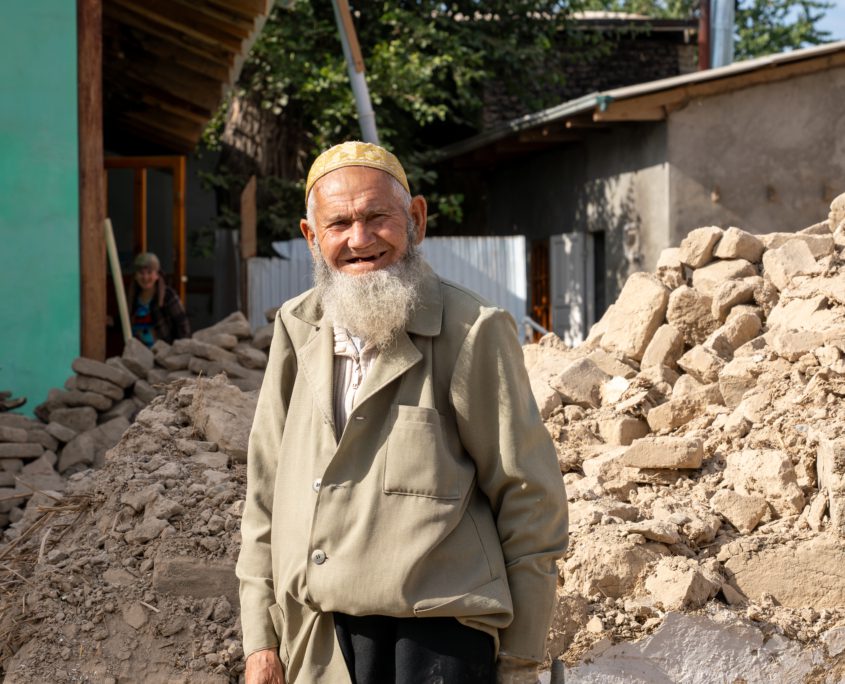
 Tajikistan, a country in Central Asia surrounded by Afghanistan, Uzbekistan, China and Kyrgyzstan, faces a health care crisis. With 25% of its population living below the poverty line and a health infrastructure that has barely been updated since the Soviet collapse, access to medical care remains out of reach for millions, particularly in rural areas. Health care access in Tajikistan has become a critical development challenge, encouraging a wave of private sector initiatives attempting to fill the gap left by decades of government underinvestment. Private clinics are expanding slowly, the government is working with civil society organizations to achieve universal health care, and there is a strong foundation that could be built upon in this country.
The Situation in Tajikistan
Tajikistan is the poorest country in the WHO European Region. The World Bank’s 2024 report shows that over 25% of the population lives on less than $3.65 per day, with 80% of the poor living in rural areas. This poverty directly impacts health care access in Tajikistan, where vital treatment remains unaffordable.
In 2025, Tajikistan launched a groundbreaking Universal Health Coverage (UHC) pilot program in the Sughd region, with presidential approval. The pilot tests new health financing and governance reforms designed to improve access and affordability of health care. The early results of this include districts that are investing in services that meet specific community needs, and health facilities are better able to attract primary health care nurses and doctors.
Health Care Access Challenges
Improving health care access in Tajikistan requires addressing severe gaps in basic services. Currently, 44% of Tajik men have never had their blood pressure measured. In 2022, 18% of households experienced catastrophic health spending. In Tajikistan, hospital services require 80% cost-sharing and when compared to a country like India, where controlling blood pressure for hypertension costs just $2-4 per patient annually, this treatment remains unaffordable for many Tajiks. However, a potential foundation is present in this country. Since 2008, there have been free family doctor consultations for all citizens, and an extensive primary care clinic network already exists.
Government and Private Partnerships
In 2023, when Tajikistan declared the ‘Year of Human Capital,’ the $57.25 million World Bank “Millati Solim” (Healthy Nation) project was approved, which aimed to achieve universal health coverage. The World Bank currently finances 26 projects in Tajikistan totalling $1.6 billion and this collaboration is a major government-private partnership. The focus on primary care is targeting the most vulnerable and direct beneficiaries include young children, pregnant women, the elderly and victims of gender-based violence.
Aga Khan Development Network (AKDN) is a private organization that partners with the Tajik government, and in the last 6 years, it has allowed 650,000 people to gain access to primary health care, using teleconsultations to increase access. It has provided over 53,550 people with access to safe drinking water and sanitation, as well as microfinance clients who live in remote, rural areas. AKDN is an example of how private organisations can serve, not exploit, the poor.
The Role and Limits of Private Clinics
Following the 1991 Soviet collapse and the 1990s civil war, many experienced doctors left Tajikistan, so the government had to terminate the free health care program due to a shortage of doctors and supplies. Over the last decade, the private sector in health care has developed. Prospekt Medical Clinic, founded in 2004, is the first western-style clinic in Dushanbe, using western equipment, pharmaceuticals and vaccines, however, hospitals typically require upfront payment in cash. Additionally, rural populations have virtually no access to private care and evidence shows that these clinics cater almost exclusively to wealthy Tajiks and those with international health insurance.
Tajikistan citizens often seek medical management abroad due to the undeveloped medical infrastructure, with India emerging as a leading hub. This means even private clinics in Tajikistan cannot meet the needs of those who may be able to pay, but regardless, private clinics rarely serve the 75% of Tajiks who are in poverty in rural areas.
Looking Ahead
While private clinics offer advanced equipment and western standards, they serve only wealthy urbanites and expatriates in Dushanbe, leaving the 75% of Tajiks in rural poverty completely behind. However, a different model offers hope. The success of partnerships like AKDN and ambitious government initiatives like the $57.25 million Millati Solim project and the Sughd UHC pilot demonstrate that carefully structured public-private collaborations can serve the poor without abandoning them.
Unregulated private clinics serving only those who can pay upfront create inequality, but government-led partnerships with civil society organizations, guided by principles of universal coverage and explicit protection for the vulnerable, can transform health care from a luxury commodity into a fundamental right. For Tajikistan’s millions living on less than $3.65 a day, health care access in Tajikistan depends on this distinction: the difference between care and commerce.
– Anisa Begum
Anisa is based in Birmingham, UK and focuses on Business and Global Health for The Borgen Project.
Photo: Wikimedia Commons

How Cash Transfers to Women in India are Changing Lives
Across India, unconditional cash transfers to women are becoming increasingly common, with transfers ranging from 1,000 to 2,500 rupees ($12 to $30) a month. These payments account for roughly 5% to 12% of household income. The money typically goes toward household and family needs such as children’s education, groceries and cooking gas.
Impacts on Women and Households
Research indicates that these small, regular transfers are having a positive effect on the lives of women, with the majority of the money being spent on their own immediate needs and those of their households. Additionally, the transfers have given women a sense of financial security and a newfound confidence, allowed them to become more financially independent from their husbands and reduced marital conflict.
Prabha Kotiwswaran, a professor of law and social justice at King’s College London, told the BBC in December that: “The unconditional cash transfers signal a significant expansion of Indian states’ welfare regimes in favor of women.”
The idea of cash transfers for women was first introduced in 2013 in the state of Goa but only gained momentum before the COVID-19 pandemic in 2020, when the northern state of Assam implemented a scheme for vulnerable women. As of 2025, nearly 15 states run such programs.
Politics and Public Debate
Since then, cash transfers have gained political power, with both government and opposition parties introducing them as a strategy to mobilize female voters. The result of this can be seen in the 2025 Delhi assembly election, where the female voter turnout reached 60.92%, exceeding the male turnout for the first time in the country’s history. Critics have called this “blatant vote-buying,” highlighting how financial support can easily be used as political leverage.
Women can become eligible for this financial support simply due to the fact that they do not have a paying job but instead stay at home, keep households running and bear the burden of unpaid care work. Although the amount received can vary due to several factors — such as age thresholds, income caps and exclusions for families with government employees or owners of large plots of land — the government has not put in place conditions similar to those enforced by other countries with large cash transfer schemes. For example, Bolsa Familia, the world’s largest cash transfer scheme in Brazil, requires school attendance for teenagers, immunization of children and prenatal monitoring for pregnant women, among others.
Limits of Cash Transfers
Although these cash transfers to women in India have allowed steps forward, cash transfers cannot substitute for employment opportunities, with many women stating they would still prefer work that pays and respect that endures. It is important that the fight for women’s rights and equal rights is neither forgotten nor lost, and that unconditional cash transfers are a means of raising awareness of the equality that is yet to be achieved.
As cash transfer programs continue across India, they are providing women with greater financial stability and decision-making power within their households. Together with broader social and economic efforts, these initiatives highlight continued progress toward improving the lives of women and families.
– Jenna O’Flynn
Photo: Flickr
From Scholar to Baker: Gaza’s Education System
Gaza’s Education System Disrupted by Conflict
Before the current war, Bader Slaih earned master’s and doctoral degrees in education while studying in Egypt. He returned to Gaza, intending to teach at local universities, according to an Al Jazeera report published in January 2026. Fighting interrupted those plans.
Airstrikes and ground operations forced Slaih and his family to flee their home in the Bureij refugee camp multiple times, the report said. The destruction of Gaza’s education system has been extensive. According to Save the Children, nearly 90% of school buildings in Gaza have sustained damage, leaving hundreds of thousands of children without access to formal education.
UNICEF also reported that all universities in Gaza suffered damage during the conflict, halting higher education for students and faculty. Despite these conditions, Slaih has continued to express a commitment to education. He told Al Jazeera that he intends to teach whenever possible, even in informal or temporary learning spaces.
Turning to Bread for Survival
As food supplies declined, Slaih and his relatives built a small brick oven using salvaged materials to bake bread for their children and nearby families, Al Jazeera reported. Food insecurity across Gaza has intensified as fuel shortages and access restrictions disrupt production and distribution. The United Nations Office for the Coordination of Humanitarian Affairs (OCHA) reported repeated interruptions to food supply routes throughout 2025.
During periods when flour and cooking gas ran out, all subsidized bakeries in Gaza closed temporarily, OCHA reported. The World Food Program (WFP) previously supported dozens of bakeries producing hundreds of thousands of loaves daily. However, those operations depended on consistent fuel deliveries, according to U.N. humanitarian updates.
As bakery closures increased, families turned to community kitchens and shared ovens. OCHA reported that community kitchens provided close to one million cooked meals per day during periods of severe aid disruption. Slaih’s oven became part of that informal food network, supplying bread when commercial options disappeared.
Feeding the Present While Preserving the Future
Although baking bread now occupies his daily routine, Bader Slaih continues to view education as central to recovery. He told Al Jazeera that meeting children’s nutritional needs supports their ability to learn when schooling resumes. UNICEF has linked hunger directly to learning outcomes, reporting that malnutrition undermines concentration, memory and school attendance.
Across Gaza, professionals from various fields have taken on emergency roles as institutions collapse. The U.N. has noted that community-driven responses often provide the most immediate relief during prolonged crises. Slaih’s experience reflects that shift.
Baking bread does not replace humanitarian assistance or rebuild schools, but it helps sustain families while broader recovery remains uncertain. In Gaza, survival increasingly depends on adaptation. For one academic turned baker, feeding his community now remains closely tied to the goal of returning to education when conditions allow.
– Angela ‘Phoenix’ Garrett
Photo: Unsplash
Energizing the Environment: Red Bull Creating a Better World
Instead, it focuses on offering a product that fuels the energy and excitement consumers associate with once-in-a-lifetime experiences. In other words, Red Bull primarily targets athletes, especially those involved in extreme sports. However, this does not mean that only professional competitors can benefit from the brand’s offerings.
Red Bull is also widely known for creating once-in-a-lifetime experiences through its international charitable initiatives and sponsored events.
Giving Life to the Night
Ho Chi Minh City is working to revitalize urban spaces and create community recreational centers. However, the budget is small, so community spaces are dimly lit and look unapproachable. Red Bull is helping revive the community by repurposing its aluminum cans to create illuminating, solar-powered billboards.
Each billboard is made of 2,475 Red Bull cans. The project, which is called “Giving Life to the Night,” utilizes solar energy explicitly, which naturally converts into electricity. Indeed, the project may seem small and subtle; however, the reliable energy is bringing communities together.
The project has had its greatest impact on young people. Red Bull has consistently worked to engage youth by providing recreational and sports activities, health check-ups and employment opportunities. As a result, Ho Chi Minh City has become a city full of life and energy, with Red Bull’s initiatives helping create job opportunities for more than 70,000 young adults.
Energizing the Environment
The company that owns Red Bull is called TCP Group. The group is constantly organizing events and collaborations that will enhance the global community. For example, TCP Group is reducing its carbon footprint and practicing water sustainability.
Red Bull has set a goal to use 100% recycled packaging in the next few years. Currently, 70% of packaging is recyclable aluminum. Commonly misunderstood, TCP is not just interested in growing the Red Bull brand; one of its core principles is “Energizing the Environment.” As part of this commitment, TCP Group has reduced its water usage by more than 20%.
The company has made significant progress in improving water efficiency and is now setting an example for other Thai companies by encouraging greater water resilience amid growing scarcity. Currently, the company is supporting Thailand’s River Basin Project, which focuses on replenishing water in the Bang Pakong, Yom and Mekong rivers. As the initiative continues, it has achieved net water–positive status, reinforcing TCP’s role in promoting long-term environmental sustainability.
Furthermore, TCP has also been contributing to the WEnergy world campaign, a global initiative to reuse resources and reduce gas emissions. In 2024, the company got creative and organized a running event in which every participant had to donate recyclable cans or packaging.
The Red Bull U-Project
The Red Bull U-Project is a volunteer-based initiative that mobilizes undergraduate students interested in public service. Launched in Thailand in 2013, the program aims to promote social development by supporting projects in key areas, including agriculture, education, health care and technology. Notable initiatives include the Ambulance for Children with Care project and the Herbs for Healthy Life and Self-Sufficiency Economy project, both of which reflect the program’s focus on community well-being and sustainable impact.
Final Remarks
Red Bull’s U-Project and Energizing the Environment initiative, among others, have ensured philanthropic and civic engagement across Asia continues to support community-driven initiatives that address local development challenges and strengthen social infrastructure.
– Mireya Aguilar
Photo: Pexels
Gender Inequality and Women’s Rights in Ghana
However, what is also important is understanding a place beyond the surface and the infrastructure set up for tourists to see. Here’s something to know about women in Ghana.
Women’s Rights in Ghana
Being a woman living in Ghana has not always been sunshine and rainbows. Women’s rights in Ghana started strongly, as pre-colonial society showed more optimistic outcomes. Women were central to agriculture, excelling in farming and trading.
They were also seen as leaders and, in some cases, ruled over others, including men. However, in the ‘50s, when the British colonized Ghana, there was a drastic shift in how women were perceived. They were pushed to the bottom of the social hierarchy, marginalized and excluded from many job opportunities.
After Ghana gained its independence, the fight for women’s rights continued. Violence against women remains common and job scarcity is still something they struggle with. In the ’90s, equal rights laws were passed to address these issues. However, because these reforms are relatively recent, women are still pushing for better representation and stronger policies.
Gender Inequality in Ghana
Women’s rights in Ghana go hand-in-hand with the poverty the country faces. According to the Human Rights Index, Ghana still has a significant gap in gender equality compared to global figures, with a GII value of 0.514, while the world average is 0.455. With the gender social norms score at 98.97% and with higher scores indicating worse outcomes, the data shows how deep the problem runs.
Gender gaps and inequality can directly worsen poverty because they exclude a whole group of people from economic rights, resources and education. When women are unable to help provide for their families, this creates broader insecurity that extends beyond the marginalized group itself.
Women’s Groups Addressing the Gender Gap in Ghana
People in Ghana recognize these issues and have established many organizations to address and change them. These include MamaCare Ghana, which helps educate and support women in marginalized communities and the Alliance for African Women Initiative, which supports women financially by helping them access credit and business education. They also include Women’s Trust, which promotes economic independence and Global Mamas, which provides jobs for women who need to support their families.
These groups have created a meaningful shift in how equality is advancing. There are now job opportunities to pursue, educational gaps to close and a stronger sense of belonging within communities. Global Mamas has made a significant impact by providing training to 62 apprentices and helping its members earn 2.5 times the minimum wage.
Final Remarks
Women’s rights in Ghana have followed a long and emotional journey. Women have been leaders, fighters and now advocates. This struggle does not diminish the country’s beauty, which remains known for its joy, hospitality and strong sense of community, even amid ongoing challenges. People continue to come together through it all, making that beauty even more apparent.
– Danielle Johnson
Photo: Flickr
Hazelnut Farms and Child Labor in Turkey
Hazelnut Production – The Black Sea Region
Turkey produces the majority of the world’s hazelnuts, which are exported globally. The country supplies approximately 75% of the global market, according to the International Society for Horticultural Science. The Black Sea region of Turkey has cultivated hazelnuts since around 1500 B.C. The region’s damp, temperate climate enables hazelnut production to flourish and contributes significantly to Turkey’s export revenue. Its mountain slopes and steep land are well-suited for growing hazelnuts.
Giresun is a city located in the Black Sea region of Turkey and is widely known as the hazelnut capital of the world. Ongoing demand has led producers to rely on young children to work in the agricultural sector. This has contributed to the continued use of child labor on hazelnut farms in Turkey.
Child Labor in the Agriculture Sector in Turkey
Across the Black Sea region, most production is carried out through manual labor. Internal migrants who settle in small communities often rely on their children to work in agricultural industries, including hazelnut farming. As a result, children are forced to work long, strenuous hours in challenging climate conditions.
According to the Rainforest Alliance, agricultural work is classified under Turkish law as hazardous for anyone younger than 18. However, some children working on hazelnut farms are between the ages of 15 and 18.
Manual Labor and Dangers Across Hazelnut Farms
Children in Turkey experience some of the most severe forms of child labor, particularly in agriculture. Farm work remains common due to high demand for hazelnuts. According to the U.S. Department of Labor, 57.1% of working children in Turkey are employed in the agriculture sector.
Common dangers and conditions include:
Solutions and Laws
Looking Ahead
Child labor in Turkey continues to place children in dangerous working conditions on hazelnut farms. However, progress through government laws, summer school initiatives and funded programs has contributed to a reduction in child labor in the agricultural sector. On March 30, 2012, the Turkish government increased the compulsory education age from eight to 12 years, helping ensure children can remain in school rather than enter the workforce at an early age.
– Zara Ashraf
Photo: Flickr
Tourism Recovery and Poverty Reduction in East Africa
Background
According to recent data, Kenya’s travel and tourism sector is projected to contribute significantly to the national economy, supporting more than 1.7 million jobs and generating billions of dollars in visitor spending. In Tanzania, tourism contributes a substantial share of GDP and employment, while in Uganda and Rwanda the rebound toward and beyond pre-pandemic visitor arrivals is generating increased demand for services and local goods.
Tourism’s economic impact in East Africa extends beyond park gates and resorts. Tourists who visit national parks, historical sites and coastal destinations create demand for accommodation, transportation, food, crafts and local entertainment, which in turn supports small-business owners, guides, artisans and farmers. In Kenya alone, tourism supports more than 1.2 million jobs directly and indirectly, helping households earn a steady income and community members pursue entrepreneurial opportunities.
Tourism and Poverty Reduction in East Africa
Tourism can reduce poverty by creating jobs, expanding incomes and increasing demand for locally produced goods and services. Studies indicate that tourism’s contribution to GDP in East African Community countries averaged nearly 10% before the pandemic, with higher shares in countries such as Tanzania and Rwanda. This economic activity generates important spillover effects beyond the travel sector, encouraging investment in infrastructure, agriculture, and small-enterprise development.
In Uganda, tourism’s share of GDP has increased since the pandemic, reflecting rising international arrivals and targeted marketing efforts. Similarly, Kenya has embraced regional tourism strategies that encourage travel within East Africa, creating new opportunities for cross-border economic activity and community-level benefits.
Yet tourism’s poverty-reducing potential depends on how benefits are distributed. In many places, earnings from large lodges and luxury travel accrue primarily to foreign-owned companies or national revenue streams rather than directly to local communities. A balanced approach must ensure that job quality, wages and local ownership are part of the sector’s growth, rather than just visitor numbers.
Government and Stakeholder Responses
East African governments are pursuing a range of strategies to ensure tourism supports broader economic well-being. Kenya is expanding air connectivity, digital visa systems and regional promotion to attract more visitors while encouraging spending in local enterprises. Rwanda has diversified its tourism offer with conferences and business events alongside wildlife and nature tourism to boost revenues and create year-round employment. Uganda is enhancing road infrastructure and e-visa platforms to make travel easier and more attractive for regional and international visitors.
Non-government stakeholders also contribute to inclusive growth through community-based tourism and eco-tourism initiatives. These models link conservation with economic benefits, enabling local populations to earn income from guiding, hospitality and cultural experiences while conserving natural resources.
Challenges and Considerations
While tourism offers important economic opportunities, it also presents challenges that can affect poverty outcomes. Many tourism jobs remain seasonal or low-wage, and without supportive policies, the sector’s growth can fail to uplift the poorest households. Infrastructure gaps, environmental pressures and competition from luxury tourism can also limit local benefit flows. To maximize impact, governments and development partners must plan for workforce training, community ownership and equitable revenue sharing.
Conclusion
The recovery of tourism in East Africa offers a pathway to economic growth and poverty reduction when integrated with inclusive policy and community engagement. By focusing on employment creation, diversification of tourism products and regional cooperation, Kenya, Tanzania, Rwanda and Uganda are leveraging tourism not just as a source of foreign exchange but as a tool for more resilient and inclusive development. Continued investment in skills training, infrastructure and equitable benefit-sharing will be key to ensuring that tourism’s rebound translates into real, sustainable economic gains for communities across the region.
– Sean Leung
Photo: Flickr
Urban Innovation in Lagos Fights for a Fairer City
Urban Poverty and Informal Settlement Dynamics
Lagos is one of Africa’s largest and most densely populated cities. Population estimates range from 16 million to more than 20 million. Rural migrants to Lagos increasingly turn to informal settlements as affordable housing fails to keep pace with population growth. Research finds that Lagos’ slum districts grew to more than 200 by 2023, with more than 70% of the city’s population now living in informal settlements. Poverty remains the primary challenge facing settlement residents.
The latest World Bank statistics show that about 37% of Nigerians live below the national poverty line. This is particularly acute in Lagos, where an estimated two-thirds of residents live on the equivalent of $1 a day. As inflation reached nearly 34% in 2024, food prices increased fivefold. Low-income households, which spend about 70% of their wages on food, face the greatest impact.
Community-Led Solutions
In response to these pressures, community groups are reshaping urban innovation in Lagos through practical programs aimed at improving living conditions in informal settlements. The Okerube Project addresses chronic water, sanitation and hygiene (WASH) challenges by strengthening community-led systems. The project links women’s water and sanitation committees with community development associations to implement sustainable WASH infrastructure. Using a bottom-up approach, the Okerube Project relies on community governance to ensure infrastructure improvements reflect the needs of settlement residents.
Food Security Initiatives
The United Nations World Food Program (WFP) has warned of an emerging hunger crisis in Nigeria. Food insecurity remains a major challenge in Lagos’ informal settlements, where residents struggle with high living costs and inflation. In response, local nonprofits such as the Lagos Food Bank Initiative’s Family Farming Program support urban farming to help households produce food and generate income.
Participants receive practical training and starter kits to establish backyard farms for personal consumption and sale. Lagos’ rapid urban development has displaced many residents from agricultural land, causing income loss. The Family Farming Program aims to counter this trend by supporting the revival of small-scale farming livelihoods.
Digital and Technological Innovation
Digital and technological solutions play an important role in urban innovation in Lagos. Technology initiatives such as Co-Creation Hub (CcHUB) address social challenges in informal settlements. CcHUB works with scientists, entrepreneurs, government leaders and local residents to support sectors most affected by poverty.
Projects include Re:learn, which works with schools to improve how teachers deliver science, technology, engineering and mathematics (STEM) subjects. Through Re:learn, CcHUB introduces digital laboratories, modernizes STEM instruction and provides professional development for teachers. By partnering with organizations such as the Mastercard Foundation, CcHUB expands access to STEM education in informal settlements, supporting participation in Lagos’ emerging job markets.
The Future of Urban Innovation in Lagos
As these efforts expand, the future of urban innovation in Lagos is increasingly shaped by policy engagement. State institutions and research bodies are beginning to formalize support for inclusive development by linking grassroots experience with city-level planning. In 2025, the Lagos State Government partnered with the African Cities Research Consortium (ACRC) to strengthen urban resilience strategies.
These initiatives align future development planning with community-led projects and reflect broader policy efforts to integrate lived experience into responses to complex urban challenges.
Building on the work of community groups and NGOs, these policies connect grassroots initiatives with formal planning processes. With nearly 35 million people facing extreme hunger in Nigeria, Lagos remains a critical site for resilience-building. The growing alignment between policymakers, researchers and community actors suggests that urban transformation can support both infrastructure development and inclusive growth. Urban innovation in Lagos may offer lessons for other emerging megacities across Africa.
– Rory Wesson
Photo: Flickr
How LEAF is Addressing Malnutrition in Kenya
Despite its rich history and diverse population, Kenya faces persistent food insecurity and inadequate access to health care, which disproportionately affect their children. LEAF is addressing malnutrition in Kenya through targeted health and agricultural interventions.
According to UNICEF, more than 25% of children under the age of 5 experience stunted growth. Food insecurity and chronic undernourishment commonly cause this condition. An additional 11% of children are underweight and 4% suffer from severe wasting. These problems lead to an increased prevalence and likelihood of death among the Kenyan children.
Root Causes of the Crisis
Many of these issues are a result of a lack of support in education for families and farmers on malnutrition, and farmers’ limited ability to adapt to natural disasters. Without the necessary support, poverty cycles from one generation to the next, preventing households from reaching their full potential.
To break this cycle, the organization Concern began working with government officials and community leaders to design potential solutions. The organization focused its efforts on Tana River County, Kenya.
Agriculture and pastoralism dominate the region, but extreme weather patterns have severely disrupted livelihoods. Hotter days and less rainfall caused animals and crops to suffer. Clinics reported a sharp rise in child malnutrition, prompting the need for immediate intervention.
The LEAF Initiative
The Lifesaving Education and Assistance to Farmers (LEAF) had two main goals: to ensure pregnant women and malnourished children receive lifesaving treatment in a timely manner and to create systematic change in the livelihoods of people living in poverty to prevent future cases of malnutrition
The LEAF initiative began its approach by prioritizing community outreach to reduce acute malnutrition. Through the funding of the Illinois-based food ingredients company Archer Daniels Midland (ADM), they supported the local health department conducting malnutrition screenings.
The organization used monthly house visits to households with pregnant women and/or children where they referred anyone showing signs of malnutrition to local clinics and educated families on nutritional and health topics. LEAF is addressing malnutrition in Kenya, as it estimated that 82% of the families living in the region in 2021 were able to get monthly screenings by the conclusion of the program.
Building Long-Term Resilience
To ensure the screenings did not remain a temporary solution, Concern implemented the second phase of the program. This phase focused on creating systemic change across multiple villages in Kenya. Concern worked with local farmers to reshape their agricultural methods to adapt to extreme climate conditions. Concern provided drought-tolerant seeds to prevent crop loss and irrigation canals to improve village access to affordable water.
These changes proved life-changing. Halim Diramu Jilu, a farmer in Tana River County, praised the program, saying, “Our lives have changed. We have enough water now.” The program reached 39,704 people. Furthermore, crop loss fell from 60% to less than 20%, reinforcing how LEAF is addressing malnutrition in Kenya by strengthening food security at the community level.
The LEAF initiative offers a strong model for how targeted health interventions can combine with grounded community-level agricultural support to tackle poverty and malnutrition. By combining climate education with immediate nutritional support, Concern helped families build independence and improve long-term outcomes for future generations.
– Sachin Kapoor
Photo: Flickr
Health Care Access in Tajikistan
The Situation in Tajikistan
Tajikistan is the poorest country in the WHO European Region. The World Bank’s 2024 report shows that over 25% of the population lives on less than $3.65 per day, with 80% of the poor living in rural areas. This poverty directly impacts health care access in Tajikistan, where vital treatment remains unaffordable.
In 2025, Tajikistan launched a groundbreaking Universal Health Coverage (UHC) pilot program in the Sughd region, with presidential approval. The pilot tests new health financing and governance reforms designed to improve access and affordability of health care. The early results of this include districts that are investing in services that meet specific community needs, and health facilities are better able to attract primary health care nurses and doctors.
Health Care Access Challenges
Improving health care access in Tajikistan requires addressing severe gaps in basic services. Currently, 44% of Tajik men have never had their blood pressure measured. In 2022, 18% of households experienced catastrophic health spending. In Tajikistan, hospital services require 80% cost-sharing and when compared to a country like India, where controlling blood pressure for hypertension costs just $2-4 per patient annually, this treatment remains unaffordable for many Tajiks. However, a potential foundation is present in this country. Since 2008, there have been free family doctor consultations for all citizens, and an extensive primary care clinic network already exists.
Government and Private Partnerships
In 2023, when Tajikistan declared the ‘Year of Human Capital,’ the $57.25 million World Bank “Millati Solim” (Healthy Nation) project was approved, which aimed to achieve universal health coverage. The World Bank currently finances 26 projects in Tajikistan totalling $1.6 billion and this collaboration is a major government-private partnership. The focus on primary care is targeting the most vulnerable and direct beneficiaries include young children, pregnant women, the elderly and victims of gender-based violence.
Aga Khan Development Network (AKDN) is a private organization that partners with the Tajik government, and in the last 6 years, it has allowed 650,000 people to gain access to primary health care, using teleconsultations to increase access. It has provided over 53,550 people with access to safe drinking water and sanitation, as well as microfinance clients who live in remote, rural areas. AKDN is an example of how private organisations can serve, not exploit, the poor.
The Role and Limits of Private Clinics
Following the 1991 Soviet collapse and the 1990s civil war, many experienced doctors left Tajikistan, so the government had to terminate the free health care program due to a shortage of doctors and supplies. Over the last decade, the private sector in health care has developed. Prospekt Medical Clinic, founded in 2004, is the first western-style clinic in Dushanbe, using western equipment, pharmaceuticals and vaccines, however, hospitals typically require upfront payment in cash. Additionally, rural populations have virtually no access to private care and evidence shows that these clinics cater almost exclusively to wealthy Tajiks and those with international health insurance.
Tajikistan citizens often seek medical management abroad due to the undeveloped medical infrastructure, with India emerging as a leading hub. This means even private clinics in Tajikistan cannot meet the needs of those who may be able to pay, but regardless, private clinics rarely serve the 75% of Tajiks who are in poverty in rural areas.
Looking Ahead
While private clinics offer advanced equipment and western standards, they serve only wealthy urbanites and expatriates in Dushanbe, leaving the 75% of Tajiks in rural poverty completely behind. However, a different model offers hope. The success of partnerships like AKDN and ambitious government initiatives like the $57.25 million Millati Solim project and the Sughd UHC pilot demonstrate that carefully structured public-private collaborations can serve the poor without abandoning them.
Unregulated private clinics serving only those who can pay upfront create inequality, but government-led partnerships with civil society organizations, guided by principles of universal coverage and explicit protection for the vulnerable, can transform health care from a luxury commodity into a fundamental right. For Tajikistan’s millions living on less than $3.65 a day, health care access in Tajikistan depends on this distinction: the difference between care and commerce.
– Anisa Begum
Photo: Wikimedia Commons
Overcoming Challenges to Improve Water Quality in Cambodia
Root Causes
Nearly half of rural Cambodians rely on rivers, lakes and ponds for drinking water that is contaminated by poor waste disposal. Even groundwater in coastal regions is contaminated with coliform and E. coli, exposing communities to serious health risks. Without proper facilities and disposal practices, communities are left to depend on water that spreads disease and causes chronic illness.
The lack of sanitation infrastructure leaves people with few safe options. UNICEF reports that eight in 10 rural Cambodians defecate in open fields or bodies of water. Without toilets or clean water for handwashing, surface water is contaminated, continuing to pose a threat to water quality in Cambodia. There is a need for both reliable infrastructure and safe hygiene education to minimize the effects of waste disposal pollution.
Opposing seasons make improving water quality in Cambodia even more challenging as natural disasters intensify. Floods during the wet season carry debris and sewage, further contaminating water sources and damaging sanitation infrastructure. Relief is brief after the wet season, as the dry season brings droughts that deplete the remaining safe water sources. These harsh seasonal conditions force many Cambodians living in floodplains to rely on unsafe wells and surface water throughout the seasons.
What’s Changing?
Despite the challenges, progress is taking shape as local organizations partner with UNICEF’s WASH Program (Water, Sanitation and Hygiene) to improve access to clean water, sanitation infrastructure and hygiene education.
Organizations such as Water for Cambodia are working to restore freshwater as a reliable source. Schools and homes can now use BioSand Water Filters to turn contaminated water into safe drinking water. Built using local materials, it filters polluted water through sand and gravel, producing clean water within minutes. One filter can give a family direct access to clean water for years, all while using the resources around them. New wells, rainwater systems and pipelines are also being built, creating dependable water sources in communities across the country.
Water for Women is tackling gaps in sanitation infrastructure by connecting more than 360,000 people in rural Cambodia to clean hygiene practices. The program improves WASH standards by providing sanitation products, building sheltered latrines and developing safe waste management systems. By prioritizing resilient infrastructure that can withstand floods and droughts, Water for Women is working to create long-term solutions to improve water quality in Cambodia. By equipping communities with the tools to prevent contamination, access to clean water becomes more reliable year-round.
Looking Ahead
To ensure lasting change, Water for Cambodia is investing in hygiene education for schools and households, providing communities with the tools and knowledge to stay healthy. By providing hygiene kits and educational sessions, the program ensures new infrastructure is actively used. Showing real progress is made when clean water, facilities and healthy habits are accessible.
The path to clean water is far from finished, but steady progress is being made. With local innovation, community leadership and global support, Cambodians are slowly breaking the cycle, creating resilient infrastructure to improve water quality and access.
– Hope Jowharian
Photo: Flickr