Tourism Recovery and Poverty Reduction in East Africa
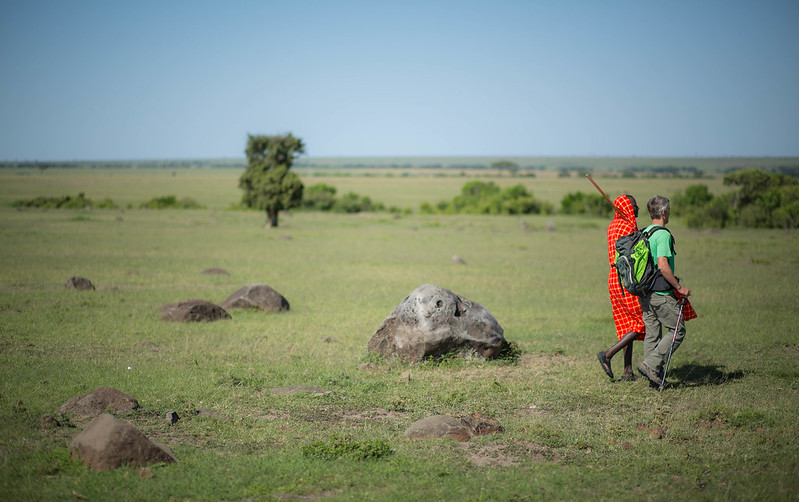 Tourism has long played a central role in the economies of East African nations, and its recovery after the COVID-19 pandemic is contributing to job creation, foreign exchange earnings and pathways out of poverty for many communities. As international travel rebounds, Kenya, Tanzania, Rwanda and Uganda are seeing increased visitor numbers, diversified tourism products and government strategies that link tourism growth to broader economic inclusion.
Background
According to recent data, Kenya’s travel and tourism sector is projected to contribute significantly to the national economy, supporting more than 1.7 million jobs and generating billions of dollars in visitor spending. In Tanzania, tourism contributes a substantial share of GDP and employment, while in Uganda and Rwanda the rebound toward and beyond pre-pandemic visitor arrivals is generating increased demand for services and local goods.
Tourism’s economic impact in East Africa extends beyond park gates and resorts. Tourists who visit national parks, historical sites and coastal destinations create demand for accommodation, transportation, food, crafts and local entertainment, which in turn supports small-business owners, guides, artisans and farmers. In Kenya alone, tourism supports more than 1.2 million jobs directly and indirectly, helping households earn a steady income and community members pursue entrepreneurial opportunities.
Tourism and Poverty Reduction in East Africa
Tourism can reduce poverty by creating jobs, expanding incomes and increasing demand for locally produced goods and services. Studies indicate that tourism’s contribution to GDP in East African Community countries averaged nearly 10% before the pandemic, with higher shares in countries such as Tanzania and Rwanda. This economic activity generates important spillover effects beyond the travel sector, encouraging investment in infrastructure, agriculture, and small-enterprise development.
In Uganda, tourism’s share of GDP has increased since the pandemic, reflecting rising international arrivals and targeted marketing efforts. Similarly, Kenya has embraced regional tourism strategies that encourage travel within East Africa, creating new opportunities for cross-border economic activity and community-level benefits.
Yet tourism’s poverty-reducing potential depends on how benefits are distributed. In many places, earnings from large lodges and luxury travel accrue primarily to foreign-owned companies or national revenue streams rather than directly to local communities. A balanced approach must ensure that job quality, wages and local ownership are part of the sector’s growth, rather than just visitor numbers.
Government and Stakeholder Responses
East African governments are pursuing a range of strategies to ensure tourism supports broader economic well-being. Kenya is expanding air connectivity, digital visa systems and regional promotion to attract more visitors while encouraging spending in local enterprises. Rwanda has diversified its tourism offer with conferences and business events alongside wildlife and nature tourism to boost revenues and create year-round employment. Uganda is enhancing road infrastructure and e-visa platforms to make travel easier and more attractive for regional and international visitors.
Non-government stakeholders also contribute to inclusive growth through community-based tourism and eco-tourism initiatives. These models link conservation with economic benefits, enabling local populations to earn income from guiding, hospitality and cultural experiences while conserving natural resources.
Challenges and Considerations
While tourism offers important economic opportunities, it also presents challenges that can affect poverty outcomes. Many tourism jobs remain seasonal or low-wage, and without supportive policies, the sector’s growth can fail to uplift the poorest households. Infrastructure gaps, environmental pressures and competition from luxury tourism can also limit local benefit flows. To maximize impact, governments and development partners must plan for workforce training, community ownership and equitable revenue sharing.
Conclusion
The recovery of tourism in East Africa offers a pathway to economic growth and poverty reduction when integrated with inclusive policy and community engagement. By focusing on employment creation, diversification of tourism products and regional cooperation, Kenya, Tanzania, Rwanda and Uganda are leveraging tourism not just as a source of foreign exchange but as a tool for more resilient and inclusive development. Continued investment in skills training, infrastructure and equitable benefit-sharing will be key to ensuring that tourism’s rebound translates into real, sustainable economic gains for communities across the region.
– Sean Leung
Sean is based in London, UK and focuses on Good News for The Borgen Project.
Photo: Flickr
