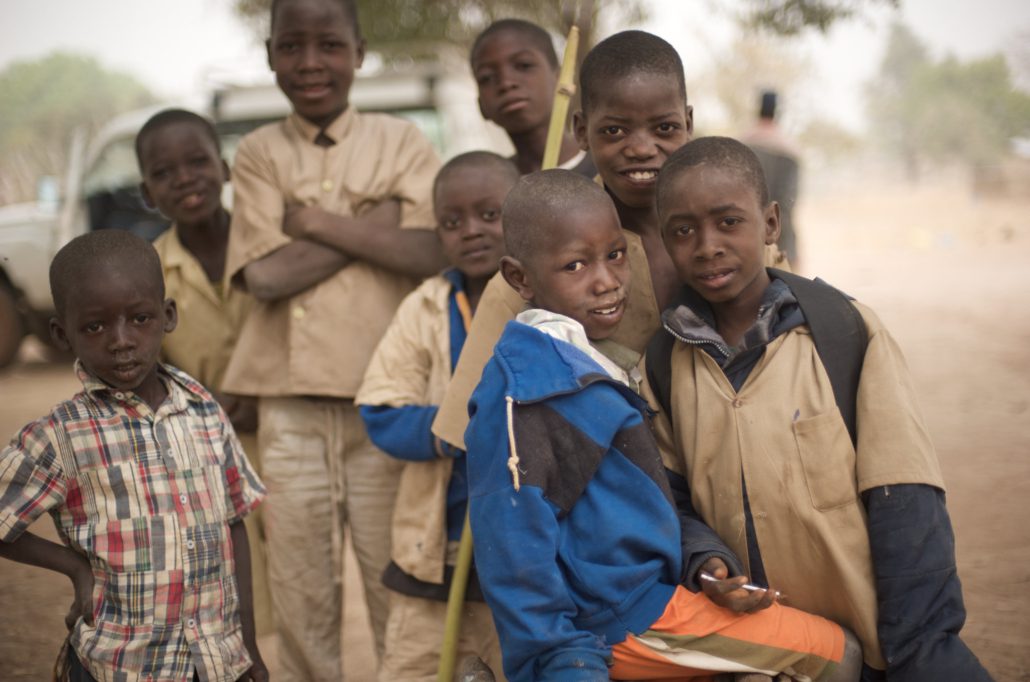
 Malaria remains one the world’s deadliest diseases, disproportionately affecting children in Africa. Global health organizations achieved a major breakthrough in the fight against this life-threatening infection in 2023 by rolling out the world’s first malaria vaccine: manufacturers have now slashed the price of this vaccine, along with a second approved vaccine, and it could be an important step in relieving the socioeconomic burden of the disease across the African continent.
In late 2025, Gavi, the Vaccine Alliance, and children’s agency UNICEF struck a pricing deal to cut the cost of the R21/Matrix-M vaccine to $2.99 USD from around $4. Analysts project that these reductions will unlock 30 million extra doses before 2030, protecting around 7 million children. This monumental pricing deal follows on from another cost reduction that Bharat Biotech and GSK announced in June of 2025, stating that they will progressively reduce the price of the RTS,S malaria vaccine by half, falling to less than $5 USD per dose.
A Crucial Vaccination Effort
Researchers initially struggled to develop an effective malaria vaccine: vaccines train the immune system to recognize proteins on the surfaces of infectious agents (e.g., bacteria, viruses). The infectious agent associated with malaria is Plasmodium falciparum, a parasite that can evade the immune system and change its surface proteins throughout its life cycle, thus finding a suitable vaccine to target the parasite became complicated.
When researchers achieved clinical breakthroughs in 2004 and refined a vaccine formula, it was time to move to human trials. The newly-named ‘RTS,S/AS01’ vaccine was administered to groups of young children across sub-Saharan Africa in the first rounds of human testing.
Trials ran from 2004 until 2015 and concluded that three doses of RTS,S was enough to reduce clinical malaria cases in children by up to 39%. In January 2024, a mass roll-out of the RTS,S vaccine began in Cameroon and authorities soon followed it with the distribution of the more cost-effective vaccine, R21/Matrix-M. Now, RTS,S and R21 vaccinations form part of routine childhood immunizations in more than 20 African countries, acting as a crucial tool for protecting children against deadly infections.
The Importance of Equitable Pricing in Immunization
Many factors influence the pricing of a vaccine introduced into the market, including patent protection, production cost and volume of contract. Notably, there is a positive correlation between a country’s Gross National Income (GNI) and the price point at which suppliers sell a dosage within the country- this is known as tiered pricing.
Rather than selling a vaccine at a flat rate, pharmaceutical companies use tiered pricing to charge high-income countries a higher price per dosage to balance affordability in lower-income markets, cover research and development (R&D) costs and generate profit. This improves the accessibility of vaccines regardless of geographical location and socioeconomic status.
However, malaria is a disease that primarily affects the Global South, therefore the market for the RTS,S and R21 vaccines for high-income countries in the Global North was almost non-existent. The typical vaccine development model and tiered pricing system could not be implemented, and external organizations, including the World Health Organization (WHO) and The Bill and Melinda Gates Foundation, filled the funding gaps.
The introduction of the second-ever malaria vaccine, R21, improved vaccine equity through accessibility: the formula has a lower concentration of antigens (the active ingredient in vaccines) whilst maintaining its efficacy, which drastically cuts manufacturing costs. Doses of R21 are better adapted to the African climate because of less strict requirements in cold chain storage and transport, reducing accidental wastage and ensuring more children receive protective immunization.
The Socioeconomic Impact of Immunity
The relationship between malaria and socioeconomic status can be considered bi-directional: malaria infection and recovery minimizes a person’s ability to work, attend school or perform caregiving duties, increasing the risk of experiencing poverty. Conversely, those living in poor conditions without access to adequate sanitation or health care face a higher risk of malaria infection and suffering more severe disease outcomes.
Therefore, immunity can break the cycle of poverty and malaria. As a whole, every $1 USD spent on vaccines saves between $16-44 USD on treatments and broader economic implications of disease. Driving down the price of each dose improves vaccine equity, ensuring that communities most affected by extreme poverty and seasonal malaria spikes will be among those protected.
However, immunization alone is not enough to decrease the malaria burden across the African continent. Research from Gavi, the Vaccine Alliance, demonstrates that the RTS,S vaccine is around 63% effective as a prevention tool, but when used in combination with insecticide-treated bed nets, indoor residual spraying and seasonal malaria chemoprevention (SMC), efficacy rises to 93%. Studies have shown that the malaria vaccine is least effective in children who come from low socioeconomic status households, this is likely due to a lack of health care access which prevents children from completing all three immunizations along with preventative SMC treatments.
What Will the Future of Malaria Vaccination Look Like?
More and more African countries are adopting affordable malaria vaccine strategies, and keeping this momentum will be the key to imagining a malaria-free future. Community engagement has proven to be a highly successful strategy in effort to relieve concerns regarding the vaccine’s safety and cost. In the early stages of vaccine roll-out in Cameroon, parents initially responded to the scheme with hesitancy: community and religious leaders drove up vaccine demand by encouraging open discussions at community meetings and disseminating misinformation. Following the success of Cameroon’s vaccination campaign, global health partners have adopted this person-led strategy by connecting with community leaders and technical experts directly.
Gavi has predicted that immunizing around 50 million children against malaria before 2030 could save more than 170,000 lives. An increasing number of children will have the opportunity to complete their education uninterrupted by disease and parents will be relieved of the costly burdens of caregiving and clinical treatments. African governments and communities have responded to the agreement to slash malaria vaccine prices with great optimism and will be a huge step in protecting the most vulnerable populations from poverty.
– Charlotte Bunn
Charlotte is based in Bristol, UK and focuses on Good News and Global Health for The Borgen Project.
Photo: Flickr

Micro-Hydro Power Stations in Nepal’s Villages
This decentralized approach expands electricity access in areas where extending grid infrastructure would be prohibitively expensive or technically difficult. Between 2007 and 2014, more than 400 micro-hydropower plants were built under Nepal’s Micro-Hydro Village Electrification Program. These projects brought reliable, clean power to hundreds of rural communities and helped nearly 625,000 people improve their quality of life.
The power stations in Nepal’s mountain villages harness community involvement, local labor and sustainable water flow. They reduce poverty, increase economic productivity and improve education and health outcomes in the country’s most isolated areas.
Expanding Electricity Access in Remote Areas
Micro-hydro systems in Nepal typically produce between 10 and 100 kilowatts of electricity, enough to power dozens or even hundreds of homes in mountain villages. These systems do not require large dams or reservoirs, making them well-suited for Nepal’s steep topography and numerous rivers. Communities work together to construct, operate and maintain these stations and many projects include local training on electrical systems management.
For example, community-owned micro-hydro plants supported by the Nepal Micro-Hydro Promotion project helped villages install turbine systems that replaced expensive diesel generators and provided light for homes and power for mills and small enterprises.
Boosting Local Economies and Education
Access to electricity through Micro-hydro community power stations in Nepal’s mountain villages has had clear economic impacts. In Darbang, a 51-kilowatt micro-hydro plant sparked local economic growth by powering poultry farms, metal workshops and other small businesses that now operate year-round. The community coordinated construction and operations, drawing on training and technical support from government programs such as the Alternative Energy Promotion Center.
Electrification enables local entrepreneurs to use electric tools and machines, which increases productivity and income. Families who previously relied on manual labor and inefficient fuels now have access to power that supports income-generating activities and reduces the time spent on chores such as fetching firewood.
Reliable electricity improves education by enabling students to study after dark and powering classrooms with lighting and digital equipment. Community clinics can store vaccines and run basic medical devices, which enhances public health outcomes. Micro-hydro plants also displace kerosene and wood-burning fuels, reducing indoor air pollution that contributes to respiratory illness.
Community Ownership and Sustainability
Micro-hydro community power stations in Nepal’s mountain villages are often built and operated by locals, with support from organizations such as UNDP and the government’s rural energy programs. This model prioritizes community management, with members taking responsibility for operations, maintenance and tariff collection to sustain systems in the long term.
Micro-hydro community power stations in Nepal’s mountain villages illustrate how decentralized renewable energy systems can bridge gaps in electricity access where national grid expansion remains limited. These projects power homes, support economic activity, improve education and health and empower communities to manage their own energy futures. As Nepal continues expanding renewable energy solutions, micro-hydro power offers a scalable way to reduce energy poverty in some of the country’s most remote locations.
– Shahzeb Khan
Photo: Unsplash
Celebrity Initiatives Supporting Sudan
Artists for Aid: Benefit Concert for Sudan and Palestine
One of the most notable celebrity initiatives supporting Sudan was Artists for Aid, a star-studded benefit concert held earlier this year at The Shrine in Los Angeles in support of Sudan and Palestine. The Los Angeles event was the third installment of the fundraiser, following successful events in New Jersey and London. The event was organized by Sudanese-Canadian artist Mustafa and co-hosted by supermodel Bella Hadid and actor Pedro Pascal.
The event raised $5.5 million for humanitarian relief, with proceeds going toward the Sudanese American Physicians Association and the Palestine Children’s Relief Fund. The concert featured performances from Grammy-winning artists Chappell Roan and Jazmine Sullivan, Clairo, Shawn Mendes and Daniel Caesar. In the lead-up to the concert, Mustafa released a powerful video featuring celebrities reading works by Sudanese and Palestinian poets, which they widely shared to highlight the Artists for Aid event.
The video featured well-known actors Mark Ruffalo and Jeremy Allen White, musicians Shawn Mendes, Kehlani and Rosalía, Formula One driver Lewis Hamilton and more.
Freedom for Sudan: Celebrity Auction
Another creative celebrity initiative supporting Sudan has been the Freedom for Sudan auction, a digital fundraiser pairing celebrity access with humanitarian relief. The auction, held between January 6 and 12, raised more than $160,000 for Sudanese nonprofits, including El Fasher Emergency Response Rooms and the Mattar Blue Movement. Auctioned items included an outfit and bag from the fashion label Telfar, a signed Olivia Rodrigo vinyl, two concert tickets to see The Weeknd in any city and branded merchandise.
The auction also featured exclusive experiences, including an in-person or Zoom hangout with singer SZA, a private meal cooked by Sudanese Kitchen and more.
Renée Rapp
Pop star and actress Renée Rapp took a different approach during her 2025 Bite Me Tour, using a pre-concert video to raise awareness of multiple humanitarian crises, including Sudan’s. Fans shared the video on social media platforms like TikTok and Instagram. In the video, Rapp shares that she partnered with the organization Save the Children during the tour and urges fans to donate by saying:
“Right now, millions of children around the world are in crisis. Children in Gaza, children in Congo, children in Sudan, children everywhere… Save the Children fights for kids’ rights, bringing food, water, shelter and health care to places that need it most, while governing bodies sit back and inflict pain or simply stand by and let it happen. Donate if you can… I would never ask you to do something that I am not doing myself, so I am donating right alongside you.”
Along with the video, Rapp launched exclusive merch on her website, with the proceeds being donated to the organization. This form of advocacy helps normalize and encourages conversations about Sudan among fans who may not regularly follow international news.
Social Media Awareness
Social media remains a powerful and common tool for celebrity initiatives supporting Sudan, drawing attention to the humanitarian crisis through their platforms. Actors, musicians and online personalities, including Ayo Edebiri, Don Cheadle, Macklemore, Huda Kattan and Ms. Rachel, shared posts, infographics and calls to action related to Sudan across their social media platforms. Together, these initiatives highlight a widening landscape of celebrity engagement with Sudan’s humanitarian crisis.
While celebrities alone cannot resolve the ongoing conflict, their ability to amplify Sudanese voices and mobilize resources remains a critical tool in global efforts. This is especially important at a time when media cycles move quickly and public attention is limited.
Together, these initiatives highlight a widening landscape of celebrity engagement with Sudan’s humanitarian crisis. While celebrities alone cannot resolve the ongoing conflict, their ability to amplify Sudanese voices, mobilize resources and sustain public attention remains a critical tool in global efforts, especially at a time when media cycles move quickly and attention is limited.
– Sara Aboulela
Photo: Flickr
BII Fights Global Poverty
Unlike traditional aid, BII invests public capital into private companies in low and middle-income countries. The aim is to create jobs, strengthen local economies and support long-term development in areas with limited access to finance. By providing long-term investments, BII helps businesses grow, build resilient economies, deliver essential goods and services and reduce global poverty.
Productive, Sustainable and Inclusive Development
BII’s investments focus on supporting productive, sustainable and inclusive development. Productive development means creating jobs and expanding local economies. Sustainable development addresses climate change by supporting projects that reduce greenhouse gas emissions and help communities adapt. Inclusive development targets poverty reduction and gender equality, prioritizing investments that empower women and support those in need.
The institution mainly invests in countries in Africa and Asia, with India being the largest single recipient. Key sectors include financial services, infrastructure, technology, businesses, health, food, agriculture and education, areas that either create jobs or improve access to essential services. Each investment is linked to one or more United Nations Sustainable Development Goals (SDGs) to ensure measurable impact.
The Impact of Investments: Jobs, Climate and Gender
In 2024, British International Investment committed nearly £1.8 billion to creating jobs, reducing aid dependency and combating climate change, including £903 million in climate finance. Over the last three years, it has invested more than $2 billion in climate action, supporting businesses leading the fight against climate change in emerging markets. Its 2024 investments helped provide jobs for over one million people across Africa and Asia.
The World Bank identifies employment as a key pathway out of poverty, with wider benefits such as promoting gender equality and economic stability. Alongside this, BII directed £880 million to the poorest and most fragile countries and invested around £500 million in gender finance commitments in 2024.
How BII Is Funded
BII funds come from several sources. A portion comes from the U.K. government’s Official Development Assistance (ODA) budget, also known as the overseas aid budget. It also reinvests financial returns from its investments and attracts private capital from companies and individuals seeking to support development in countries in need. Between 2020 and 2024, BII invested £9.5 million and mobilized around £6.5 billion in private sector capital (investments from non-government sources such as corporations or individuals).
The U.K. originally committed to 0.7% of its gross national income (GNI) to ODA, but this has since fallen to 0.5% and is set to drop to 0.3% by 2027.
These cuts could limit BII’s future investments. In response, International Development Committee Chair Sarah Champion has suggested allowing BII to borrow money. The government has said it is considering ways for BII to raise more private finance. This approach is also reflected in BII’s 2022–2026 strategy, which aims to mobilize greater levels of private capital for investments.
Criticism and Accountability
Despite its achievements, BII has faced criticism. The U.K. Parliament’s International Development Committee raised concerns about some investments lacking a clear poverty focus, potentially harming society or the environment or not aligning with U.K. government policies. Critics also highlighted a concentration of investments in middle-income countries where benefits to the poorest may be limited. They argued that BII should improve transparency by providing clearer investment and impact data, better explaining its activities and demonstrating the changes resulting from its investments.
In response, BII has increased transparency, publishing detailed data on jobs created, gender impact and overall results. It also committed to directing half of its annual investments to the poorest and most fragile countries by 2030.
Investment as a Pathway Out of Poverty
Ultimately, British International Investment and global poverty are closely linked. By prioritizing job creation, climate action and private-sector growth, BII provides a sustainable pathway out of poverty for millions. With strengthened transparency and a growing focus on the most vulnerable regions, BII continues to demonstrate that investments can reduce poverty and transform lives.
– Jeanne Pellet
Photo: Flickr
3 Organizations Improving the Quality of Life in Sudan
Since the beginning of the conflict in April 2023, the quality of life for Sudan’s civilians has declined, becoming known as “the world’s largest humanitarian crisis.” Around 12 million people had to flee their homes because of the conflict. If Sudan continues with the minimal resources it currently has, civilians may face prolonged displacement.
3 Organizations Improving the Quality of Life in Sudan
Looking Ahead
With support from organizations like these, aid and resources continue to reach those in need throughout Sudan. These efforts aim to improve the quality of life in Sudan by addressing displacement, famine and disease.
– Freya Bryers
Photo: Flickr
Politics and Healthcare Colliding: HIV/AIDS in Serbia
HIV Demographics
The main demographic of HIV sufferers is men who have sex with men (MSM), making up 80% of cases. As already vulnerable members of Serbian society, according to the foreign press and citizens alike, additional barriers to health care have a significant impact. These barriers include social stigma and a lack of self-testing, outreach or information about discreet HIV diagnosis. Additionally, since the early 2000s, the number of HIV/AIDS diagnoses in Serbia per year has increased (diagnoses, not necessarily incidence). HIV/AIDS in Serbia is becoming more of a pressing issue despite modern interventions available to address it. The preventability of mortality and late-stage diagnosis remains a major concern.
In 2013, the painful and preventable death of an HIV sufferer, “Marko,” was reported. This story presents the extremes individuals may face when confronting negative social pressures. With 49.2% of new diagnoses detected late in 2021, it suggests that people may delay seeking care due to social stigma and potential repercussions.
Serbian Politics
Serbia’s prime minister (PM), Ana Brnabic, is the only openly gay leader in the Balkans and the leader of the Serbian Progressive Party. Progressive critics have reprimanded the prime minister’s leadership style, arguing that she has not adequately addressed hostility within society toward LGBTQ+ individuals.
This is not new to Brnabic, who has previously faced criticism during her leadership regarding homophobia in Serbia. Numerous LGBTQ+ spokespeople have suggested that denying the prevalence of homophobia minimizes the experiences of an already marginalized sector of Serbian society. In 2018, she was reportedly “uninvited” from Belgrade’s Pride parade.
Shift Toward Equality
As time progresses, Serbia has seen improvements toward equality. Despite decriminalizing homosexuality in 1994, the country has welcomed an openly gay leader and has numerous groups campaigning for the LGBTQ+ community. De Se Zna! (a queer activist group in Serbia) has been providing psychological and legal support as an association since 2016, advocating for queer individuals to feel safer in Serbia and increasing the sense of support and community among marginalized groups.
Out groups have long applied pressure on the government to take a more active stance. The Friedrich Naumann Foundation (FNF) has been a notable group pushing for progressive legislative proposals and the establishment of a centralized database compiling homophobic hate crime offenses. These efforts highlight the lack of comprehensive information on crimes committed against queer people in Serbia. The Serbian government continues to face pressure to promote a more equitable society and improve accountability.
Looking Ahead
While stigma and late diagnoses remain challenges, continued advocacy, expanded outreach and improved access to discreet testing services can help reduce preventable HIV-related deaths in Serbia. Furthermore, ongoing efforts by community organizations and policy reform initiatives offer pathways toward improved health outcomes and greater social inclusion.
– Maya Hollick
Photo: Flickr
Fighting HIV/AIDS in Nigeria: Healthy Economic Future for Women
Organizations, including the U.S. President’s Emergency Plan for AIDS Relief (PEPFAR), the Achieving Health Nigeria Initiative and the Institute of Human Virology, Nigeria, work with trusted local leaders to combat stigma and expand access to HIV testing and treatment. By promoting updated perspectives within communities, these efforts educate adolescents and broader populations about gender equality and sexual health. Advocates say the programs provide women with critical mental and physical support, thereby improving employment opportunities and long-term stability.
NGO’s Improving HIV/AIDS Cases and Female Economy
The disease has had a devastating effect on the nation as a whole, particularly on women. The United Nations (U.N.) in Nigeria reports that gender inequalities and the low socioeconomic status of women and girls continue to increase their vulnerability to HIV infection and other forms of abuse. President George W. Bush launched PEPFAR in 2003 to address this crisis.
The program has provided billions of dollars in funding for HIV treatment and prevention in more than 50 countries. PEPFAR is a bipartisan initiative involving multiple U.S. agencies that works to strengthen global health security and control the epidemic through direct support and partnerships. Since its inception, the U.S. government has invested more than $100 billion in the global HIV/AIDS response, saving more than 25 million lives.
NGO’s Involved
Achieving Health Nigeria Initiative (AHNi) is one of several NGOs involved in PEPFAR’s work. Founded in 2009, the organization implements public health interventions focused on education and youth development. It also works on disease prevention and epidemic control.
In addition, it runs humanitarian programs addressing health, protection and the prevention of sexual and gender-based violence. AHNi also led the National Aligned HIV/AIDS Initiative (NAHI) in collaboration with the Nigerian government and PEPFAR. The initiative aims to help Nigeria achieve epidemic control and meet the UNAIDS 95-95-95 targets by 2030, the organization reports.
Another NGO supported by PEPFAR is the Institute of Human Virology, Nigeria. Its ASPIRE project focuses on HIV testing services, laboratory diagnosis and patient tracking. It also includes prevention of mother-to-child transmission, antiretroviral treatment, including for pregnant women and support services for orphans and survivors of gender-based violence. The project also operates a well-being hub for PLHIV and AIDS and members of the surrounding community.
The Positive Economic Effect on Nigerian Women
Training from projects such as these has expanded employment opportunities for women. Stella Obianuju, a member of the Association of Women Living with HIV/AIDS in Nigeria, participated in a leadership training program and described a significant change in her life. She said she moved from a state of stigma and abuse to being “well informed and empowered,” with the knowledge to report violence and discrimination and seek justice.
By raising awareness and expanding access to prevention measures, such programs aim to reduce new HIV infections as well as HIV-related illness and death. Reduced morbidity, stigma and mortality can also create conditions for economic growth and poverty reduction, including expanded access to family planning services. The expansion of HIV treatment centers has also created jobs in logistics, health care and data management as systems shift from paper records to digital platforms.
This transformation has improved quality and accountability by allowing real-time assessment of clinical outcomes. In Nigeria alone, PEPFAR has invested more than $6 billion in the national HIV/AIDS response, according to the U.S. Embassy in Nigeria. Overall, PEPFAR funding supports the hiring of thousands of health workers, including doctors, nurses, pharmacists, laboratory technicians and counsellors, particularly in rural and underserved areas.
The program also provides grants to Nigerian NGOs, community-based organizations and faith-based groups, creating administrative, management and field-level jobs.
Final Remarks on HIV/AIDS in Nigeria
Recent U.S. funding freezes in 2025 have threatened the continuity of HIV services and increased the risk of treatment interruptions. This prompted the Nigerian government to seek domestic alternatives. In response, it approved about $3.6 billion in 2025 to fund 150,000 HIV treatment packs.
According to the Gates Foundation, “These advances have been driven by sharp science and collaboration between the private sector, governments, research institutes, advocates and PLHIV everywhere. But what makes long-acting PrEP so exciting isn’t just the science. It’s what these prevention methods could offer: Options.”
These options offer greater choice for women, families and adolescents, increasing autonomy and long-term health security.
– Gemma Nailer
Photo: Flickr
Deworming Programs & School Attendance in Cambodia
In recent years, national deworming programs implemented through schools have become a core part of Cambodia’s public health and education strategy. By reducing preventable illness among school-aged children, these initiatives help protect learning and remove health-related barriers that can trap families in cycles of poverty.
A Persistent Health Burden
Soil-transmitted helminth infections, including roundworm, whipworm and hookworm, continue to affect more than one billion people worldwide, with children among the most vulnerable groups. According to a 2023 fact sheet from the World Health Organization (WHO), chronic worm infections contribute to malnutrition, impaired growth and reduced physical stamina, particularly in areas with limited sanitation and access to clean water.
In Cambodia, exposure remains common in many rural and peri-urban communities. Rather than causing acute illness, these infections often create a steady health burden that lowers children’s energy levels and increases short-term absenteeism. Over time, the persistent drag on health weakens children’s ability to benefit fully from schooling.
Why Attendance Is Fragile for Poor Households
For children from low-income families, school attendance is often highly sensitive to health. Even a relatively minor illness can result in missed days when households lack access to timely health care or cannot absorb repeated disruptions. These short absences accumulate, creating learning gaps that are difficult to recover from.
Education is widely recognized as one of the most reliable pathways out of poverty. However, its benefits depend on consistent participation. When preventable health conditions interfere with attendance, the effectiveness of education spending is reduced, particularly for children already facing economic disadvantage.
Schools as a Platform for Health Delivery
Deworming involves periodic administration of safe, low-cost medication to eliminate intestinal worms. The WHO’s most recent guidance, updated in the early 2020s, recommends preventive treatment for children living in endemic areas where infection prevalence exceeds established thresholds.
When delivered through schools, deworming programs can reach large numbers of children efficiently and at a minimal cost. According to recent estimates summarized by the Abdul Latif Jameel Poverty Action Lab (J-PAL), school-based deworming programs typically cost around $0.50 per child per year. This makes them one of the most cost-effective public health interventions currently in use.
In Cambodia, deworming efforts are coordinated by the Ministry of Health in collaboration with the Ministry of Education, Youth and Sport. This allows treatment to be integrated into routine school activities rather than relying on clinic-based delivery.
Evidence From Implementation in Cambodia
Cambodia’s school-based deworming programs have historically achieved high levels of coverage among enrolled children. A treatment coverage survey conducted in Kamport Province in the early 2010s found that 84%–89% of targeted school-age children received treatment. This result demonstrates the effectiveness of school-based delivery in reaching the intended population.
While this study reflects an earlier implementation phase, more recent WHO country profiles indicate that Cambodia has continued regular school-based deworming in the 2020s as part of its neglected tropical disease control strategy. The country has maintained national program coverage in endemic areas. High treatment coverage plays an important role in reducing the overall burden of infection within schools and surrounding communities.
It supports sustained improvements in child health when programs are delivered consistently and at scale.
Protected Learning and Household Stability
Deworming programs do not create educational opportunities on their own. Instead, they help prevent preventable illness from eroding children’s ability to attend school regularly and participate in learning. Healthier children are better able to maintain attendance and avoid repeated short-term absences that disproportionately affect students from low-income households.
For families living near or below the poverty line, recurring illness can also lead to avoidable medical expenses and lost income when caregivers must miss work. By lowering infection prevalence, deworming programs help reduce these health-related economic shocks and support household stability.
A Low-Cost Way To Safeguard Opportunity
Deworming programs are widely recognized for their reliability rather than their novelty. Their strength lies in consistent delivery, high coverage and low cost. Implemented through schools, they help ensure that basic health conditions do not quietly undermine the effectiveness of education for children most at risk of poverty.
In Cambodia, continued investment in school-based deworming reflected a broader understanding that poverty reduction depends not only on expanding access to education, but also on protecting children’s health so that education can work as intended.
– Tom Basu
Photo: Flickr
Poverty and Malaria Vaccine Price Cuts
In late 2025, Gavi, the Vaccine Alliance, and children’s agency UNICEF struck a pricing deal to cut the cost of the R21/Matrix-M vaccine to $2.99 USD from around $4. Analysts project that these reductions will unlock 30 million extra doses before 2030, protecting around 7 million children. This monumental pricing deal follows on from another cost reduction that Bharat Biotech and GSK announced in June of 2025, stating that they will progressively reduce the price of the RTS,S malaria vaccine by half, falling to less than $5 USD per dose.
A Crucial Vaccination Effort
Researchers initially struggled to develop an effective malaria vaccine: vaccines train the immune system to recognize proteins on the surfaces of infectious agents (e.g., bacteria, viruses). The infectious agent associated with malaria is Plasmodium falciparum, a parasite that can evade the immune system and change its surface proteins throughout its life cycle, thus finding a suitable vaccine to target the parasite became complicated.
When researchers achieved clinical breakthroughs in 2004 and refined a vaccine formula, it was time to move to human trials. The newly-named ‘RTS,S/AS01’ vaccine was administered to groups of young children across sub-Saharan Africa in the first rounds of human testing.
Trials ran from 2004 until 2015 and concluded that three doses of RTS,S was enough to reduce clinical malaria cases in children by up to 39%. In January 2024, a mass roll-out of the RTS,S vaccine began in Cameroon and authorities soon followed it with the distribution of the more cost-effective vaccine, R21/Matrix-M. Now, RTS,S and R21 vaccinations form part of routine childhood immunizations in more than 20 African countries, acting as a crucial tool for protecting children against deadly infections.
The Importance of Equitable Pricing in Immunization
Many factors influence the pricing of a vaccine introduced into the market, including patent protection, production cost and volume of contract. Notably, there is a positive correlation between a country’s Gross National Income (GNI) and the price point at which suppliers sell a dosage within the country- this is known as tiered pricing.
Rather than selling a vaccine at a flat rate, pharmaceutical companies use tiered pricing to charge high-income countries a higher price per dosage to balance affordability in lower-income markets, cover research and development (R&D) costs and generate profit. This improves the accessibility of vaccines regardless of geographical location and socioeconomic status.
However, malaria is a disease that primarily affects the Global South, therefore the market for the RTS,S and R21 vaccines for high-income countries in the Global North was almost non-existent. The typical vaccine development model and tiered pricing system could not be implemented, and external organizations, including the World Health Organization (WHO) and The Bill and Melinda Gates Foundation, filled the funding gaps.
The introduction of the second-ever malaria vaccine, R21, improved vaccine equity through accessibility: the formula has a lower concentration of antigens (the active ingredient in vaccines) whilst maintaining its efficacy, which drastically cuts manufacturing costs. Doses of R21 are better adapted to the African climate because of less strict requirements in cold chain storage and transport, reducing accidental wastage and ensuring more children receive protective immunization.
The Socioeconomic Impact of Immunity
The relationship between malaria and socioeconomic status can be considered bi-directional: malaria infection and recovery minimizes a person’s ability to work, attend school or perform caregiving duties, increasing the risk of experiencing poverty. Conversely, those living in poor conditions without access to adequate sanitation or health care face a higher risk of malaria infection and suffering more severe disease outcomes.
Therefore, immunity can break the cycle of poverty and malaria. As a whole, every $1 USD spent on vaccines saves between $16-44 USD on treatments and broader economic implications of disease. Driving down the price of each dose improves vaccine equity, ensuring that communities most affected by extreme poverty and seasonal malaria spikes will be among those protected.
However, immunization alone is not enough to decrease the malaria burden across the African continent. Research from Gavi, the Vaccine Alliance, demonstrates that the RTS,S vaccine is around 63% effective as a prevention tool, but when used in combination with insecticide-treated bed nets, indoor residual spraying and seasonal malaria chemoprevention (SMC), efficacy rises to 93%. Studies have shown that the malaria vaccine is least effective in children who come from low socioeconomic status households, this is likely due to a lack of health care access which prevents children from completing all three immunizations along with preventative SMC treatments.
What Will the Future of Malaria Vaccination Look Like?
More and more African countries are adopting affordable malaria vaccine strategies, and keeping this momentum will be the key to imagining a malaria-free future. Community engagement has proven to be a highly successful strategy in effort to relieve concerns regarding the vaccine’s safety and cost. In the early stages of vaccine roll-out in Cameroon, parents initially responded to the scheme with hesitancy: community and religious leaders drove up vaccine demand by encouraging open discussions at community meetings and disseminating misinformation. Following the success of Cameroon’s vaccination campaign, global health partners have adopted this person-led strategy by connecting with community leaders and technical experts directly.
Gavi has predicted that immunizing around 50 million children against malaria before 2030 could save more than 170,000 lives. An increasing number of children will have the opportunity to complete their education uninterrupted by disease and parents will be relieved of the costly burdens of caregiving and clinical treatments. African governments and communities have responded to the agreement to slash malaria vaccine prices with great optimism and will be a huge step in protecting the most vulnerable populations from poverty.
– Charlotte Bunn
Photo: Flickr
The E-Rickshaw Revolution in India: Driving Change
Those who spend more time outdoors, including children, people without homes, street vendors and manual laborers, are more exposed to air pollution. These groups, therefore, are more likely to suffer its harmful effects. In addition, economically vulnerable groups are often less physically healthy and less able to withstand the harmful effects of air pollution.
For instance, outdoor manual workers are often not employed on formal contracts. They are less likely to take sick leave due to the risk of reduced wages, which often results in poor or compromised health. With the rise in popularity of “greener” modes of transport, the e-rickshaw has particularly proved life-changing for many across India, including those at risk of poverty.
E-rickshaws in India are providing new opportunities for the population, including the most vulnerable groups. They also help combat environmental issues such as air pollution and, in turn, positively reshape urban poverty. Some of the positive outcomes include:
Environmental and Health Benefits
Air pollution in India has serious consequences for public health. In 2019, an estimated 18% of deaths were linked to air pollution and this figure is not declining. These impacts also drain government finances, diverting funds that could otherwise support people living in poverty.
Vehicles and traffic are major contributors, accounting for 20–30% of urban air pollution. While e-rickshaws have arguably added to road congestion in urban India, they offer a greener alternative. They produce zero carbon emissions during operation and help reduce overall air pollution levels.
By reducing urban air pollution, health outcomes improve in low-income areas. The e-rickshaw revolution in India is also helping reduce noise pollution, particularly in highly congested cities such as Delhi. Similar to manual rickshaws, the manufacturing of e-rickshaws is not a zero-emission process.
However, once on the road, e-rickshaws do not emit any harmful pollutants (unlike auto-rickshaws, which are fueled by petrol or diesel). These environmental and health benefits of the e-rickshaw boom in India have a direct, positive impact on those living in poverty. A decrease in air pollution levels will therefore improve health outcomes for the most vulnerable.
Increasing Job Opportunities, Employability and Social Mobility
The revolution has created many new green jobs and businesses in India. These include battery charging stations, e-rickshaw maintenance and manufacturing and increased demand for e-rickshaw drivers. E-rickshaws have created more informal and flexible work opportunities.
This allows many drivers to become their own bosses and capitalize on new prospects by leasing their vehicles to others and becoming small entrepreneurs, often managing and employing other drivers. Increased job opportunities have not only affected urban areas.
The India e-rickshaw revolution has also reached rural areas, where it is increasingly popular as a cheap, green mode of mobility with lower maintenance costs. The flexible working opportunities created by the revolution have been particularly beneficial for women. Many women seeking work have turned to driving e-rickshaws to gain financial independence and support their families.
These social mobility trends and increased job opportunities have a direct, positive impact on those living in poverty. The e-rickshaw revolution has opened doors that were previously closed to many people across different social groups.
Charities Supporting the Revolution
The ride-hailing industry in India is currently male-dominated. However, many charities are supporting and encouraging women to learn to drive e-rickshaws, thereby capitalizing on India’s shift toward electric rickshaws.
The charity Karuna Shechen offers free driving lessons for women. It also provides a 50% subsidy when purchasing the vehicle, with a repayment agreement to pay off the balance. Incentives such as this directly help women and families who suffer from the effects of poverty in India.
Furthermore, there have been a small number of cases in which charities have donated e-rickshaws to vulnerable people in India, including women and others at risk of poverty, allowing them to become more self-reliant and financially stable. One such charity is Shishu Mandir, which aims to both “reduce pollution while also empowering women.”
Final Thoughts
E-rickshaws are reshaping cities and villages across India by reducing pollution, creating jobs and expanding access for women and vulnerable communities. They show that clean transport can deliver health, dignity and lasting economic mobility. Drivers can earn more stable incomes because e-rickshaws have lower purchase prices and operating costs than auto-rickshaws, while also saving on fuel.
– Anna Clare
Photo: Unsplash
Charity Foundation Investing in Multiple Sarawakian Organizations
Despite promises of greater autonomy, federal intervention has continued to limit self-governance due to centralized power and limited resistance from state leaders. According to the United Nations Children’s Fund (UNICEF), as of February 2026, education stakeholders in Sarawak have strengthened their capacity in educational planning and implementation. Promoting adolescents’ ability to make informed decisions can contribute to improved living conditions and social development.
Background of the Charity Foundation
Dato Tan Guek Lee, founder of the Lee Onn Group, a Sarawakian company focused on housing development, established the Dato Tan Guek Kee and Datin Lee Siew Ling Charity Foundation in 2013. Since then, the foundation has hosted annual charity events and invested more than RM15 million in Sarawakian organizations. It has also provided educational and development opportunities to both organizations and individuals.
In 2026, the foundation awarded grants to 30 organizations, including the Kuching Autistic Association, Kuching Life Care Society, Chung Hua Middle School Education Foundation and the Federation of Kuching Division Community Associations. During its 2025 annual event, the foundation donated RM1,429,000 to 31 charity organizations, nonprofit groups and educational and religious institutions. It also provided aid to 25 students from local and overseas universities and institutions.
Community Identity and Development Priorities
The organization frequently uses the phrases “Sarawak First” and “Jaga Sarawak Baik-Baik,” or “Take Very Good Care of Sarawak,” in its public communications. “Sarawak First” represents the movement toward greater autonomy and development within Malaysia.
Sarawak, like many regions globally, has faced economic challenges related to the COVID-19 pandemic, global economic slowdown and geopolitical tensions. Residents have emphasized resilience in overcoming these pressures to improve economic conditions. “Sarawak First” promotes the goal of an inclusive, prosperous and harmonious society.
“Jaga Sarawak Baik-Baik,” a phrase associated with Tok Nan, reflects the inclusive nature of Sarawak’s diverse communities and reinforces unity and social cohesion.
While the foundation does not explicitly state these values beyond public messaging, it reflects these principles through its commitment to local development and philanthropy in Sarawak, including encouraging other entrepreneurs to contribute.
Looking Ahead
Deputy Premier Datuk Amar Dr. Sim Kui Hian described the foundation’s investments in Sarawakian organizations as a meaningful contribution to human capital, social well-being and the future of society. He expressed hope that the foundation’s support would strengthen these organizations and empower vulnerable communities and youth to improve their society.
– Cindy Nguyen
Photo: Unsplash