Gender Inequality and Women’s Rights in Ghana
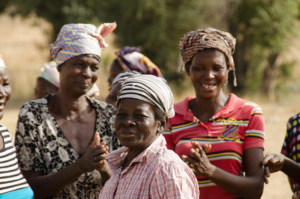 Ghana is a beautiful country in Africa, full of life, located on the coast, rich in history and known for its delicious cuisine. All of these desirable factors make it a location worth visiting, as it attracts many tourists. Many tour websites go into detail about the friendliness, hospitality and use of English as a main language, all of which are intriguing and important to know about a location, whether traveling or not.
However, what is also important is understanding a place beyond the surface and the infrastructure set up for tourists to see. Here’s something to know about women in Ghana.
Women’s Rights in Ghana
Being a woman living in Ghana has not always been sunshine and rainbows. Women’s rights in Ghana started strongly, as pre-colonial society showed more optimistic outcomes. Women were central to agriculture, excelling in farming and trading.
They were also seen as leaders and, in some cases, ruled over others, including men. However, in the ‘50s, when the British colonized Ghana, there was a drastic shift in how women were perceived. They were pushed to the bottom of the social hierarchy, marginalized and excluded from many job opportunities.
After Ghana gained its independence, the fight for women’s rights continued. Violence against women remains common and job scarcity is still something they struggle with. In the ’90s, equal rights laws were passed to address these issues. However, because these reforms are relatively recent, women are still pushing for better representation and stronger policies.
Gender Inequality in Ghana
Women’s rights in Ghana go hand-in-hand with the poverty the country faces. According to the Human Rights Index, Ghana still has a significant gap in gender equality compared to global figures, with a GII value of 0.514, while the world average is 0.455. With the gender social norms score at 98.97% and with higher scores indicating worse outcomes, the data shows how deep the problem runs.
Gender gaps and inequality can directly worsen poverty because they exclude a whole group of people from economic rights, resources and education. When women are unable to help provide for their families, this creates broader insecurity that extends beyond the marginalized group itself.
Women’s Groups Addressing the Gender Gap in Ghana
People in Ghana recognize these issues and have established many organizations to address and change them. These include MamaCare Ghana, which helps educate and support women in marginalized communities and the Alliance for African Women Initiative, which supports women financially by helping them access credit and business education. They also include Women’s Trust, which promotes economic independence and Global Mamas, which provides jobs for women who need to support their families.
These groups have created a meaningful shift in how equality is advancing. There are now job opportunities to pursue, educational gaps to close and a stronger sense of belonging within communities. Global Mamas has made a significant impact by providing training to 62 apprentices and helping its members earn 2.5 times the minimum wage.
Final Remarks
Women’s rights in Ghana have followed a long and emotional journey. Women have been leaders, fighters and now advocates. This struggle does not diminish the country’s beauty, which remains known for its joy, hospitality and strong sense of community, even amid ongoing challenges. People continue to come together through it all, making that beauty even more apparent.
– Danielle Johnson
Danielle is based in Knoxville, TN, USA and focuses on Good News for The Borgen Project.
Photo: Flickr
