Health Care Access in Tajikistan
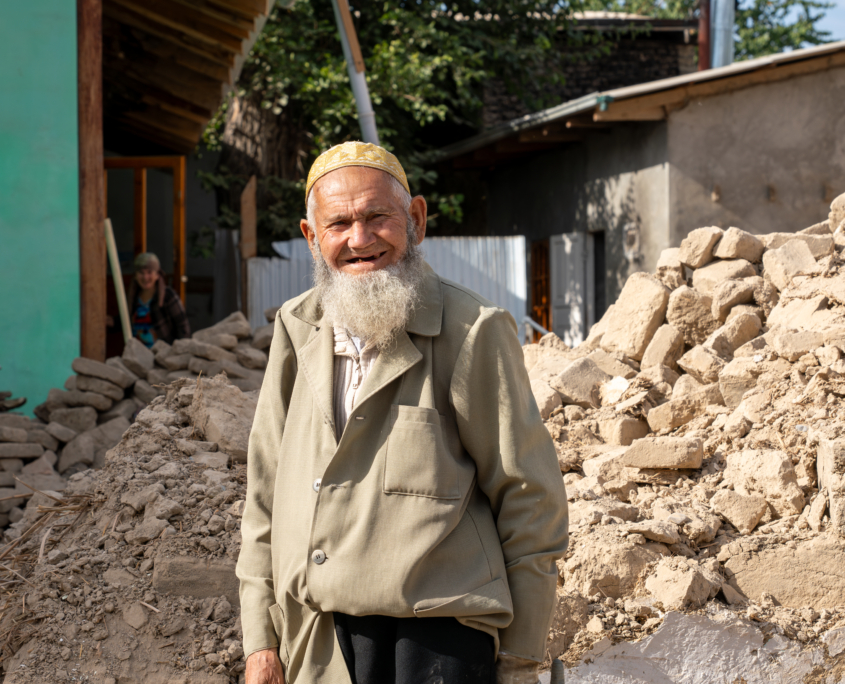 Tajikistan, a country in Central Asia surrounded by Afghanistan, Uzbekistan, China and Kyrgyzstan, faces a health care crisis. With 25% of its population living below the poverty line and a health infrastructure that has barely been updated since the Soviet collapse, access to medical care remains out of reach for millions, particularly in rural areas. Health care access in Tajikistan has become a critical development challenge, encouraging a wave of private sector initiatives attempting to fill the gap left by decades of government underinvestment. Private clinics are expanding slowly, the government is working with civil society organizations to achieve universal health care, and there is a strong foundation that could be built upon in this country.
The Situation in Tajikistan
Tajikistan is the poorest country in the WHO European Region. The World Bank’s 2024 report shows that over 25% of the population lives on less than $3.65 per day, with 80% of the poor living in rural areas. This poverty directly impacts health care access in Tajikistan, where vital treatment remains unaffordable.
In 2025, Tajikistan launched a groundbreaking Universal Health Coverage (UHC) pilot program in the Sughd region, with presidential approval. The pilot tests new health financing and governance reforms designed to improve access and affordability of health care. The early results of this include districts that are investing in services that meet specific community needs, and health facilities are better able to attract primary health care nurses and doctors.
Health Care Access Challenges
Improving health care access in Tajikistan requires addressing severe gaps in basic services. Currently, 44% of Tajik men have never had their blood pressure measured. In 2022, 18% of households experienced catastrophic health spending. In Tajikistan, hospital services require 80% cost-sharing and when compared to a country like India, where controlling blood pressure for hypertension costs just $2-4 per patient annually, this treatment remains unaffordable for many Tajiks. However, a potential foundation is present in this country. Since 2008, there have been free family doctor consultations for all citizens, and an extensive primary care clinic network already exists.
Government and Private Partnerships
In 2023, when Tajikistan declared the ‘Year of Human Capital,’ the $57.25 million World Bank “Millati Solim” (Healthy Nation) project was approved, which aimed to achieve universal health coverage. The World Bank currently finances 26 projects in Tajikistan totalling $1.6 billion and this collaboration is a major government-private partnership. The focus on primary care is targeting the most vulnerable and direct beneficiaries include young children, pregnant women, the elderly and victims of gender-based violence.
Aga Khan Development Network (AKDN) is a private organization that partners with the Tajik government, and in the last 6 years, it has allowed 650,000 people to gain access to primary health care, using teleconsultations to increase access. It has provided over 53,550 people with access to safe drinking water and sanitation, as well as microfinance clients who live in remote, rural areas. AKDN is an example of how private organisations can serve, not exploit, the poor.
The Role and Limits of Private Clinics
Following the 1991 Soviet collapse and the 1990s civil war, many experienced doctors left Tajikistan, so the government had to terminate the free health care program due to a shortage of doctors and supplies. Over the last decade, the private sector in health care has developed. Prospekt Medical Clinic, founded in 2004, is the first western-style clinic in Dushanbe, using western equipment, pharmaceuticals and vaccines, however, hospitals typically require upfront payment in cash. Additionally, rural populations have virtually no access to private care and evidence shows that these clinics cater almost exclusively to wealthy Tajiks and those with international health insurance.
Tajikistan citizens often seek medical management abroad due to the undeveloped medical infrastructure, with India emerging as a leading hub. This means even private clinics in Tajikistan cannot meet the needs of those who may be able to pay, but regardless, private clinics rarely serve the 75% of Tajiks who are in poverty in rural areas.
Looking Ahead
While private clinics offer advanced equipment and western standards, they serve only wealthy urbanites and expatriates in Dushanbe, leaving the 75% of Tajiks in rural poverty completely behind. However, a different model offers hope. The success of partnerships like AKDN and ambitious government initiatives like the $57.25 million Millati Solim project and the Sughd UHC pilot demonstrate that carefully structured public-private collaborations can serve the poor without abandoning them.
Unregulated private clinics serving only those who can pay upfront create inequality, but government-led partnerships with civil society organizations, guided by principles of universal coverage and explicit protection for the vulnerable, can transform health care from a luxury commodity into a fundamental right. For Tajikistan’s millions living on less than $3.65 a day, health care access in Tajikistan depends on this distinction: the difference between care and commerce.
– Anisa Begum
Anisa is based in Birmingham, UK and focuses on Business and Global Health for The Borgen Project.
Photo: Wikimedia Commons
