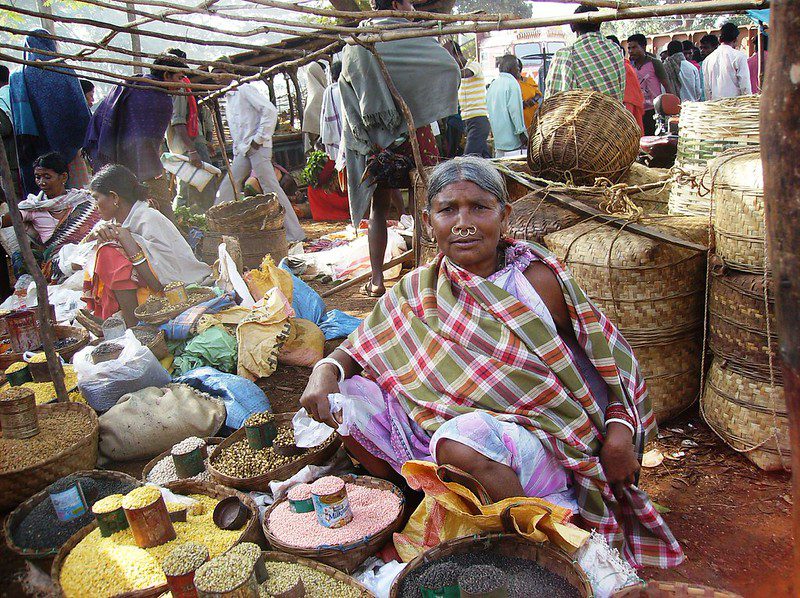
 In the past century, research and individual experiences have revealed the vast impact of gender inequality on women worldwide. India’s poverty landscape reflects this reality. As a result, experts and policymakers consistently stress the importance of reducing India’s gender poverty gap.
The recent COVID-19 pandemic severely disrupted earlier progress and deepened disparities between men and women. Many women, including those who were the sole breadwinners of their families, lost their jobs. This subsequently led to more families being pushed below the poverty line.
Since then, the issue has called for strategic initiatives and approaches to address the widening gender inequality in India.
India’s Gender Gap in Poverty
The poverty gender gap in India is deeply rooted and begins affecting women from birth. A 2021 study conducted by the World Bank found that among children from low-income households, the number of girls was higher than that of boys. While the study uses data from more than 90 countries, the difference mainly occurred in India.
Moreover, this difference only persists in the older age groups. The International Labor Organization (ILO) discovered in 2022 that Indian women earn 20-30% less than their male counterparts. Additionally, social impediments, such as the nature of jobs, complicate women’s efforts to achieve financial independence.
Other societal differences, such as class and caste, further widen the gender gap. One study, focusing on Scheduled Castes (SC) and on Urban versus Rural poverty, from 2021 identified this difference. The study states that SC women earn only 55% of what women from other castes earn.
Additionally, there also arises a difference within this subset when considering urban and rural differences. SC women in urban areas earn slightly more than their rural counterparts. However, it remains lower than that of urban women from other castes. Furthermore, according to another 2023 report, female-headed households showed higher odds of becoming urban poor than male-headed households.
Why Are Women Becoming More Vulnerable to Poverty?
When analyzing the reasons behind India’s gender gap in poverty, several causes come to light. As mentioned earlier, social impediments pose a major difficulty for women. For instance, in Indian society, women often work as domestic help, as in other countries. Domestic work, apart from paying less, is also not included in the national GDP.
This indicates that women’s earnings go unaccounted for in national and international statistics. Relatedly, due to the existing patriarchal model, women also face difficulties due to male-favoring inheritance laws. Studies showed that only 13% of women in India own agricultural land, compared to men. Due to the aforementioned laws, women find it harder to gain control of their assets.
However, one of the major drivers of rising poverty among women is limited access to education. In India, school dropout rates are often alarmingly higher among girls than boys. Early marriages in families residing below the poverty line result in many women not having their high school diplomas.
The Indian Ministry of Statistics and Program Implementation (MOSPI) released a detailed education report in 2016. In this report, females account for higher numbers in nearly every category of student dropouts aged 5 to 29, with only a few exceptions. Additionally, according to the 2020 census, the female literacy rate was 70.3%, 14.4 percentage points lower than the male literacy rate of 84.7%. The lack of education hinders a wide range of opportunities that could help women become financially independent.
Government Initiatives and Programs Aiding Women in Poverty
Women’s empowerment has been an integral part of the Indian government’s agenda in the last few decades. From abolishing Sati to providing education for girls, Indian lawmakers have always focused on opening new avenues of concession for women. While there are implementation issues, the government provides funding for new women-centered initiatives every year.
In 2026, leaders announced schemes for girl child, for women entrepreneurs and capital development. The “Lakpathi Didi Scheme” aims to help women in self-help groups earn more than $1,000. This strategy, when effectively implemented, can alleviate poverty largely among women.
Another economic development initiative, the Trade Related Entrepreneurship Assistance and Development (TREAD) Scheme, aims to support the growth of women entrepreneurs. Under the scheme, the government enables eligible women to access business loans of up to $3,224 to establish their enterprises.
Thirdly, officials also announced the “Stand Up India Mission,” focusing on lower-strata social groups. Women from the SC and the Scheduled Tribes are the target audience for this initiative. It provides loans ranging from $12,900 to $129,000. Through this, the government claims to cover nearly 75% of the production costs for these women’s startups.
Finally, in the spirit of providing financial security, parents of newborn girls can now open bank accounts offering high interest rates. This program, called the “Sukanya Samriddhi Yojana,” was launched as part of the Girl Child Scheme from 2015.
Other Gender Gap Reduction Strategies
Experts and lawmakers have stated that reducing the gender gap requires more than a single approach. The above governmental schemes directly address women’s economic deficiencies, aiming to elicit long-term solutions. For this reason, world changemakers believe that education is a powerful tool for women’s empowerment.
Shivani Nithyanandhan is a member of Kongu Business Forum, a platform that aims to empower individuals in business in the Kongu region. She spoke to The Borgen Project about different strategies that could help women become financially secure. Speaking of education, Nithyanandhan stated, “Access to education and skill development is key. When women are equipped with relevant skills, whether in business, digital literacy or vocational areas, they gain the confidence and ability to earn independently.”
Nithyanandhan also discussed the need for a supportive community for women in poverty to help them set up businesses. The Kongu Business Forum regularly conducts knowledge-sharing sessions to educate women about business opportunities in their locale. Since the Kongu region’s major source of income is agriculture, Nithyanandhan says that the forum aims to help women explore opportunities in agri-related enterprises.
Looking Ahead
India’s gender gap in poverty, similar to that of other countries, has received focus over the last few decades. While visible results do exist, women’s lack of awareness about upliftment schemes continues to hinder widespread growth. Nithyanandhan from the Kongu Business Forum discusses the need for financial and digital literacy that could help prevent this issue.
She also discussed how women’s empowerment within impoverished populations can have a ripple effect. When educated and financially empowered, the female population can positively impact the growth of their community. In this manner, reducing the gender gap also contributes to reducing global poverty.
– Shafika Fathima
Shafika is based in Chennai, India and focuses on Good News and Global Health for The Borgen Project.
Photo: Flickr

How Motorbikes Are Helping Fight Poverty in Kenya
As a result, the U.N. World Food Program (WFP) states that 29% of children living in Kenya’s rural areas are stunted due to severe malnutrition. The country also faces a growing housing crisis, with an estimated 46,639 people in Kenya living without a stable shelter. However, a solution to Kenya’s poverty has emerged from an unlikely yet remarkable sector: the motor industry.
Motorbikes are helping to fight poverty in Kenya by creating new economic opportunities across the country. Data from World Population Review shows that Kenya has more than one million motorbikes, surpassing other major nations such as Canada, with around 736,200 and South Africa, with 346,600.
Alleviating Youth Unemployment
Motorbikes play a critical role in alleviating youth unemployment. Kenya’s overall unemployment rate stands at approximately 12.7%, with young people accounting for 67% of that figure. From the age of 15, many young Kenyans struggle to secure stable forms of employment. For many young people, motorbikes are more than just transport; they allow riders to work independently and set their own hours, offering greater economic autonomy.
On average, young motorbike operators can earn at least $8.87 per day, providing a vital livelihood and reducing reliance on scarce formal employment opportunities.
Supporting Small Businesses
Motorbikes also play a crucial role in supporting small businesses struggling to compete with larger companies. In Kenya, more than 7.4 million Micro, Small and Medium Enterprises (MSMEs) operate, contributing to 40% of the country’s total GDP. Despite their importance, many of these businesses face significant challenges, including limited mobility and difficulty reaching customers.
Motorbikes address these barriers by providing an affordable and reliable means of transport. Their efficiency has earned the trust of small business owners. Thus, by reducing logistical constraints, motorbikes enable local entrepreneurs to increase productivity and compete more effectively within Kenya’s growing economy.
The Boda Girls Initiative
Motorbikes not only support individual livelihoods but also strengthen key public sectors. Within the humanitarian sector, the motorbike industry has created new opportunities to improve access to health care. In 2022, a group of women known as the Boda Girls emerged, using motorbikes to reach remote communities and support maternal care. Their work focuses on transporting expectant mothers to medical facilities for essential checkups and scans at no extra cost.
This intervention is particularly important given the scale of preventable infant deaths in Kenya. Poor living conditions and limited access to health care contribute to high child and maternal mortality rates. According to UNICEF, approximately 64,500 children in Kenya die each year before the age of 5 from preventable causes such as pneumonia and diarrhea.
In addition to providing medical support for pregnant mothers, protection for younger girls traveling to and from school is being strengthened through the use of boda boda motorbikes. Young girls often encounter predatory behavior and instances of assault during long journeys to school. The Boda Girls initiative addresses this problem by providing free transport for schoolgirls and ensuring a safe environment.
By supporting schoolgirls with safe transportation, the likelihood of them staying in education increases, improving their academic outcomes and long-term opportunities. This increased school attendance further equips girls with the skills and knowledge needed to improve their future earning potential, enabling them to break free from cycles of poverty.
Conclusion
The operation of these motorbikes in Kenya represents more than a simple means of transportation. They serve as a significant tool in the fight against poverty in Kenya, contributing both economically and socially to the communities they serve. By facilitating education, improving safety and supporting livelihoods, these motorbikes enhance individual potential and help reduce broader challenges associated with poverty.
– Sophia Lupo
Photo: Flickr
How Babychecker Transforms Maternal Health Care in Honduras
The State of Maternal Health Care in Honduras
Although Honduras has reduced maternal mortality over the past two decades, significant disparities persist, especially in rural and underserved regions. The country lowered its maternal mortality ratio from 199 deaths per 100,000 live births in 2000 to 47 in 2023. However, unequal access to care still puts many women at risk.
The COVID-19 pandemic exposed and intensified these vulnerabilities. Health system disruptions limited access to prenatal and reproductive services. This caused maternal mortality rates to surge from 61 to 125 deaths per 100,000 live births in the aftermath. This situation reflects a broader global pattern.
The World Health Organization (WHO) reports that nearly 800 women die every day from preventable pregnancy-related causes, with 90% of these deaths occurring in low-resource settings. In Honduras, limited access to essential diagnostic tools continues to hinder progress.
Health care providers struggle to use traditional ultrasound machines in remote areas because these devices are expensive, require stable electricity and specialized training. As a result, many women complete their pregnancies without adequate monitoring, which increases the risk of complications.
Why Are Ultrasounds Crucial To Preventing Prenatal Death?
Ultrasound plays a critical role in reducing prenatal and neonatal mortality by enabling the early detection of life-threatening complications. Globally, neonatal deaths account for nearly half of all deaths among children under 5, with preterm birth complications, infections and intrapartum-related conditions among the leading causes. Many of these risks originate during pregnancy and can be identified early through proper monitoring.
Health care providers use ultrasound to detect a wide range of complications that can endanger both mother and child. For example, ultrasound can identify ectopic pregnancies (when a pregnancy develops outside the uterus), allowing doctors to intervene before rupture and internal bleeding occur. It also helps assess fetal heart activity and development, enabling the early detection of miscarriage risks.
In addition, clinicians rely on ultrasound to screen for chromosomal abnormalities such as Down syndrome and detect structural defects like congenital heart conditions or spina bifida. They also use it to monitor fetal growth and prevent complications linked to growth restriction. Ultrasounds also allow providers to diagnose placental issues, such as placenta previa or placental abruption, which can pose severe risks during delivery.
By identifying these conditions early, health care workers can plan safer deliveries and refer patients to appropriate care on time. Evidence highlights the impact of this technology: one study found that the introduction of ultrasound reduced fetal mortality by nearly 20% overall and by more than 50% in post-term pregnancies. These findings underscore the importance of ultrasound access in improving pregnancy outcomes, particularly in settings where other forms of monitoring remain limited.
Babychecker: A Digital Solution to the Rescue
To address these gaps, the Honduran Ministry of Health partnered with the United Nations Population Fund (UNFPA) and Delft Imaging to launch the BabyChecker pilot project. BabyChecker uses a smartphone-based, AI-powered ultrasound system to expand access to prenatal care. The device allows health care workers with minimal training to perform scans and assess pregnancy risks.
By guiding users through six simple sweeps across the abdomen, the tool provides key clinical information, including gestational age, fetal position, heart rate and early signs of complications. This approach transforms how providers deliver care. Instead of requiring patients to travel to distant hospitals, BabyChecker enables frontline health care workers to conduct diagnostics directly within their communities.
By decentralizing access to diagnostics, BabyChecker is transforming maternal health care in Honduras.
Transforming Care in Underserved Communities
In October 2024, health care teams deployed BabyChecker devices across hospitals and rural clinics in regions including Intibucá, Choluteca and La Paz. These areas include Indigenous communities such as the Lenca, Garífuna and Miskito. During the pilot phase, around 400 pregnant women received care through the program.
Local health assistants and community volunteers quickly learned how to use the device, even in settings without reliable internet or electricity. They used BabyChecker to estimate gestational age, detect multiple pregnancies and identify warning signs, allowing them to refer high-risk cases to advanced care in time.
The initiative also improved trust in health care services. In many Indigenous communities, women prefer to consult trusted local figures rather than unfamiliar medical professionals. By equipping community members with this technology, the program increased acceptance of prenatal care. It strengthened engagement, further demonstrating BabyChecker’s transformation of maternal health care in Honduras.
A Step Toward Reducing Maternal Mortality
BabyChecker is transforming maternal health care in Honduras by enabling earlier detection of complications and accelerating referrals to appropriate care. The technology allows health care workers to act quickly and reduce preventable risks for both mothers and infants. More broadly, the initiative shows how targeted, low-cost innovation can help close persistent gaps in health care access, particularly in underserved and rural communities.
As Honduras continues to face structural challenges such as poverty, inequality and environmental vulnerability, solutions like BabyChecker are increasingly vital. By combining accessible technology with community-based care and international partnerships, health care systems can better protect vulnerable populations and improve pregnancy outcomes.
This model is already expanding beyond Honduras. BabyChecker is currently in use in countries such as Sierra Leone and Ghana, where it similarly supports frontline health care workers and improves access to prenatal diagnostics. Its growing adoption highlights its potential as a scalable global solution to reduce maternal mortality and strengthen health care systems in low-resource settings.
– Inès Maudire
Photo: Unsplash
How Community Grains Banks Reduce Hunger in Rural Nepal
Food Insecurity in Rural Nepal
In rural regions of Nepal, food insecurity remains a significant challenge for many families. Geographic isolation, limited infrastructure and seasonal farming cycles often leave communities without reliable year-round access to food. During the months between harvests, many households face shortages that can lead to malnutrition, debt and deepened poverty.
According to the journal “Food Insecurity, Food Grain Imports and Agricultural Exports in Nepal: A Data Analysis Comparison (1990–2023),” “Food insecurity persists as a pressing issue, particularly in rural areas where undernutrition and food shortages remain prevalent.”
The Impact of Post-Harvest Loss
One major factor contributing to food insecurity in Nepal is post-harvest loss. Limited access to proper storage facilities and technologies leaves stored grain vulnerable to pests, moisture and spoilage. As a result, a substantial portion of harvested crops is lost before they can be consumed or sold.
According to research, “Farmers in Nepal lose up to one-third of stored grain to pests and diseases.” This significantly reduces both household food availability and income.
A Community-Based Solution
To address these challenges, some communities have turned to an innovative and locally driven solution: community grain banks. Grain banks are cooperative systems in which villagers collectively store surplus crops such as rice, wheat or maize after harvest. Each household contributes a portion of its yield to a shared reserve.
When food becomes scarce, families can borrow from the bank and repay the grain after the next harvest, often with a small additional amount to sustain the system. This approach provides a critical safety net. By ensuring access to food during difficult periods, community grain banks in rural Nepal help prevent hunger and reduce the need for high-interest loans, which many families would otherwise rely on to purchase food. In doing so, they play a direct role in breaking cycles of poverty.
In one rural community in Nepal, a grain bank was established to support families vulnerable to seasonal flooding and food shortages. Households contribute grain during harvest and those in need can borrow supplies during emergencies, repaying slightly more after the next harvest. The system follows a structured policy: “If people take 40 kilograms of paddy from the bank, they must return a total of 50 kilograms once they harvest their farm.”
Community leaders emphasize the program’s impact, with Urmila Rishidev, president of Shanti Nari DMT, stating, “The grain bank has been a boon for our community because our children do not have to starve when a flood comes.”
Improving Storage and Long-Term Resilience
In remote areas where access to markets is limited, the role of community grain banks in reducing hunger in rural Nepal is further demonstrated through their ability to stabilize local food systems. Instead of depending on fluctuating food prices or distant supply chains, communities can rely on their own reserves. This increases resilience and allows families to better manage economic uncertainty.
Additionally, improving storage practices is essential to maximizing the impact of these systems. Research highlights that improved technologies can significantly reduce losses and strengthen food security. According to findings, hermetic storage methods are viable, chemical-free alternatives to traditional methods and pesticides used by smallholder farmers for grain storage.
They effectively control pests of stored products, maintain seed quality, improve food security and increase the income of smallholder farmers. This demonstrates how better storage solutions can directly support both food availability and household income.
Conclusion
Community grain banks represent a practical and community-driven approach to addressing food insecurity in rural Nepal. By reducing post-harvest losses, improving access to food during seasonal shortages and strengthening local cooperation, these systems help mitigate key drivers of poverty. While challenges remain, continued support for grain banks and improved storage solutions can help build more resilient, food-secure communities.
– Grelby Santos
Photo: Flickr
How Gamified Learning Is Expanding Access to Education in Kenya
What Is Gamified Learning and Why It Matters
Gamified learning refers to the use of game elements, such as quizzes, rewards and progress tracking, to make learning more engaging and interactive. Instead of relying solely on traditional teaching methods, it introduces systems that allow learners to “level up,” monitor their progress and improve through practice rather than being penalized for mistakes.
This model also supports more flexible learning, enabling individuals to follow different paths and build skills at their own pace. By creating a more supportive and motivating environment, gamified learning encourages consistent participation. It helps learners stay engaged over time, especially in contexts where maintaining motivation is a challenge.
Expanding Access Through Digital and Gamified Learning in Kenya
Digital learning platforms are helping address long-standing education challenges in Kenya, particularly in areas where resources and classroom support remain limited. Research shows that gamification within e-learning platforms can improve motivation, engagement and overall learning outcomes, making it a valuable tool in education systems facing persistent learning gaps.
In Kenya, platforms such as Eneza Education use mobile-based learning to reach students who may lack access to traditional educational resources. Through SMS-based lessons, quizzes and interactive features, students can practice regularly and receive feedback, even with basic mobile phones. This approach is especially valuable in rural areas, where internet access and infrastructure are often limited.
At the same time, increasing mobile access is making these solutions more widely available. Smartphone penetration in Kenya has reached around 83.5%, enabling more students to access digital learning tools and educational content through their devices.
Beyond Eneza, the broader rise of education technology in Kenya is making learning more flexible and accessible. Digital tools allow students to learn at their own pace, revisit difficult topics and stay engaged through interactive content. By combining accessibility with engagement, gamified digital learning is helping reduce educational gaps and reach students who might otherwise be left behind.
From Learning to Economic Opportunity
Education is often the starting point for preventing long-term challenges, especially poverty. When people have access to quality learning, they are more likely to develop the skills needed to secure stable jobs, build businesses and improve their living conditions. In Kenya, this link between education and economic growth is already becoming clear.
According to the World Bank, the country has made significant progress through education reforms, reaching more than 16 million students across nearly 90,000 schools. These improvements have helped position Kenya among the top education performers in Eastern and Southern Africa. At the same time, the country’s economy is expected to grow by around 5% annually, highlighting the role of education in broader economic development.
Learning outcomes have also improved over time. For example, performance in subjects such as mathematics and languages has improved, while secondary school enrollment rose by more than 50% in the years before the pandemic. These developments matter because stronger learning outcomes are directly linked to better job opportunities and higher income potential.
Similarly, research shows that innovative approaches such as gamified learning can further strengthen this impact. Gamification is not just about engagement; it also helps build practical skills such as problem-solving, decision-making and digital literacy. In development contexts, these skills are essential for employment and entrepreneurship.
Studies have shown that gamified learning environments can improve motivation, participation and knowledge retention, making education more effective overall.
Conclusion
As digital access continues to expand in Kenya, learning is no longer limited to traditional classrooms. Gamified learning, combined with mobile-based education, is creating more flexible and accessible ways for students to build skills and stay engaged. This is especially important in contexts where consistent access to quality education remains a challenge.
Together, these developments point to a clear pathway: education builds skills, skills create opportunities and opportunities help reduce poverty. By improving both access to education and the way people learn, Kenya is not only strengthening its education system but also creating new pathways for economic participation and long-term development.
– Elif Oktar
Photo: Flickr
Development of Health Care in Solomon Islands
Geographic isolation, natural disasters and systemic gaps such as shortages of medical equipment and staff create major barriers in accessing health care in rural areas. Improving health care in the Solomon Islands is critical for public health and for addressing the broader systemic issues, supporting economic stability and growth.
Konide Area Health Centre
In 2018, the old Konide clinic collapsed due to decades of deterioration and was forced to close. Consequently, rural communities had to rely on small health clinics such as the Susubona Rural Health Clinic, which was far too small to handle the sudden surge in patients. Residents had to travel long distances to Buala Hospital, causing delays in treatment and referrals. These delays often lead to worse health outcomes, causing patients to miss work or school and lose income, increasing the risk of poverty.
In November 2025, the new Konide Area Health Centre opened following an investment of SBD 20.8 million. The opening marked a major expansion of health care in Solomon Islands, as communities now have better access to services such as general clinical services and trauma care, maternal and reproductive health, communicable and non-communicable diseases, community-based health services, and additional support services.
Residents in Konide and nearby communities can now access care closer to home and receive more timely treatment.
The World Bank’s ECHO project
Efforts to improve health care in Solomon Islands also include support from the World Bank through the Engaging Communities to Improve Health Outcomes (ECHO) project. Managed by the Ministry of Health and Medical Services (MHMS), the initiative aims to strengthen essential health systems and improve access to primary health care services across the country.
The ECHO project consists of three components aimed at improving primary health care, which are Strengthening Primary Health Care Services, National Supply Chain Management (SCM) and Project management, monitoring, and stakeholder engagement.
The first component focuses on access to primary health care services with a Community Health Worker (CHW) program, along with climate-resistant infrastructure improvements to Rural Health Centres (RHCs), and the expansion of digital tools for efficient monitoring and reporting. To ensure a steady supply of essential medicines, the second component aims to upgrade the national supply chain through staff training, system improvements, and the construction of a pharmaceutical warehouse in Noro. Lastly, the third component establishes an MHMS-based Project Management Unit (PMU) modelled after COVID-19 response structures. The PMU is responsible for operational oversight, data-driven monitoring, and community engagement. By providing technical support and coordination, it ensures the ECHO project aligns with national health strategies.
Solomon Islands Development Partnership Plan
Australia and the Solomon Islands share a partnership, with Australia serving as the Solomon Islands’ largest development partner. The Australia – Solomon Islands Development Partnership Plan 2024-2029 (DPP) coordinates Australian contributions to support Solomon Islands’ domestic development initiatives and strengthen health care in Solomon Islands. It establishes clear objectives, implementation methods, and monitoring protocols to track progress and ensures Australia’s efforts align with other international development actors to avoid duplication of efforts and maximize impact.
In addition, the DPP also has a primary goal of fostering “A stable and prosperous Solomon Islands” with three objectives. One of their objectives is to invest in people and communities to improve health and education. While another focuses more on improved stability and economic growth as well as infrastructure. This commitment is reflected in Australia’s investment in health care by providing SBD 32.9 million for health services, SBD 9.1 million for crucial medical supplies, completing a scabies mass drug administration program for up to SBD 14.8 million, and fostering four new biomolecular laboratories in Choiseul, Temotu, and Western and Guadalcanal Provinces.
Part of the DPP, in March 2025, the MHMS and the Australian high commissioner launched a health partnership called the “Solomon Islands Australia Health Partnership” investing approximately SBD 150 million until 2028 to promote high-quality health care and access.
The partnership focuses on promoting Provincial Grants including SBD 75 million to provincial health services, National Health Priorities Fund, the Health facility Fund and the Women in Health Leadership Awards, a new initiative to promote gender equity, and to empower women within the health care sector. With provincial funding, communities in rural areas are driven towards increased health care access and leadership that empowers a stronger health system, which all play a role in reducing poverty and other systemic issues. Together, these four key areas are designed to strengthen high-quality health care, enhance services and economic growth.
The Future
In a country with more than 900 islands, the progress of the health system is crucial in addressing health care accessibility and larger systemic issues, such as global poverty. New infrastructure developments such as the Konide Area Health Centre, initiatives from the World Bank, namely the ECHO project, and partnerships from Australia, are creating lasting progress for health care in Solomon Islands. Continued investment and partnerships will strengthen public health, increase economic growth, and advance productivity, which will help the Solomon Islands move closer towards a more sustainable future.
– Bianca P. Gunawan
Photo: Flickr
PERi-Farms: Nando’s Supporting Smallholder Farmers
In Southern Africa, agriculture remains central to both livelihoods and economic growth, with 60% of the population depending on the sector for income and survival. Yet the region continues to face severe malnutrition, exposing a deep contradiction between reliance on agriculture and persistent food insecurity. Farmers across the region face major barriers, including limited access to technology, climate shocks and chronic food insecurity.
These challenges make it difficult for farming households to move beyond the poverty line or earn enough to sustain themselves and their families, reinforcing a cycle of intergenerational poverty.
Nando’s PERi-Farms
In response to the challenges Southern African farmers face in earning a sustainable living, Nando’s launched a scheme to promote sustainable farming. Recognizing the region’s heavy dependence on agriculture, the company identified an opportunity to help improve the quality of life for smallholder farmers by addressing the setback created by limited resources and low incomes.
In 2012, Nandos committed to supporting smallholder farms in Southern Africa by buying chilies from farmers in Mozambique, Malawi, Zimbabwe and South Africa for use in its well-known PERi-PERi sauces. What began with just six farmers, who supplied 1.6% of Nando’s chili requirements at the time, has since grown to more than 1,400 farmers across 18 growing regions in those four countries.
Through this model, Nando’s provides smallholder farmers with a more stable income throughout the season. This stability helps protect farmers from price fluctuations driven by crop quality, climate-related disruptions and early-season pricing pressures. Regional farming organizations run the project on Nando’s behalf.
They teach smallholder farmers in Southern Africa more sustainable farming practices and provide them with finance, materials and seedlings that they may have found hard to obtain. As a result, findings from the Impact Amplifier show that, compared with national averages in their respective countries, farmers in Nando’s supply chain are 95% more food secure, 75% more energy secure and achieve 80% higher completion rates across primary, secondary and tertiary education.
How This Makes a Difference
The Impact Amplifier has strengthened Nando’s capacity in areas such as professional development, food security, health care and education. This has enabled the company to better support independent smallholder farmers in Southern Africa. It does so by improving access to finance and agricultural inputs, providing training in efficient farming practices and offering more stable pricing throughout the growing season.
This means that smallholder farmers in Southern Africa can afford to educate their children, expand their homes, access solar power and grow their livestock herds. In turn, this helps families build more secure futures and gradually break the cycle of poverty.
Future Initiatives
With the success of the PERi-Farms program, Nando’s has expanded its support beyond the well-known African Bird’s Eye chilies to other crop-growing areas. The scheme now also includes crops such as paprika and cayenne pepper, both key ingredients in Nando’s famous PERi-PERi sauce. This expansion is expected to increase income opportunities and extend support to more smallholder farmers.
Nando’s support for smallholder farmers also promotes gender inclusion, creating opportunities for women through female-focused farming initiatives. Ciara Carpenter, a former intern at Nando’s Malaysia, explained in an interview with The Borgen Project: “They allow women to work on the farms and they provide some form of education and teaching to enable them to progress and grow so they can get other jobs.”
Through this approach, Nando’s enables women to build independence, expand their economic opportunities and better support their families, contributing to more resilient livelihoods.
Final Remarks
“It is nice to understand how some companies are incorporating CSR and sustainability practices into their operations. The Nando’s chili farm not only farms chili but also supports education and helps women get jobs. The farms teach their farmers so that they can then progress onto new things,” Carpenter said as a closing remark in an interview with The Borgen Project.
Through its efforts to help address global poverty, Nando’s has improved the quality of life for smallholder farmers in Southern Africa. The company’s scheme has helped farming families gain access to more stable incomes, better education, improved housing conditions and greater knowledge of sustainable, long-term agricultural practices. In an interview with The Borgen Project, Ciara Carpenter also highlighted the equal opportunities Nando’s creates for women. She explained how Nando’s Malaysia contributes to the company’s wider commitment to sustainable sourcing.
– Freya Bryers
Photo: Flickr
Women-Centered Approaches: Countering India’s Gender Gap
The recent COVID-19 pandemic severely disrupted earlier progress and deepened disparities between men and women. Many women, including those who were the sole breadwinners of their families, lost their jobs. This subsequently led to more families being pushed below the poverty line.
Since then, the issue has called for strategic initiatives and approaches to address the widening gender inequality in India.
India’s Gender Gap in Poverty
The poverty gender gap in India is deeply rooted and begins affecting women from birth. A 2021 study conducted by the World Bank found that among children from low-income households, the number of girls was higher than that of boys. While the study uses data from more than 90 countries, the difference mainly occurred in India.
Moreover, this difference only persists in the older age groups. The International Labor Organization (ILO) discovered in 2022 that Indian women earn 20-30% less than their male counterparts. Additionally, social impediments, such as the nature of jobs, complicate women’s efforts to achieve financial independence.
Other societal differences, such as class and caste, further widen the gender gap. One study, focusing on Scheduled Castes (SC) and on Urban versus Rural poverty, from 2021 identified this difference. The study states that SC women earn only 55% of what women from other castes earn.
Additionally, there also arises a difference within this subset when considering urban and rural differences. SC women in urban areas earn slightly more than their rural counterparts. However, it remains lower than that of urban women from other castes. Furthermore, according to another 2023 report, female-headed households showed higher odds of becoming urban poor than male-headed households.
Why Are Women Becoming More Vulnerable to Poverty?
When analyzing the reasons behind India’s gender gap in poverty, several causes come to light. As mentioned earlier, social impediments pose a major difficulty for women. For instance, in Indian society, women often work as domestic help, as in other countries. Domestic work, apart from paying less, is also not included in the national GDP.
This indicates that women’s earnings go unaccounted for in national and international statistics. Relatedly, due to the existing patriarchal model, women also face difficulties due to male-favoring inheritance laws. Studies showed that only 13% of women in India own agricultural land, compared to men. Due to the aforementioned laws, women find it harder to gain control of their assets.
However, one of the major drivers of rising poverty among women is limited access to education. In India, school dropout rates are often alarmingly higher among girls than boys. Early marriages in families residing below the poverty line result in many women not having their high school diplomas.
The Indian Ministry of Statistics and Program Implementation (MOSPI) released a detailed education report in 2016. In this report, females account for higher numbers in nearly every category of student dropouts aged 5 to 29, with only a few exceptions. Additionally, according to the 2020 census, the female literacy rate was 70.3%, 14.4 percentage points lower than the male literacy rate of 84.7%. The lack of education hinders a wide range of opportunities that could help women become financially independent.
Government Initiatives and Programs Aiding Women in Poverty
Women’s empowerment has been an integral part of the Indian government’s agenda in the last few decades. From abolishing Sati to providing education for girls, Indian lawmakers have always focused on opening new avenues of concession for women. While there are implementation issues, the government provides funding for new women-centered initiatives every year.
In 2026, leaders announced schemes for girl child, for women entrepreneurs and capital development. The “Lakpathi Didi Scheme” aims to help women in self-help groups earn more than $1,000. This strategy, when effectively implemented, can alleviate poverty largely among women.
Another economic development initiative, the Trade Related Entrepreneurship Assistance and Development (TREAD) Scheme, aims to support the growth of women entrepreneurs. Under the scheme, the government enables eligible women to access business loans of up to $3,224 to establish their enterprises.
Thirdly, officials also announced the “Stand Up India Mission,” focusing on lower-strata social groups. Women from the SC and the Scheduled Tribes are the target audience for this initiative. It provides loans ranging from $12,900 to $129,000. Through this, the government claims to cover nearly 75% of the production costs for these women’s startups.
Finally, in the spirit of providing financial security, parents of newborn girls can now open bank accounts offering high interest rates. This program, called the “Sukanya Samriddhi Yojana,” was launched as part of the Girl Child Scheme from 2015.
Other Gender Gap Reduction Strategies
Experts and lawmakers have stated that reducing the gender gap requires more than a single approach. The above governmental schemes directly address women’s economic deficiencies, aiming to elicit long-term solutions. For this reason, world changemakers believe that education is a powerful tool for women’s empowerment.
Shivani Nithyanandhan is a member of Kongu Business Forum, a platform that aims to empower individuals in business in the Kongu region. She spoke to The Borgen Project about different strategies that could help women become financially secure. Speaking of education, Nithyanandhan stated, “Access to education and skill development is key. When women are equipped with relevant skills, whether in business, digital literacy or vocational areas, they gain the confidence and ability to earn independently.”
Nithyanandhan also discussed the need for a supportive community for women in poverty to help them set up businesses. The Kongu Business Forum regularly conducts knowledge-sharing sessions to educate women about business opportunities in their locale. Since the Kongu region’s major source of income is agriculture, Nithyanandhan says that the forum aims to help women explore opportunities in agri-related enterprises.
Looking Ahead
India’s gender gap in poverty, similar to that of other countries, has received focus over the last few decades. While visible results do exist, women’s lack of awareness about upliftment schemes continues to hinder widespread growth. Nithyanandhan from the Kongu Business Forum discusses the need for financial and digital literacy that could help prevent this issue.
She also discussed how women’s empowerment within impoverished populations can have a ripple effect. When educated and financially empowered, the female population can positively impact the growth of their community. In this manner, reducing the gender gap also contributes to reducing global poverty.
– Shafika Fathima
Photo: Flickr
Rohingya Education Is Critical to Children’s Mental Health
Education Restrictions in Bangladesh
In Bangladesh, access to education for Rohingya children is shaped by government policy, influenced by the expectation that refugees will eventually return to Myanmar. To prevent long-term integration, authorities have restricted formal schooling, prohibited accredited curricula and limited language instruction. As a result, most children are confined to informal learning centers that do not lead to recognized qualifications, and access to secondary education remains extremely limited.
In addition to limited access to education, Rohingya children face strict movement restrictions and are confined to overcrowded refugee camps, with few opportunities to integrate into broader society. They cannot enroll in formal Bangladeshi schools or access the national curriculum, which further limits their future opportunities. Without access to recognized education or employment pathways, many children grow up with increasing uncertainty about their future, reinforcing cycles of vulnerability and exclusion.
Funding Cuts and Growing Risks
As of 2025 and early 2026, the situation has worsened due to major funding cuts. Thousands of learning centers have closed, leaving hundreds of thousands of children without access to education and raising concerns about a “lost generation.” Reduced access to schooling has also led to increases in child labour and early marriage. Although the Bangladesh government has begun funding Rohingya education with support from the World Bank, access remains limited—especially for adolescents—and pathways to accredited or higher education are still largely unavailable.
Restoring Hope Through Learning Programs
At a UNICEF-supported multi-purpose centre in Kutupalong, 13-year-old Nur is learning solar panel repair after years of displacement. He had always dreamed of becoming a teacher, but limited access to education left him feeling uncertain and without direction. Like many Rohingya children, he experienced a sense of hopelessness as opportunities to learn remained out of reach. Through structured learning and skills-based training, these programs are helping children like Nur regain confidence and begin to imagine a different future.
Children make up a large share of the Rohingya population, many of whom face risks such as child labor, domestic violence and early marriage. These experiences can contribute to anxiety, stress and emotional distress. When access to education declines, the consequences extend beyond learning, increasing vulnerability and weakening protection systems within the camps.
UNICEF Programs and Community Impact
UNICEF-supported learning centers provide structured environments where children can learn, interact with peers and access psychosocial support. These spaces create routine and safety, both essential for emotional stability. Multi-purpose centers further expand opportunities by combining learning with skills-based training, helping children regain a sense of purpose.
Building on these efforts, child-friendly spaces and trained facilitators play a key role in supporting children’s mental health. These programs provide safe environments for play, creativity and emotional expression, while educators trained in psychosocial support help identify distress and foster inclusive, supportive spaces.
Expanding Access and Future Opportunities
Addressing these challenges requires sustained policy and funding commitments. As the host country, Bangladesh plays a central role in expanding access to meaningful and continuous education. Increasing opportunities for secondary learning, certification pathways and teacher support could significantly improve outcomes. Continued collaboration with international organizations and donors may help stabilize services and expand opportunities for children who have already lost years of schooling.
Education programs in the camps demonstrate how learning can support protection, recovery and long-term resilience. For Rohingya children like Nur, access to safe and structured environments is helping restore hope and bring the possibility of achieving their dreams—such as becoming a teacher—within reach.
– Isil Ertas Senturk
Photo: Flickr
Poverty Reduction and Women Entrepreneurs in Nigeria
Female-led companies have created jobs, driven local economic growth and expanded access to essential goods and services across sectors. Here are some ways women entrepreneurs continue to strengthen the economy of Nigeria while advancing broader efforts to reduce poverty.
Improving Access To Essential Health Services
Olamide Orekunrin was on one of her frequent visits to her home city, Lagos, when her sister became critically ill. With no equipment or drugs to revive her and no reliable way to get her to a hospital, the situation quickly turned critical. What would have been easily accessible lifesaving care in many places instead exposed a gap in Lagos’ health system that led to her sister’s untimely death.
This motivated Orekunrin to start Flying Doctors, a medical emergency service specializing in air ambulances. The organization introduced the first air ambulance service in Nigeria and West Africa. Flying Doctors has successfully evacuated victims of road accidents, bomb blasts, fire outbreaks and other mishaps across Africa.
Female-led businesses like Flying Doctors combine passion with humanitarianism and have helped ensure that all Nigerians have access to essential emergency medical services.
Supporting Community Development
When it comes to entrepreneurship, women-led businesses reinvest up to 90% of income back into their families and communities, compared to 30–40% for men. Female entrepreneurs in Nigeria have launched initiatives such as skills-training programs, education services and other community-focused enterprises. Tutoring and educational initiatives help keep children in school longer.
Each additional year of schooling for girls can increase future earnings by up to 20%. Child care centers enable mothers to remain in the workforce and accelerate their career paths while balancing motherhood. Skills and training programs do the same. These services, which allow more women to join the workforce and children to stay in school longer, are tackling both child poverty and female poverty.
Job Creations
With women accounting for 43% of micro-enterprise ownership and about 40% of early-stage entrepreneurial activity, their businesses are a major source of employment and income in communities where poverty is widespread. Women-owned businesses employ several low-income women and youth. These businesses provide essential services like tailoring and clothing, transportation and logistics, food retail and hospitality and digital services and e-commerce.
These businesses not only expand access to affordable everyday services in underserved communities, but also create jobs for the people in those communities. In doing so, they are reducing reliance on Nigeria’s limited formal job market. By generating income and supporting more sustainable livelihoods, women-led enterprises are helping households and communities lift themselves out of extreme poverty.
Final Remarks
Ultimately, women-owned businesses often serve female customers and underserved communities, especially in informal sectors and rural areas. Through business networks and support systems, women are also better able to overcome barriers to finance, market access and formal business opportunities. In many cases, women-led enterprises create jobs and income opportunities for other women and young people in their communities in Nigeria.
This ripple effect strengthens local economies while expanding opportunities for groups historically excluded from formal work. Across Nigeria, female entrepreneurs are expanding access to financial services, health care, education, food and employment. From agriculture to digital finance, women-led enterprises are filling critical service gaps in underserved communities and driving more inclusive economic growth.
– Yemi Mary John
Photo: Unsplash
Grassroots Groups Driving Women’s Empowerment in Haiti
However, economic participation has not translated into equality. Haiti ranked 163rd out of 170 countries on the Gender Inequality Index and its Gender Development Index score of 0.898 falls well below the regional average of 0.963. These figures highlight that women contribute significantly to the economy but still lack access to resources, financial security and decision-making power.
Barriers Facing Women in Rural Economies
Women in Haiti face persistent structural barriers that limit their economic advancement. In rural areas, where agriculture supports nearly half of the workforce, women play a central role in farming and household management but often lack access to land, credit and formal markets. Environmental challenges such as drought, soil degradation and limited infrastructure further reduce productivity and income stability.
Cultural norms also restrict women’s participation in leadership and higher-paying sectors. For example, in the fishing industry, women are often confined to processing and selling fish while relying on fishermen for supply, which limits their bargaining power. These overlapping challenges reinforce cycles of poverty and economic dependence.
Grassroots Solutions Creating Economic Opportunity
Grassroots groups in Haiti are responding to these challenges through community-led, cooperative-based solutions. One example is the Women’s Initiative from The Haiti Project, which supports women in the rural village of Chermaitre. The initiative began when women came together to share their experiences of hardship and resilience, eventually forming the Chermaitre’s Women cooperative.
This program focuses on developing business skills, strengthening collaboration and creating sustainable income opportunities. By centering local leadership, the initiative ensures that women actively shape their economic futures and build solutions tailored to their community’s needs.
Women’s Empowerment in Haiti
The cooperative model combines economic opportunity with long-term social empowerment. Women in the Chermaitre’s Women cooperative produce goods such as coffee, peanut butter and handmade crafts, including textiles and jewelry, which they sell in local and international markets. By pooling resources and sharing profits, the cooperative reduces financial risk and increases collective bargaining power.
Women use their earnings to pay school fees, invest in agriculture and improve household stability, particularly during periods of environmental stress. Participation also builds financial literacy, confidence and leadership skills. This creates a clear chain of impact: income leads to independence, independence strengthens decision-making power and decision-making power increases women’s influence in their communities.
In this way, these grassroots organizations empowering women in Haiti transform economic participation into meaningful advocacy.
The Impacts of Grassroots Cooperatives on Women
The success of this model reflects a broader global pattern in which grassroots women’s cooperatives drive sustainable development. Evidence shows that cooperatives increase income while also expanding leadership capacity by giving women opportunities to make decisions, manage finances and resolve conflicts. Many women in these groups take on leadership roles for the first time, helping to challenge traditional gender norms.
These cooperatives also support environmental sustainability through activities like reforestation and soil restoration. Globally, gender equality is essential to achieving development outcomes, including poverty reduction, food security and climate resilience. In fact, empowering women is considered critical to achieving all 17 Sustainable Development Goals (SDGs), reinforcing that economic inclusion drives long-term progress.
Funding Gaps Limit Grassroots Impact
However, despite their effectiveness, grassroots organizations in Haiti face significant funding challenges. For instance, of the total $6.43 billion invested in Haiti’s development from 2010-2012, only 0.6% of that funding has gone directly to Haitian-based nonprofit organizations. At the same time, 90% of women-led and women’s rights organizations globally report experiencing funding cuts.
Despite limited resources, grassroots groups in Haiti continue to strengthen leadership, improve safety for women and girls and respond to ongoing crises. This imbalance highlights a critical gap: the most effective, community-based solutions often receive the least financial support. Expanding direct investment would allow these organizations to scale their impact and reach more women.
A Path Toward Sustainable Change
Ultimately, women’s grassroots groups in Haiti demonstrate that economic empowerment can drive lasting social change. Programs like the Women’s Initiative show that when women gain access to income, skills and leadership opportunities, they do more than support their families; they strengthen entire communities. Expanding support for grassroots, cooperative-based initiatives offers a clear pathway toward reducing poverty, advancing gender equality and building a more sustainable future for Haiti.
– Kianna Hines
Photo: Flickr