How Community Grains Banks Reduce Hunger in Rural Nepal
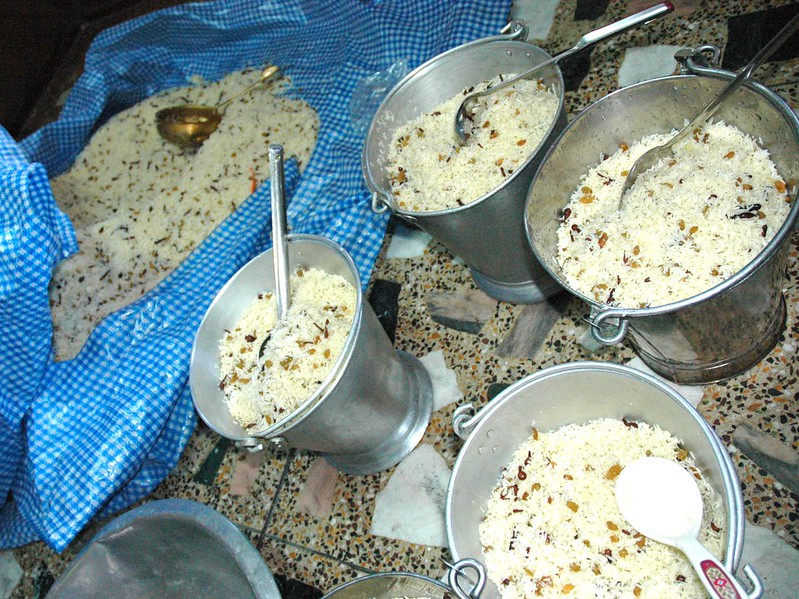 In rural Nepal, where geographic isolation, limited infrastructure and seasonal agricultural cycles restrict access to food, community grain banks have emerged as a practical way to reduce hunger and strengthen food security.
Food Insecurity in Rural Nepal
In rural regions of Nepal, food insecurity remains a significant challenge for many families. Geographic isolation, limited infrastructure and seasonal farming cycles often leave communities without reliable year-round access to food. During the months between harvests, many households face shortages that can lead to malnutrition, debt and deepened poverty.
According to the journal “Food Insecurity, Food Grain Imports and Agricultural Exports in Nepal: A Data Analysis Comparison (1990–2023),” “Food insecurity persists as a pressing issue, particularly in rural areas where undernutrition and food shortages remain prevalent.”
The Impact of Post-Harvest Loss
One major factor contributing to food insecurity in Nepal is post-harvest loss. Limited access to proper storage facilities and technologies leaves stored grain vulnerable to pests, moisture and spoilage. As a result, a substantial portion of harvested crops is lost before they can be consumed or sold.
According to research, “Farmers in Nepal lose up to one-third of stored grain to pests and diseases.” This significantly reduces both household food availability and income.
A Community-Based Solution
To address these challenges, some communities have turned to an innovative and locally driven solution: community grain banks. Grain banks are cooperative systems in which villagers collectively store surplus crops such as rice, wheat or maize after harvest. Each household contributes a portion of its yield to a shared reserve.
When food becomes scarce, families can borrow from the bank and repay the grain after the next harvest, often with a small additional amount to sustain the system. This approach provides a critical safety net. By ensuring access to food during difficult periods, community grain banks in rural Nepal help prevent hunger and reduce the need for high-interest loans, which many families would otherwise rely on to purchase food. In doing so, they play a direct role in breaking cycles of poverty.
In one rural community in Nepal, a grain bank was established to support families vulnerable to seasonal flooding and food shortages. Households contribute grain during harvest and those in need can borrow supplies during emergencies, repaying slightly more after the next harvest. The system follows a structured policy: “If people take 40 kilograms of paddy from the bank, they must return a total of 50 kilograms once they harvest their farm.”
Community leaders emphasize the program’s impact, with Urmila Rishidev, president of Shanti Nari DMT, stating, “The grain bank has been a boon for our community because our children do not have to starve when a flood comes.”
Improving Storage and Long-Term Resilience
In remote areas where access to markets is limited, the role of community grain banks in reducing hunger in rural Nepal is further demonstrated through their ability to stabilize local food systems. Instead of depending on fluctuating food prices or distant supply chains, communities can rely on their own reserves. This increases resilience and allows families to better manage economic uncertainty.
Additionally, improving storage practices is essential to maximizing the impact of these systems. Research highlights that improved technologies can significantly reduce losses and strengthen food security. According to findings, hermetic storage methods are viable, chemical-free alternatives to traditional methods and pesticides used by smallholder farmers for grain storage.
They effectively control pests of stored products, maintain seed quality, improve food security and increase the income of smallholder farmers. This demonstrates how better storage solutions can directly support both food availability and household income.
Conclusion
Community grain banks represent a practical and community-driven approach to addressing food insecurity in rural Nepal. By reducing post-harvest losses, improving access to food during seasonal shortages and strengthening local cooperation, these systems help mitigate key drivers of poverty. While challenges remain, continued support for grain banks and improved storage solutions can help build more resilient, food-secure communities.
– Grelby Santos
Grelby is based in Boston, MA, USA and focuses on Technology and Solutions for The Borgen Project.
Photo: Flickr
