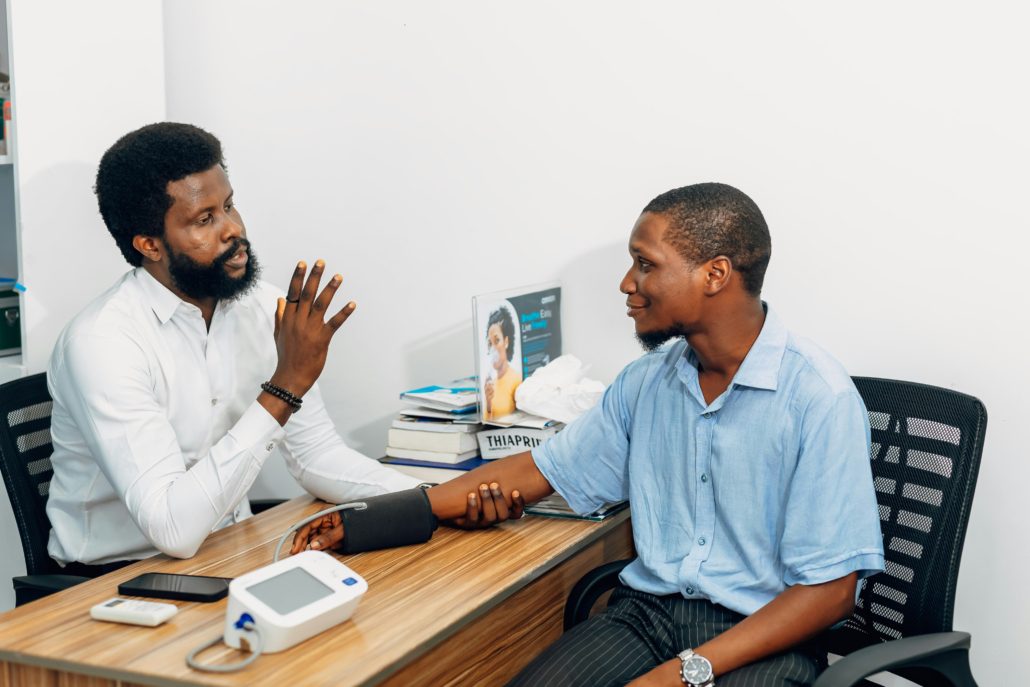
 The progress of Nigeria toward Sustainable Development Goal 3 (SDG 3), which focuses on good health and well-being, reflects both policy commitment and persistent development challenges. Health outcomes in Nigeria remain closely tied to poverty, limited healthcare access and uneven infrastructure across rural and urban areas. While government reforms and international partnerships have expanded immunization campaigns and maternal health programs, the country continues to face structural barriers that slow progress toward the 2030 targets.
However, several initiatives at the community and sub-national levels are improving health outcomes. Data-driven health interventions, expanded immunization campaigns and partnerships among government agencies, multilateral partners and civil society organizations continue to strengthen Nigeria’s health system. These targeted efforts demonstrate how improved data systems and coordinated implementation can accelerate progress toward SDG 3 in Nigeria as the 2030 deadline approaches.
Updates on SDG 3 in Nigeria
SDG 3 is one of the 17 Sustainable Development Goals that the United Nations adopted to create a better world by 2030. The goal focuses on ensuring healthy lives and promoting well-being for people of all ages.
In Nigeria, SDG 3 focuses on improving health outcomes by reducing disease, expanding healthcare access and promoting healthier lifestyles. Key priorities include maternal health, reducing child mortality, combating infectious diseases and strengthening mental health services.
Overview of SDG 3 in Nigeria
Nigeria reaffirmed its commitment to the Sustainable Development Goals in July 2025 when it presented its Third Voluntary National Review (VNR) at the United Nations High-Level Political Forum in New York. The review involved an inclusive national consultation process that engaged stakeholders across Nigeria’s six geopolitical zones, including youth, children and persons with disabilities.
The review highlights both progress and persistent structural challenges. Nigeria has improved child survival and expanded immunization campaigns through partnerships with global health organizations. However, rapid population growth, resource limitations and uneven healthcare access continue to slow progress toward SDG 3 targets.
Health outcomes in Nigeria also closely intersect with poverty. According to the World Bank, about 40% of Nigerians live below the national poverty line, which limits access to healthcare, nutrition and sanitation services. Poverty increases the likelihood that families delay medical treatment, skip vaccinations or rely on under-resourced health facilities, particularly in rural communities.
Nigeria’s development strategy also links health improvements to broader economic reforms. The upcoming Medium-Term National Development Plan (2026–2030) prioritizes strengthening primary healthcare infrastructure, improving maternal and child health services and expanding digital health data systems. Policymakers designed the plan to increase investment in rural healthcare and expand partnerships with international development agencies to accelerate SDG progress.
Maternal Health and Systemic Challenges
Maternal health remains a critical component of SDG 3 in Nigeria. The country continues to record one of the highest maternal mortality ratios globally, with estimates exceeding 500 deaths per 100,000 live births in recent years. This figure remains far above the SDG target of 70 deaths per 100,000 live births.
Several structural factors contribute to this challenge. Many women still lack access to skilled birth attendants and emergency obstetric care. Rural communities often face shortages of trained healthcare workers, essential medicines and transportation to health facilities. Economic hardship also limits access to maternal care services.
Nigeria’s health authorities have begun addressing these gaps through stronger data systems. Health agencies introduced a real-time national platform that tracks maternal and newborn health outcomes across 54 hospitals. Policymakers use this system to identify treatment gaps and improve healthcare delivery decisions.
Child Mortality and Survival
Child mortality remains a critical public health challenge in Nigeria. According to UNICEF (2024), the country’s under-five mortality rate exceeds 100 deaths per 1,000 live births, far above the Sustainable Development Goal target of 25 per 1,000 by 2030.
Research published in Scientific Reports shows that under-five mortality in Nigeria is strongly linked to socioeconomic and geographic inequalities. More recent evidence indicates that Nigeria accounts for a significant share of global child deaths, with disparities driven by poverty, regional inequalities and access to healthcare. Additional peer-reviewed studies confirm that preventable causes, weak health systems and low immunization coverage remain key barriers to improving child survival outcomes.
Low immunization coverage remains one of the main drivers of child mortality. In 2022, Nigeria recorded more than 2.2 million “zero-dose” children who had not received the first dose of the diphtheria-tetanus-pertussis vaccine, the highest number globally.
Immunization
Immunization programs remain central to Nigeria’s SDG 3 strategy. The country achieved major success in eliminating wild poliovirus transmission, demonstrating the effectiveness of coordinated national campaigns.
However, routine immunization coverage still faces logistical and social barriers in many communities. To address these challenges, Nigeria’s government expanded targeted outreach campaigns through the Community Health Influencers, Promoters and Services (CHIPS) program. The initiative trains community health workers to improve vaccine awareness, track immunization coverage and connect families to local health facilities.
Community-Level Health Actions
Local innovation continues to strengthen Nigeria’s healthcare response. One example is the ADVISER program (AI-Driven Vaccination Intervention Optimiser), which health authorities implemented in Oyo State. The initiative uses artificial intelligence to analyze vaccination data and identify households that need targeted outreach.
The program has already improved vaccination delivery strategies for more than 13,000 families by helping health workers identify barriers to immunization and adjust outreach strategies.
Community health initiatives also play a key role in expanding healthcare access beyond formal health facilities. Several organizations operate outreach programs that provide malaria screening, deworming treatments, nutrition assessments and health education for children in underserved areas.
Challenges in Data and Implementation
Nigeria’s 2025 Voluntary National Review also emphasizes the importance of reliable development data for monitoring SDG progress. Policymakers launched Nigeria’s Inclusive Data Charter Action Plan to strengthen the collection and analysis of disaggregated development data.
Improved data systems will help policymakers identify healthcare gaps, measure program outcomes and design targeted interventions that address regional health disparities and gender inequality.
Looking Ahead
Nigeria still faces major obstacles in achieving SDG 3 by 2030, but expanding partnerships, stronger health data systems and increased investment in primary healthcare offer signs of progress. If these reforms continue and policymakers address the link between poverty and health access, Nigeria could significantly reduce preventable deaths and improve well-being for millions of people in the coming years.
– Umeobi Andrew Felix Nonso
Umeobi is based in Abuja, Nigeria and focuses on Global Health for The Borgen Project.
Photo: Unsplash

Molbio Diagnostics: Improving Health Care in South Asia
Truenat
Its leading product, Truenat, is a portable testing platform, which carries out the diagnosis of illnesses like tuberculosis in remote areas. Since its launch, it has become one of two rapid molecular diagnostic platforms that the World Health Organization (WHO) endorsed for tuberculosis and rifampicin resistance detection and is operating in several countries right now. In particular, in India, 7,700 Truenat devices have conducted more than 30 million tests since 2021, making it the core of their National TB Elimination Program.
The greatest strength of the truant devices is their efficiency; they can test patients and administer treatment in a single day, something which has revolutionized disease transmission in resource-scarce areas. Families no longer have to save up to make multiple trips to testing sites or have to wait weeks before receiving treatment, immensely improving their chance of a cure.
For example, in Bangladesh in 2022, medical staff tested 59,000 people and found 58 of them to have drug-resistant tuberculosis, meaning they would have received the incorrect treatment if they had not been able to use the Truenat devices. Therefore, these devices have revolutionized the accessibility of health care in South Asia, allowing people from remote areas to receive diagnosis and treatment more efficiently than ever before.
Other developments
Whilst Truenat is the most used and recognized technology developed by Molbio Diagnostics, it has also developed other technologies with the same goal of improving the accessibility of health care in South Asia. For example, Prorad Atlas is a portable X-ray machine, weighing less than 3 kilograms with a fully rechargeable battery and iBreastExam is a portable breast exam machine, which has helped test more than 1.5 million women world wide for breast cancer.
Most importantly, Molbio Diagnostics put their technology and expertise to work during the COVID-19 pandemic; some features of the Truenat devices were tweaked to enable them to test for COVID-19. The Indian government approved this, allowing more than 800 sites to begin testing, something which was especially necessary in transit hubs and along borders.
Since its launch, Molbio Diagnostics has led the way in global efforts to make health care more accessible, bridging the gap between urban and rural areas across South Asia. These technologies have not only cured thousands, but they have also instilled hope in historically resource-scarce areas for the future of their health care.
– Vittoria Cortese
Photo: Wikimedia Commons
SDG 3 in Afghanistan: Health Gains and Persistent Barriers
In 2024, Human Rights Watch said that big cuts in funding and technical help after the Taliban takeover have badly hurt the health care system, putting millions at higher risk of illness and poor care. These cuts have led to clinic closures and reduced services, leaving families with fewer treatment options. Even so, aid groups have kept some basic care going through emergency programs.
Maternal and Child Health Remain Fragile
Maternal and child health is still one of the most urgent problems for SDG 3 in Afghanistan. Limits on women’s education and work in health care have made it harder to find female health workers. As a result, women and girls face more obstacles to accessing care, especially since many families already have trouble reaching clinics.
In traditional areas, cultural rules mean women often need female providers, but there are even fewer now. This shortage puts women at greater risk during pregnancy and childbirth, when fast care can save lives. In 2025, UNICEF said that 14.3 million people in Afghanistan needed humanitarian health support and 857,000 children under 5 were expected to need treatment for severe malnutrition.
The same report said that in May, more than seven million people got basic health services from UNICEF-supported clinics and mobile teams. These teams go to remote villages to give checkups, vaccines and nutrition support where regular clinics cannot reach. Their work helps improve child health and reduce deaths from preventable illnesses such as diarrhea and respiratory infections.
Aid Groups Address Service Gaps
Humanitarian groups still provide many of Afghanistan’s most important health services. UNICEF-supported clinics and mobile teams have helped families who might not otherwise receive care. Reports show these services are still vital for meeting urgent health needs.
Groups like the World Health Organization (WHO) also supply medicines and train local staff to handle outbreaks and regular care. By focusing on primary health care, these groups help prevent small problems from becoming emergencies. Still, the overall health system is unstable.
A 2025 report warned that closing health centers due to funding cuts has worsened the risks of disease and malnutrition. These shutdowns hit rural areas the hardest, where people already must travel far for care. Aid cannot fully replace public clinics, but it helps fill gaps when there is not enough funding or staff.
Other organizations, such as Médecins Sans Frontières, run hospitals in conflict zones and treat thousands of people for war injuries, infections and childbirth complications. Their teams often work in tents or damaged buildings, showing how aid can adapt to tough conditions. These efforts support SDG 3 by keeping emergency and basic care available when government services cannot.
Disease Prevention Remains Critical
Disease prevention is also an important part of SDG 3 in Afghanistan. UNICEF’s 2025 report found more cases of acute watery diarrhea and warned that Afghanistan is still at high risk for outbreaks. Poor sanitation, hard-to-reach clinics and malnutrition can quickly turn common illnesses into serious emergencies. Weak water systems and crowded living conditions make it easier for diseases like cholera to spread, especially in summer.
Due to these risks, public health work in Afghanistan focuses on both treatment and prevention. Vaccination campaigns, nutrition checks and mobile health services help reduce preventable deaths, especially among children under 5, who are still most at risk. Programs target diseases like measles, polio and pneumonia, which take many young lives each year. Community health workers also teach families about hygiene and warning signs, helping build local skills for lasting improvements.
Mental health support is now another important focus. Conflict and displacement have left many people with trauma and NGOs now offer counseling at community centers. This work supports SDG 3’s broader goal of well-being, as untreated stress can worsen physical health problems.
Concluding Remarks
Progress toward SDG 3 in Afghanistan has been uneven. The Sustainable Development Report 2025 tracks the country’s SDG results and health is still a major concern, even though there have been some small improvements in services. Vaccination rates have stayed steady in some provinces and more children are getting treatment for malnutrition than before. These steps show that targeted aid can make a difference during a crisis.
Even so, the ongoing work of aid groups and health workers offers hope for improvement. Millions of people are getting care through supported clinics, which is crucial in a country with a weak health system. For Afghanistan to achieve SDG 3, these short-term gains need to become a lasting system of care.
Stable funding, more trained female staff and better roads could turn fragile progress into lasting health security. Until then, humanitarian efforts remain the main support for SDG 3.
– Niaz Youssefian
Photo: Flickr
Community Health Workers in Malawi Expand Maternal Care
He said they also work with families and community leaders to reduce stigma and strengthen support for pregnant women at the community level. This community-to-clinic connection is one reason community health workers in Malawi remain important in maternal and newborn care. REACH Trust describes itself as a Malawian nongovernmental organization (NGO) focused on research, innovation and implementation in health and development.
According to the World Bank, Malawi’s maternal mortality ratio declined from 1,115 in 2000 to 225 in 2023. This underscores the importance of HSAs in Malawi.
How the Community System Works
Chikaphupha said maternal services delivered by HSAs are mainly preventive and referral-based. Malawi’s Community Health Framework similarly describes community health workers as the first point of contact between communities and the health system and calls for stronger integration between community teams and health facilities. This structure matters because skilled midwives and nurses deliver babies and manage obstetric emergencies at facilities, while HSAs help women access those services earlier.
Chikaphupha said HSAs use standardized checklists and danger-sign rules during home visits. He said they look for symptoms such as heavy bleeding, severe headaches and high fever, while also checking basic signs and asking about earlier pregnancy complications. He added that they can escort women for urgent referral when needed.
This role fits Malawi’s broader policy direction. The country’s earlier National Community Health Strategy and the current framework both emphasize referral systems, supervision and a target of one HSA per 1,000 people.
Training and Workforce Expansion
According to Chikaphupha, HSA training has included classroom and field-based instruction in reproductive health, antenatal care, labor, postnatal care, counseling, referral skills and emergency response. He said Malawi has recently shifted from an earlier 12-week training model to a one-year curriculum. He also said the first cohort of 497 trainees completed the 12-month program and graduated in November 2024 and that these workers are being recruited as Disease Control Surveillance Assistants (DCSAs).
Last Mile Health works with the Malawi Ministry of Health to provide standardized training for community and frontline health workers. These workers support routine services, including maternal and child health visits. Even with that progress, Chikaphupha said remote communities still face shortages, poor transport links, weak supervision, stockouts and burnout.
Malawi’s Health Sector Strategic Plan III for 2023-2030 calls for training, recruiting and equipping HSAs to meet community health strategy targets. The plan lists antenatal care coverage of at least four visits at 51% as a baseline, showing why stronger local outreach still matters. Chikaphupha said some HSAs serve more than 2,000 people, well above the desired ratio.
Organizations Are Backing a Practical Solution
Recent programs show how community health workers in Malawi are being supported through targeted investments. UNICEF continues to invest in maternal and child health care and capacity building for health workers in Malawi. In March 2025, UNICEF, with funding from the U.K.’s Foreign, Commonwealth and Development Office, supported the Rumphi District Health Office in training 16 community midwifery assistants and 24 HSAs.
The training was designed to help these individuals integrate services related to maternal, newborn, child and adolescent health, as well as nutrition. Furthermore, in March 2026, UNICEF announced that funding from China would upgrade maternity and newborn wards in 20 health facilities across three districts. The funding would also supply medicines and equipment and train community health workers to better support mothers and babies.
Chikaphupha said Malawi’s 2023–2030 national framework is formalizing the role of community health workers in maternal and newborn care, while newer projects are expanding postnatal home visits, community engagement and digital tracking. This makes community health workers in Malawi more than a stopgap measure. They are part of a longer-term strategy to extend maternal care into communities that would otherwise have the weakest access to services.
As Malawi continues to invest in training, facility links and workforce support, community health workers in Malawi remain one of the country’s clearest maternal health solutions.
– Aiden Moriarty
Photo: Unsplash
Transformation of Education in Zimbabwe
Early Childhood Development
The Zimbabwe Network of Early Development Actors (ZINECDA) develops children from conception to age 8. The organization shares and generates knowledge about formative years, runs training workshops and distributes information sheets to positively impact young children’s lives. Since 2012, ZINECDA has impacted the lives of more than 20,000 children.
This highlights why education in Zimbabwe plays an integral role in eradicating poverty, as early access to learning helps children develop vital, transferable skills.
The BEAM Initiative
The Basic Education Assistance Module (BEAM) initiative supports education in Zimbabwe, especially for the most vulnerable children, such as orphans and young carers. In 2025, the initiative planned to cover funds and fees for 1.5 million children across the country.
This demonstrates the direct correlation between education and poverty. Government-funded support opens opportunities for the most vulnerable, making education accessible where it was once out of reach. Zimbabwe’s high literacy rate of 93% reflects this progress.
Angeline Gata
The Primary and Secondary Education Deputy Minister, Angeline Gata, has transformed education in Zimbabwe. She shifted the focus from exam-based learning to skill-based learning, which she believes creates lifelong, employment-ready skills. Gata encourages Zimbabwean youth by saying, “Skills pay, so make sure you invest in them.”
By prioritizing digital literacy and entrepreneurship, she helps young people become adaptable adults who can enter employment and live above the poverty line. Overall, she introduces innovative reforms that prioritize young people’s ideas, unlike previous changes that lacked consultation with those affected. By consulting young people and creating reforms they care about, she keeps them engaged.
Global Partnership Education
The Global Partnership for Education (GPE) works to improve the quality of education in Zimbabwe. Its efforts ensure that the Zimbabwean government allocates 21% of its expenditure to education and that two-thirds of Zimbabwean children reach at least the lower secondary school level. GPE also works to fully train 98% of primary teachers, raising education quality.
GPE also focuses on girls’ education, challenging gender norms that keep young girls from attending school. With a $40.9 million grant from UNICEF and CAMFED dedicated to women’s education until 2026, GPE aims to give young girls in Zimbabwe the same opportunities as their male counterparts.
Looking Ahead
Zimbabwe’s focus on education promises to reduce poverty in the future. The government targets youth, aiming to break the poverty cycle, especially through the BEAM initiative’s support for the neediest children. Education, especially skills-based learning, develops transferable skills essential for gaining and keeping employment.
By recognizing gender imbalances and investing in youth, Zimbabwe encourages young people to become innovators of change and empowers everyone to build a life outside of poverty. These reforms provide a lifeline for Zimbabwe’s most underserved children and open doors that would have otherwise remained closed.
– Caitlin Cooper
Photo: Flickr
Solutions to Youth Unemployment in Greece
The southern European nation has long faced this challenge amid a broader economic crisis. Although the government of Greece is considering measures to address youth unemployment, the country has already seen significant improvements in employment.
Youth Unemployment in Greece
“For over a decade, Greece has held one of the highest youth unemployment rates in the European Union.” In 2009, after nearly a decade of adopting the Euro as its national currency, Greece was hit hard by the global financial crisis. As a result, the government became unable to pay off its debts.
That exacerbated long-running problems within the Greek economy and job market, leading to the highest rate of youth unemployment in Europe. Factors contributing to this high rate include a disconnect between the private sector’s actual needs and the education system. Greece produces a significant number of university graduates in the fields of humanities and social sciences, “while the market screams for specialized technical roles and digital expertise.”
This imbalance in the labor market leaves highly educated young people without the technical expertise needed to meet the demands of the private sector. This leaves them overqualified for jobs in tourism and retail but underqualified for upper management positions. Limited vocational training can restrict young people’s access to sectors such as construction and engineering, while low levels of youth entrepreneurship contribute to fewer start-ups.
Regarding tourism, Greece is a popular vacation destination, with a large tourism industry that generates significant revenue. However, the tourism industry can be seen as a double-edged sword. Most work in tourism is seasonal, which presents a problem for long-term financial planning and career progression.
Many young workers are caught in a cycle of short-term, six-month contracts. This limits their ability to plan for the future, including securing a mortgage or starting a family. Seasonal work also rarely provides the professional development needed to move into stable, high-paying corporate roles.
Improvements and Potential Solutions
As the problem has persisted, the Greek government and other parties have remained divided over the issue and have tried to implement policies to address the needs of Greece’s youth who have been left behind. Just this year, Greece introduced reforms to its tax code that lowered the overall tax rate by two percentage points. The reform also offers additional tax breaks to younger workers and families, with rates as low as 9% for families with three children and zero income tax for those with four or more children.
Reforms like this can provide some extra brevity for those looking to enter the job market, as well as making it more manageable for those who want to start a family in the future. Other taxes that are reduced include the property tax for villages with fewer than 1,500 residents and an overhaul of provisions for short-term renting. Another proposal, detailed by the European Student Think Tank, calls for “Setting up regional offices for counseling and networking, especially in rural regions with high youth unemployment, as part of an effort to enhance entrepreneurship skills, knowledge of the Greek market and social skills of youth.”
From the proposals already passed, it is evident that there has been a substantial improvement in youth employment. According to Prime Minister Kyriakos Mitsotakis, “Greece used to be at the bottom in Europe in unemployment of young people with 39.5% in 2019, but that rate has dropped to 13%.” That is a substantial improvement, yet there is still much work left to be done.
Final Remarks
Recent reforms to the tax code, property laws and economic policies have greatly improved the prospects of young Greeks. They now have the opportunity to begin a new chapter in their lives as professionals, rather than remain stagnant in a tourist economy that kept them from advancing.
– Alexander K. Petrov
Photo: Flickr
Eliminating Food Scarcity in Nigeria With Mechanized Agriculture
However, this is changing. Through recent programs, mechanized agriculture is reaching Nigeria’s hardworking farmers, enabling them to vastly increase their yields. With the continued success of these programs, food scarcity in Nigeria is set to decrease exponentially.
The Unique State of Nigeria’s Agriculture
Out of Nigeria’s population of 232 million, more than 60% are multidimensionally poor. This means that farmers are forced to operate on a community scale rather than expanding their work to a commercial level. About 80% of Nigeria’s farmers operate on this smaller scale and still, they account for more than 90% of agricultural output.
Usually, farmers in Nigeria can barely provide for themselves and their communities. Their work is essential, but never enough. The domestic demand for farm products in Nigeria is so large that, despite being Africa’s top rice producer, the country still imported 2.9 million tons of rice in 2014. As a result of poverty, Nigerian farmers rarely have access to basic modern farming inputs, such as fertilizer, pesticides or mechanization, including tractors.
How Mechanized Agriculture Is Making a Difference
In 2018, a deal was made between John Deere, the American tractor company, its distributor, the Tata Group and Alluvial, a Nigerian agricultural company that works with smallholder farmers. Together, the two companies formulated an agreement that has been revolutionary for Nigeria’s small farmers.
At Alluvial’s request, John Deere has agreed to begin leasing 300 tractors to smallholder farmers of Nigeria within the Niger Delta region, an area of significant food scarcity that is home to more than 100,00 farmers. These 300 tractors are now available to lease at only $100 per acre of land for use in their everyday farming duties.
With this project, Alluvial’s goal is to unite Nigeria’s smallholder farmers into a commercial workforce. Furthermore, the aim is to supply them with the materials needed to expand their agricultural operations. Alluvial’s owner, Dimieari Von Kemedi, hopes to raise these farmers to a level where their crops can be sold across Nigeria and, eventually, beyond Africa.
What Is Next?
The Nigerian government has begun investing more in its farmers. In May of 2018, the government bought 10,000 more tractors to lease to farmers. Alluvial’s initiative has already inspired more change than was ever anticipated.
And even now, the initiative continues. Nigeria’s federal government has been continuously purchasing more tractors and other farming equipment to sustain agricultural growth. In September of 2025, the government distributed 2,000 more tractors and 9,000 other pieces of machinery.
Many people in Nigeria are still going hungry and farmers are still struggling to keep up with demand. But this initiative, which began in 2018, has introduced a potential solution that is still being implemented today. As long as projects like this continue, positive change is inevitable.
– Lucas Cain
Photo: Pexels
Updates on SDG 3 in Nigeria
However, several initiatives at the community and sub-national levels are improving health outcomes. Data-driven health interventions, expanded immunization campaigns and partnerships among government agencies, multilateral partners and civil society organizations continue to strengthen Nigeria’s health system. These targeted efforts demonstrate how improved data systems and coordinated implementation can accelerate progress toward SDG 3 in Nigeria as the 2030 deadline approaches.
Updates on SDG 3 in Nigeria
SDG 3 is one of the 17 Sustainable Development Goals that the United Nations adopted to create a better world by 2030. The goal focuses on ensuring healthy lives and promoting well-being for people of all ages.
In Nigeria, SDG 3 focuses on improving health outcomes by reducing disease, expanding healthcare access and promoting healthier lifestyles. Key priorities include maternal health, reducing child mortality, combating infectious diseases and strengthening mental health services.
Overview of SDG 3 in Nigeria
Nigeria reaffirmed its commitment to the Sustainable Development Goals in July 2025 when it presented its Third Voluntary National Review (VNR) at the United Nations High-Level Political Forum in New York. The review involved an inclusive national consultation process that engaged stakeholders across Nigeria’s six geopolitical zones, including youth, children and persons with disabilities.
The review highlights both progress and persistent structural challenges. Nigeria has improved child survival and expanded immunization campaigns through partnerships with global health organizations. However, rapid population growth, resource limitations and uneven healthcare access continue to slow progress toward SDG 3 targets.
Health outcomes in Nigeria also closely intersect with poverty. According to the World Bank, about 40% of Nigerians live below the national poverty line, which limits access to healthcare, nutrition and sanitation services. Poverty increases the likelihood that families delay medical treatment, skip vaccinations or rely on under-resourced health facilities, particularly in rural communities.
Nigeria’s development strategy also links health improvements to broader economic reforms. The upcoming Medium-Term National Development Plan (2026–2030) prioritizes strengthening primary healthcare infrastructure, improving maternal and child health services and expanding digital health data systems. Policymakers designed the plan to increase investment in rural healthcare and expand partnerships with international development agencies to accelerate SDG progress.
Maternal Health and Systemic Challenges
Maternal health remains a critical component of SDG 3 in Nigeria. The country continues to record one of the highest maternal mortality ratios globally, with estimates exceeding 500 deaths per 100,000 live births in recent years. This figure remains far above the SDG target of 70 deaths per 100,000 live births.
Several structural factors contribute to this challenge. Many women still lack access to skilled birth attendants and emergency obstetric care. Rural communities often face shortages of trained healthcare workers, essential medicines and transportation to health facilities. Economic hardship also limits access to maternal care services.
Nigeria’s health authorities have begun addressing these gaps through stronger data systems. Health agencies introduced a real-time national platform that tracks maternal and newborn health outcomes across 54 hospitals. Policymakers use this system to identify treatment gaps and improve healthcare delivery decisions.
Child Mortality and Survival
Child mortality remains a critical public health challenge in Nigeria. According to UNICEF (2024), the country’s under-five mortality rate exceeds 100 deaths per 1,000 live births, far above the Sustainable Development Goal target of 25 per 1,000 by 2030.
Research published in Scientific Reports shows that under-five mortality in Nigeria is strongly linked to socioeconomic and geographic inequalities. More recent evidence indicates that Nigeria accounts for a significant share of global child deaths, with disparities driven by poverty, regional inequalities and access to healthcare. Additional peer-reviewed studies confirm that preventable causes, weak health systems and low immunization coverage remain key barriers to improving child survival outcomes.
Low immunization coverage remains one of the main drivers of child mortality. In 2022, Nigeria recorded more than 2.2 million “zero-dose” children who had not received the first dose of the diphtheria-tetanus-pertussis vaccine, the highest number globally.
Immunization
Immunization programs remain central to Nigeria’s SDG 3 strategy. The country achieved major success in eliminating wild poliovirus transmission, demonstrating the effectiveness of coordinated national campaigns.
However, routine immunization coverage still faces logistical and social barriers in many communities. To address these challenges, Nigeria’s government expanded targeted outreach campaigns through the Community Health Influencers, Promoters and Services (CHIPS) program. The initiative trains community health workers to improve vaccine awareness, track immunization coverage and connect families to local health facilities.
Community-Level Health Actions
Local innovation continues to strengthen Nigeria’s healthcare response. One example is the ADVISER program (AI-Driven Vaccination Intervention Optimiser), which health authorities implemented in Oyo State. The initiative uses artificial intelligence to analyze vaccination data and identify households that need targeted outreach.
The program has already improved vaccination delivery strategies for more than 13,000 families by helping health workers identify barriers to immunization and adjust outreach strategies.
Community health initiatives also play a key role in expanding healthcare access beyond formal health facilities. Several organizations operate outreach programs that provide malaria screening, deworming treatments, nutrition assessments and health education for children in underserved areas.
Challenges in Data and Implementation
Nigeria’s 2025 Voluntary National Review also emphasizes the importance of reliable development data for monitoring SDG progress. Policymakers launched Nigeria’s Inclusive Data Charter Action Plan to strengthen the collection and analysis of disaggregated development data.
Improved data systems will help policymakers identify healthcare gaps, measure program outcomes and design targeted interventions that address regional health disparities and gender inequality.
Looking Ahead
Nigeria still faces major obstacles in achieving SDG 3 by 2030, but expanding partnerships, stronger health data systems and increased investment in primary healthcare offer signs of progress. If these reforms continue and policymakers address the link between poverty and health access, Nigeria could significantly reduce preventable deaths and improve well-being for millions of people in the coming years.
– Umeobi Andrew Felix Nonso
Photo: Unsplash
CRY India and Their Promise of Childhood
Natural Disasters and Children’s Health in India
India is among the world’s most disaster-prone nations, with 27 out of 29 states vulnerable to hazards such as cyclones, earthquakes, landslides and floods. According to the United Nations Children’s Fund (UNICEF), more than 17,000 children lost their lives between 2000 and 2016 as a result of these events.
Multiple aspects of a child’s life are adversely affected by natural disasters, including access to education, displacement and access to sanitation facilities. Between 2016 and 2021, 6.7 million children were displaced. One of the most severe consequences is the impact on children’s health in India, due in part to injuries caused during these events, but also to lost access to medical care that prevents children from receiving immunizations, nutrition or proper monitoring from medical professionals.
According to the UNICEF child displacement report, India is one of the top three countries with the highest record of disaster-related child displacement, with 95% of child displacements driven by floods and storms. These hazards leave 21.4 million people in need of health assistance, 27.6 million in need of nutritional assistance and 28.1 million in need of access to clean water.
A study on the effects of natural disasters on children’s health in India found that extreme events such as floods and droughts increase the likelihood of acute illnesses like diarrhea, fever and acute respiratory illness (ARI) in children under five by 9% to 18%. Both diarrhea and ARI are the leading causes of child mortality in children under five and together account for 40% of the child mortality rate in this age group each year. The research also found that exposure to disaster in the past year is linked to significantly worse nutrition, increasing the risk of stunted growth and being underweight or malnourished.
CRY India’s Work in Children’s Health
Child Rights and You (CRY India) has recognized this issue with children’s health in India and has been working to address it. Established in 1979 by Rippan Kapur, an Indian Airlines purser, CRY began with six co-founders to restore children’s rights. Today, the organization has 144 partners and works across 20 Indian states, having reached 4.7 million children.
CRY’s data shows that two out of five children in India are not fully immunized, two out of three child deaths are due to malnourishment and every third child under five is severely malnourished. The organization addresses these issues through health programs that focus on pre- and postnatal care for mothers, monitoring children’s growth and development, and creating community gardens and kitchens where families can receive proper nutrition in times of disruption and displacement.
According to research on the impact of disasters on children’s health, boys and children under one are more likely to receive medication and food during crises. CRY works to share access to medical care and nutrition with all children and mothers, regardless of socioeconomic background or gender. The organization connects families to communities, aid, schools and government services.
CRY India’s Impact
CRY’s impact on children’s health in India has been substantial. The organization has helped 2,500 children recover from malnutrition through medical monitoring and care from governmental health care centers. Collaboration with the national government has allowed CRY to expand its work and reach children and families in both rural and urban regions. Additionally, 600 kitchen gardens have been set up across seven states under the sustainable nutrition initiative, and more than 7,000 children under one have been immunized.
Looking Ahead
The issue of children’s health and welfare in India is being addressed through collaboration between the government and organizations such as CRY. While the scale of displacement from natural disasters remains large, these efforts represent measurable progress. With continued support, programs like those run by CRY India can help restore stability and equal access to health care for children across the country.
– Jaya Noonan
Photo: Unsplash
Multidimensional Poverty in Sierra Leone
The global Multidimensional Poverty Index (global MPI) is a method used to measure poverty across 100 developing countries. It analyzes and assesses deprivations in health, education and living standards.
The History of the Global MPI
The Oxford Poverty and Human Development Initiative (OPHI) and the United Nations Development Program (UNDP) developed the global MPI in 2010. Since then, it has been used to gauge a country’s poverty intensity by tracking indicators across its population. These indicators include nutrition, child mortality, years of schooling, school attendance, cooking fuel, sanitation, drinking water, electricity, housing and assets.
Why Is Measuring Poverty a Vital Tool?
The Borgen Project spoke with an individual at OPHI’s communications department, who emphasized that the importance of measuring poverty “cannot be overstated.” They added, “Without knowing whether poverty is going up or down or what the components of poverty are, we cannot design policies that are likely to reduce poverty or evaluate whether policies intended to reduce poverty are working.”
They also described MPIs as “vital tools for examining the breadth and depth of poverty in a country, as well as for showing how the composition of poverty differs from group to group.”
The Alkire-Foster Method in Sierra Leone
Sierra Leone’s MPI is based on the Alkire-Foster method, a counting approach used to identify people living in poverty and the deprivations they experience. The individual said, “The purpose of Sierra Leone’s multidimensional poverty measurement journey has been to understand the extent and depth of multidimensional poverty in Sierra Leone to complement monetary poverty measurement and to support national development planning and monitoring.”
Its steps include:
Child Poverty
According to the Government of Sierra Leone (GoSL), multidimensional poverty among children is expected to fall from 66% to 40% by 2030. Several social factors continue to drive child poverty in Sierra Leone, including:
Achieved Targets and Ongoing Progress
The 2019–2023 Medium-Term National Development Plan prioritized education, health care and nutrition, domestic revenue growth, improved governance and the promotion of peace and stability across the country.
Some of the milestones achieved included:
The 2024–2030 Medium-Term National Development Plan has since established a roadmap to guide the country’s poverty reduction goals and development targets over the next seven years.
The Big Five Gamechangers include:
Looking Ahead
The interviewee described the MPI as “a high-impact tool for evidence-based, integrated, multisectoral policymaking.” By using the Alkire-Foster method to measure poverty across Sierra Leone, the country has been able to track progress and guide ongoing implementation. These efforts aim to strengthen governance and improve living conditions across the population.
– Zara Ashraf
Photo: Unsplash
Sri Lanka’s Debt Crisis Recovery
Global public debt has risen rapidly, with almost 40% of the developing world in serious debt. As a result, many developing countries face a difficult choice between paying their debts and investing in public services such as health care, education and infrastructure. The situation requires greater transparency, stronger tools to ensure debt sustainability and faster debt restructuring agreements between governments, private creditors and international financial institutions.
Sri Lanka’s Debt Crisis
Sri Lanka, a lower-middle-income developing country, experienced a severe economic crisis in 2022 when the government failed to repay its foreign debt for the first time in its history. Before this, Sri Lanka had maintained a perfect record of external debt repayment since gaining independence in 1948. The default triggered the worst economic crisis the country had ever faced.
Prices increased dramatically and there were shortages of essential goods, including fuel, food and medicine. Fuel shortages meant buses, trains and medical vehicles struggled to operate, while gas and diesel prices rose sharply. Schools had to close and many people had to work from home to conserve fuel. The country also experienced long power cuts and widespread inflation, including food inflation that reached 95%.
Additionally, taxes on goods were doubled, electricity prices increased and fuel subsidies were removed. As a result, poverty in Sri Lanka doubled, reaching 26% of the population, with millions of people pushed into hardship.
What Caused the Crisis?
One of the key causes of Sri Lanka’s crisis was a shortage of foreign currency. The country imported about $3 billion more goods each year than it exported, which gradually drained its foreign exchange reserves. By the end of 2019, Sri Lanka had about $7.6 billion in foreign reserves, but this rapidly fell to around $250 million, leaving the country unable to repay its sovereign debt.
Government policy decisions also worsened the situation. In 2019, large tax cuts introduced by the government reduced public revenue by more than $1.4 billion per year. This weakened the country’s finances and made it more difficult to service its debt.
How the Government Responded
To address Sri Lanka’s crisis, the government proposed using funds from workers’ retirement savings to help repay the country’s debt. The government also sought international support. The International Monetary Fund (IMF) determined that Sri Lanka’s debt was unsustainable and agreed to provide a $3 billion loan while helping design an economic recovery program.
The government also sought financial assistance from other partners to mitigate the crisis’s impact on citizens, with its major creditors, including China and India, agreeing to extend the repayment timeline. As part of the recovery plan, Sri Lanka also introduced tax increases on products such as fuel and food. Furthermore, it announced plans to raise funds by restructuring state-owned enterprises and privatizing the national airline.
In 2024, Sri Lanka’s national debt was formally restructured after negotiations with creditors. However, challenges remain. In 2025, a cyclone caused further devastation, prompting people to call for a suspension of the country’s debt repayments.
What Happens Next?
By 2024, Sri Lanka’s economy had stabilized faster than expected, surpassing the performances of other debt-defaulting countries. Inflation fell to single digits, but stabilization alone is not enough. The country has often failed to introduce deeper structural reforms after past crises. For long-term recovery, it will need strong political commitment to implement policies that encourage sustainable growth.
Many experts argue that Sri Lanka will need debt relief or cancellation to recover fully. People need decent jobs, wages, rights, social protection, inclusion and equality. The outcome will also serve as an important test for international organizations such as the IMF in how they manage sovereign debt crises and it will demonstrate the urgent need to reform how debt crises are managed.
– Jeanne Pellet
Photo: Unsplash