PERi-Farms: Nando’s Supporting Smallholder Farmers
 Countries in Southern Africa, including Zambia, Malawi, Mozambique and Madagascar, continue to face extreme poverty, with limited progress in recent years. About 71% of the population in Zambia, 81% in Mozambique and 69% in Madagascar live on less than $3.00 a day, while 70% of the population in Malawi lives on less than $2.15 a day. In addition, a significant share of the population across the region experiences severe malnutrition and insufficient caloric intake.
In Southern Africa, agriculture remains central to both livelihoods and economic growth, with 60% of the population depending on the sector for income and survival. Yet the region continues to face severe malnutrition, exposing a deep contradiction between reliance on agriculture and persistent food insecurity. Farmers across the region face major barriers, including limited access to technology, climate shocks and chronic food insecurity.
These challenges make it difficult for farming households to move beyond the poverty line or earn enough to sustain themselves and their families, reinforcing a cycle of intergenerational poverty.
Nando’s PERi-Farms
In response to the challenges Southern African farmers face in earning a sustainable living, Nando’s launched a scheme to promote sustainable farming. Recognizing the region’s heavy dependence on agriculture, the company identified an opportunity to help improve the quality of life for smallholder farmers by addressing the setback created by limited resources and low incomes.
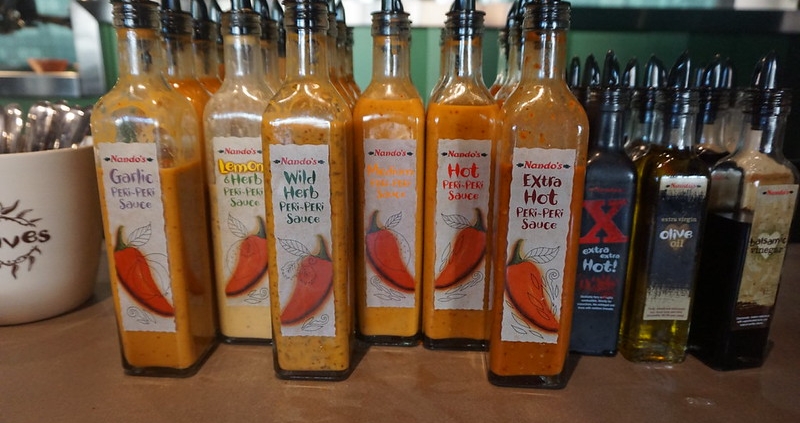
In 2012, Nandos committed to supporting smallholder farms in Southern Africa by buying chilies from farmers in Mozambique, Malawi, Zimbabwe and South Africa for use in its well-known PERi-PERi sauces. What began with just six farmers, who supplied 1.6% of Nando’s chili requirements at the time, has since grown to more than 1,400 farmers across 18 growing regions in those four countries.
Through this model, Nando’s provides smallholder farmers with a more stable income throughout the season. This stability helps protect farmers from price fluctuations driven by crop quality, climate-related disruptions and early-season pricing pressures. Regional farming organizations run the project on Nando’s behalf.
They teach smallholder farmers in Southern Africa more sustainable farming practices and provide them with finance, materials and seedlings that they may have found hard to obtain. As a result, findings from the Impact Amplifier show that, compared with national averages in their respective countries, farmers in Nando’s supply chain are 95% more food secure, 75% more energy secure and achieve 80% higher completion rates across primary, secondary and tertiary education.
How This Makes a Difference
The Impact Amplifier has strengthened Nando’s capacity in areas such as professional development, food security, health care and education. This has enabled the company to better support independent smallholder farmers in Southern Africa. It does so by improving access to finance and agricultural inputs, providing training in efficient farming practices and offering more stable pricing throughout the growing season.
This means that smallholder farmers in Southern Africa can afford to educate their children, expand their homes, access solar power and grow their livestock herds. In turn, this helps families build more secure futures and gradually break the cycle of poverty.
Future Initiatives
With the success of the PERi-Farms program, Nando’s has expanded its support beyond the well-known African Bird’s Eye chilies to other crop-growing areas. The scheme now also includes crops such as paprika and cayenne pepper, both key ingredients in Nando’s famous PERi-PERi sauce. This expansion is expected to increase income opportunities and extend support to more smallholder farmers.
Nando’s support for smallholder farmers also promotes gender inclusion, creating opportunities for women through female-focused farming initiatives. Ciara Carpenter, a former intern at Nando’s Malaysia, explained in an interview with The Borgen Project: “They allow women to work on the farms and they provide some form of education and teaching to enable them to progress and grow so they can get other jobs.”
Through this approach, Nando’s enables women to build independence, expand their economic opportunities and better support their families, contributing to more resilient livelihoods.
Final Remarks
“It is nice to understand how some companies are incorporating CSR and sustainability practices into their operations. The Nando’s chili farm not only farms chili but also supports education and helps women get jobs. The farms teach their farmers so that they can then progress onto new things,” Carpenter said as a closing remark in an interview with The Borgen Project.
Through its efforts to help address global poverty, Nando’s has improved the quality of life for smallholder farmers in Southern Africa. The company’s scheme has helped farming families gain access to more stable incomes, better education, improved housing conditions and greater knowledge of sustainable, long-term agricultural practices. In an interview with The Borgen Project, Ciara Carpenter also highlighted the equal opportunities Nando’s creates for women. She explained how Nando’s Malaysia contributes to the company’s wider commitment to sustainable sourcing.
– Freya Bryers
Freya is based in Surrey, UK and focuses on Good News and Technology for The Borgen Project.
Photo: Flickr
