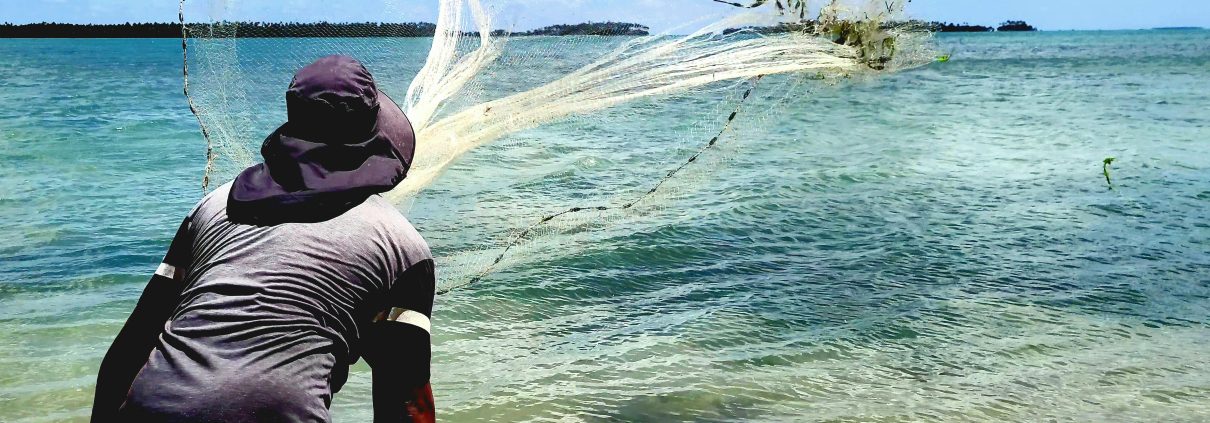
 Mauritius has an Exclusive Economic Zone of approximately 2.3 million square kilometers, one of the largest maritime territories of any small island state on earth. According to the United Nations, that vast ocean space represents one of the country’s greatest untapped opportunities for food security and poverty reduction. And yet, as the U.N. Development Programme has documented, rising food prices and growing import dependence continue to place significant financial pressure on ordinary Mauritian households.
Updates on SDG 14 in Mauritius sit at the center of that contradiction. Sustainable Development Goal 14, Life Below Water, is not simply an environmental target for the island nation. The U.N. frames it as a direct pathway to economic resilience, local food production and poverty reduction for a country whose ocean territory dwarfs its landmass many times over.
Poverty and Food Insecurity
While extreme poverty remains low in Mauritius, vulnerability remains an important issue in the context of rising food prices and import dependence. According to the IMF, the national relative poverty rate fell to 7.3% in 2023, while the Sustainable Development Report 2025 places the poverty headcount ratio at 0.8% at $2.15 per day and 1.3% at $3.65 per day. At the same time, food insecurity indicators remain concerning: the prevalence of undernourishment was 5.9% in 2022, and other estimates place it as high as 8.7%. These figures are especially significant in a country where rising food prices and seafood affordability continue to place pressure on lower-income households.
Recent estimates indicate that roughly 8.7% of the Mauritian population is undernourished. For a middle-income island economy surrounded by one of the world’s most productive ocean territories, that figure reflects a structural gap rather than a resource one. The food is not absent. The systems to make it accessible and affordable are what need work.
An Island That Imports What Its Ocean Could Provide
As a Small Island Developing State, Mauritius depends heavily on external markets for food supply. The U.N. Development Programme (UNDP) notes that this dependence makes the country particularly vulnerable to global supply chain disruptions, imported inflation and geopolitical instability, forces that Mauritian households have little power to control and even less capacity to absorb.
Fish illustrates the problem clearly. Once one of the most accessible protein sources for Mauritian households, seafood has become noticeably more expensive in recent years. Official food security data show that the price of frozen fish peaked at Rs 327 in February 2023 and remained high at Rs 321 in May 2024. For lower-income families, this price pressure has narrowed dietary choices and deepened food inequality, despite the island being surrounded by vast marine resources that remain underutilized.
The Delivery Gap
Mauritius has made genuine legislative progress aligned with SDG 14 objectives. Two pieces of that framework are worth examining in detail because they illustrate both how far the country has come and how much distance remains.
Mauritius’s environmental governance framework is primarily anchored in the Environment Protection Act 2002, later strengthened through amendments in 2008, which extends environmental stewardship and pollution-control standards across the island’s coastal and marine zones. According to the Nairobi Convention’s country profile on Mauritius, the Act establishes environmental impact assessment requirements for coastal development projects, a mechanism designed to reduce shoreline degradation and protect marine biodiversity and fishing stocks over time.
The Integrated Coastal Zone Management framework provides the institutional structure for coordinating the management of Mauritius’s lagoons, coral reefs and coastal ecosystems across multiple government agencies. According to the Nairobi Convention’s Mauritius country profile and related regional assessments, it has supported beach rehabilitation, habitat mapping, water-quality monitoring and coral reef restoration. While the policy framework is clearly in place, implementation and ecological outcomes continue to vary across coastal zones, reflecting the long-term nature of restoration and the uneven pressures faced by different parts of the island.
The Data Behind the Urgency
The Sustainable Development Report 2025 places Mauritius 76th out of 167 countries with an overall SDG score of 70.3, a performance that reflects moderate progress on some goals and persistent challenges on others. SDG 14 sits firmly in the second category.
According to the SDG Index Dashboard for Mauritius, only 11.1% of marine sites important to biodiversity were protected in 2023. The same dataset recorded an Ocean Health Index clean water score of 68.7 in 2024, pointing to ongoing environmental pressures on the island’s marine ecosystem. Most strikingly, 71.9% of fish caught came from overexploited or collapsed stocks, a figure that directly links marine degradation to food security, livelihoods and poverty reduction, rather than framing it solely as an environmental issue.
When nearly three-quarters of the national fish catch draws from stocks already under severe pressure, updates on SDG 14 in Mauritius become less about environmental reporting and more about understanding a food security risk that is actively developing.
An Organization Closing the Gap
The Indian Ocean Commission’s SmartFish Programme offers a concrete example of what meaningful SDG 14 implementation can look like in practice. Launched in 2011, the regional initiative operates across Indian Ocean island states, including Mauritius, with a focus on strengthening fisheries governance, improving market access for small-scale fishers and building the data systems needed to monitor fish stock health over time. In doing so, it connects marine sustainability directly to livelihoods, food security and poverty reduction.
According to regional fisheries governance sources, SmartFish supports fishermen, coastal communities and food security outcomes across the region. For Mauritius, this helps transform marine resources into systems that support local food production, employment and poverty reduction.
Beyond institutional programs, the blue economy offers significant potential through aquaculture, algae cultivation, oyster farming and marine-based small enterprises. World Bank assessments identify these sectors as drivers of employment, lower seafood import dependence and improved food affordability.
What the Numbers Mean for the People
Updates on SDG 14 in Mauritius ultimately tell a story about the distance between a country’s resources and its population’s access to them. According to the SDG Index Dashboard, 71.9% of fish catch is linked to overexploited or collapsed stocks. That figure is not an abstraction, it is a timeline. Every year, that number holds or worsens, the foundation for domestic food production, fishing livelihoods and food affordability erodes a little further.
The U.N. SDG framework, regional fisheries programs such as SmartFish and Mauritius’s own legislative infrastructure all point in the same direction. Deeper investment in sustainable fisheries, aquaculture and marine-based enterprise, combined with stronger implementation of existing policy, represents one of the most direct paths available to Mauritius for narrowing the gap between its ocean wealth and persistent food vulnerability among lower-income households. The challenge now is turning existing frameworks into measurable results.
– Aditya-R Nowbuth
Adutya-Raj is based in Ottawa, Ontario, Canada and focuses on Politics for The Borgen Project.
Photo: Pexels

Protecting Nutrition Security in Rwanda amid USAID crisis
In sub-Saharan Africa, more than 55 million people face severe food shortages, and more than 13 million children could suffer severe malnutrition. Across the region, Nigeria, Chad, Cameroon and Niger are the most affected by the cancellation of nutrition programs, with malnutrition levels inching towards critical and mortality rates among children skyrocketing. Rwanda also faces similar challenges due to the cuts in USAID; however, they are positioned better than neighbouring countries. Proactive planning, policy implementation, health services and nutrition programs underlay the long-term efforts towards nutrition security in Rwanda, enabling them to withstand the shocking blow of aid cuts.
The Long-Term Plan to Establish Nutrition Security in Rwanda
Rwanda’s government has taken a proactive, autonomous approach to direct foreign aid into investing and developing its own aid programs. This ensured the maximum and most efficient use of the foreign aid provided, and Rwanda used this to build a long-term nutrition security plan that cushioned the country during the aid cuts.
Rwanda’s National Food and Nutrition Policy served as a basis for the strategic plan from 2013 to 2018, including a framework for fortified foods for mothers and children, school milk programs, and community awareness campaigns, including the following programs, which have delivered results amid the aid crisis.
Shisha Kibondo
This program saw the local production of a range of nutrient-dense fortified blended food (FBF) products under the brand Shisha Kibondo. These supplements are freely distributed among children younger than 2 years. Pregnant mothers also receive a locally produced maize-corn flour blend with a vitamin/mineral premix. The FBP distribution has contributed to the reduction in child stunting from 33% in 2020 to 27% in 2025, and an overall increase in food security among Rwanda’s households, enabling more than 80% of them to get three meals a day. This data has been uninterrupted by disruptions due to the global pandemic or the aid cuts.
Iron Beans
Iron deficiency is prevalent among Rwandans. Notably, 19% of pregnant women and 37% of the children under the age of 5 suffer from iron deficiency anaemia. To specifically combat these numbers, the Rwanda Agriculture Board and the International Centre for Tropical Agriculture, in partnership with HarvestPlus, introduced iron-fortified bean varieties to Rwandan farmers and provided them with training for suitable agricultural practices. They also worked with the private sector to scale up production and delivery of the iron beans. The ministries of Education and Agriculture have encouraged adding these iron beans to school feeding programs. These iron beans quickly reduce iron deficiency and anaemia among consumers, and enhance their cognitive and physical capabilities.
Feeding Programs
Among multiple school feeding programs, the National Early Childhood Development Programme funded the “One Cup of Milk per Child” program, ensuring pre-primary and primary students receive milk servings two times a week across 19 districts in Rwanda. The overall aim of the program was to improve the nutritional status of students and to encourage them to pursue their education. These feeding programs helped reduce dropout rates among the children, with dropout rates declining by half since 2021 and encouraged students who previously left school to return and pursue their education.
Nutrition and Hygiene Awareness Programs
Community Health Workers (CHW) are responsible for providing health care services within the community. CHWs also implement nutritional interventions, train and educate parents and caregivers in proper nutrition and hygiene practises, and regularly monitor and support households at risk. The CHW network helps contribute to the decline in stunting among children and the reduction of mortality rates among children and pregnant women. While families benefit from CHWs’ guidance, they are sometimes unable to implement the required recommendations and may need additional resources and support to protect their families from nutrition-related tragedies.
By investing in nutrition security in Rwanda, the government was able to maintain core services and protect its citizens, while its neighbours bore the brunt of aid cuts. As the effects of aid cuts continue to ripple across the region, Rwanda’s model of self-sufficiency offers a blueprint for cultivating permanent systems instead of fostering reliance and dependency.
– Nishtha Mahendra Kumar
Photo: Flickr
Bangladesh’s Textile Industry: Expanding Economic Opportunities
The Engine Behind Bangladesh’s Economic Rise
Bangladesh’s garment industry didn’t just grow over time—it essentially became the backbone of the country’s economy. After gaining independence in 1971, Bangladesh was one of the poorest countries in the world, with very limited industrial capacity. Over the years, the ready-made garment (RMG) sector stepped in to fill that gap, replacing traditional exports like jute and turning into the country’s main driver of growth. Today, the industry employs around 4.5 million people and plays a central role in both economic stability and job creation.
Since taking off in the 1980s, the sector has expanded rapidly through export-led growth and strong integration into global supply chains. This model has helped Bangladesh maintain steady economic progress while creating opportunities for millions of people, particularly those from low-income backgrounds. At the same time, as global markets shift and Bangladesh prepares to move beyond its least-developed country status, there are growing questions about how sustainable this growth model will be in the long run.
Women, Work and the Cost of Opportunity
One of the most visible impacts of Bangladesh’s garment industry is on women. For many, factory work offers a first chance to earn an income, especially for those from rural and low-income backgrounds. This has contributed to greater financial independence and more say in family decisions, while also helping delay early marriage. At the same time, these opportunities have also reshaped education choices. While more girls are encouraged to go to school, some leave earlier to work and support their families, showing how economic opportunity can come with trade-offs.
However, working conditions remain challenging, with long hours and relatively low wages still common. The Rana Plaza collapse exposed serious safety issues and led to reforms, but concerns continue. At the same time, the industry’s environmental impact—especially water pollution from textile production—remains significant. Much of this production is driven by global brands such as Primark and H&M, linking local conditions to a wider global system.
The Future of Bangladesh’s Textile Industry
Bangladesh’s textile industry has clearly driven strong economic growth, but this success also comes with risks. One of the biggest challenges is the country’s heavy reliance on a single sector. As highlighted in recent analysis, an economy built so strongly around garments remains vulnerable to global shifts in demand and competition.
Looking ahead, Bangladesh’s upcoming graduation from Least Developed Country (LDC) status could be a major turning point. While it reflects economic progress, it also means the country may lose key trade advantages such as duty-free access to major markets, potentially affecting its competitiveness in the global apparel industry . At the same time, new global regulations—such as the EU’s Carbon Border Adjustment Mechanism—could place additional pressure on exporters to meet stricter environmental standards.
These changes suggest that the current growth model may not be enough in the long term. To stay competitive, Bangladesh will likely need to move beyond low-cost production and focus more on innovation, technology and diversification. Strengthening productivity and expanding into higher-value sectors could be key to sustaining growth in the years ahead.
Conclusion
In many ways, the story of Bangladesh’s textile industry is not just about growth—it’s about people. It’s about millions of lives shaped by the chance to earn, to move, to imagine something beyond survival. For many women in particular, the industry has opened doors that did not exist before.
But behind this progress is a more complicated reality. The same system that creates opportunity also carries pressure on workers, on communities and on the environment. As Bangladesh moves forward, the question is no longer whether the industry can grow, but what kind of growth it chooses to pursue.
If that growth is shaped with greater care—for people, for working conditions and for the environment—then the textile sector can remain not just an economic success, but a more balanced and human one.
– Elif Oktar
Photo: Wikimedia Commons
Poverty Reduction in Cuba
Since 1959, Cuba’s socialist program has addressed poverty by prioritizing food rations, healthcare, literacy and housing for all of its citizens. Despite hardships due to frequent natural disasters, a resource-poor environment and forced isolation from the world market; the Cuban people have remained both steadfast in their principles and adaptable in moments of crisis. As Cuba recovers from the impacts of the COVID-19 pandemic and fights against the United States’ oil blockade, unity and creativity are of the utmost importance when reducing poverty.
Healthcare
Cuba’s planned, state-controlled economy allows for much of the national budget to fund universal healthcare, education and food rations. During the Batista regime of the 1950s, nearly half of the country’s physicians were located in Havana. The centralization of healthcare in cities created severe disparities between quality of care for rural and urban citizens. At that time, Cuba had a single rural hospital, and the rural infant mortality rate was 100 deaths per 1,000 births.
In 1960, the government formed the Rural Medical Service, placing recent graduated physician volunteers in rural areas, and by 1970, there were 53 rural hospitals in Cuba. Through the Family Doctor and Nurse Program, every Cuban has had access to one of more than 13,000 teams of neighborhood doctors and nurses since 1999. These local doctors ensure that the Cuban Health System regularly engages with all of the country’s citizens.
It also gives the government access to aggregated community diagnoses that lead to greater analysis of risk factors and the nation’s most pressing needs. This has led to a reduction of the infant mortality rate from 38.7 per 1,000 live births in 1970 to 4.0 per 1,000 live births in 2018, and has strengthened women’s health services through the establishment and expansion of the National Maternal-Child Health Program. Furthermore, Cuba’s commitment to universal healthcare and public health exceeds its own borders. Since the end of 2018, approximately 400,000 Cuban health professionals have worked in more than 150 countries.
Food and Housing
Although to varying amounts, food rations have been a staple of poverty reduction in Cuba. Recently, limited access to foreign currency for imported food, natural disasters such as Hurricane Melissa and fuel shortages have led to increased food security issues for the island. As the government-issued food baskets are almost entirely imported, Cuba has partnered with the World Food Programme (WFP) for assistance in reducing imports and increasing food self-sufficiency.
This partnership seeks to improve assistance in maintaining food access amid natural disasters, and to strengthen nutrition systems for vulnerable groups, such as expanding school lunches for children. In 2025, 1,540,107 Cubans benefitted from the World Food Programme’s aid—particularly through food assistance and disaster relief from Hurricane Melissa.
Cuba’s 2019 Constitution reiterates these goals. It defines healthcare, education, food security and shelter as human rights, and upholds the state’s goal to achieve food security and housing for all of its citizens. The Cuban government plans to increase shelter construction programs and food rations to accomplish this. By deeming these basic necessities as natural rights, the Cuban government seeks to create both a baseline of security and a healthy, well-educated workforce.
Future Strategies
Due to the recent oil blockade, Cuba has turned to solar power. In 2025, Cuba, with financial help from China, installed around 1,000 megawatts of solar generation. As of February 2026, the Cuban government announced it would waive personal taxes for up to eight years for business people investing in renewable energy. Even local taxi drivers have installed solar panels on the roofs of their vehicles in response to the scarcity of oil. While the oil blockade presently harms Cubans, they are already preparing for an alternative future.
Leader Miguel Díaz-Canel has begun preparations for poverty reduction in Cuba amid increased sanctions and economic instability. Alongside investments in renewable energy, Díaz-Canel has prioritized a decentralization of authority—giving more power to local municipalities and state-owned enterprises—with the goal of expanding local production and reducing reliance on imports. Above all, Díaz-Canel cites “cooperation and collaboration…based on principles of solidarity, integration and complementarity,” as the core principles necessary for Cuban prosperity.
– Josh Megson
Photo: Wikimedia Commons
How Inclusive Employment in Ashgabat Is Providing Hope
In Ashgabat, the official poverty figures are difficult to verify due to the Turkman government’s restrictions, but independent reports suggest there is a dire reality. While the city is well known for its glowing white marble staircases and golden statues, many residents struggle to afford basic necessities. Reports compiled in 2024 indicate that 47% of Turkmenistan’s working population lives in near poverty,” earning between $3.65 and $6.85 per day. For the disabled, the situation is far more concerning as they often face social isolation and a lack of accessible infrastructure. This correlates directly with sky high poverty rates. It is necessary to ensure that the city’s modern landscape includes all resident, regardless of physical or cognitive ability is a significant hurdle. Here is information about the implementation of inclusive employment in Ashgabat.
Bridging the Employment Gap
As part of this expansive transformation, a key shift away from the cycle of isolation for people with disabilities occurred. This transition to a market economy exposed a significant employment gap, leaving many people with disabilities unable to reach their work goals. This resulted in the group remaining largely excluded from the workforce in many sectors. While the situation appears negative, the Turkman government has taken strides in establishing a place for people with disabilities to find work and escape poverty. In 2008, the government under the leadership of the late President Gurbanguly Berdimuhamedov, the government signed the United Nations Convention of People with Disabilities. This move signaled a commitment to inclusive employment across the nation.
The Necessary Legal Protections
For the disabled residents of the nation, this was not just a symbolic gesture, it served as a key starting point for legislative reform. The government later added legal protections, including updating its social protection code to redefine disability as a social limitation rather than a medical one. The government also aimed to provide spaces for people with disabilities in the workforce and carve out specific opportunities for disabled people to gain jobs. This foundation supports Turkmenistan’s quest to create inclusive employment in Ashgabat, fostering a culture of inclusive employment regardless of physical or mental disabilities.
Support From Beyond the Government
While the government itself has made strides in helping disabled people access the workplace, many non-governmental organizations have also helped residents break the cycle of poverty. One of the most notable has been Yenme. At the end of 2022, Yenme received a grant from the United Nations to fund a new social program, “A World Without Gender Inequality.” This program empowers women with disabilities through specialist training and vocational skills. To date, the program has directly impacted dozens of women, such as Gulnar a woman with dwarfism who gained financial independence through sewing training, contributing to a broader feeling of inclusive employment in Ashgabat. Currently, 75% of Yenme’s total beneficiaries are women and girls seeking to overcome societal barriers.
There have been significant strides to uplift the impacted people with disabilities in Turkmenistan aiming toward a goal of ultimate eradication in Ashgabat. The implementation of much-needed legal protections is paving the way for inclusive employment, offering significant hope that real change can be formulated in the country.
– Haydn Goodboy
Photo: Wikimedia Commons
Updates on SDG 14 in Mauritius
Updates on SDG 14 in Mauritius sit at the center of that contradiction. Sustainable Development Goal 14, Life Below Water, is not simply an environmental target for the island nation. The U.N. frames it as a direct pathway to economic resilience, local food production and poverty reduction for a country whose ocean territory dwarfs its landmass many times over.
Poverty and Food Insecurity
While extreme poverty remains low in Mauritius, vulnerability remains an important issue in the context of rising food prices and import dependence. According to the IMF, the national relative poverty rate fell to 7.3% in 2023, while the Sustainable Development Report 2025 places the poverty headcount ratio at 0.8% at $2.15 per day and 1.3% at $3.65 per day. At the same time, food insecurity indicators remain concerning: the prevalence of undernourishment was 5.9% in 2022, and other estimates place it as high as 8.7%. These figures are especially significant in a country where rising food prices and seafood affordability continue to place pressure on lower-income households.
Recent estimates indicate that roughly 8.7% of the Mauritian population is undernourished. For a middle-income island economy surrounded by one of the world’s most productive ocean territories, that figure reflects a structural gap rather than a resource one. The food is not absent. The systems to make it accessible and affordable are what need work.
An Island That Imports What Its Ocean Could Provide
As a Small Island Developing State, Mauritius depends heavily on external markets for food supply. The U.N. Development Programme (UNDP) notes that this dependence makes the country particularly vulnerable to global supply chain disruptions, imported inflation and geopolitical instability, forces that Mauritian households have little power to control and even less capacity to absorb.
Fish illustrates the problem clearly. Once one of the most accessible protein sources for Mauritian households, seafood has become noticeably more expensive in recent years. Official food security data show that the price of frozen fish peaked at Rs 327 in February 2023 and remained high at Rs 321 in May 2024. For lower-income families, this price pressure has narrowed dietary choices and deepened food inequality, despite the island being surrounded by vast marine resources that remain underutilized.
The Delivery Gap
Mauritius has made genuine legislative progress aligned with SDG 14 objectives. Two pieces of that framework are worth examining in detail because they illustrate both how far the country has come and how much distance remains.
Mauritius’s environmental governance framework is primarily anchored in the Environment Protection Act 2002, later strengthened through amendments in 2008, which extends environmental stewardship and pollution-control standards across the island’s coastal and marine zones. According to the Nairobi Convention’s country profile on Mauritius, the Act establishes environmental impact assessment requirements for coastal development projects, a mechanism designed to reduce shoreline degradation and protect marine biodiversity and fishing stocks over time.
The Integrated Coastal Zone Management framework provides the institutional structure for coordinating the management of Mauritius’s lagoons, coral reefs and coastal ecosystems across multiple government agencies. According to the Nairobi Convention’s Mauritius country profile and related regional assessments, it has supported beach rehabilitation, habitat mapping, water-quality monitoring and coral reef restoration. While the policy framework is clearly in place, implementation and ecological outcomes continue to vary across coastal zones, reflecting the long-term nature of restoration and the uneven pressures faced by different parts of the island.
The Data Behind the Urgency
The Sustainable Development Report 2025 places Mauritius 76th out of 167 countries with an overall SDG score of 70.3, a performance that reflects moderate progress on some goals and persistent challenges on others. SDG 14 sits firmly in the second category.
According to the SDG Index Dashboard for Mauritius, only 11.1% of marine sites important to biodiversity were protected in 2023. The same dataset recorded an Ocean Health Index clean water score of 68.7 in 2024, pointing to ongoing environmental pressures on the island’s marine ecosystem. Most strikingly, 71.9% of fish caught came from overexploited or collapsed stocks, a figure that directly links marine degradation to food security, livelihoods and poverty reduction, rather than framing it solely as an environmental issue.
When nearly three-quarters of the national fish catch draws from stocks already under severe pressure, updates on SDG 14 in Mauritius become less about environmental reporting and more about understanding a food security risk that is actively developing.
An Organization Closing the Gap
The Indian Ocean Commission’s SmartFish Programme offers a concrete example of what meaningful SDG 14 implementation can look like in practice. Launched in 2011, the regional initiative operates across Indian Ocean island states, including Mauritius, with a focus on strengthening fisheries governance, improving market access for small-scale fishers and building the data systems needed to monitor fish stock health over time. In doing so, it connects marine sustainability directly to livelihoods, food security and poverty reduction.
According to regional fisheries governance sources, SmartFish supports fishermen, coastal communities and food security outcomes across the region. For Mauritius, this helps transform marine resources into systems that support local food production, employment and poverty reduction.
Beyond institutional programs, the blue economy offers significant potential through aquaculture, algae cultivation, oyster farming and marine-based small enterprises. World Bank assessments identify these sectors as drivers of employment, lower seafood import dependence and improved food affordability.
What the Numbers Mean for the People
Updates on SDG 14 in Mauritius ultimately tell a story about the distance between a country’s resources and its population’s access to them. According to the SDG Index Dashboard, 71.9% of fish catch is linked to overexploited or collapsed stocks. That figure is not an abstraction, it is a timeline. Every year, that number holds or worsens, the foundation for domestic food production, fishing livelihoods and food affordability erodes a little further.
The U.N. SDG framework, regional fisheries programs such as SmartFish and Mauritius’s own legislative infrastructure all point in the same direction. Deeper investment in sustainable fisheries, aquaculture and marine-based enterprise, combined with stronger implementation of existing policy, represents one of the most direct paths available to Mauritius for narrowing the gap between its ocean wealth and persistent food vulnerability among lower-income households. The challenge now is turning existing frameworks into measurable results.
– Aditya-R Nowbuth
Photo: Pexels
Disability and Poverty in Gabon
The Situation
Disability and poverty are almost inseparable. Because one feeds the other; people with disabilities have a lower chance of getting an education and a chance of work, which will lead to poverty in general. Also, people with disabilities often have higher costs due to their health-related needs.
Youth employment is also an issue in Gabon. This country is oil-rich and therefore needs skilled workers in construction, wood processing, renewable energy and communication technologies. However, these educations were limited until quite recently. Since the Gabonese government launched PROCEDE in 2016, their aim is to lower the gap in education in those skill training and job opportunities.
Political Conditions of the Country
The coup leader, Brice Oligui Nguema, won the 2025 election and ended a more than 50-year political dynasty without bloodshed. He secured more than 90% of the vote, an outcome many did not expect. His support stems from promises to advance development and combat corruption.
Poverty grew more quickly in the past years due to countries’ corrupt leaders, where the 2% of these people were the decision makers for the almost 80% people’s wages and rights. They diverted the funds for specific organizations, and the country had to borrow money to pay some of its debt.
Agriculture and Fishing
Basic agriculture and farming contributed only a little to the country’s food production. Still, sugar refining at Franceville and palm-oil processing at Lambarene have a huge impact on the country’s development. Gabon is also one of the world’s leading producers of timber and manganese.
The country recently launched a ranger’s battle for baby sea turtle survival against the odds, aiming to reach as many people and organizations as possible, despite financial cuts.
A 40-year-old Alain Banguiya continues to complete his duties even though he has not been paid for two months, but still says, “We have a duty to fight to the end, to keep our spirits up.” This shows the determination of the country’s citizens in many areas that need assistance.
Finance and Economics
The United States, Belgium and China are among Gabon’s main trading partners, providing substantial investment. The majority of imports are from South Korea, France and China, while exports are largely directed to China, France and the Netherlands.
Transportation remains a major challenge. The country has long lacked efficient transportation infrastructure and, for a long time, relied on light aircraft for air travel, but those were insufficient for exporting heavier materials like timber, which is a major issue in the country.
Gabon is also a major oil producer. BW Energy Gabon received a 25-year extension for the Dussafu Marin production license, extending it from 2028 to 2053. This long-term provides reserving investments, production and a higher chance of stability in oil production planning.
Gabon also launched the Emergency Community Development Programme (PUDC), and its aim is to reduce social inequalities by creating more economic opportunities, strengthening the governance and improving access to basic services.
The government is also working to expand its Fintech hub, enabling businesses to accept multiple payment methods and expanding broader financial access. This could open new entrepreneurial opportunities and expand services to rural areas, though progress depends on government incentives and digital infrastructure.
Education, Disability and Poverty in Gabon
Disability and poverty in Gabon affect younger people in education, too. In the urban areas, there is a lack of educational infrastructure and educators. Also, due to a lower level of focus on these areas, sexual harassment of children is higher.
The education system is similar to France’s and is officially mandatory for kids ages 6 to 16. Gabon, with the support of its government and UNICEF, collected data on people living with disabilities through the Census Campaign. This data shows that 15,967 people live with disabilities across nine regions, with 27.21% aged 0 to 18.
Disability rates are higher in rural areas, where access to education can be limited. Government efforts focus on improving access, supporting young mothers in education and ensuring that all children receive schooling.
In particular, the disability rate is higher in women, where in many rural areas, males are prioritized for making a living and their education comes as a priority. However, the help and support of the government and its legislation about making education mandatory are addressing those problems.
Positive Notes
Many know Gabon for its natural beauty, which its agricultural and trade deals complement. The country has significant potential for eco-tourism and several websites help decide which part to visit and provide entry information for the country. Gabon is one of the African countries with steadily growing potential, supported by education for everyone, especially for kids with disabilities.
– Sibel Yasharoglu
Photo: Unsplash
Leading the Way: Bilingual Education in Senegal
According to the Gates Foundation, students in Senegal have traditionally been taught in French even though less than 1% of the country’s population speaks it at home. Around 80% of Senegalese speak Wolof. This disconnect meant that most children were learning to read and write in a language they did not fully understand.
This challenge is not unique to Senegal. According to the United Nations Educational, Scientific and Cultural Organization (UNESCO), 40% of the global population does not have access to education in a language they speak or understand, with around 250 million learners in low- and middle-income countries struggling with language barriers. The result is often lower literacy rates, reduced engagement and higher dropout rates, barriers that disproportionately affect disadvantaged communities.
A Shift Toward Bilingual Education
In response, Senegal introduced a reform in 2015. The Ministry of Education, in partnership with Associates in Research and Education for Development (ARED), launched a bilingual education model combining Wolof and French.
This initiative addressed inequality in education. Rather than abandoning French, the system integrates it alongside national languages, allowing students to build foundational literacy in a familiar linguistic environment before transitioning to broader communication skills.
UNESCO research indicates that children develop cognitive skills and master content material most easily when taught in a familiar language. These early gains are critical, as foundational literacy strongly influences long-term academic success.
Measurable Improvements in Learning Outcomes
Evidence from program evaluations shows significant improvements in literacy and comprehension. One assessment found a 29 percentage point increase in the number of students meeting oral reading and comprehension benchmarks compared to those taught exclusively in French. The bilingual model is also linked to stronger classroom participation, improved retention and long-term prospects for higher earnings.
The reform has also shifted classroom dynamics. Teachers who were previously constrained by rigid language policies now have the flexibility to communicate in languages their students understand, fostering more interactive and inclusive classrooms.
When students understand the language of instruction, they are more likely to ask questions, collaborate with peers and develop critical thinking skills.
Preserving Culture While Expanding Opportunity
Beyond academic performance, bilingual education in Senegal plays a role in preserving cultural identity. Languages like Wolof are deeply tied to heritage, community and tradition.
The Ministry of National Education is committed to the Harmonized Model of Bilingual Education in Senegal (MOHEBS), an educational reform that recognizes bilingual learning as a means of improving access to learning and strengthening students’ cultural identity.
By incorporating these languages into formal education, Senegal is promoting inclusivity while maintaining cultural continuity. Proficiency in French also provides access to opportunities in higher education, employment and international communication.
Looking Ahead
Senegal’s bilingual education model offers a broader lesson for global education systems: effective learning begins with understanding. By aligning language policy with students’ lived experiences, Senegal is reducing inequality and expanding opportunity. Its progress demonstrates that meaningful reform requires investment in teacher training, curriculum development and community engagement, and that bilingual learning can serve as a pathway to more equitable education outcomes.
– Lucy Kerr
Photo: Flickr
From Party Town to Ecotourism: Reducing Poverty in Vang Vieng
Background
Situated in central Laos, is providing an idyllic escape for respite between the cities of Luang Prabang and Vientiane. Laos is one of the poorest countries in Southeast Asia, with World Bank statistics suggesting that 15% of the population lived below the national poverty line in 2024. Vang Vieng itself is located in the relatively wealthy Vientiane Province. Its poverty severity index of 0.5-1 indicates relatively low levels of extreme poverty; the low poverty rate is extremely significant considering its status as a rural town in a country that experiences regional economic disparities. The reduction of Poverty in Vang Vieng can partially be attributed to its sustained commitment to tourism and the economic opportunities for local people that the sector provides.
Tourism and Poverty Reduction
In Laos, tourism has become increasingly important to the economic welfare of the country, with 4.1 million tourists visiting in 2024, representing an increase of 21% from 2023. This rise in foreign interest has had a direct financial impact, bringing in $1 billion to channel back into the economy. These developments in tourism have had a tangible impact on the country’s GDP; in 2024 Laos recorded a GDP growth of 4.1%. According to the Laotian Times, tourism in Vang Vieng specifically created a revenue of $57.4 million in 2024 and the target for 2025 stood at $78.6 million. This sustained growth highlights the sector’s expanding role in generating income and strengthening economic resilience in communities like Vang Vieng.
Tourism’s Dark Past in Vang Vieng:
Tourism in Vang Vieng however, has had neither a linear or pleasant historical progression. Famed for its party reputation, backpackers in the 1990s flocked to the area to enjoy its lax approach to regulating drugs and unrestrained nightlife. Thirty years ago, a visit to Vang Vieng would have entailed a blur of mushroom laced nights and intoxicated days. This lifestyle undeniably harmed local environments and livelihoods, with the prolific drug culture compounding the impact of poverty in Vang Vieng.
A hedonistic party culture is by no means the darkest chapter of Vang Vieng’s past. The evolution of tourism in the area has been punctuated by a series of fatal tragedies. In 2011, 27 tourists died while tubing down the Nam Song river, a popular activity characterised by riverside bars and high levels of alcohol consumption. This event resulted in authorities officially banning the activity, although one can still participate in tubing with some companies in Vang Vieng even today.
The summer of 2024 saw Vang Vieng once again become the site of a serious incident, in which six tourists died in Nana’s Backpacker Hostel after consuming methanol-contaminated alcohol reportedly provided by staff. Lao authorities responded by closing down the hostel. It has since been reopened under a different name, illustrating once again a schism between official regulation and the reality of enforcing such measures.
Developments in EcoTourism: Transformation of Vang Vieng
Today, the region has largely reclaimed its turbulent past and has become home to a flourishing ecotourism industry that has been vital to the reduction of poverty in Vang Vieng. Despite the continued presence of certain high-risk recreational activities, tourists are now increasingly engaged in more regulated forms of leisure, such as hiking in Tha Hon Kham and visiting the Blue Lagoons.
Companies like Wonderful Tours Laos offer dedicated Eco-tours that allow travellers to enjoy the countryside safely and sustainably. Additionally, there has been a huge influx of eco-friendly hotels in the town, such as The Elephant Crossing Hotel. These hotels focus on sustainability, environmental protection, and creating community-driven job opportunities.
The transition to ecotourism has important socio-economic implications, particularly in terms of poverty reduction. According to the Vang Vieng District Authorities, the rate of poverty in 2017 in the area was just 2.03%. Recent developments have generated employment, diversified income sources and increased local participation in the tourism sector.
For the Riverside Boutique Resort in Vang Vieng, a commitment to local Community and culture is central to its ethos. Indeed, the hotel prioritises the employment of Vang Vieng residents, ensuring that revenue generated through tourism goes to the local economy and supports local livelihoods.
Conclusion
A problematic and controversial past undeniably marks the history of tourism in Vang Vieng. Once sought out for its party scene and nightlife, the town has since undergone a significant transformation into a hub of ecotourism that has proved vital for local development and poverty reduction. Its metamorphosis serves as a model for other tourist destinations to keep sustainability and community central to their economic structures.
– Polly Laws
Photo: Flickr
Higher Education in Greece Addresses Local and Refugee Poverty
Regardless of these challenges, however, higher education in Greece remains key in battling poverty and unemployment rates, with a degree or post-secondary qualification halving the unemployment rate from 24% to 12%, which in turn reduces the poverty rate from nearly 27% to 10.7%. Higher education in Greece traditionally takes the form of university education, however, since joining the European Economic Community in 1981, the country has taken steps to provide free adult education and training, in order to improve the skills of the general workforce beyond formal education. It is therefore of paramount importance to ensure as many students as possible in Greece remain within the education system, ensuring higher wages, increased literacy rates and a better quality of life.
Education and the Greek Economy
While Greece falls to the bottom of all Organization for Economic Co-operation and Development (OECD) countries in education spending per post-secondary student, at around $5,620 USD compared to the median spend of $20,234, public funding still accounts for more than 78% of higher education spending in the country.
This means that while the state contributes the appropriate proportion of funds to tertiary education, it simply can’t provide the necessary financial support for universities and educational facilities to fund necessary reforms for higher education. As a result, the higher education system suffers from complexities such as delays in qualification completions and students being pushed into studying abroad.
NGOs such as American Councils Greece and the Elix Programs are supporting these issues, promoting exchange programs and volunteering in education, environmental protection and social exclusion, in order to provide opportunities for education and qualifications outside of financial constraints.
Importantly, Greece remains in significant debt to fellow European nations, the European Central Bank and the International Monetary Fund, which offered bailouts throughout the economic crisis in order to stabilize the Greek economy. While Greece is making remarkable bounds in recovering these debts, the work of foundations and NGOs in providing accessible education is crucial in these debts being repaid. As citizens gain qualifications to enter well-paying jobs, the economy is rebuilt and vital public spending can go towards helping those at risk of poverty and social exclusion.
Refugee Education
Greece houses approximately 50,000 refugees, the vast majority of whom live below the poverty line, with its geographical location making it the primary entry point for those fleeing conflict and poor living conditions in the Middle East and Northeast Africa. With current laws in neighboring countries no longer allowing these refugees to travel further into Europe, most remain in and integrate into the country and its cultures. This includes the education system, where all children, including refugees, are required to enter compulsory education until they are 15.
However, these statistics don’t account for the approximately 15,000 refugees held on small islands as a result of the EU-Turkey migration deal, with very limited opportunities for formal education. In these circumstances, organizations such as Action for Education and the All Children in Education programme, which has reached more than 25,000 migrant children since 2021, are paramount to providing centers for education up to 23 years old, teaching local languages, relevant skills and trades, as well as providing important safeguarding measures for vulnerable people.
Once refugees have graduated Lyceum (lower secondary), they are able to sit the same examinations as locals in order to enter universities or higher technological institutions. However, for those who have completed secondary education in other countries, there are no special provisions granted for refugees to enter higher education in Greece. This is where the work of private agencies and NGOs, who provide educational services for adults, becomes so important. RefugeeEd provides English and Greek language courses for both children and adults, breaking down barriers of communication and integration and providing key opportunities for refugees to enter higher education or formal jobs. Since 2021, RefugeeEd has trained 46 community teachers and reached more than 200 students across six locations in mainland Greece and its surrounding islands.
How Higher Education Is Battling Poverty
Public and private organizations are working to improve access to higher education for both Greek nationals and refugees. This is battling poverty by addressing the country’s income inequality, providing higher returns in lower-paying, non-skilled jobs, as well as increasing the rate of citizens returning to education after initially graduating from compulsory schooling.
The role that higher education in Greece has played in addressing income redistribution is incredibly important and has become far more accessible through the valuable work that the NGOs named in this article are doing, as well as many more who continue to do invaluable work. Statistics suggest Greece’s poverty rates are gradually coming down, as their debts decrease and surpluses rise. As time goes on, Greece will transition into a far more sustainable model of public investment, allowing them to tackle poverty, immigration and education as efficiently as possible.
– Jake Crapper
Photo: Wikimedia Commons
SDG 9 in Zimbabwe: Targets in Action
The Impact of the COVID-19 Pandemic
There were fewer jobs and more children out of school as a result of the COVID-19 pandemic, showing why SDG 9 in Zimbabwe is a priority. The Sub-Saharan nation ranks number nine among the “top 10 African countries with highest levels of extreme poverty.” Globally, the World Bank considers the extreme poverty line to be lower than a daily income of $29.80 USD. Sadly, as of 2025, 49.2 % of the Zimbabwean population live in extreme poverty and earn less than $3 a day.
Starting from the COVID-19 pandemic, the lack of infrastructure for laptops or phones resulted in more than“4.5 million” children across Zimbabwe having to pause their schooling for “over a year.” Zimbabweans in urban or rural environments cannot thrive when digital learning is not attainable without electricity or mobile technology.
Internet Access
Even with the increase of more than 75.36% of Zimbabweans having internet access throughout the nation in 2024, rural regions lack quality internet access. Quick internet access is a need for the economy, quality education and health technology, and can in turn, help reduce poverty. Beginning in 2022 up to 2025, digital connection became the third of six transitions prioritized before 2030 in Zimbabwe.
SDG 9: Industry, innovation and Infrastructure requires countries to achieve eight targeted components. SDG 9 in Zimbabwe has had the most success in the areas of digital connectivity and broadband internet.
Digital Connectivity in Zimbabwean Communities
One of the goals for SDG 9 is “broadband” digital connectivity in less developed African countries before 2030. Zimbabwe and The World Savings Retail Banking Institute (WSBI) started a partnership in 2023 to introduce the People’s Own Savings Bank (POSB). The partnership relates to target 9.3 with banking loans and access.
POSB encourages Zimbabweans to connect online banking with speed and safety. Businesses flourish with marketing success from e-commerce and cybersecurity. Zimbabwean Agrobusiness, Prodairy, agrees to running financial interactions quicker and feeling safer with digital security. As of 2024, POSB also helps urban and rural Zimbabweans stay connected online through broadband internet, and financial entry with installation of “28 ATMs” nationwide.
Digital Learning Programs to Further Digital Connectivity
In 2024, the Re-imaging Education initiative from UNICEF, the Zimbabwean government and businesses helped 150 schools receive broadband access for e-learning. Provision of solar power, higher speed internet and laptops for primary and secondary schools in rural regions helps close the digital gap of educational advantage for most urban students in comparison to rural students. Urban regions of Zimbabwe have better access to internet connection needed for quality education. This collaboration can help actualize dreams like that of Aaron, a preteen who wants to become an engineer. This target of SDG 9 in Zimbabwe helps rural students experience equality in digital learning with urban students.
Energy Infrastructure in Zimbabwe
Realizing the important need for electricity to power digital connectivity, the energy sector is very influential in helping reduce poverty in rural regions of the nation. SDG 9 in Zimbabwe has superb progress toward target 9.4 with sustainable and cleaner energy.
As of 2024, “62 percent of the population” have electricity, along with alternative solarized and greener power sources. Also, 12% of new installations are clean energy infrastructures. The 18% improvement is a lot from the “acute energy crisis’ in 2020, when only 44% of the nation had electrical power.”
Solar and hydro innovations from the Old Mutual Renewable Energy Fund, power electricity for rural communities near Harare, Zimbabwe. The partnership with the company, Old Mutual Group, and the Zimbabwean government is helping advance SDG 7 to exit the “acute energy crisis.” Meanwhile, the SDG Renewable Energy Fund (SDG REF) Programme is working with businesses to help power more regions.
Collaboration With U.S. & Zimbabwean NGOs
In 2024, NGOs Joyce Meyer Ministries (JMM), which is located in the U.S., and Childcare Ministries Zimbabwe (CCMZ), which is in Zimbabwe, teamed up to construct the Hope factory.
The two manufacturing plant locations in Bulawayo and Heaney, Zimbabwe, have steel silos storing maize from farmers. This infrastructural project relates to sustainable infrastructure in regions and aims to reduce poverty and hunger. Furthermore, GDP can increase with new jobs in agriculture, manufacturing, textile insulation and builders constructing schools in the nation.
The circular economy involved with manufacturing and recycling bags of Corn Soyabean Blend plus (CSB+) further improves sustainable systems. In 2024, J.M.M. had intentions to “feed over 50,000” children daily. Remarkably, the humanitarian organization records “producing its 10 millionth meal” as of 2025. The philanthropic partnership demonstrates how the target 9.a. really helps developing nations accomplish economic sustainability.
Future Focus
SDG 9 in Zimbabwe has led to lots of improvements with mobile broadband in both rural and urban communities and funds for agrobusiness. However, tense trade relations and higher tariffs are interfering with financial situations around the globe and slowing progress toward SDG 9.
However, proper infrastructure for roads has shown little improvement in Zimbabwe in comparison to the aforementioned targets. Meanwhile, science and institutional studies are not close enough for targets to be achieved. This is important because gold mining helps sustain a resilient economy that is responsible for international exports of gold, but it is not enough to hold the whole economy. The primary industries of agriculture and raw material mining need to modernize for the betterment of the Zimbabwean economy.
Zimbabwe strives toward future innovations like “education 5.0,” combining more research for science, agriculture and industry. Future Developments include “industrialized parks” located around post secondary spaces like the University of Zimbabwe for research, food security and business.
Considering all of the progress so far, Zimbabwe shows it is possible for a nation to really move toward becoming a thriving society.
– Tyra Brown
Photo: Flickr