Protecting Nutrition Security in Rwanda amid USAID crisis
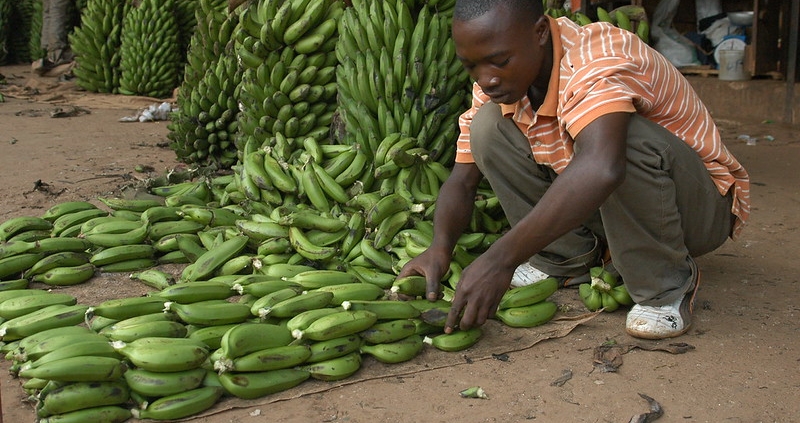 From receiving approximately $12.7 billion from USAID grants in 2024, to the slashing and the cancelling of USAID programs in 2026, Africa faces reductions in multiple life-saving programs focusing on HIV/AIDS, malaria, maternal and child health and nutrition.
In sub-Saharan Africa, more than 55 million people face severe food shortages, and more than 13 million children could suffer severe malnutrition. Across the region, Nigeria, Chad, Cameroon and Niger are the most affected by the cancellation of nutrition programs, with malnutrition levels inching towards critical and mortality rates among children skyrocketing. Rwanda also faces similar challenges due to the cuts in USAID; however, they are positioned better than neighbouring countries. Proactive planning, policy implementation, health services and nutrition programs underlay the long-term efforts towards nutrition security in Rwanda, enabling them to withstand the shocking blow of aid cuts.
The Long-Term Plan to Establish Nutrition Security in Rwanda
Rwanda’s government has taken a proactive, autonomous approach to direct foreign aid into investing and developing its own aid programs. This ensured the maximum and most efficient use of the foreign aid provided, and Rwanda used this to build a long-term nutrition security plan that cushioned the country during the aid cuts.
Rwanda’s National Food and Nutrition Policy served as a basis for the strategic plan from 2013 to 2018, including a framework for fortified foods for mothers and children, school milk programs, and community awareness campaigns, including the following programs, which have delivered results amid the aid crisis.
Shisha Kibondo
This program saw the local production of a range of nutrient-dense fortified blended food (FBF) products under the brand Shisha Kibondo. These supplements are freely distributed among children younger than 2 years. Pregnant mothers also receive a locally produced maize-corn flour blend with a vitamin/mineral premix. The FBP distribution has contributed to the reduction in child stunting from 33% in 2020 to 27% in 2025, and an overall increase in food security among Rwanda’s households, enabling more than 80% of them to get three meals a day. This data has been uninterrupted by disruptions due to the global pandemic or the aid cuts.
Iron Beans
Iron deficiency is prevalent among Rwandans. Notably, 19% of pregnant women and 37% of the children under the age of 5 suffer from iron deficiency anaemia. To specifically combat these numbers, the Rwanda Agriculture Board and the International Centre for Tropical Agriculture, in partnership with HarvestPlus, introduced iron-fortified bean varieties to Rwandan farmers and provided them with training for suitable agricultural practices. They also worked with the private sector to scale up production and delivery of the iron beans. The ministries of Education and Agriculture have encouraged adding these iron beans to school feeding programs. These iron beans quickly reduce iron deficiency and anaemia among consumers, and enhance their cognitive and physical capabilities.
Feeding Programs
Among multiple school feeding programs, the National Early Childhood Development Programme funded the “One Cup of Milk per Child” program, ensuring pre-primary and primary students receive milk servings two times a week across 19 districts in Rwanda. The overall aim of the program was to improve the nutritional status of students and to encourage them to pursue their education. These feeding programs helped reduce dropout rates among the children, with dropout rates declining by half since 2021 and encouraged students who previously left school to return and pursue their education.
Nutrition and Hygiene Awareness Programs
Community Health Workers (CHW) are responsible for providing health care services within the community. CHWs also implement nutritional interventions, train and educate parents and caregivers in proper nutrition and hygiene practises, and regularly monitor and support households at risk. The CHW network helps contribute to the decline in stunting among children and the reduction of mortality rates among children and pregnant women. While families benefit from CHWs’ guidance, they are sometimes unable to implement the required recommendations and may need additional resources and support to protect their families from nutrition-related tragedies.
By investing in nutrition security in Rwanda, the government was able to maintain core services and protect its citizens, while its neighbours bore the brunt of aid cuts. As the effects of aid cuts continue to ripple across the region, Rwanda’s model of self-sufficiency offers a blueprint for cultivating permanent systems instead of fostering reliance and dependency.
– Nishtha Mahendra Kumar
Nishtha is based in London, UK and focuses on Global Health for The Borgen Project.
Photo: Flickr
